Wildlife
Species profiles, behaviour notes, and conservation stories from the wild. Written by field-grade writers and reviewed by biologists.
289 stories in Wildlife · Page 2 of 25
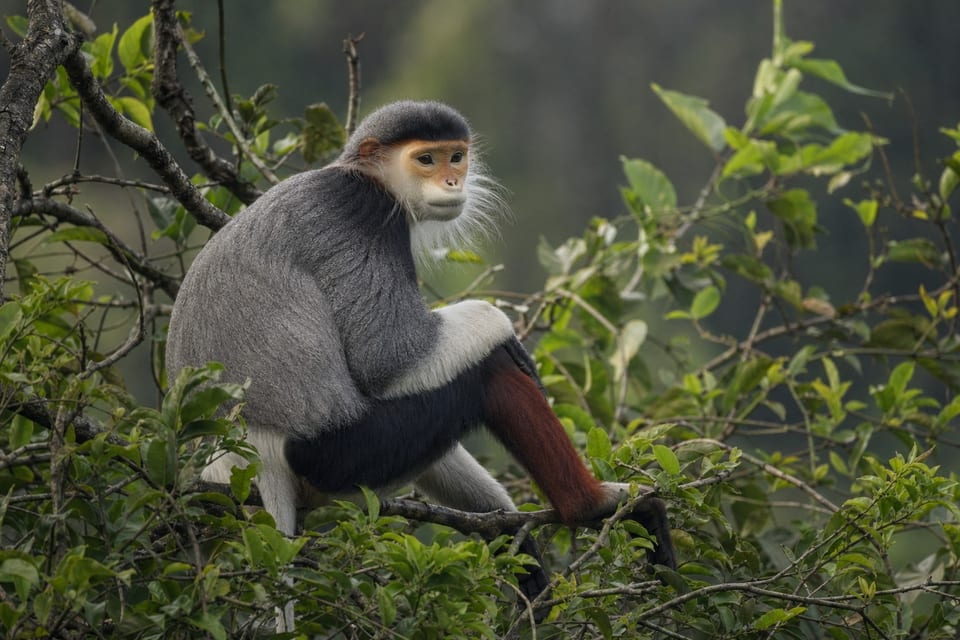
Red-Shanked Douc: The Vibrant Primate of Indochina
The red-shanked douc is a vibrantly colored primate with maroon stockings and golden face, critically endangered by habitat loss in Southeast Asian rainforests.
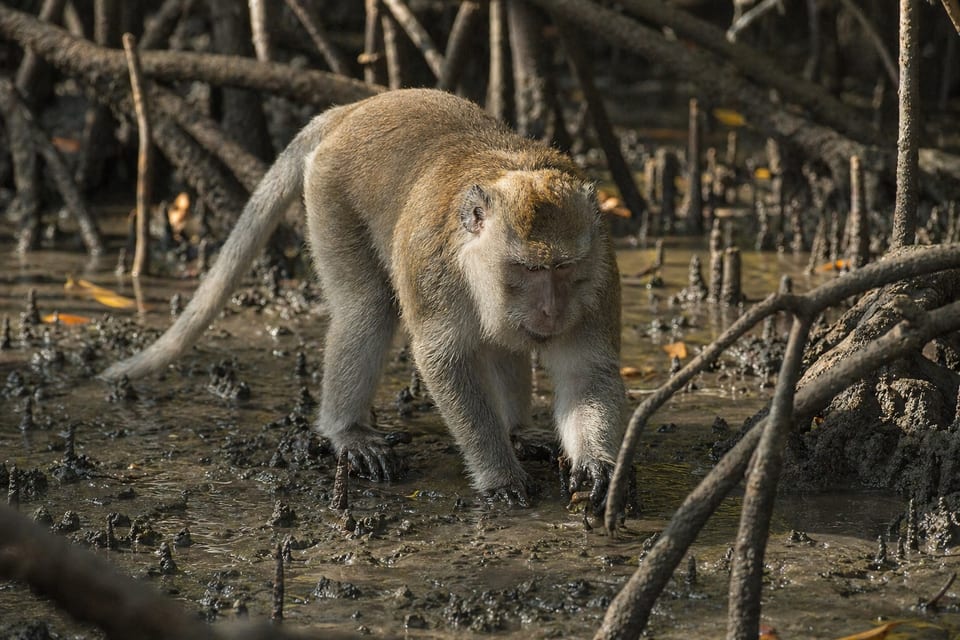
Crab-Eating Macaque: The Primate That Dives for Dinner
Crab-eating macaques dive into Southeast Asian mangrove swamps hunting crabs using their elongated snouts and tool-using skills. Living in matrilineal troops, these adaptable primates weigh 5-9 kg and survive 25 years in captivity.
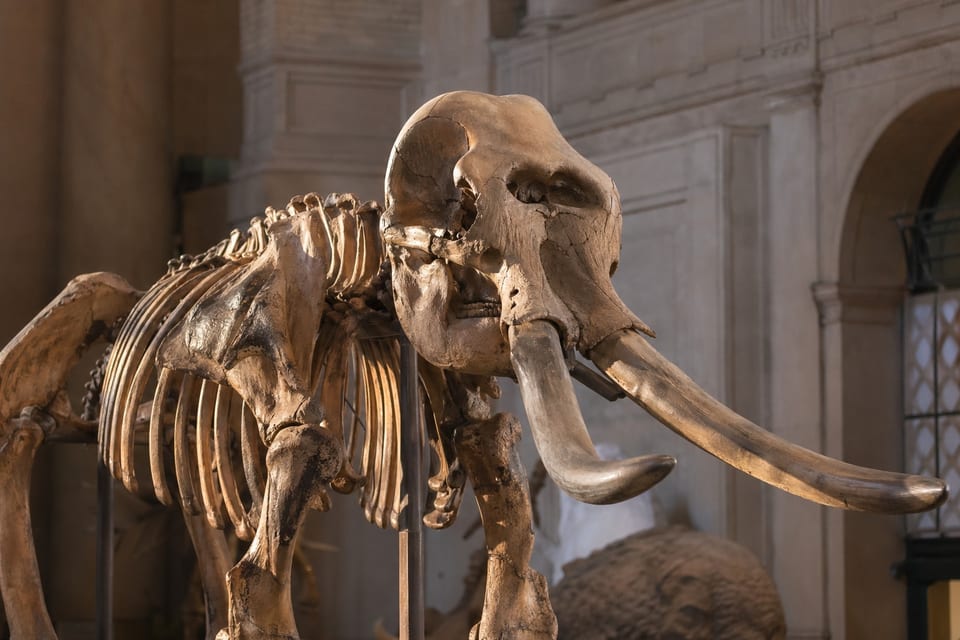
Lost in Time: Exploring 25 Extinct Animals and the Causes Behind Their Extinction
Learn how 25 extinct animals including woolly mammoths, dodos, and Tasmanian tigers vanished due to hunting, habitat loss, and climate change.
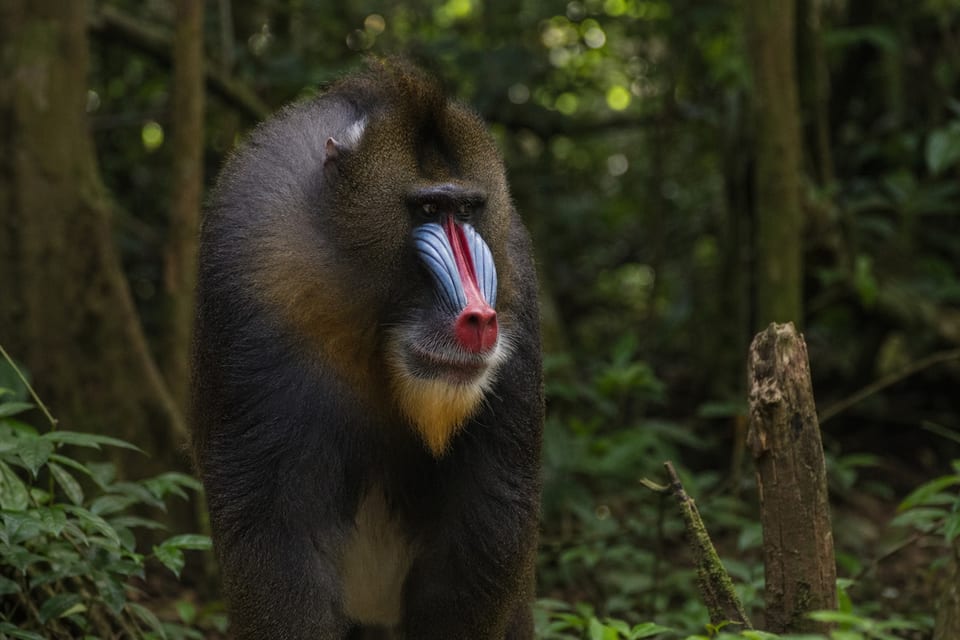
Mandrills: The Colorful Life of the World’s Largest Monkey
Mandrills are Africa's largest and most colorful monkeys, with striking blue and red facial features, living in rainforests in organized troops called hordes.
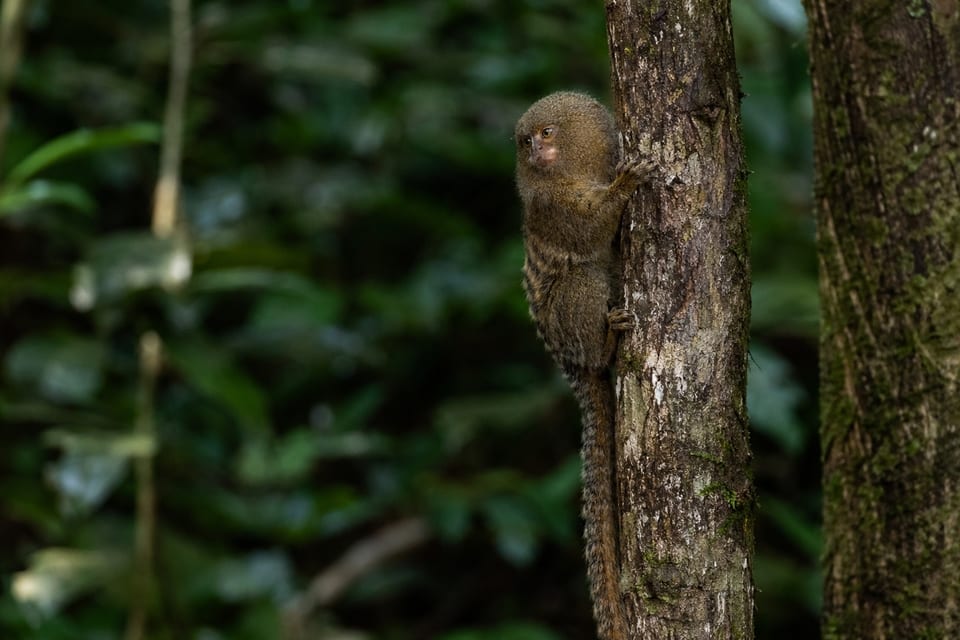
Meet the Pygmy Marmoset: The World’s Smallest Monkey
Pygmy marmosets weigh just 100 grams and are the world's smallest monkeys. They inhabit Amazonian rainforests, feeding on tree sap using specialized teeth and chambered stomachs.
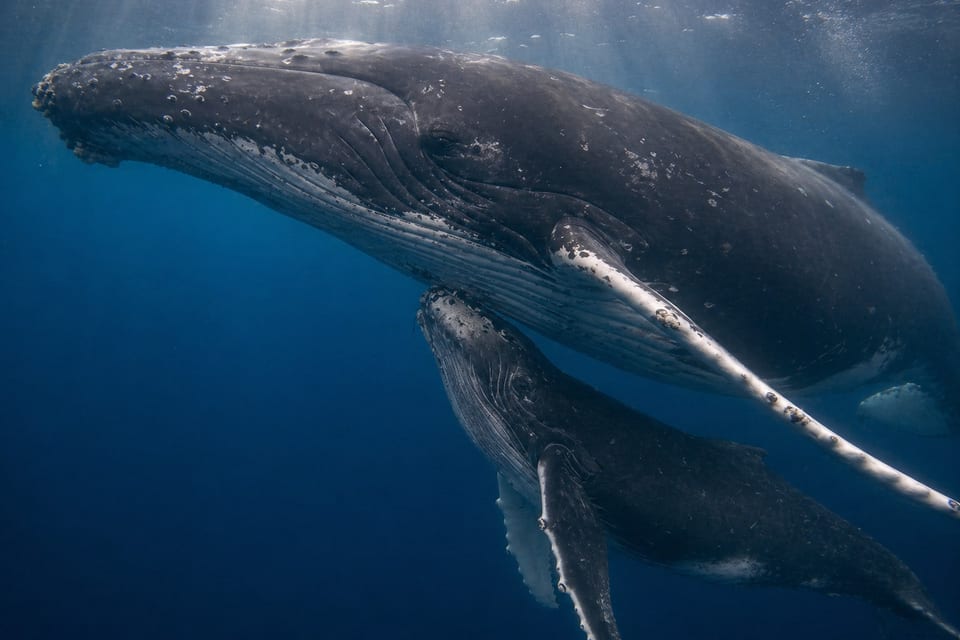
Nurturing Under the Sea: How Do Whales Drink Milk Underwater?
Whale calves drink fat-rich milk underwater using specialized adaptations; they roll their tongue around mother's inverted nipple.
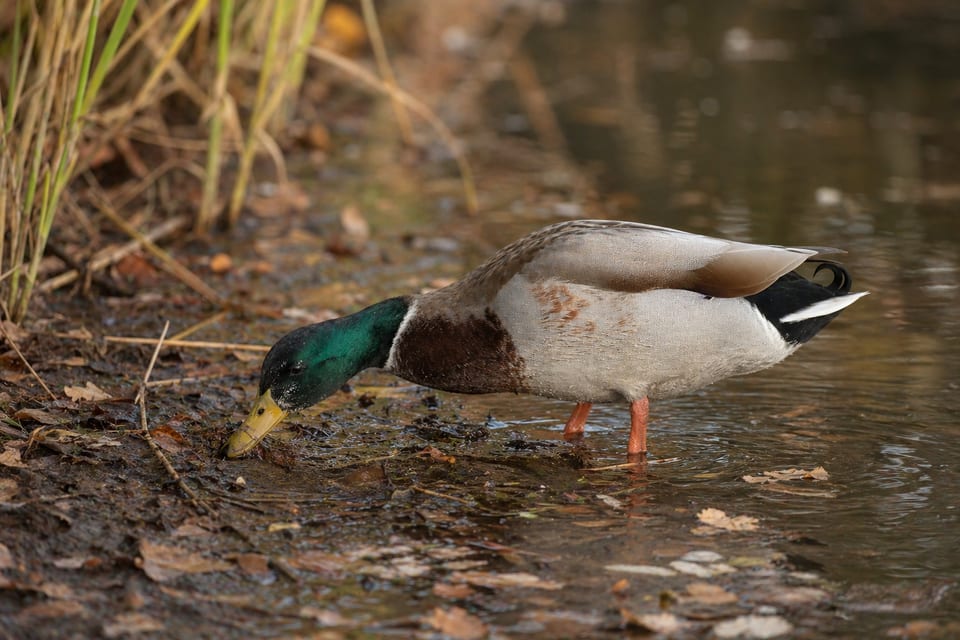
Why You Shouldn’t Feed Ducks Bread + 6 Suitable Alternatives
Bread harms ducks through poor nutrition, overcrowding, rats, and disease. Feed sweetcorn, lettuce, oats, rice, seeds, and peas instead.
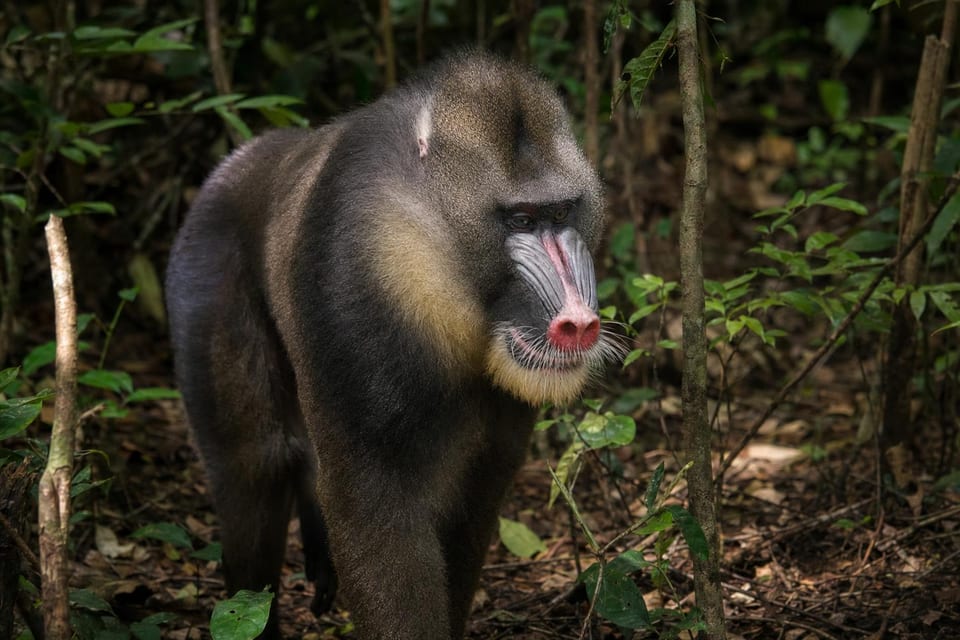
25 Remarkable Types of Monkeys: An Exploration Through The Wild
Meet 25 monkey species spanning 260+ types globally, from tiny pygmy marmosets to massive mandrills, each with unique social behaviors.
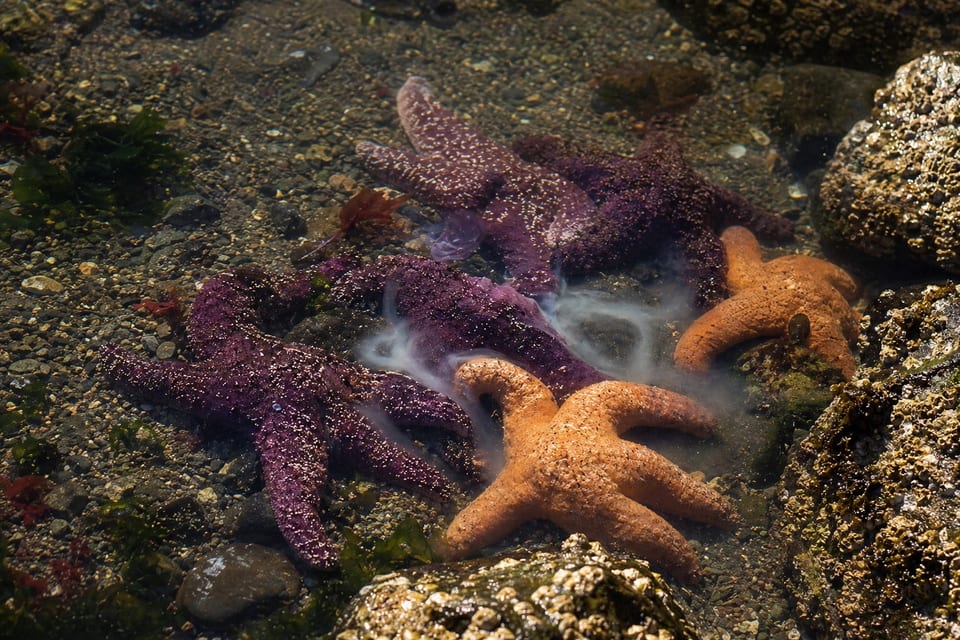
How Do Starfish Reproduce? A Deep Dive into the Dual Modes of Starfish Reproduction
Starfish broadcast spawn sexually by releasing millions of eggs and sperm, or clone themselves asexually via fissiparity and autonomy.
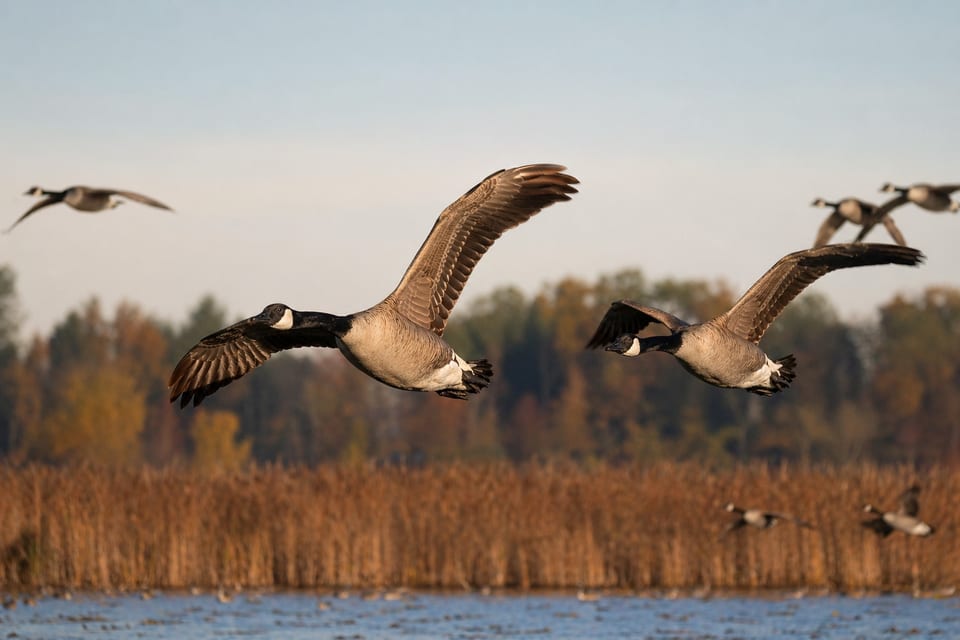
Crossing Borders: A Look at the Lives of 24 Animals That Migrate
24 migratory animals from arctic terns flying 25,000 miles to wildebeests crossing 500 miles travel seasonally seeking food, breeding grounds, and optimal climates.
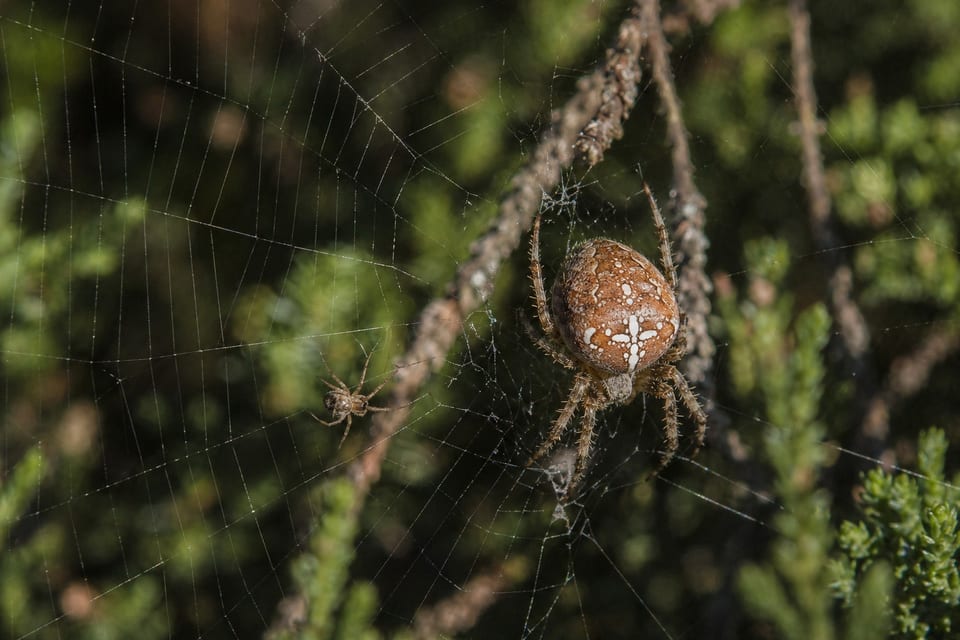
How Do Spiders Mate? From Courtship to Cannibalism
Male spiders use risky courting tactics to avoid female cannibalism, including dancing, gift-wrapping, tying up, and drumming rhythms.
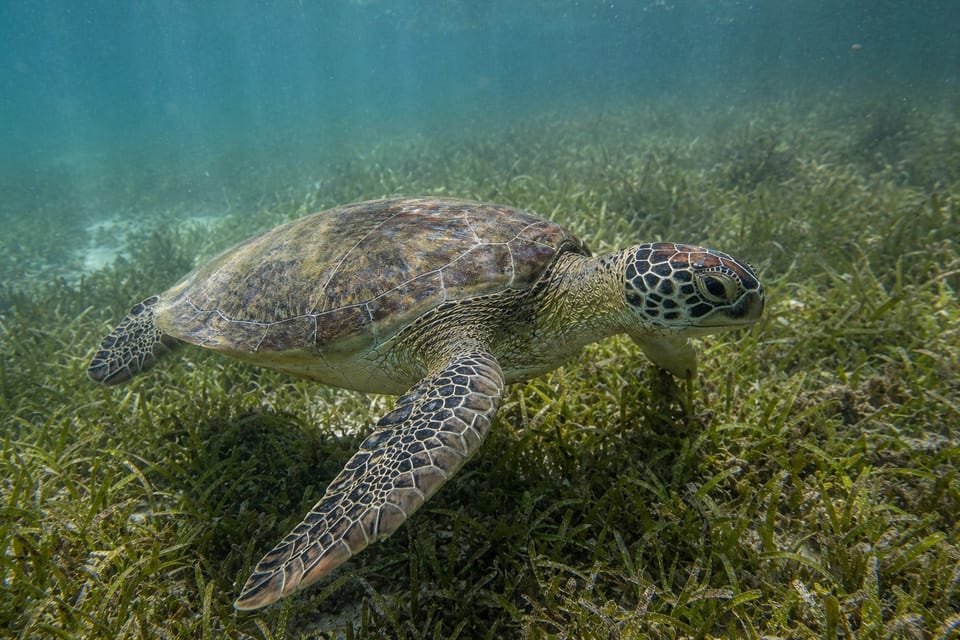
Facing the Waves: A Deep Dive into the Endangered World of Green Sea Turtles
Green sea turtles are the largest hard-shelled sea turtles globally, endangered due to poaching, fishing bycatch, and climate change threats.