Camping
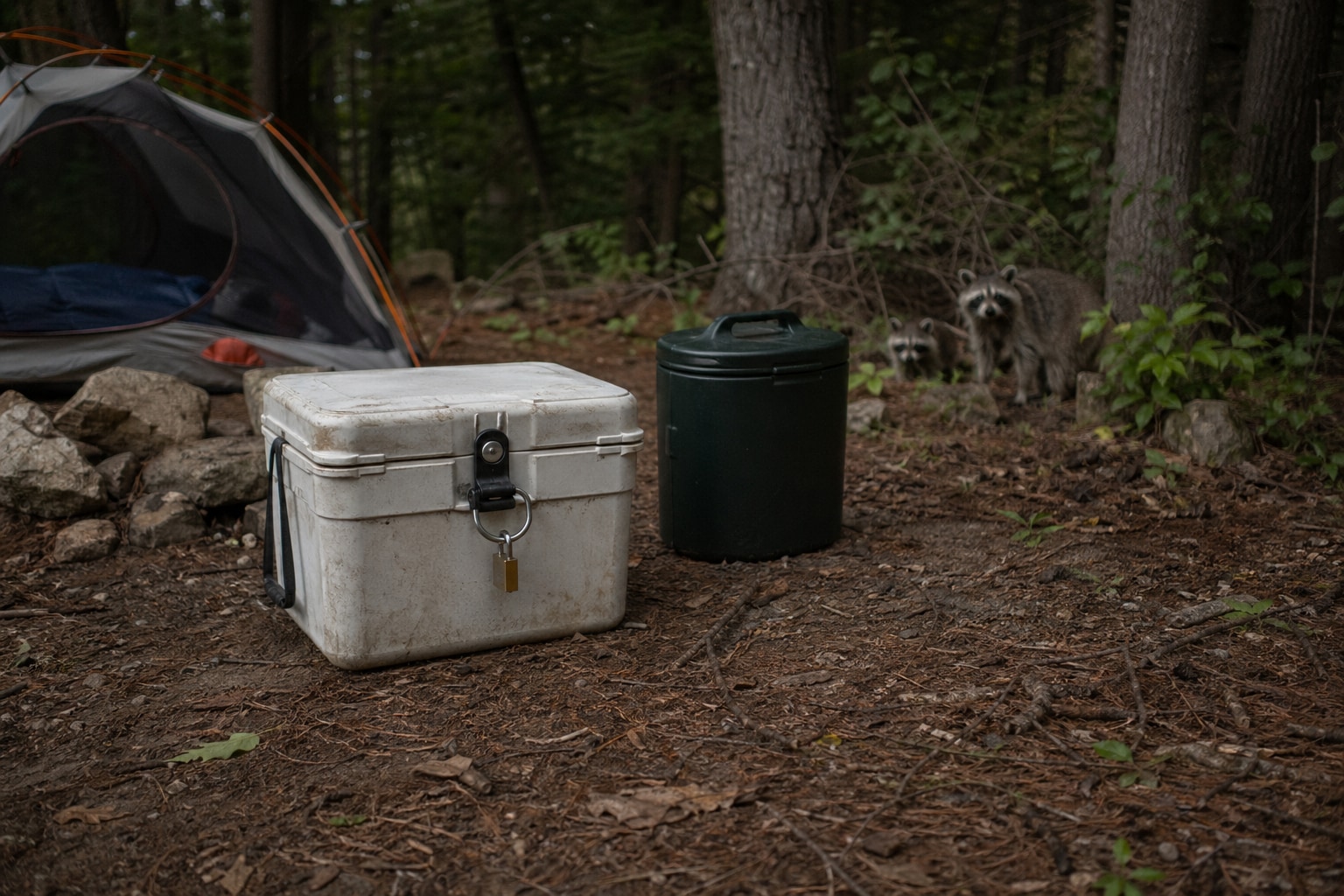
How to Keep Raccoons Away from Campsite: 8 Tips For Critter-Free Camping
Deter raccoons from camp with bear-proof containers, smell-proof bags, nightly trash removal, clean campsites, organized gear, and avoiding spice-based deterrents.
Deter raccoons from camp with bear-proof containers, smell-proof bags, nightly trash removal, clean campsites, organized gear, and avoiding spice-based deterrents.
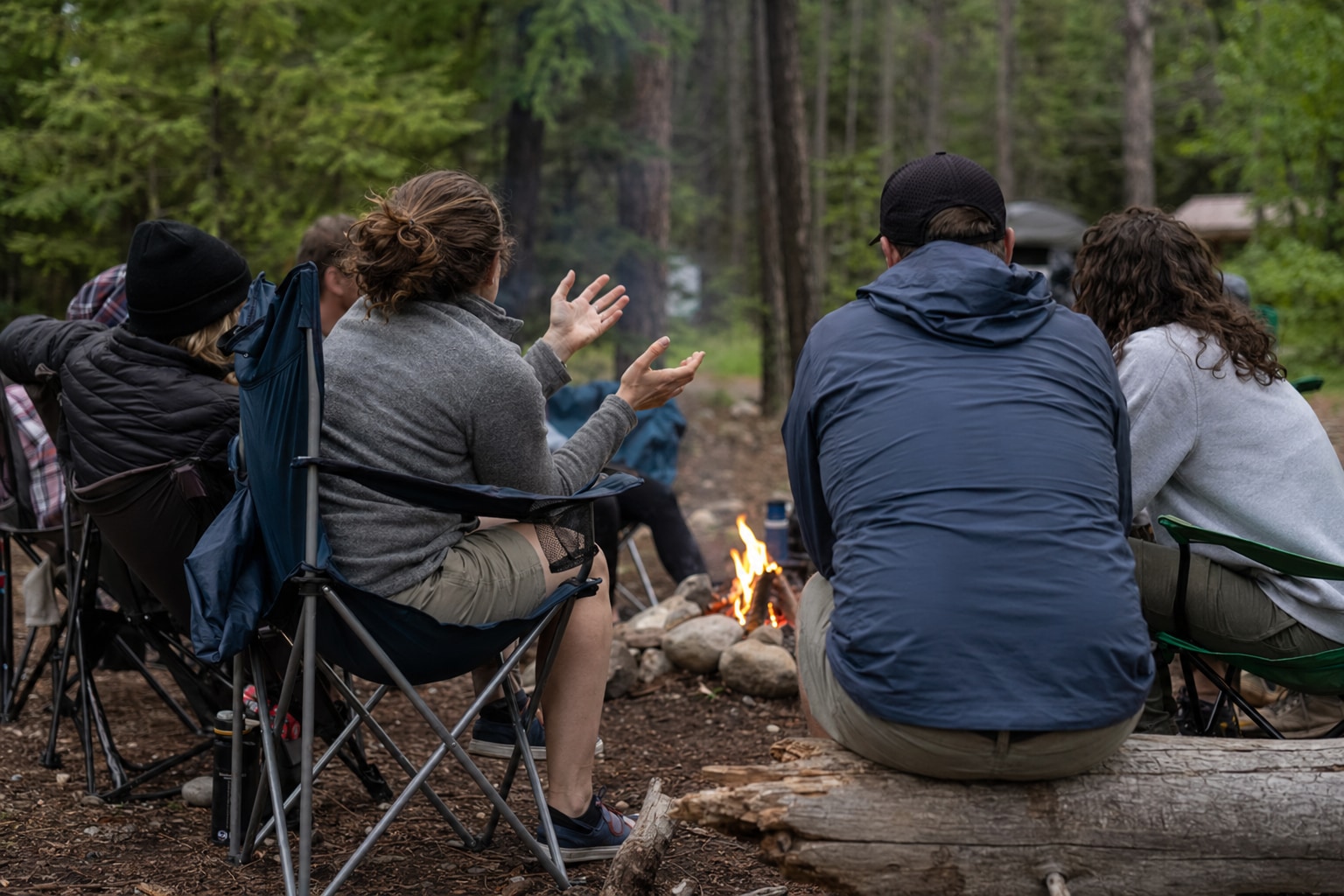
23 campfire games for families and adults: memory games, storytelling, guessing, charades, and drinking games for bonding outdoors.
Compare Eddie Bauer and The North Face head-to-head on materials, price, warranty, product range, and sustainability to choose the right outdoor brand.
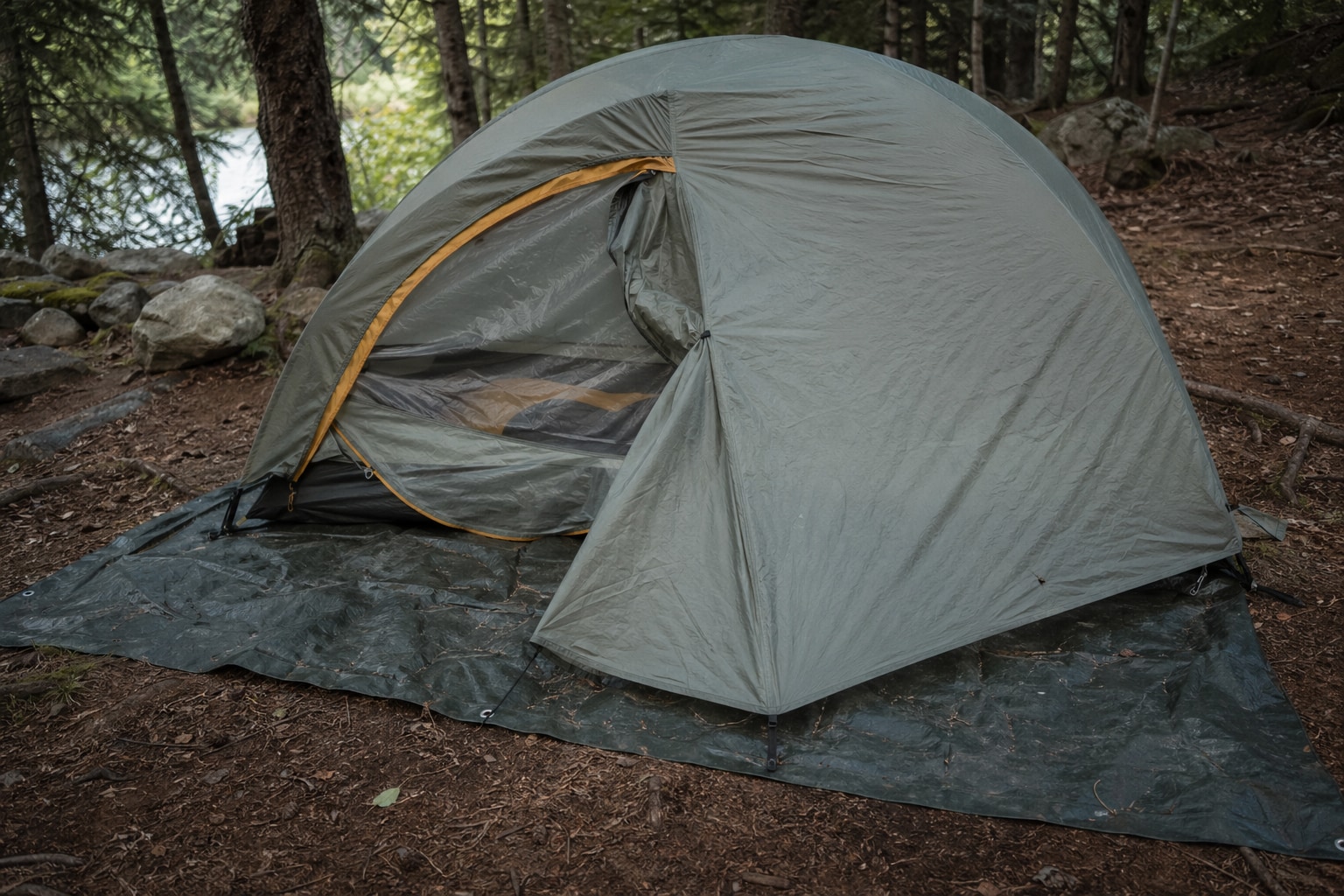
Tent tarps extend shelter life, add insulation, and prevent water seepage, but add weight and cost; best for harsh weather or car camping.
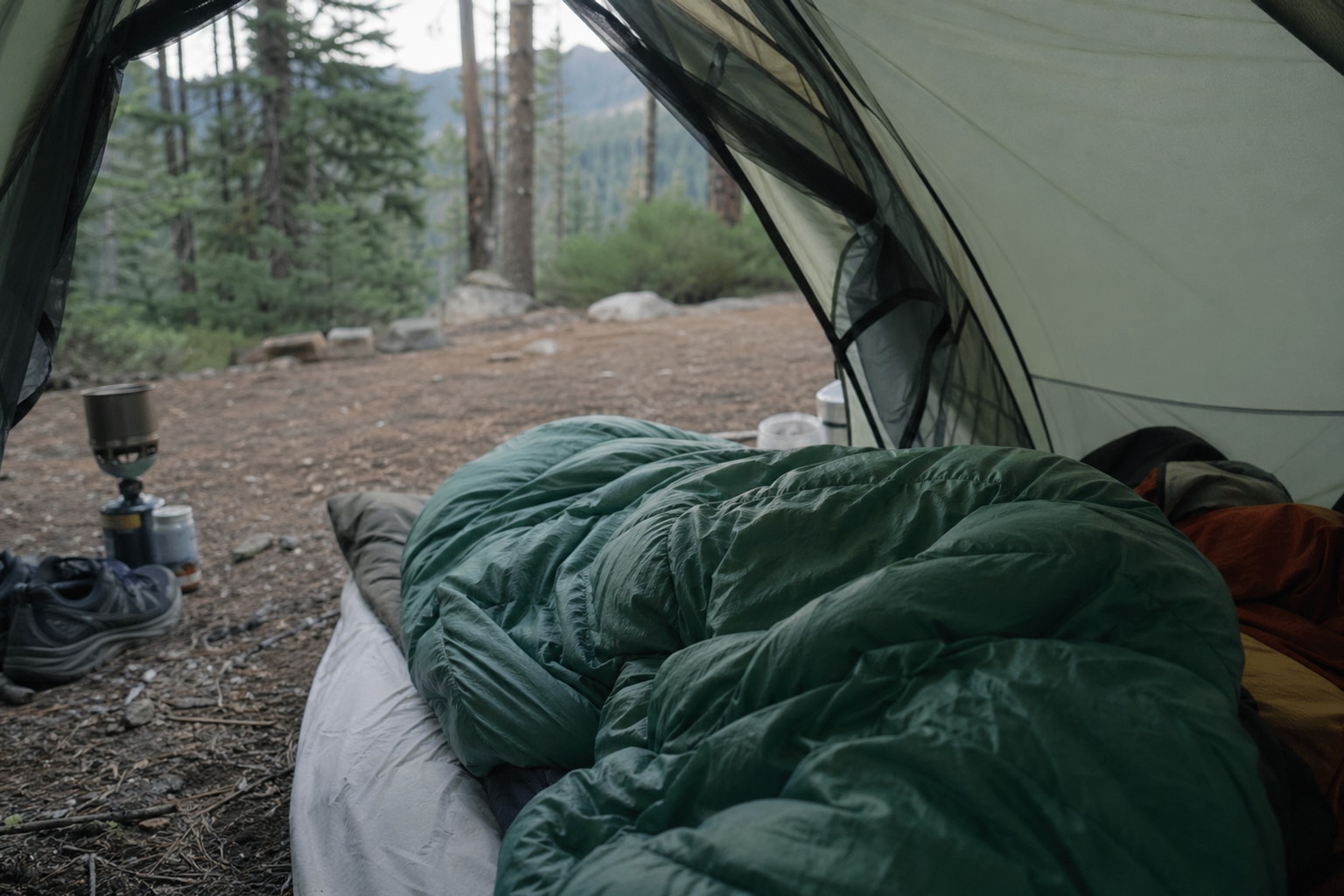
Yes, you can camp without a sleeping bag using quilts, blankets, liners, bivy sacks, space blankets, hammocks, warm clothing, or bushcraft shelters.
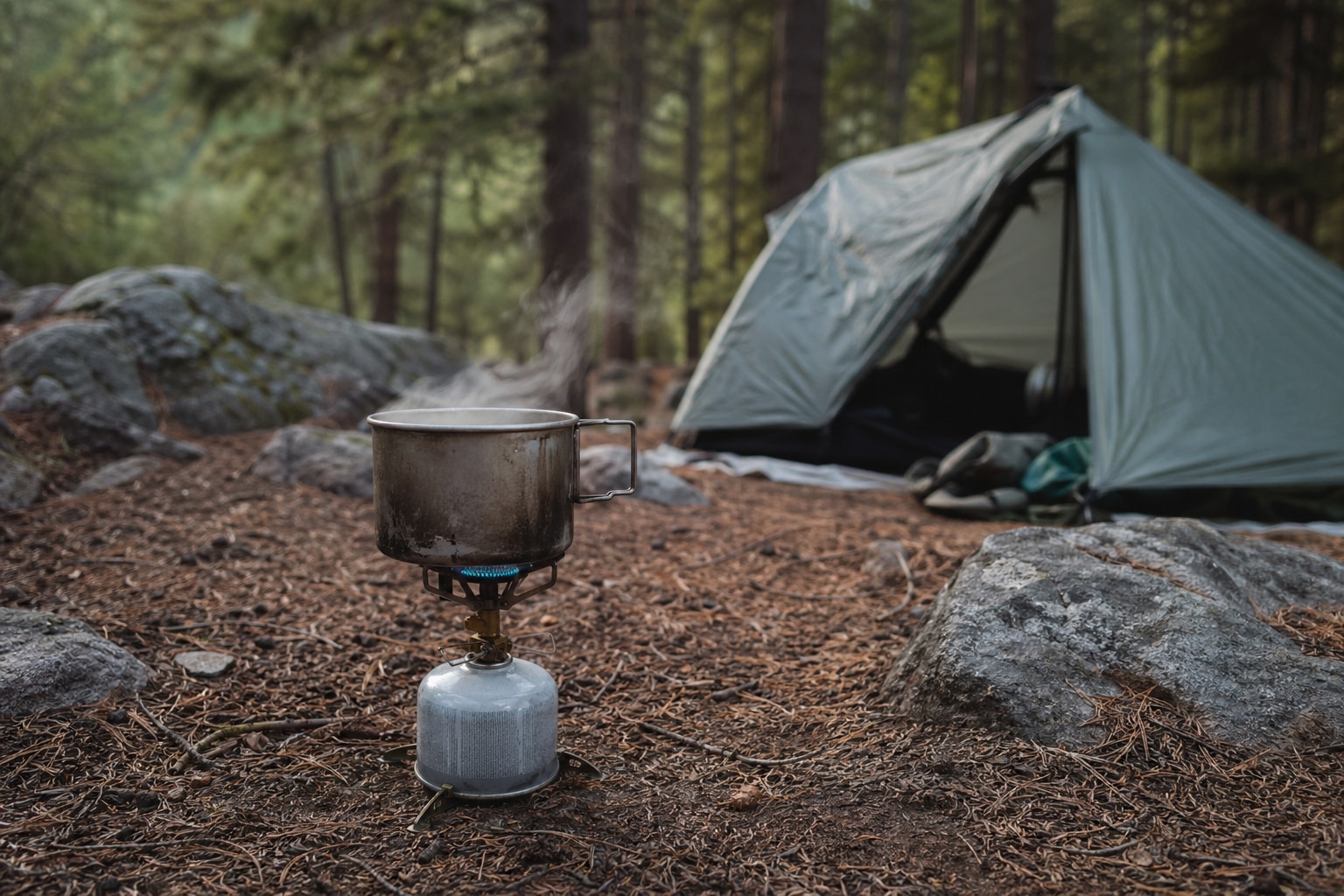
13 water-boiling methods for camping including stoves, generators, kettles, fires, and solar options.
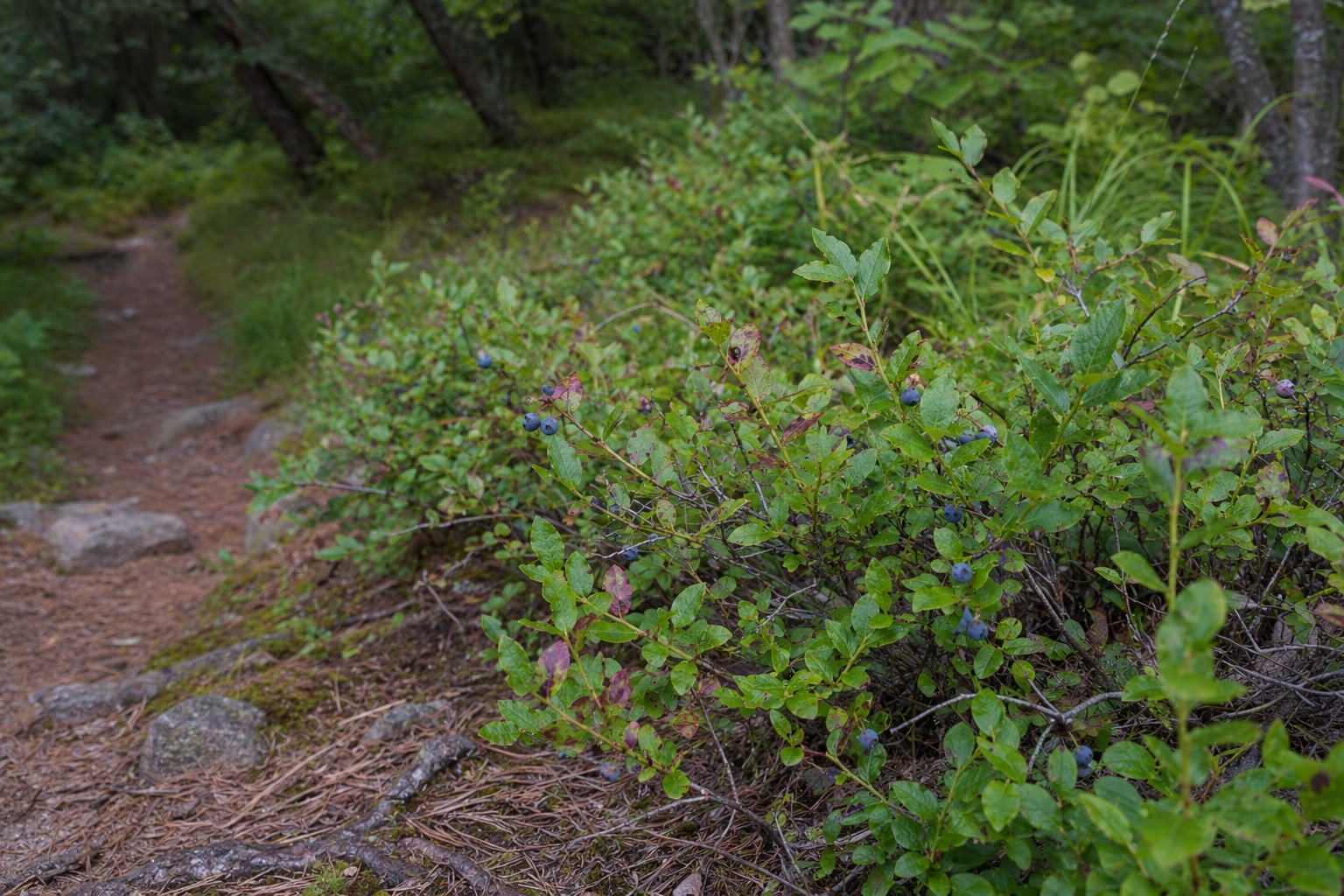
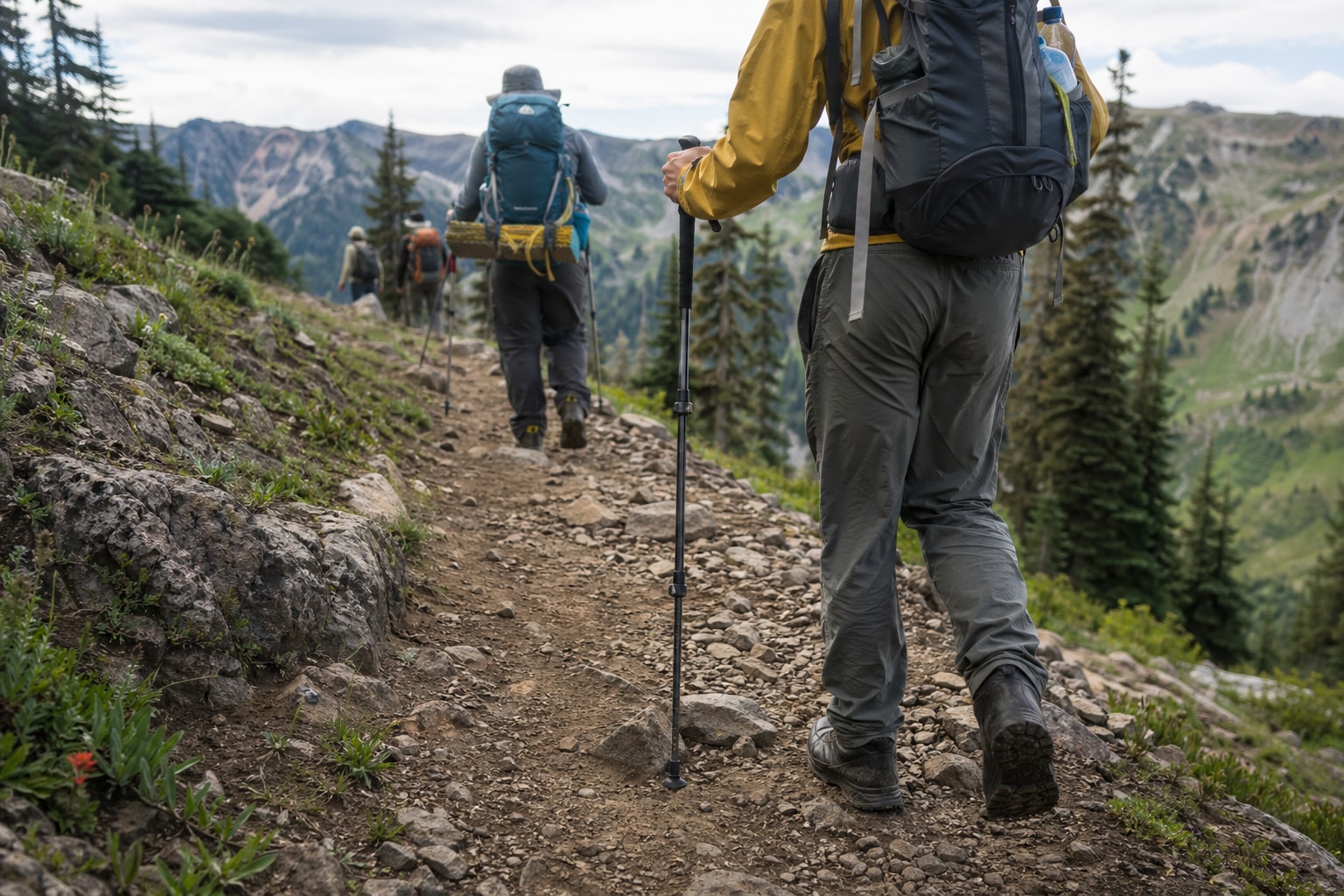
21 edible plants and fungi hikers can forage on the Appalachian Trail, from blueberries to ramps to chicken-of-the-woods mushrooms.
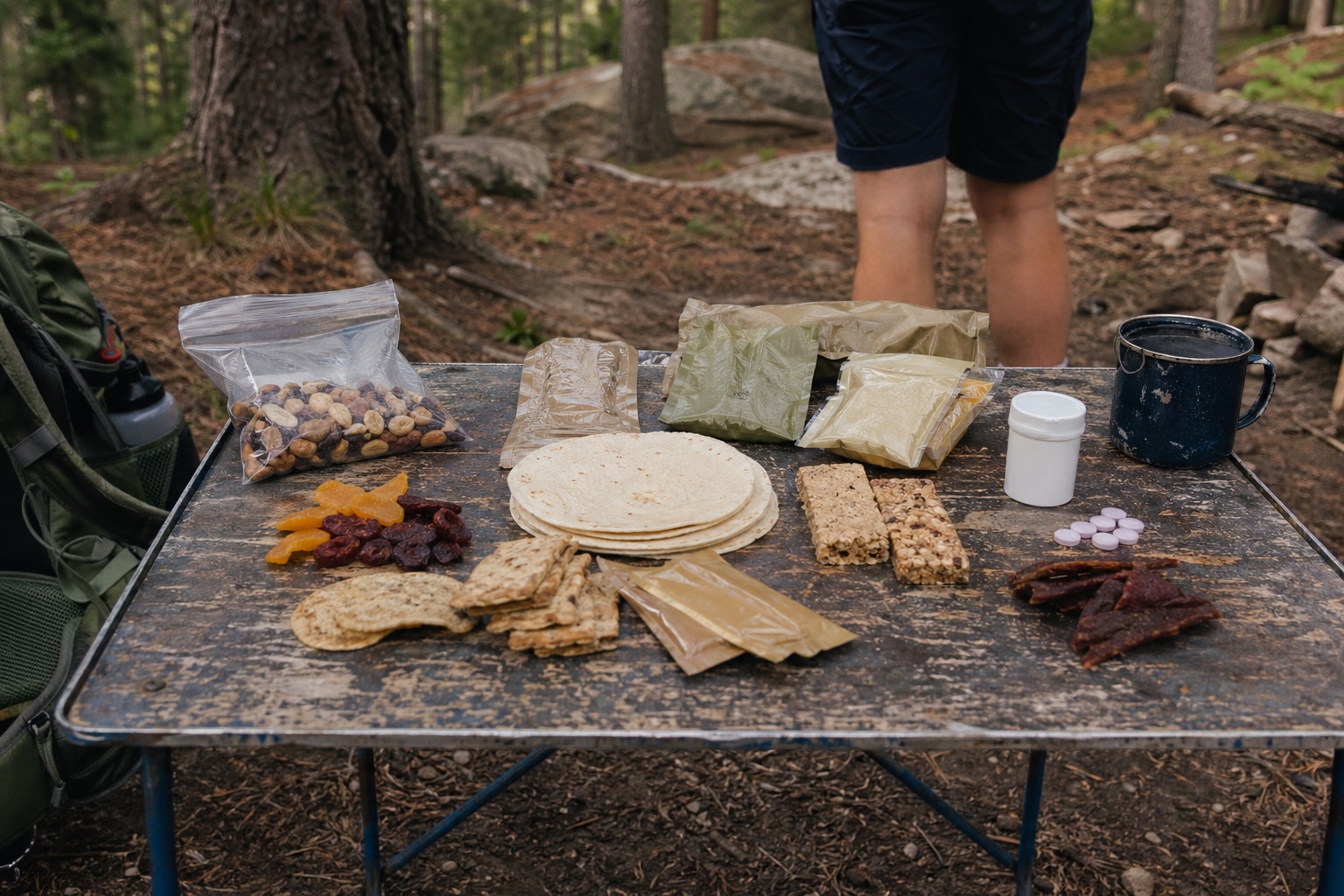
Pack trail mix, jerky, granola bars, and peanut butter for convenient camping meals requiring no cooking or cooling.
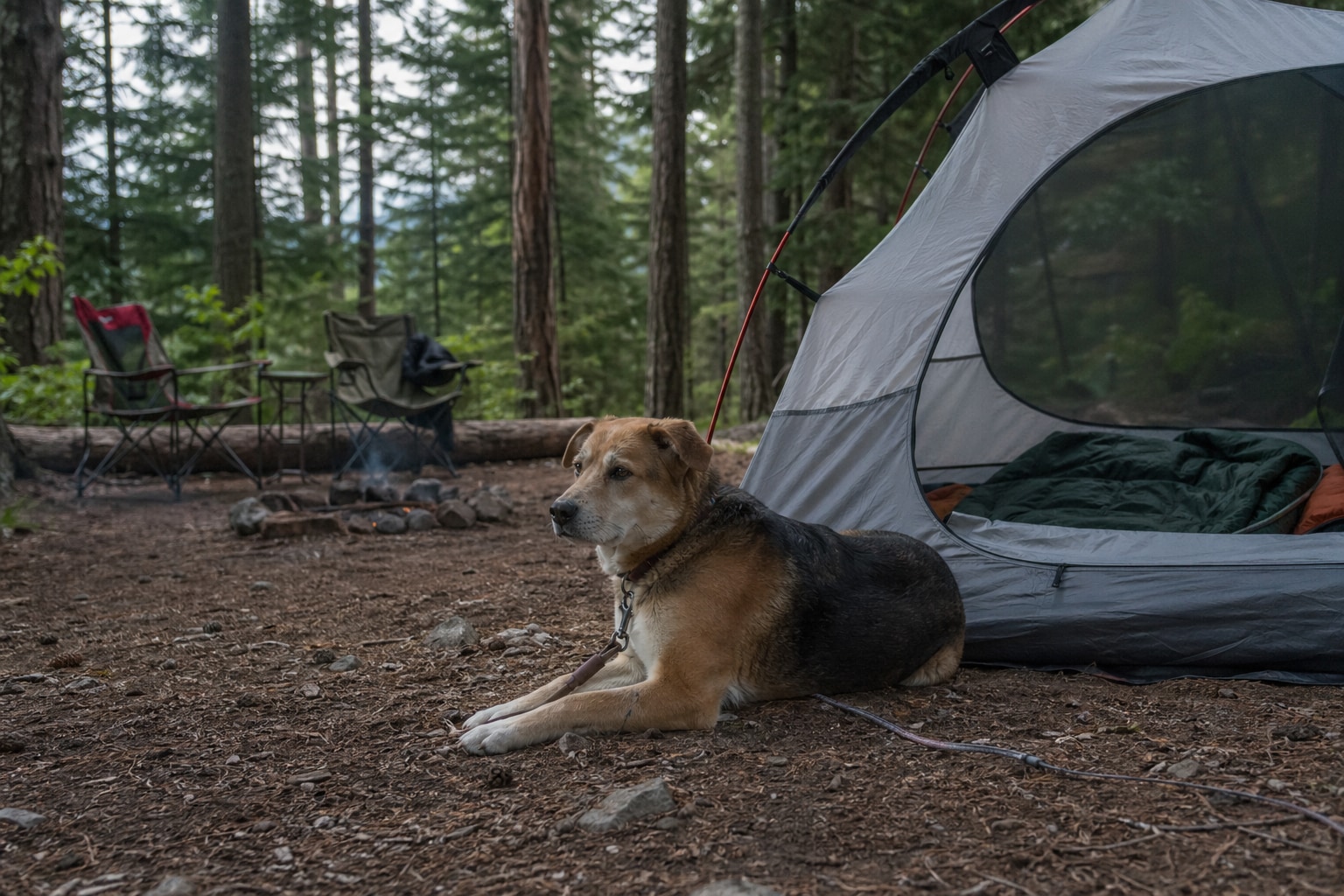
Take your dog camping confidently with 11 essential tips: verify vaccinations, train in your backyard, use harnesses, pack extra food, bring first aid supplies.
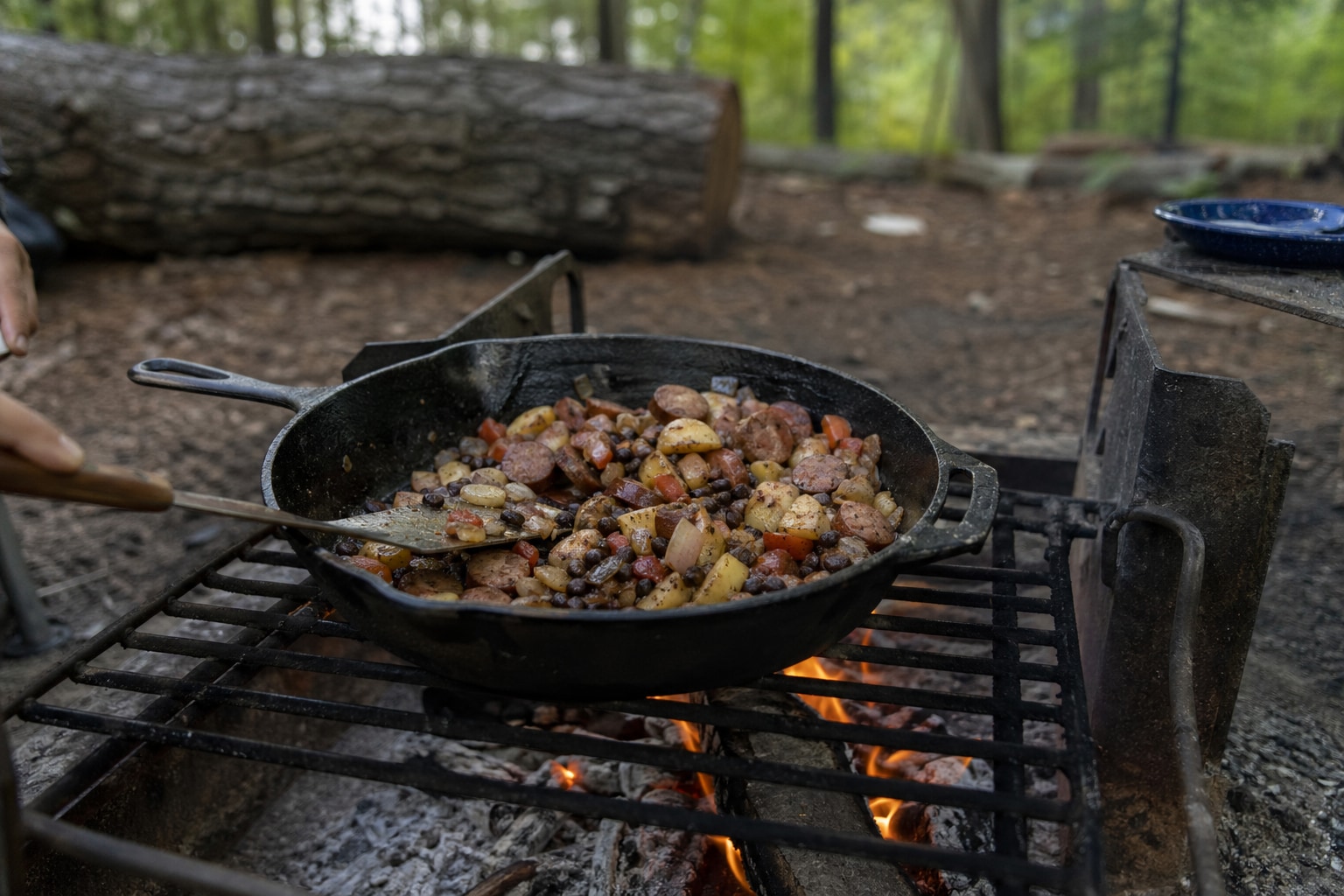
Eat well on camping trips for less via oatmeal, mac and cheese, yogurt, burgers, pancakes, burritos, sandwiches, and s'mores without expensive freeze-dried meals.
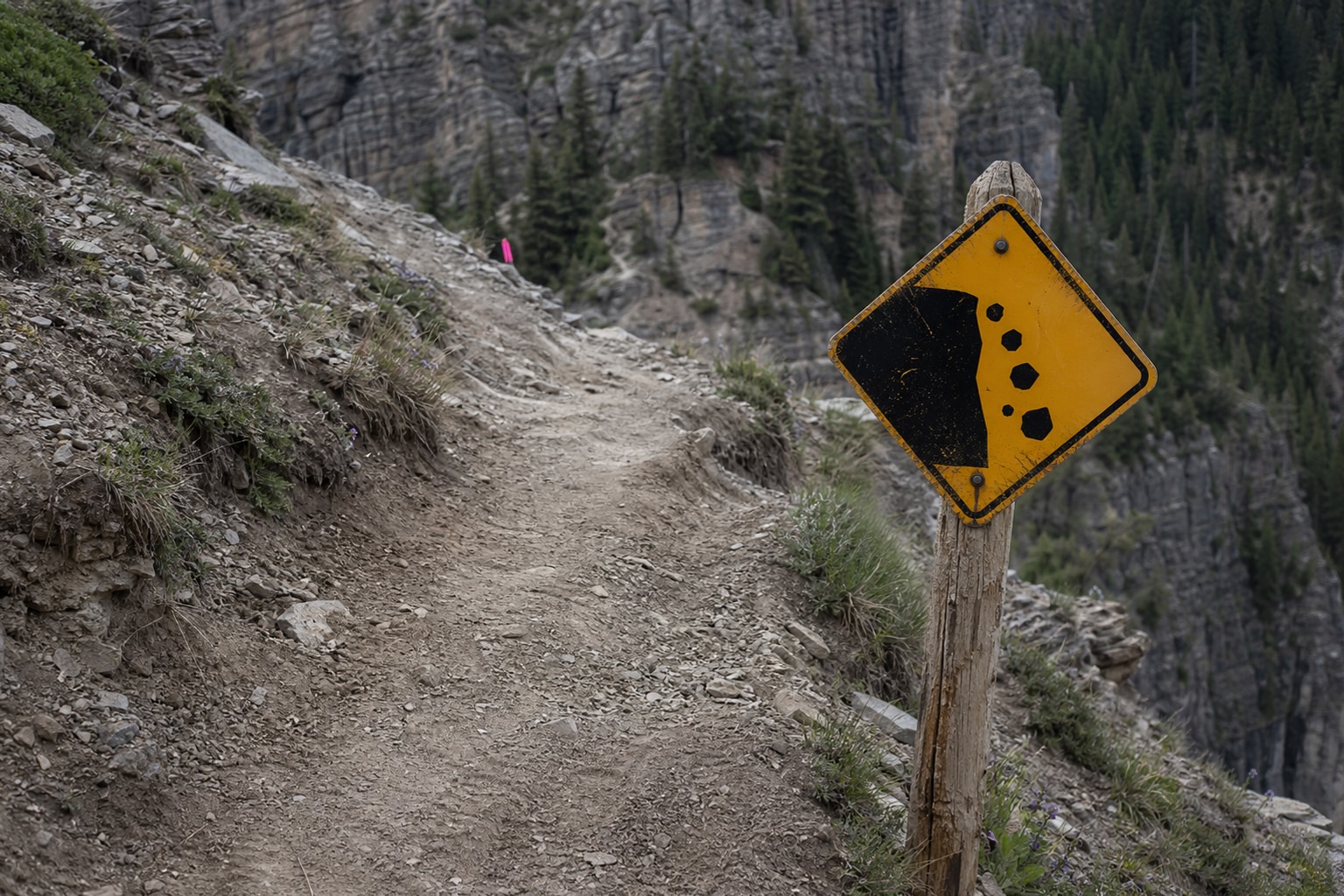
US national parks kill over 1,000 visitors each decade; falls claim 245 lives, while medical emergencies and unexplained deaths account for 358 more. Grand Canyon leads with 134 deaths, mostly from extreme heat and falls.
Outdoor industry jobs range from guides to engineers, paying $20k-$150k annually with certifications and experience.