Skip to content
Outforia
  • Wildlife
  • Plants
  • Destinations
  • How-To
  • Research
  • Topics
  • About Us
  • Wildlife
  • Plants
  • Destinations
  • How-To
  • Research
  • Topics
  • About Us

The Outforia Field Guide

Page 1 of 45

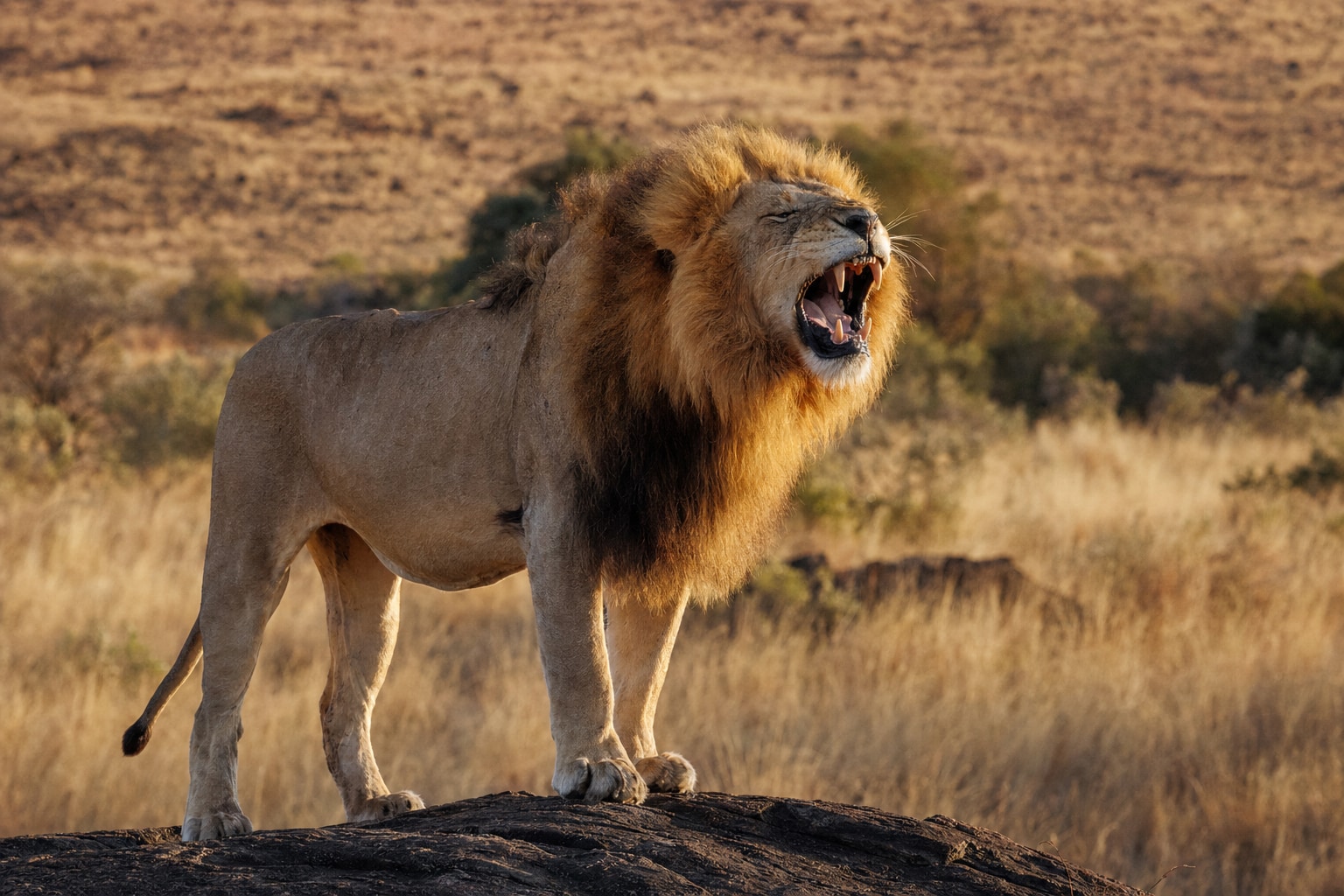
loudest animal in the world featured image
Wildlife

Nature’s 11 Loudest Voices: What Is the Loudest Animal in the World?

Blue whales produce sustained calls up to 180 decibels, making them Earth's loudest animals overall, while sperm whales generate even louder momentary clicks at 230 decibels.

hiking in jeans featured image
Hiking

Can You Go Hiking in Jeans? Breaking Down the Myth

Jeans suit short dry hikes and thorny scrubland but fail in wet weather, cold conditions, and multi-day treks due to chafing.

Temperate grassland featured image
Natural World

Temperate Grasslands: Understanding the Biome

Temperate grasslands cover 25% of Earth's land and are shaped by rainfall, wildfires, and grazing animals.

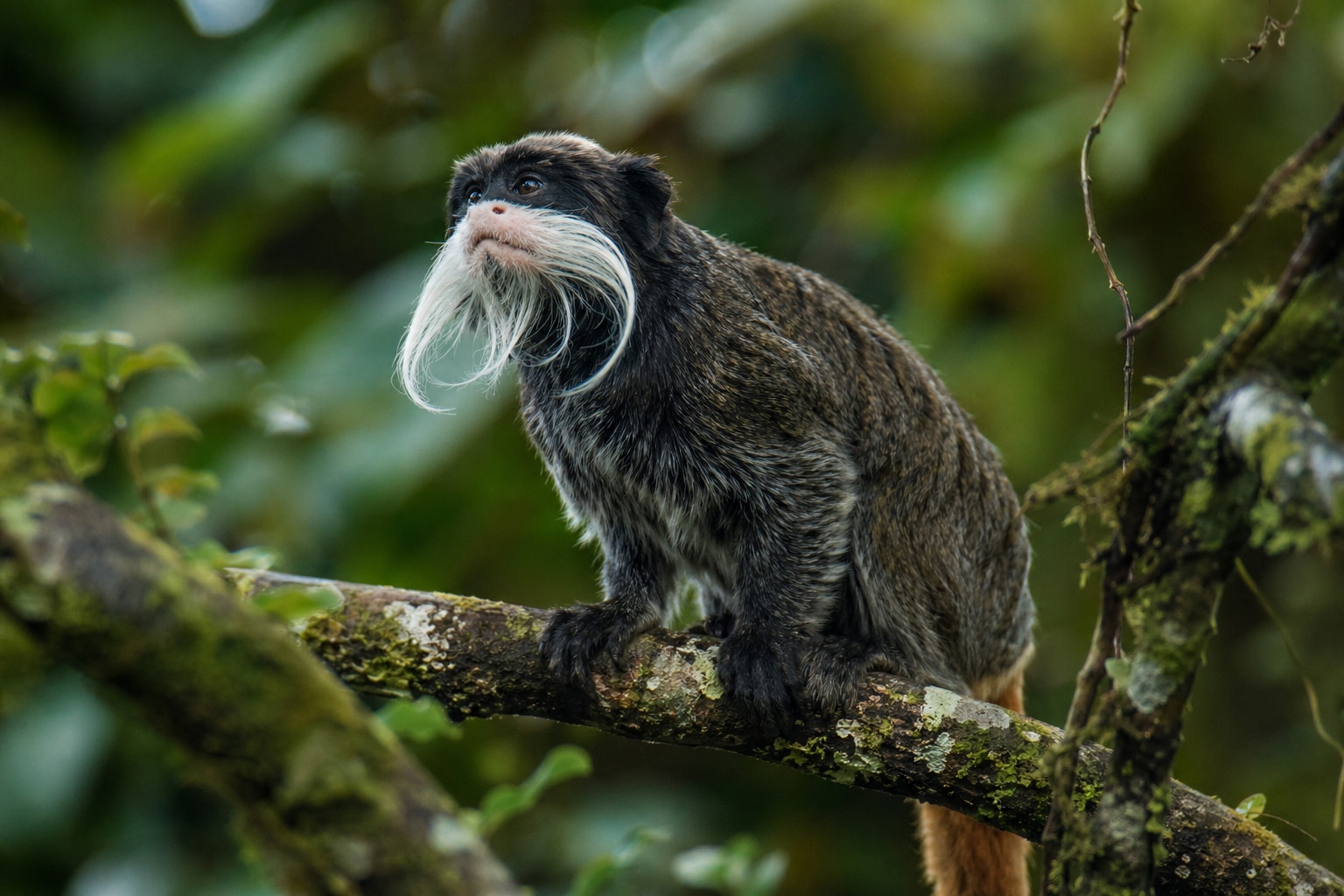
emperor tamarin featured image
Wildlife

Emperor Tamarin: The Mustached Monkeys of the Amazon

Meet the emperor tamarin, a tiny Amazon monkey famous for its distinctive white mustache, reaching speeds up to 25 miles per hour.

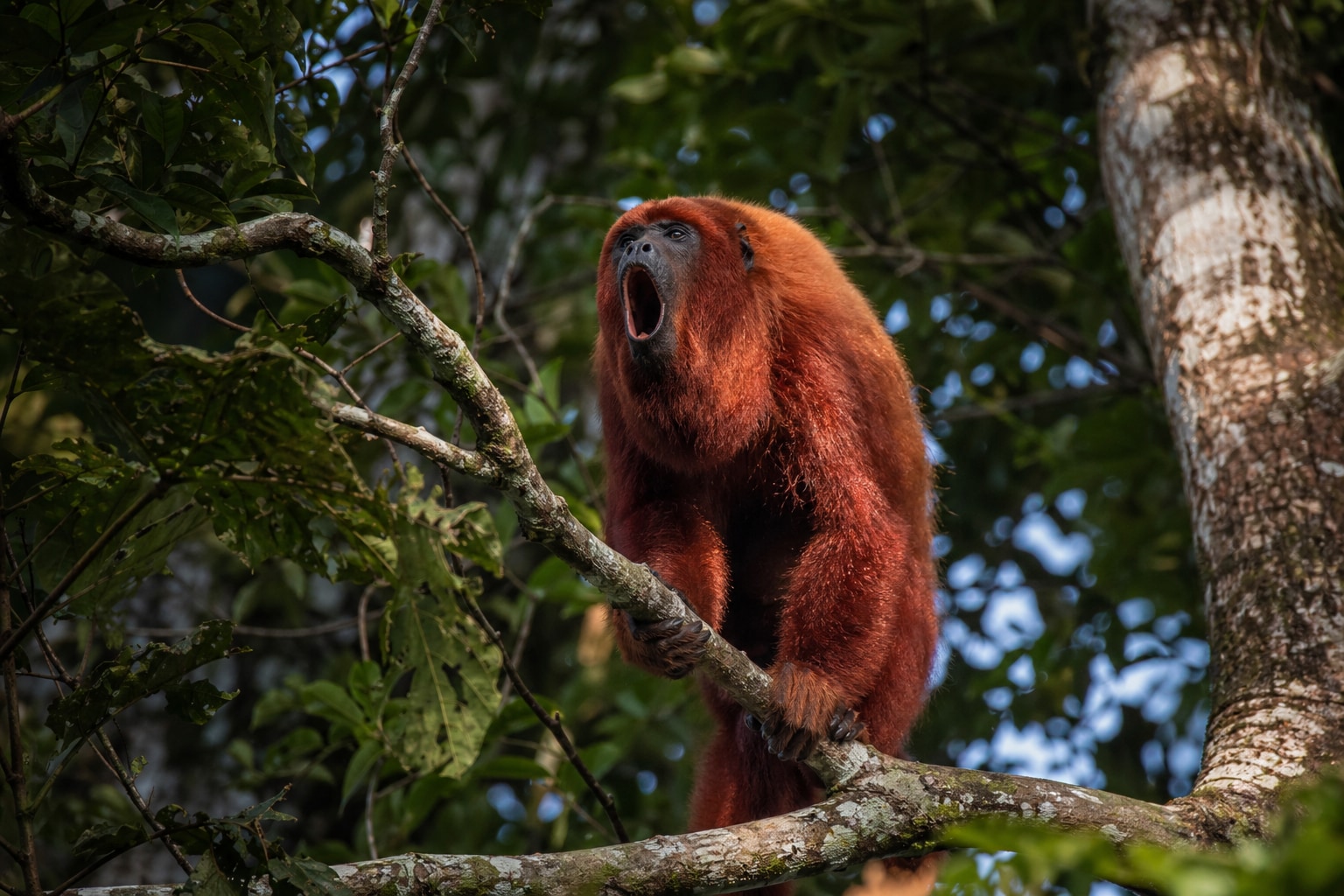
Colombian red howler featured image
Wildlife

Colombian Red Howler: The Amazon’s Loud and Vibrant Primate

Colombian red howlers are Amazon primates famous for their loud calls audible up to 3 miles, used to define territories and communicate between groups.
De Brazza's Monkey featured image
Wildlife

De Brazza’s Monkey: The Face of Africa’s Riverine Forests

De Brazza's monkeys inhabit Central African riverine forests, marked by distinctive white beards and orange foreheads; they live in small, territorial groups.

northern plains gray langur featured image
Wildlife

Northern Plains Gray Langur: The Sacred Primate of India

India's sacred Hanuman langurs live 18 years and revered in Hindu culture, but face habitat loss and persecution.

central american spider monkey featured image
Wildlife

Central American Spider Monkey: A Species on the Edge

Central American spider monkeys weigh 13.25 pounds with 25-inch tails, live 22 years in rainforests from Mexico to Colombia, and are critically endangered by habitat loss and illegal hunting.

Snow monkey featured image
Wildlife

Snow Monkey: The Beloved Primates of Japan’s Hot Springs

Japan's snow monkeys are cold-adapted primates with distinctive pink faces, thick fur, and remarkable hot spring bathing behaviors.

Olive baboon featured image
Wildlife

Olive Baboon: Master of Camouflage and Adaptation

Olive baboons are highly adaptable African primates with distinctive green-grey fur, complex social hierarchies, and omnivorous diets spanning 25 countries.

Rhesus macaque featured image
Wildlife

Rhesus Macaque: The Adaptable Primate Thriving in Asia’s Diverse Habitats

Rhesus macaques thrive across Asia from India to Thailand, living in troops of up to 200 members with complex social hierarchies maintained through grooming.

What do owls eat featured image
Wildlife

What Do Owls Eat? The Dietary Diversity of Owls

Owls are opportunistic carnivores eating rodents, fish, insects, and birds using silent flight and acute hearing to hunt prey.

Page 1 / 45 Older →
Outforia

Your stepping stone to outdoor wonder.

Explore

  • Wildlife
  • Natural World
  • Plants
  • Gardening
  • Destinations
  • Camping
  • Hiking
  • How-To
  • Research
  • All topics →

About

  • About Outforia
  • Editorial policy
  • Contact
  • Press
  • Privacy

© 2026 Outforia · Published by CJB AS · Org. nr. 836 856 252 MVA

Privacy · Editorial policy

Latest articles

  • Wildlife Nature’s 11 Loudest Voices: What Is the Loudest Animal in the World?
  • Hiking Can You Go Hiking in Jeans? Breaking Down the Myth
  • Natural World Temperate Grasslands: Understanding the Biome
  • Wildlife Emperor Tamarin: The Mustached Monkeys of the Amazon
  • Wildlife Colombian Red Howler: The Amazon’s Loud and Vibrant Primate

    Nothing on yet, but our wildlife desk takes requests.

    Browse the latest articles

    Search is unavailable right now. Try again in a moment, or browse the latest articles.