Wildlife
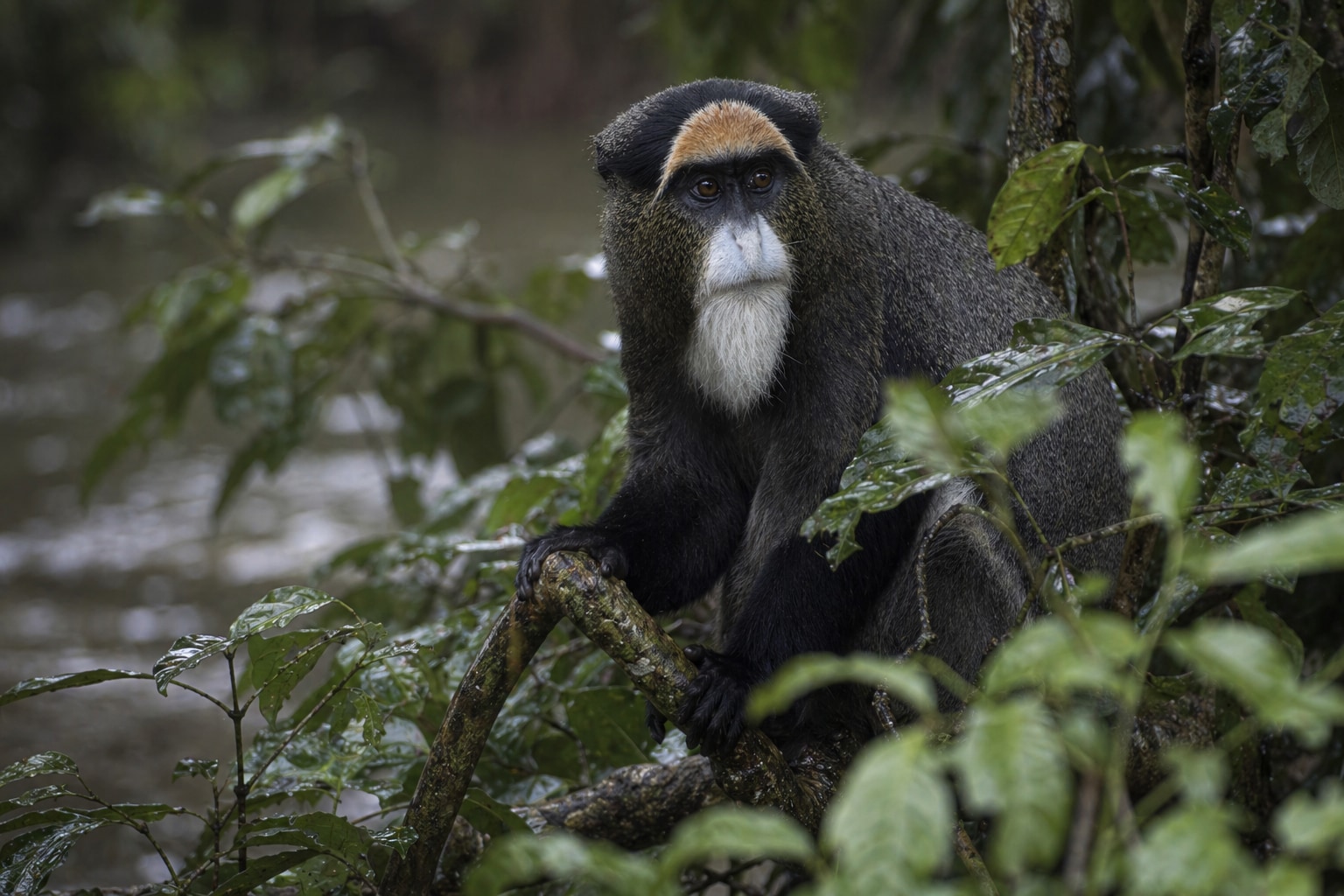
De Brazza’s Monkey: The Face of Africa’s Riverine Forests
De Brazza's monkeys inhabit Central African riverine forests, marked by distinctive white beards and orange foreheads; they live in small, territorial groups.
De Brazza's monkeys inhabit Central African riverine forests, marked by distinctive white beards and orange foreheads; they live in small, territorial groups.
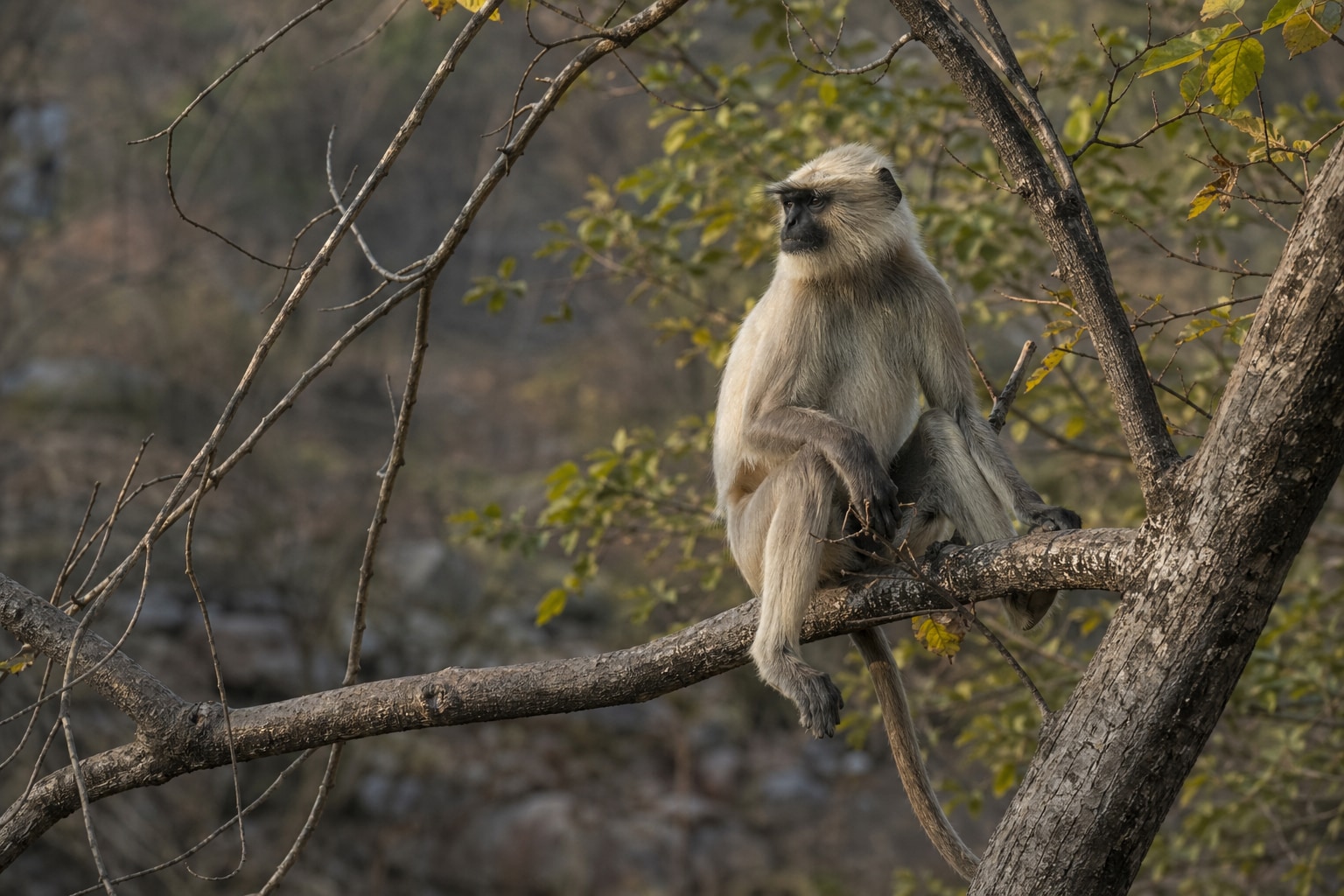
India's sacred Hanuman langurs live 18 years and revered in Hindu culture, but face habitat loss and persecution.
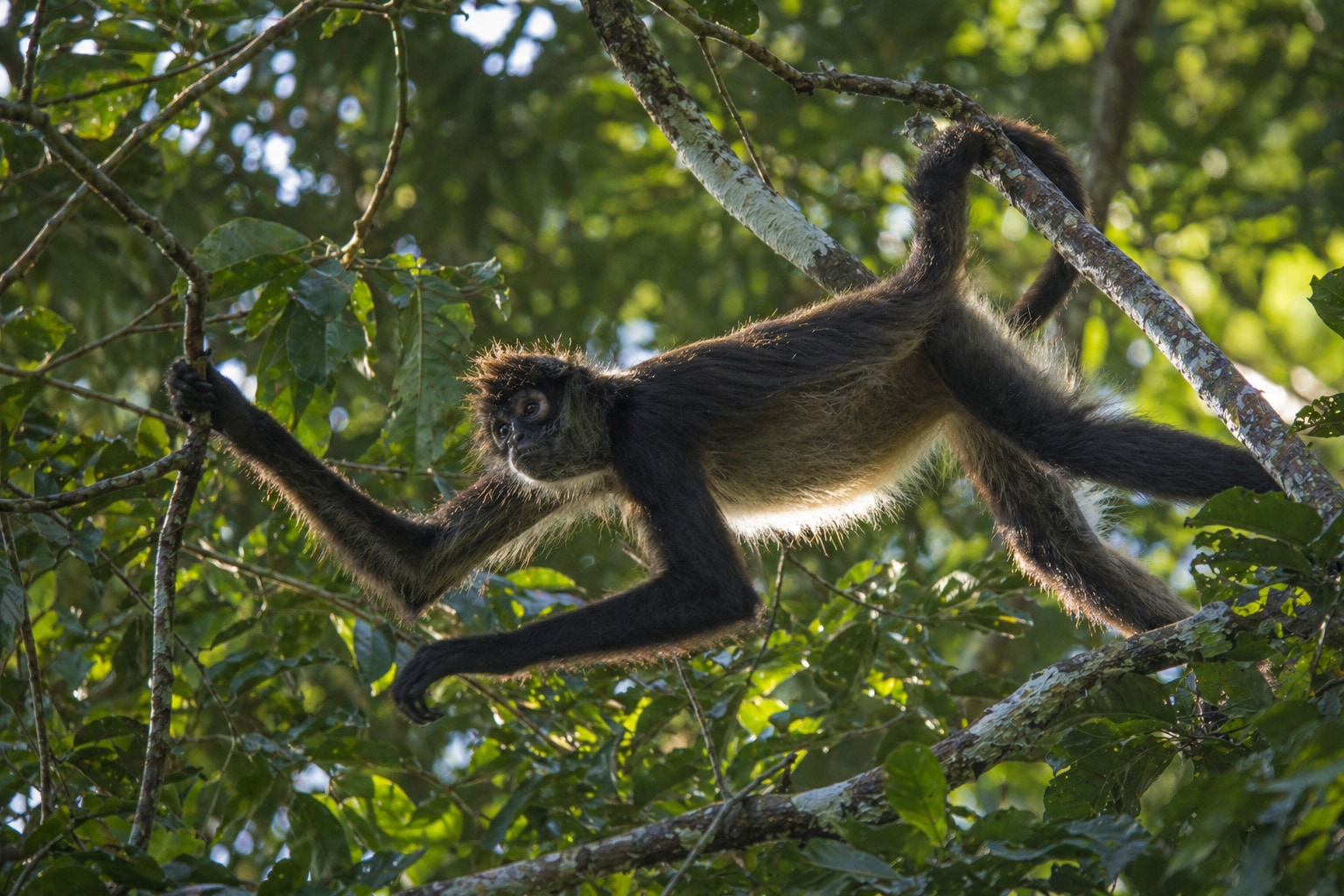
Central American spider monkeys weigh 13.25 pounds with 25-inch tails, live 22 years in rainforests from Mexico to Colombia, and are critically endangered by habitat loss and illegal hunting.
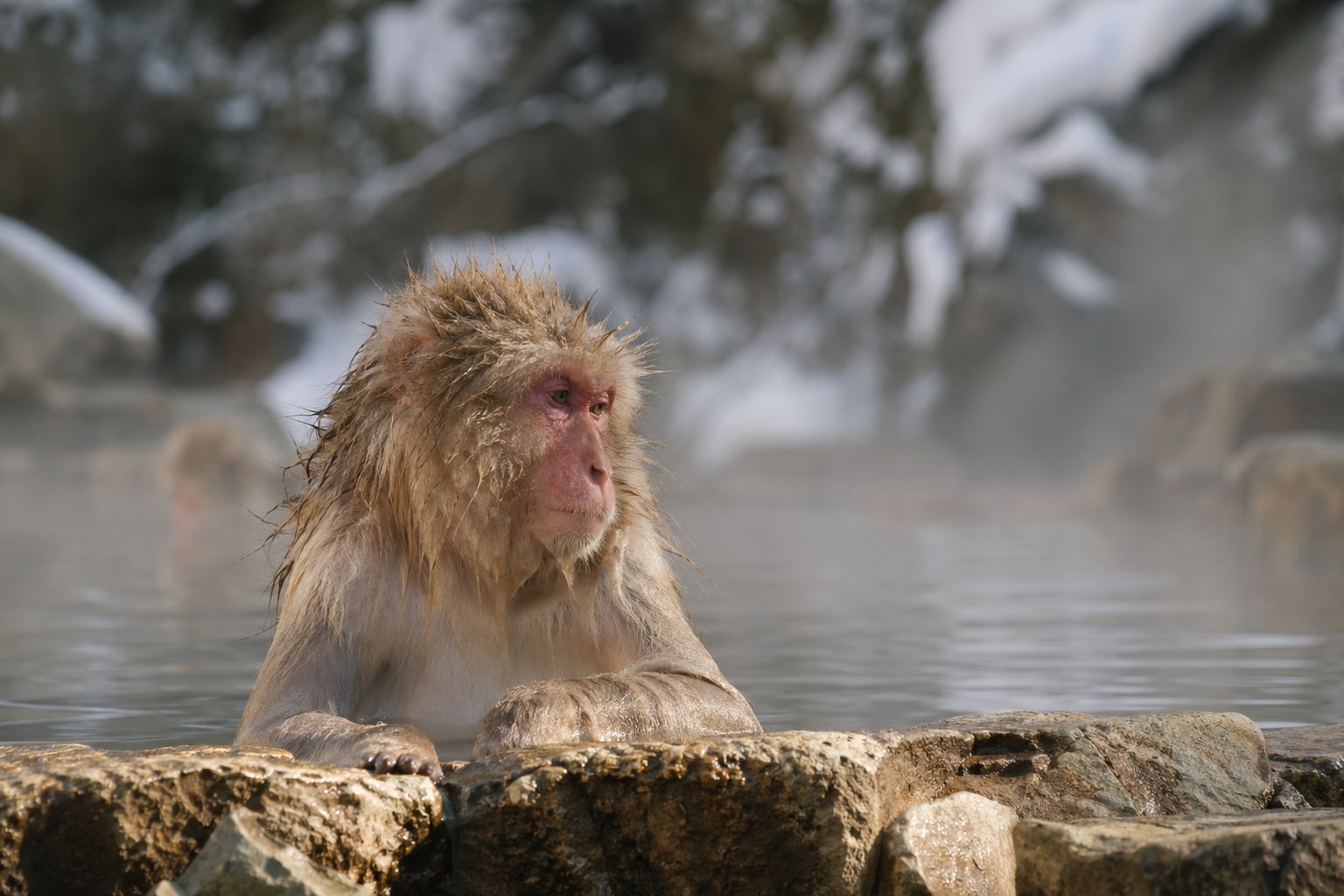
Japan's snow monkeys are cold-adapted primates with distinctive pink faces, thick fur, and remarkable hot spring bathing behaviors.
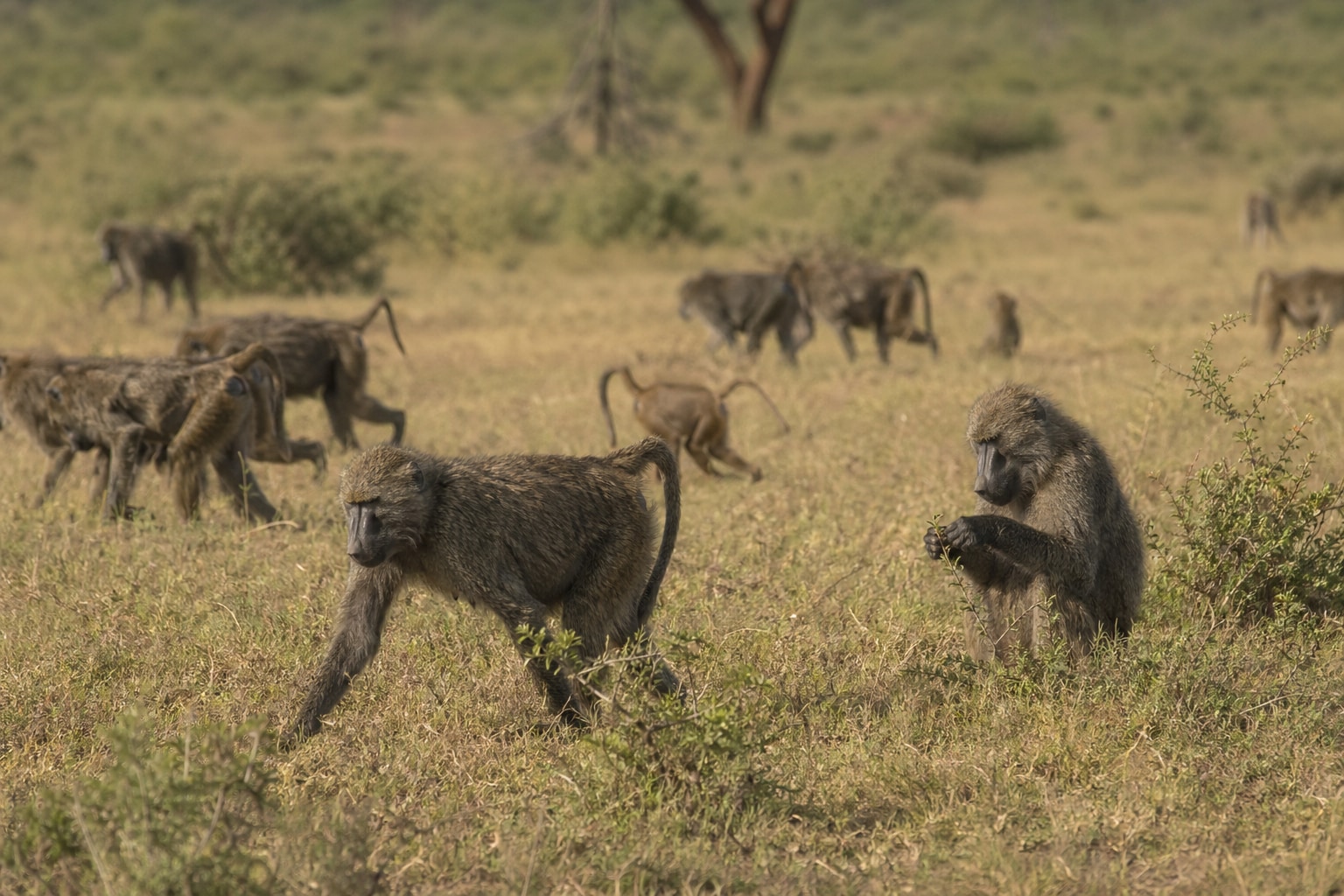
Olive baboons are highly adaptable African primates with distinctive green-grey fur, complex social hierarchies, and omnivorous diets spanning 25 countries.
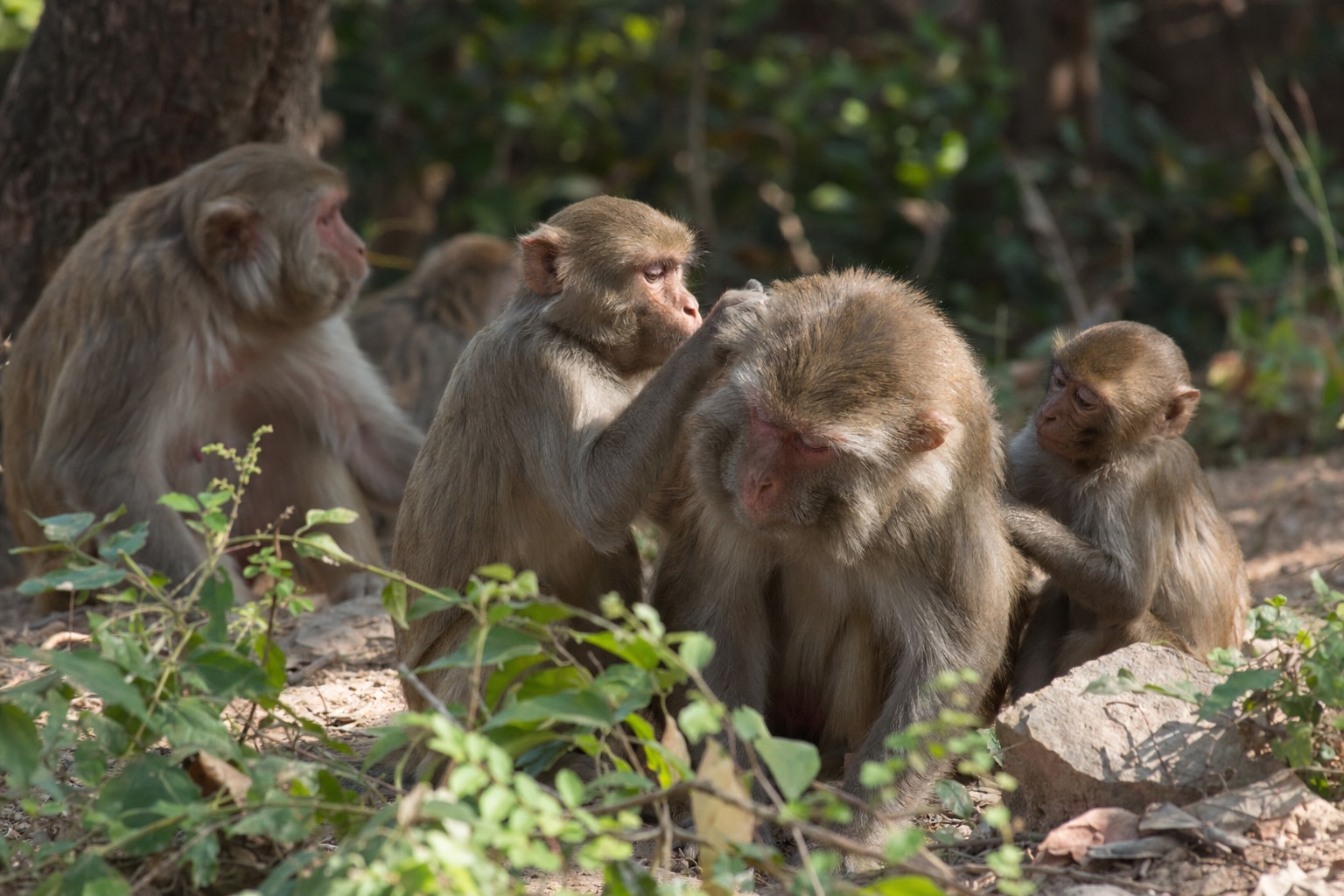
Rhesus macaques thrive across Asia from India to Thailand, living in troops of up to 200 members with complex social hierarchies maintained through grooming.
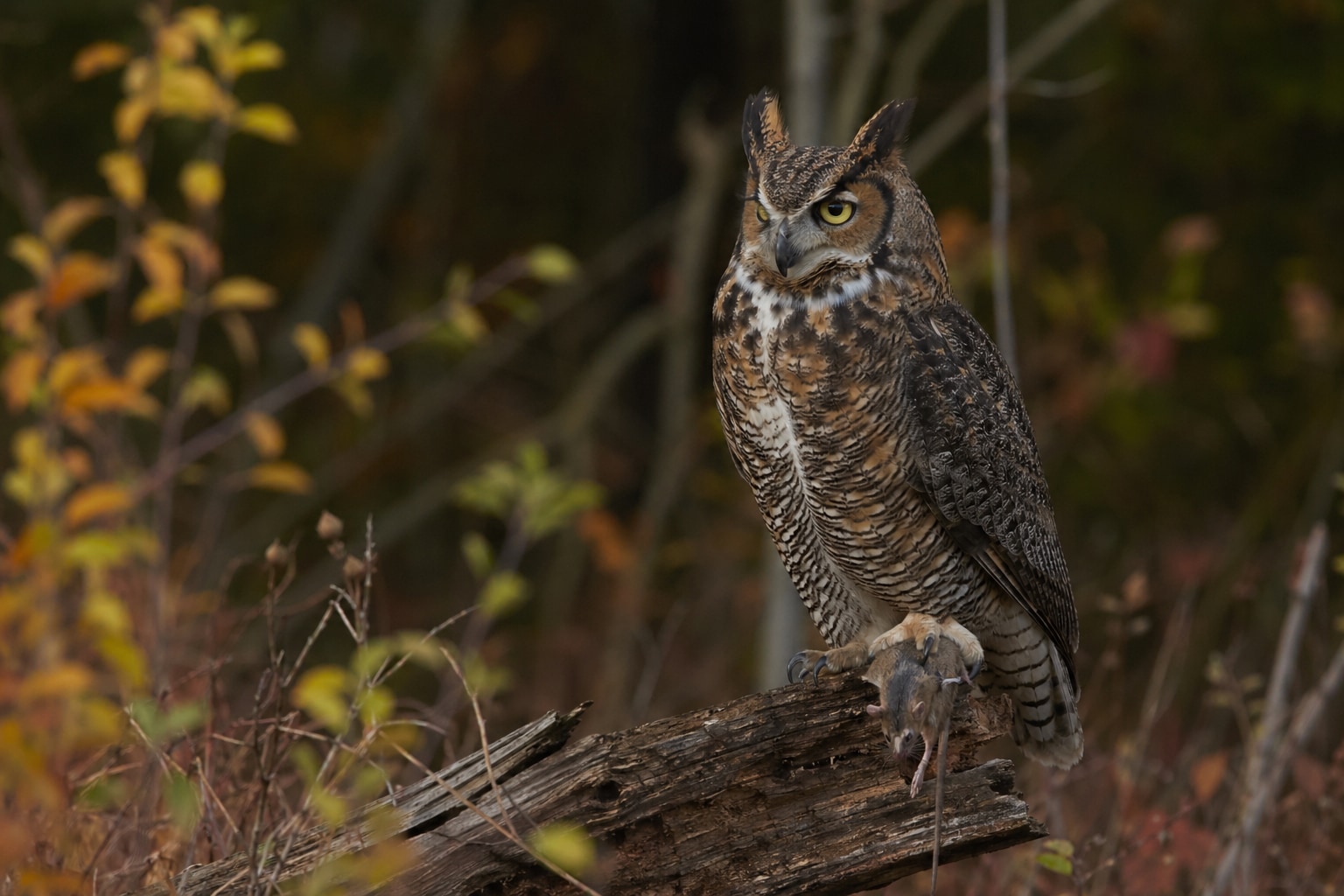
Owls are opportunistic carnivores eating rodents, fish, insects, and birds using silent flight and acute hearing to hunt prey.
Rocks form via three processes: cooling magma, compacting sediment, and extreme heat or pressure; each cycle continuously transforms rocks.
Wool, merino wool, and synthetic insulation like Primaloft stay warm when wet, while fleece and neoprene offer reliable cold-weather alternatives for outdoor adventures.
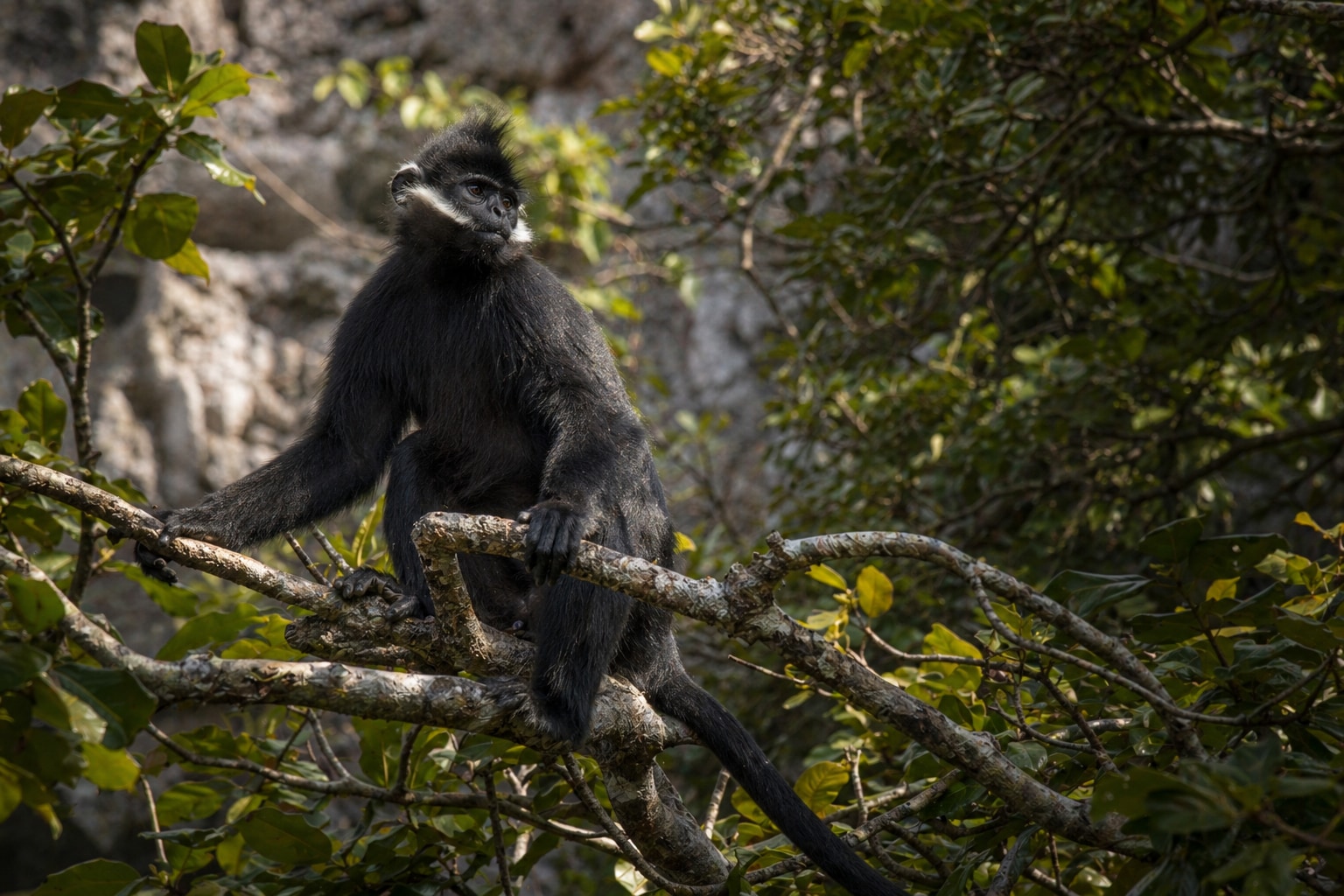
Meet François' langurs, Southeast Asia's endangered leaf-eating monkeys with white cheek tufts and limestone karst habitat.
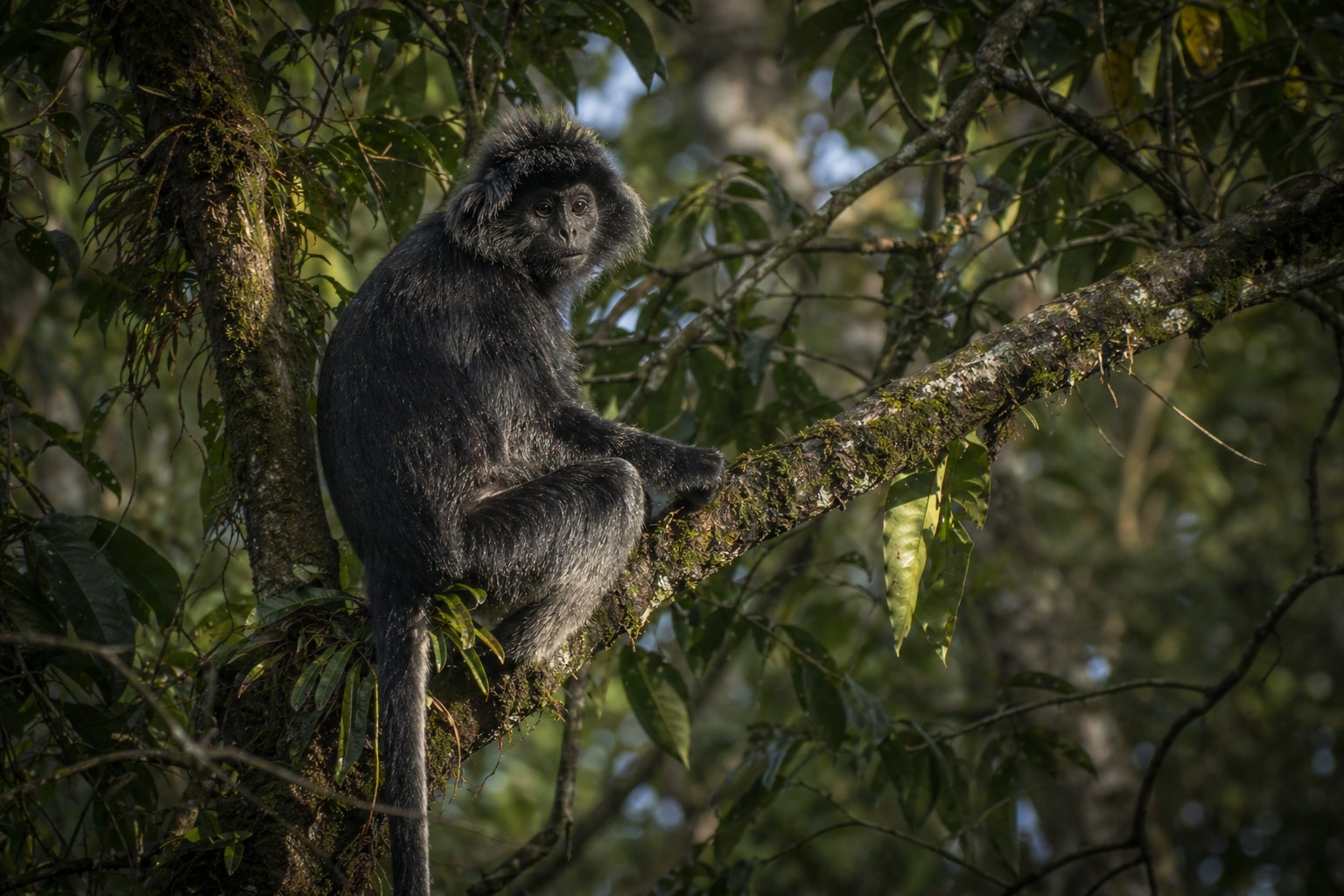
Meet the East Javan langur, a long-limbed Old World monkey from Java with distinctive coloring, specialized digestion, and vulnerable conservation status.
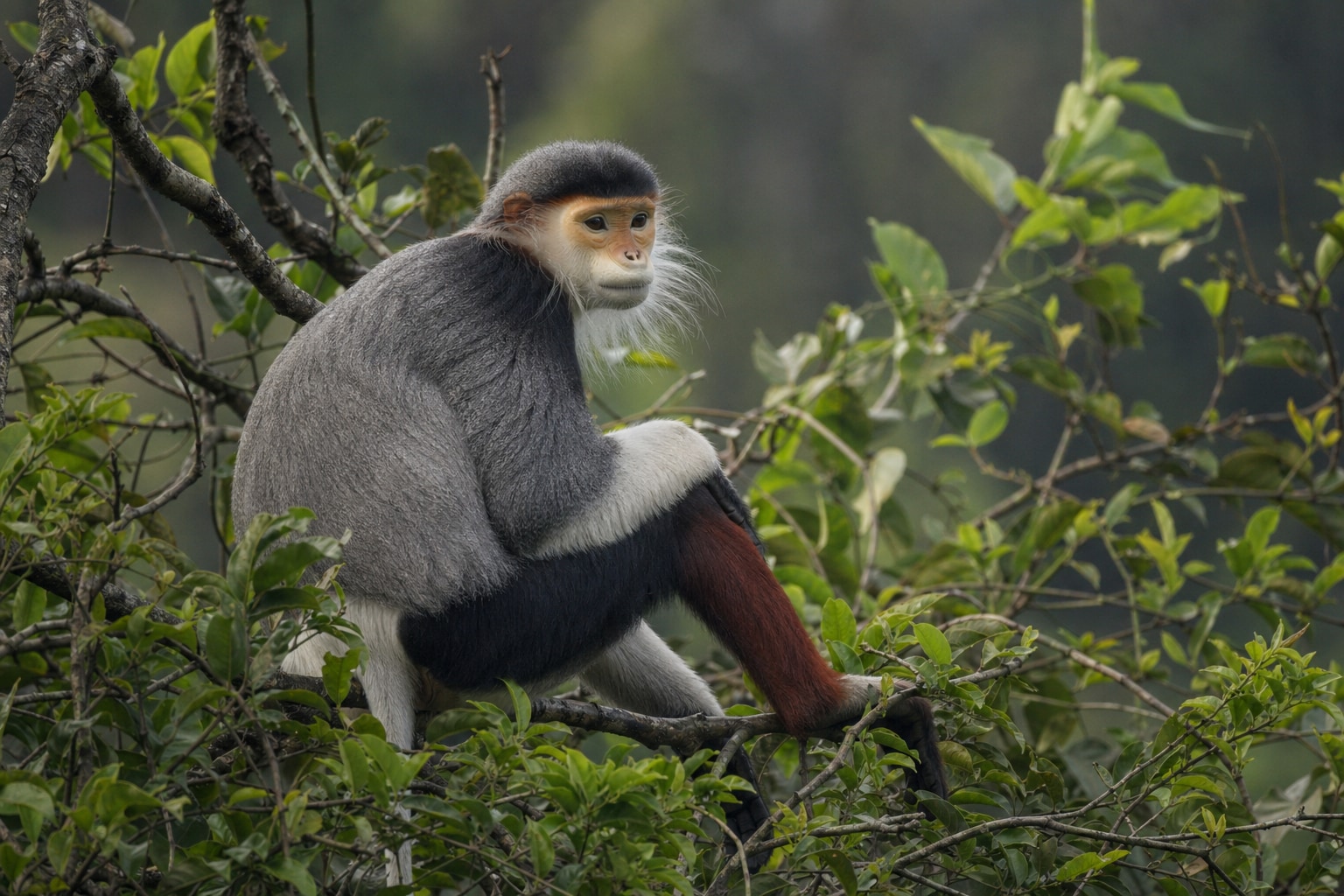
The red-shanked douc is a vibrantly colored primate with maroon stockings and golden face, critically endangered by habitat loss in Southeast Asian rainforests.