Wildlife
Can Flamingos Fly? Uncovering the Startling Reality
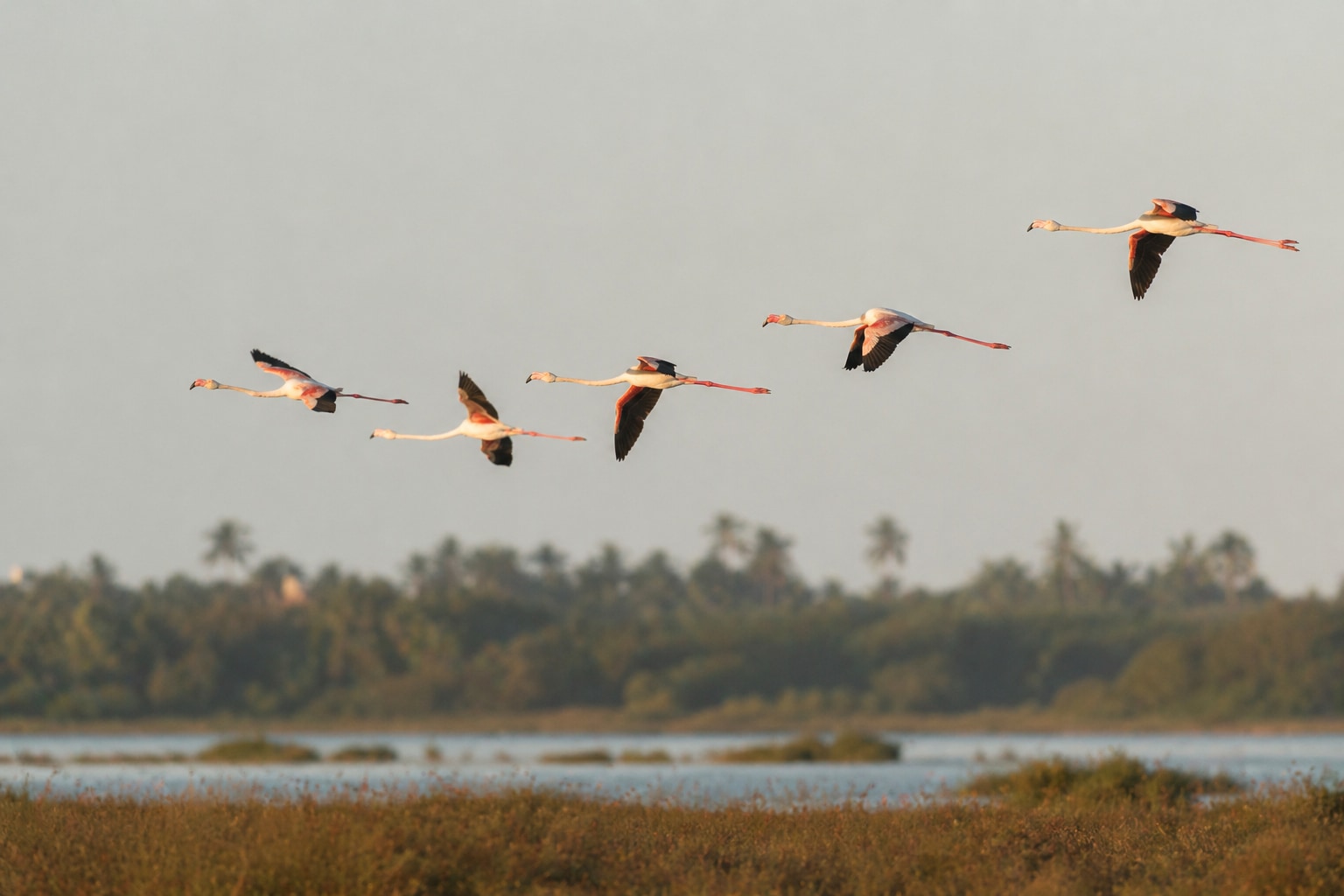
Flamingos fly 31-37 mph in V-formation, migrating 311-373 miles overnight at altitudes up to 20,000 feet for breeding and food.
Flamingos fly 31-37 mph in V-formation, migrating 311-373 miles overnight at altitudes up to 20,000 feet for breeding and food.
Cirrocumulus clouds form at 20,000-40,000 feet from turbulent vertical currents and contrails, appear as white cotton ball rows, and indicate cold, fair weather.
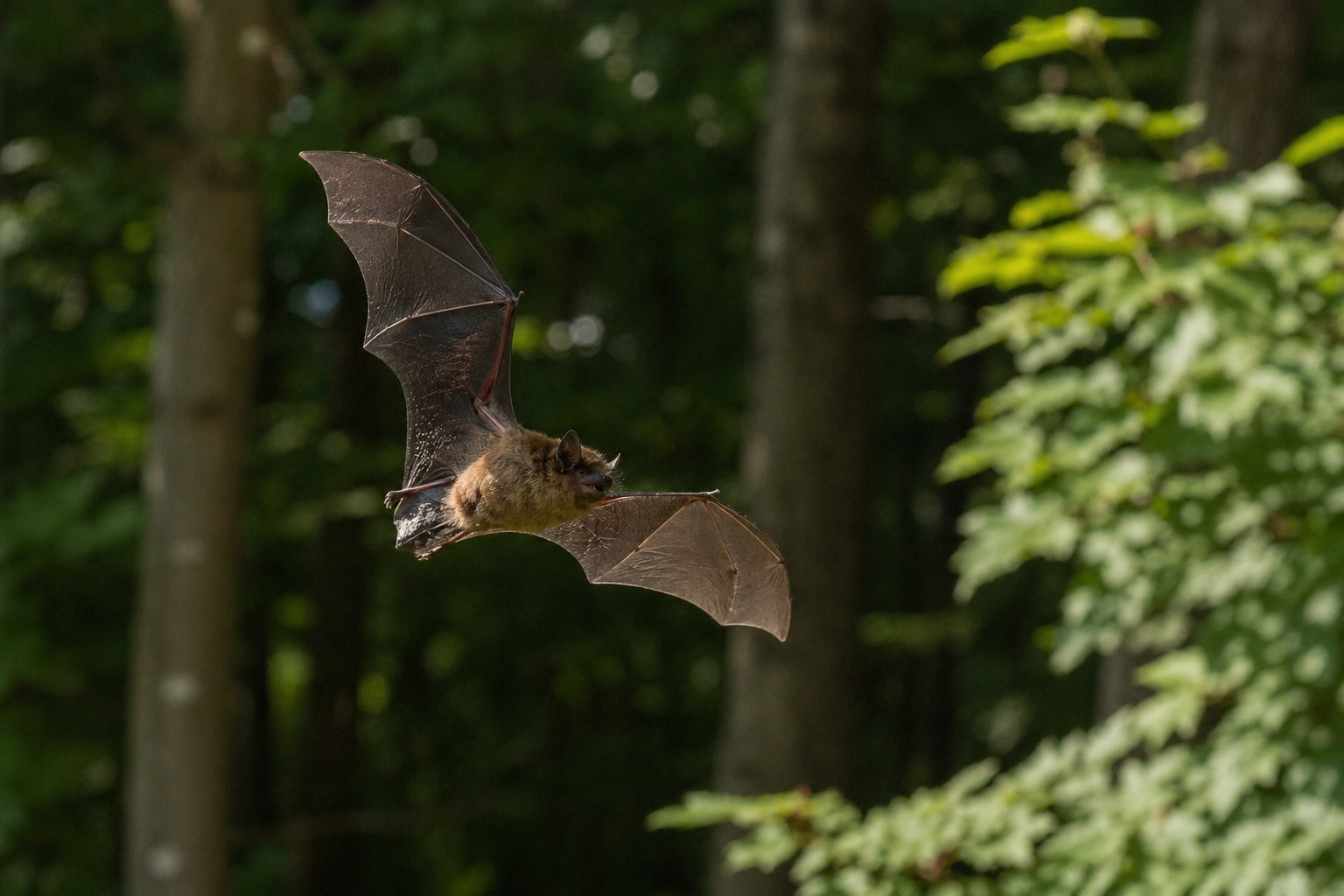
Bats are mammals, the only mammals capable of true flight. Over 1,400 species use echolocation and give birth to live young fed with milk.
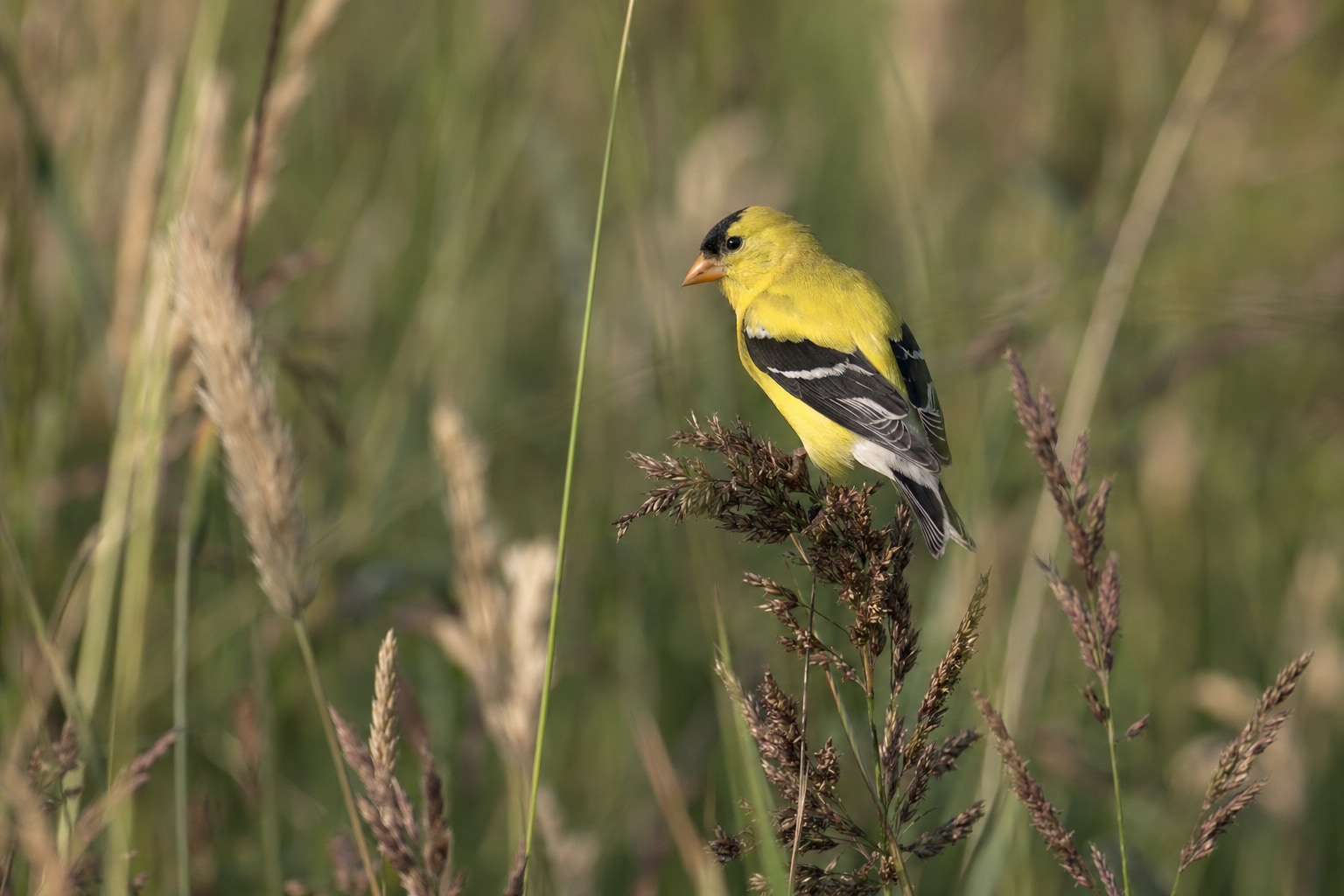
Twenty-five finch species exist worldwide; these small passerines are famous for complex songs and seed-eating habits across diverse climates.
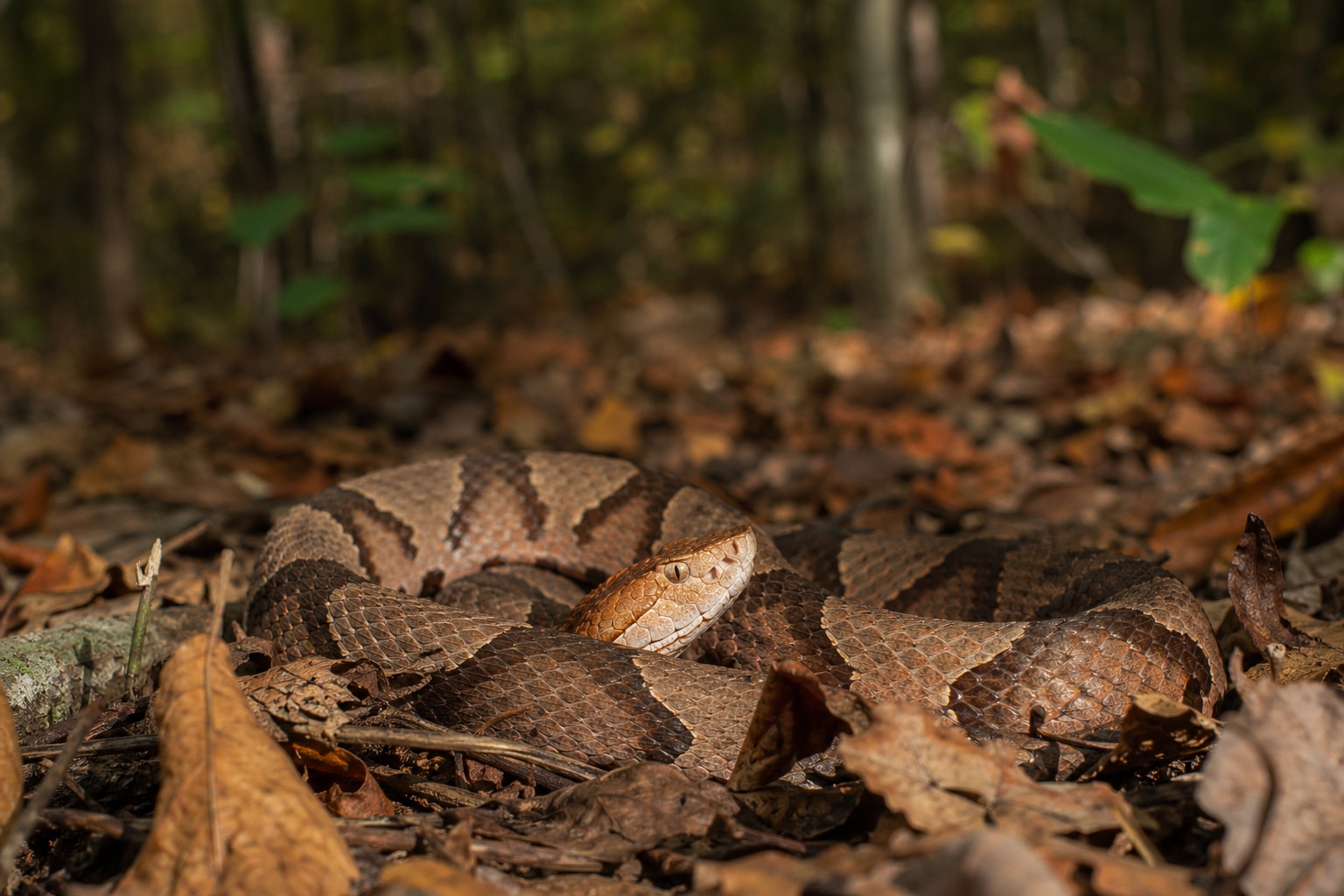
Georgia has 46 snake species; only 6 are venomous, and diverse habitats from coasts to mountains support high biodiversity.
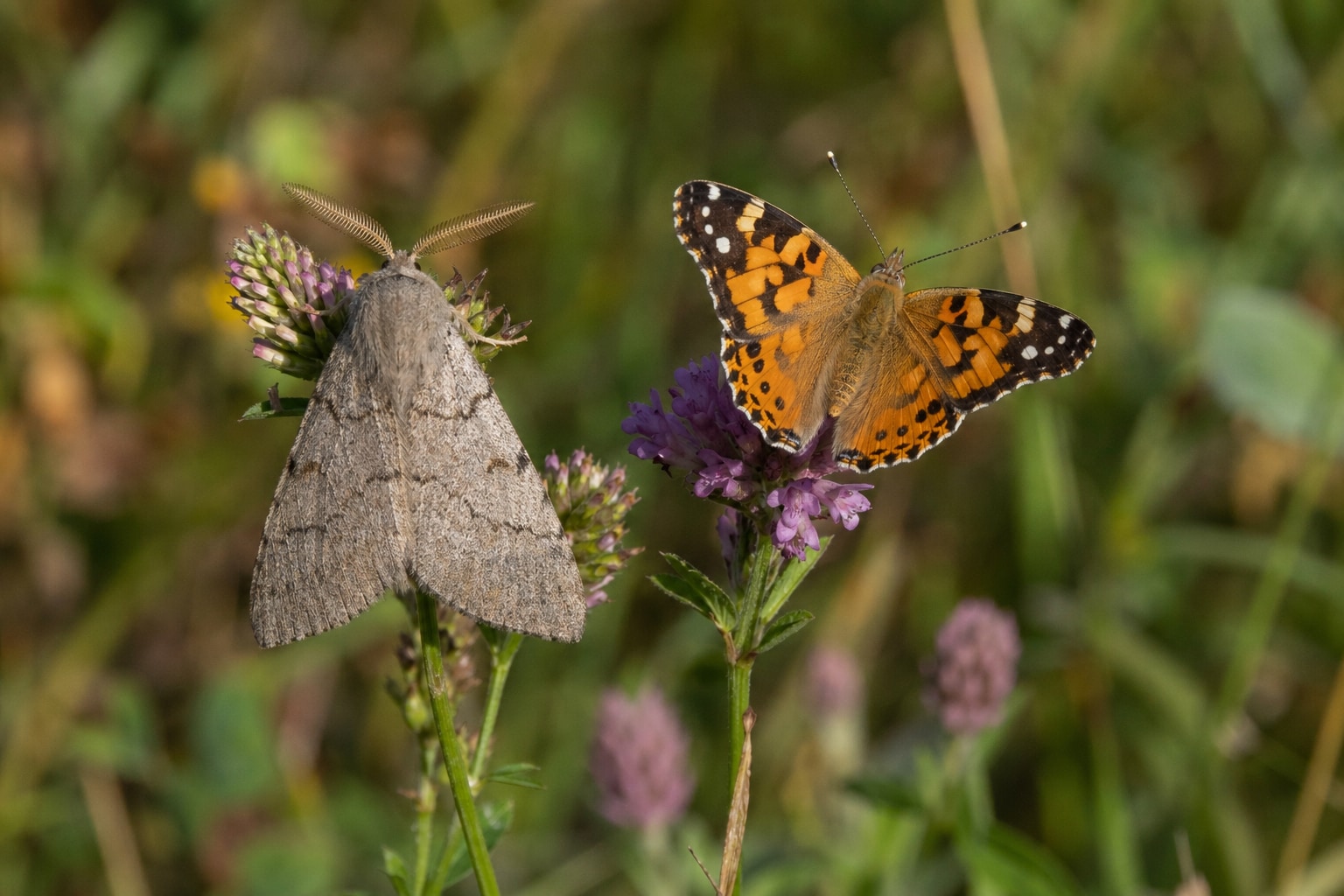
Moths and butterflies are closely related Lepidoptera with key differences in wings, antennae, behavior, and pupation methods.
Monkeys are omnivores eating fruits, nuts, seeds, insects, eggs, and small animals, but rarely bananas despite popular belief.
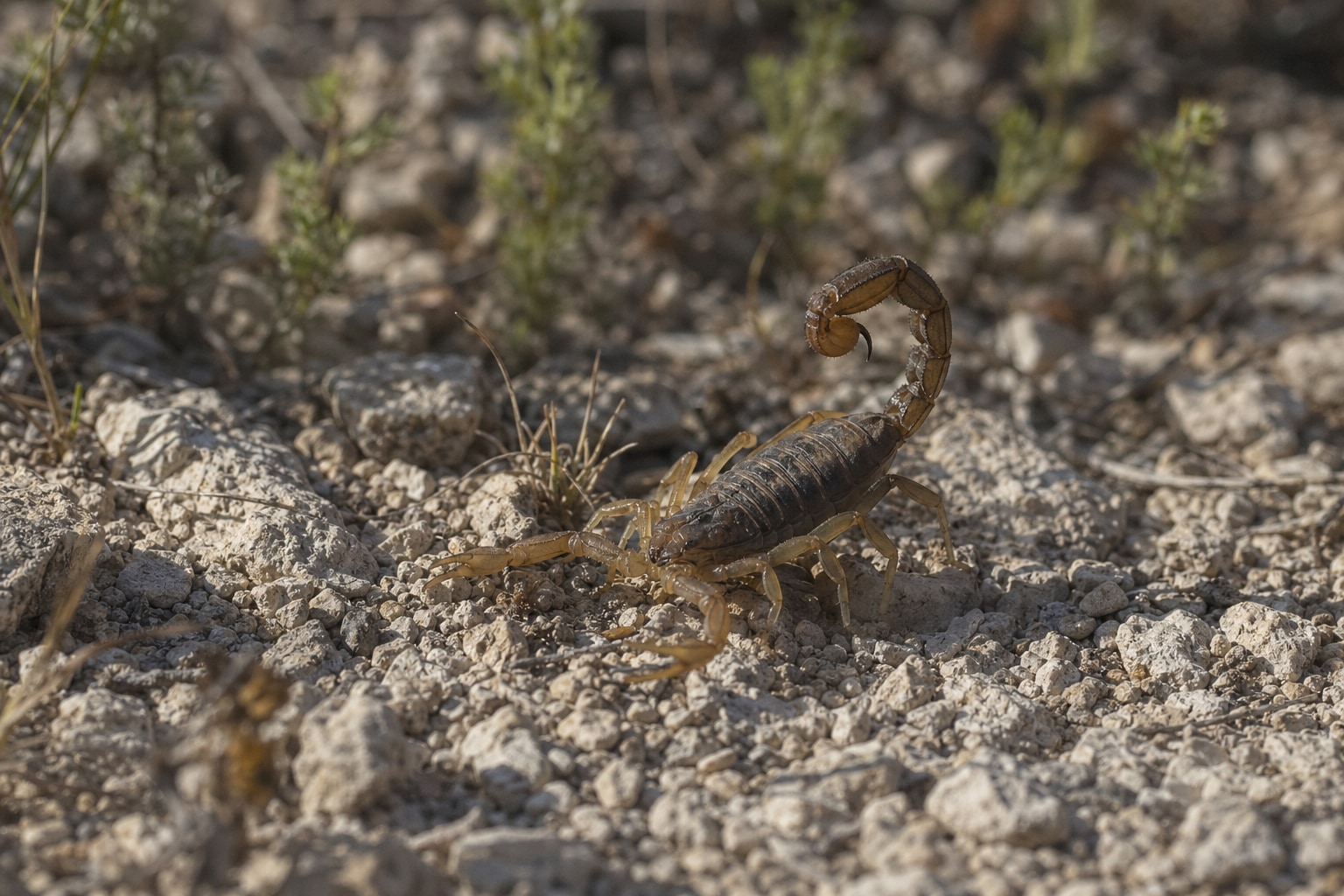
Texas hosts 19 nonlethal scorpion species; striped bark scorpion is most common; scorpions control pest populations as nocturnal hunters.
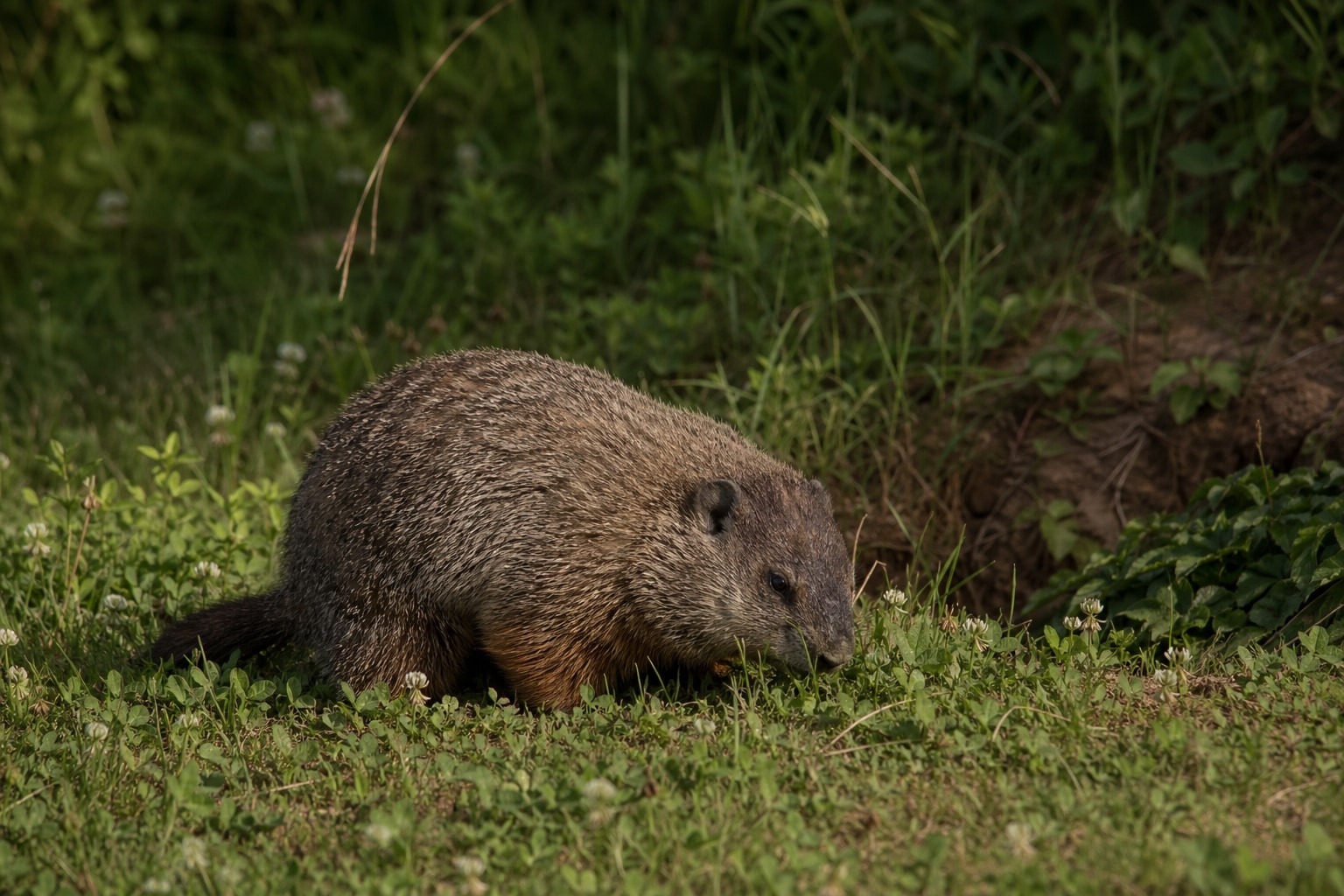
Groundhogs are herbivores eating plants, fruits, insects, and meat seasonally to fatten up before hibernation.
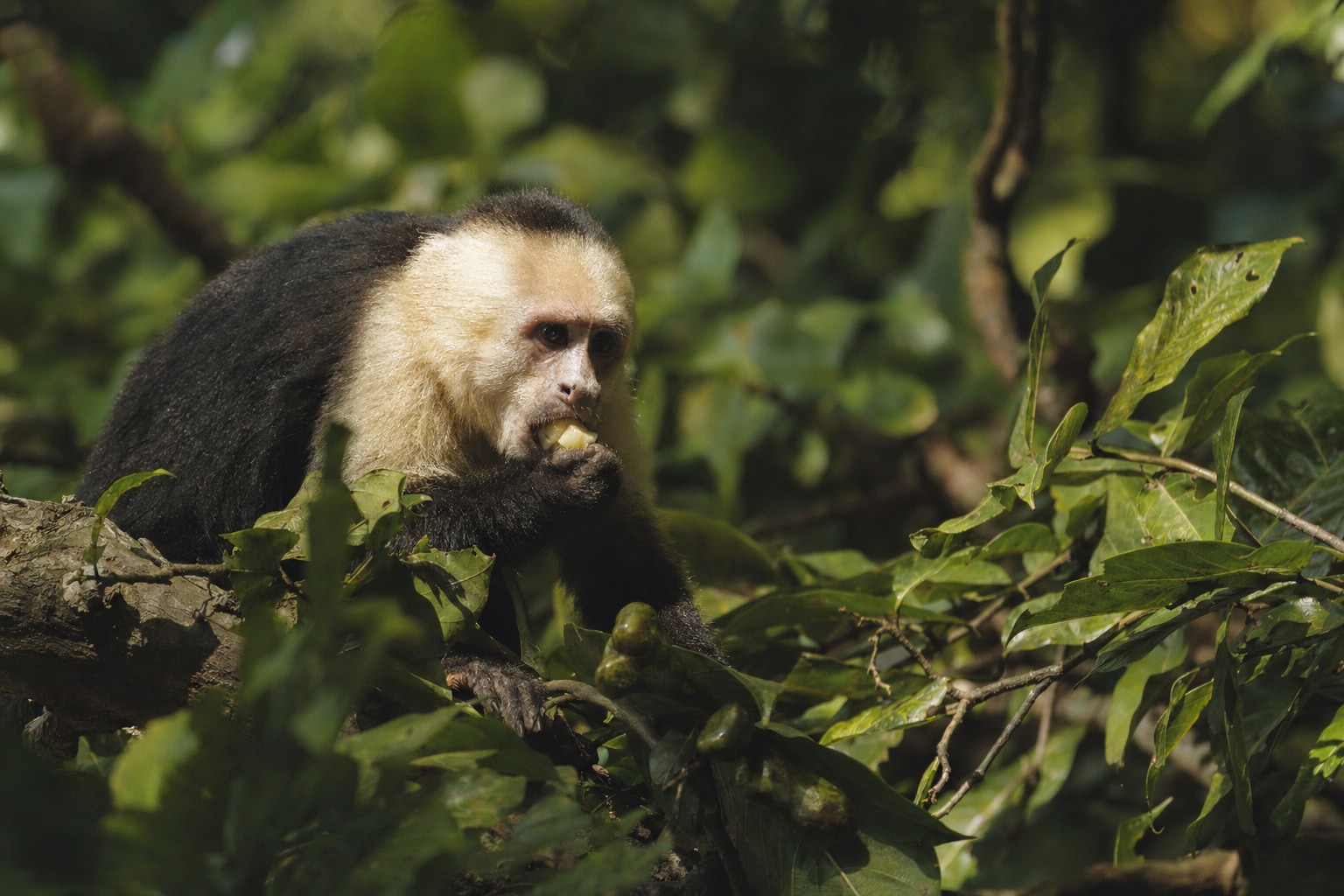
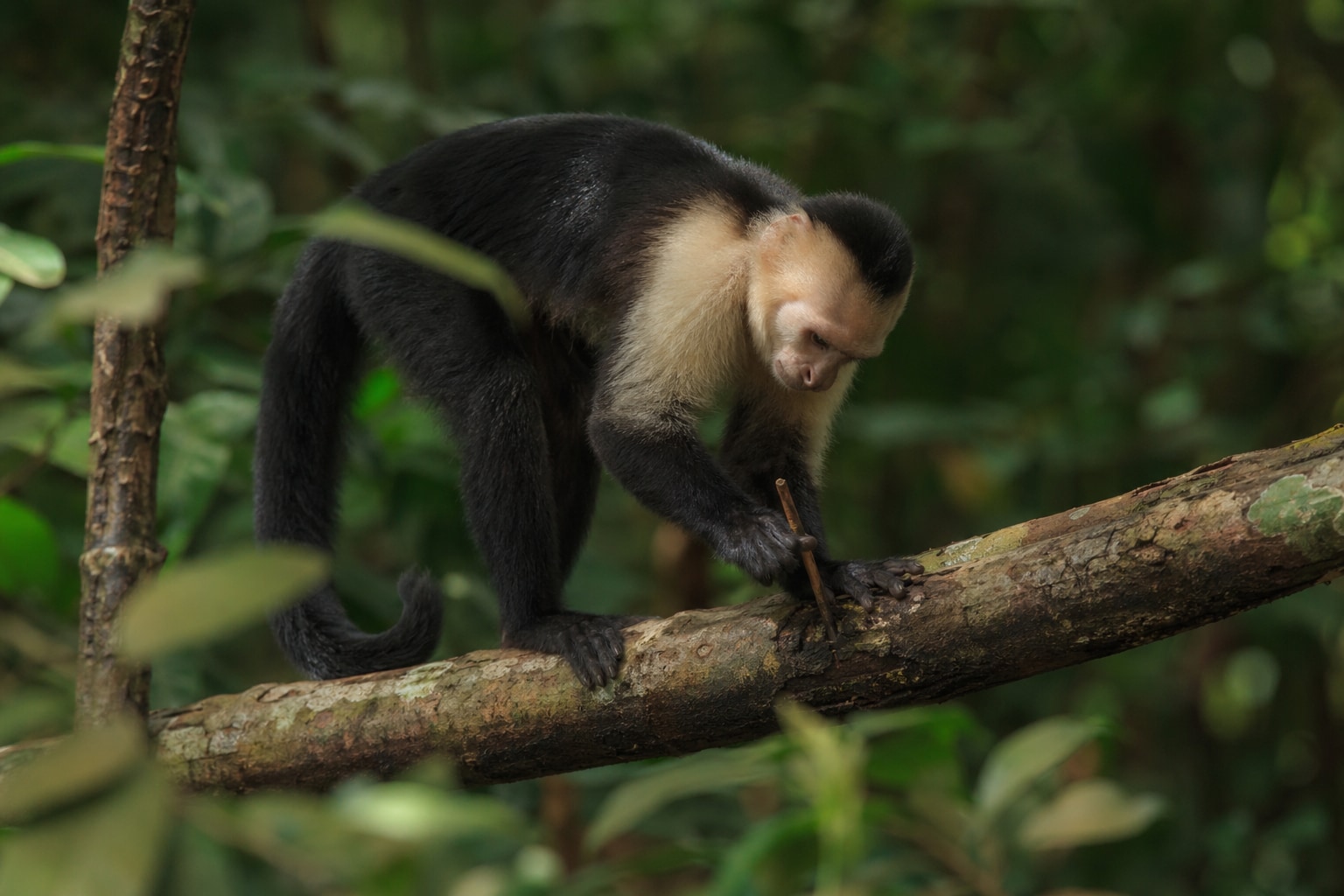
Panamanian white-faced capuchins are highly intelligent monkeys that use tools, live in complex troops, and inhabit Central American rainforests.
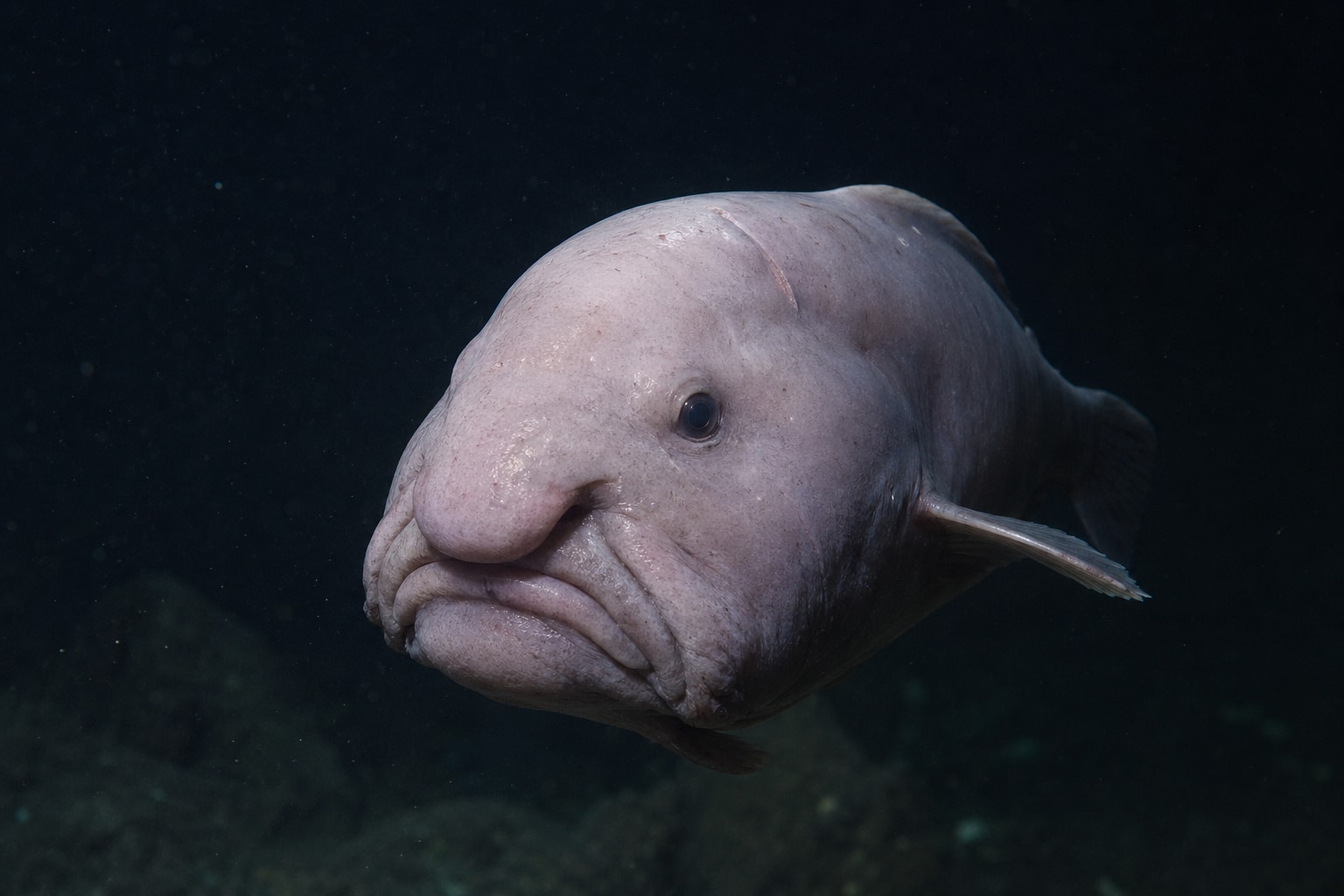
Discover 20 of Earth's ugliest animals: from blobfish to aye-ayes to proboscis monkeys. Learn why their unconventional looks matter.
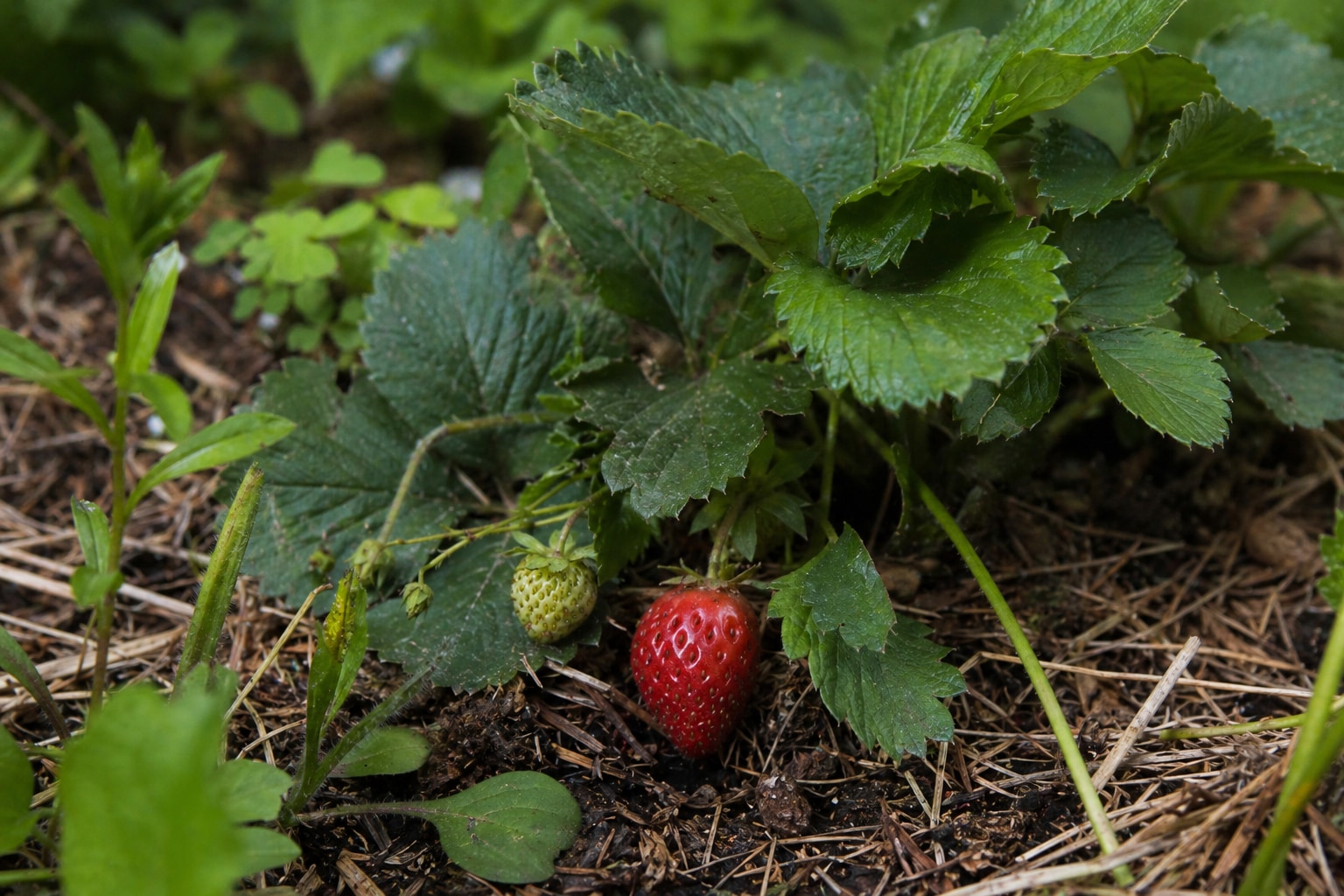
Strawberries are not berries botanically; they are aggregate accessory fruits with seeds on the exterior from multiple ovaries.