Wildlife
What Do Elephants Eat? Debunking Myths and Discovering Their Favorite Foods
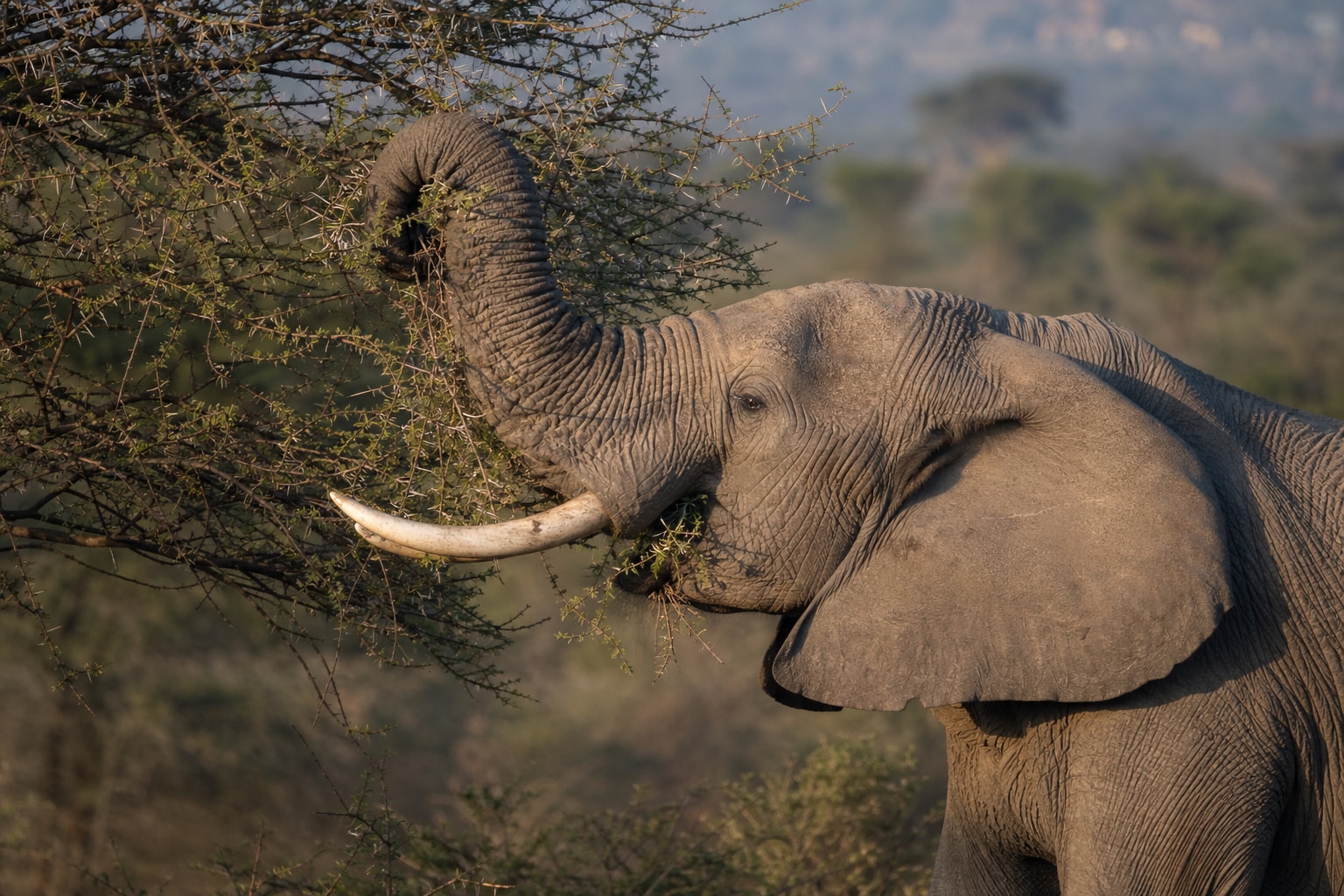
Elephants eat 200 to 600 pounds of vegetation daily including grasses, leaves, bark, and fruit across their 12 to 18 hour eating day.
Elephants eat 200 to 600 pounds of vegetation daily including grasses, leaves, bark, and fruit across their 12 to 18 hour eating day.
22 desert animals including camels, snakes, scorpions, fennec foxes, and ostriches survive extreme heat above 100 degrees with specialized water-conservation adaptations.
Bear spray deters charging bears up to 25 feet away with higher capsicum concentration, while pepper spray is designed for self-defense against humans with a 10-foot range.
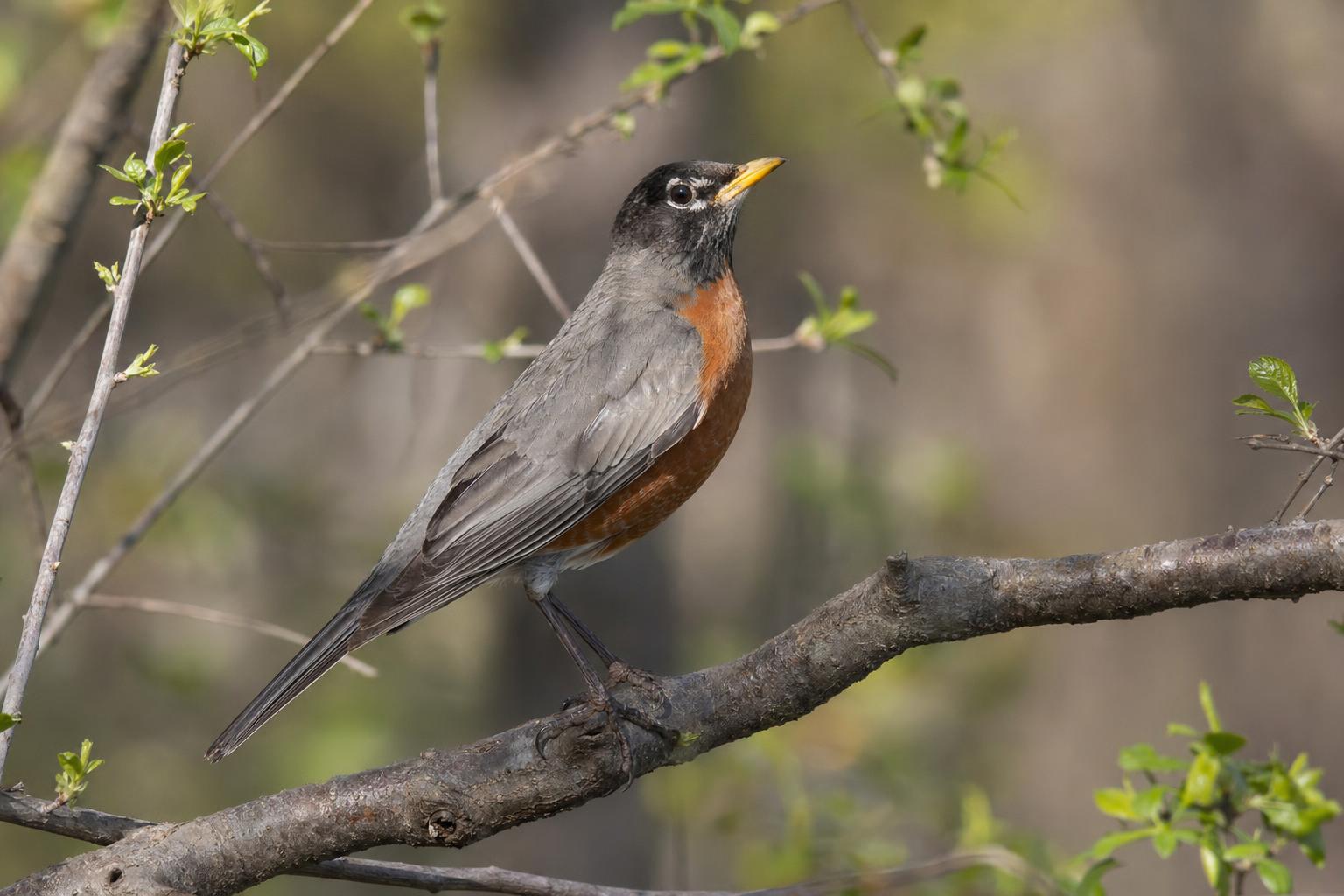
Birds aren't mammals despite being warm-blooded. Birds lay eggs, have feathers, and beaks; mammals give birth and nurse young with milk.
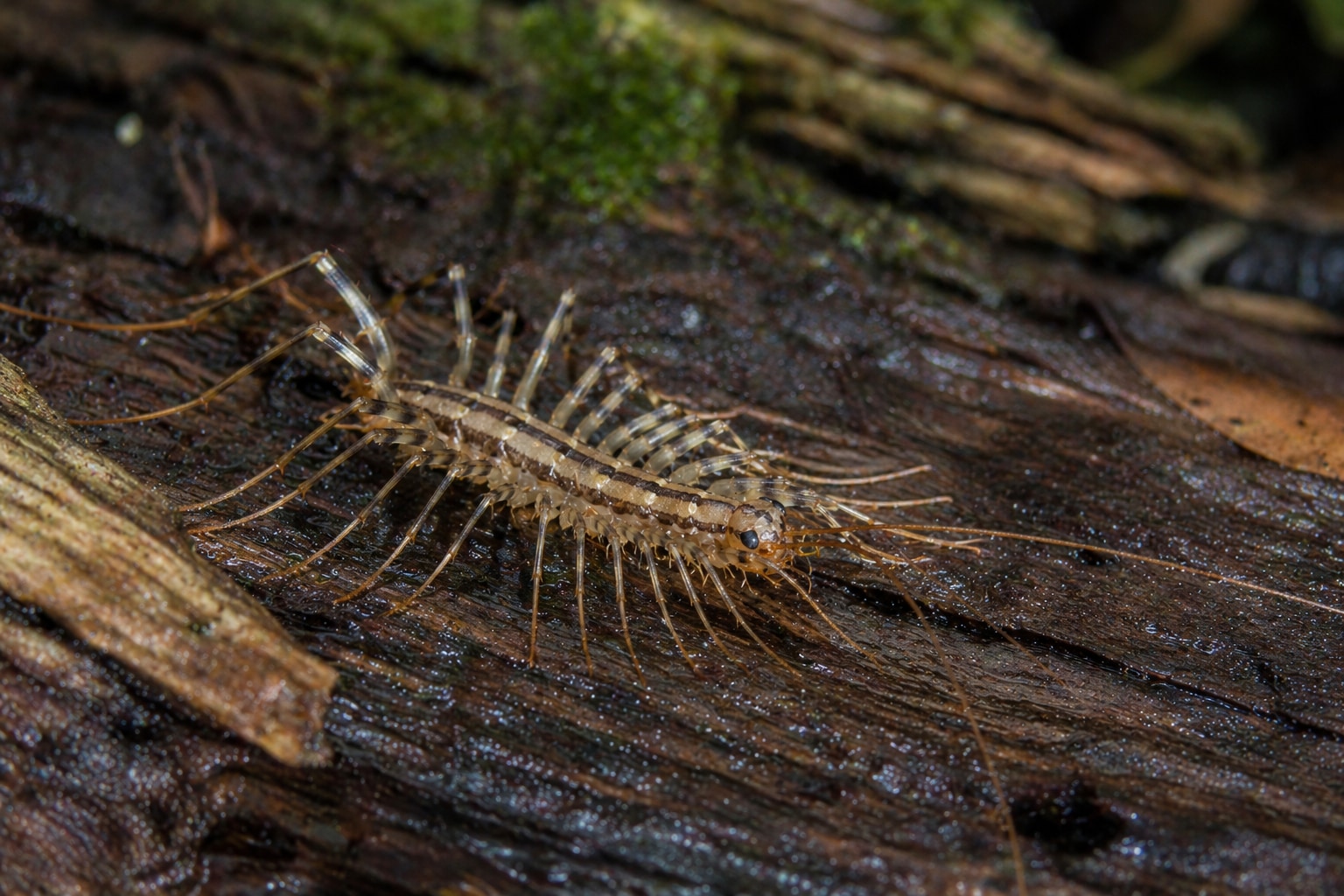
All centipedes are venomous but not poisonous. Their venom isn't lethal to humans; bites are painful but comparable to bee stings.
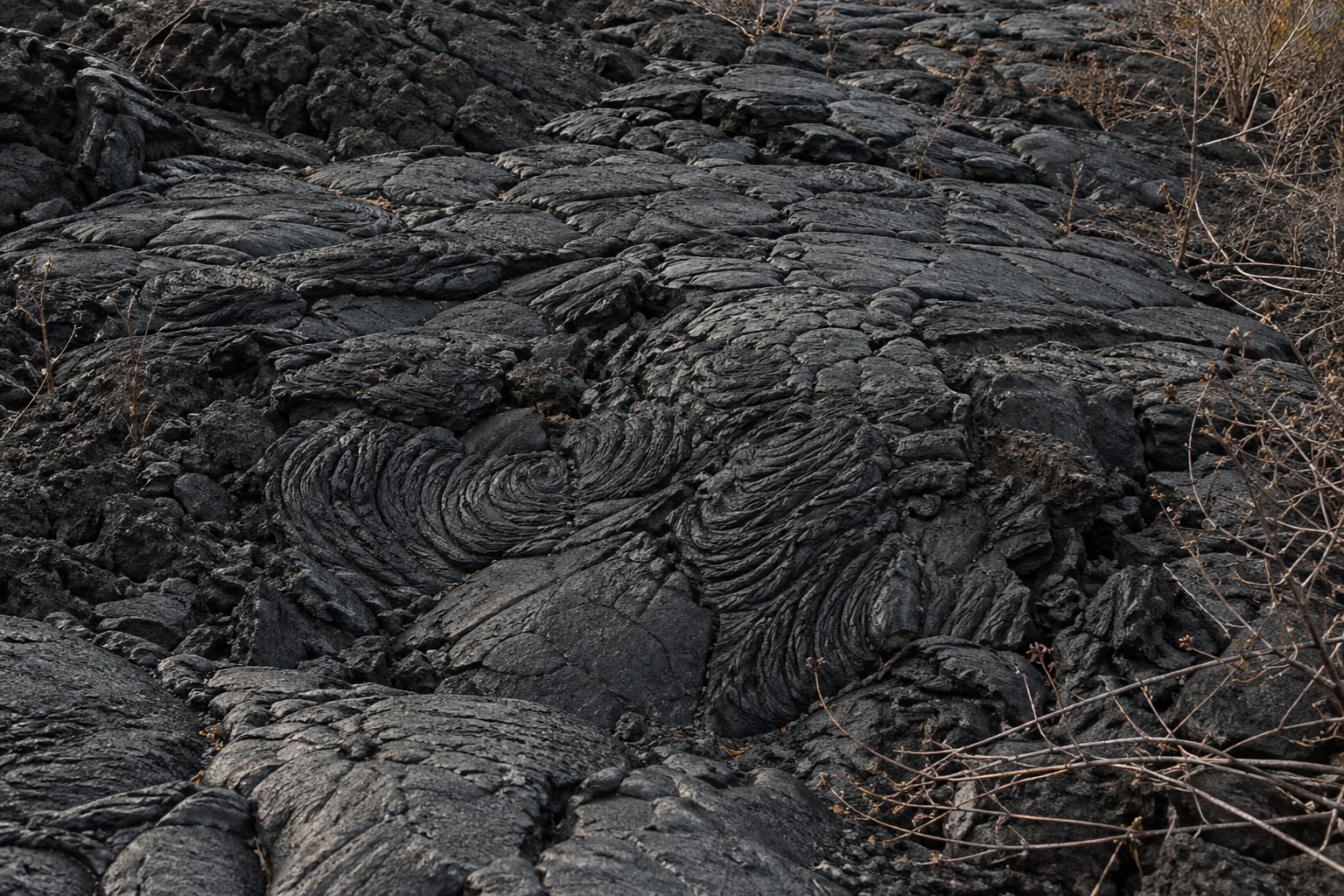
Igneous rocks form from magma cooling between 1,100-2,400 degrees Fahrenheit; extrusive types harden on surfaces while intrusive types cool underground.
Spider lifespans range from under a year to nearly twenty years, with males living shorter lives than females due to mating-related deaths.
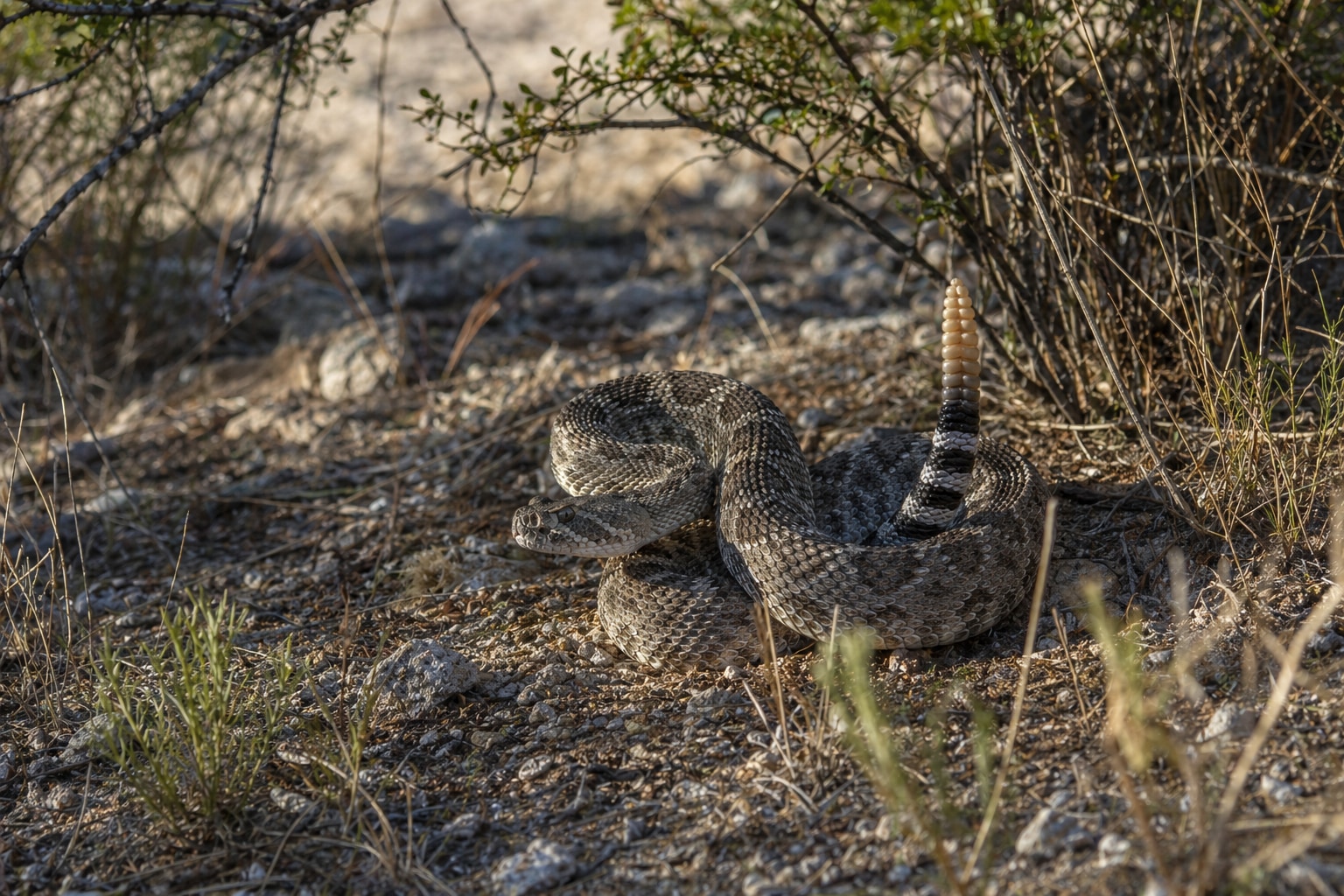
Snakes mate via mating balls or one-on-one; 70 percent lay eggs while 30 percent give live birth, some without needing a male.
Mount Everest summits require two months of climbing and acclimatization, costing thirty thousand to one hundred eighty thousand dollars with extreme risks.
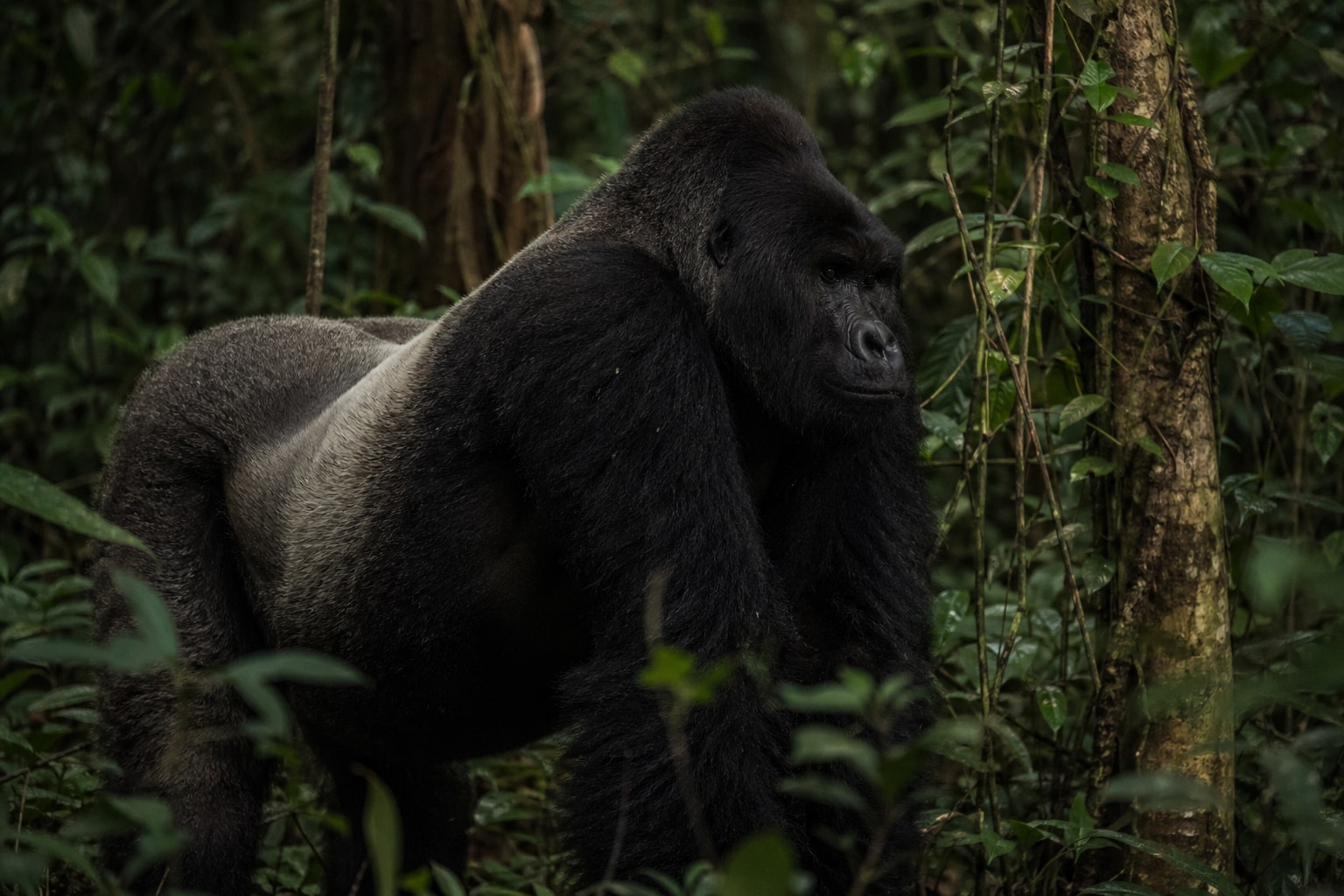
Gorillas can lift 10 times their body weight with 4 times stronger muscle mass and 3 times thicker bones.
13 hibernating animals enter torpor, reducing metabolism 95 percent and heart rate from 300 to 6 bpm to survive harsh winters on stored energy.
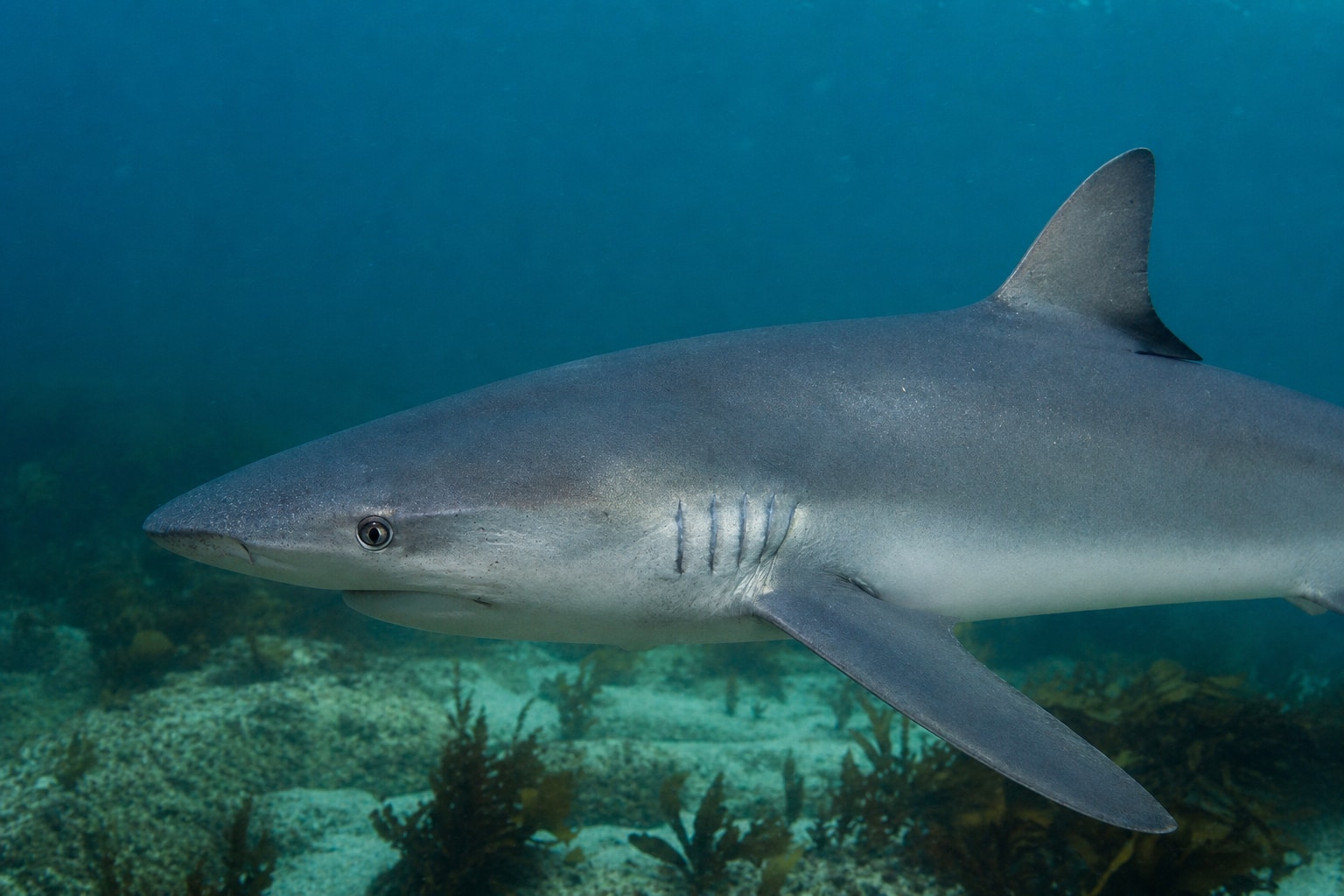
Sharks are fish, not mammals; they breathe via gills, have cartilage skeletons, and lack mammary glands despite some giving live birth.