Wildlife
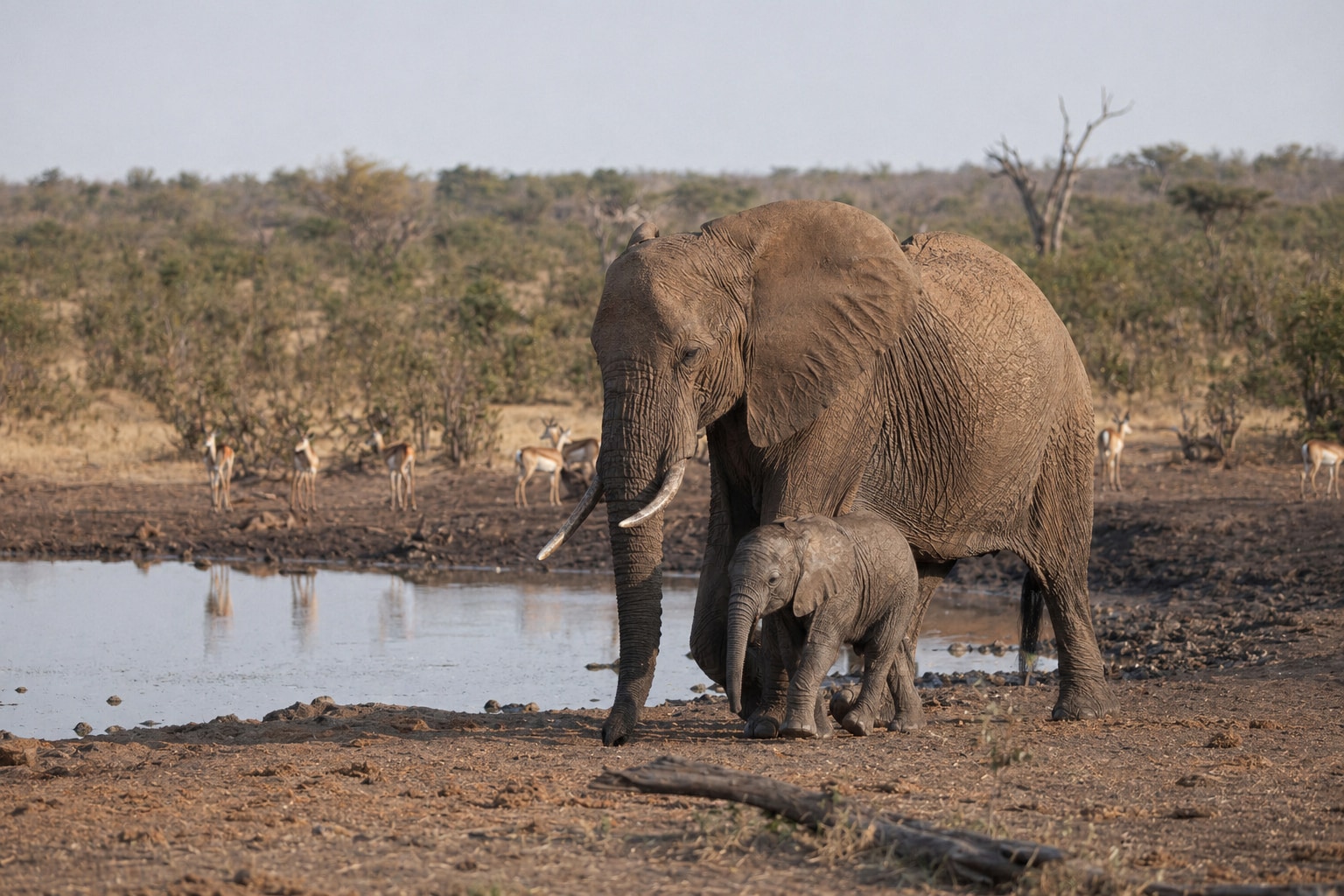
How Long Do Elephants Live & How Humans Factor In
Asian elephants live around 45 years in the wild while African elephants reach 60 to 70 years, though captive elephants have shorter lifespans.
Asian elephants live around 45 years in the wild while African elephants reach 60 to 70 years, though captive elephants have shorter lifespans.
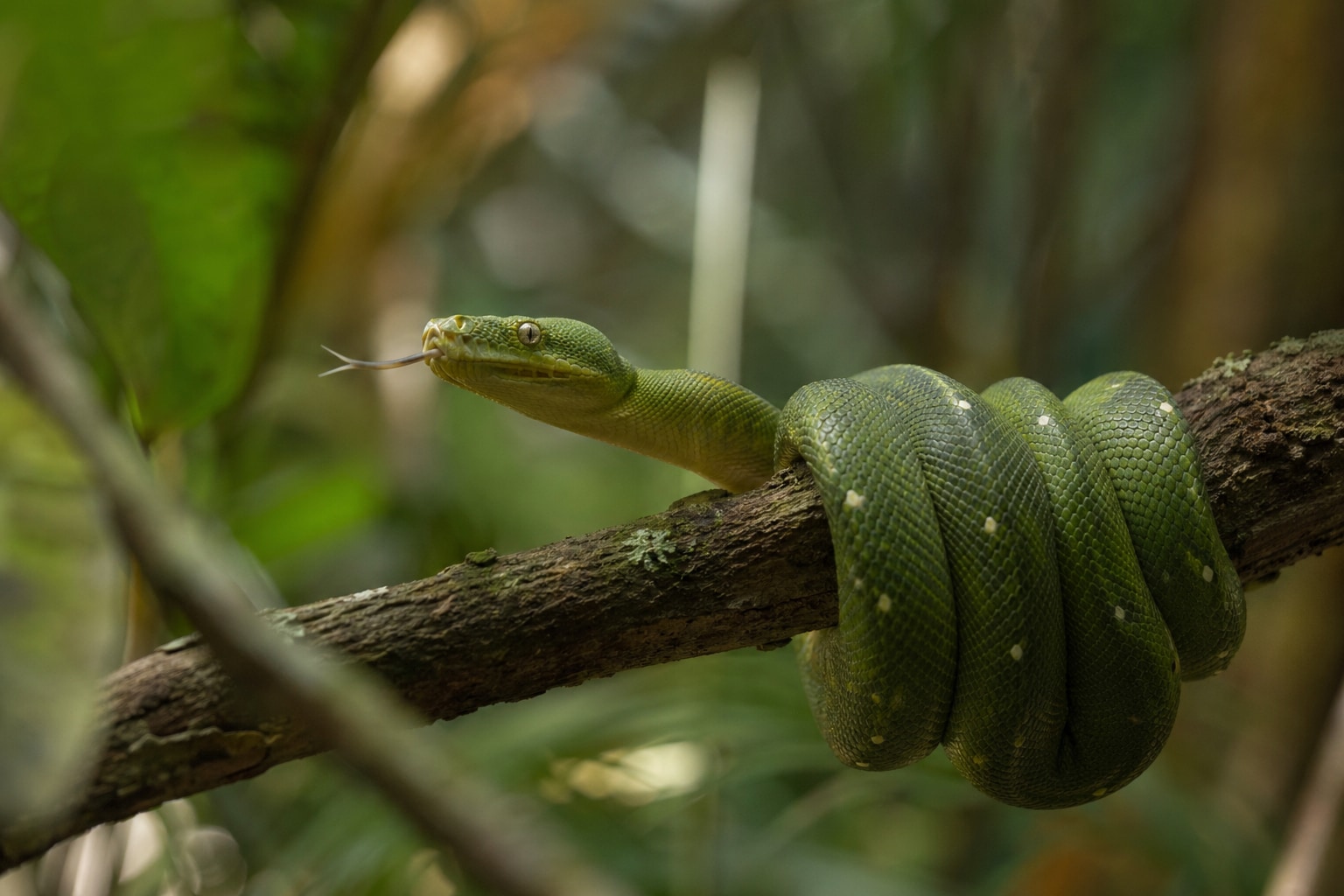
Snakes are vertebrates with 300+ bones including flexible ribs and unique multi-part skulls enabling them to swallow prey larger than their heads.
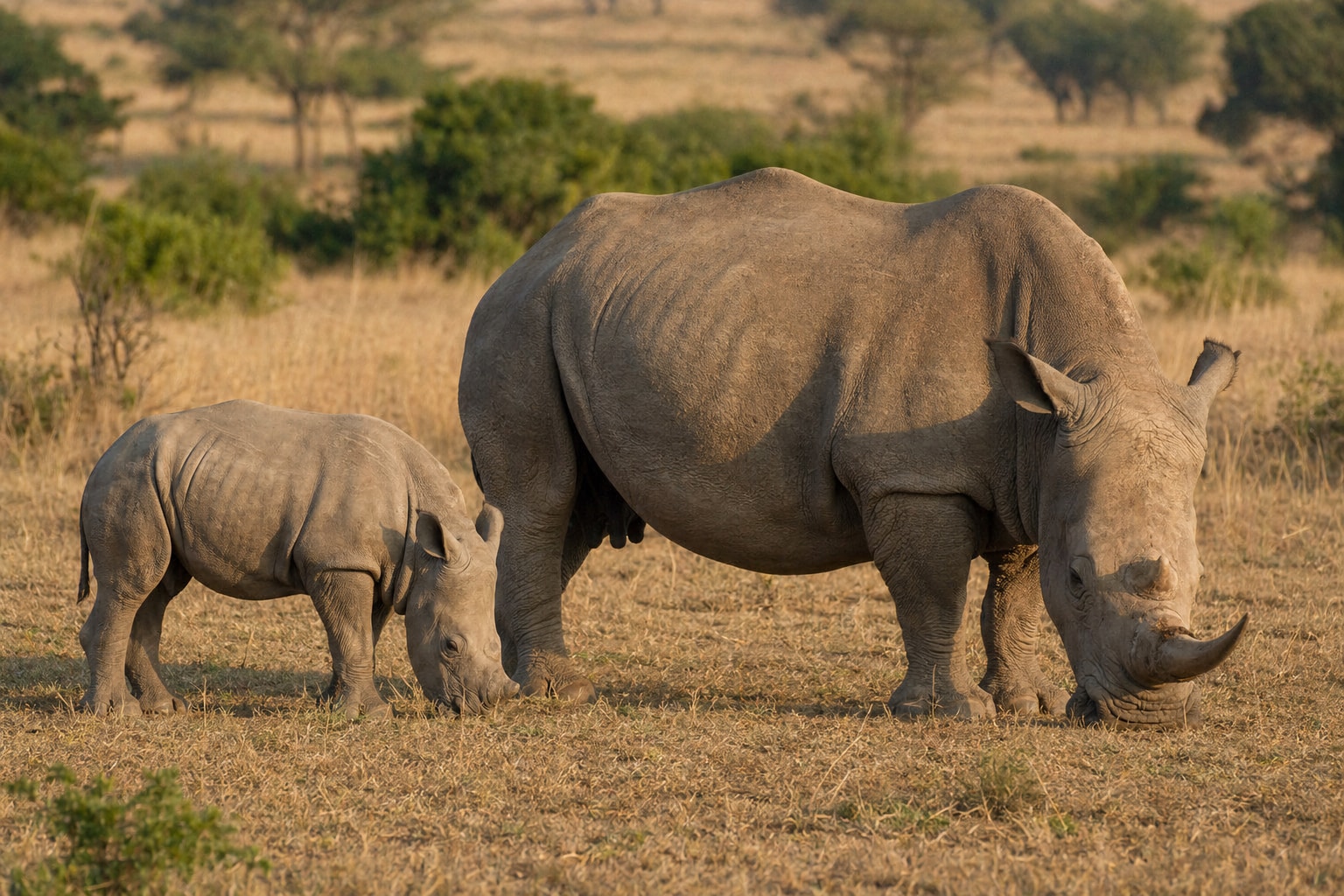
Only about twenty-six thousand rhinos remain in the world today across five species, threatened by poaching and habitat destruction.
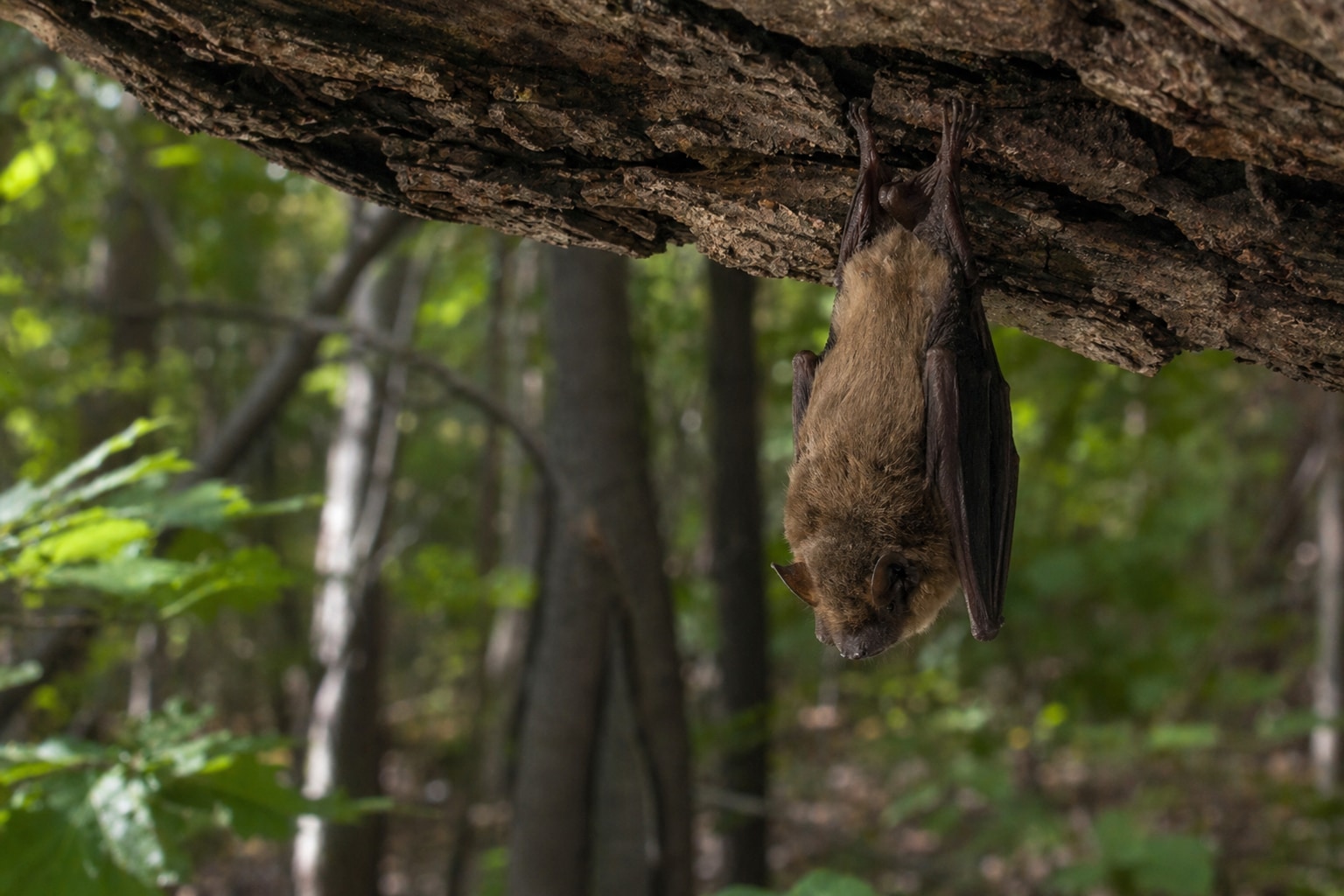
Bats have excellent eyesight and use echolocation to find prey up to 3 miles away, emit sounds up to 140 decibels, and navigate using Earth's magnetic fields.
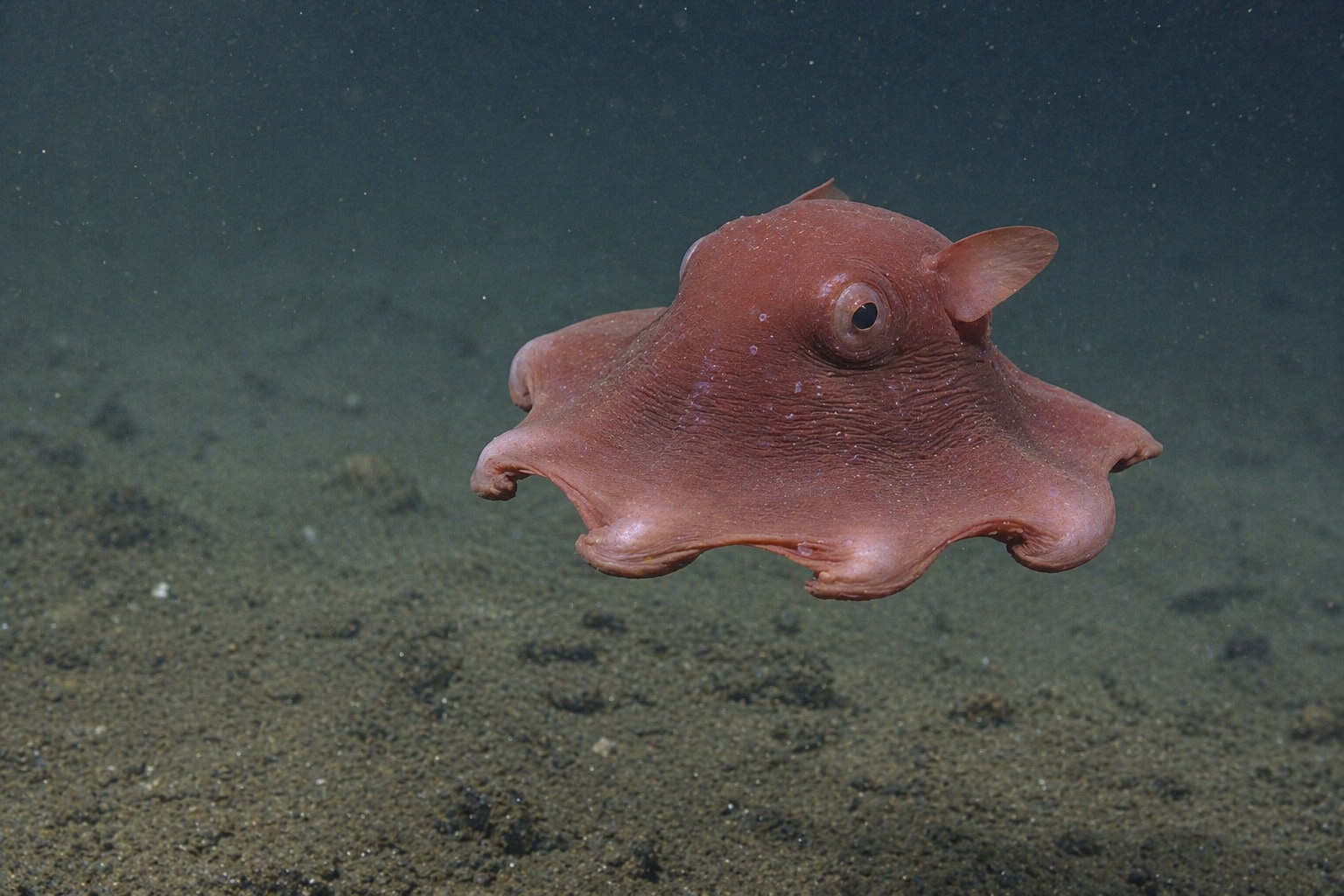
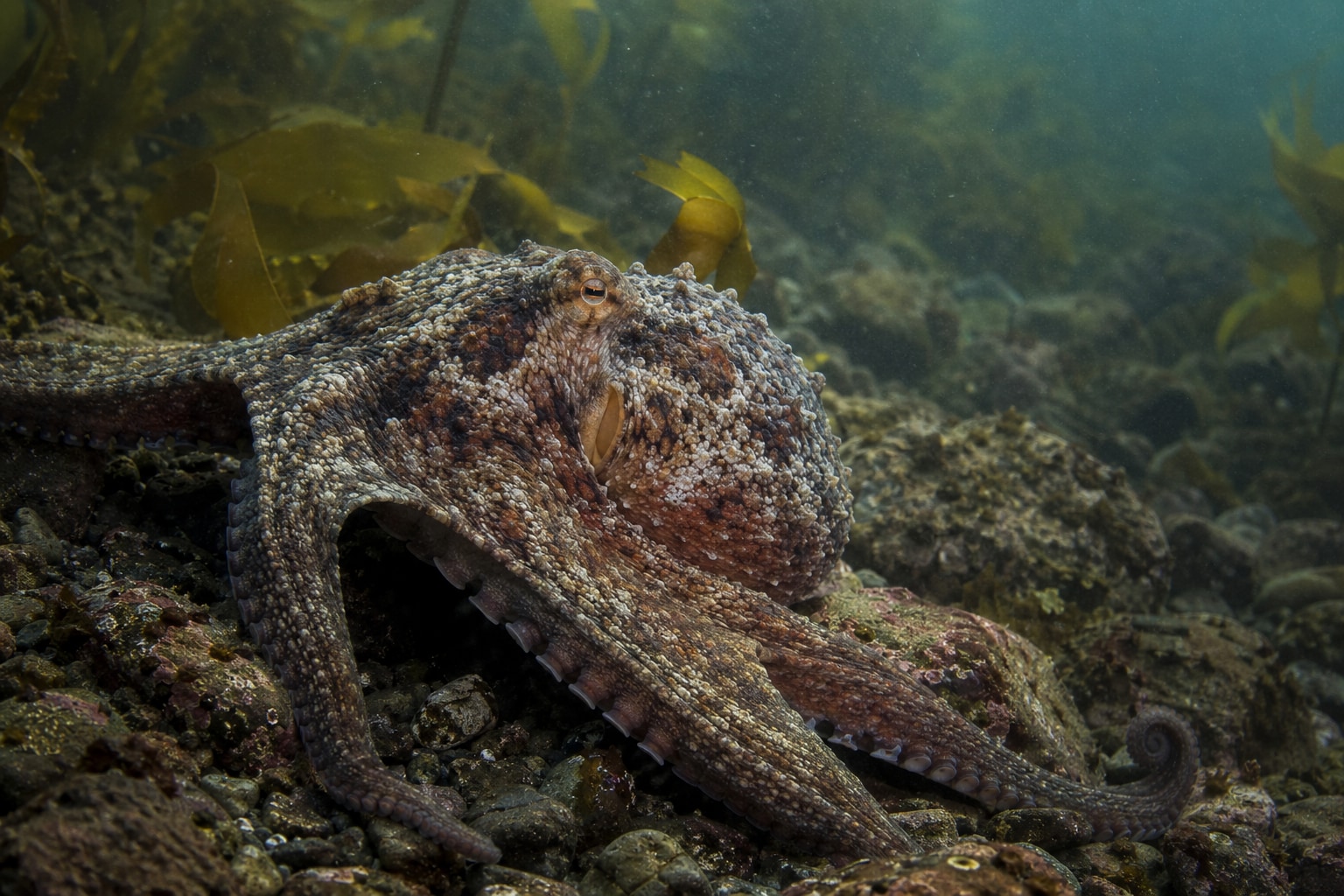
Flapjack octopuses inhabit deep ocean floors at 430 to 7,710 feet, reddish-orange in color, and famously inspired the Finding Nemo character Pearl.
Virga is precipitation that evaporates before reaching the ground, forming wispy rod-shaped streaks below clouds in dry desert regions.
Meet 14 fascinating ocean animals, from intelligent octopuses and vital coral reefs to endangered sea turtles and ancient sharks.
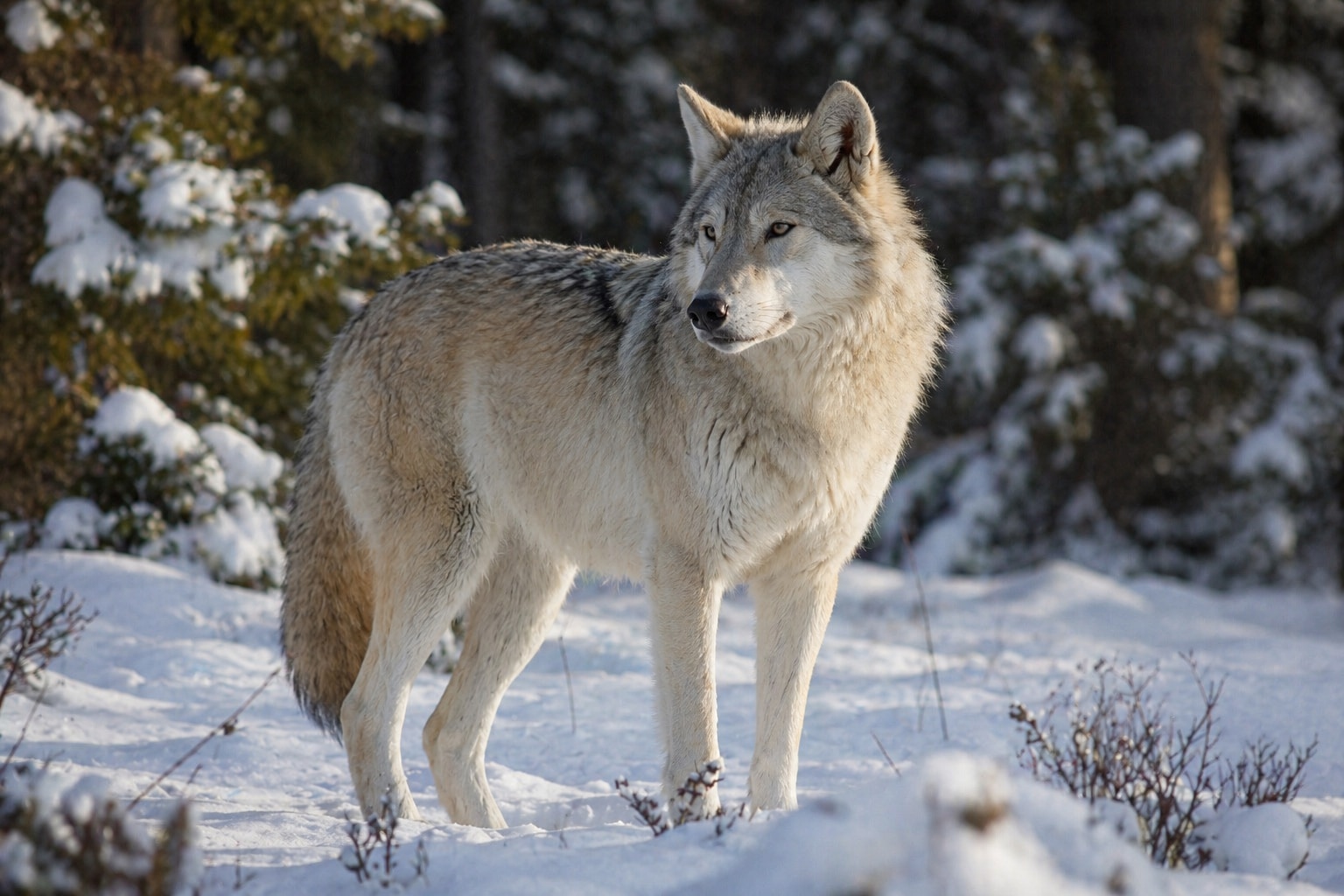
Grey wolves, Earth's largest canines, weigh 40-175 pounds and measure 4-6.56 feet long; they live in packs led by alpha pairs.
Estuaries are nutrient-rich habitats where rivers meet oceans, supporting diverse species. These delicate ecosystems face threats from development, pollution, and rising sea levels.
Ectothermic cold-blooded animals rely on external heat sources like sun and water to regulate body temperature, unlike warm-blooded species.
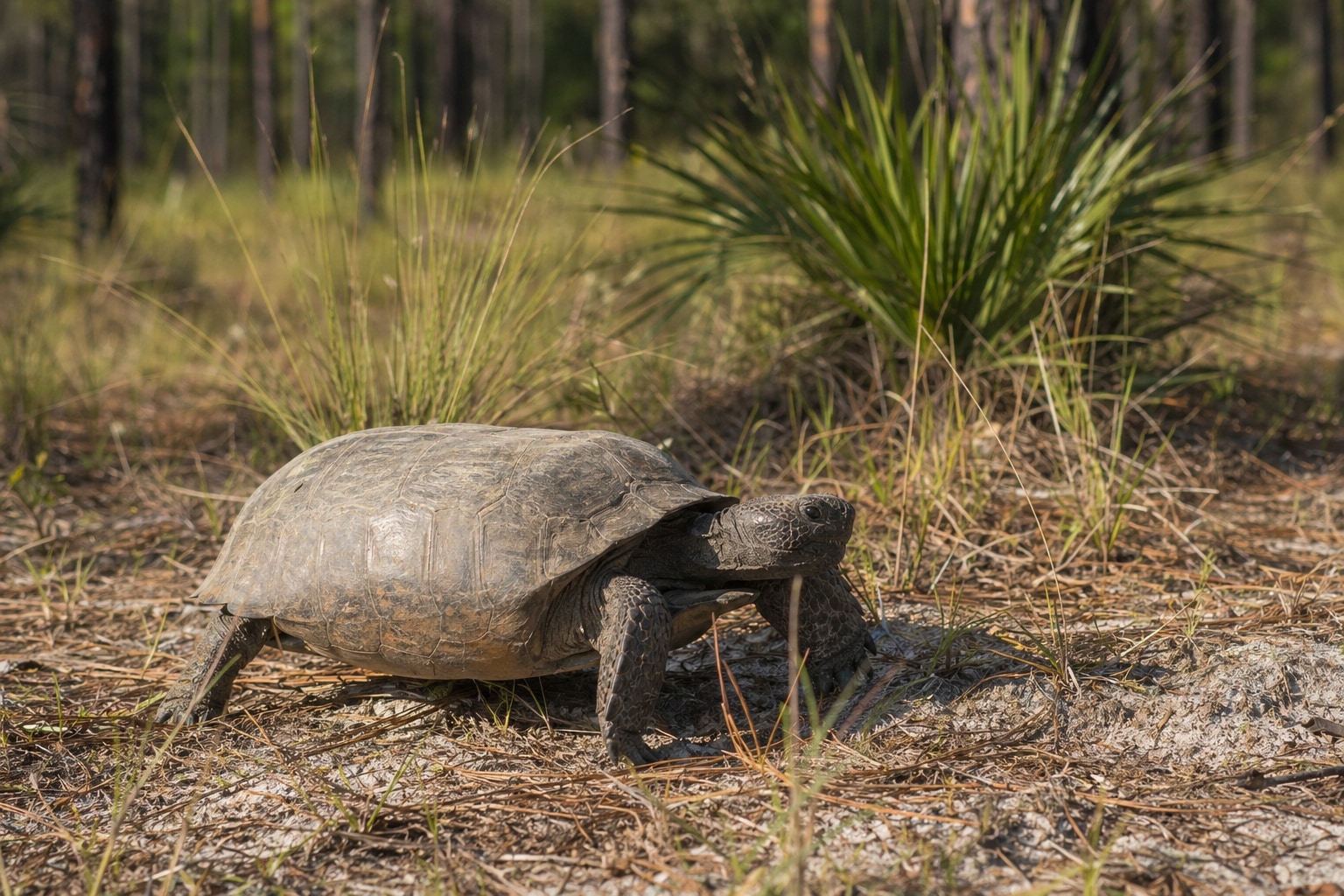
Tortoises are ancient reptiles with lifespans ranging from thirty to over one hundred fifty years, depending on species and habitat.
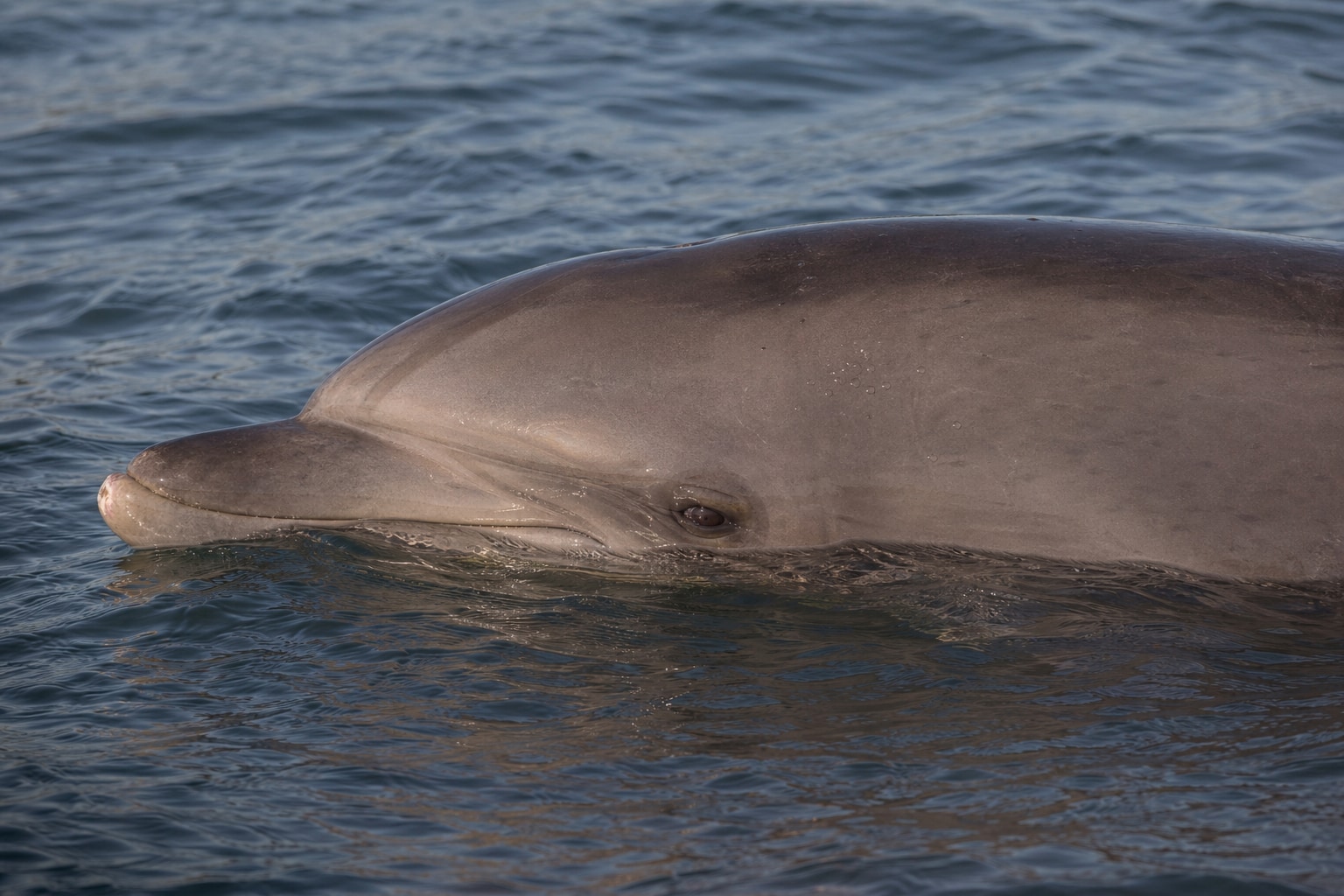
Dolphins sleep with only half their brain at a time, keeping one eye open and staying semi-conscious to breathe and watch for predators.