Wildlife
25+ Amazing Spiders in Arizona: ID Guide, Pictures, and Facts
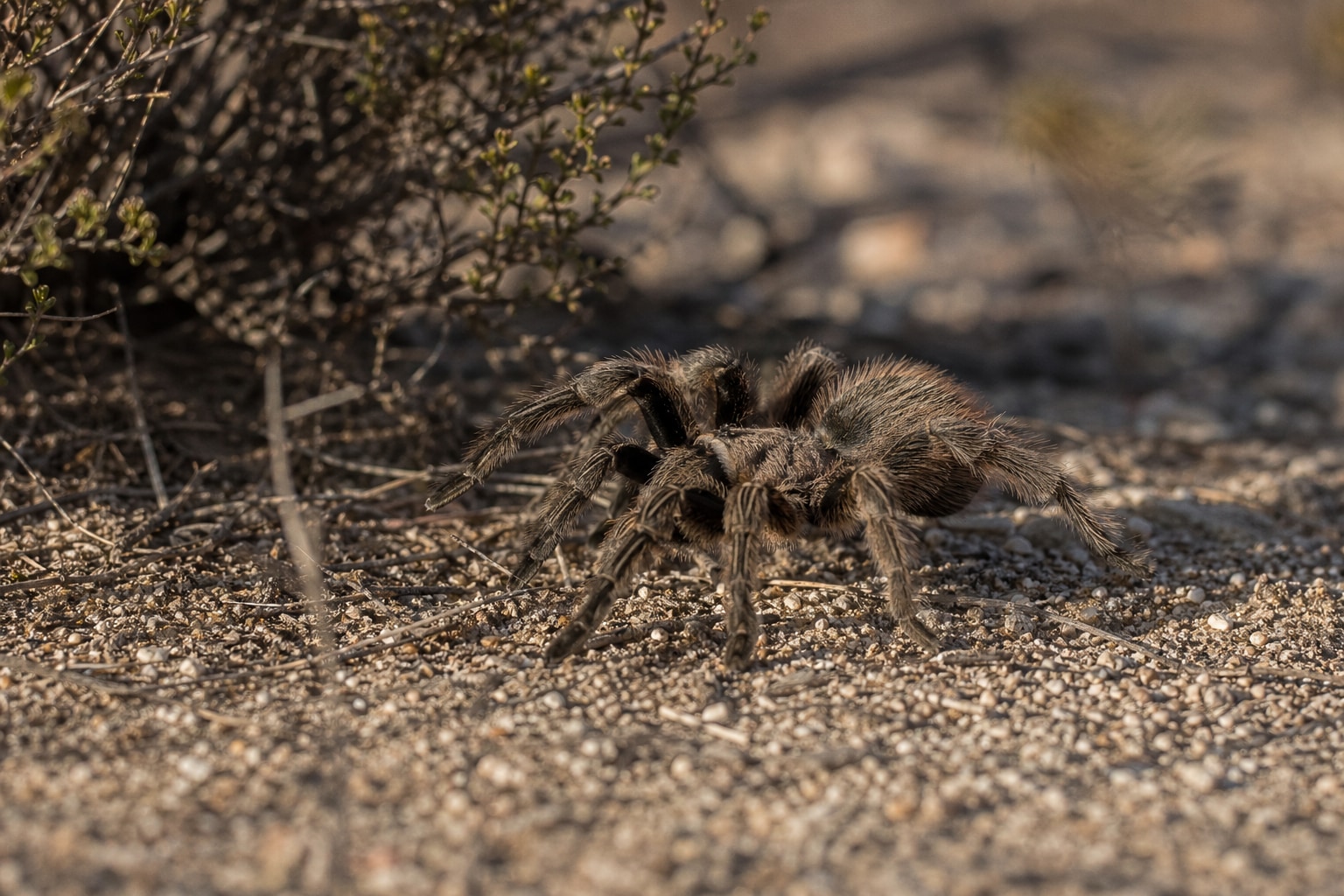
Arizona's 25 spider species range from harmless cellar spiders to medically significant black widows and brown recluses.
Arizona's 25 spider species range from harmless cellar spiders to medically significant black widows and brown recluses.
Identify mushrooms by examining caps, stems, gills, spore prints, color changes, and comparing with field guides.
Foxes communicate via screaming, howling, barking, wow-wow sounds, gekkering, laughing, and purring for mating and territory.
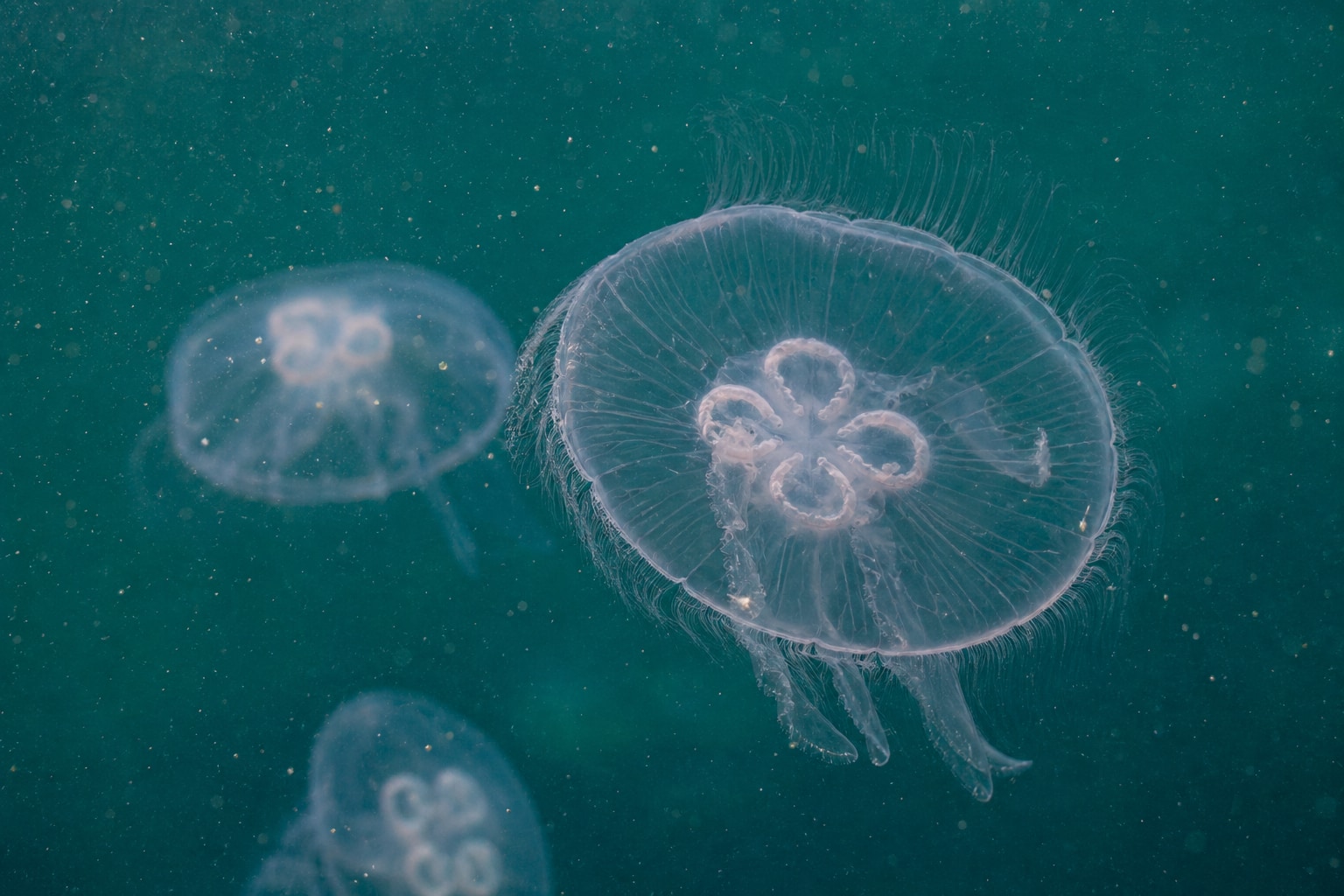
Jellyfish are opportunistic carnivores eating copepods, fish larvae, fish eggs, and plankton using stinging tentacles to paralyze prey.
Tornadoes are violent rotating storms with wind speeds exceeding 200 mph that form from supercell thunderstorms. Learn their types, causes, and how to stay safe.
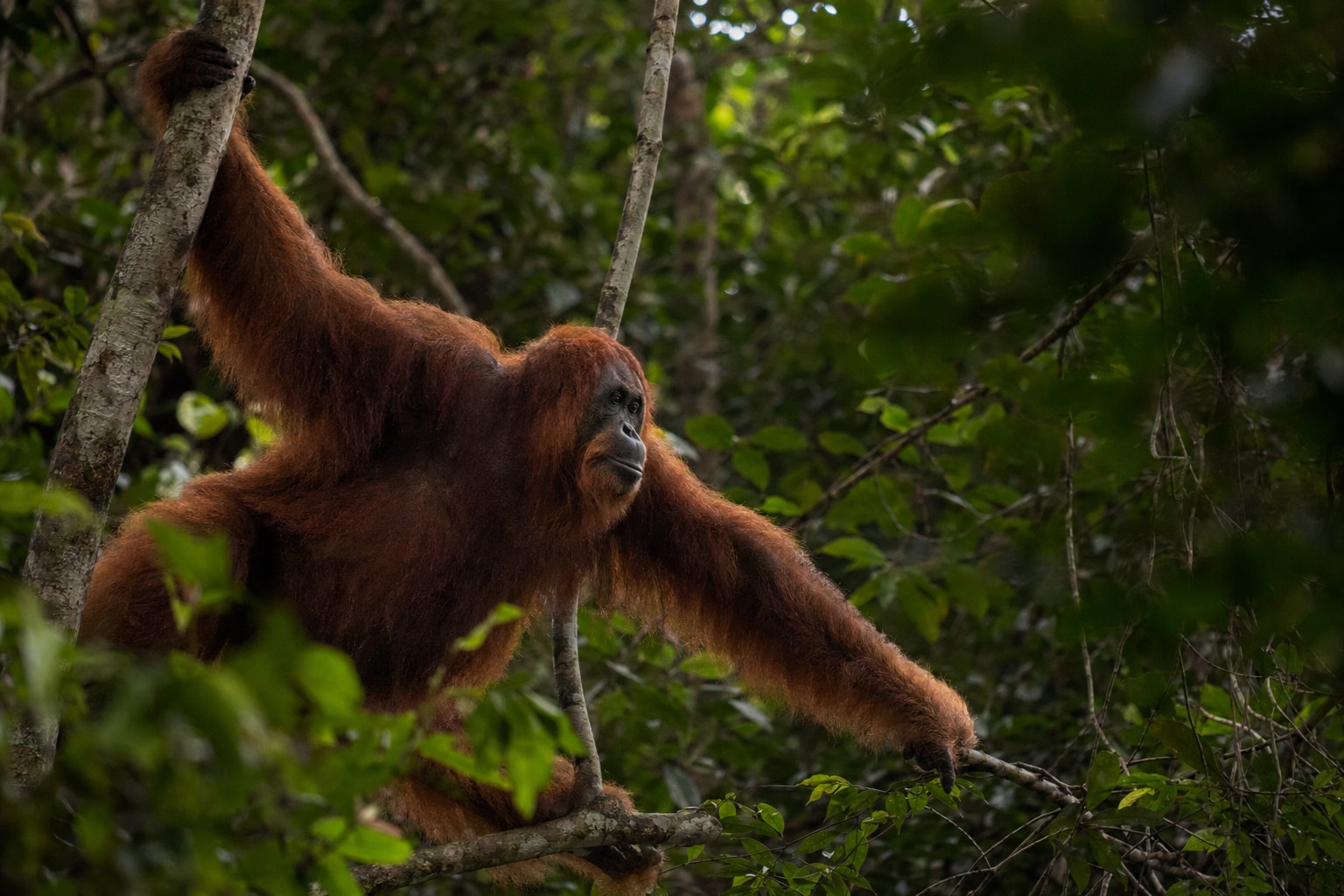
Sumatran orangutans are highly intelligent apes with only 13,846 individuals remaining due to deforestation and palm oil plantations.
Red-feathered cinnamon teal ducks weigh 14 ounces, sport 22-inch wingspans, live 10 years, and breed separately in North and South America marshes.
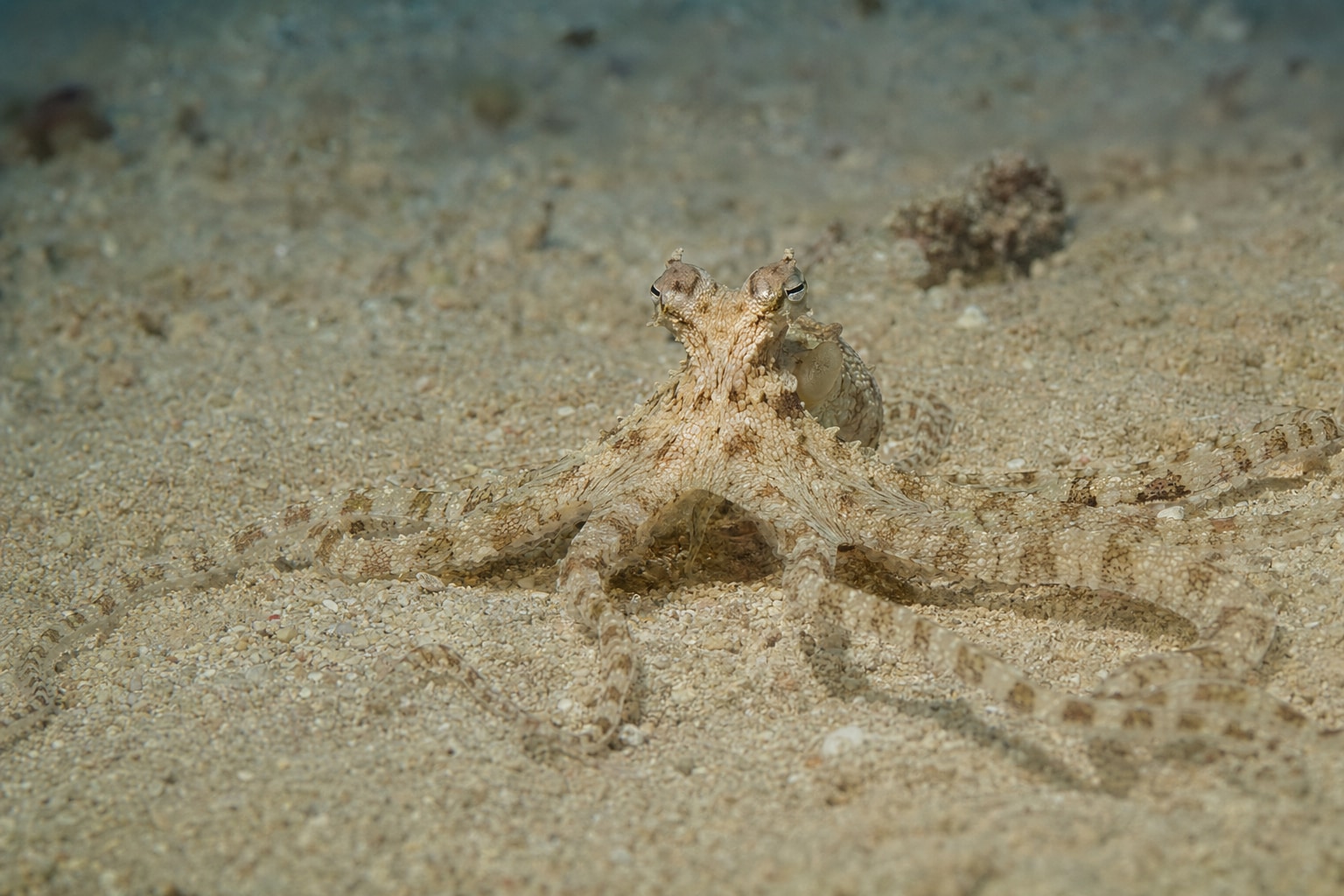
Mimic octopuses are master disguise artists that can imitate 15 other animal species using chromatophores, living in Indo-Pacific waters.
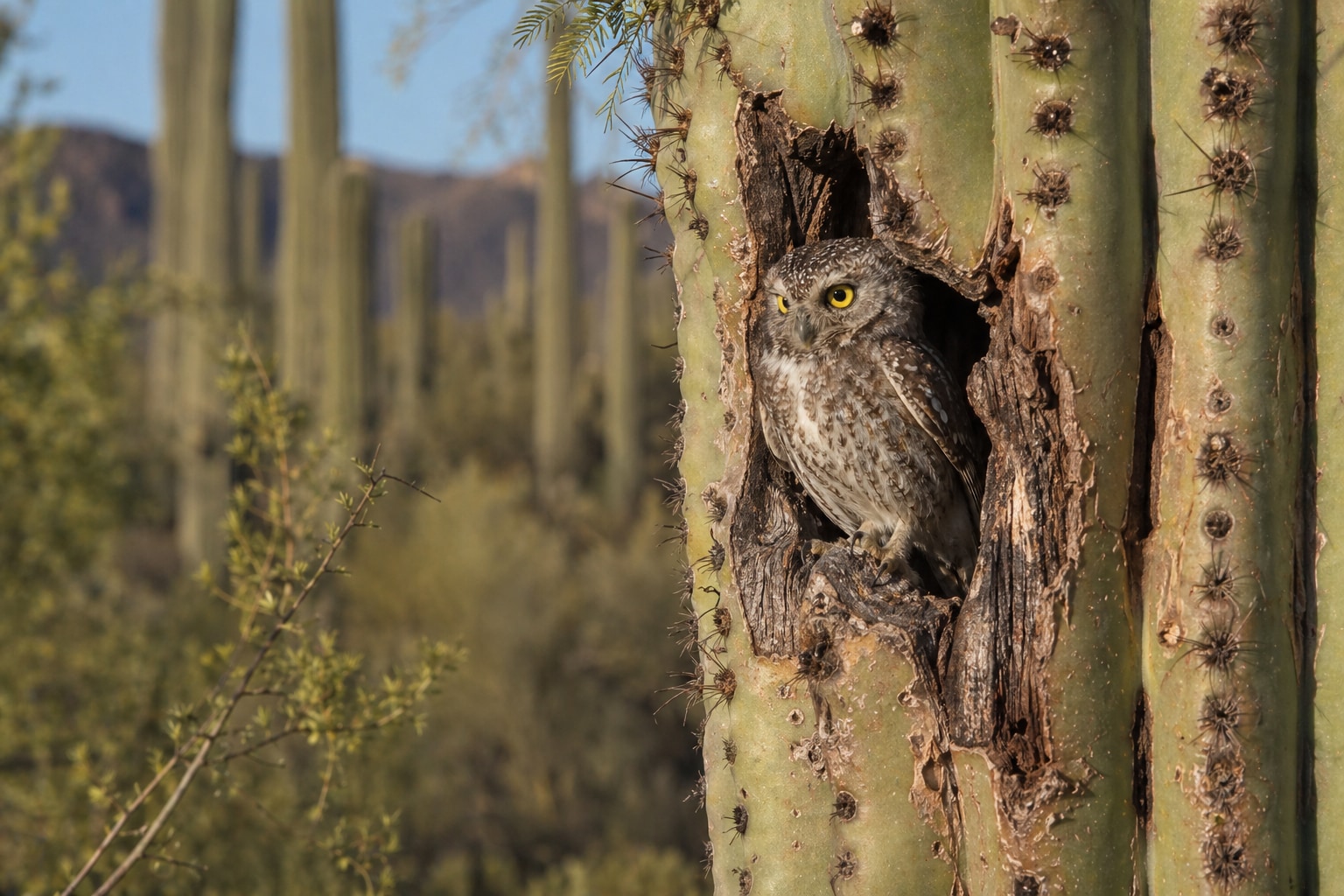
Discover the elf owl, Earth's smallest raptor at 40 grams, with silent flight, deadly hunting prowess, and a unique snake-roommate symbiosis.
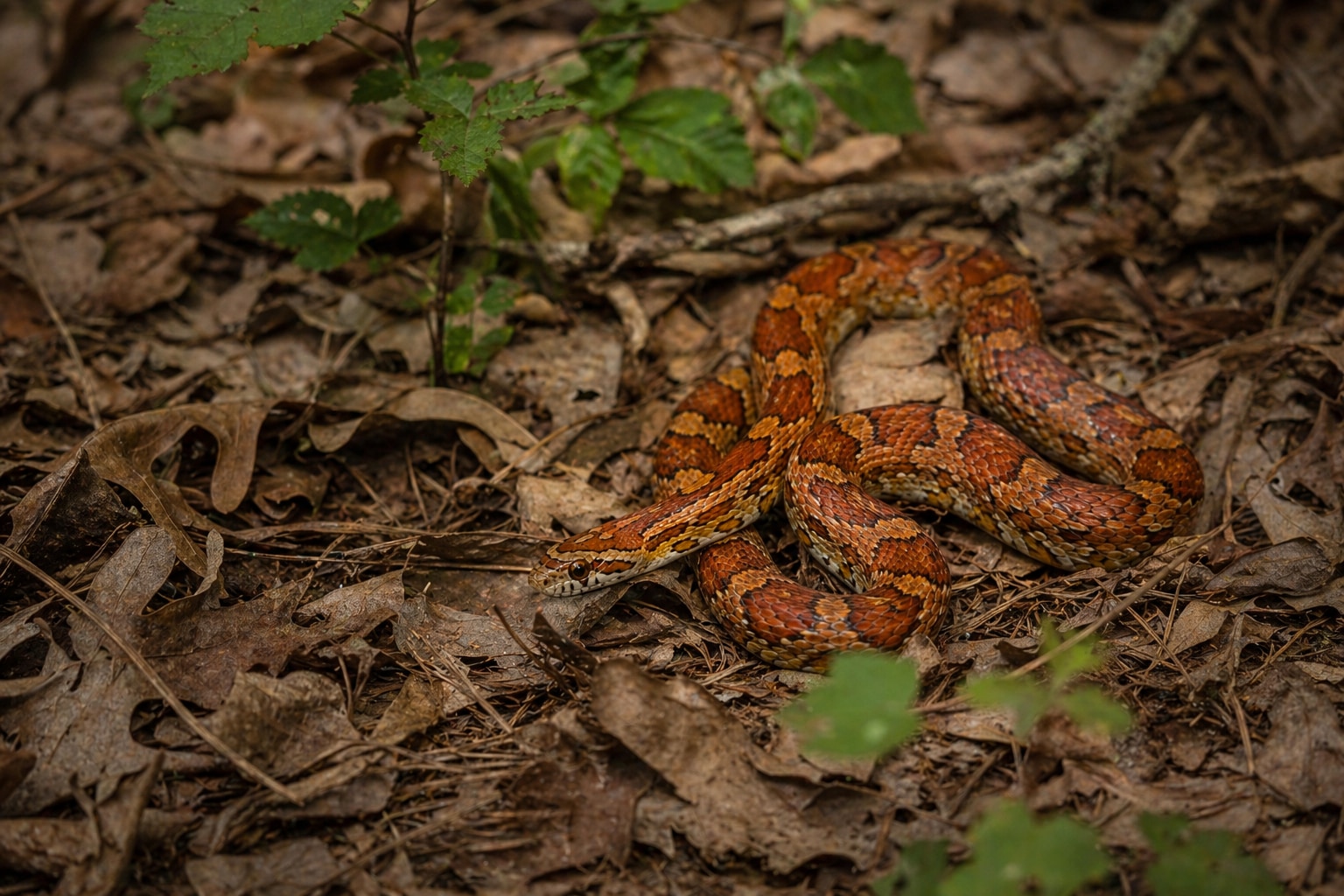
Corn snakes are harmless rodent-eating constrictors native to North America, often mistaken for venomous copperheads but excellent for pest control.
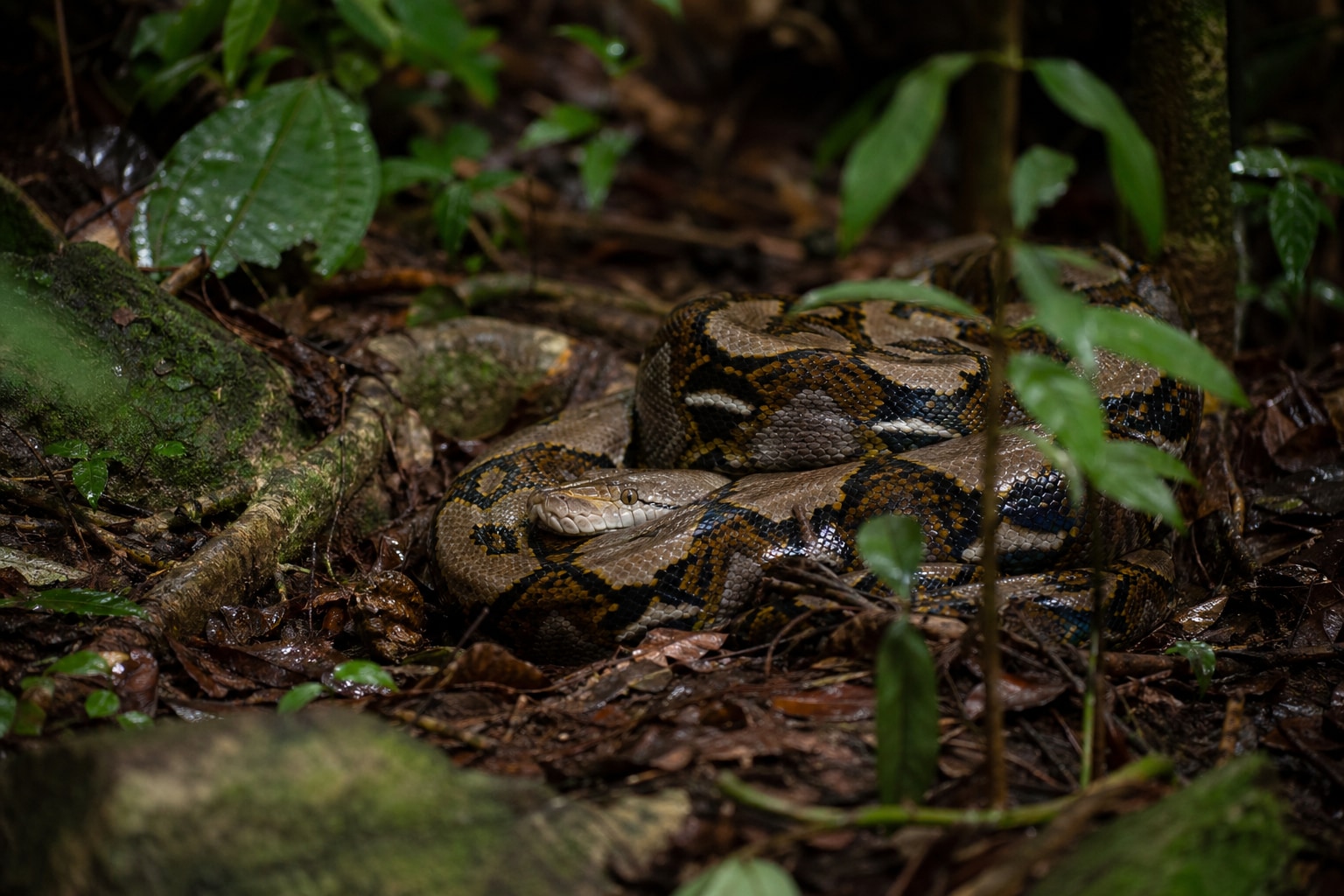
The reticulated python is the world's longest snake, reaching up to 28 feet in length, with a pattern that blends perfectly into the rainforest floor.
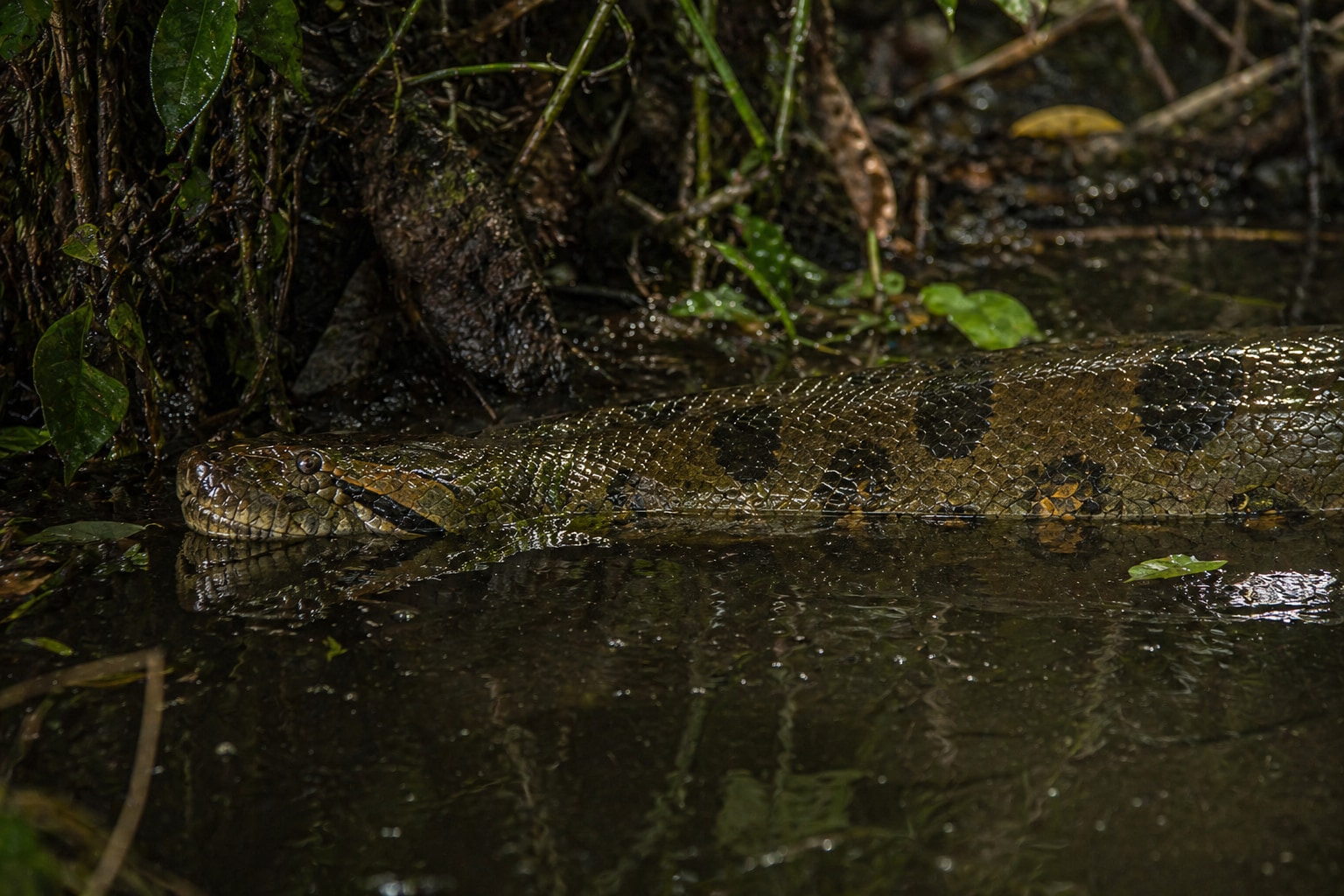
Green anacondas are the heaviest snakes in the world, reaching 550 pounds and 39 feet, native to South America's rainforests and river basins.