Natural World
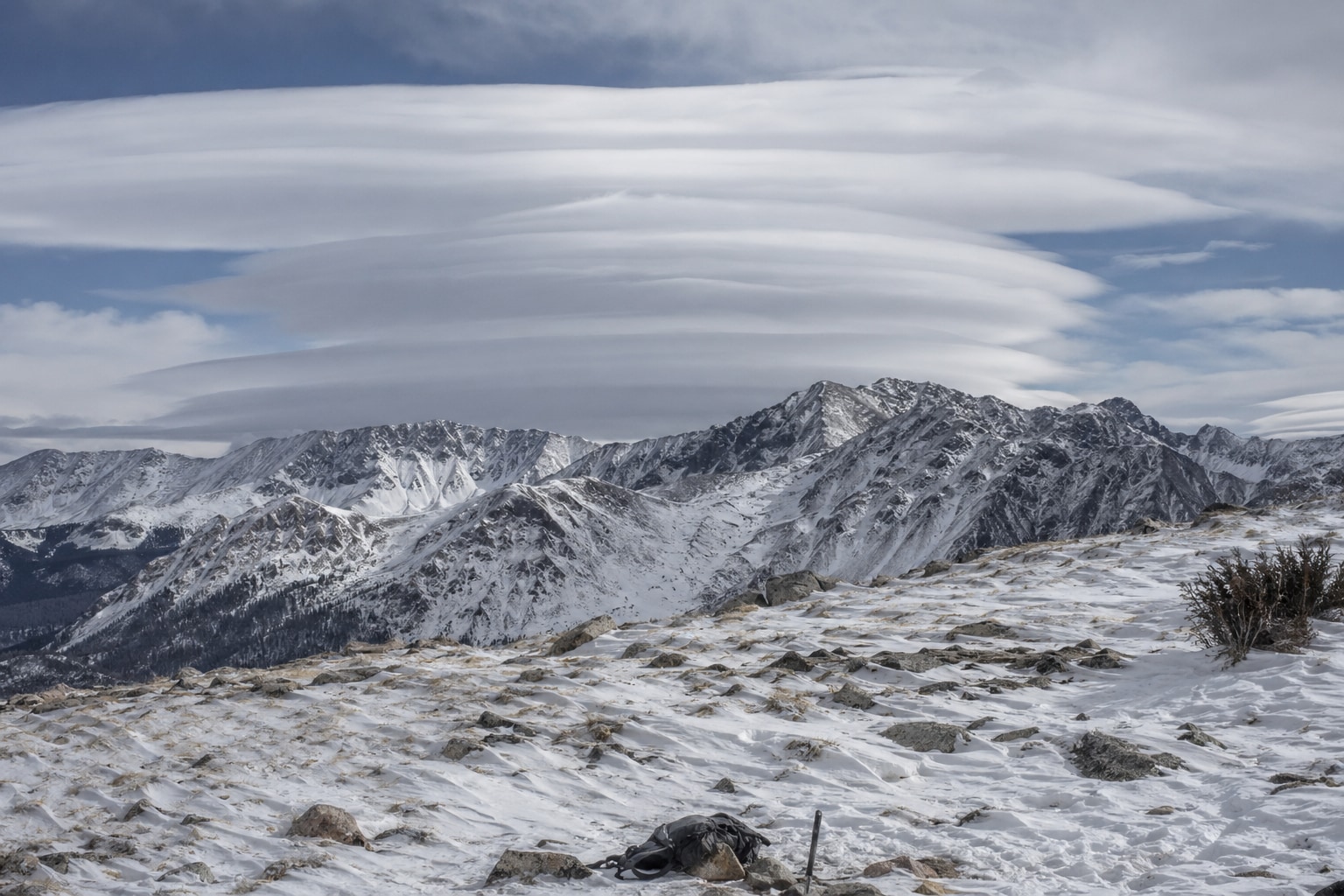
Lenticular Clouds: Why Are They Shaped Like UFOs?
Lenticular clouds form lens or UFO-shaped formations over mountains when wind creates standing waves, creating one of nature's rarest cloud phenomena.
Lenticular clouds form lens or UFO-shaped formations over mountains when wind creates standing waves, creating one of nature's rarest cloud phenomena.
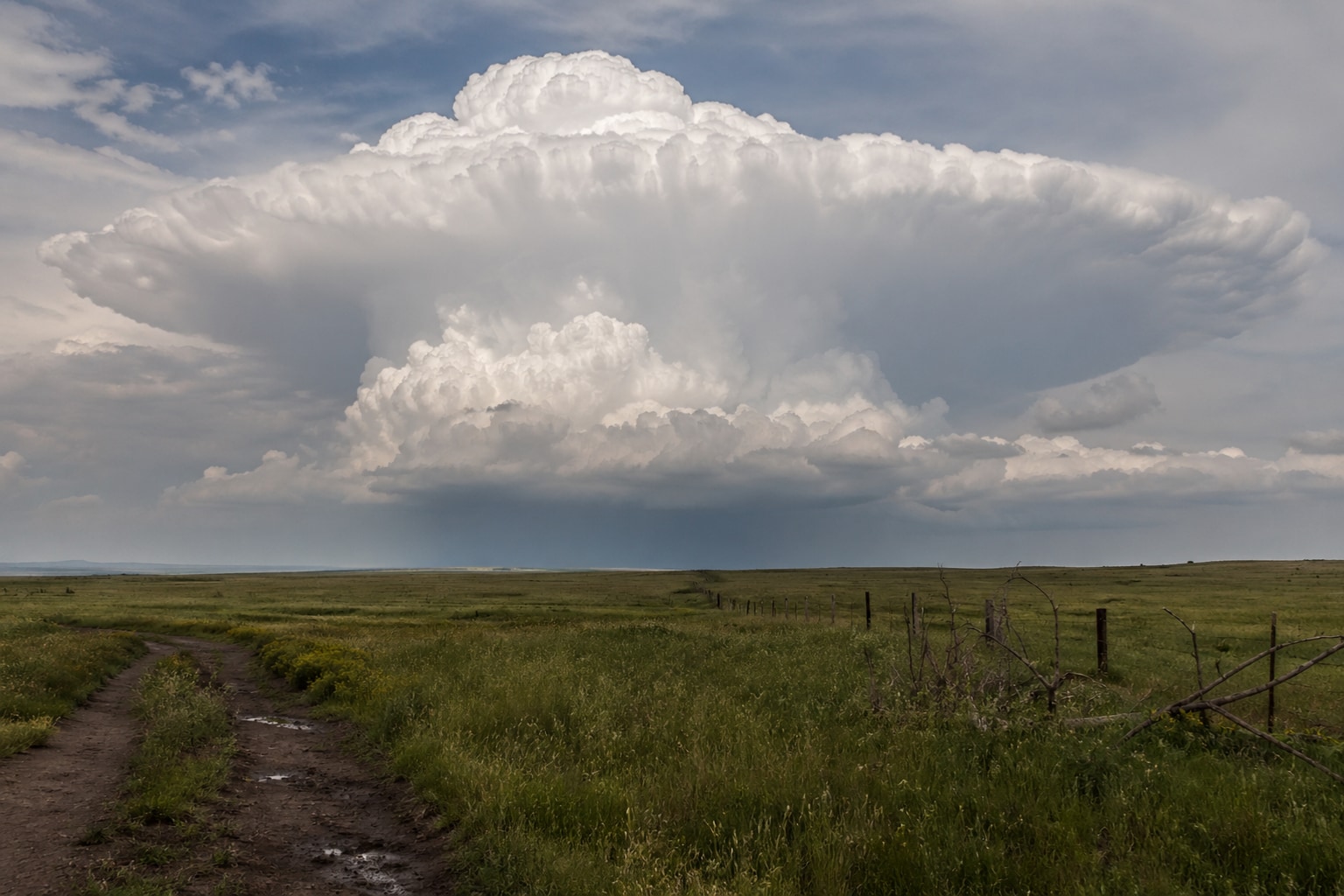
Cumulonimbus thunderclouds tower 30,000+ feet with anvil tops, spawning heavy rain, hail, tornadoes, and lightning. These severe weather billboards develop in 20-30 minutes via convection and warm ocean moisture in unstable air masses.
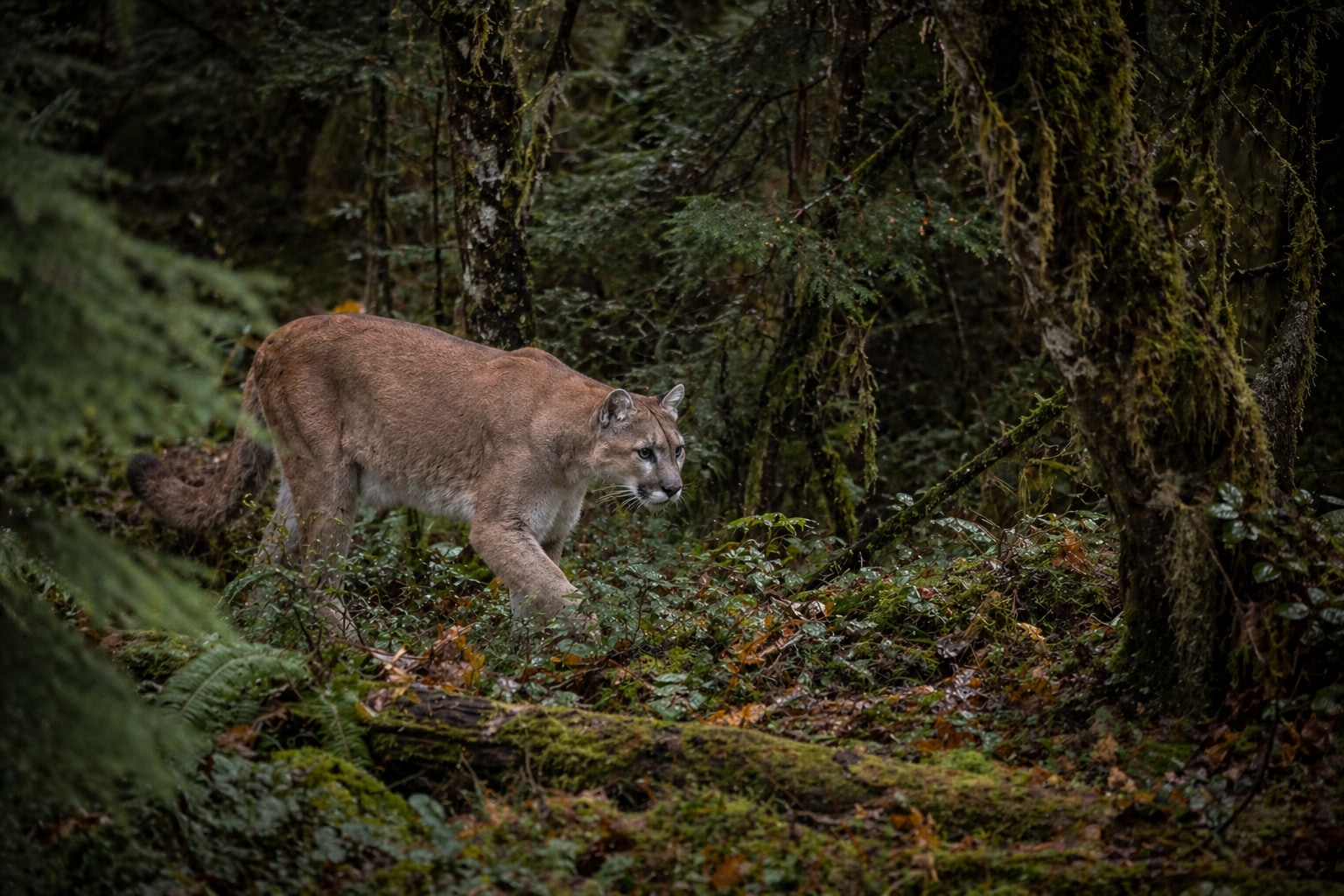
Washington State hosts approximately 1,500 cougars in forests and canyons. These apex predators are solitary hunters that roam 50-150 square miles, avoiding humans but capable of impressive 40-foot horizontal jumps.
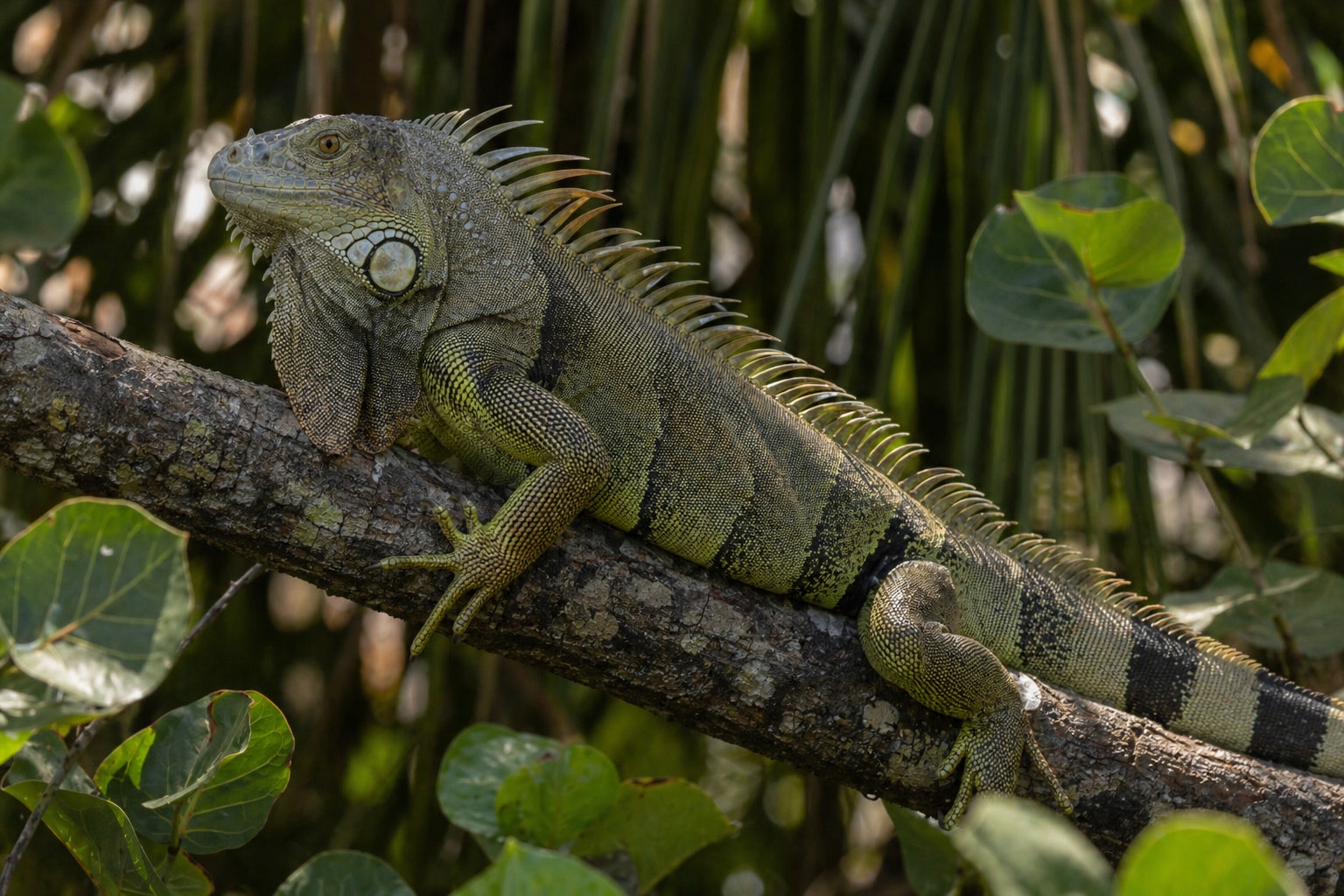
Three invasive iguana species thrive in Florida, destroying vegetation, burrowing into infrastructure, and competing with native wildlife.
33 fascinating caterpillar species employ camouflage, toxic spines, and mimicry to survive predators.
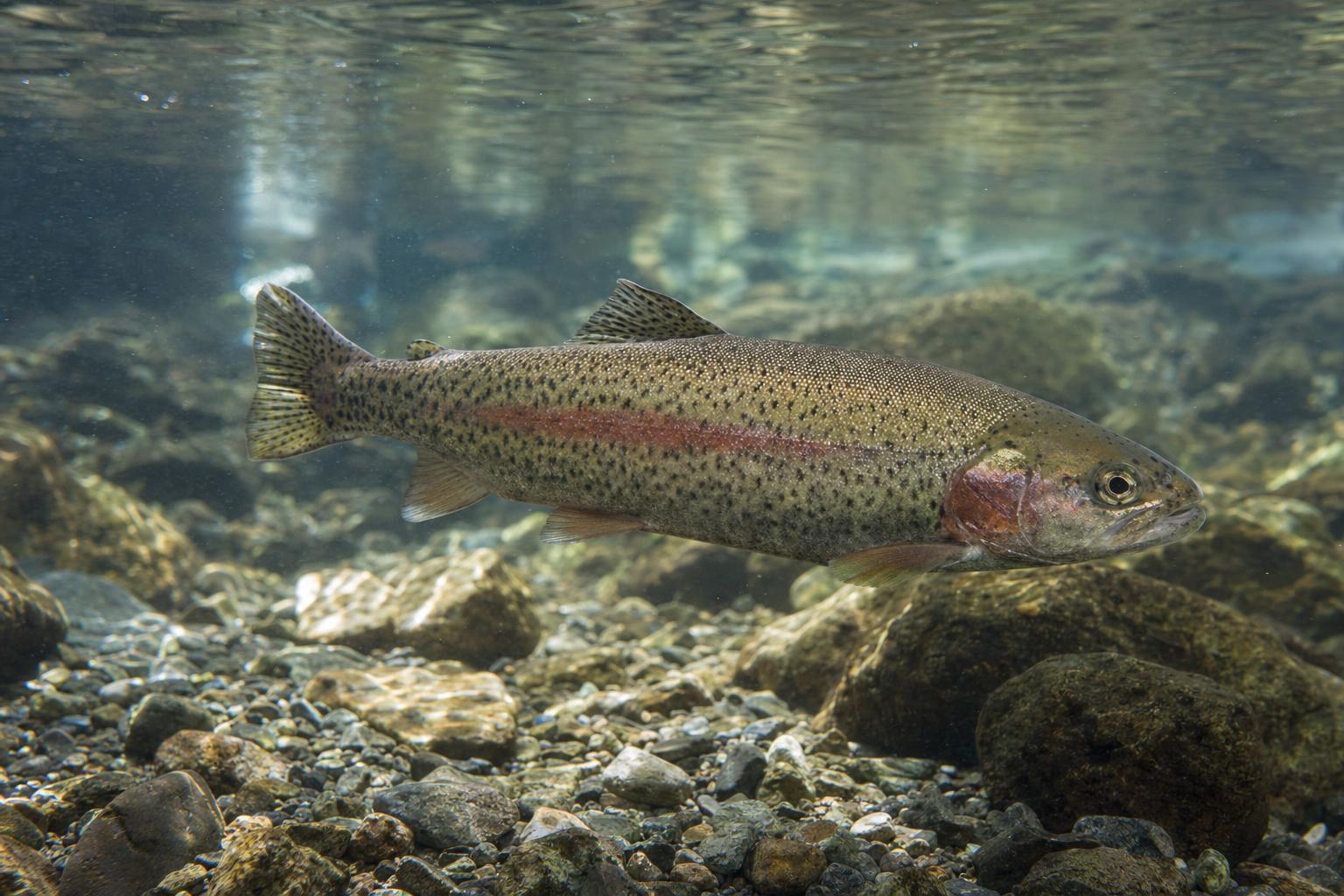
Fifty fascinating fish species inhabit freshwater and saltwater environments worldwide, each with unique hunting behaviors, sizes, and adaptations.
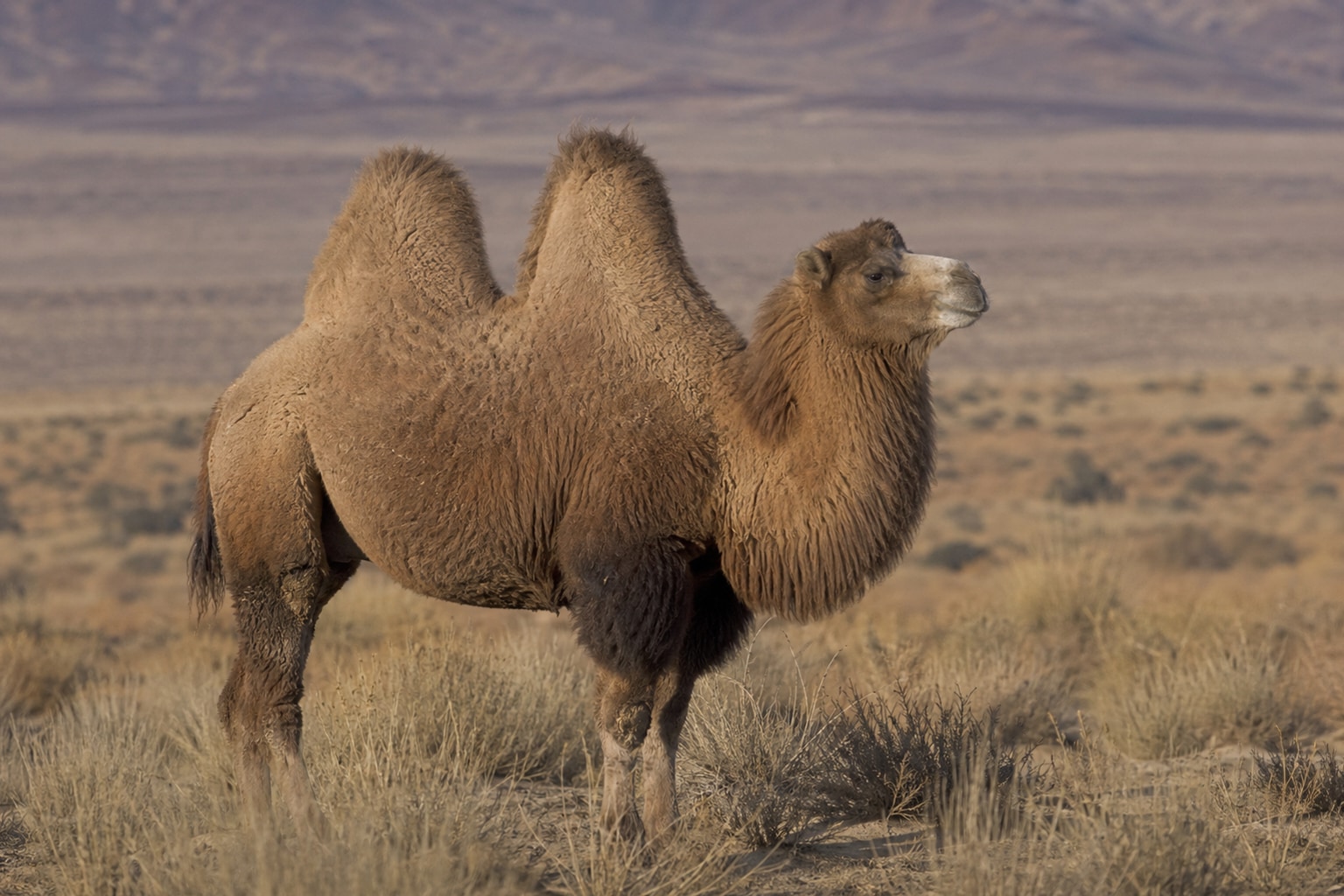
Seven camelid species including Bactrian, Dromedary, alpacas, and llamas thrive in deserts and mountains.
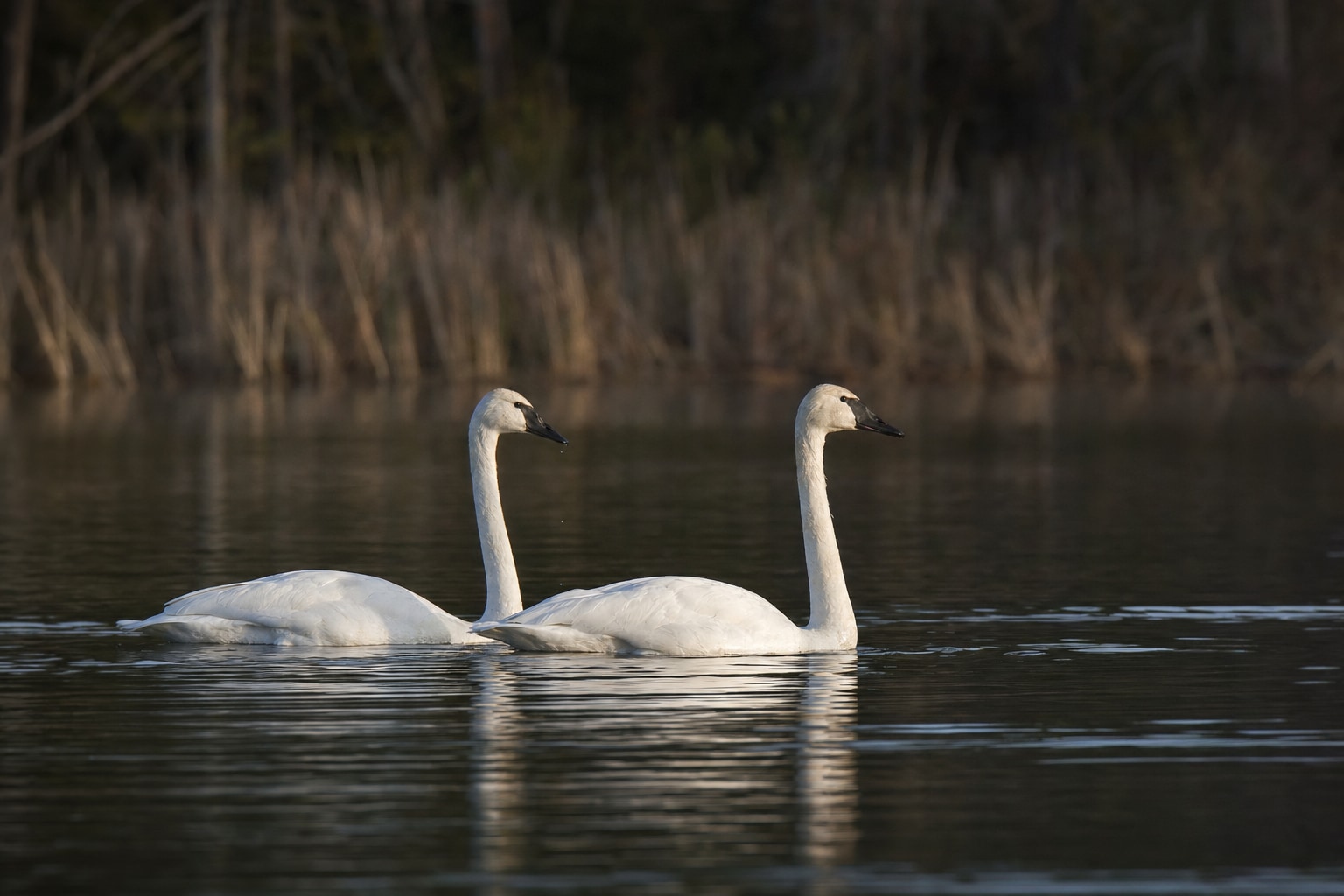
Eight swan species glide across waters worldwide, from the mute swan to coscoroba, each with subtle differences.
Subsidence causes Earth's surface to sink from groundwater overuse, damaging infrastructure and flooding coastal areas worldwide.
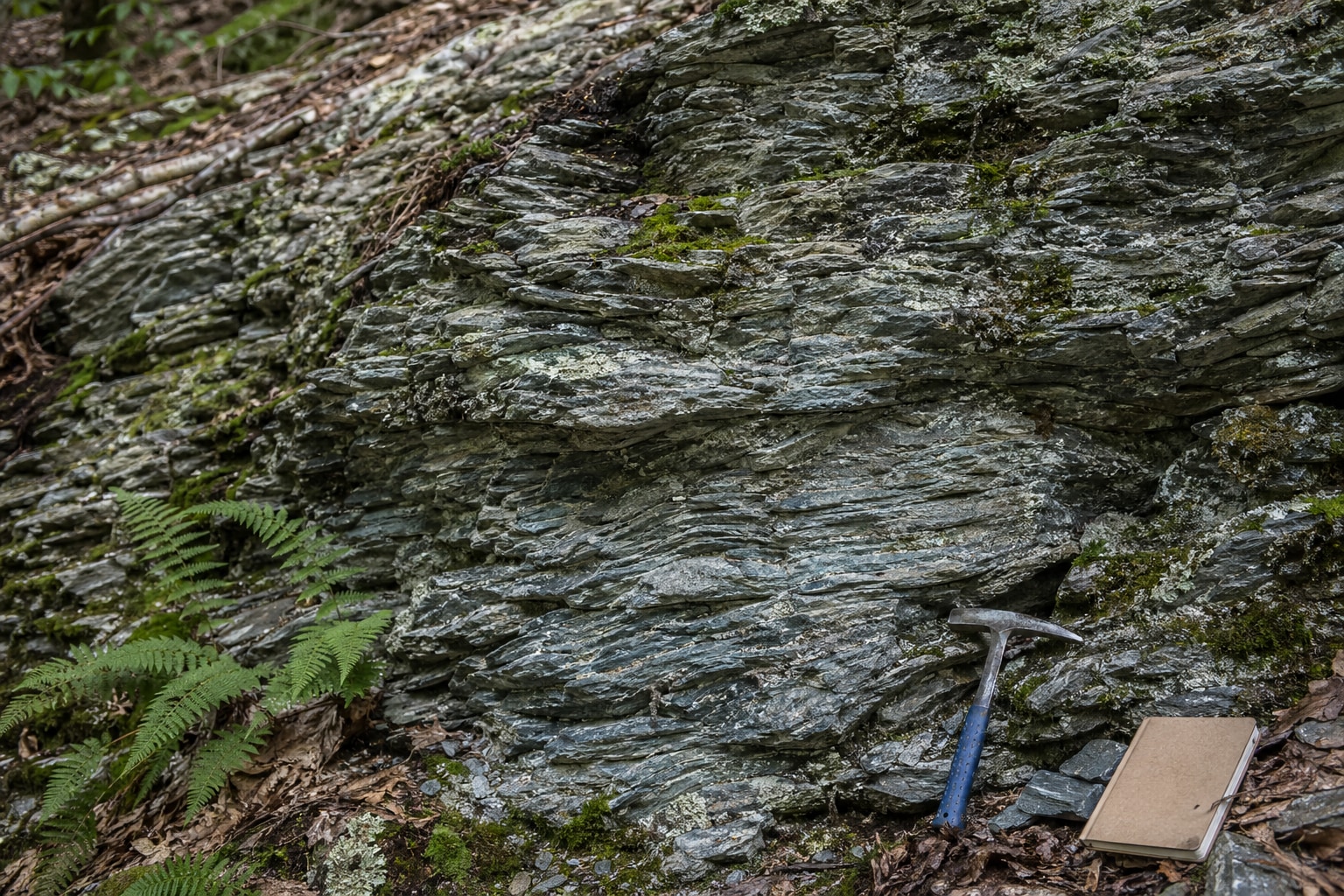
Explore schist, a metamorphic rock with flat layers, used in construction, jewelry, and historical buildings; formed in mountain-building subduction zones.
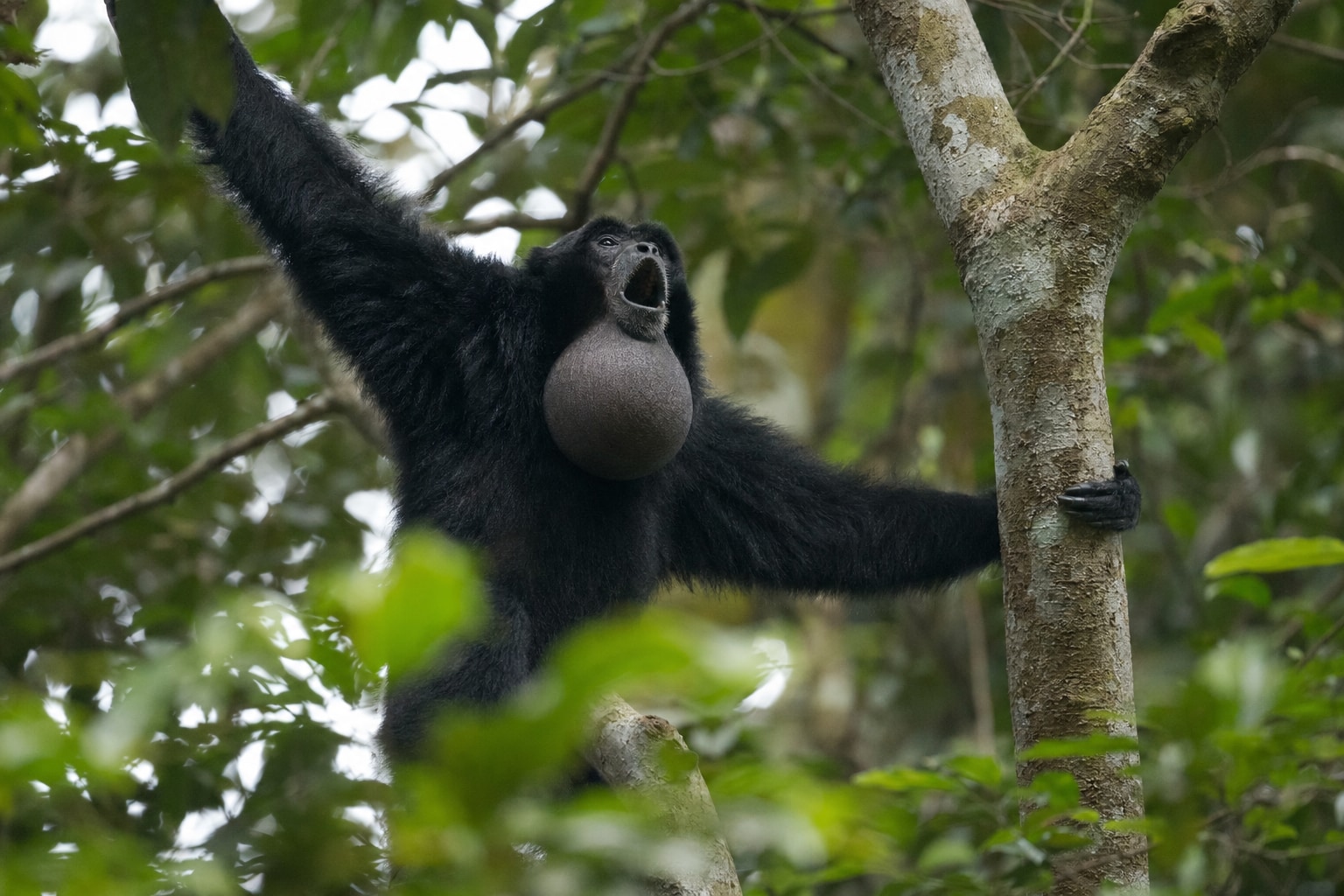
Meet the largest gibbons, with a grapefruit-sized throat sac they inflate to make calls heard 2 miles through Southeast Asian rainforests.
The San Francisco Garter Snake, with bright red and teal stripes, is critically endangered and cannot be kept as pets due to federal protection laws.