Wildlife
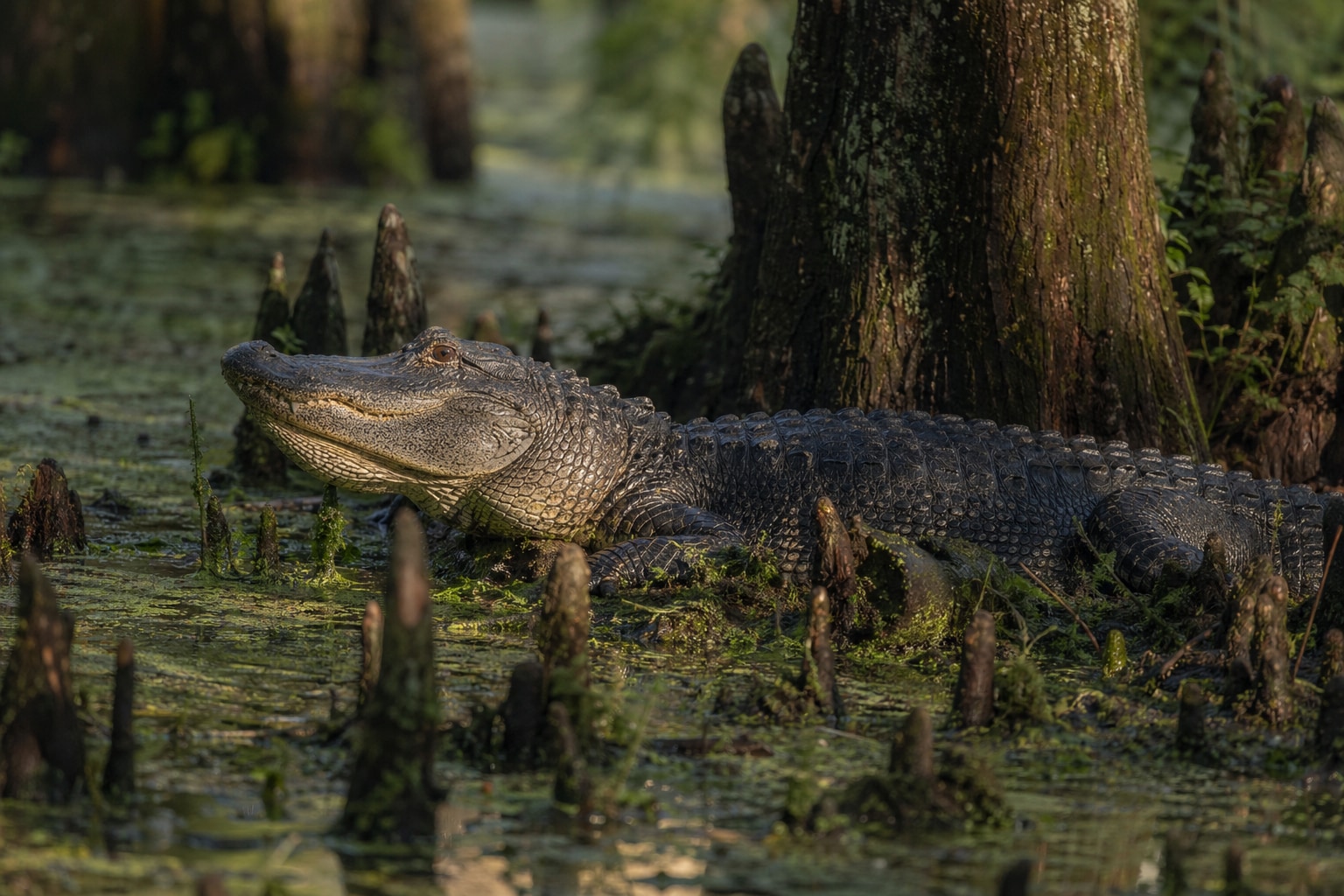
26 Swamp Animals & Their Fascinating Habitat
Swamps host 26 unique animal species and cover 25% of Earth's landmass, capturing carbon faster than most ecosystems.
Swamps host 26 unique animal species and cover 25% of Earth's landmass, capturing carbon faster than most ecosystems.
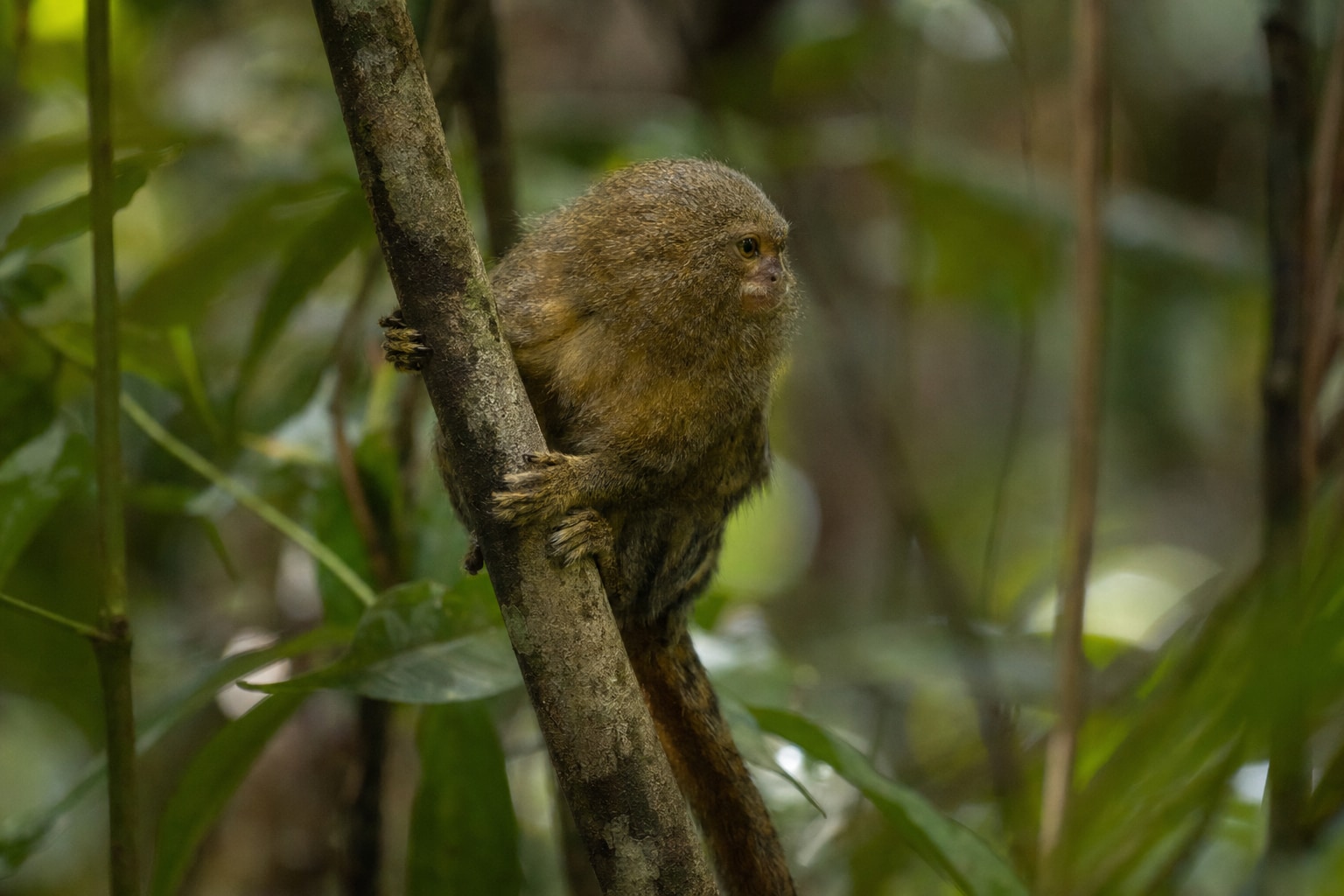
Pygmy marmosets weigh 3 to 5 ounces and fit in your palm; meet the world's tiniest monkeys found in South American rainforests.
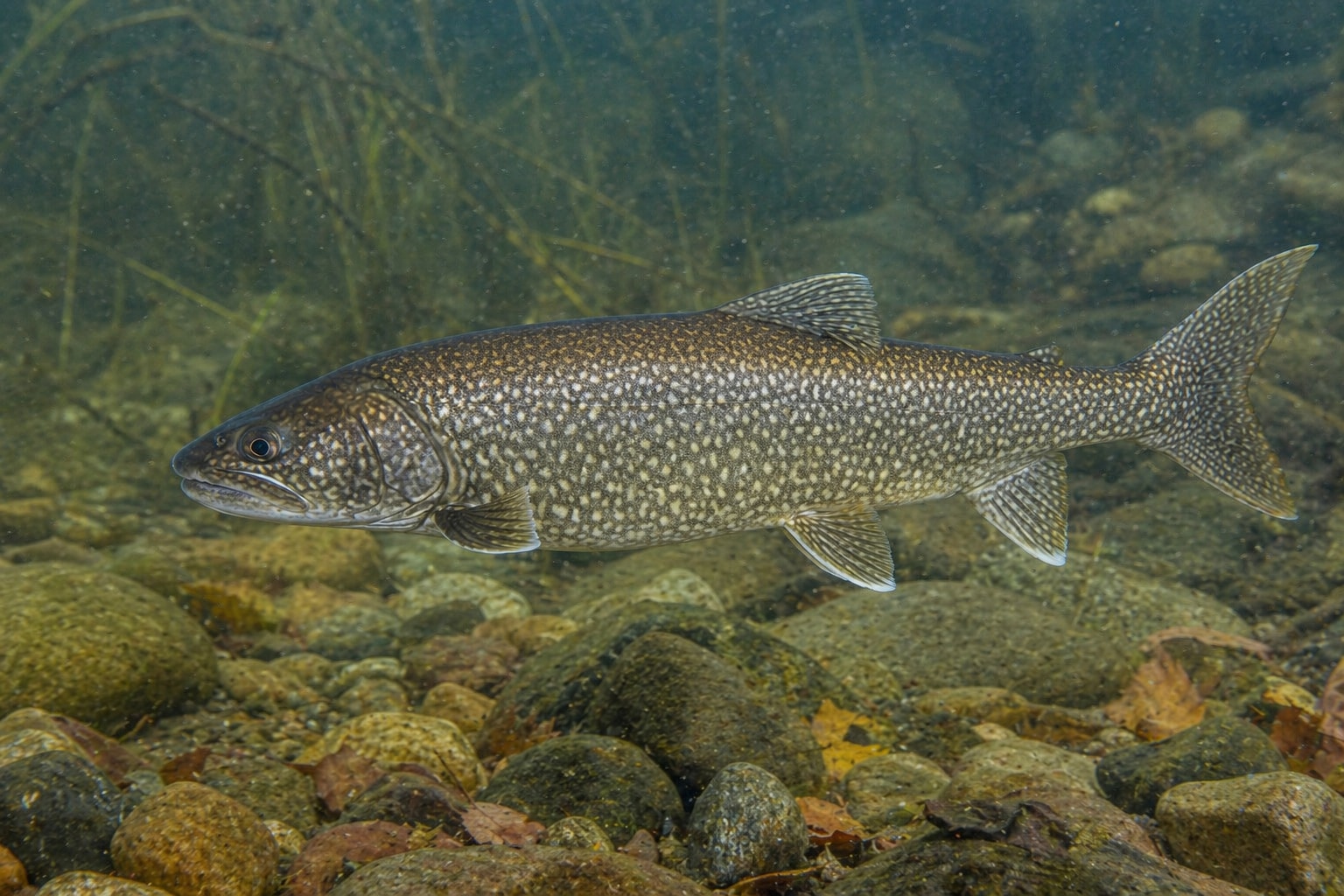
Lake Michigan nearly collapsed ecologically but now thrives with 20 restored and introduced fish species, making it a premier sportfishing destination.
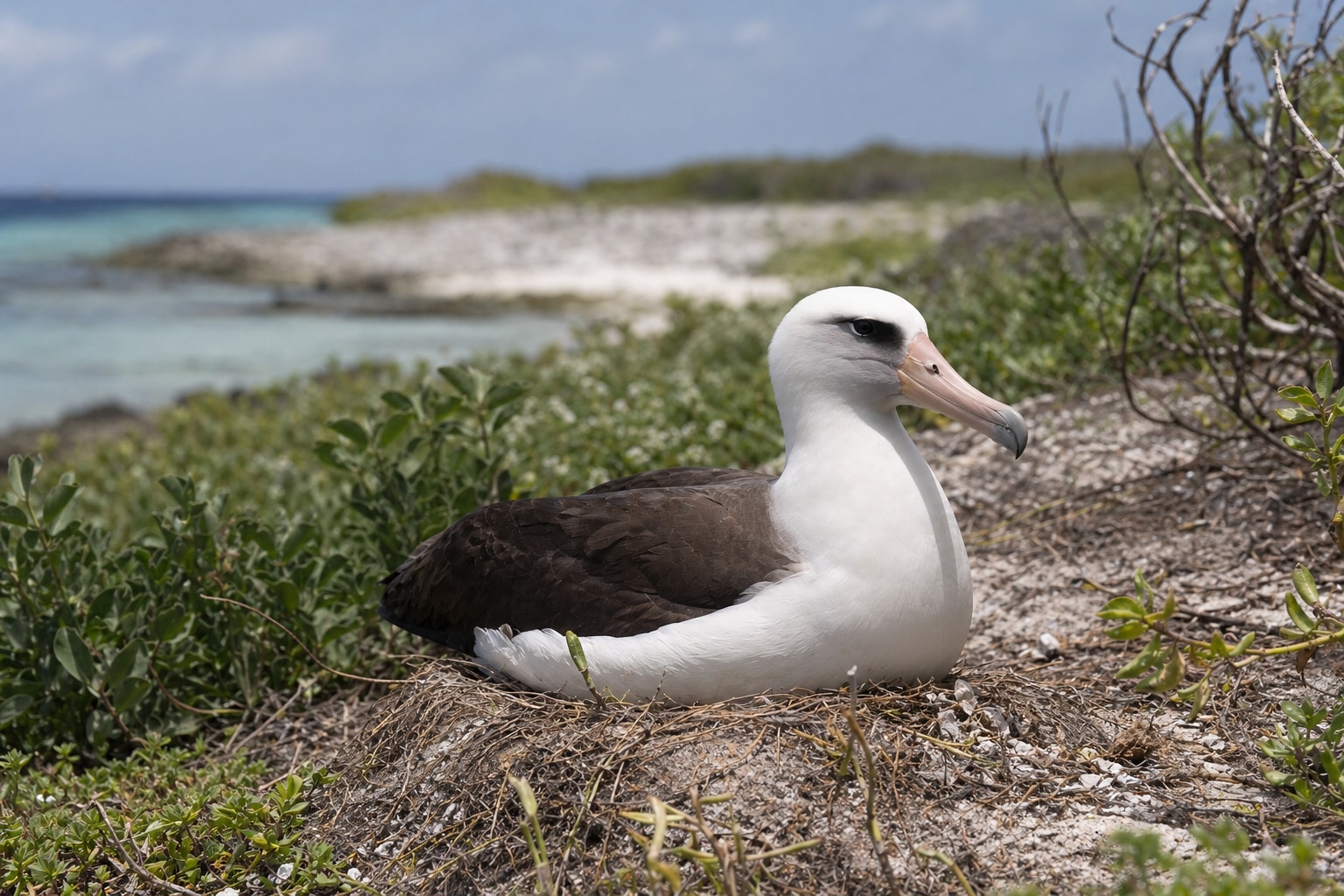
Meet 16 Hawaiian bird species including the endemic nene goose, rare Maui parrotbill, and largest Laysan albatross on pristine tropical islands.
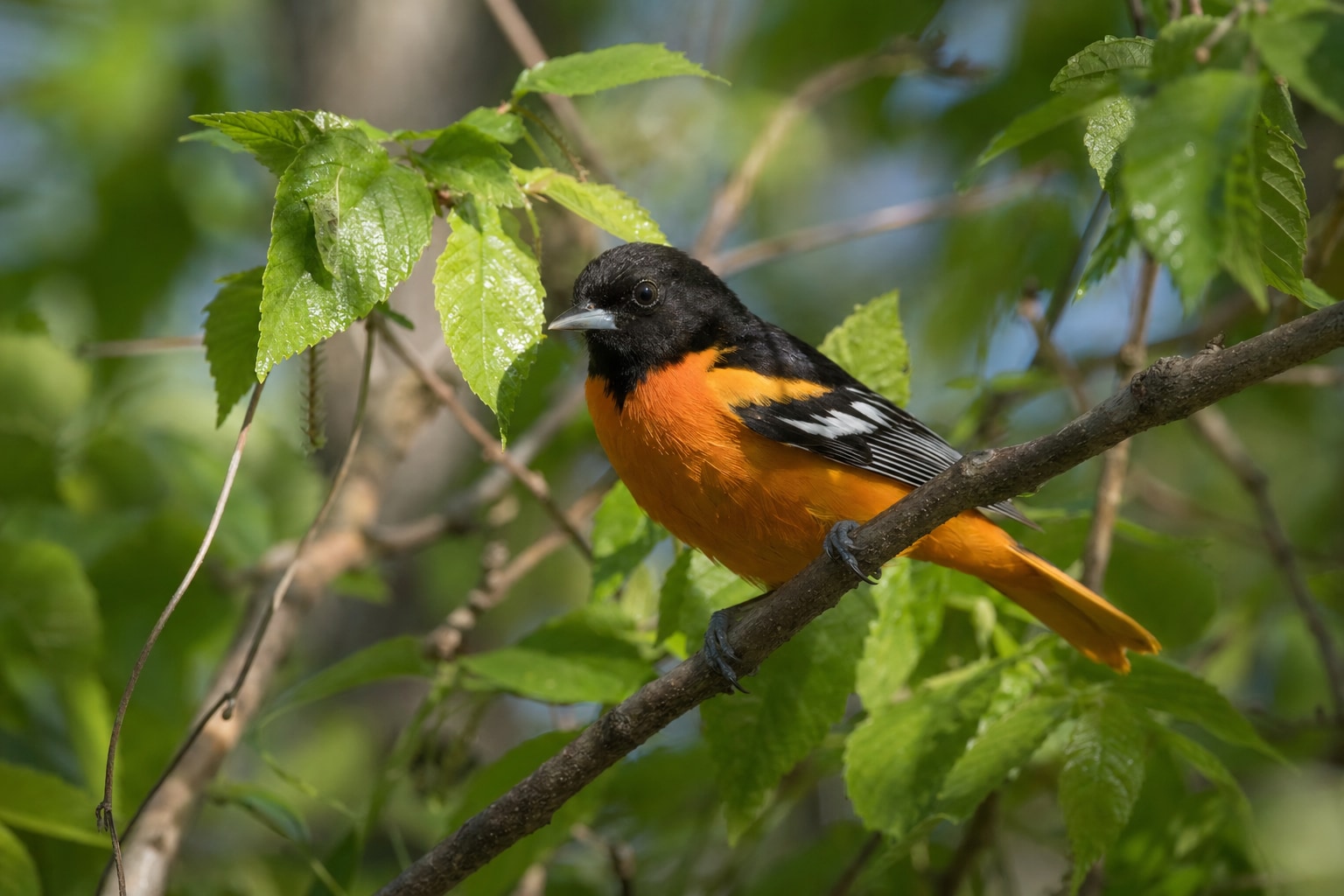
9 North American oriole species, from Baltimore Oriole to Audubon's Oriole, each with distinct colors and songs.
Michigan offers 103 state parks, 7 national parks, and countless private campgrounds perfect for hiking, boating, fishing, and ice climbing across two Great Lakes peninsulas.
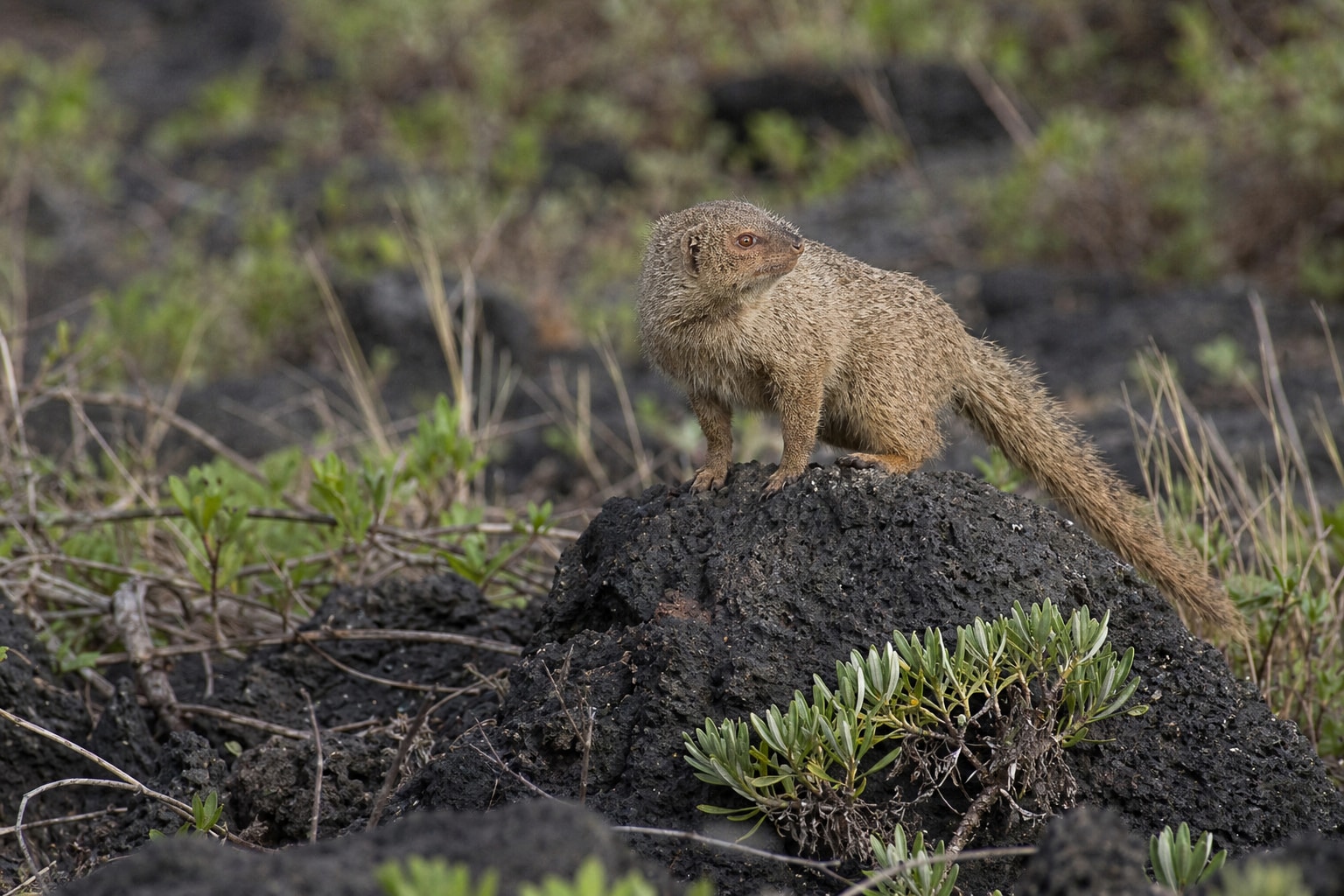
Hawaiian mongooses are invasive predators introduced for pest control, now causing ecological damage to native birds, turtles, and island ecosystems.
Typical campfires burn 900-1,100 degrees Fahrenheit; flame color indicates temperature from red to blue flames.
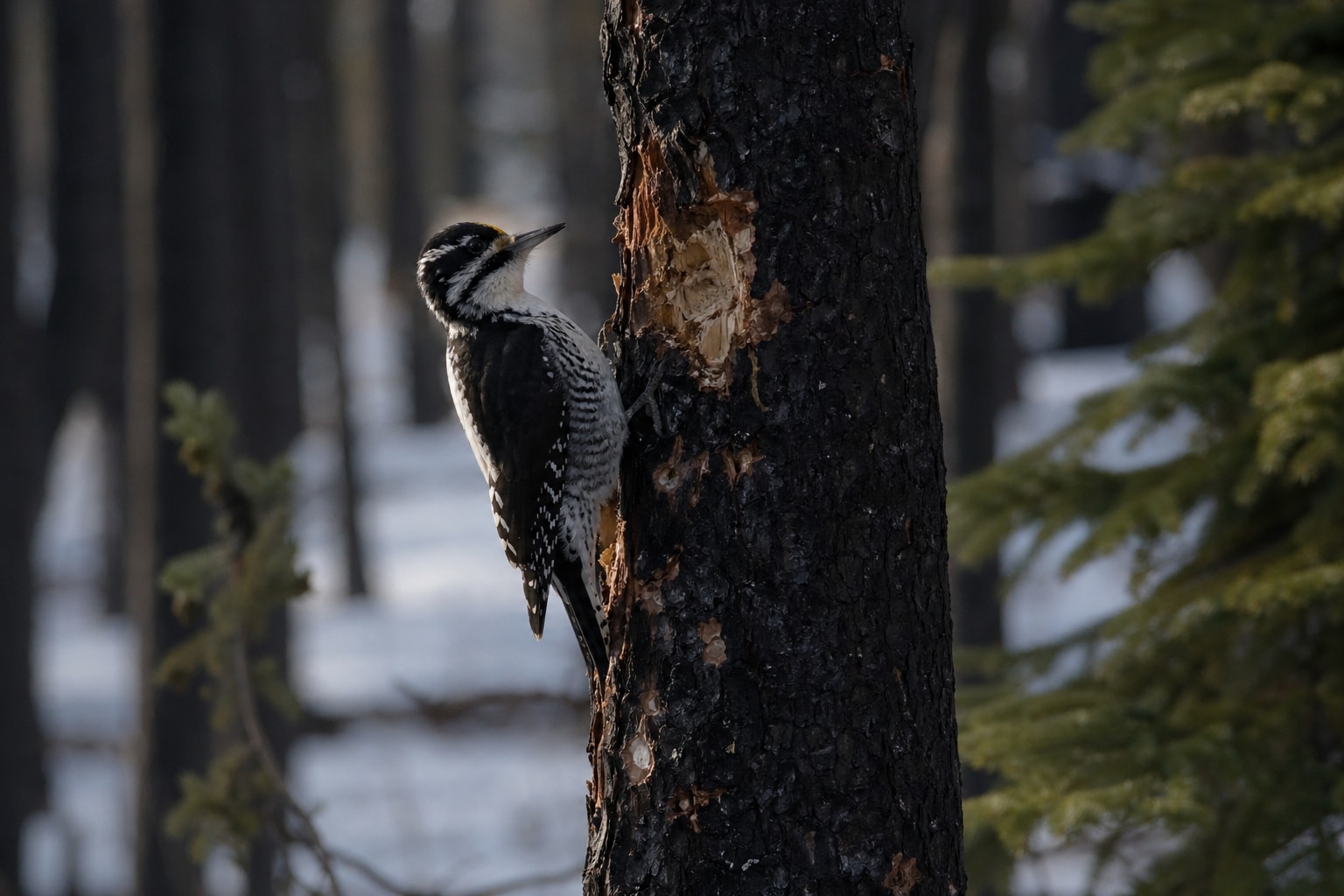
Eight woodpecker species live in Pennsylvania forests, from the common Downy to the rare Black-backed, each adapted with reinforced skulls and 2-foot-long sticky tongues.
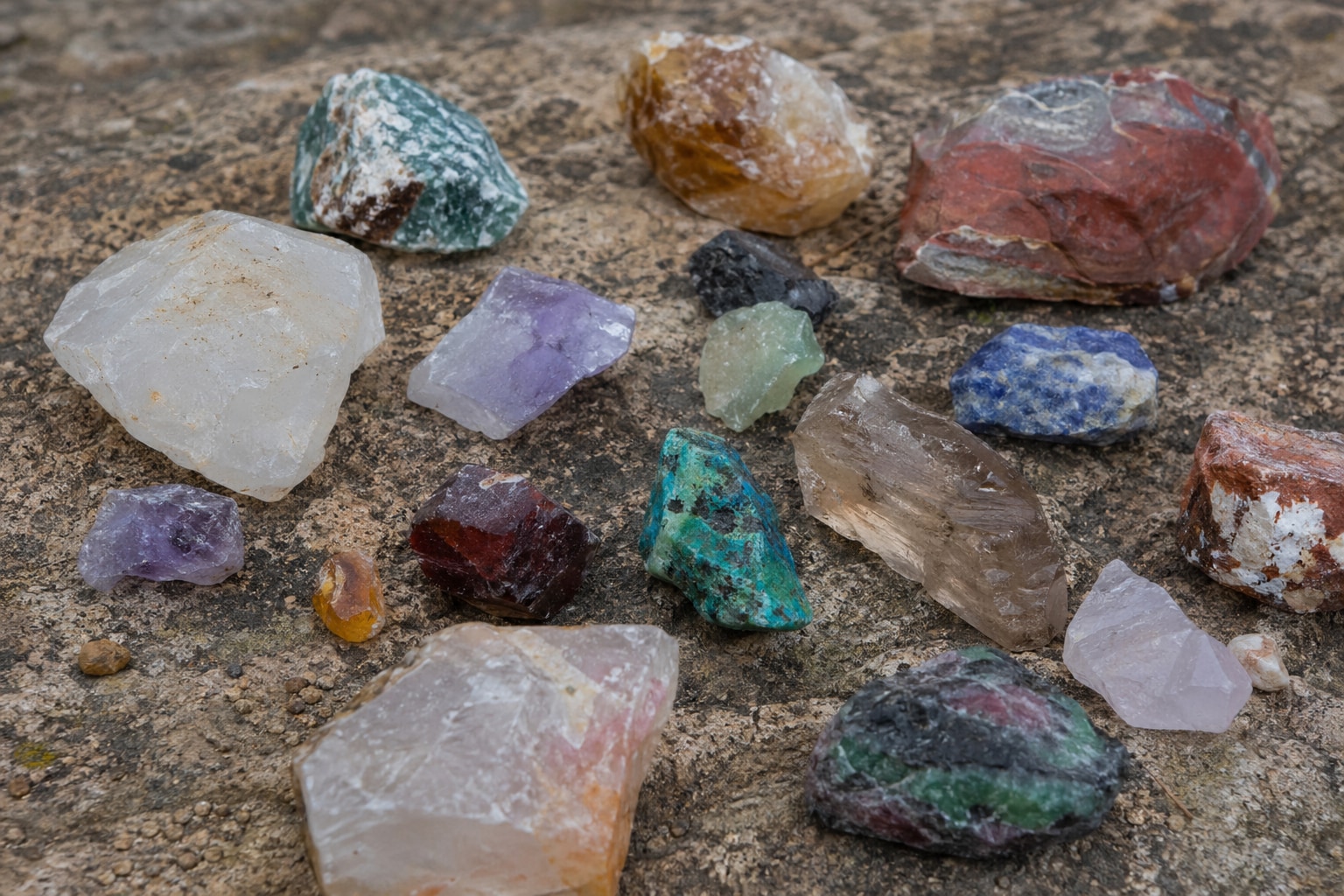
Discover 26 gemstones spanning diamonds, emeralds, rubies, sapphires, and rare opals, each with distinct colors, hardness, and origins across the globe.
Over 400 shark species reproduce three ways: viviparity with live birth, oviparity laying eggs, or ovoviviparity with internal egg hatching.
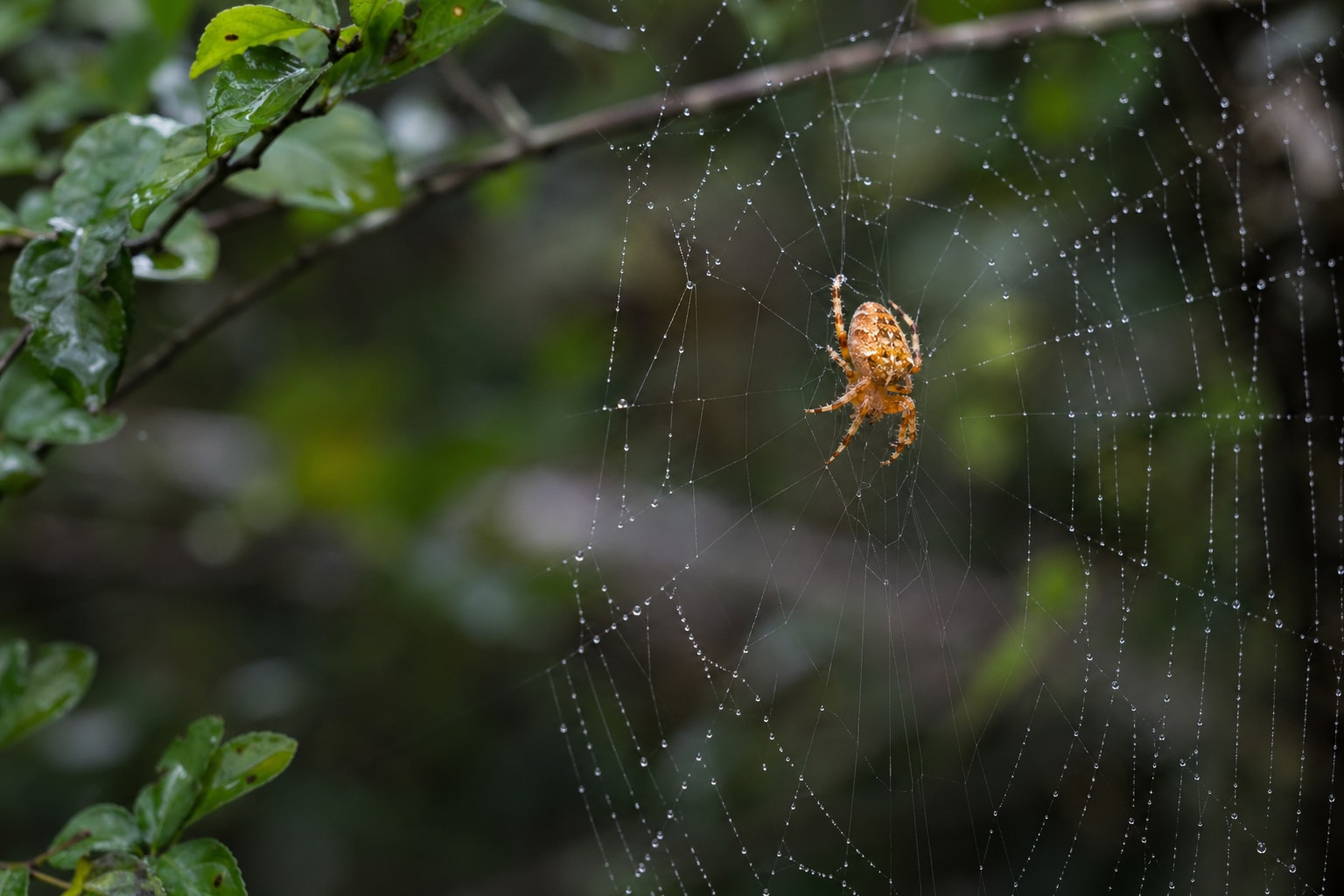
Arkansas' 27 spider species include brown recluses and black widows; most are predators that control pests and avoid humans.