Wildlife
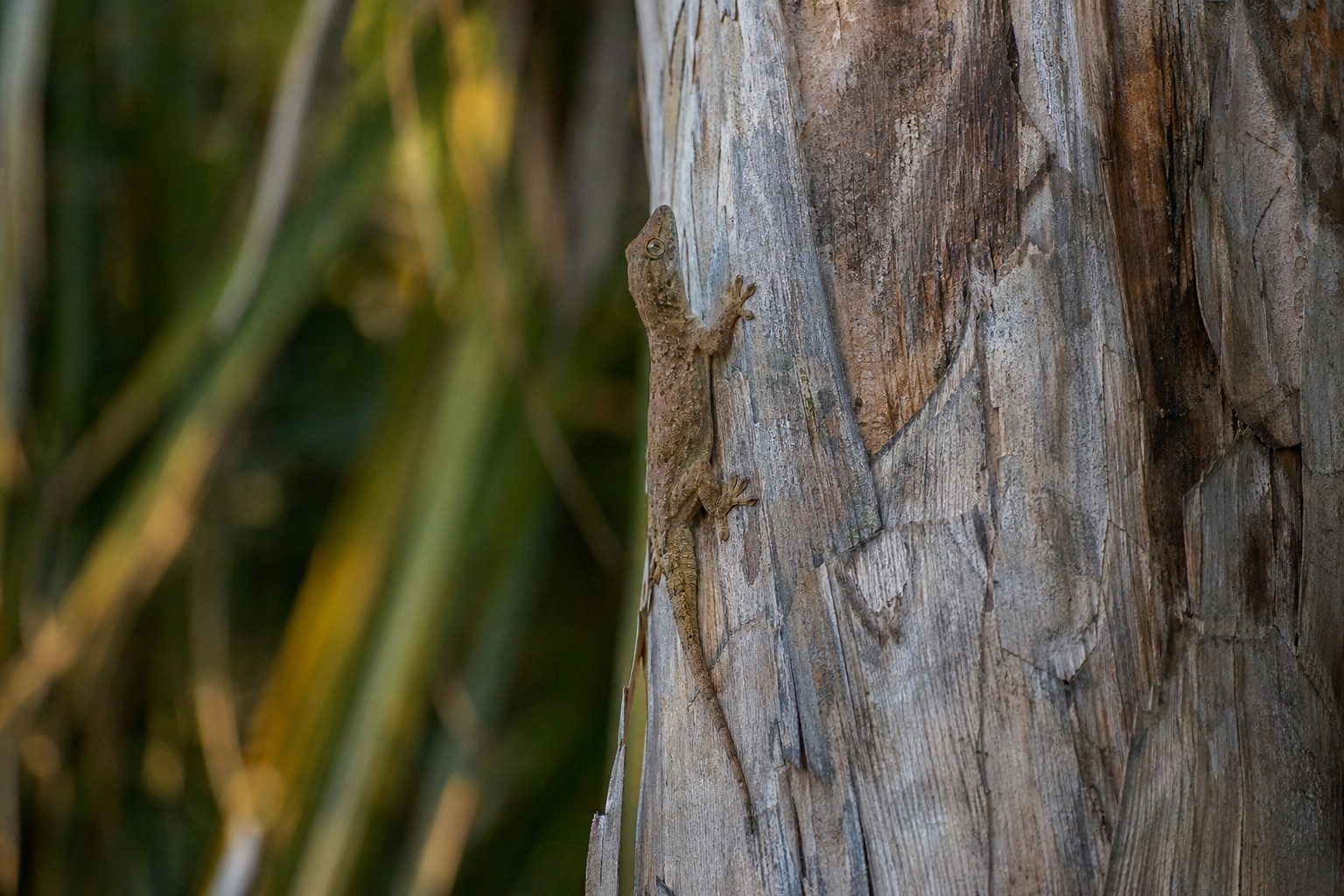
18 Amazing Types of Geckos in Florida: ID Guide and Photos
Identify 18 gecko species in Florida with unique adhesive toe pads, lidless eyes, and vocal calls.
Identify 18 gecko species in Florida with unique adhesive toe pads, lidless eyes, and vocal calls.
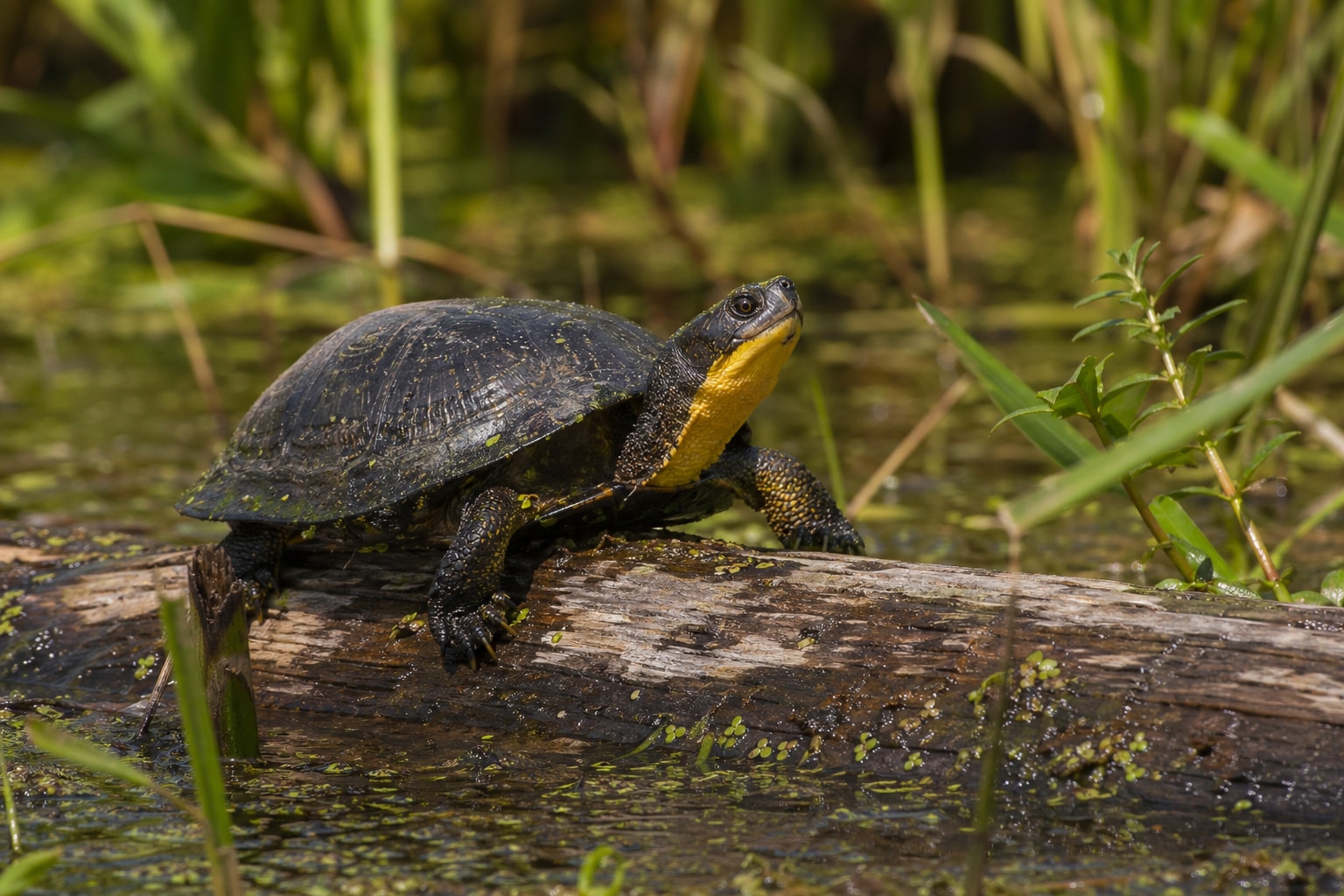
Ten native turtle species inhabit Michigan's 60,000+ lakes and ponds. Red-eared sliders are the most common, while snapping turtles are the largest.
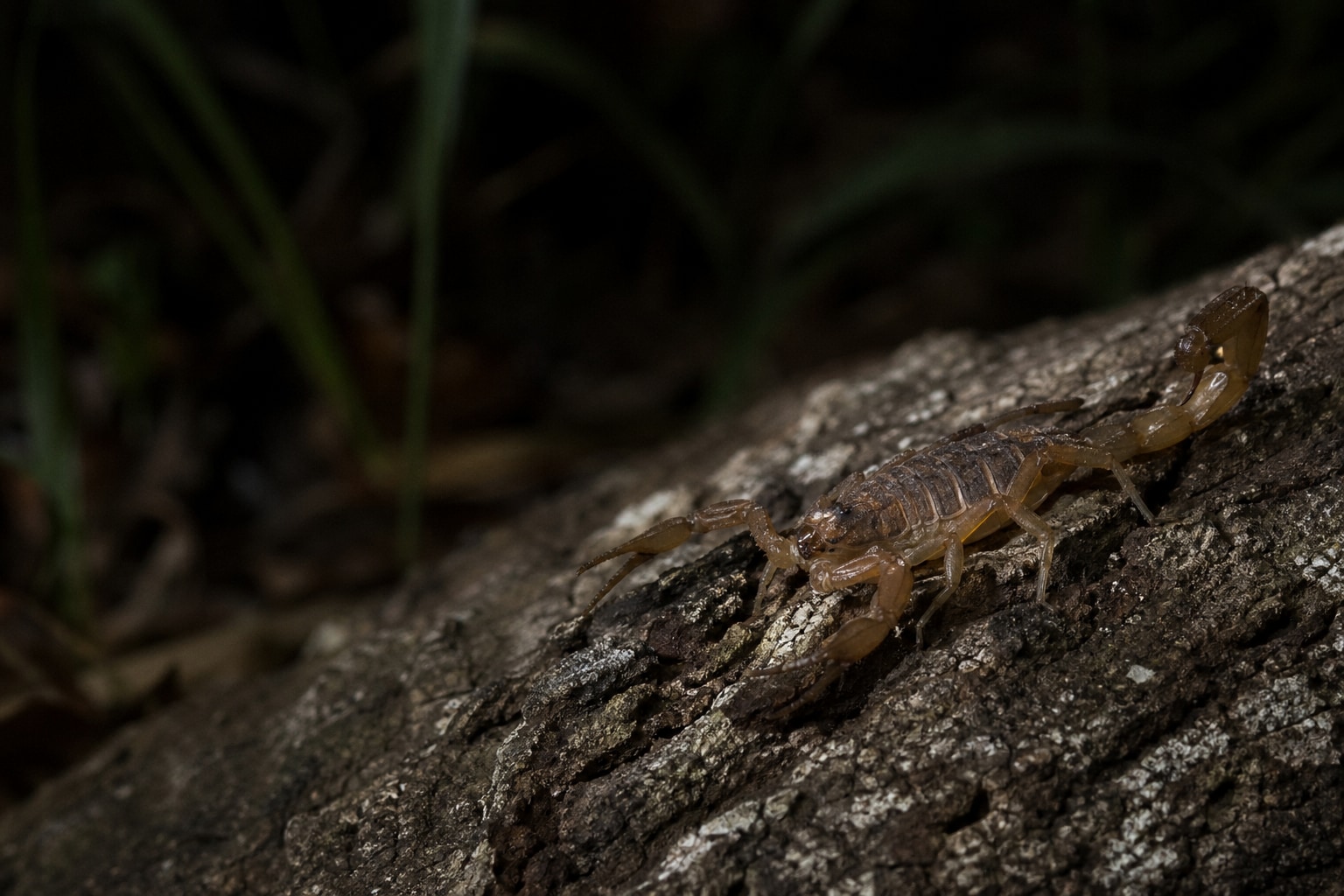
Florida's 3 scorpion species; Florida bark scorpion causes pain but isn't lethal; Hentz and Guiana striped scorpions carry neurotoxic venom.
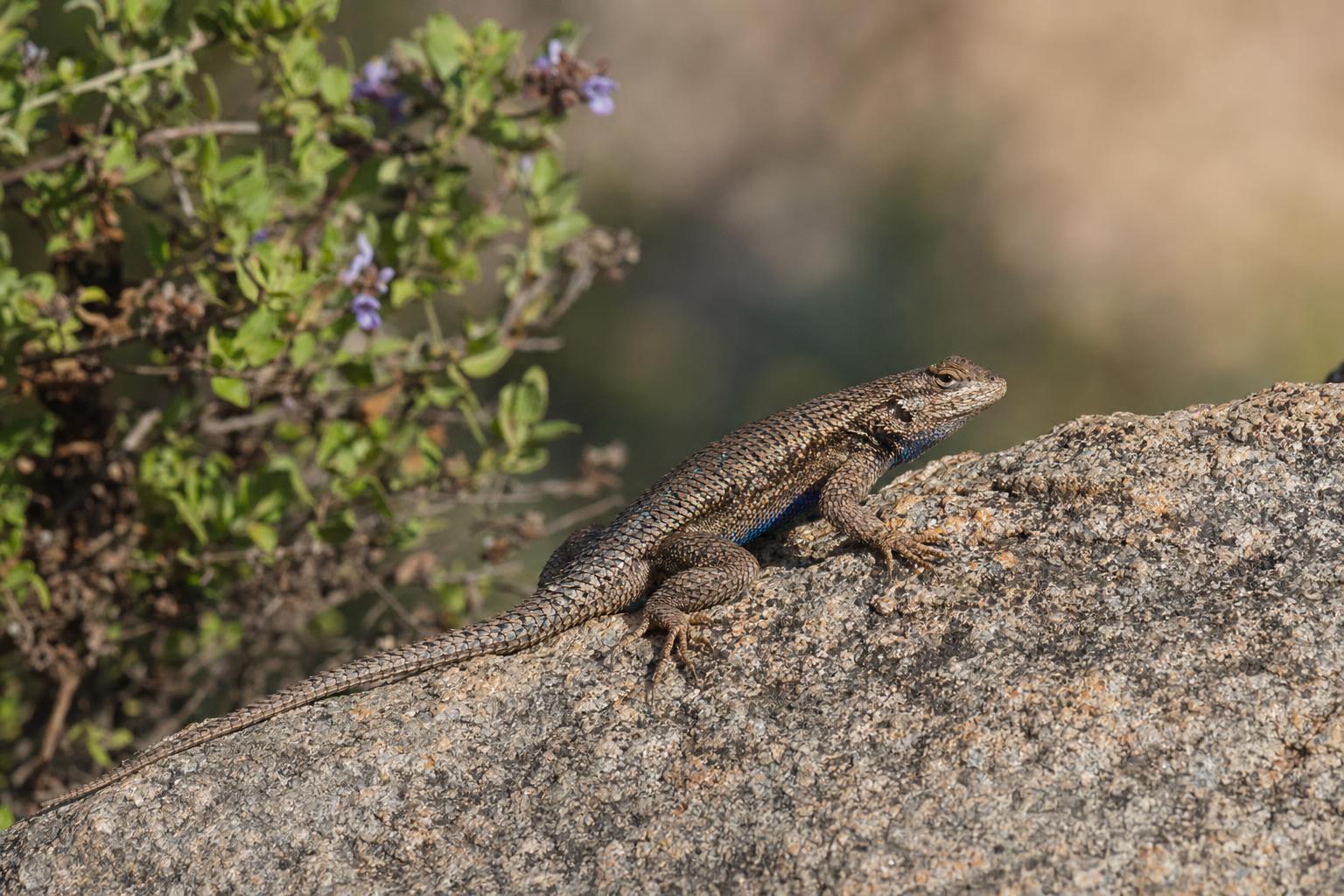
California hosts 36 lizard species across urban areas to deserts, including Gila monsters and colorful spiny lizards with identification photos.
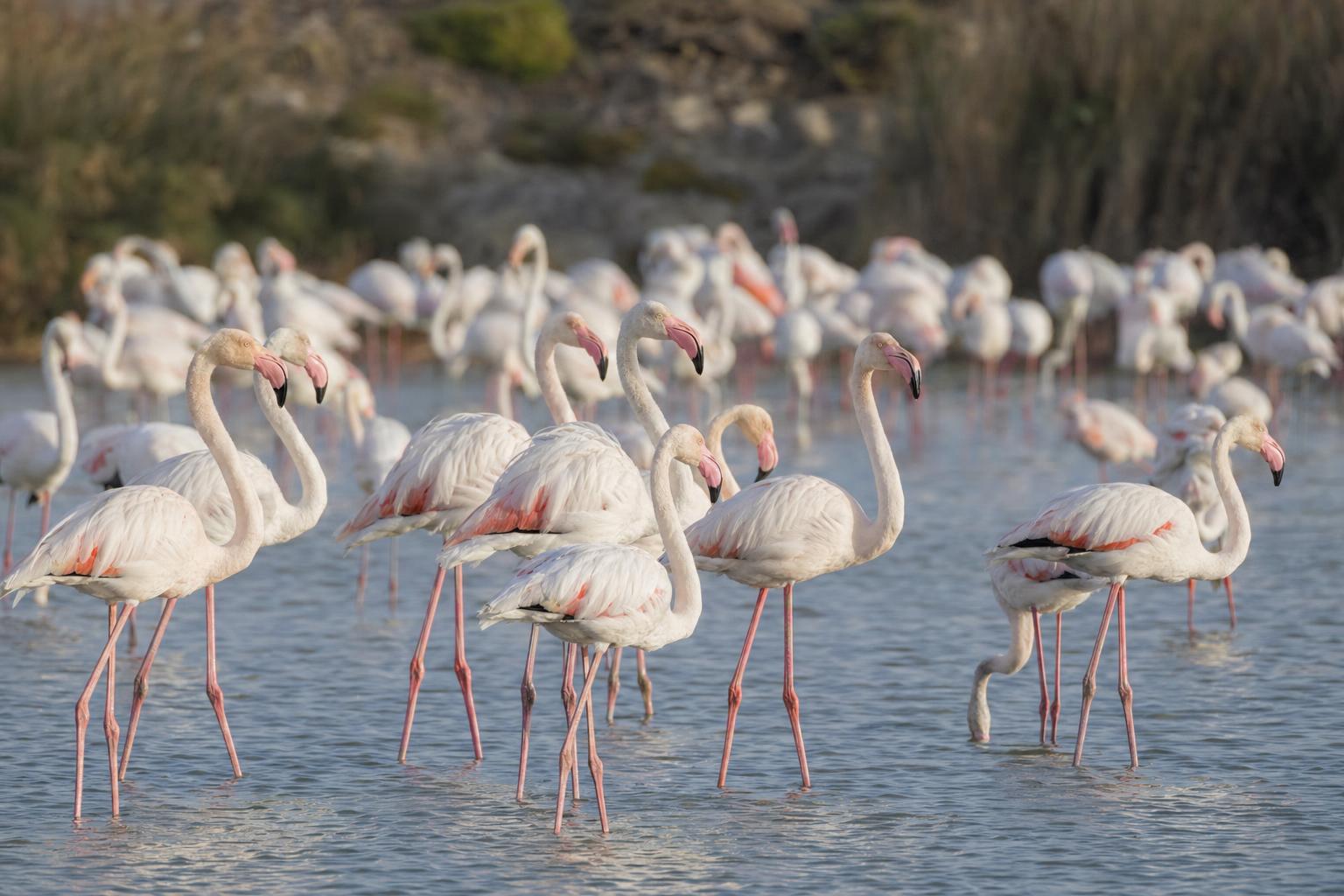
Discover 15 long-necked birds worldwide: ostriches, flamingos, cranes, herons, and ibises adapted for wading and feeding with cervical vertebrae.
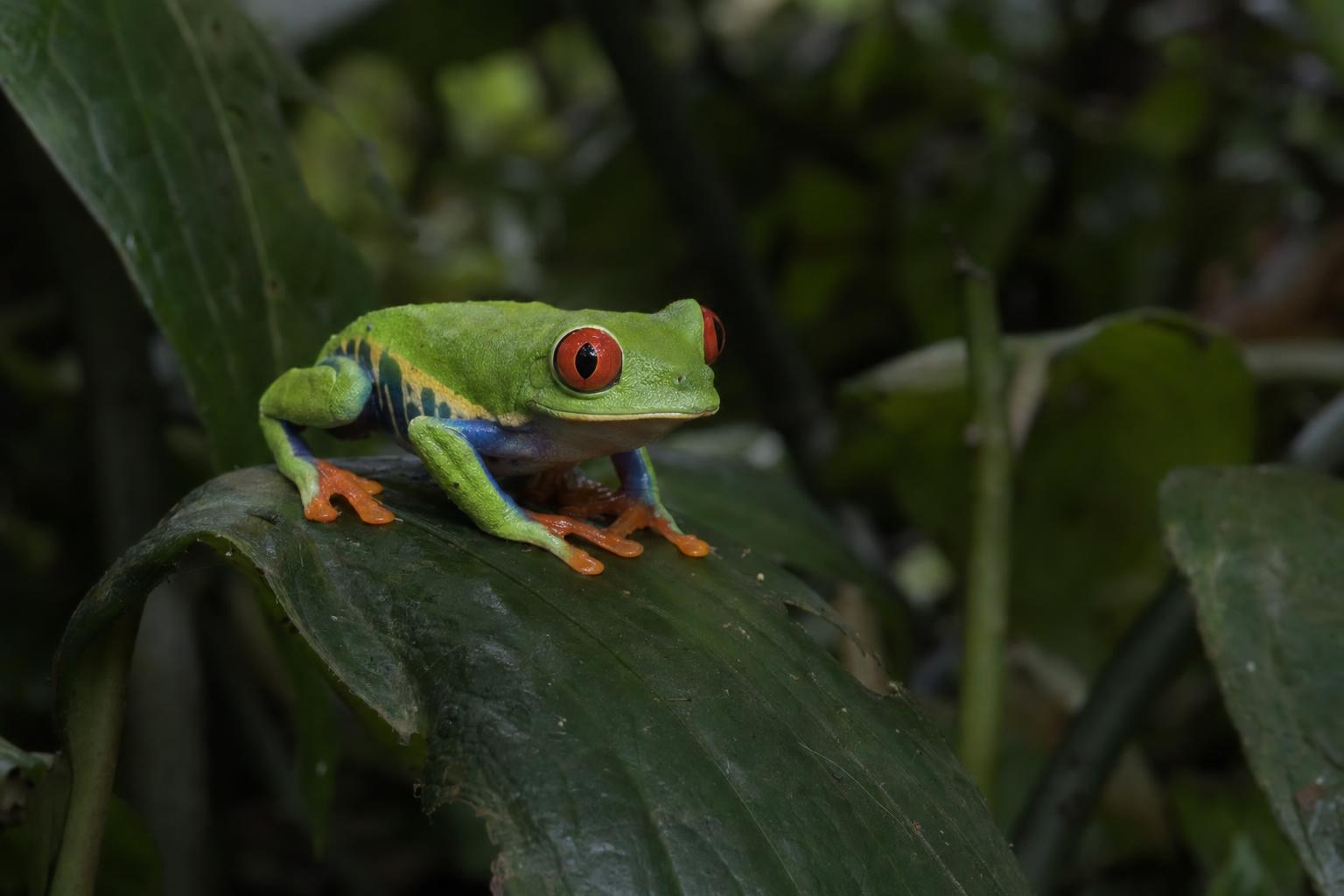
Twenty-three frog species display remarkable diversity in shapes, colors, and sizes; over 5,000 frog and toad species exist globally today.
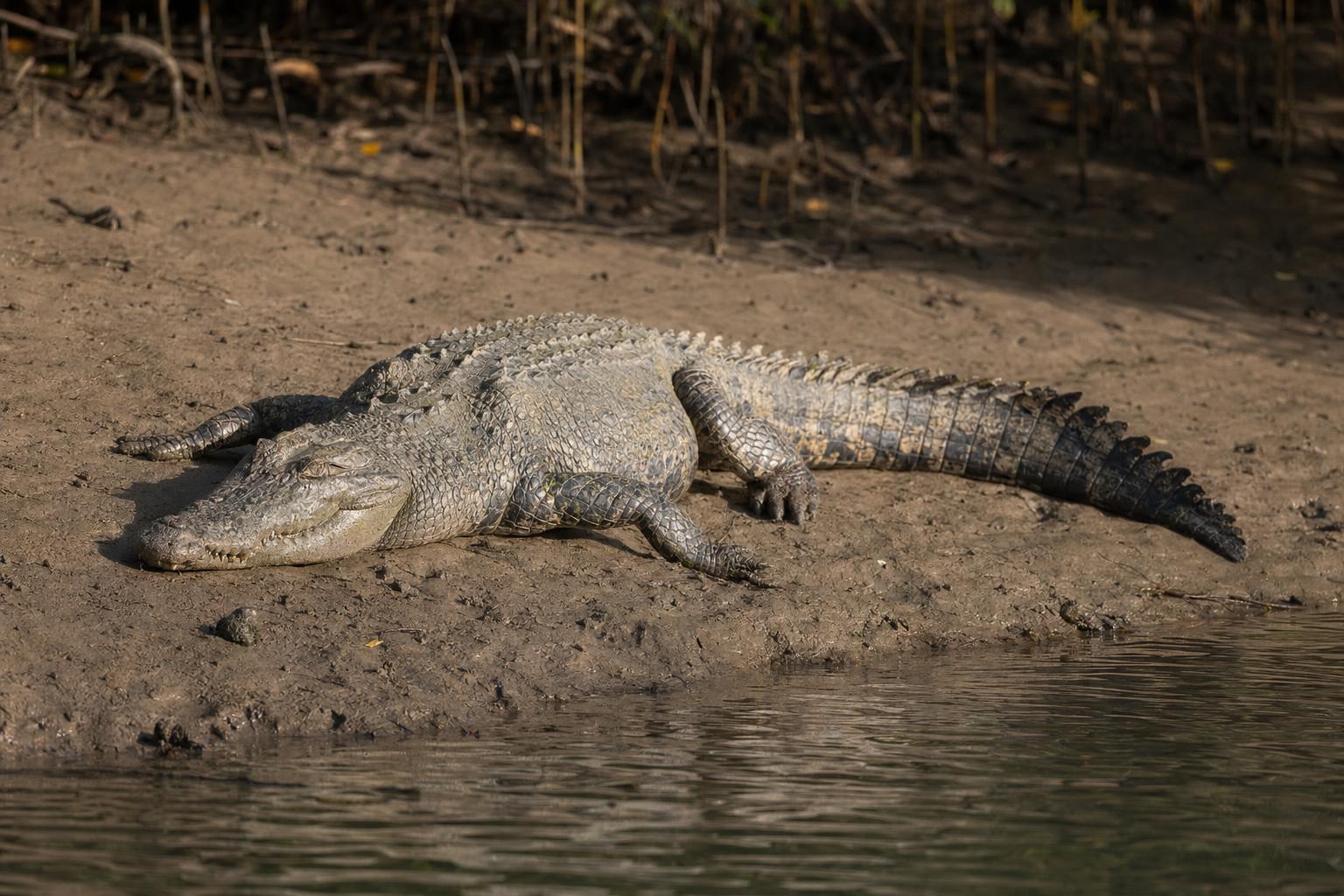
Identify all 25 crocodile species, their habitats, diets, and unique features as apex predators.
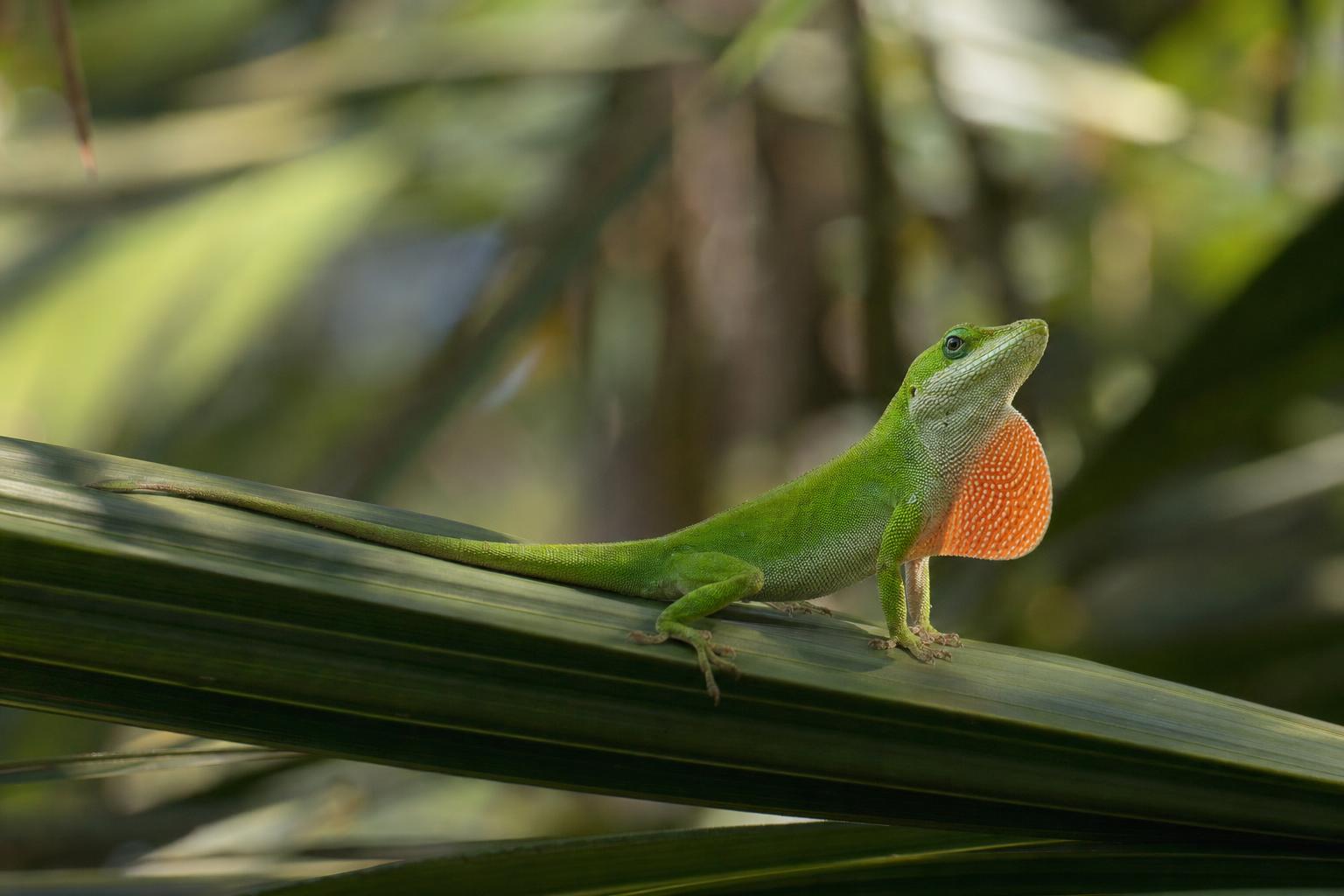
Florida's 50-plus lizard species include only 15 natives, with the brown anole now dominating and Argentine tegus among the largest invasive species.
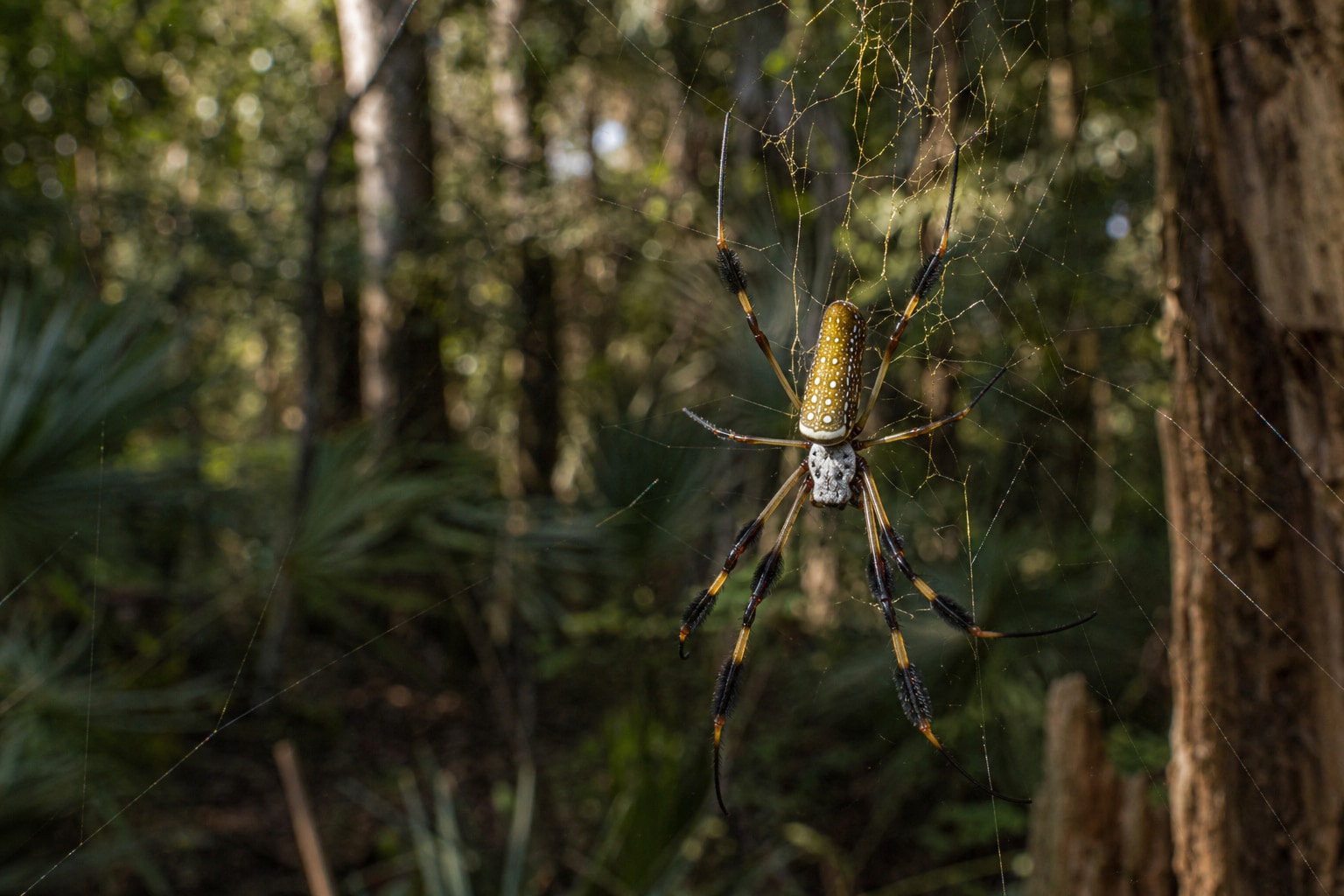
Florida hosts 20 spider species; only widow and recluse spiders pose minimal risk; spiders reduce mosquito populations, protecting homes and health.
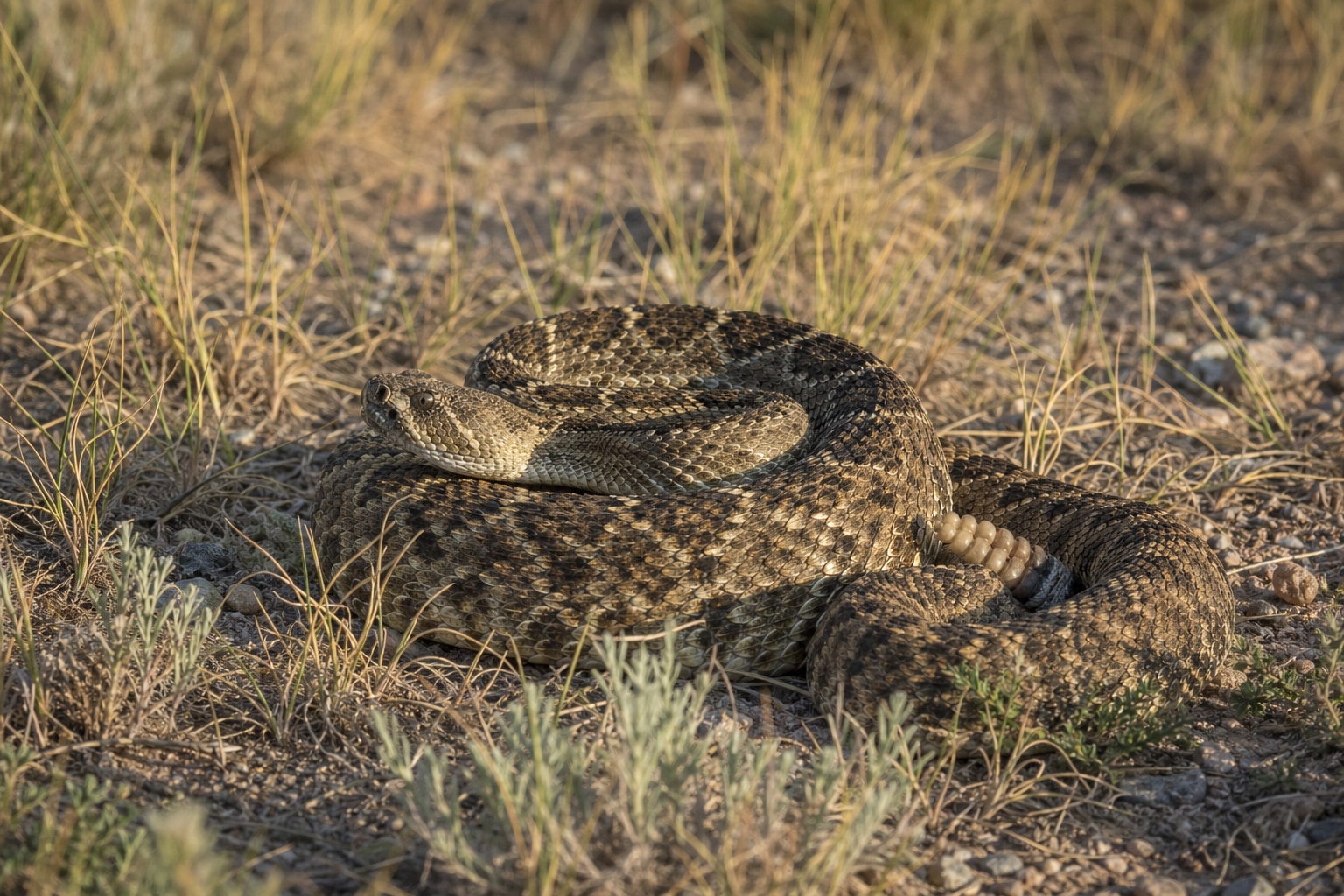
Colorado is home to 28 snake species, mostly harmless; only rattlesnakes are venomous, and they avoid human contact.
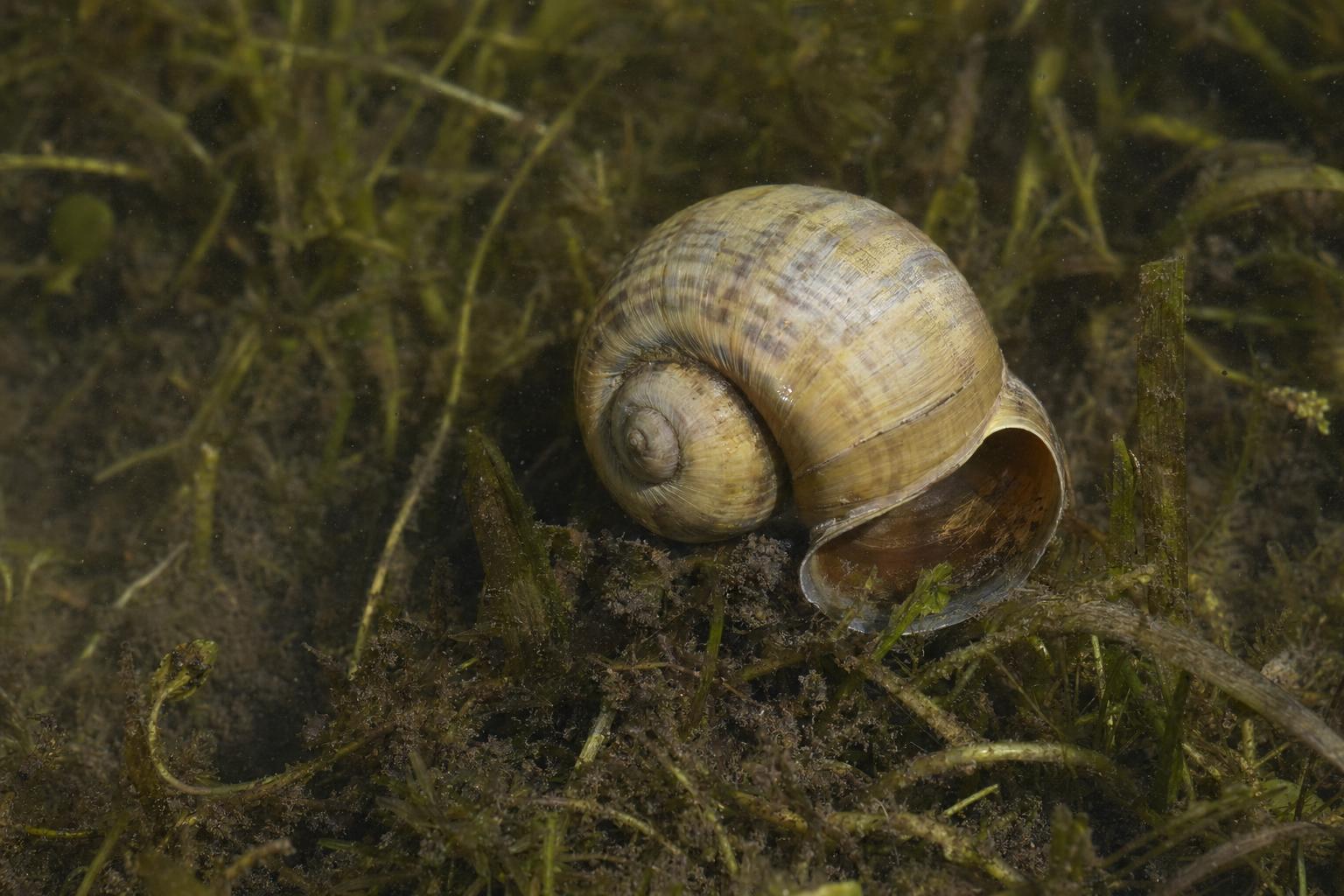
Over 40,000 snail species thrive worldwide, from giant African land snails to tiny aquatic species hunting in ponds.
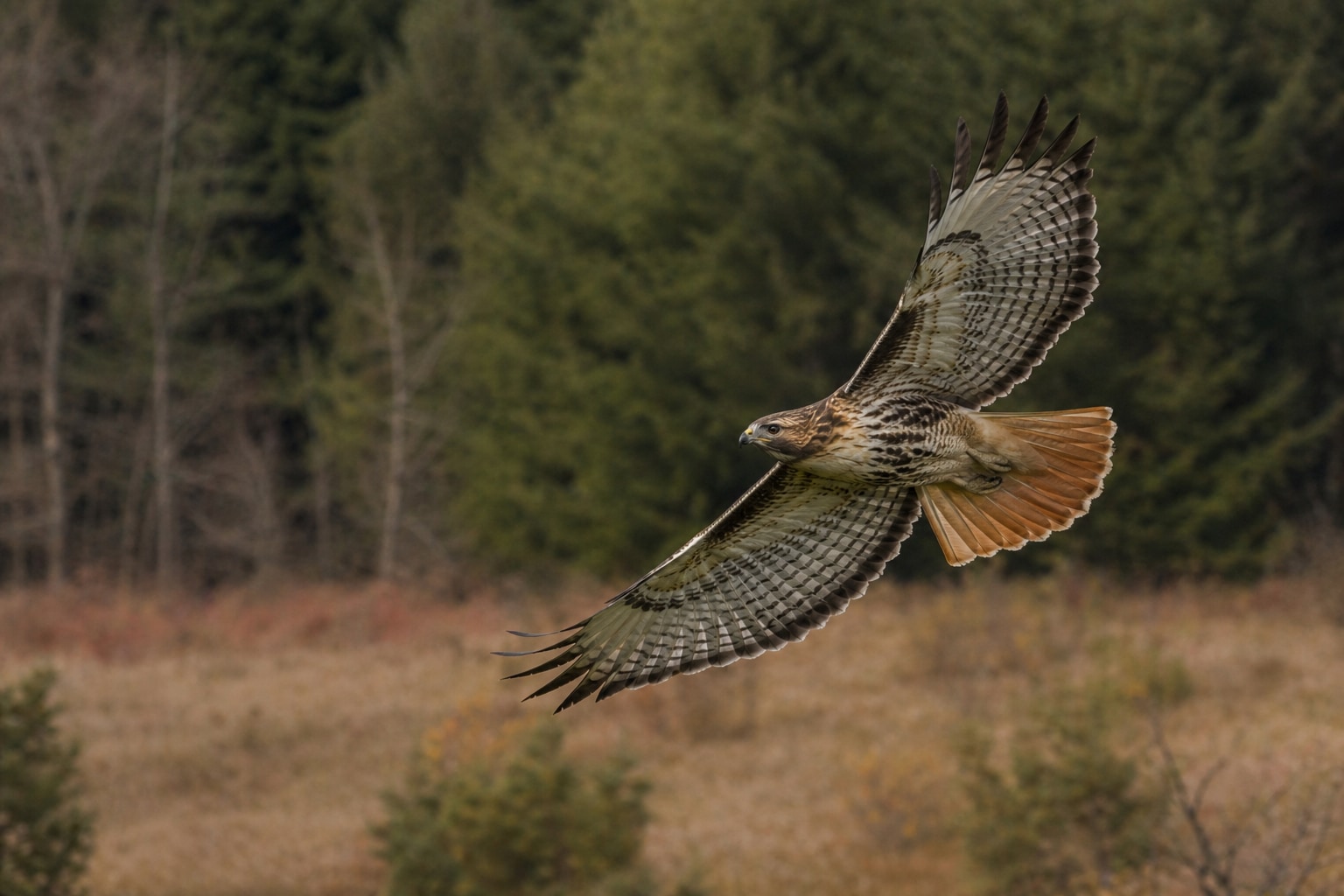
Discover 22 hawk species worldwide, from the red-tailed hawk to the Eurasian sparrowhawk, and learn how these raptors differ from eagles and falcons.