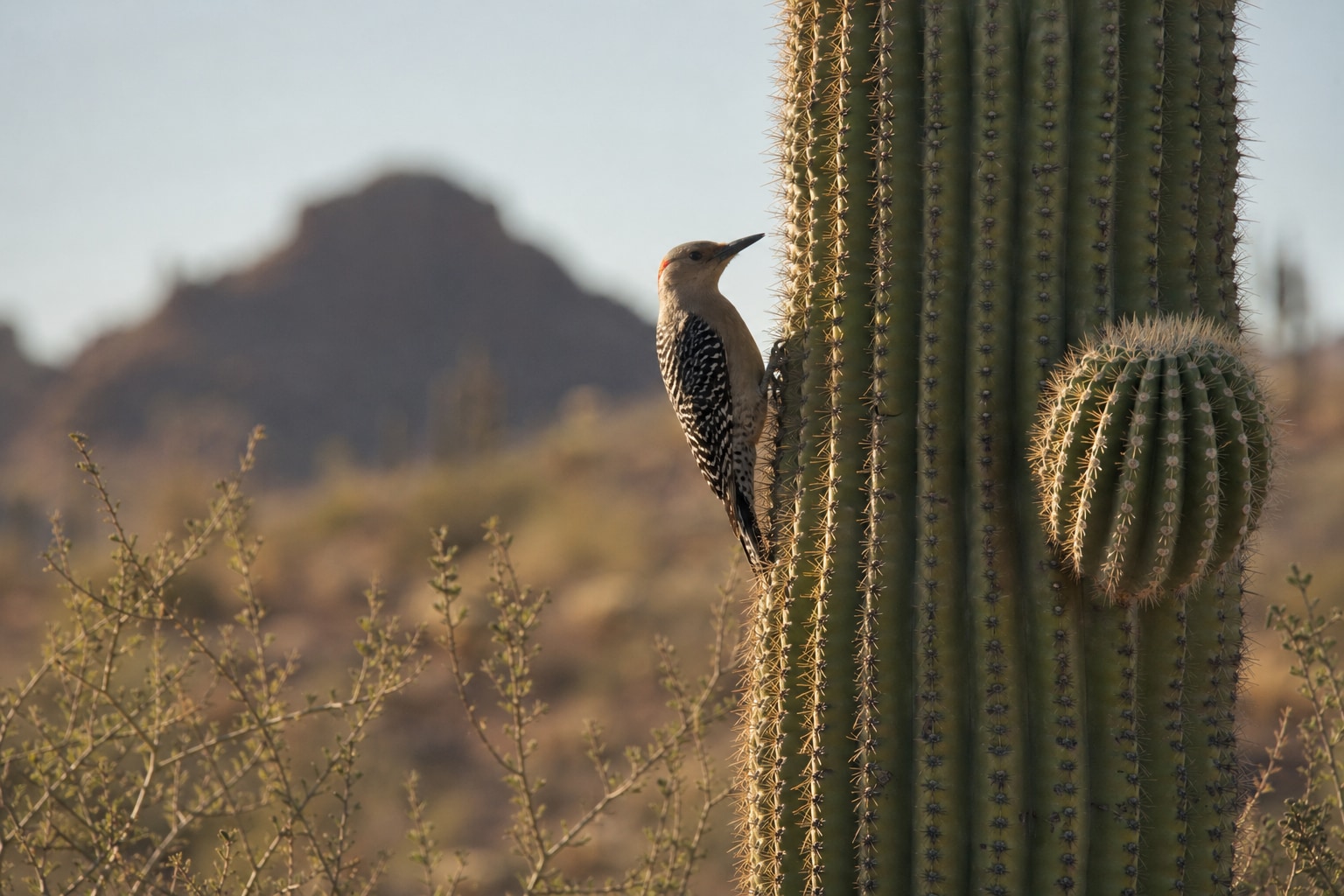
12 Incredible Woodpeckers in Arizona: Identification Guide (Pics and Facts)
Arizona hosts 12 woodpecker species from the Gila to the Gilded Flicker, each with distinct markings, sizes, and desert habitat preferences for birders to identify.
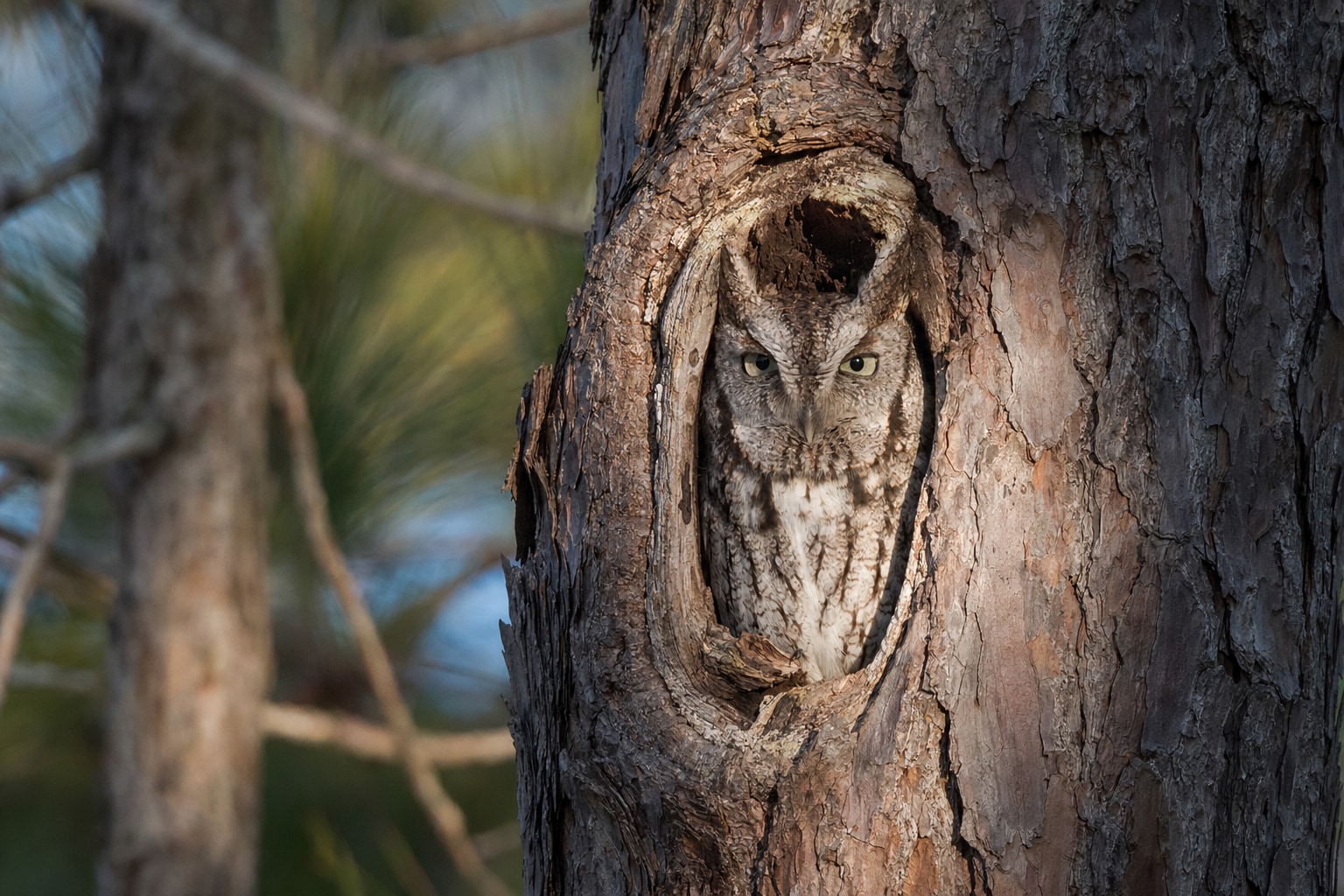
Florida hosts seven owl species, from the tiny screech owl to the massive great horned owl, each with unique hunting adaptations.
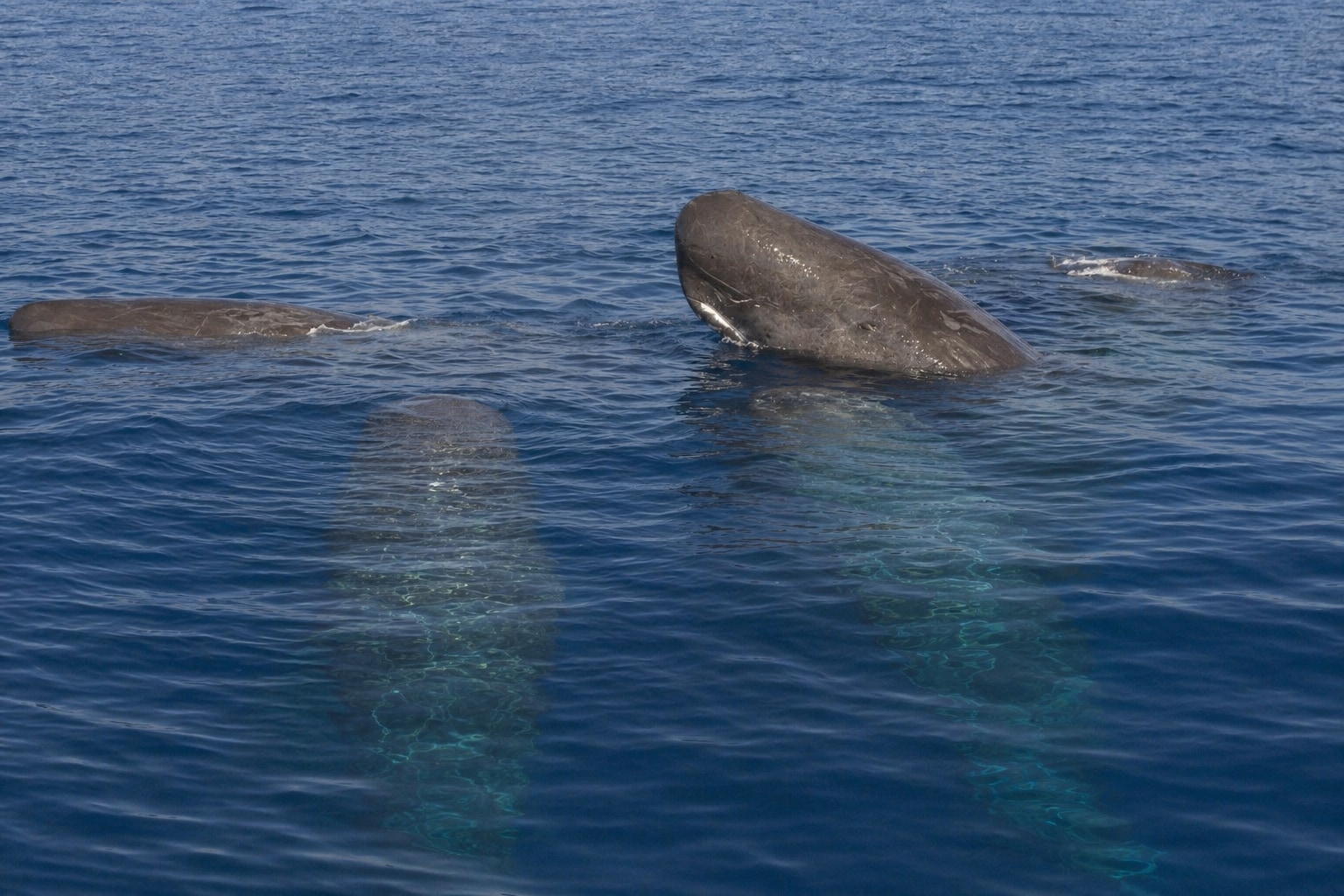
Whales sleep with only half their brain at a time, allowing breathing and predator awareness underwater.
Washington's 19 must-see mountains include active volcanoes, glaciated peaks, and granite summits offering world-class hiking and mountaineering.
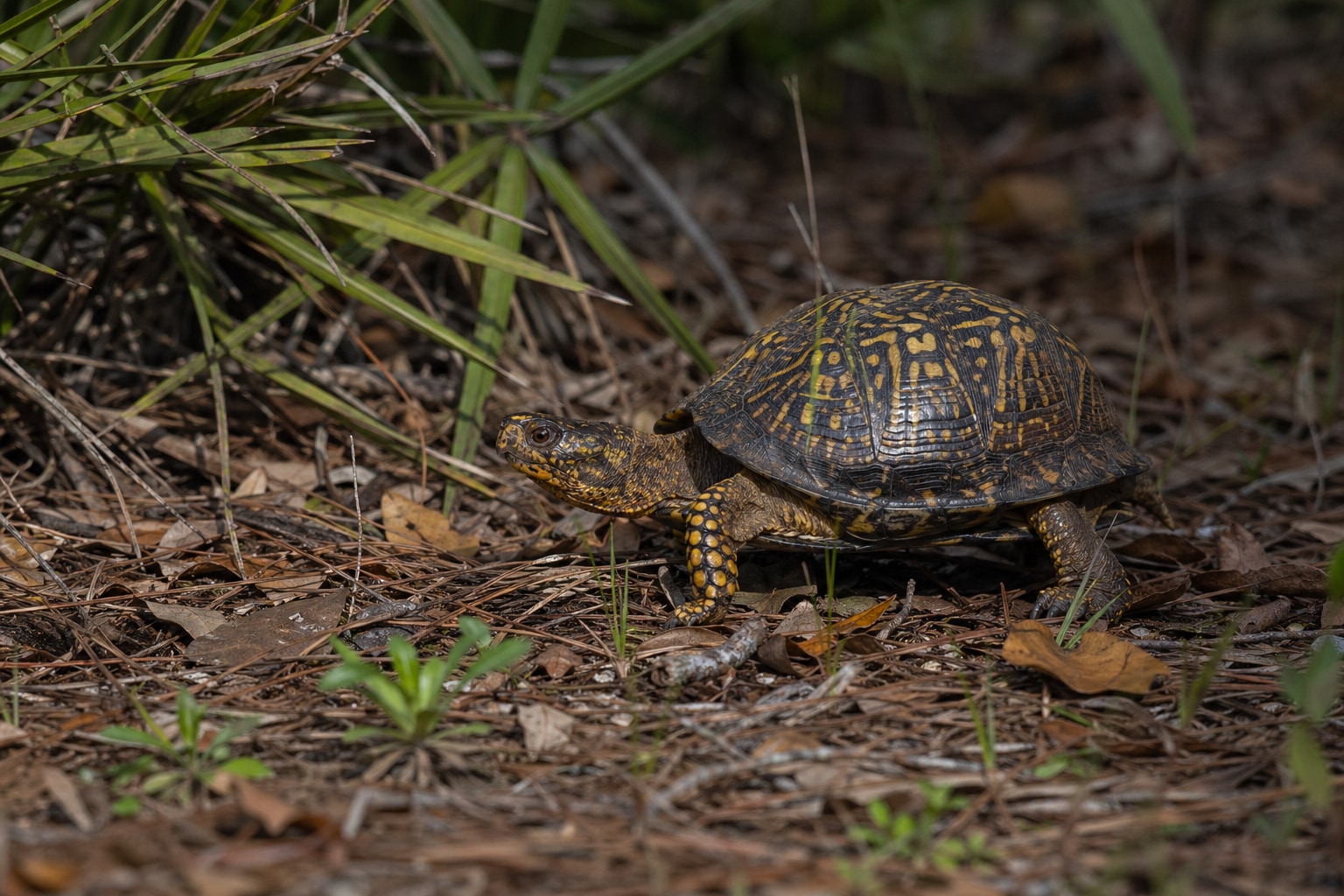
Florida hosts over 30 native turtle species, more than any other U.S. state. Five sea turtles nest on Florida beaches annually.
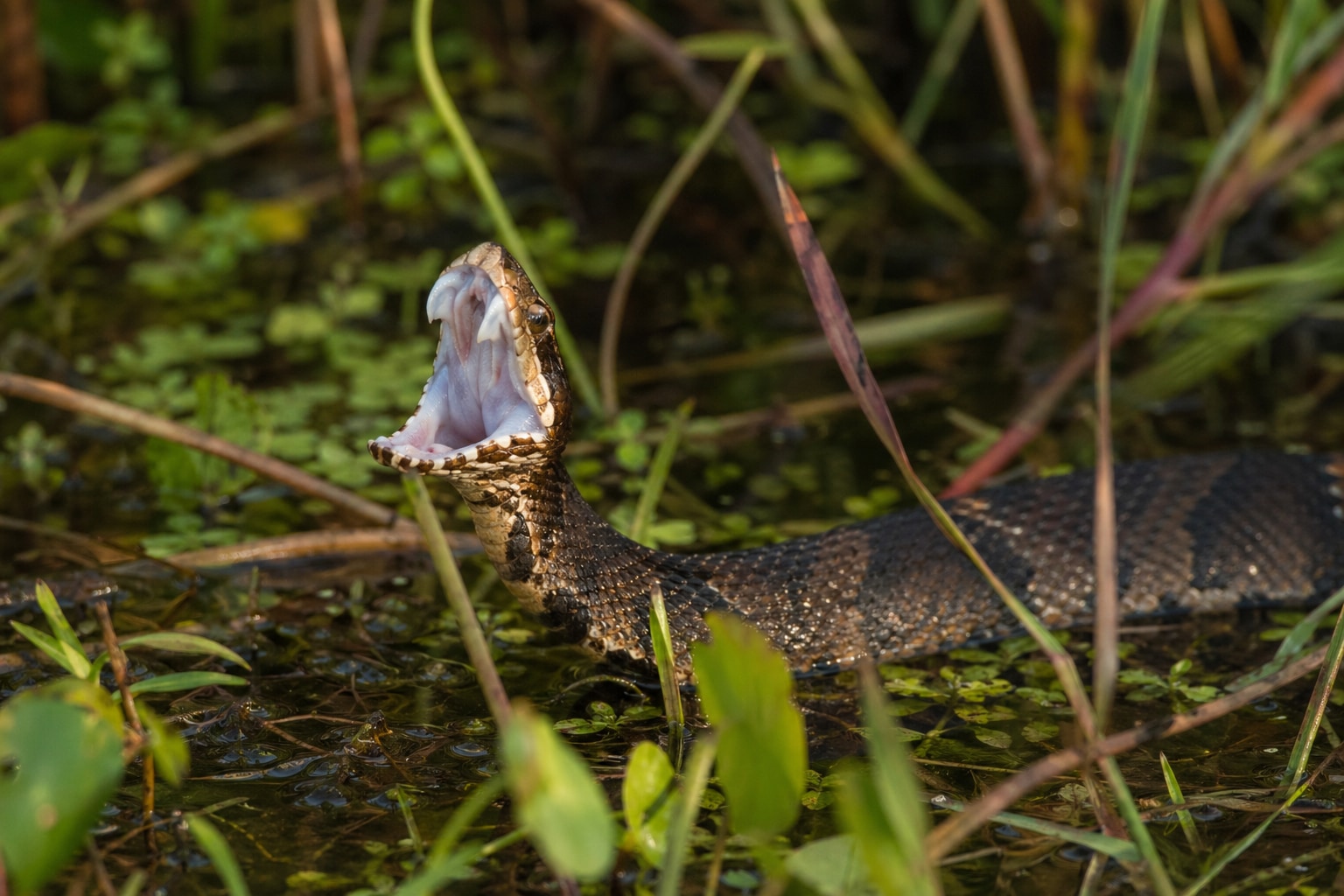
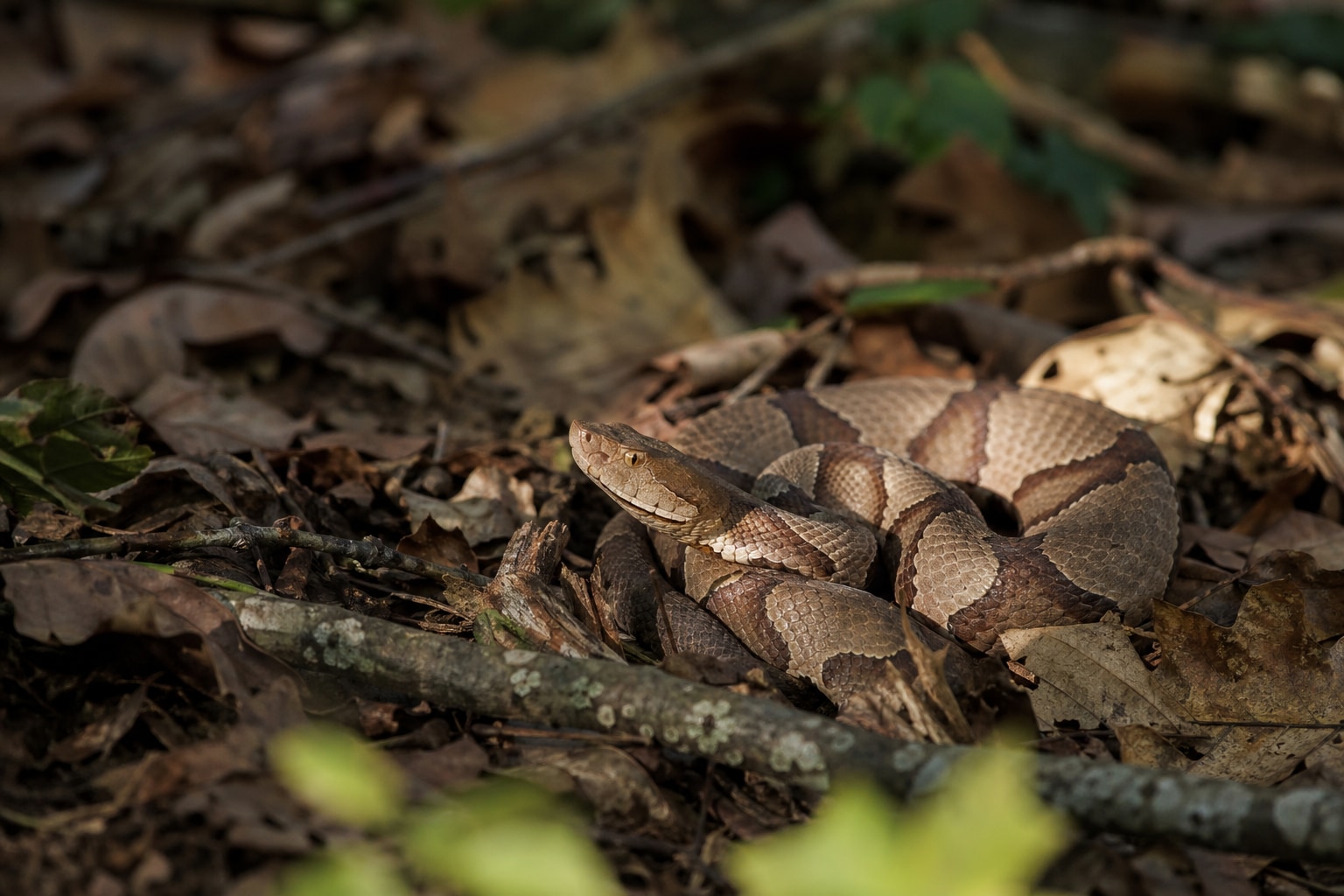
Florida hosts 53 snake species; only 6 native snakes are venomous, while pythons, boas, and anacondas invaded from pet trade.
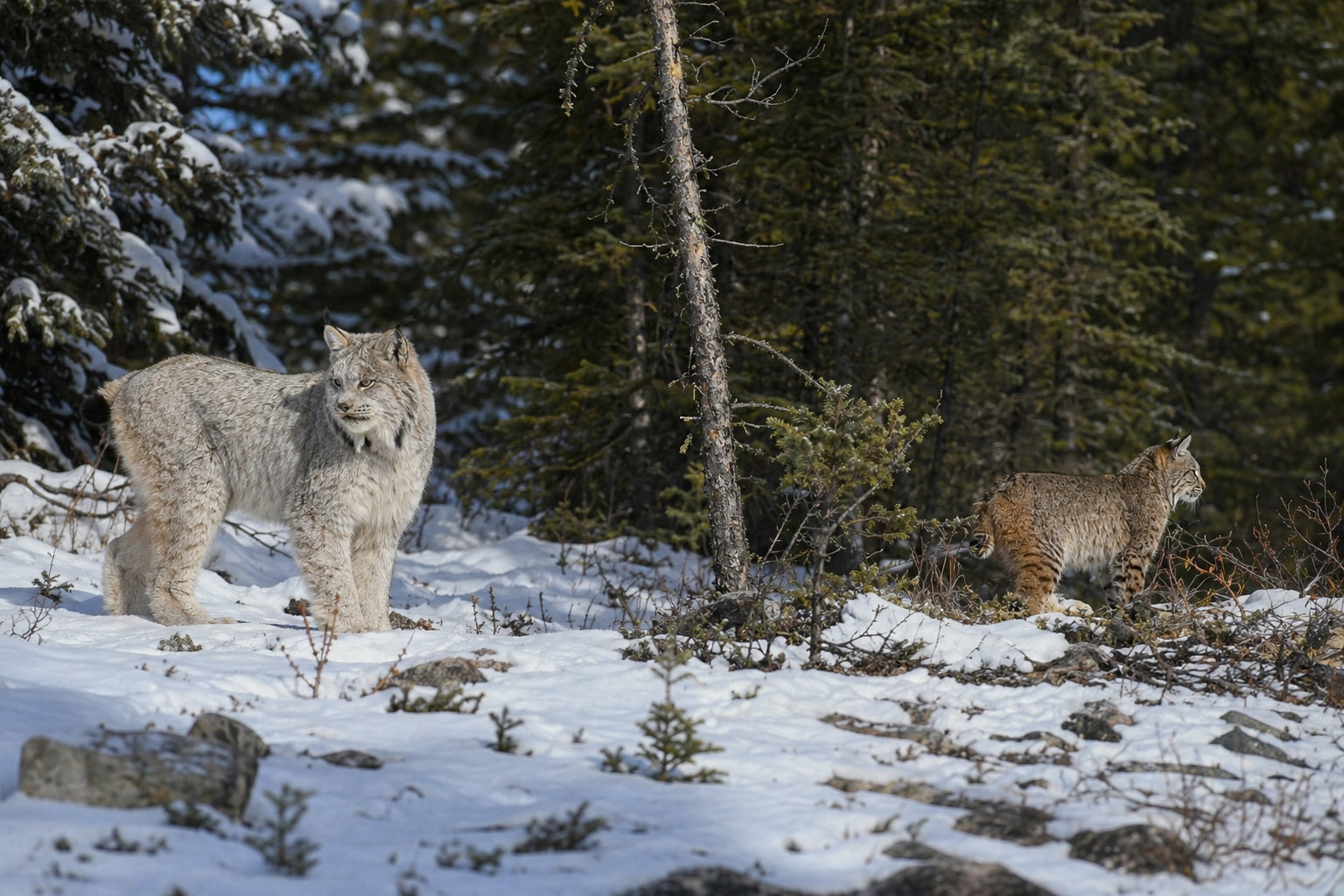
Lynx and bobcats are closely related wild cats with key differences in size, range, coat color, and habitat preferences despite sharing similar behaviors.
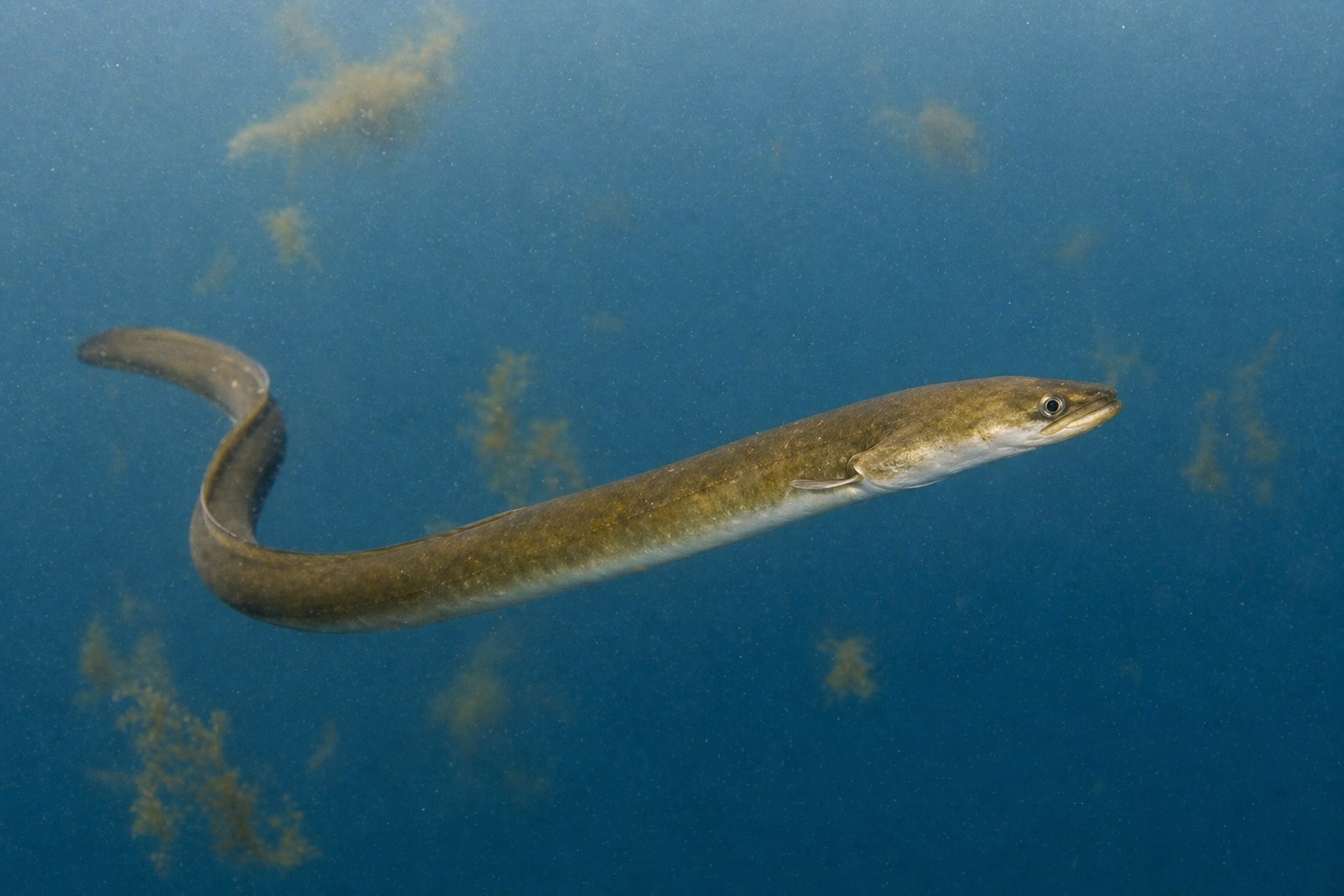
Eels migrate thousands of miles to the Sargasso Sea where they spawn via external fertilization, release millions of eggs, then die.
Virginia hosts 30 snake species with only 3 venomous types; most are harmless and help maintain ecosystem balance.
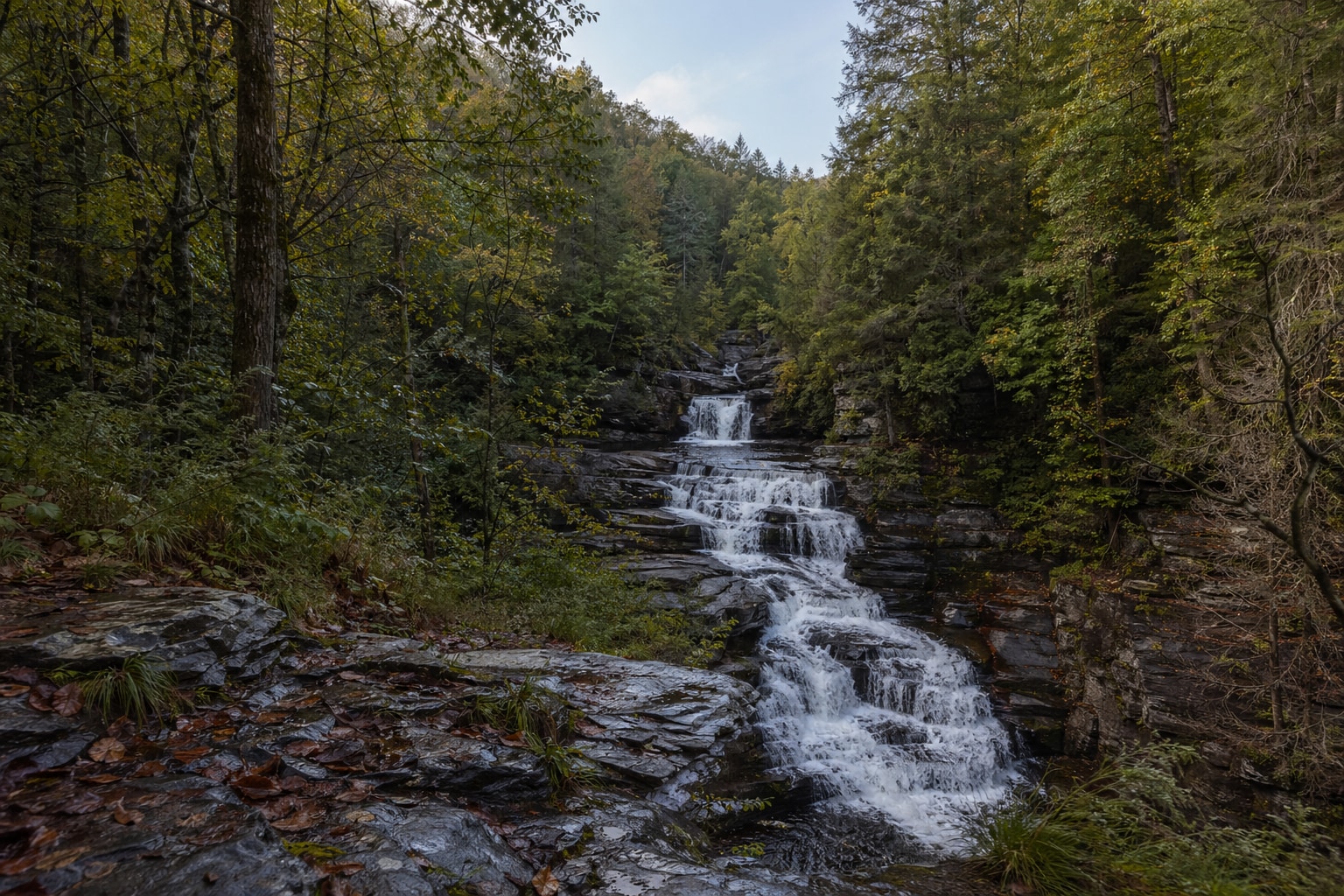
Discover 10 of Pennsylvania's most impressive waterfalls, from the 178-foot Raymondskill Falls to remote Ricketts Glen's 22-cascade trail.
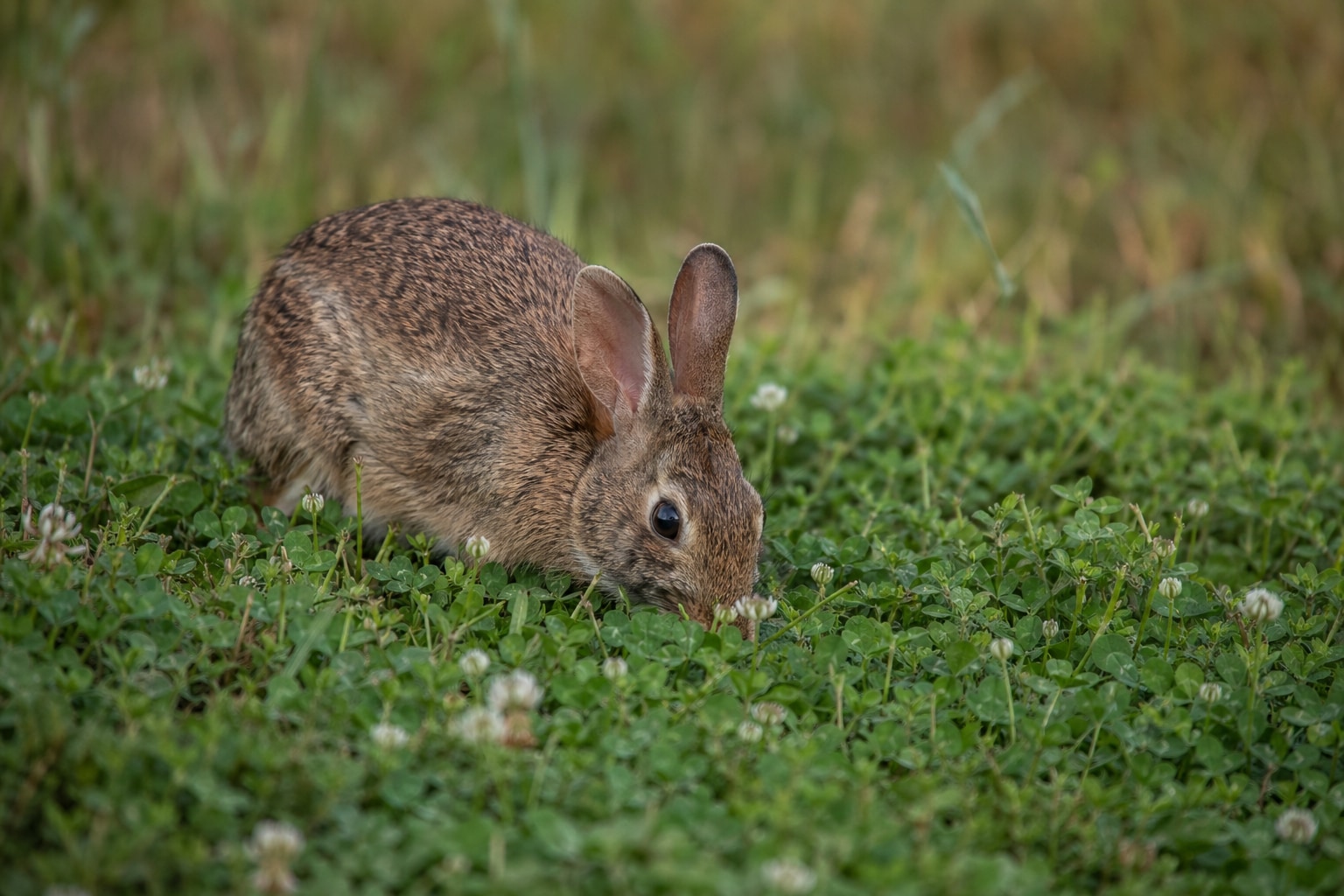
Wild rabbits eat grasses, herbs, roots, seeds, bark, flowers, and fruits, with diet varying seasonally by habitat and plant availability.
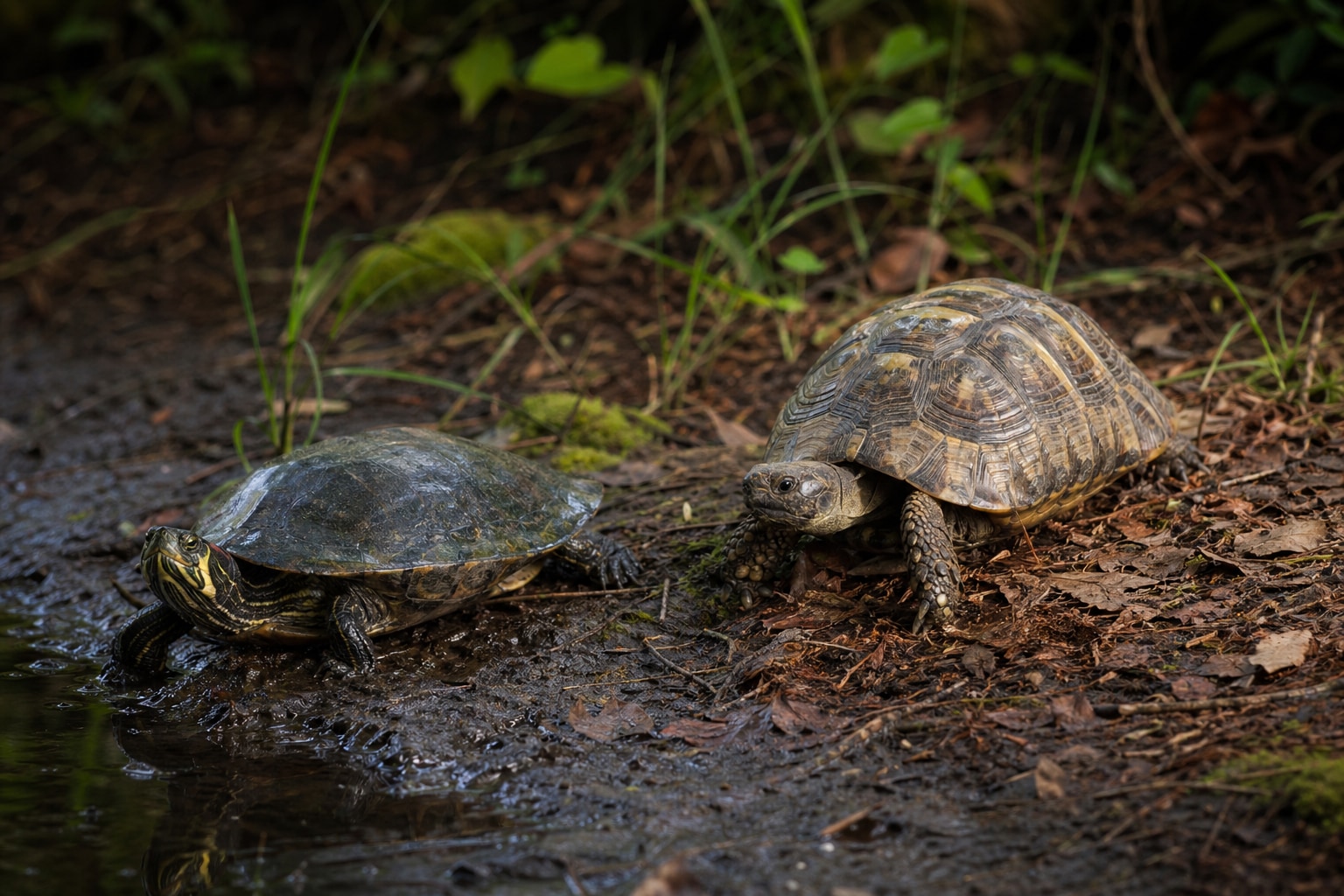
Turtles and tortoises are scientifically distinct reptiles within the order Testudines. Learn the key differences in shells, habitats, diets, and lifespans.