How-To
Practical skills for the trail and the backcountry: navigation, photography, tracking, weather reading, and winter camping.
46 stories in How-To · Page 1 of 4
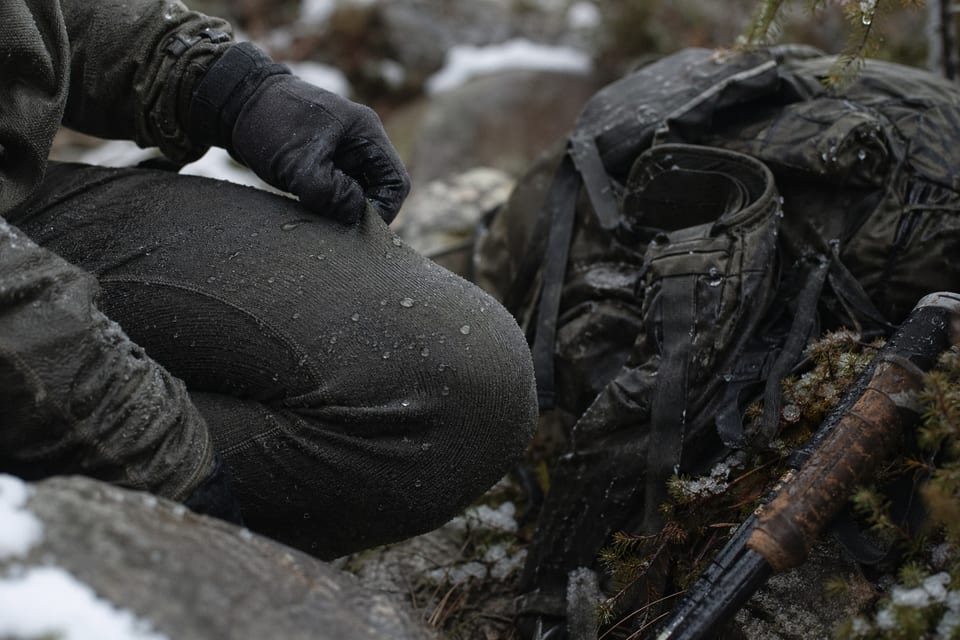
Which Material Provides Warmth Even When Wet? Master the Art of Layering
Wool, merino wool, and synthetic insulation like Primaloft stay warm when wet, while fleece and neoprene offer reliable cold-weather alternatives for outdoor adventures.
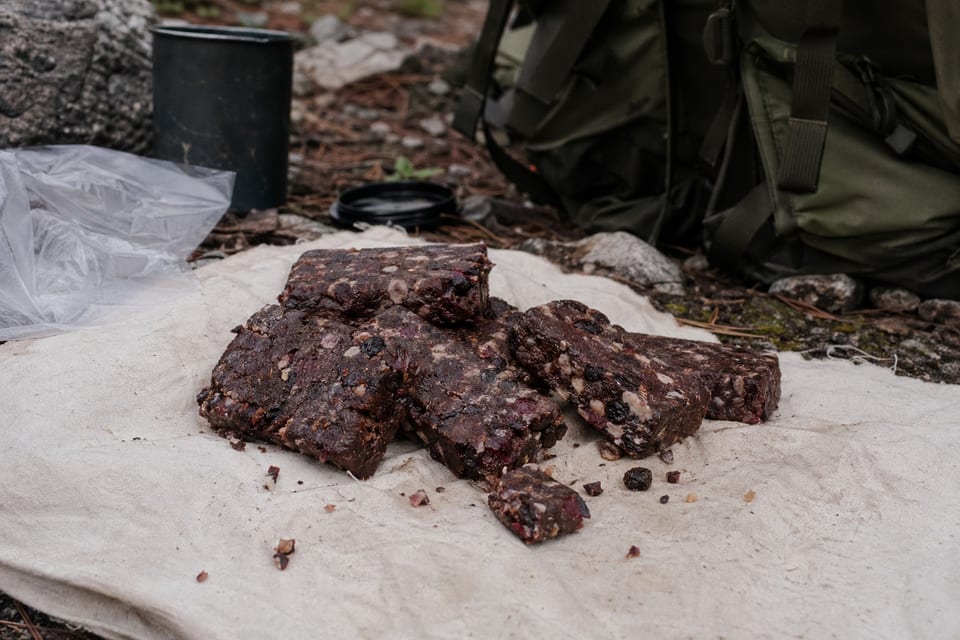
What is Pemmican? The Meatrimony of Jerky and Granola Bars
Pemmican is a high-energy trail food made from dried meat, fat, and berries; keeps years without refrigeration.
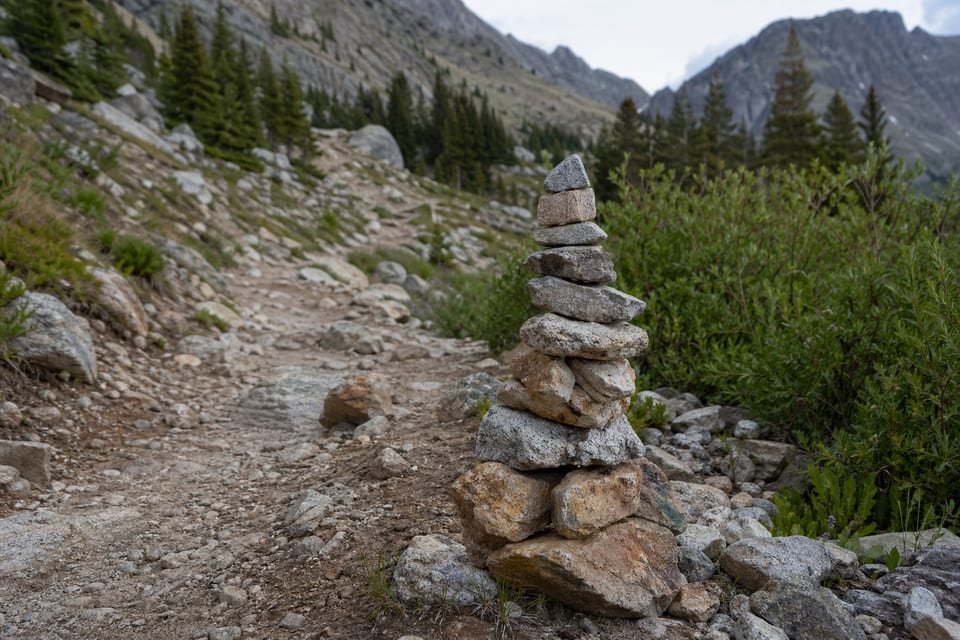
Navigating Nature’s Markers: What Do Stacked Rocks Mean?
Cairns are stacked rock markers used for trail navigation, burial sites, and spiritual purposes, with millennia-old origins across cultures.
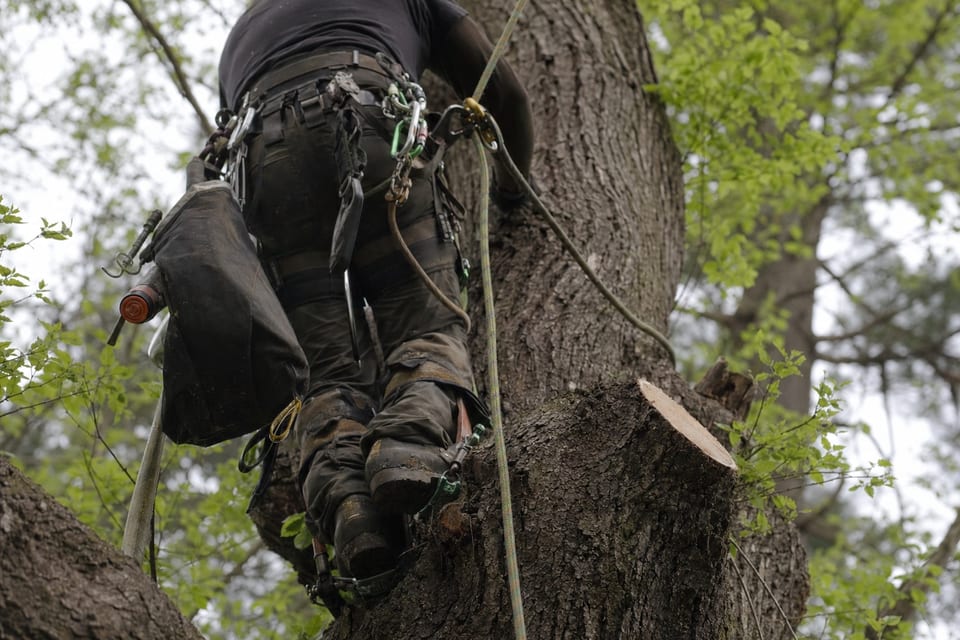
The Science of Tree Care and Maintenance: What is an Arborist?
Arborists are tree care professionals who maintain individual trees through pruning, trimming, disease diagnosis, and removal. Entry-level positions require a high school diploma.
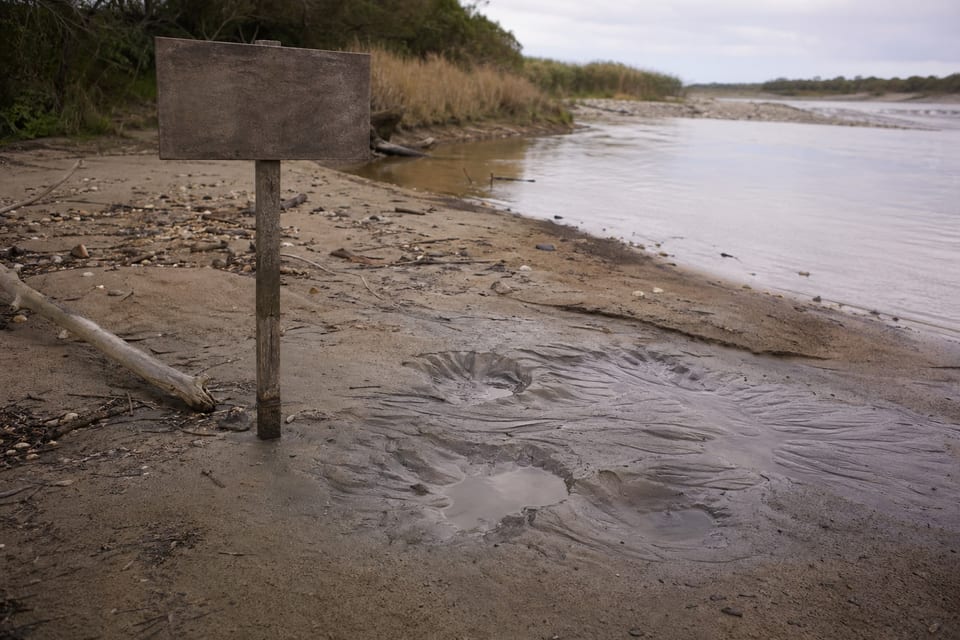
Quicksand Debunked: Where Is Quicksand Found in Reality?
Quicksand forms near moving water and river mouths worldwide. Discover hotspots, avoidance tips, and the surprising physics behind this non-Newtonian fluid.
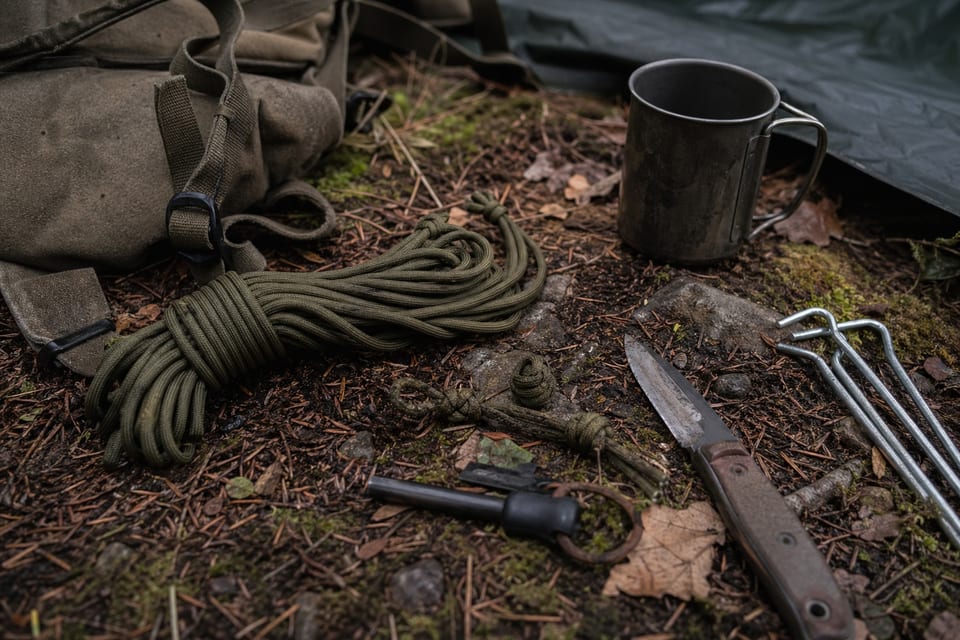
Multiple Strands, Multiple Uses: What is Paracord?
Paracord is military-grade nylon rope with inner strands and woven sheath; durable for camping, crafting bracelets, and outdoor survival.
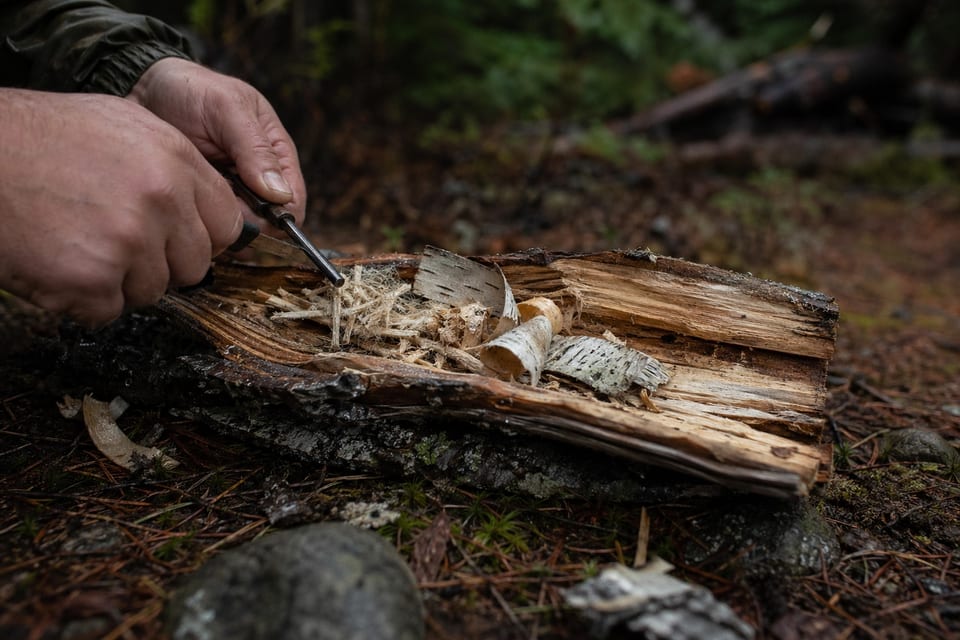
No Dry Wood? No Problem: How to Start a Fire with Wet Wood
Build fires on platforms with four times more tinder, natural firelighters like birch bark, or chemical aids like paraffin wax.
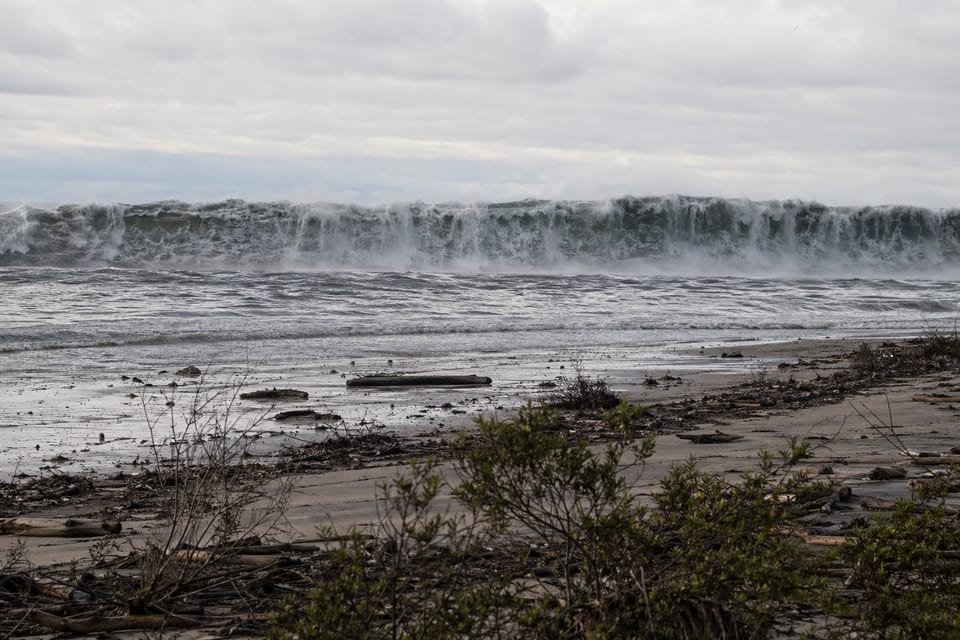
The Science Behind Monster Waves: How Do Tsunamis Form?
Tsunamis form from water displacement caused by earthquakes, landslides, volcanic activity; can reach 500 mph and travel entire ocean basins.
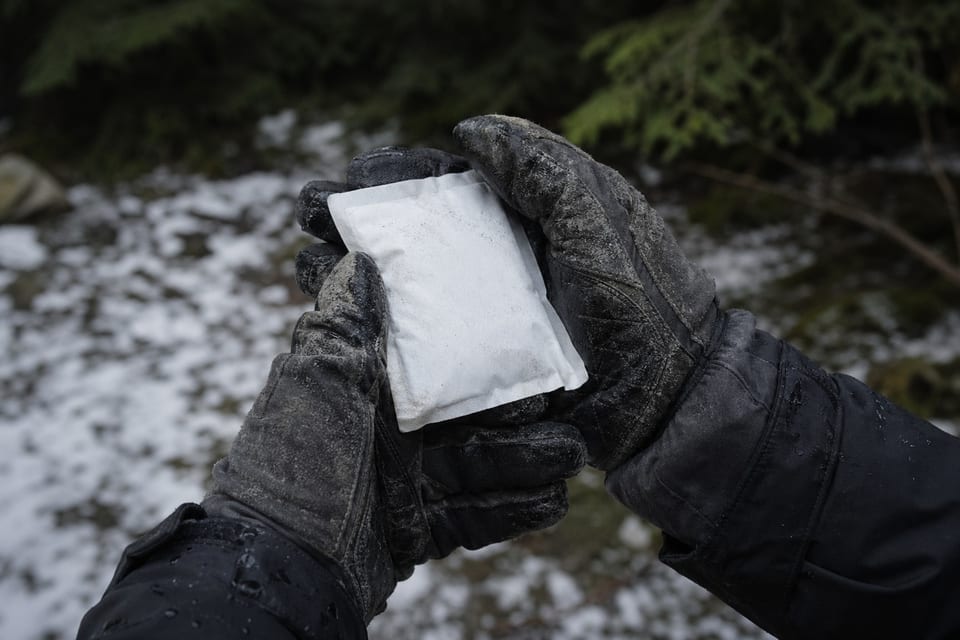
How Do Hand Warmers Work? Exploring The Magic of Chemistry
Hand warmers generate heat via chemical reactions; disposable versions use iron oxidation and last 7 to 12 hours in cold weather.
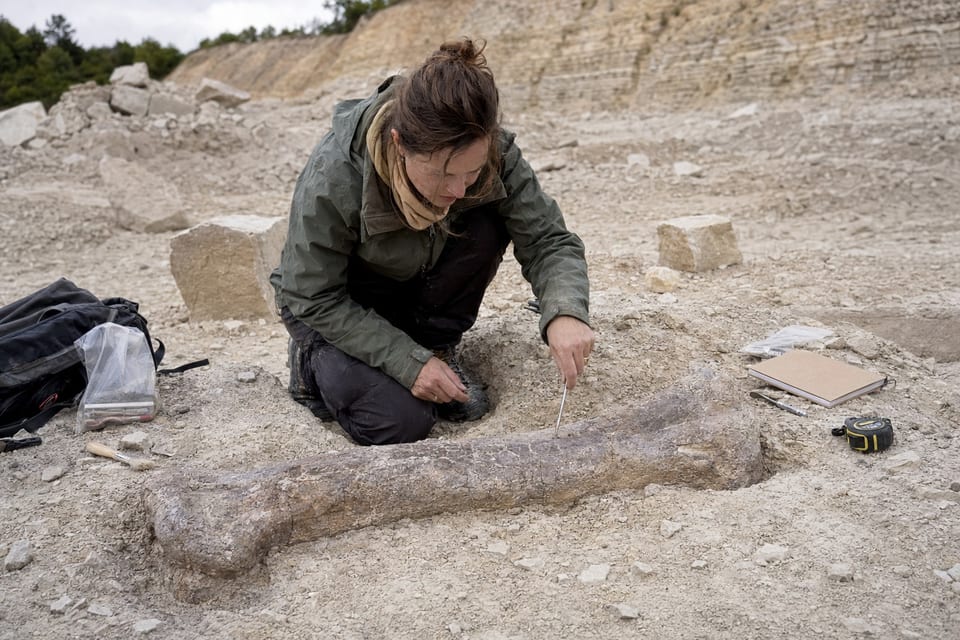
The Unearthing of Prehistoric Life: When Were Dinosaurs Discovered?
Robert Plot found the first dinosaur bone in 1676; Richard Owen coined Dinosauria in 1842 after identifying 3 specimens.
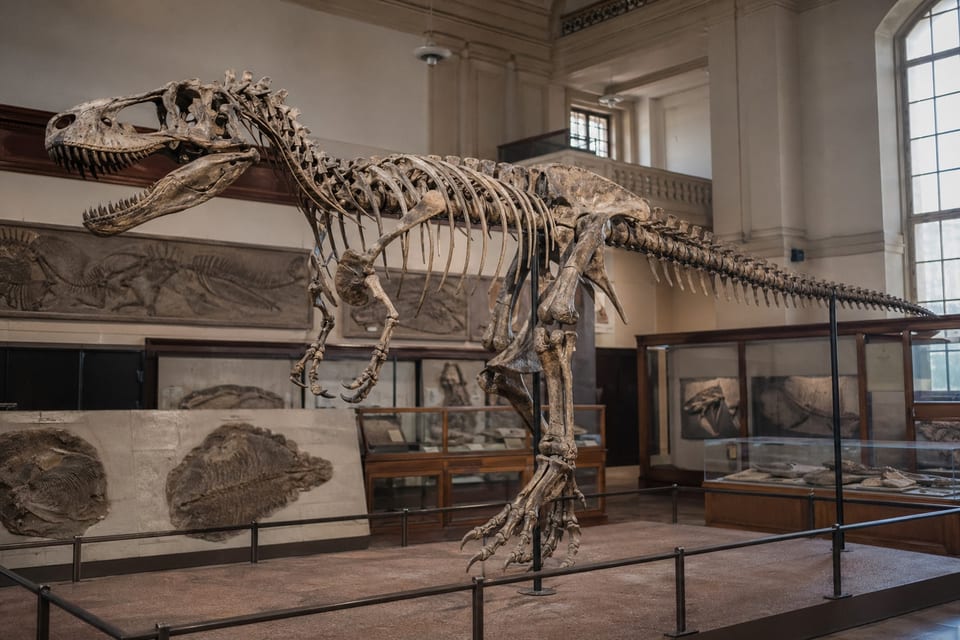
The Classification of Dinosaurs: Are Dinosaurs Reptiles? Exploring the Facts and Science
Dinosaurs are reptiles that lived 245-66 million years ago, defined by upright leg stance and unique pelvic structures. Birds are living dinosaurs.
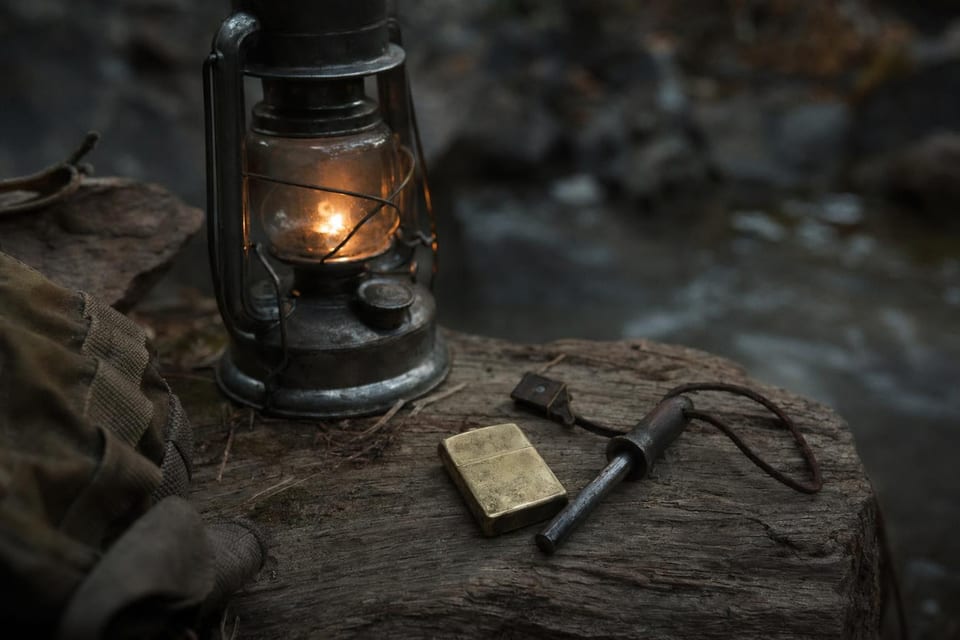
Exploring 20 Types of Lighters: Finding the Perfect Flame for Every Occasion
Choose from 20 lighter types including torch, plasma, spark wheel, Zippo, waterproof, electric coil, and traditional fire-starting methods for any situation.