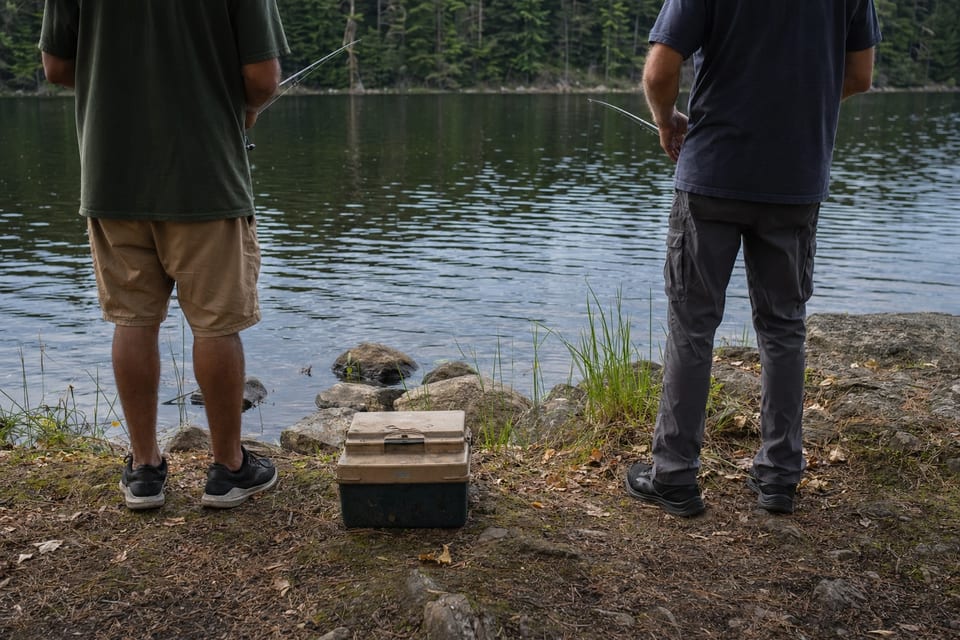
Predicting fish behavior can transform your family fishing trips into rewarding adventures. By understanding the patterns that influence fish activity, you can plan excursions that are both successful and enjoyable. This guide will help you tap into the secrets of fish behavior, enhancing your family’s outdoor experiences.
Fishing is not just about luck; it’s about understanding the environment and the creatures within it. When you grasp the nuances of fish behavior, you significantly increase your chances of a fruitful catch. The concept of using an app that provides a fishing forecast, which involves predicting when and where fish are most active, is crucial for planning effective trips. This insight can transform your fishing excursions into enjoyable learning experiences for the whole family.
Factors Affecting Fish Behavior
Fish behavior is influenced by a variety of environmental factors that dictate their patterns and routines. Water temperature affects fish metabolism and activity levels. During colder months, fish tend to be sluggish, while warmer temperatures can make them more active and thus easier to catch.
The time of day also plays a significant role in fish activity. Many species are most active during dawn and dusk when they feed heavily. Seasonal changes further complicate this picture; spawning seasons, for example, can drastically alter where and when fish are found. Understanding these factors helps in pinpointing the best times to fish, enhancing your family’s chances of success.
Barometric pressure is another critical factor that experienced anglers monitor closely. Fish are highly sensitive to changes in atmospheric pressure, which affects their swim bladders and feeding patterns. A falling barometer often signals an approaching weather front and can trigger aggressive feeding behavior as fish sense the change. Conversely, high-pressure systems typically result in clearer skies and calmer waters, but may cause fish to become less active and move to deeper waters. Teaching your family to observe cloud formations and weather patterns adds another dimension to your fishing education, helping everyone understand the interconnected relationship between atmospheric conditions and aquatic life.
Tools and Techniques for Predicting Fish Activity
To effectively predict fish activity, you can use various tools that provide insights based on environmental data. These resources interpret data from weather conditions, tide movements, and lunar phases to forecast fish behavior. While specific apps or services aren’t named here, plenty of options exist that analyze these factors to suggest optimal fishing times.
Families can leverage these tools to schedule their fishing outings with precision. By planning trips around peak activity periods indicated by these forecasts, you maximize the likelihood of encountering active fish. This approach not only improves catch rates but also enriches the educational aspect of the trip, offering real-time lessons in environmental science.
Planning a Family Fishing Trip
Incorporating predictions of fish activity into your family’s fishing plans is both practical and exciting. Begin by selecting a location known for its accessibility and abundance of fish during predicted peak times. Consider involving all family members in setting up equipment or choosing bait, turning preparation into an engaging group activity.
Besides fishing, plan additional activities such as nature walks or picnics to keep everyone entertained. Make it educational by discussing how the weather affects aquatic life or identifying different species found in the area. These strategies ensure that each trip becomes a memorable adventure filled with learning opportunities for all ages.
Enjoying Nature with Mindful Fishing Practices
The key points discussed highlight how predicting fish activity elevates your family’s fishing experiences. By understanding environmental influences and using available tools effectively, you create more successful and enjoyable outings. Embrace these insights to enrich your family’s connection with nature through informed fishing practices.
Engaging in fishing as a family is more than catching fish; it’s about fostering a love for the outdoors and appreciating natural ecosystems. As you plan your next trip armed with newfound knowledge of fish activity, you’ll find yourselves not only catching more but also building lasting memories together.