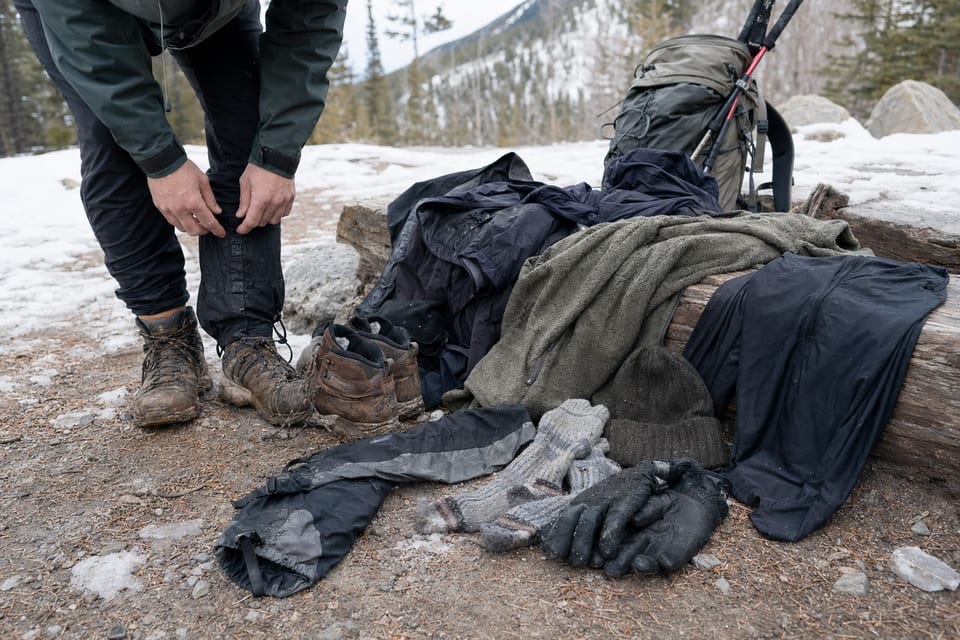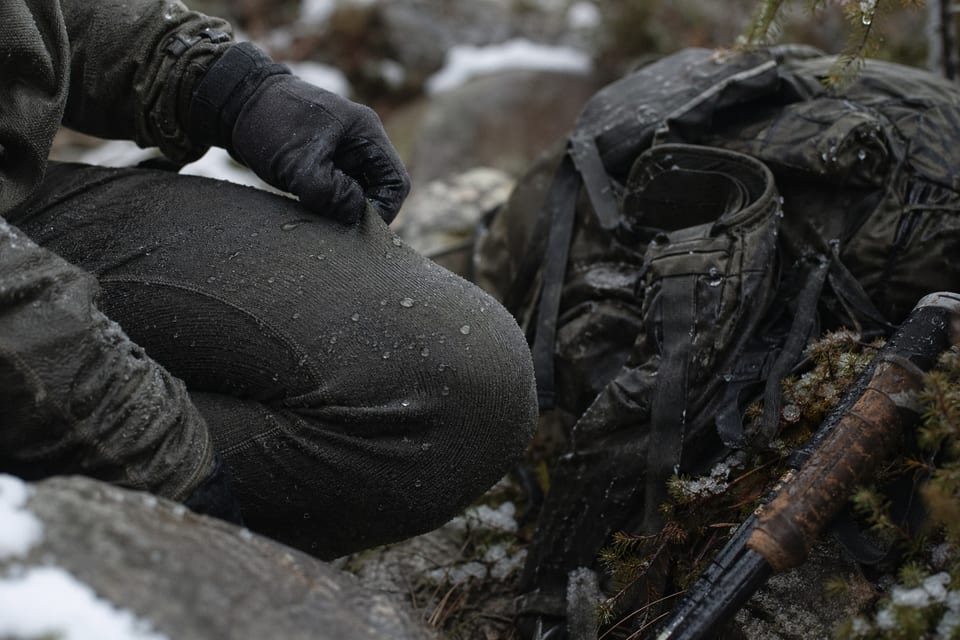
The warmth of a material can considerably depend on weather conditions. Certain materials retain warmth in dry weather but lose a considerable amount of heat in wet weather.
Wool is known to retain heat even when wet; this fact is attributed to its physical and chemical properties. Paired with efficient synthetic layers, wool can serve as an excellent insulator for outdoor clothing.
But aside from wool, what other materials provide warmth even when wet?
5 Best Materials for Providing Warmth
Wool
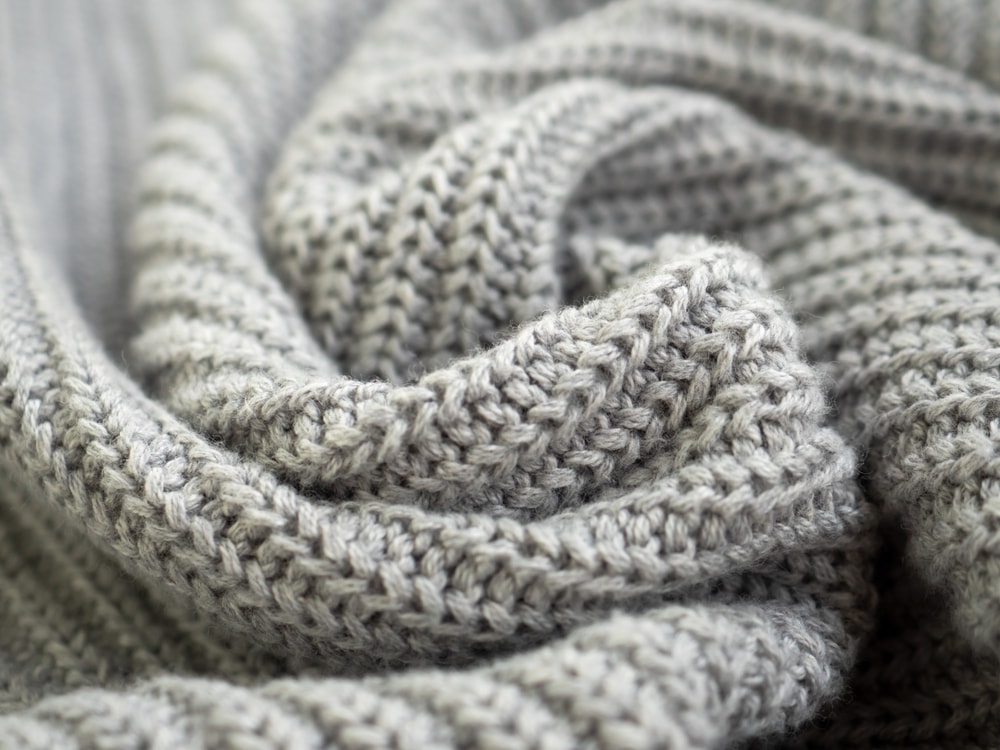
As mentioned, wool is a natural fiber that has excellent insulation properties, even when wet.
It can absorb a significant amount of moisture without feeling damp, making it a reliable choice for cold and wet environments.
Wool fibers have a natural crimp that traps warm air, providing insulation even when wet.
Merino wool, in particular, is known for its moisture-wicking and temperature-regulating properties. We’ll go over more details about Merino wool later.
Synthetic Insulation (Primaloft, Thinsulate, etc.)
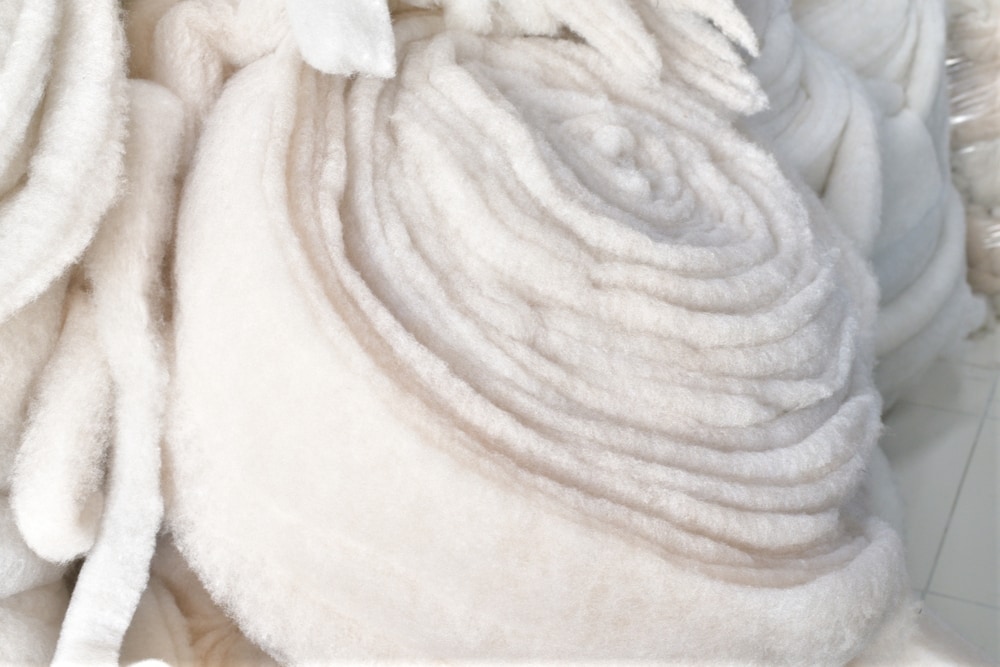
Many synthetic insulation materials, like Primaloft and Thinsulate, are designed to mimic the insulating properties of down while retaining warmth when wet.
These materials are often used in outdoor clothing, sleeping bags, and gloves.
They are hydrophobic, meaning they repel water and maintain their insulating abilities even in wet conditions.
Fleece
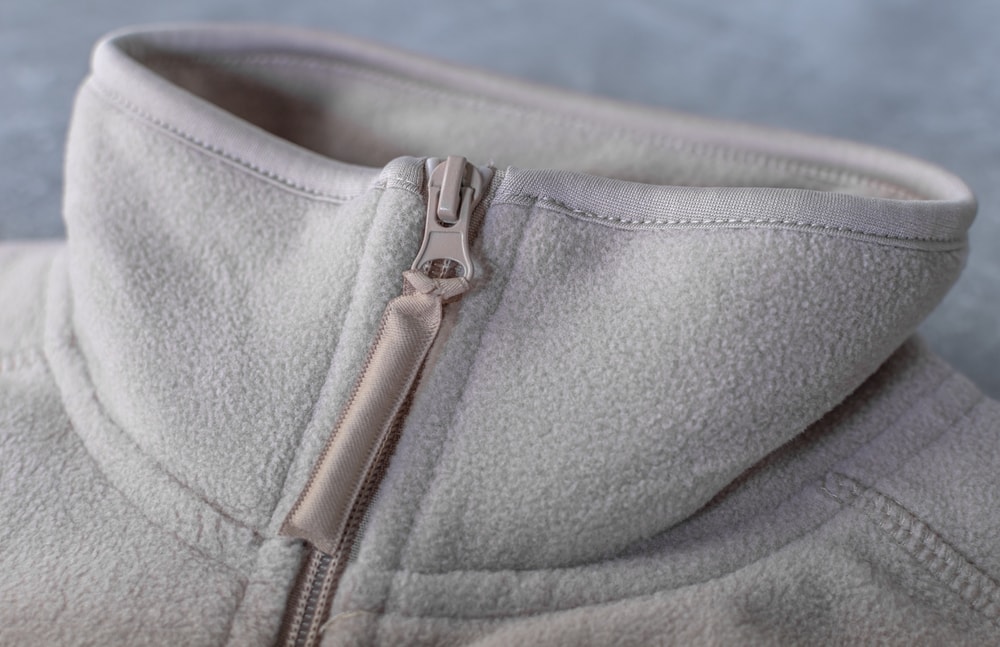
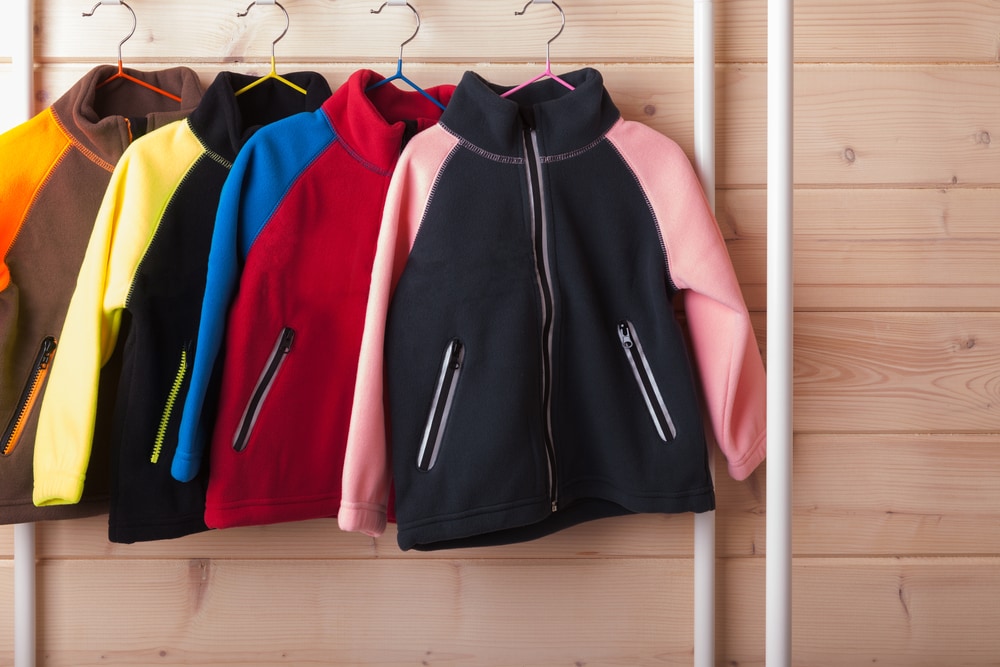
Fleece is a synthetic fabric known for its warmth and moisture-wicking capabilities. It retains its insulating properties when damp, making it a popular choice for mid-layer garments.
Fleece dries relatively quickly, which is beneficial for maintaining warmth during physical activity.
Polartec Alpha
Polartec Alpha is an advanced synthetic insulation material designed for active wear. It provides warmth and breathability, even when wet, making it ideal for high-intensity outdoor activities.
Alpha insulation is often used in jackets and vests designed for cold and wet conditions.
Neoprene
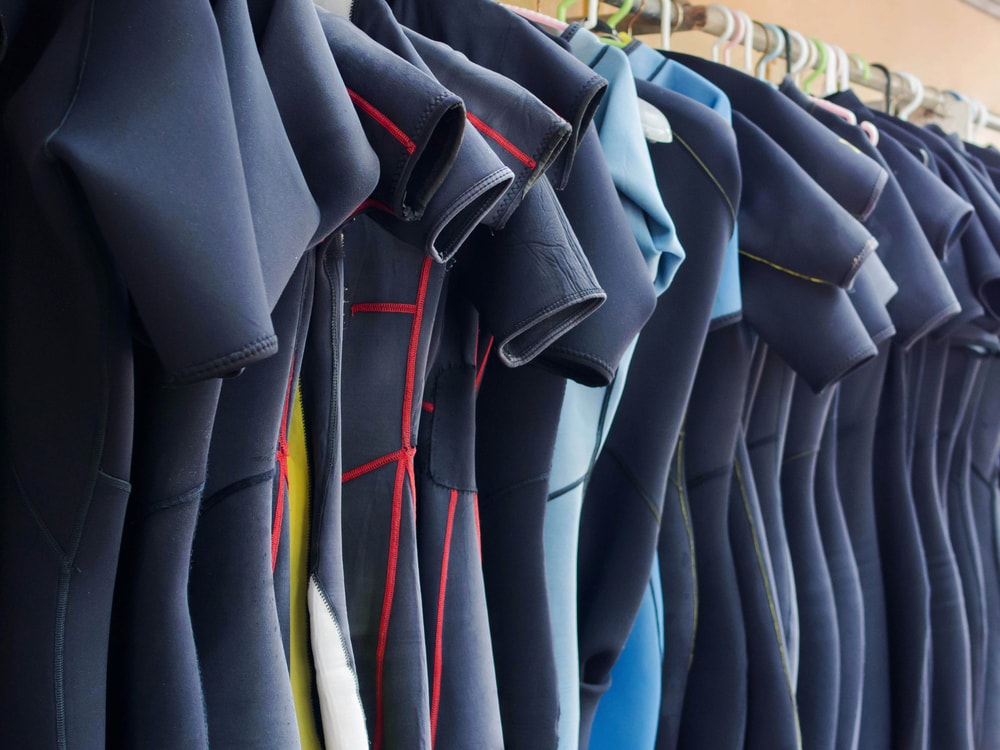
Neoprene is a synthetic rubber material commonly used in wetsuits.
It has excellent insulating properties and can maintain warmth even when submerged in water. While not a traditional choice for clothing, neoprene can be used in gloves, footwear, and other gear for cold and wet environments.
Here’s a table with all the pros and cons of each material for your convenience:
| Material | Pros | Cons |
|---|---|---|
| Wool | Excellent insulation when wet, absorbs moisture without feeling damp, naturally odor-resistant, biodegradable | Heavier and bulkier than synthetics, could be more expensive, may be itchy for some people |
| Synthetic Insulation (Primaloft, Thinsulate) | Maintains insulating properties when wet, lightweight, dries quickly, generally more affordable than wool | May not be as breathable as other materials, can lose efficacy over time |
| Fleece | Good insulation when damp, quick to dry, soft and comfortable, generally affordable | Less insulating in extremely cold conditions, tends to pill over time |
| Polartec Alpha | Maintains warmth when wet, provides excellent breathability, lightweight, compressible | More expensive than traditional fleece or synthetic insulation |
| Neoprene | Very good insulation even when wet, durable, provides a snug fit when used in gear | Not common for general outdoor clothing, less breathable than other materials |
Merino Wool
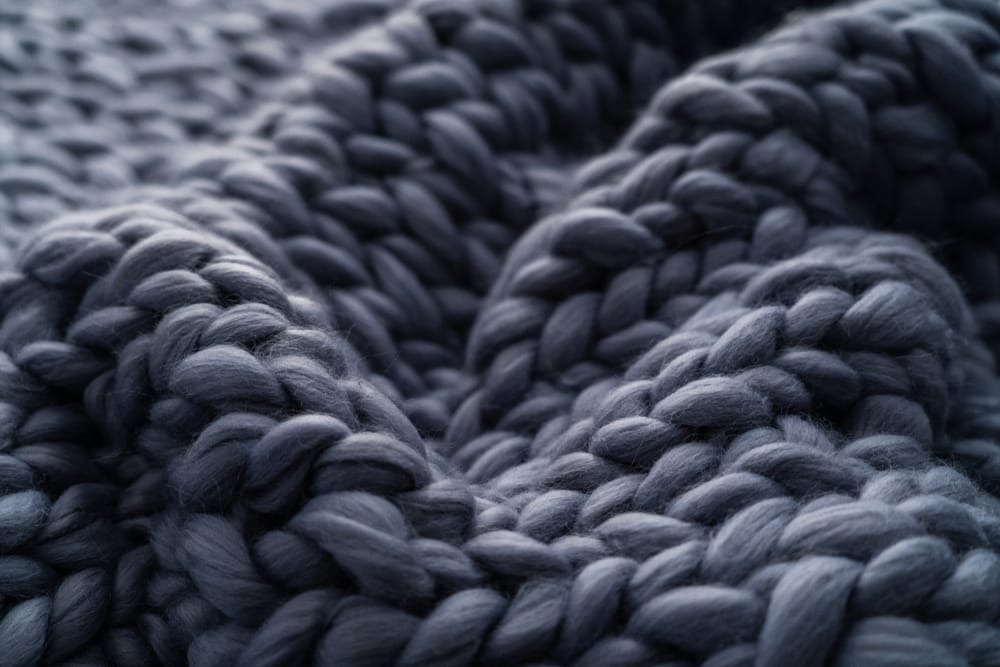
Merino wool originates from a special breed of Merino sheep. Its thickness is barely one-third that of human hair, making it soft and non-itchy compared to regular wool.
Merino wool fibers are highly porous, enabling them to instantly absorb water vapor or liquid sweat. This trait is not shared by many synthetics that require sweat to evaporate with the body’s heat before it is wicked to the outer layer.
Merino wool also has the ability to lock bacteria within its fibers, thereby preventing the creation of odor.
Bacteria are known to prefer smooth surfaces, unlike the scaly plates of merino wool when viewed under a microscope. However, it’s worth noting that merino wool is not entirely odor-proof.
PET Fleece vs Wool
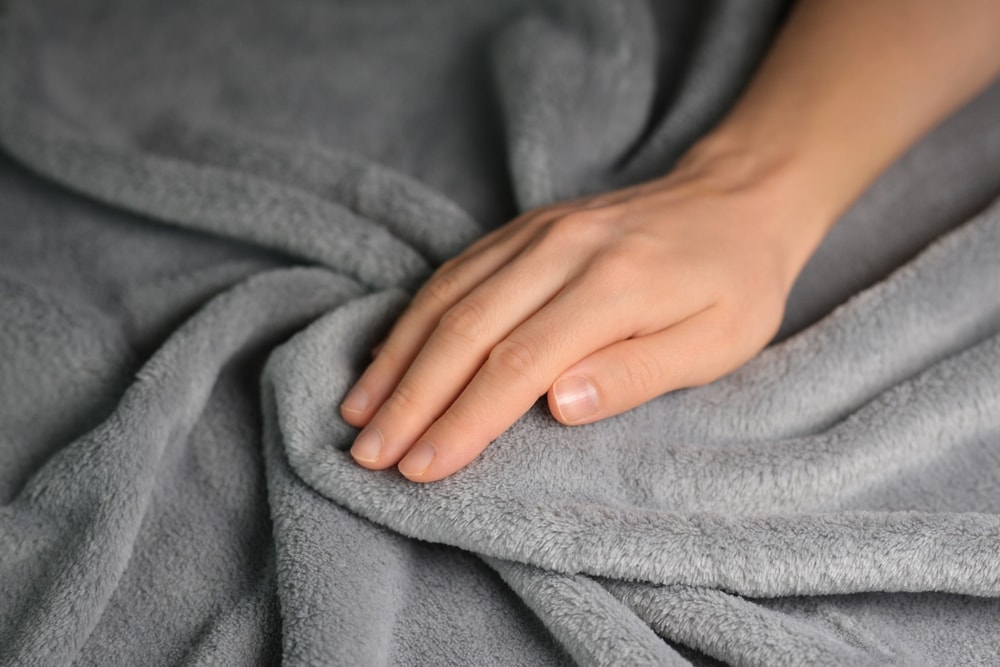
When it comes to insulating capabilities, the “clash of the titans” is between PET (polyethylene terephthalate) fleece and wool. The ideal choice between these two depends on weather conditions. Here’s a quick comparison:
| Property | Wool | Fleece |
|---|---|---|
| Water resistance | Resists water for longer | Loses much of its insulating properties when wet |
| Wicking ability | Superior | Good |
| Odor-resistance | Yes | Tends to hold odors |
| Warmth when wet | Stays warm | Loses heat when wet |
| Weight | Heavier | Lighter |
| Comfort | Could be itchy for some people | More comfortable |
| Price | More expensive | Relatively cheaper |
In dry, cold weather, fleece is hard to beat in terms of comfort, lightness, and warmth. It’s particularly suitable if you need to move around a lot.
However, once it gets wet, its behavior changes, acting more like cotton and wicking heat away from your body.
In wet, cold, and rainy conditions, wool can still keep you warm. It can absorb up to 30% of its weight in moisture before feeling damp. While it may become heavy and possibly itchy, it’s the best material for providing warmth.
You may also like: Breaking Down the Myth: Can You Go Hiking in Jeans?
How Does Heat Loss Happen?

Heat loss in the human body occurs in three significant ways:
- Radiation: This accounts for 60% of heat loss from a human body. Infrared rays are emitted from your body when the surrounding temperature is lower.
- Evaporation: Around 22% of body heat loss occurs through sweat evaporation. Even when not sweating, the body loses heat from the lungs and skin at a rate of 600 to 700 mL per day.
- Conduction and Convection: This happens when skin is exposed to wind (15%) or cold objects (3%). The moving air moves the warm air away from the body.
Layering for Warmth

Layering is a crucial technique for maintaining comfort in outdoor settings.
This method becomes particularly important when temperatures fluctuate significantly throughout the day or when weather conditions are likely to change.
You can consider implementing a 3-layer or 4-layer system, which are the most common layering systems.
The purpose of layering is to achieve the following:
- Wick moisture away from your body
- Trap heat close to your body
- Insulate you from the cold
- Form a barrier against wind and weather
The four-layer system typically involves an outer shell layer, an insulative layer, a midlayer, and a base (inner) layer.
Base Layers

The main function of the base layer is to wick sweat away from your skin, while the layers above primarily serve as insulators.
Base layers can be composed of either wool or synthetic materials. Merino wool is a popular base layer choice because it’s not as itchy as regular wool.
Cotton is not recommended for a base layer because it retains moisture close to your body, leading to excessive heat loss.
The weight and thickness of your base layer should also be considered. Actually, a thinner base layer is recommended for winter sports because, despite the cold, you can potentially overheat due to the high level of exertion.
Synthetic Base Layers
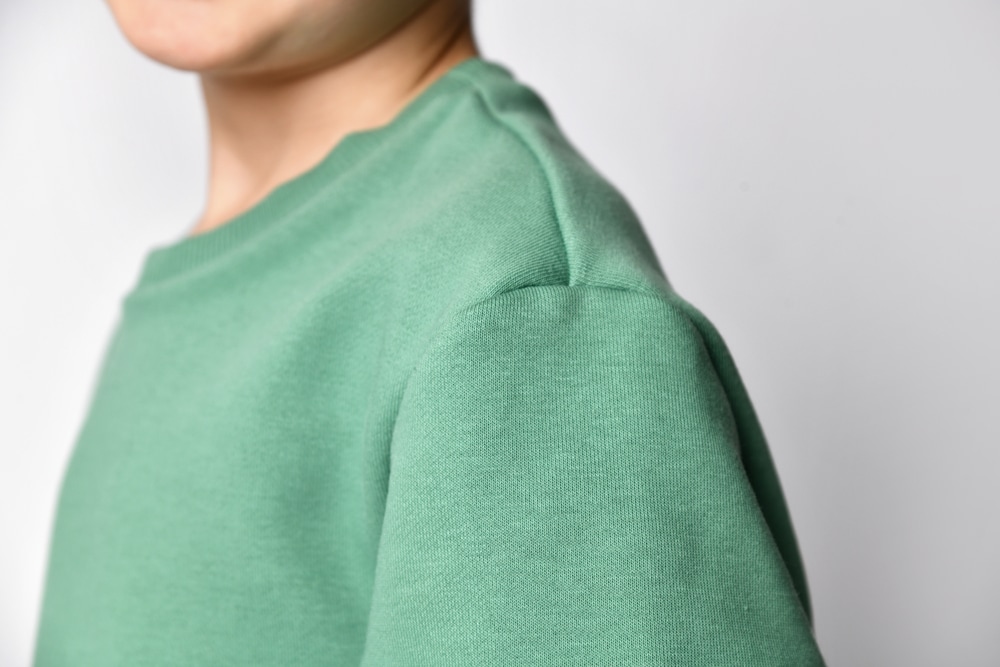
Synthetic base layers are typically made of polypropylene or polyester and other new-age fabrics like Capilene.
They are particularly useful for high-intensity activities like technical mountaineering or skiing, where individuals tend to get hotter and sweat more. They are also more likely to tear their clothes on rocks.
Pros:
- Durable.
- Not itchy.
- Dries quickly.
- Cheaper than wool.
Cons:
- Retains body odor.
Natural Base Layers
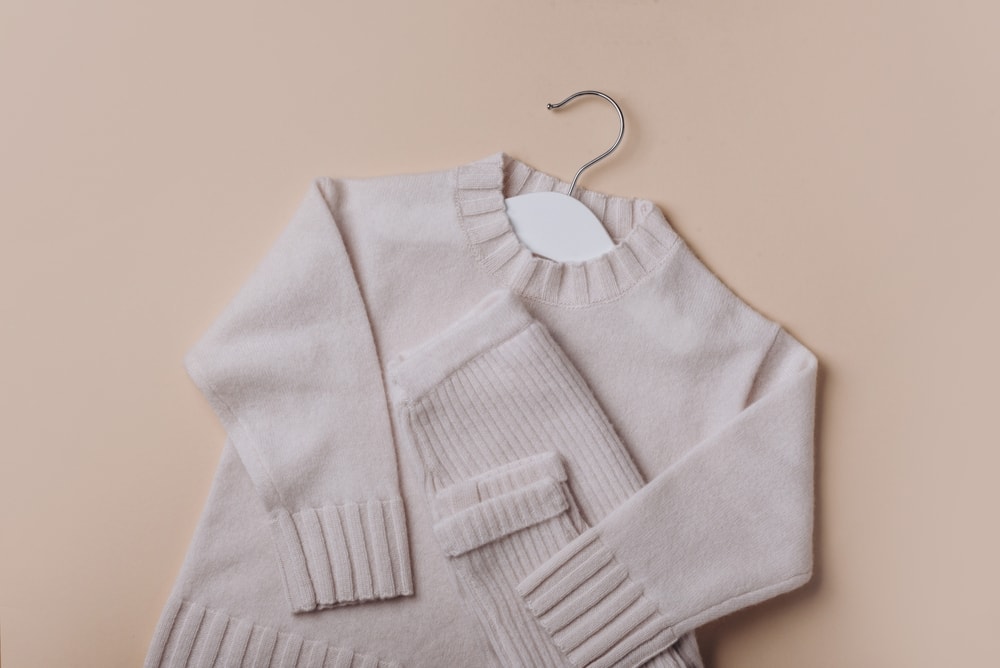
Natural base layers are usually crafted from merino wool. It’s the best choice for less intense outdoor activities like hiking, where you are less likely to rip your clothes.
Pros:
- Doesn’t hold body odor.
- Keeps you warm even when wet.
- Suitable for a wide range of temperatures and conditions.
Cons:
- More expensive than synthetic.
- Wool can itch sensitive skin.
- Difficult to machine wash or requires hand washing.
- Wears out more easily than synthetics.
Midlayer Clothing
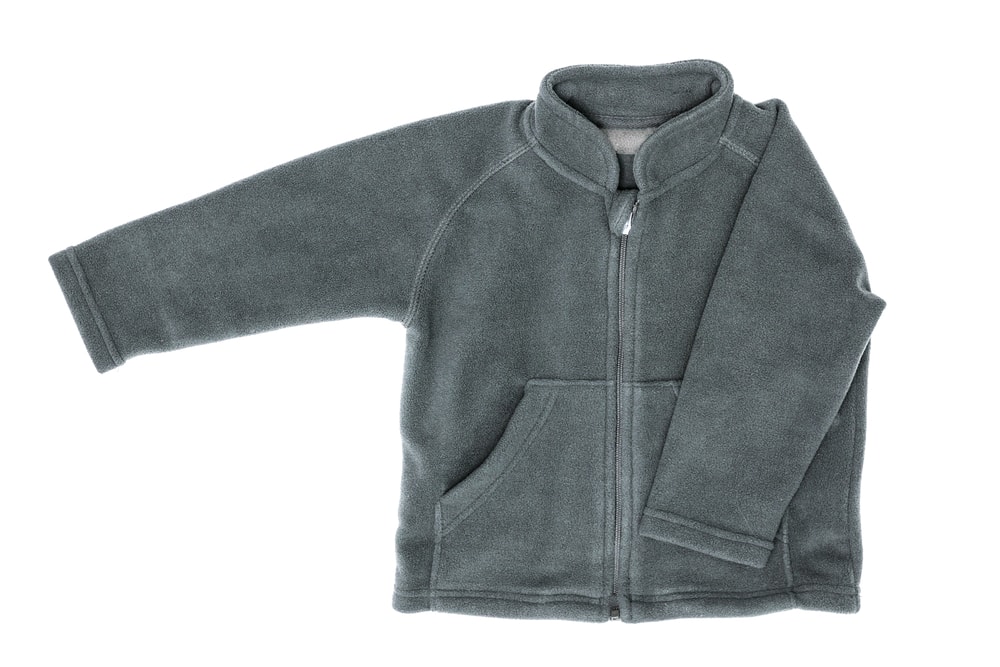
The primary purpose of the mid-layer is to provide insulation. While breathability is necessary, it doesn’t need to be as substantial as that of the base layer.
The fibers of mid-layer clothing often have some loft, much like wool, which helps trap body heat.
Mid-layer clothing often comes with a stated weight; numbers range from 1 to 4 to represent insulative properties.
Mid-layer garments can be either thick wool or synthetic fleece. It’s advisable to get a mid-layer with full-length zips to facilitate temperature regulation.
Polar Fleece
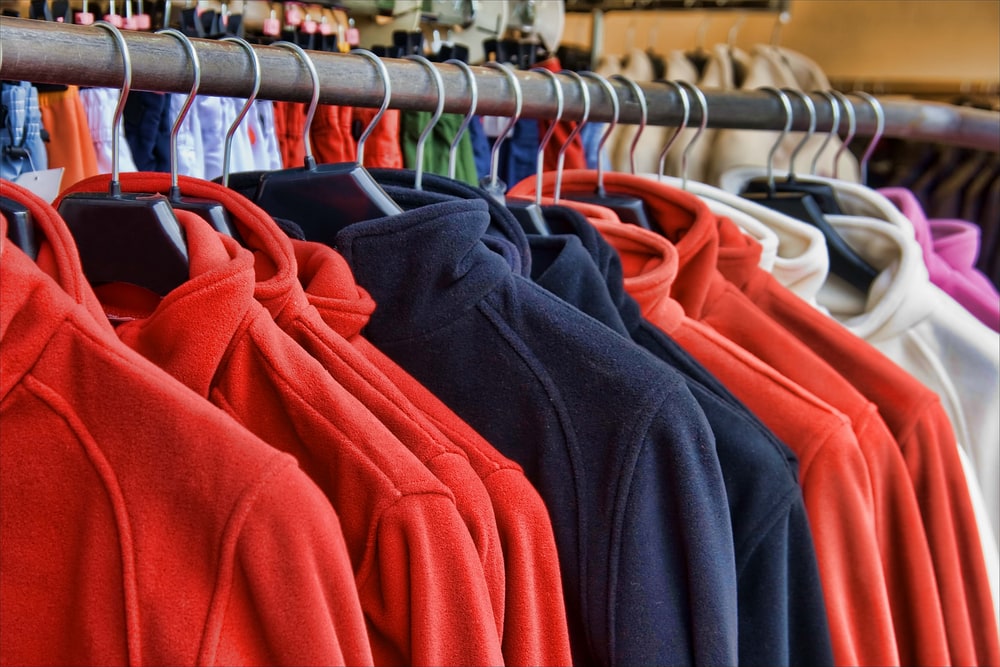
Polar fleece is synthetic but is designed to function like wool. Invented in the 1970s, synthetic fleece is made of PTFE, which can be recycled from plastic bottles.
Softshell fleece, a blend of insulating PTFE fleece and water-resistant softshell, is also available.
However, fleece loses much of its insulative properties when wet, so it’s best to pair it with a high-quality waterproof outer shell.
Pros:
- Machine washable.
- Remains light when wet.
- Doesn’t absorb water and dries quickly.
- Doesn’t itch.
- Cheaper than wool.
Cons:
- Retains smells.
- Plastic fibers wash into the water table during laundry.
- Not great at retaining heat when wet.
Insulative Layer
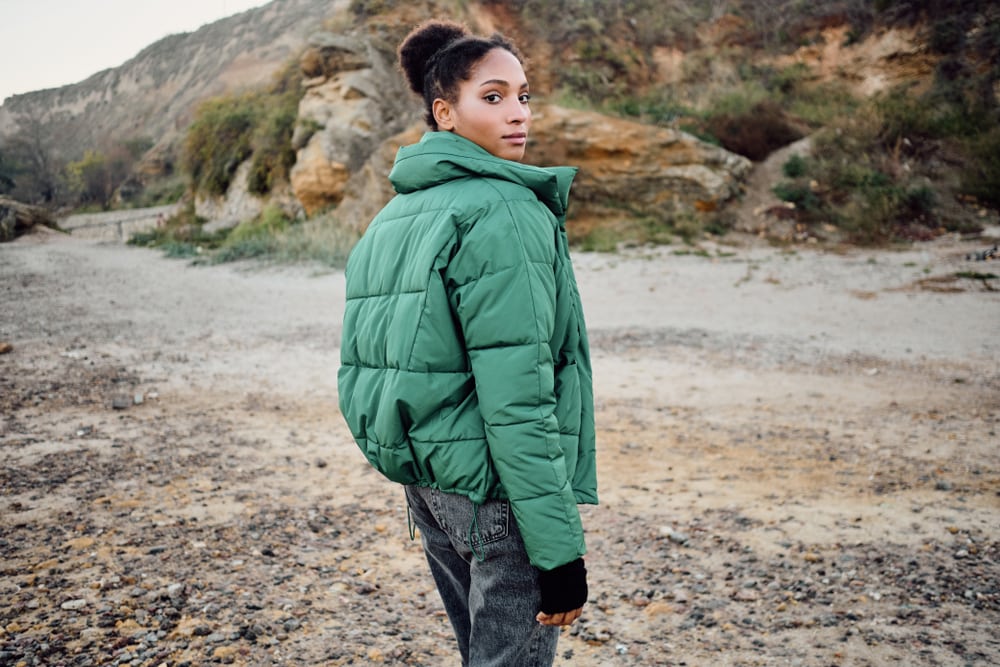
The insulative layer is a thicker version of the base layer. Ensure that there’s ample space between your inner and outer layers to accommodate the insulative layer, as it can be bulky.
You can also wear it as an outer layer, provided it’s not raining. Light down jackets fall into this category. Insulating layers can be either synthetic or down.
Down
Down is derived from the fluffiest feathers of ducks and geese. Its structural morphology enables it to trap heat effectively, making it the most effective insulator made from natural fibers.
Pros:
- Biodegradable.
- Efficient at trapping heat.
- Recyclable.
Cons:
- Not vegan.
Outer Shell Layer
The outer shell can be as simple as a basic rain jacket over your fleece. It’s adequate for a day hike on flat terrain.
The primary function of the outer shell is to provide waterproofing and windproofing.
If you engage in long-distance hiking or travel across mountainous terrain where a wet insulative layer could be fatal, consider a technical outer shell. Such shells are made of breathable yet weatherproof fabric like Gore-Tex.
There are two types of outer shells: hardshell and softshell.
Softshell
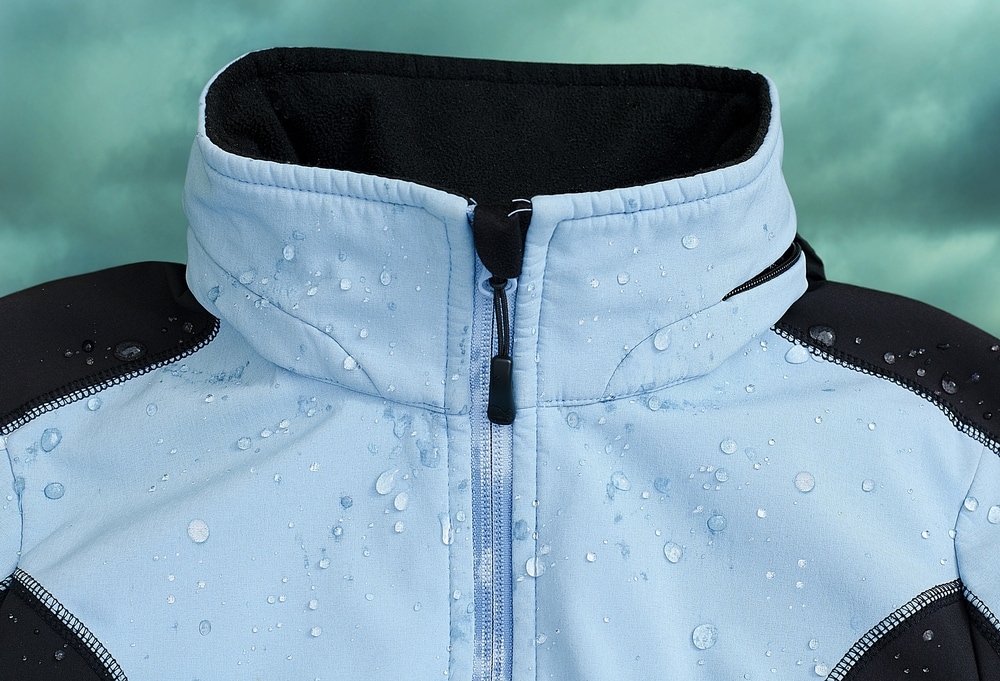
Softshell fabric is warm, durable, and water-resistant, though not fully waterproof. It’s more breathable than a hard shell outer layer and is often the choice of mountaineers who need more breathability.
When facing extreme wet weather, they quickly zip on a hard shell outer layer and remove it as soon as the weather passes.
Pros:
- Durable.
- Water-resistant in light rain.
- Windproof.
- Breathable.
- Flexible.
Cons:
- Not fully waterproof.
Hardshell

Hardshell outer layers are completely waterproof. Check for taped seams and vents on outer gear to enhance breathability. Long zips are very useful if you don’t want to remove your boots.
Hardshell is excellent if you plan to sit around in a rainy camp. However, it’s better to switch to a softshell or fleece for strenuous exercise, where your sweat could get trapped inside the hardshell.
Pros:
- Weatherproof.
- Light.
Cons:
- Not very breathable.
- Can restrict movement.
You may also like: How To Stay Warm In A Tent: 20 Actionable Tips
Layering in Summer and Winter

In summer, depending on your location, you may choose to exclude either the mid-layer or the insulative layer, thus using a 3-layer system instead of a 4-layer one.
To save weight, consider purchasing mid-layer clothing with a waterproof layer, removing the need for a wind jacket layer.
Winter sports jackets, like ski jackets, often have a combined outer shell and insulation, aiding ease of movement and reducing weight.
In winter, the additional layer could mean the difference between comfort and freezing, which is why a 4-layer method is recommended.
Fun Facts
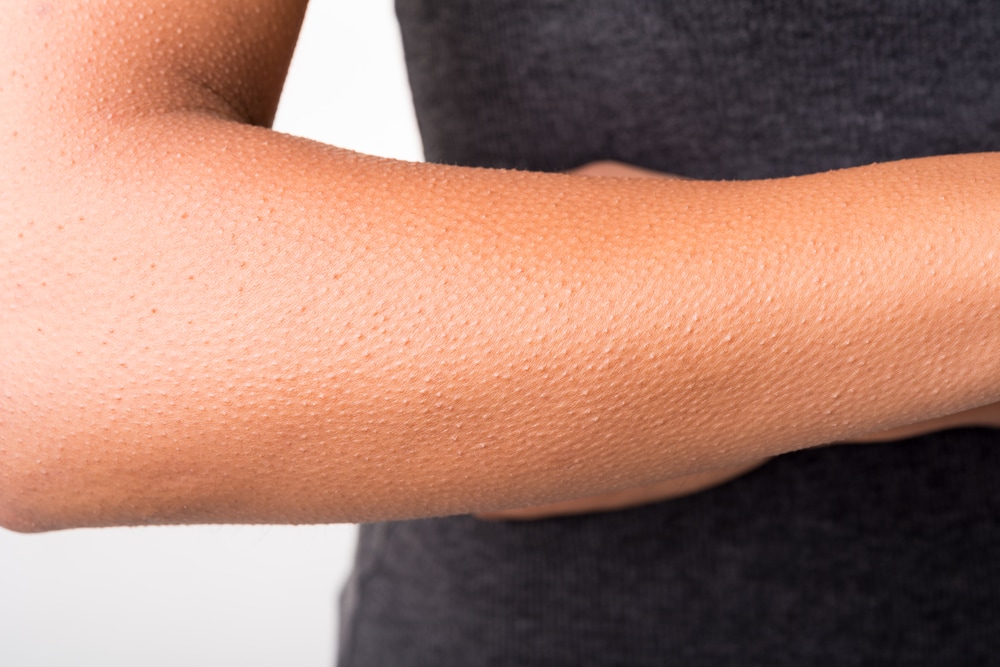
- Having goosebumps from the cold is known as piloerection.
- In 1968, Richard Dailey, a US backwoodsman, sheltered inside a dead horse for warmth. He and his friend had to shoot their horses and climb inside them when they got hypothermia on Cuddy Mountain near Oregon.
- Chemical hand warmers, such as those containing iron powder and salt, produce heat when exposed to air. They’re a handy, flameless way to keep warm in cold weather.
- Space blankets are often used by outdoor enthusiasts to retain body heat in emergency situations. These blankets are made of Mylar, a material that reflects heat back to the body.
- There’s a general rule of thumb for dressing in cold weather. Keep your head and neck covered when it’s -6 °C, your body insulated when it’s 10 °C, and your extremities (hands and feet) warm when it’s 32 °C.
FAQs
Does wool have a chemical reaction that produces heat when wet?
Wool can self-heat when wet due to a bacterial reaction, similar to that which happens in compost heaps. Wet baled wool can reach 76°C, while aerated wet wool can reach 102°C under certain conditions.
Why doesn’t cotton hold warmth like wool does?
Cotton fibers absorb a lot of water and cling to the body, absorbing heat from your body and wicking it away. This is beneficial in hot climates but not ideal in snowy conditions.
Cotton fibers don’t trap heat, unlike wool fibers, which have kinks to trap heat. Also, wool is a poor conductor of heat, keeping the heat close to your body.
Do extreme winter sports enthusiasts need the thickest base layers?
Winter sports tend to generate a lot of excess heat. As a result, participants often opt for thinner base layers to prevent overheating.
However, during rest or low-impact winter activities like hiking, thicker base layers are recommended.
Which is the warmest clothing material when dry?
Both PET fleece and wool are excellent insulators when dry. However, PET fleece is more comfortable, lighter, and cheaper than wool. Therefore, in dry, cold conditions, fleece is the best material to use for insulation.