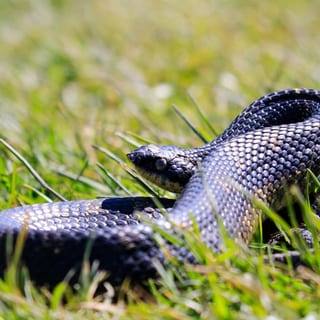
Wildlife
Species profiles, behaviour notes, and conservation stories from the wild. Written by field-grade writers and reviewed by biologists.
295 stories in Wildlife · Page 9 of 25
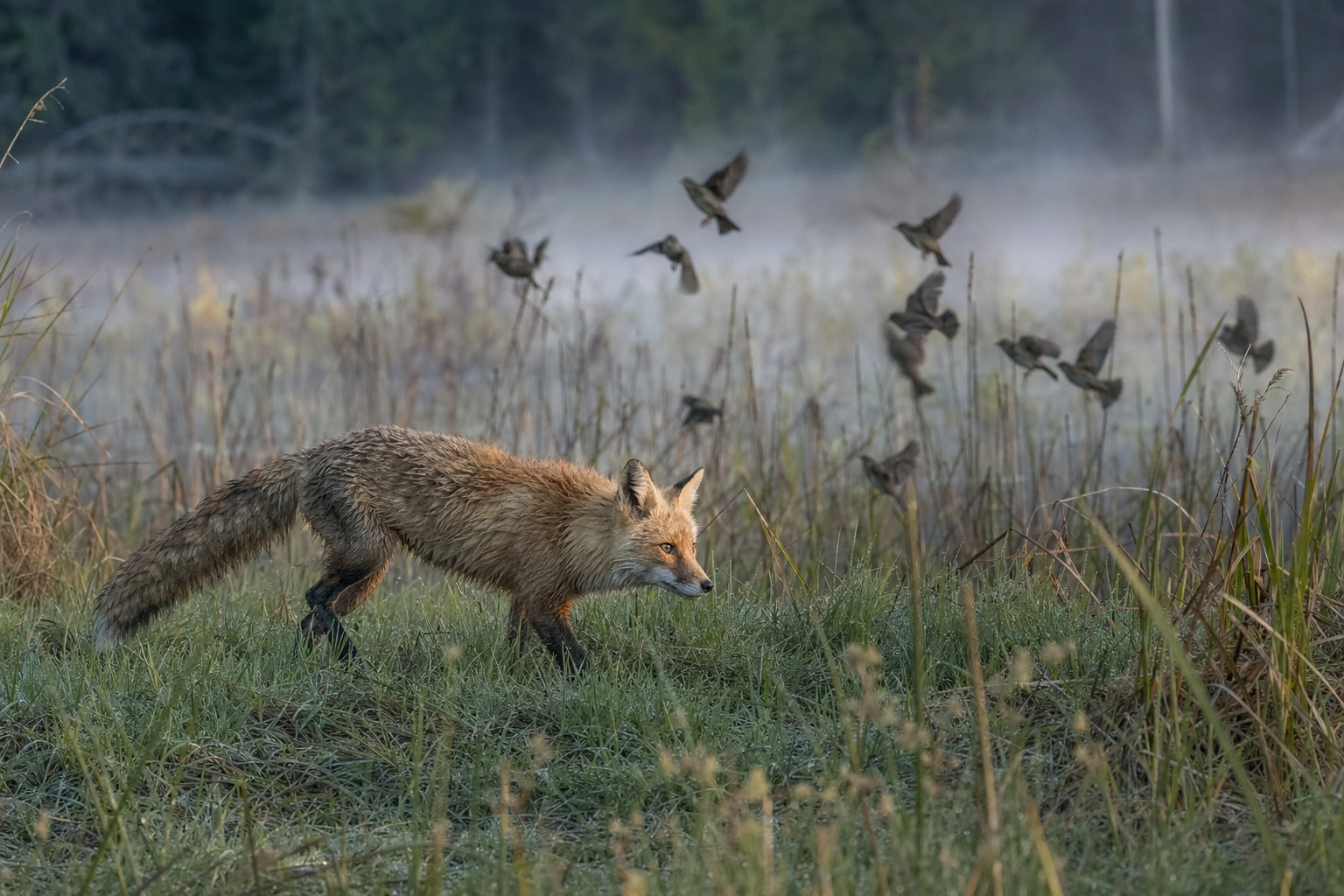
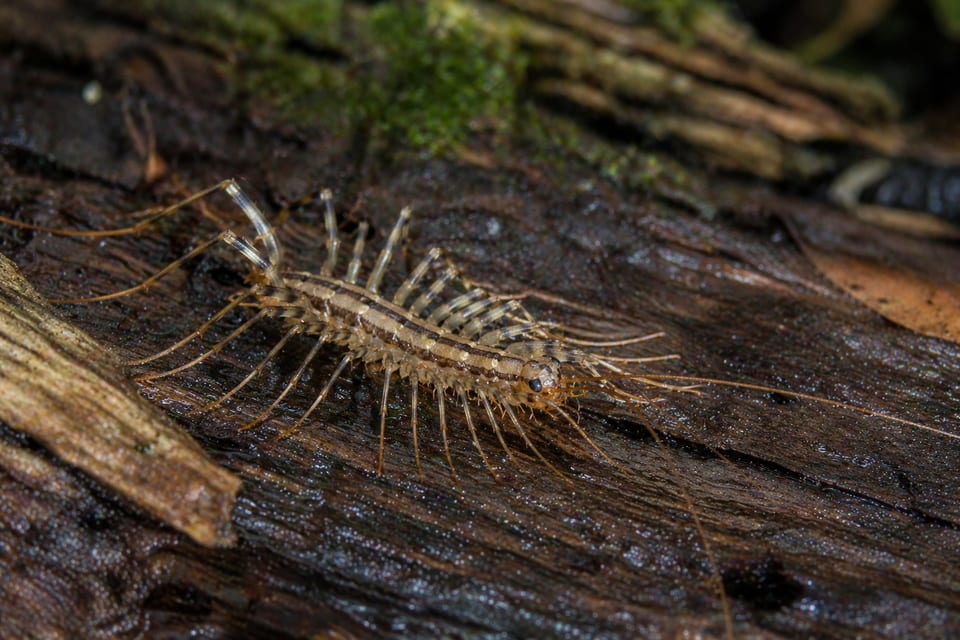
Are Centipedes Poisonous? Discover the Truth About These Creepy Crawlers
All centipedes are venomous but not poisonous. Their venom isn't lethal to humans; bites are painful but comparable to bee stings.
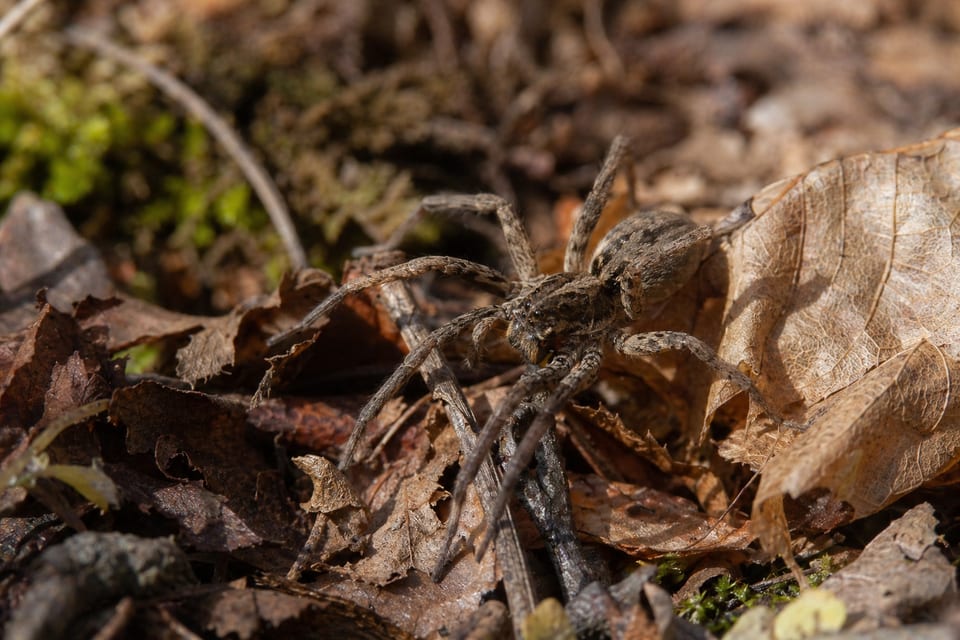
How Long Do Spiders Live? Unraveling the Mystery of Spider Lifespans
Spider lifespans range from under a year to nearly twenty years, with males living shorter lives than females due to mating-related deaths.

How Do Snakes Mate? An Exploration of Their Unique Reproductive Methods
Snakes mate via mating balls or one-on-one; 70 percent lay eggs while 30 percent give live birth, some without needing a male.
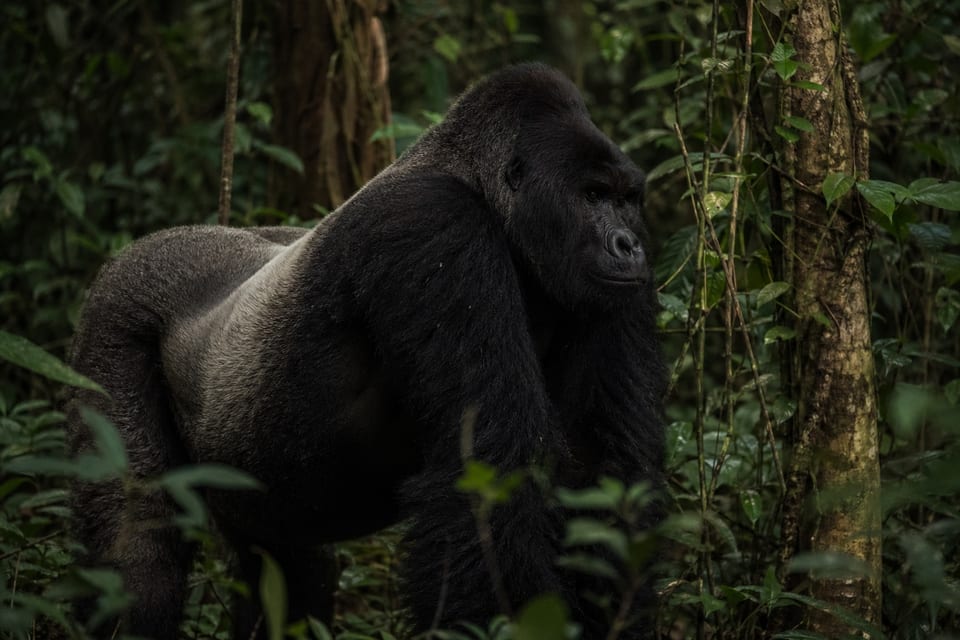
How Strong is a Gorilla? Discover the Astounding Power of Our Primate Cousins
Gorillas can lift 10 times their body weight with 4 times stronger muscle mass and 3 times thicker bones.
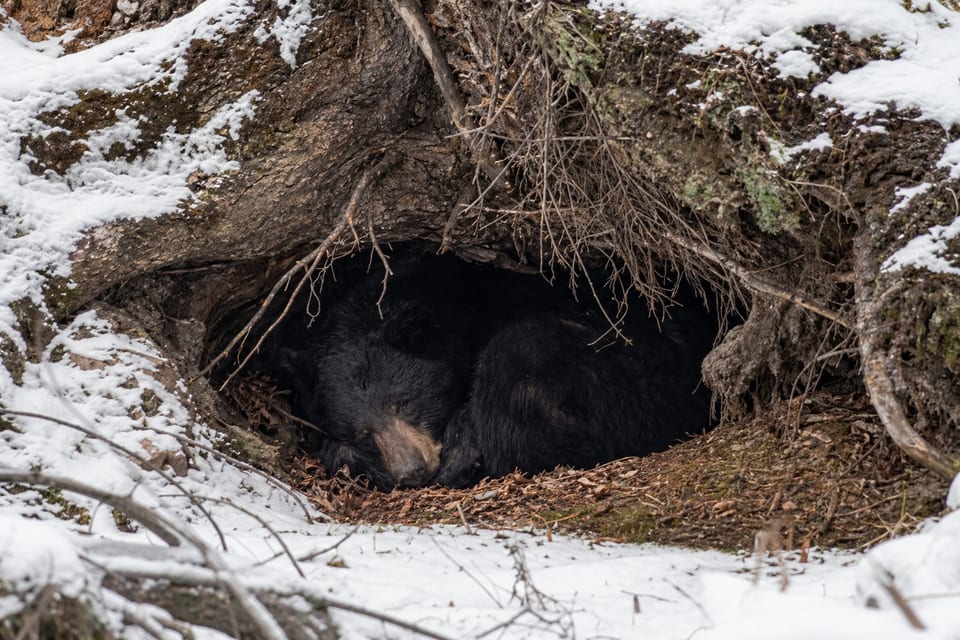
13 Fascinating Animals That Hibernate: Nature’s Masters
13 hibernating animals enter torpor, reducing metabolism 95 percent and heart rate from 300 to 6 bpm to survive harsh winters on stored energy.
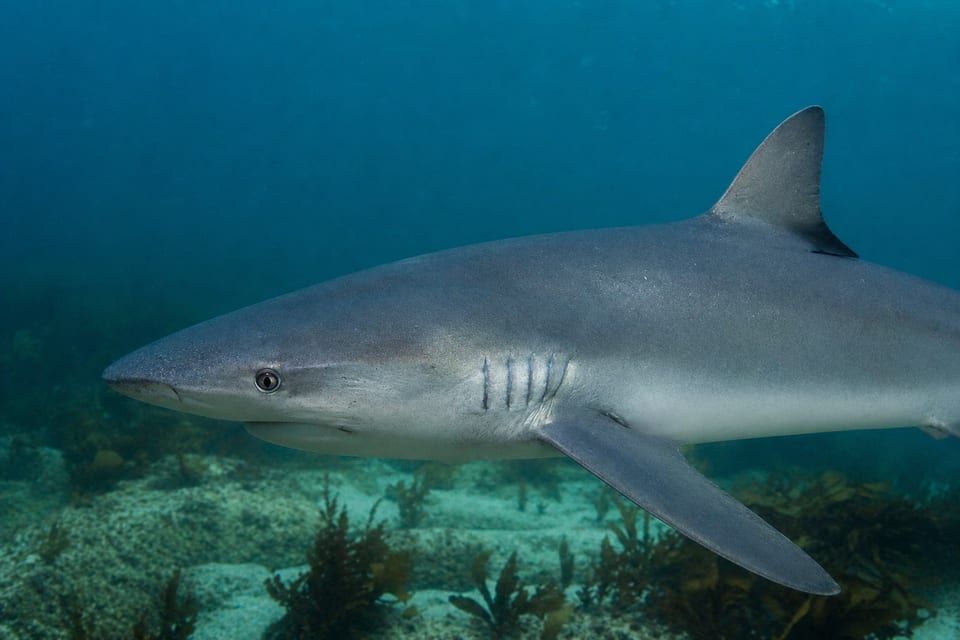
Are Sharks Mammals or Fish? Debunking the Misconception
Sharks are fish, not mammals; they breathe via gills, have cartilage skeletons, and lack mammary glands despite some giving live birth.
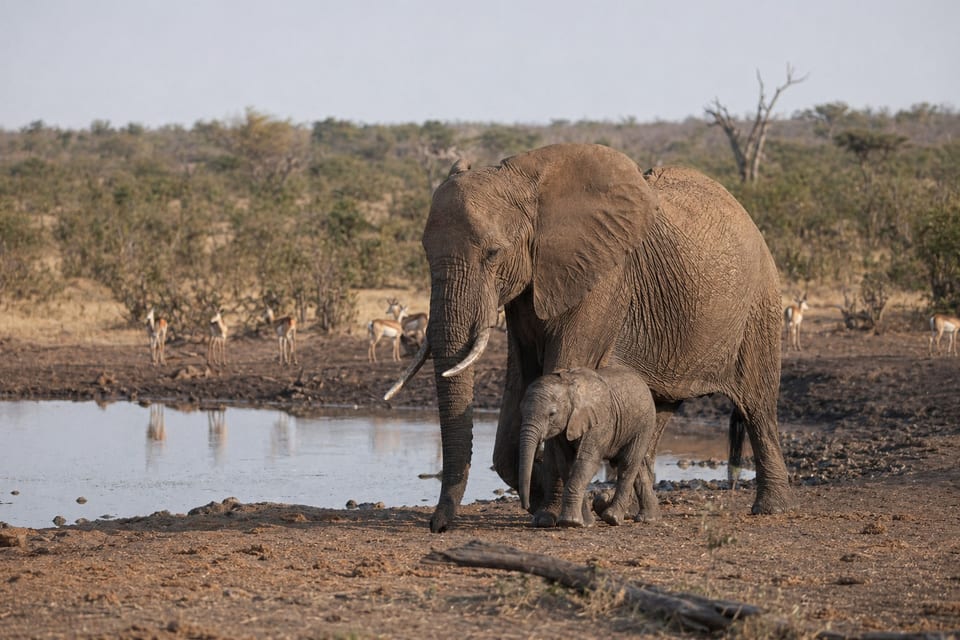
How Long Do Elephants Live & How Humans Factor In
Asian elephants live around 45 years in the wild while African elephants reach 60 to 70 years, though captive elephants have shorter lifespans.
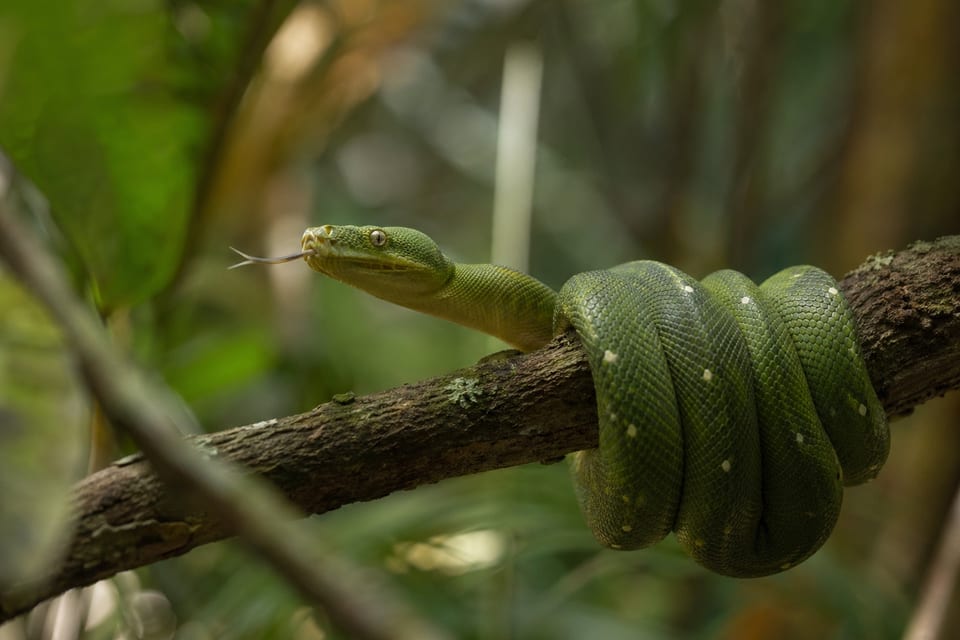
Slithering Secrets: Do Snakes Really Have Bones?
Snakes are vertebrates with 300+ bones including flexible ribs and unique multi-part skulls enabling them to swallow prey larger than their heads.
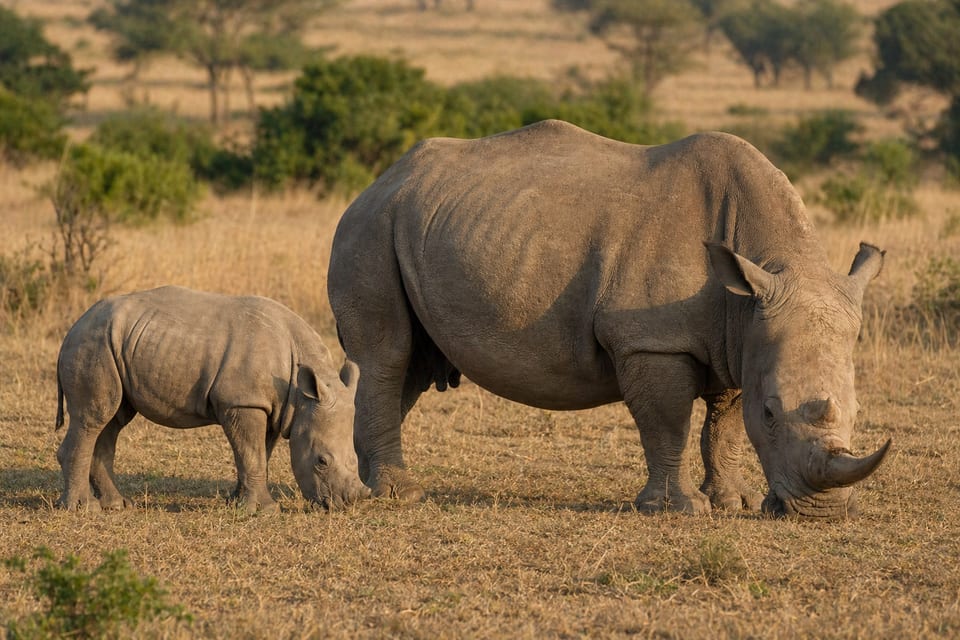
How Many Rhinos Are Left Today? Learn About the Crisis Facing These Majestic Creatures
Only about twenty-six thousand rhinos remain in the world today across five species, threatened by poaching and habitat destruction.
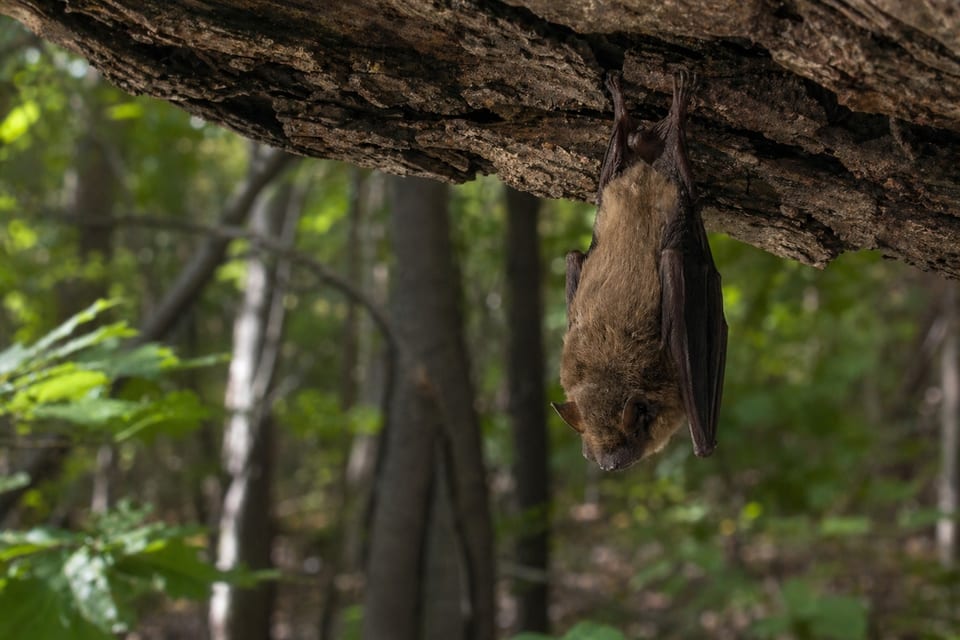
Are Bats Blind? Discover the Fascinating World of Bat Senses
Bats have excellent eyesight and use echolocation to find prey up to 3 miles away, emit sounds up to 140 decibels, and navigate using Earth's magnetic fields.
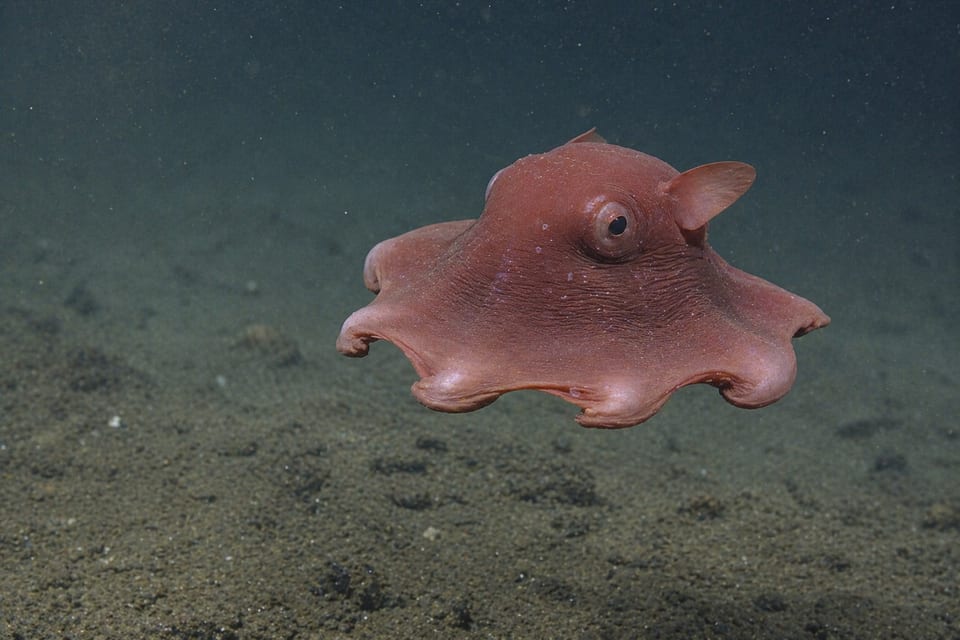
Flapjack Octopus: Meet the Cutest Octopus In the Ocean
Flapjack octopuses inhabit deep ocean floors at 430 to 7,710 feet, reddish-orange in color, and famously inspired the Finding Nemo character Pearl.
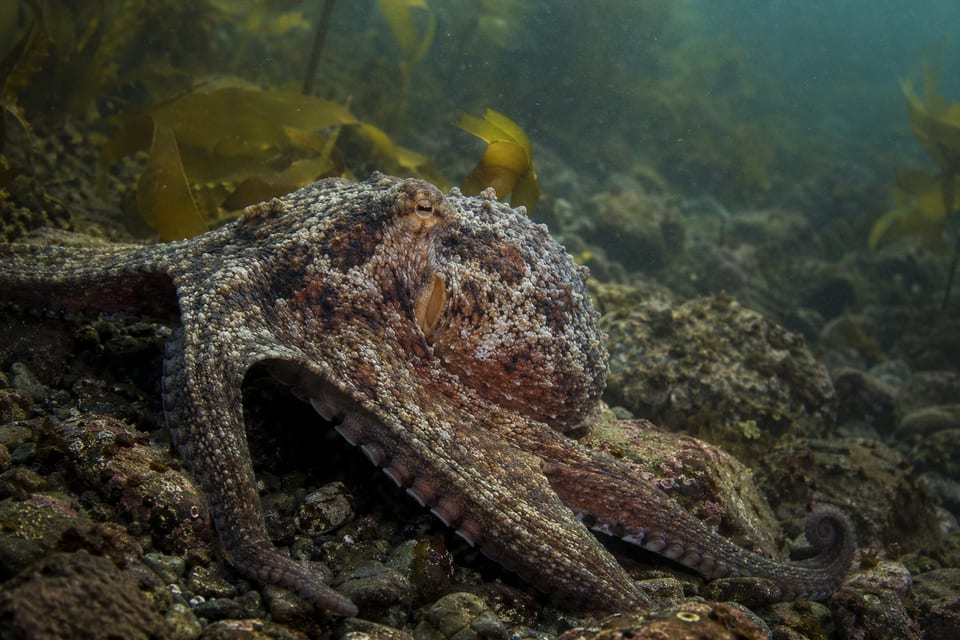
14 Ocean Animals Uncovered: The Fascinating World Beneath the Waves
Meet 14 fascinating ocean animals, from intelligent octopuses and vital coral reefs to endangered sea turtles and ancient sharks.