Plant Life
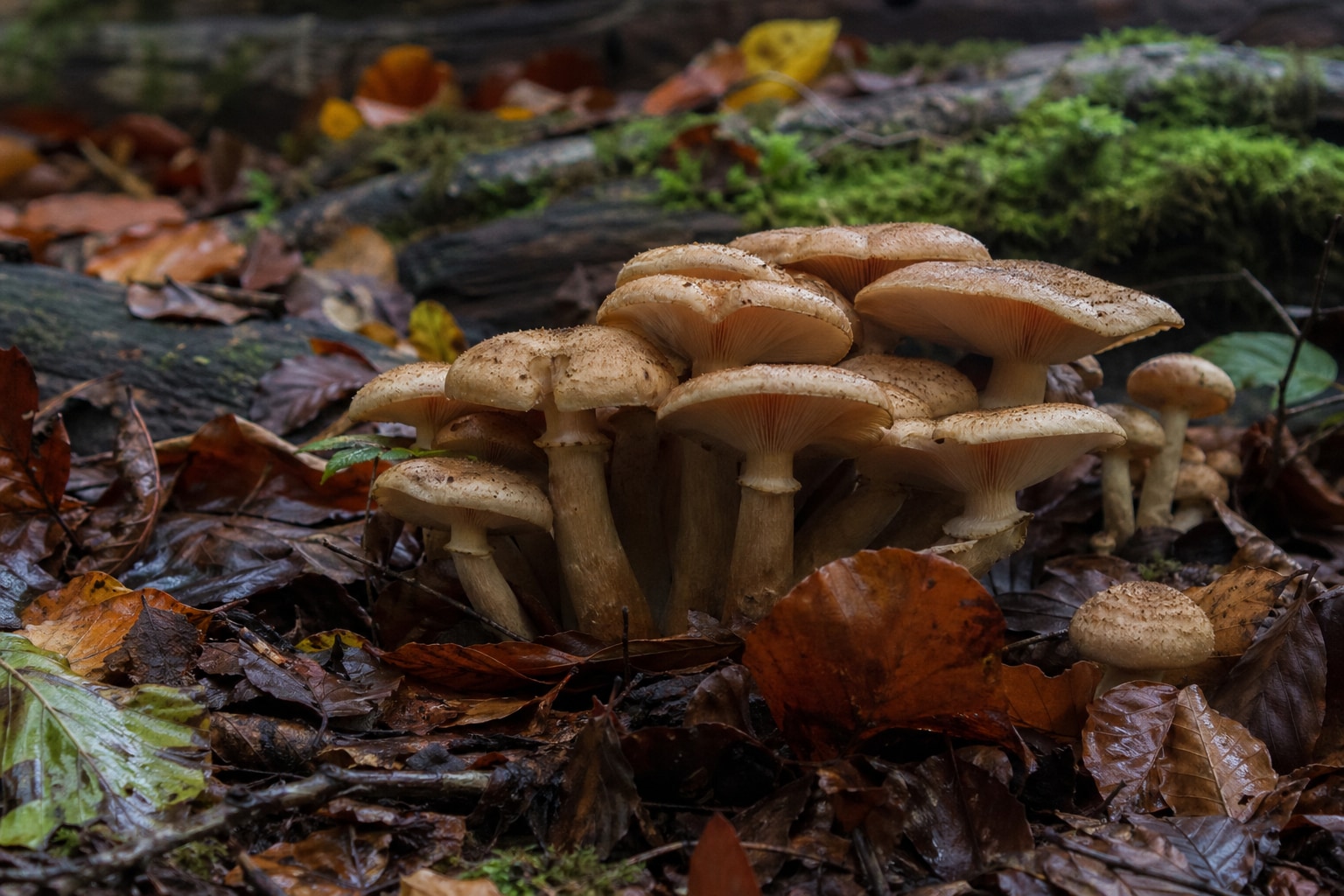
A Forager’s Paradise: Exploring the Tasty and Diverse World of 40 Edible Mushrooms
Explore 40 edible mushrooms from the Cep to the Nameko, learning proper identification methods, habitat clues, and safe foraging techniques.
Explore 40 edible mushrooms from the Cep to the Nameko, learning proper identification methods, habitat clues, and safe foraging techniques.
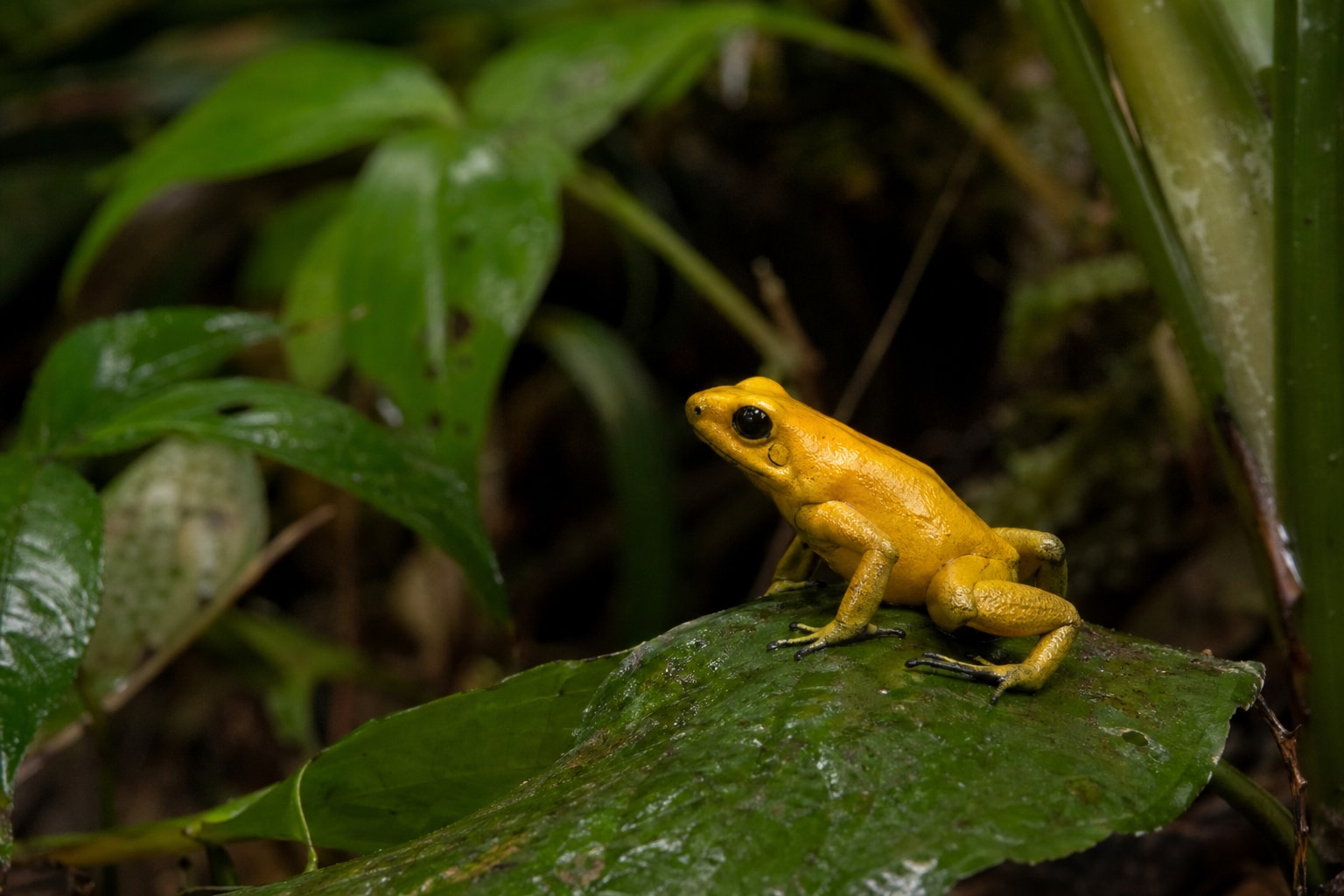
Over 220 frog species are poisonous, some deadly enough to kill 10 adults. Discover Earth's most toxic amphibians and what makes them dangerous to pets and humans.
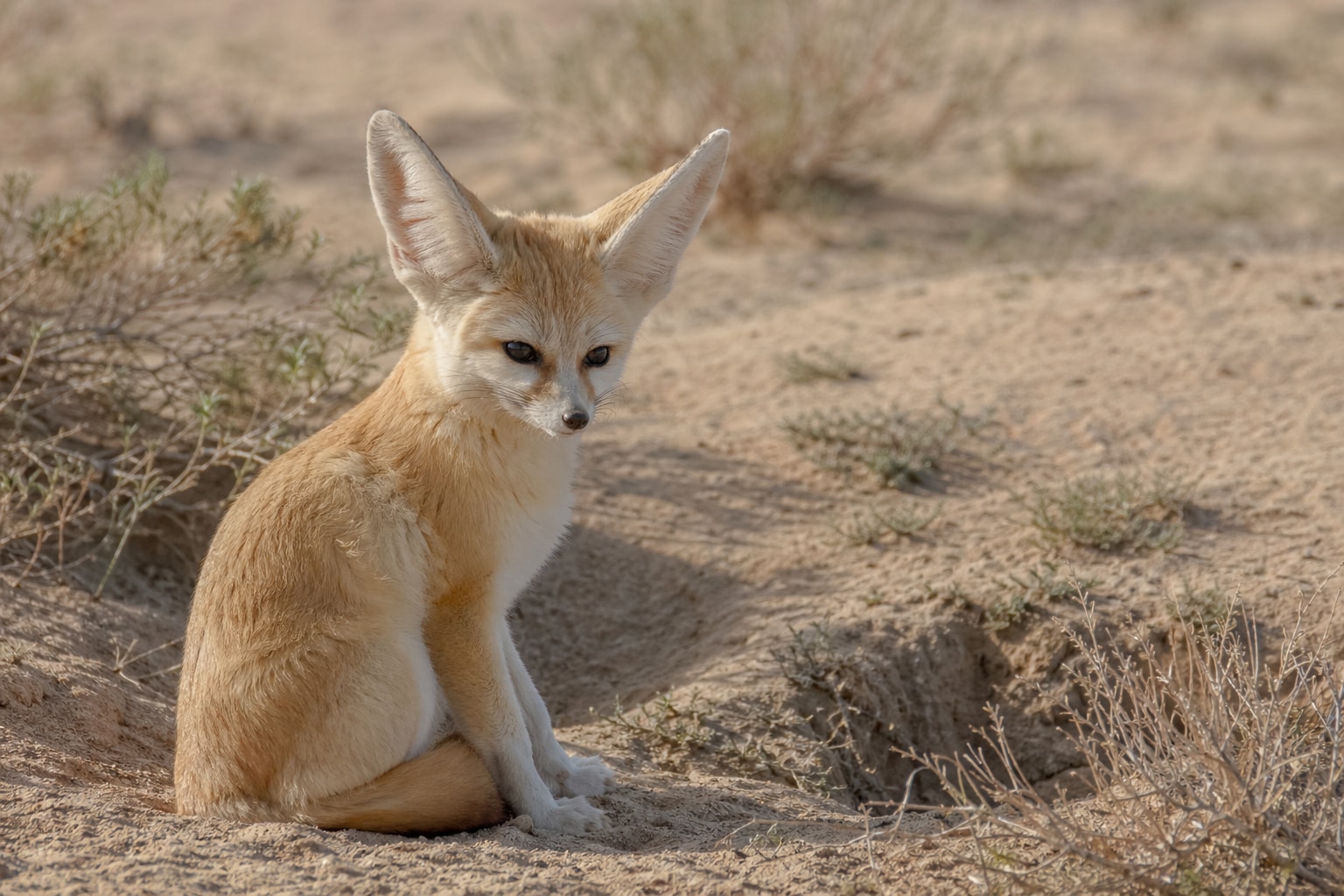
From fennec foxes and quokkas to leaf sheep slugs and elephant shrews, 55 adorable animals span African savannas, Asian rainforests, and desert burrows. Each possesses unique features,big ears, tiny size, leaf-like appendages,that make them irresistibly cute.
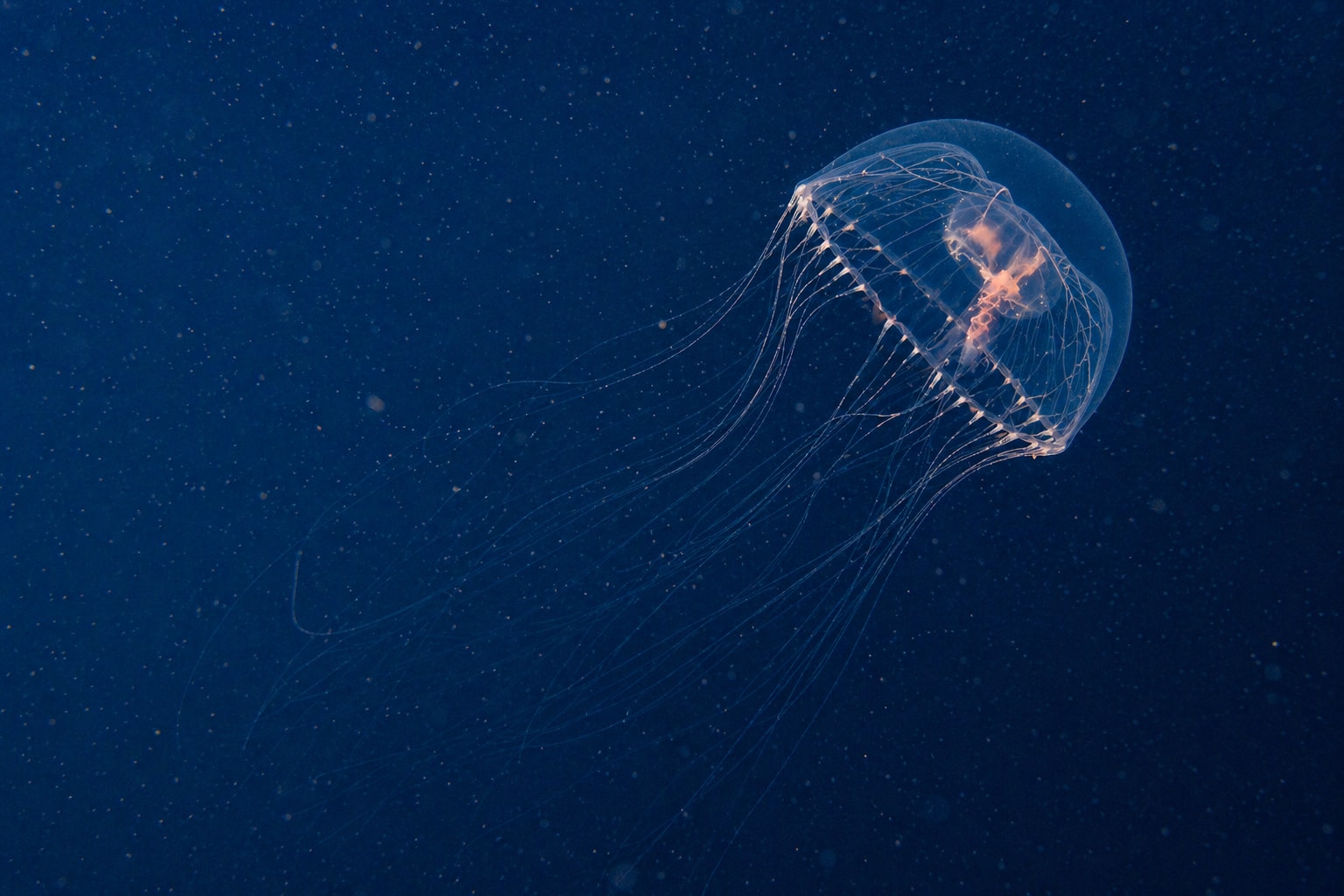
Crystal jellyfish produce blue-green bioluminescence via 100+ light organs, thriving in the Pacific Ocean off North America. These nearly transparent medusae live up to 2 years captive and emit aequorin protein revolutionizing genetic research.
Annual plants bloom vibrantly in one season; perennials regrow yearly with deeper roots and lower maintenance requirements.
Layer moisture-wicking base, insulating middle, and protective outer gear; avoid cotton; wear PFD and water-appropriate footwear.
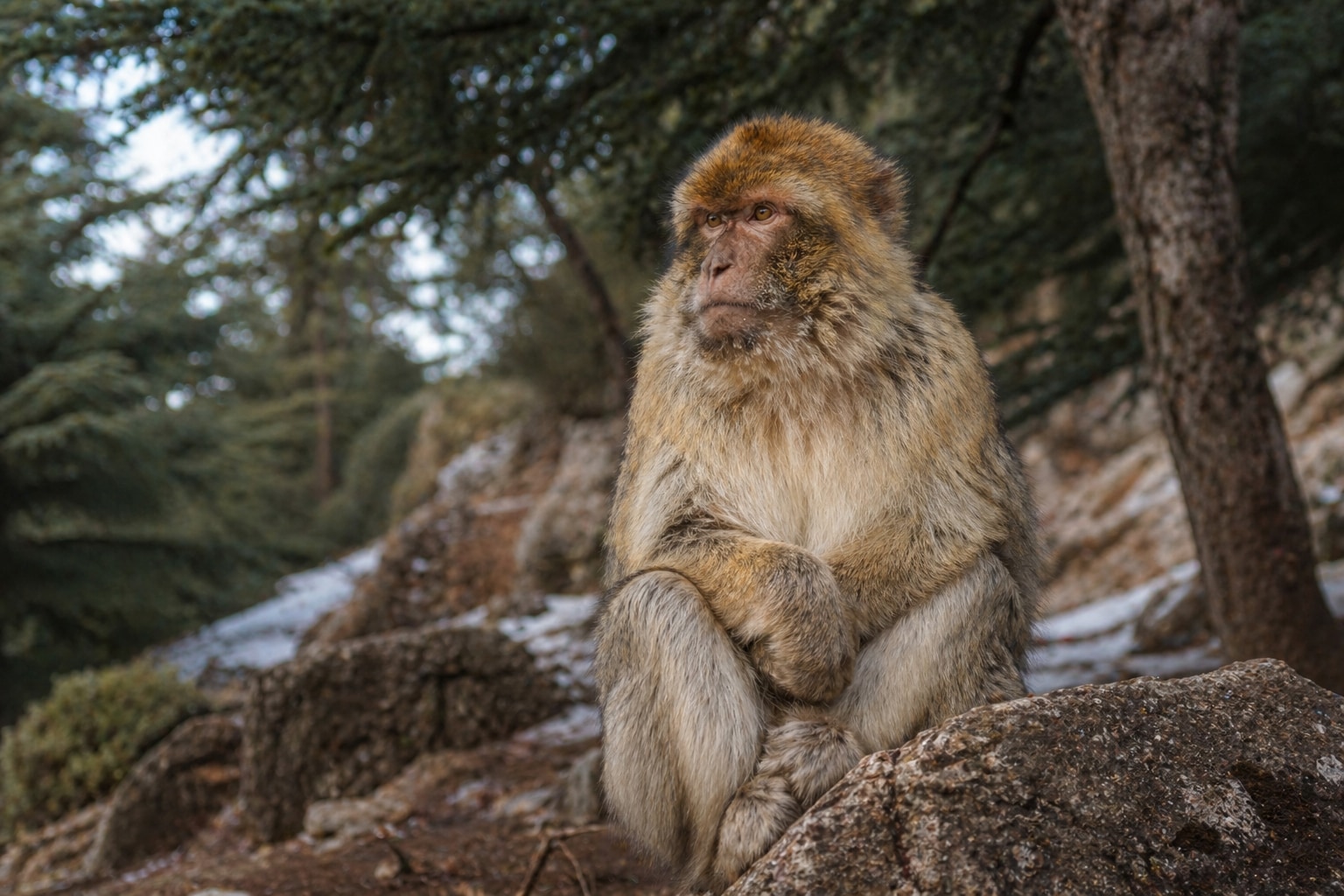
The Barbary macaque is the only macaque species living outside Asia and north of the Sahara, with fewer than 10,000 individuals remaining in North Africa and Gibraltar.
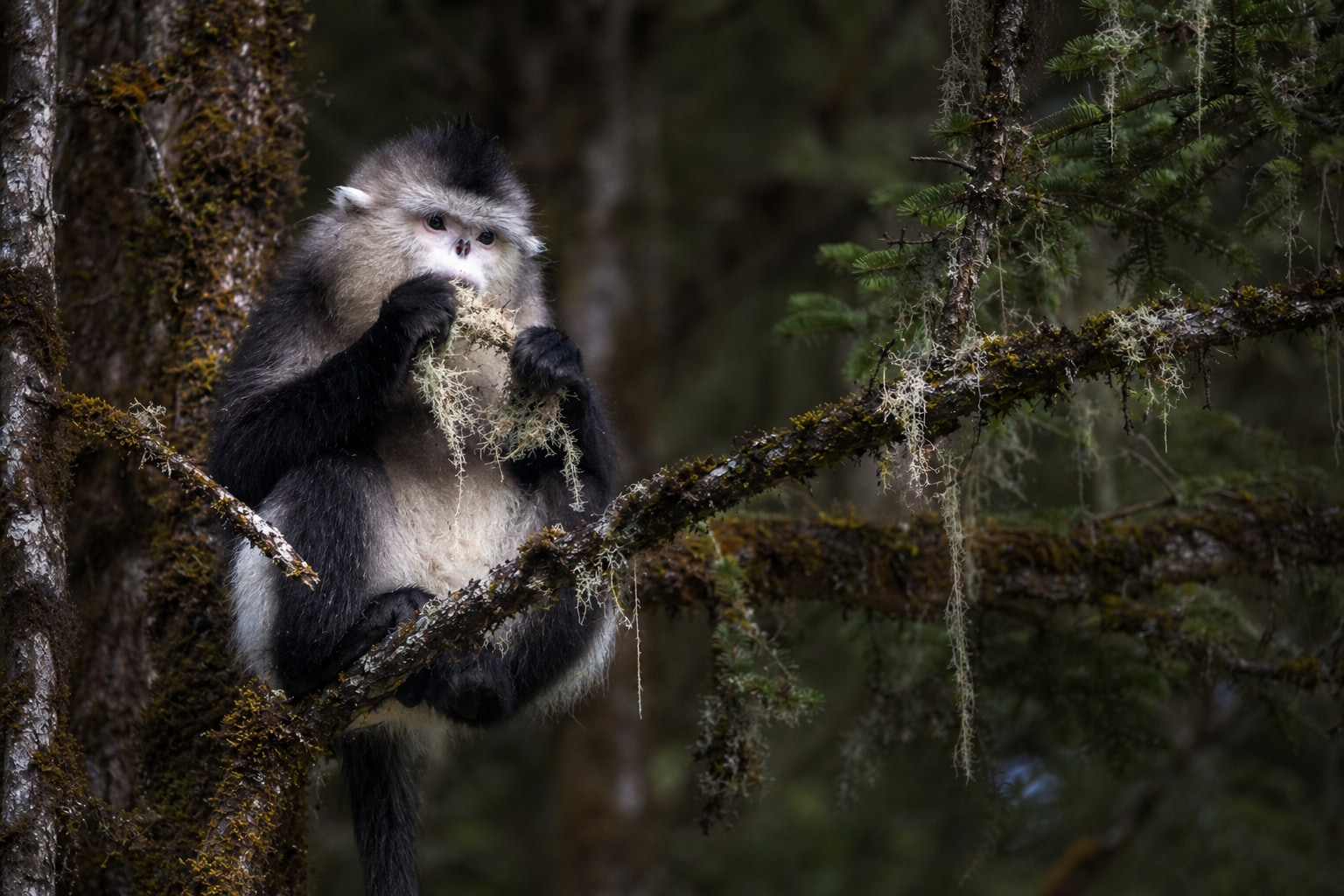
Discover endangered black snub-nosed monkeys of China: rare high-altitude primates with wooly fur surviving on lichens at 14,700 feet.
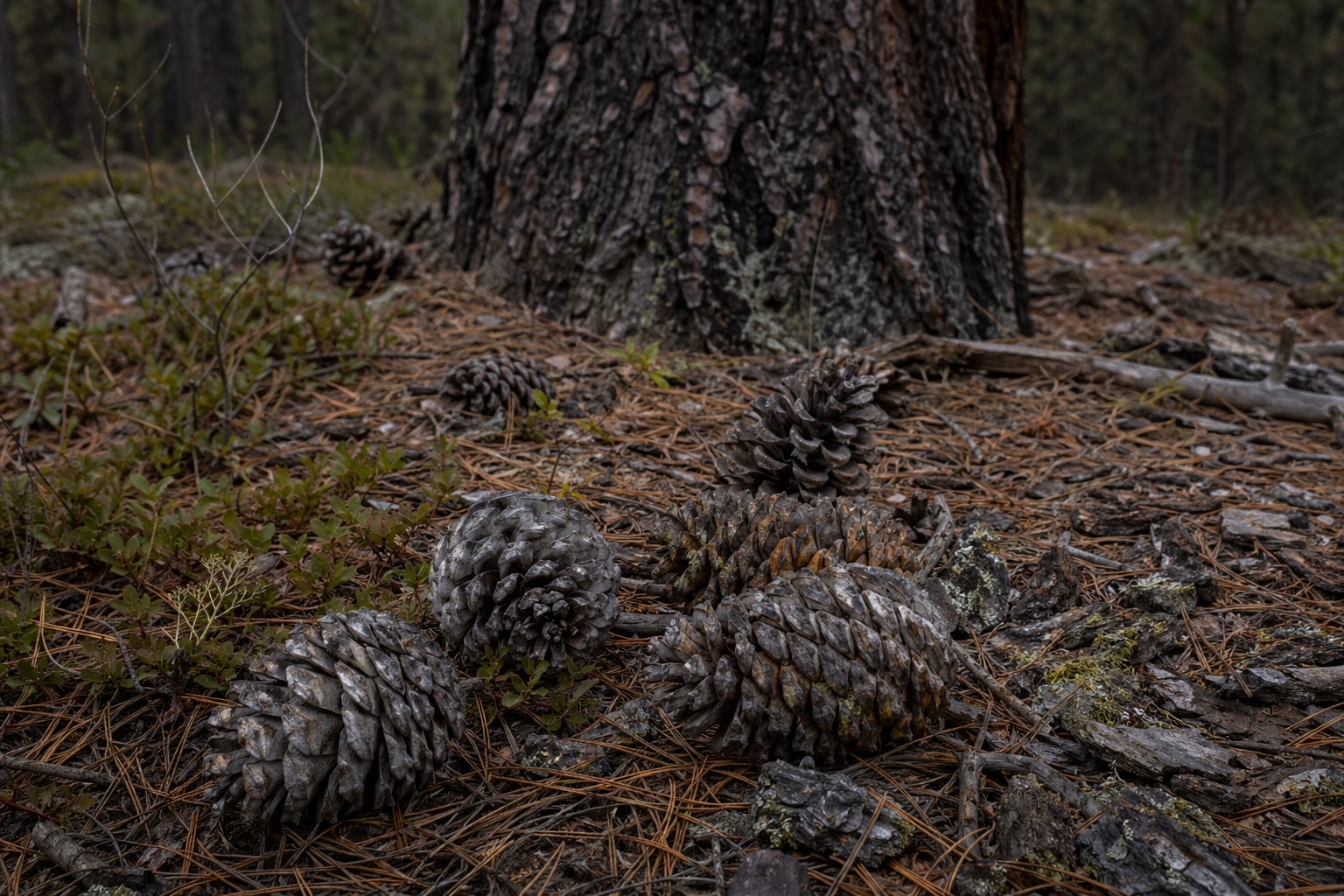
20 unique pine cone types from 120+ pine species worldwide, with fascinating adaptations for seed dispersal.
Lava is classified by silica content into 4 main types, each with distinct properties, temperatures ranging from 700-1200°C, and unique surface formations.
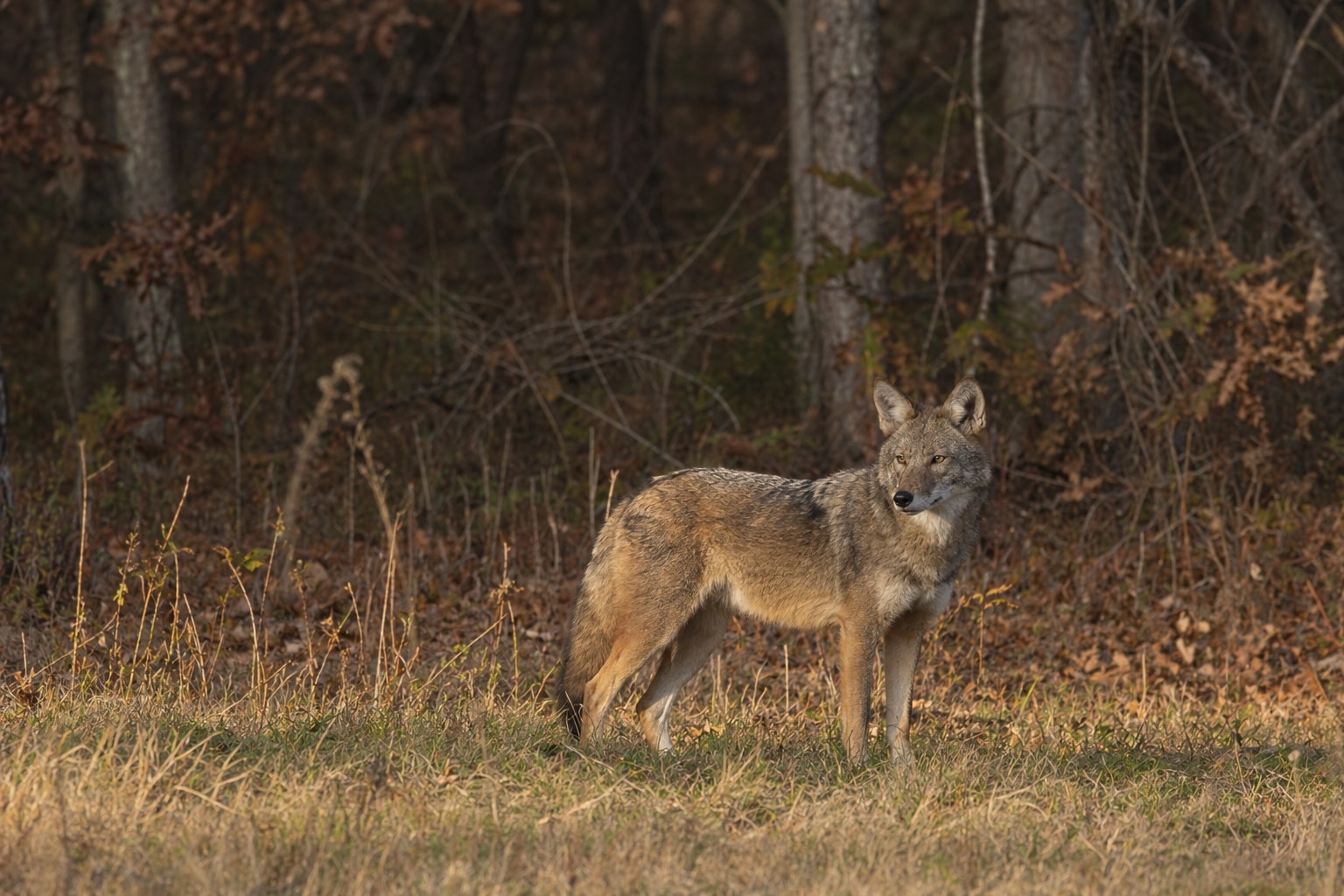
Eastern coyotes arrived in New Jersey around 1990, now occupying 94 percent of the state across 21 counties. These wolf-dog hybrids weigh 22 kg, hunt alone, and help balance ecosystems by controlling rabbit and fox populations.
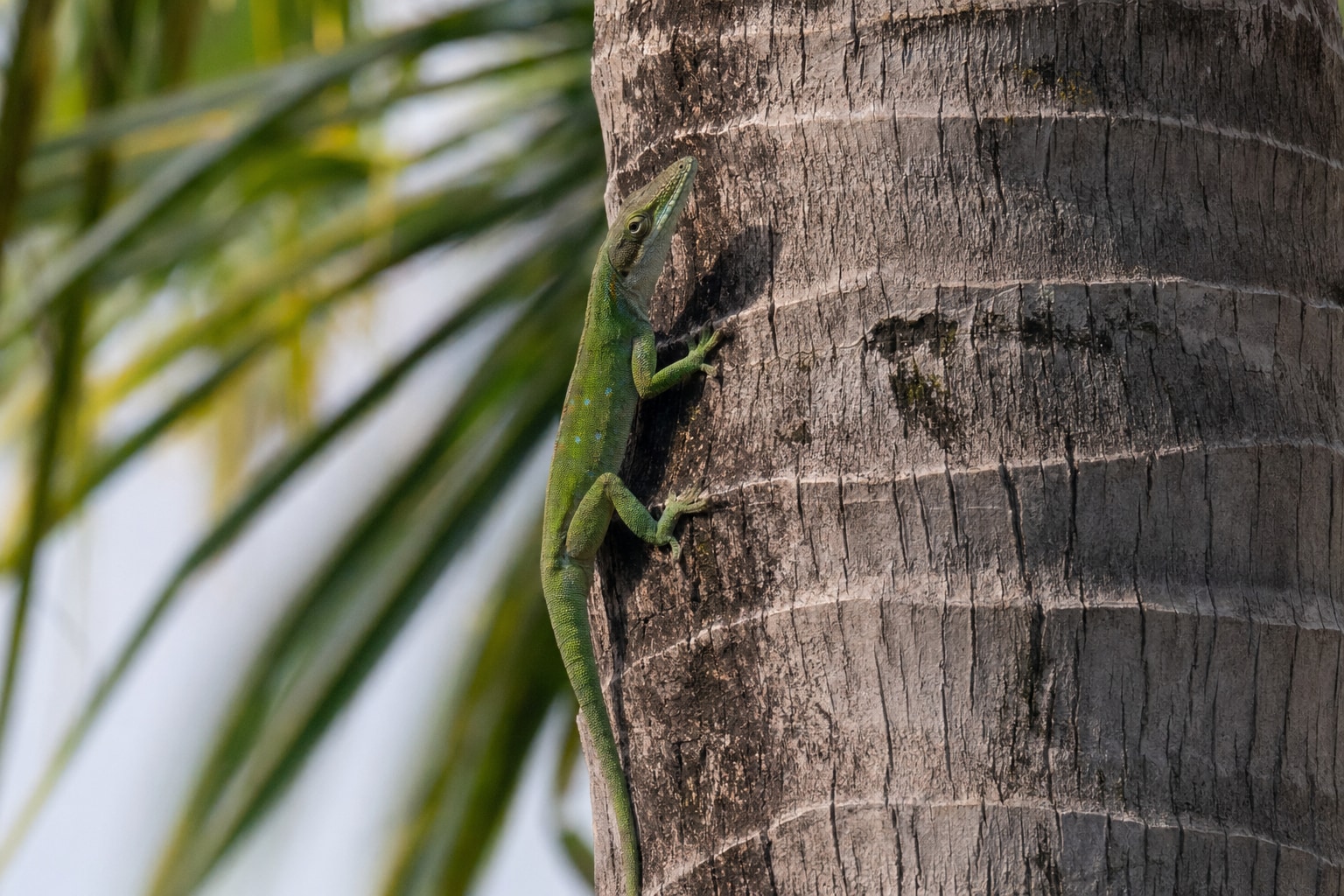
Florida has 50+ lizard species, but no poisonous ones. Invasive species like tegus and Nile monitors pose real dangers through powerful bites and predatory behavior.