Camping
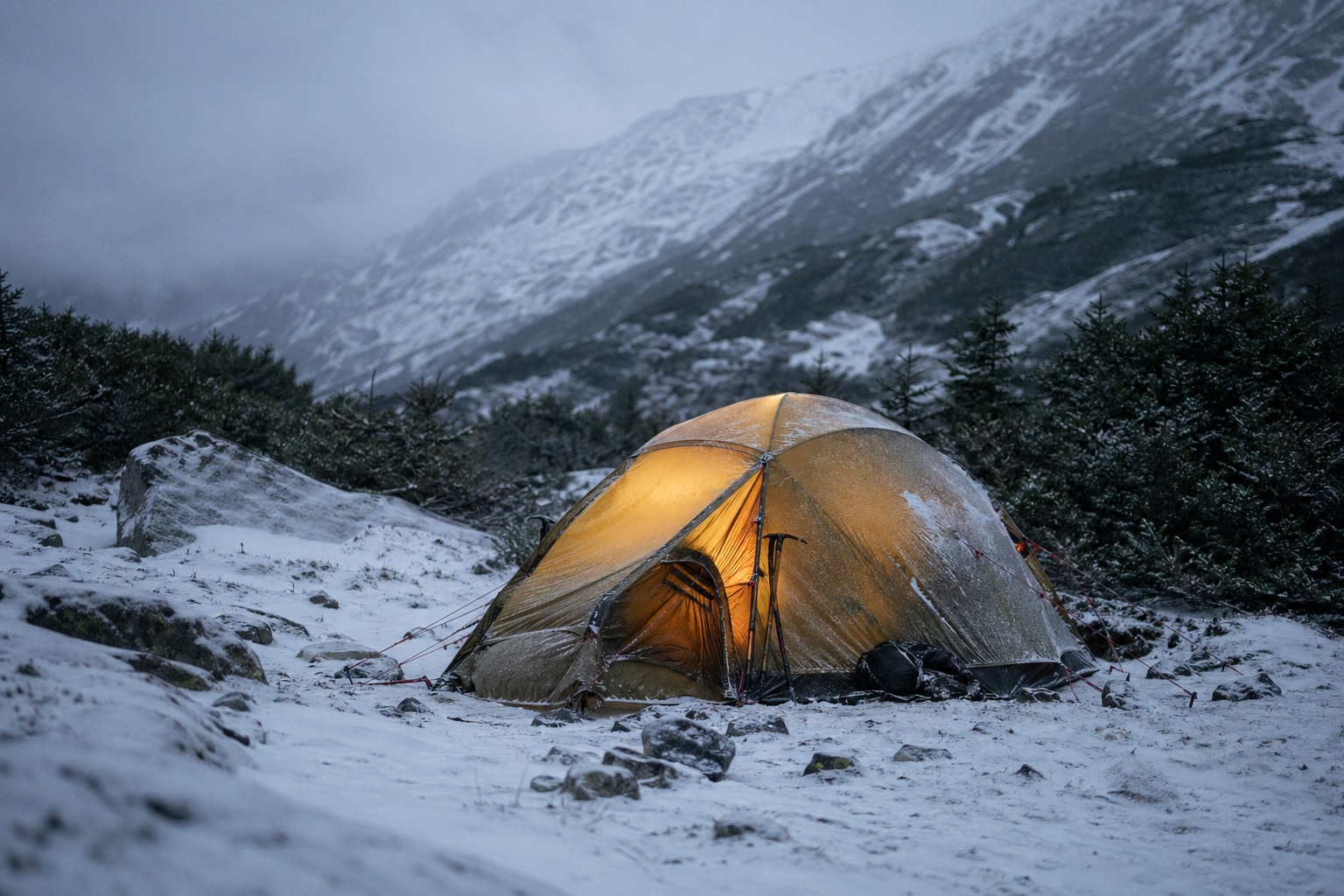
How to Stay Warm in a Tent: 20 Actionable Tips
Twenty tips to stay warm camping: right tent, proper gear, body heat, hot water bottles, sleeping pads, layers, and fire placement.
Twenty tips to stay warm camping: right tent, proper gear, body heat, hot water bottles, sleeping pads, layers, and fire placement.
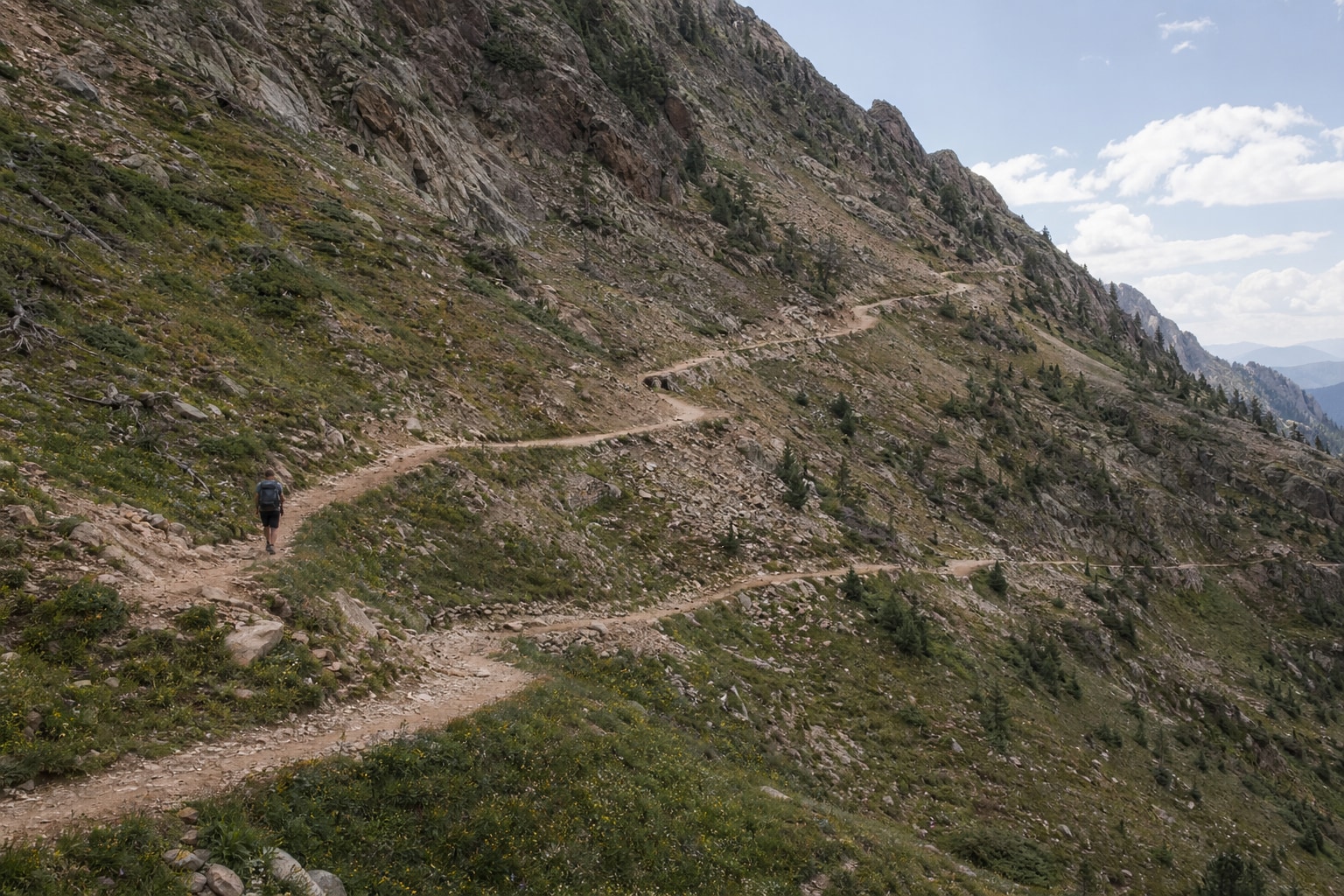
Switchbacks are zig-zag hiking trails on steep slopes that reduce elevation change. They make mountain hiking safer and protect against soil erosion on vulnerable terrain.
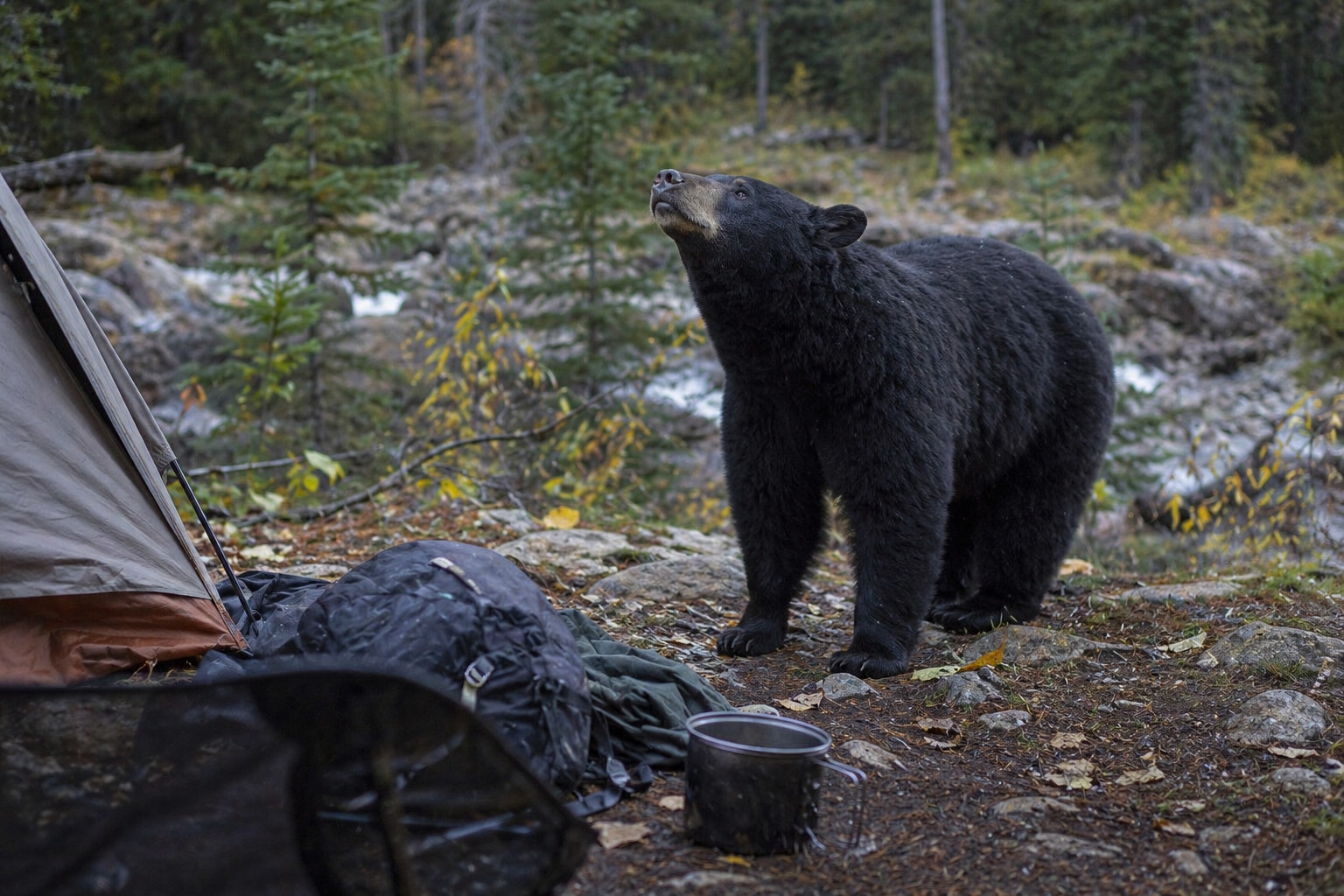
Bears can smell food 20 miles away; polar bears reach 40 miles, making proper food storage crucial for campers.
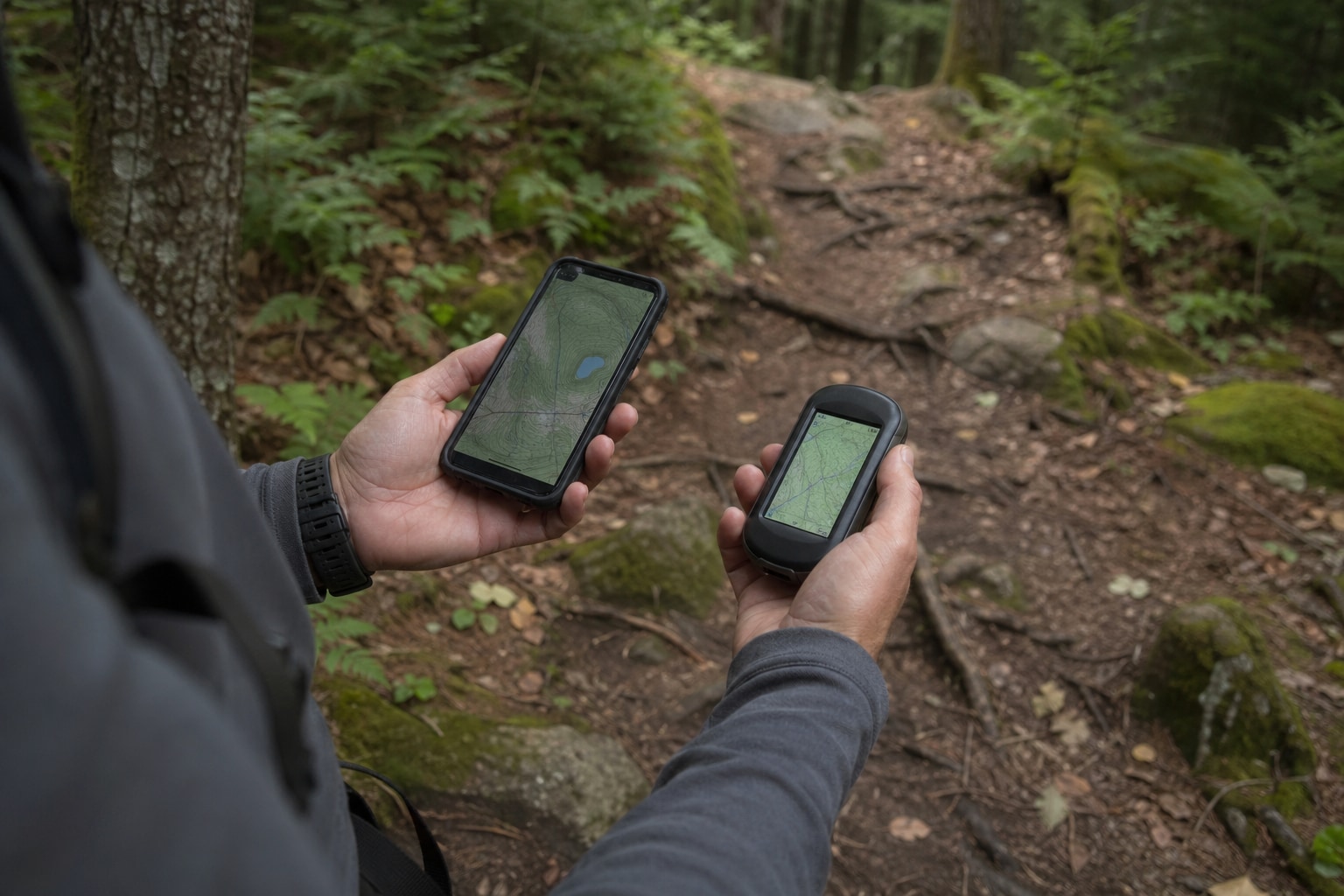
Smartphones work for short hikes; handheld GPS devices offer superior battery life, durability, and navigation for backcountry treks.
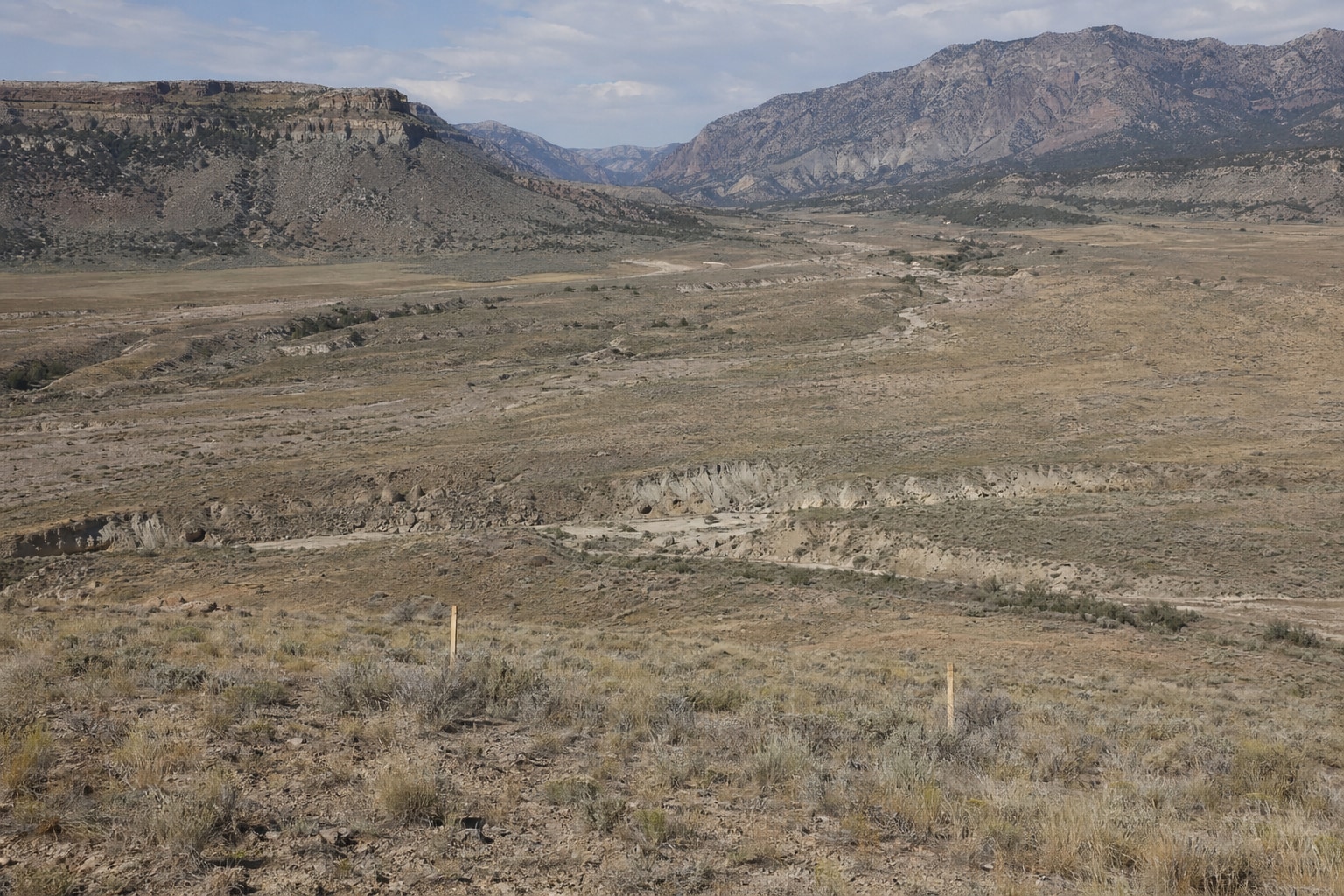
Explore Earth's major landforms including mountains, plateaus, hills, plains, valleys, and unique formations shaped by geological processes across continents.
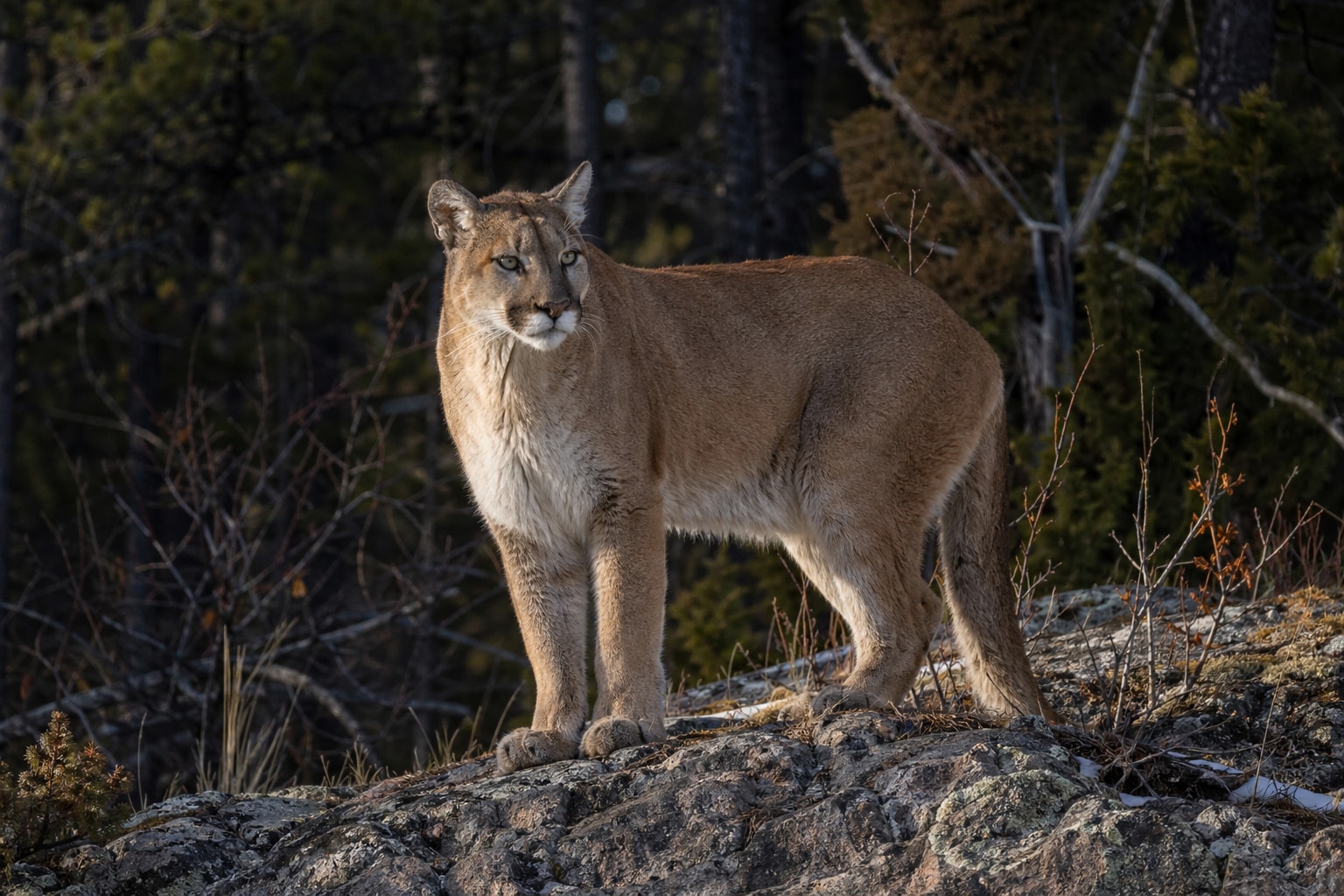
Lions, tigers, jaguars, leopards, snow leopards, cheetahs, and cougars rank among Earth's most majestic felines with distinct habitats.
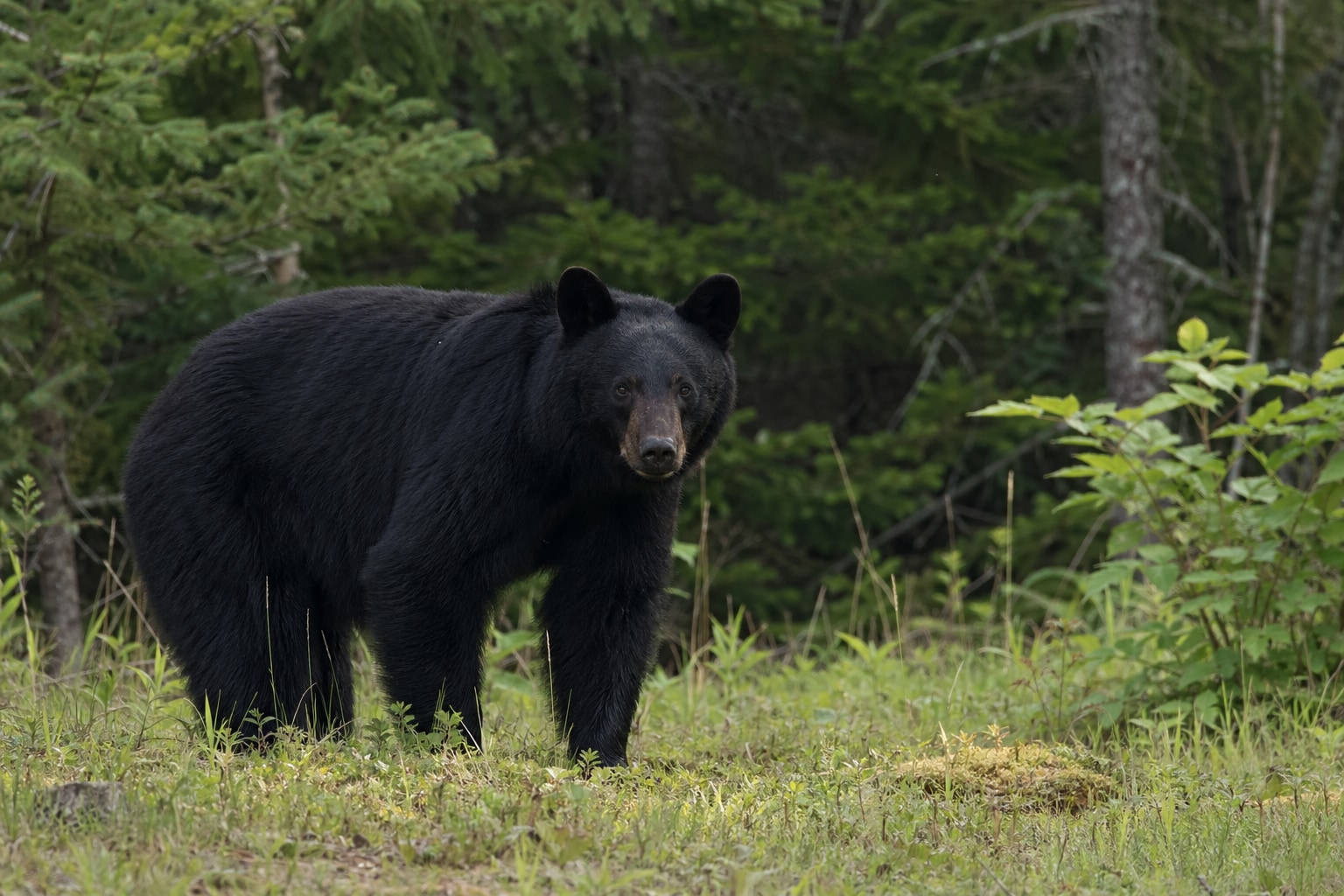
Eight bear species exist worldwide, spanning forests, tundras, and mountains. Six are endangered or vulnerable due to habitat loss.
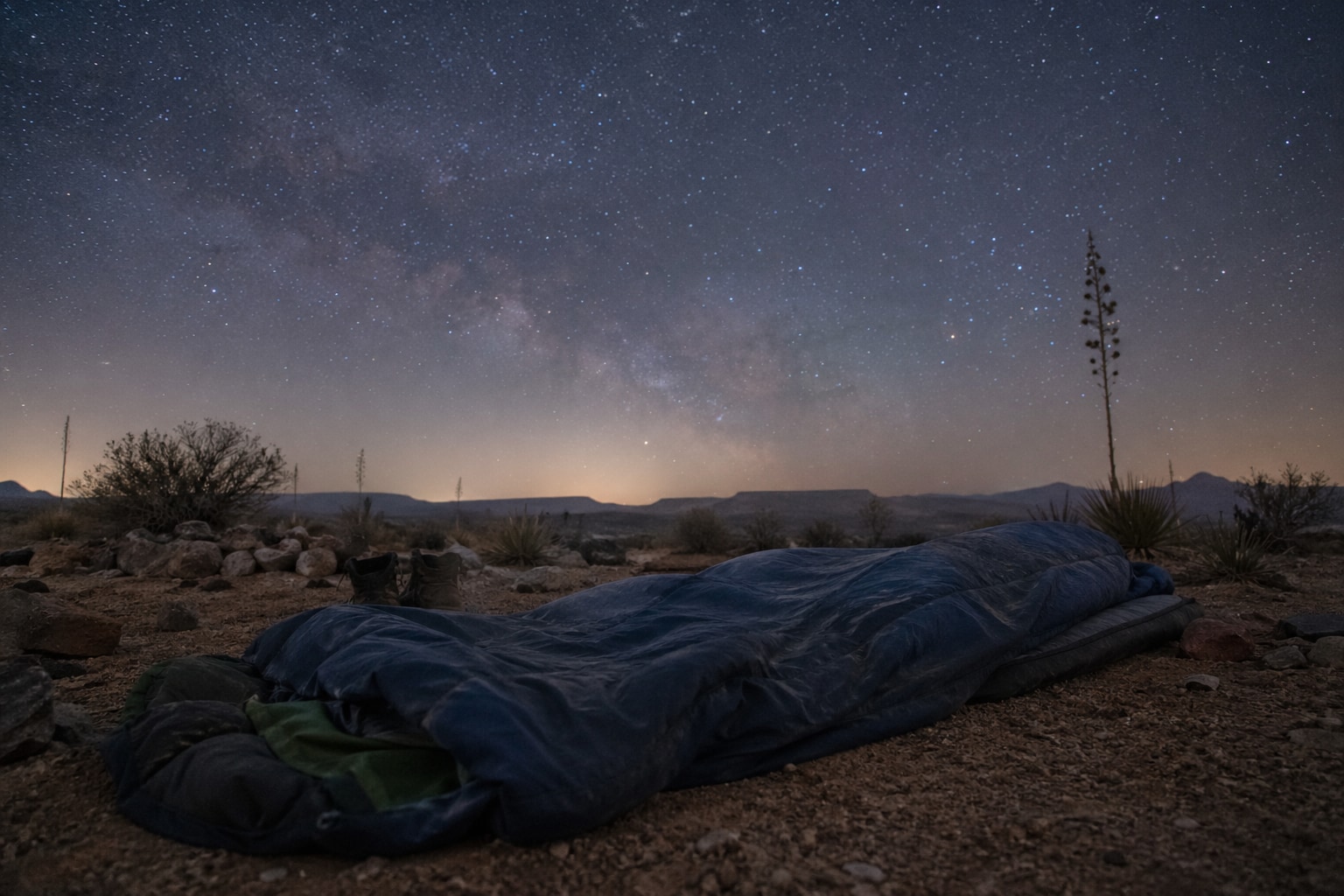
Cowboy camping strips away tents, cots, and excess gear for bare-bones backcountry survival under stars. Bring a sleeping bag, ground cloth, and weather plan plus fire-making skills, protective knife, and snake-safe footwear.
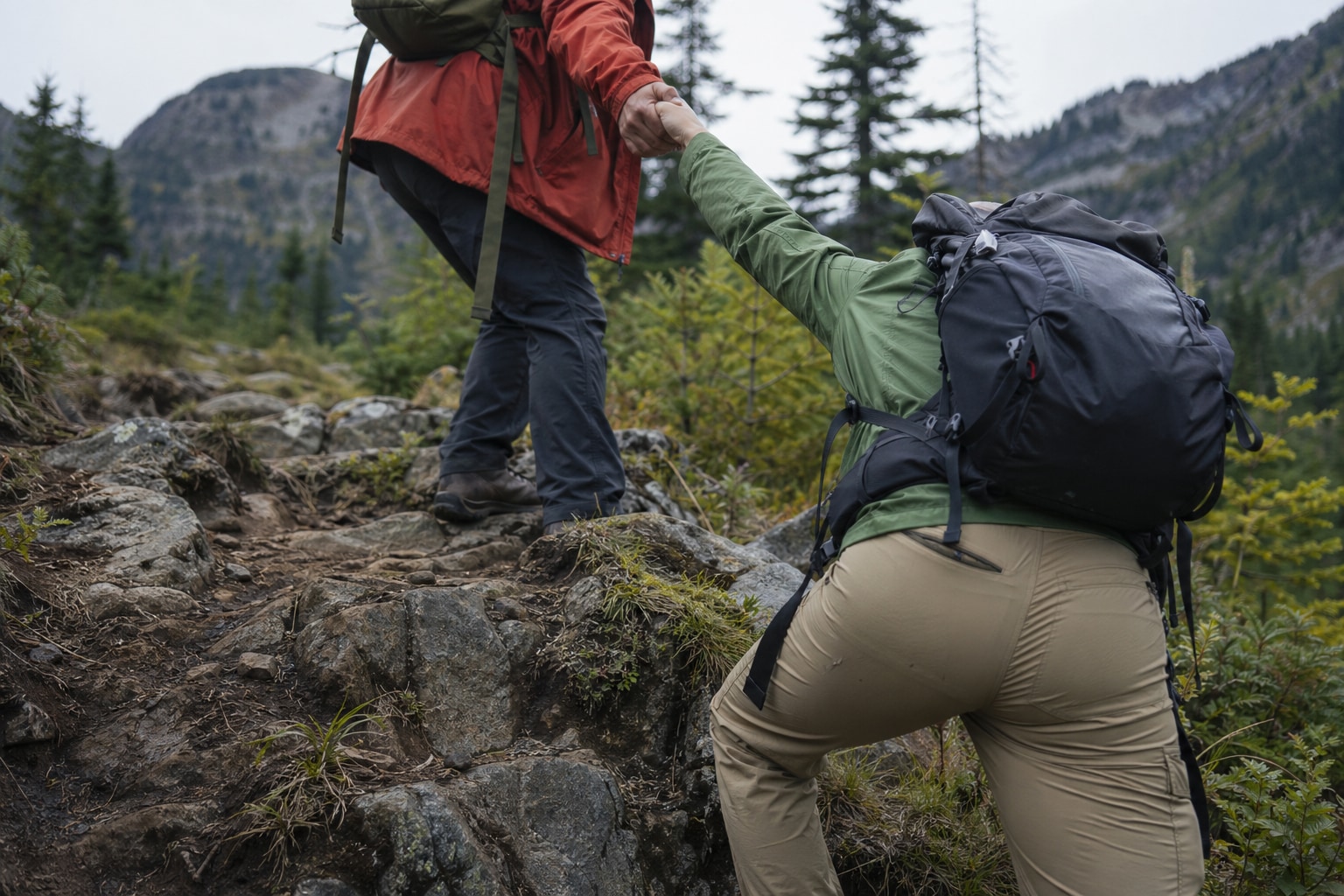
Hiking with a buddy dramatically reduces injury risk; 62 percent of missing hikers in Yosemite were alone, with 11 proven methods to find partners.
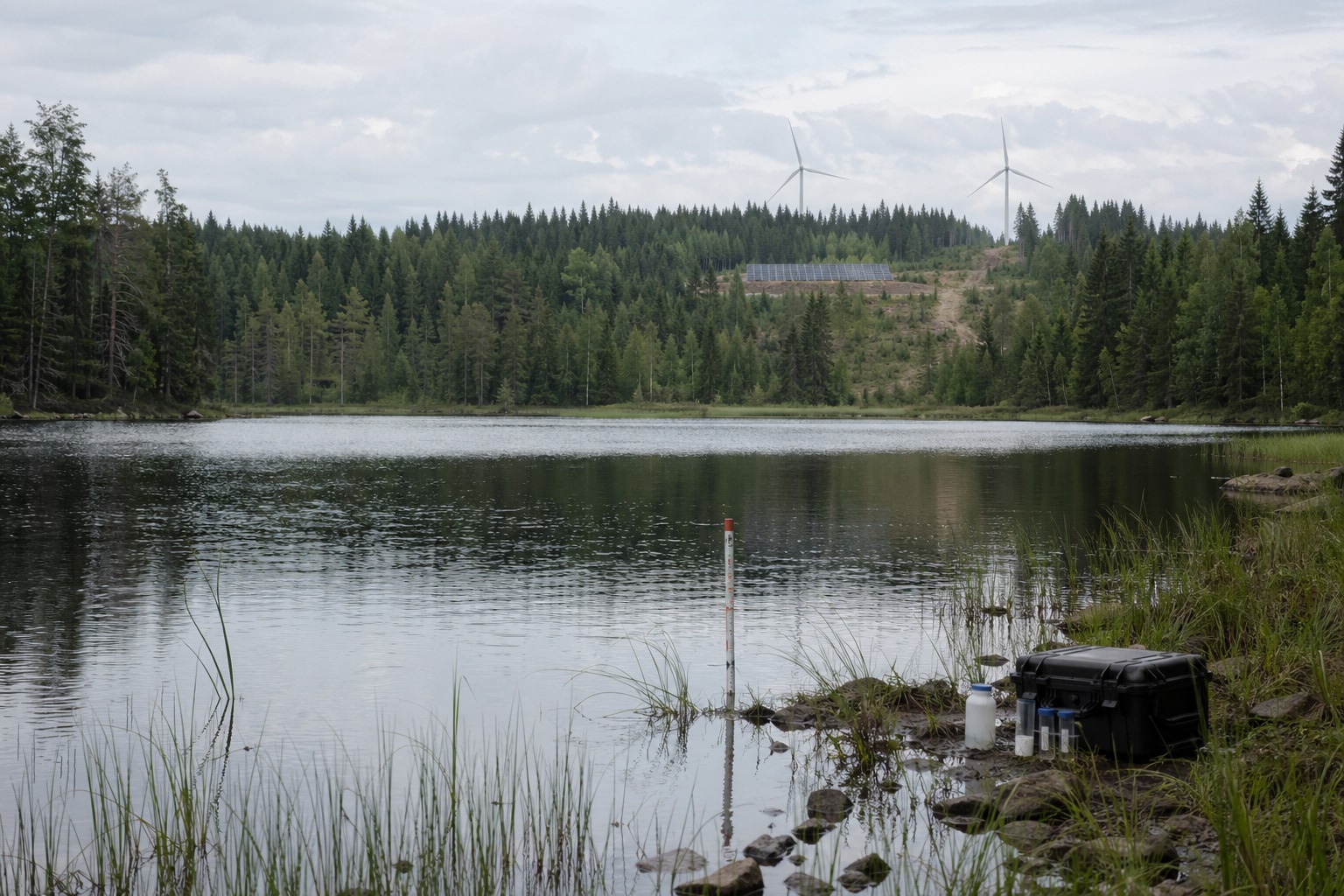
Sweden (8.84/10), Norway (8.73/10), and Finland (8.65/10) rank as the world's greenest nations using World Bank data on emissions, forest, renewable energy, and endangered species.
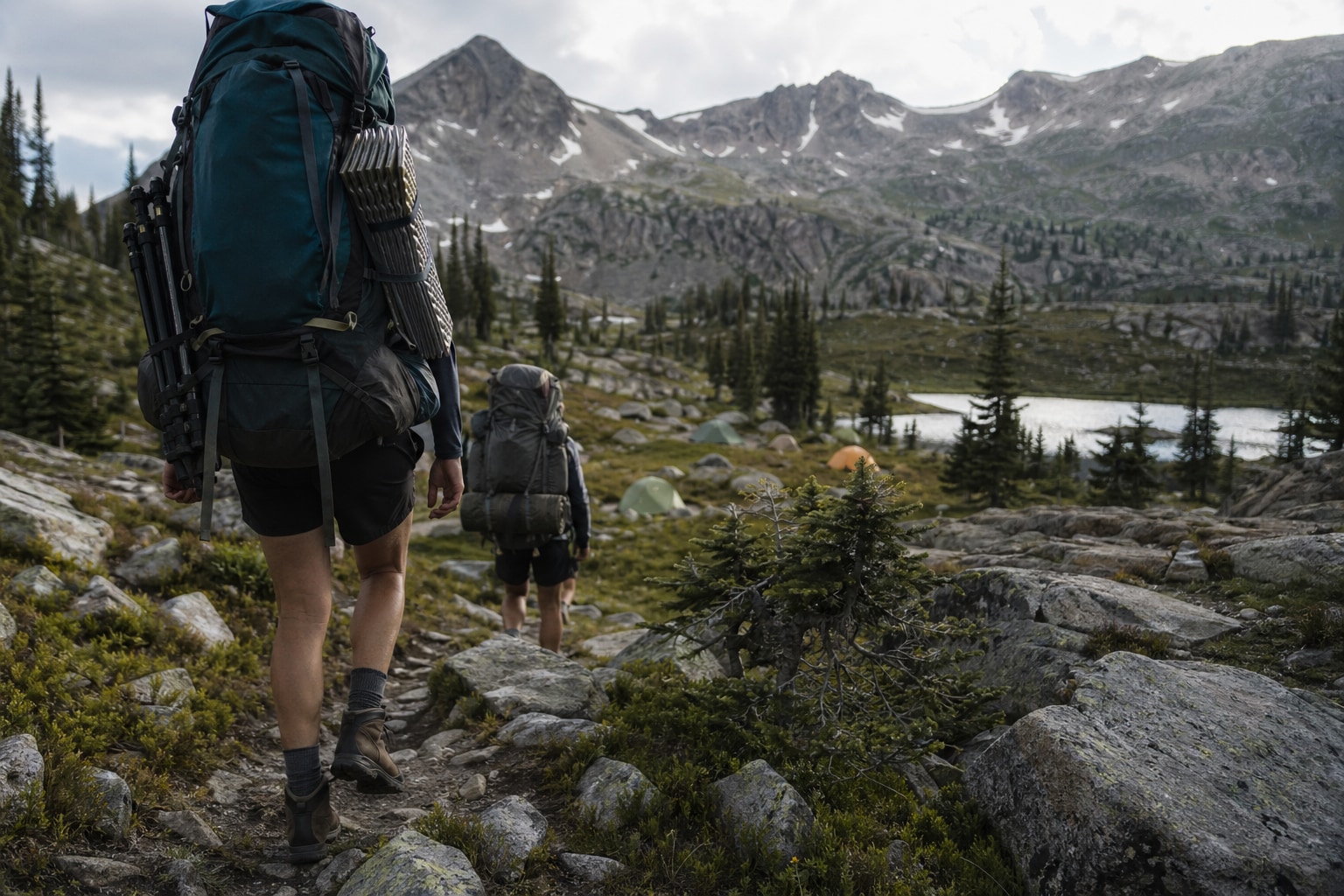
Complete backcountry guide covering day hikes, overnights, multi-day treks, and everything needed to plan your first wilderness adventure with confidence.
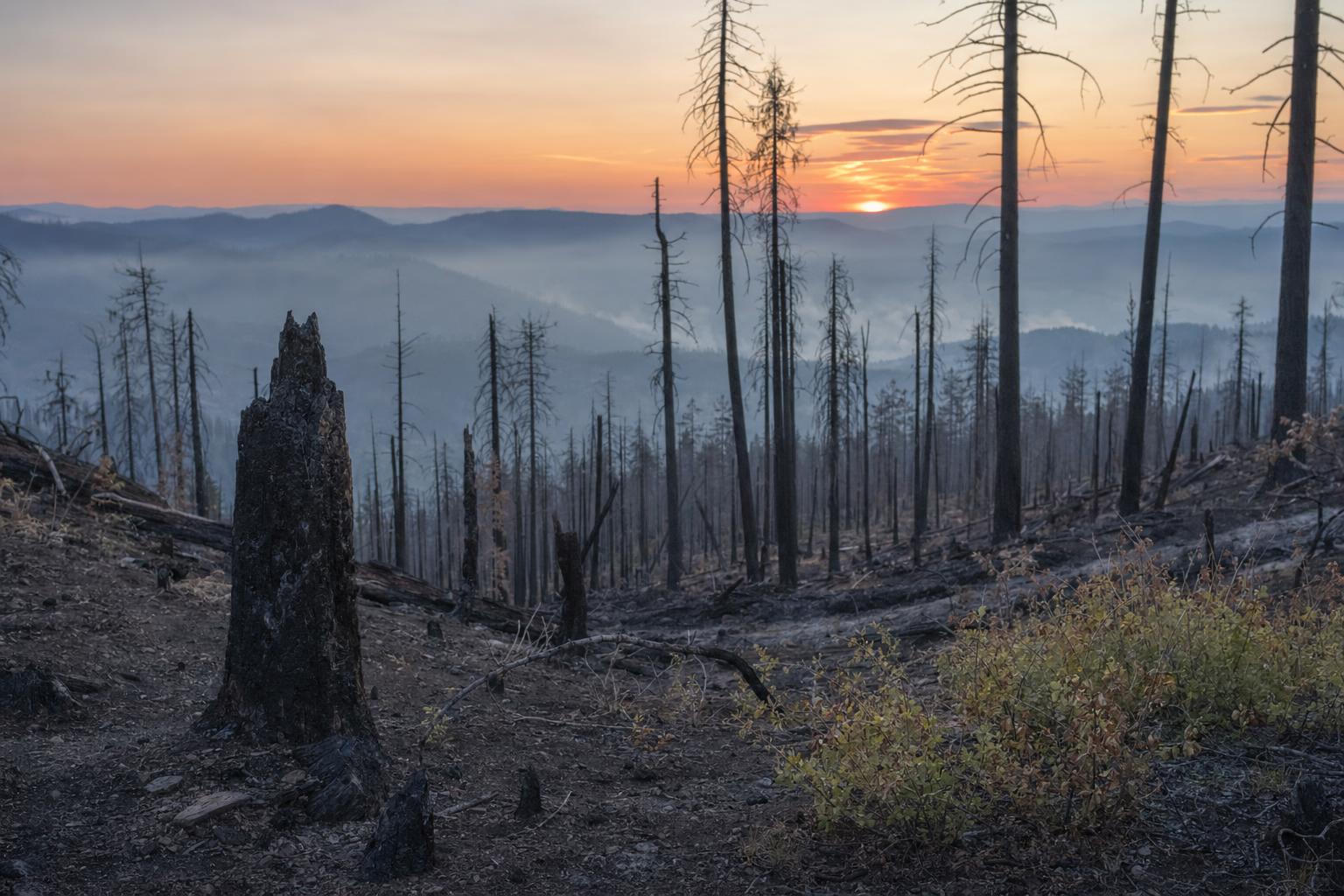
24 types of natural disasters,from avalanches and hurricanes to earthquakes and wildfires,and how they impact communities worldwide.