Natural World
The rhythms of the wild: ecosystems, weather, seasons, and the unseen life all around us.
52 stories in Natural World · Page 1 of 5
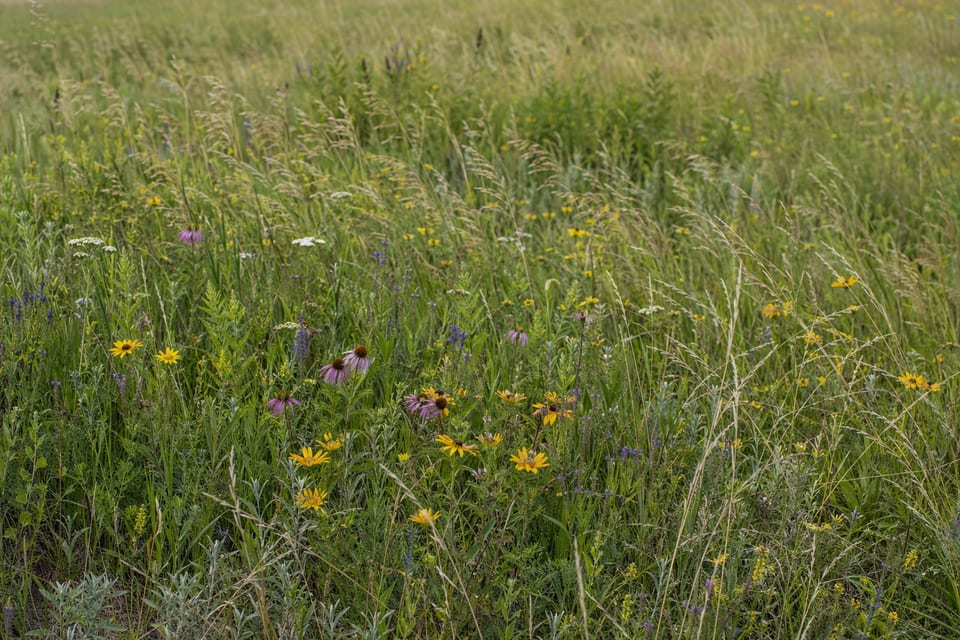
Temperate Grasslands: Understanding the Biome
Temperate grasslands cover 25% of Earth's land and are shaped by rainfall, wildfires, and grazing animals.
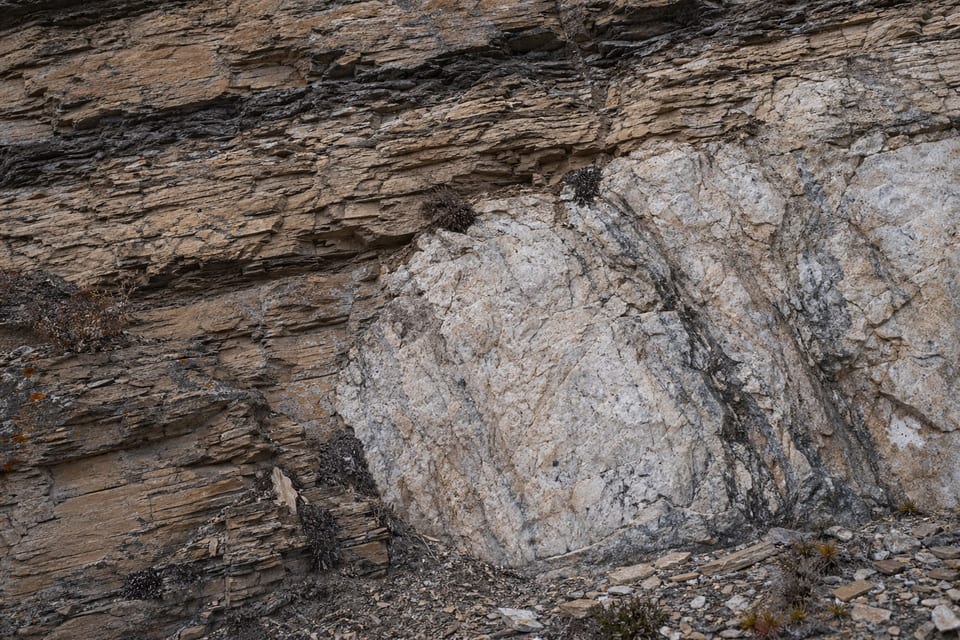
How Are Rocks Formed? The Cycle of Nature’s Building Blocks
Rocks form via three processes: cooling magma, compacting sediment, and extreme heat or pressure; each cycle continuously transforms rocks.
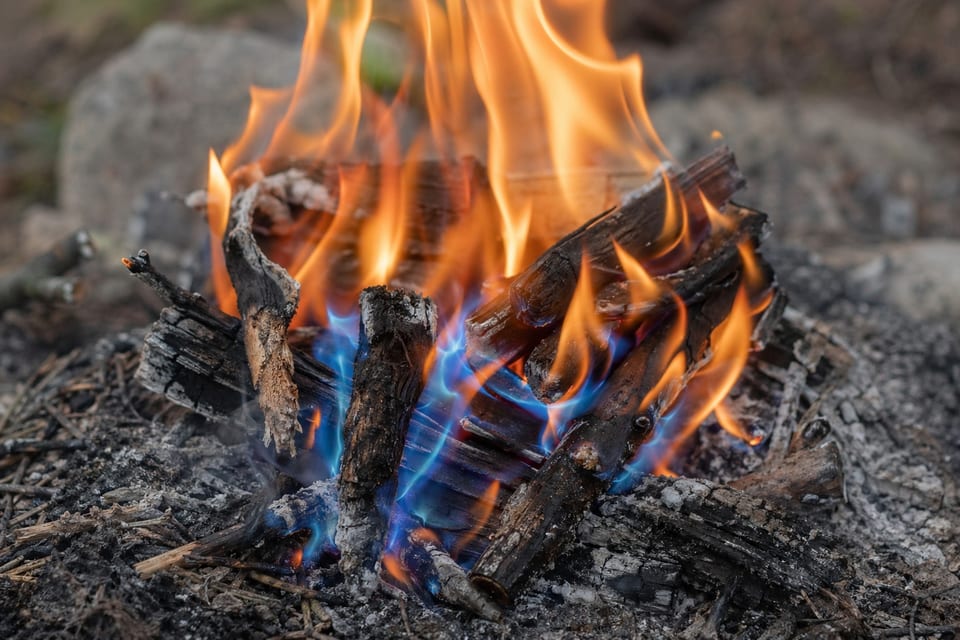
How Hot is Fire? A Scorching Look Into Flame Temperatures
Fire temperatures range 600-3,000 degrees Celsius; flame color indicates heat level from red to blue fires.
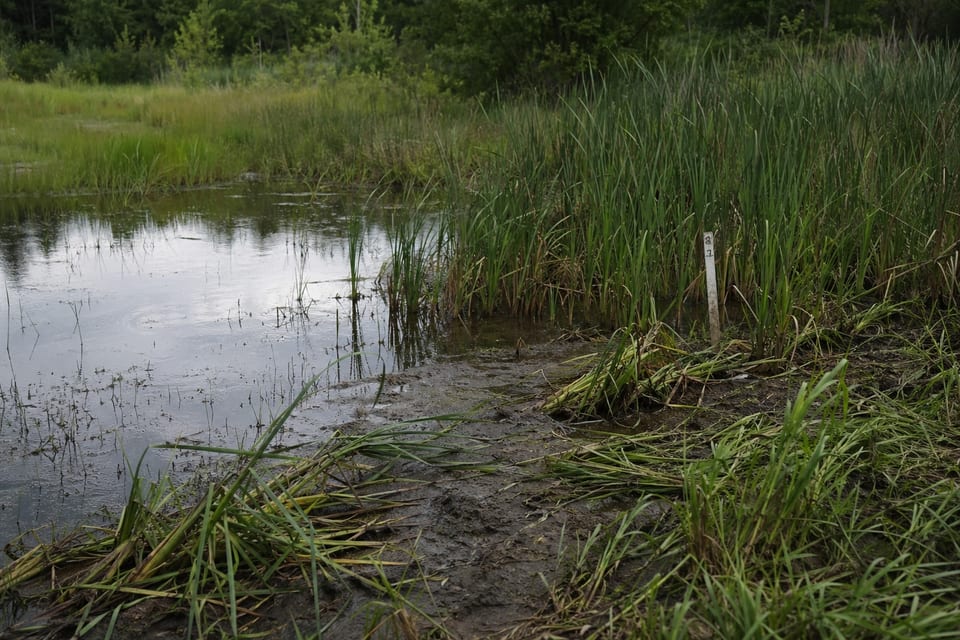
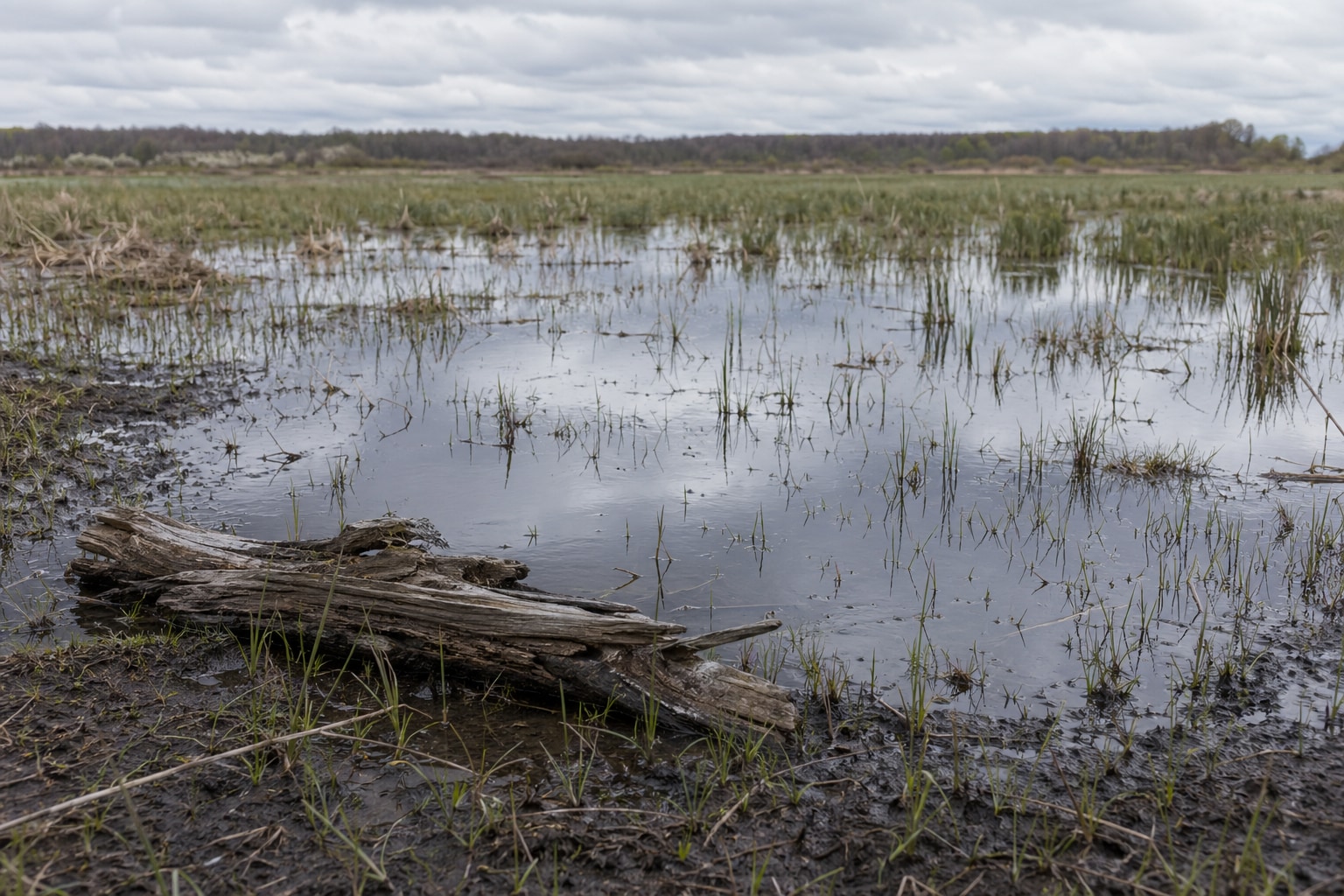
What is a Marsh? Wading Through Wetlands
Marshes are permanent wetlands dominated by grasses and reeds in shallow water, found near deltas and low-lying areas worldwide.
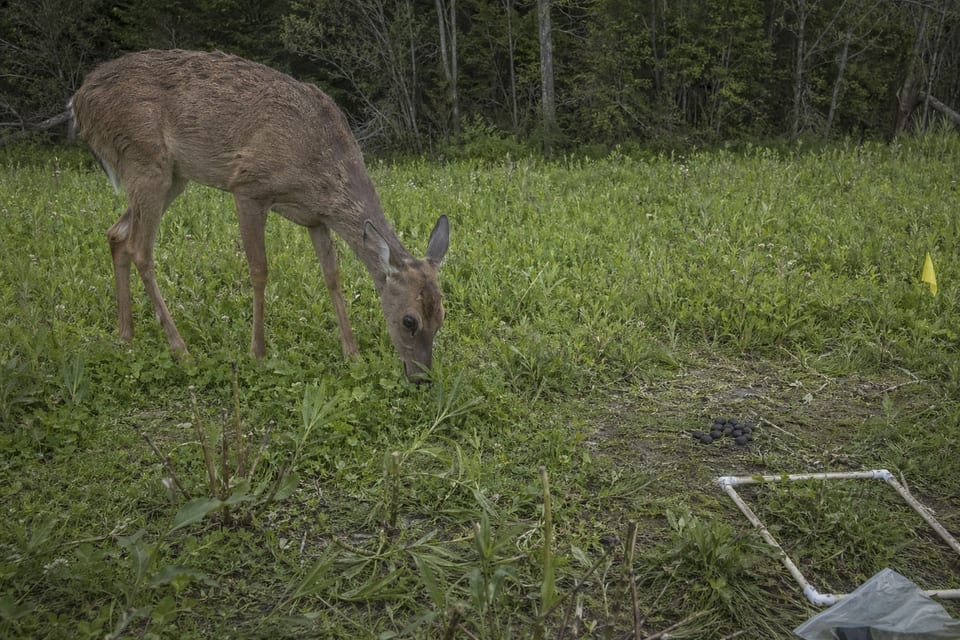
How Do Animals Get Nitrogen? From Air to Organism
Animals get nitrogen by eating plants or other animals that contain converted nitrogen in proteins and amino acids; the nitrogen cycle enables this.
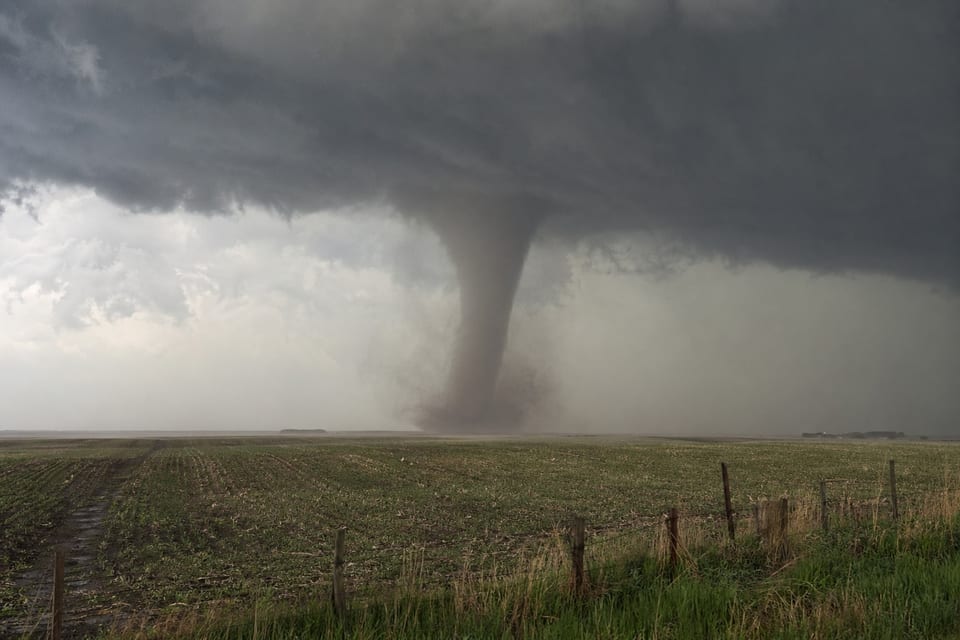
What Causes Tornadoes? The Science Behind the Storm
Discover how warm and cold air collide to create spinning tornadoes, why Tornado Alley sees the most activity, and the Enhanced Fujita scale.
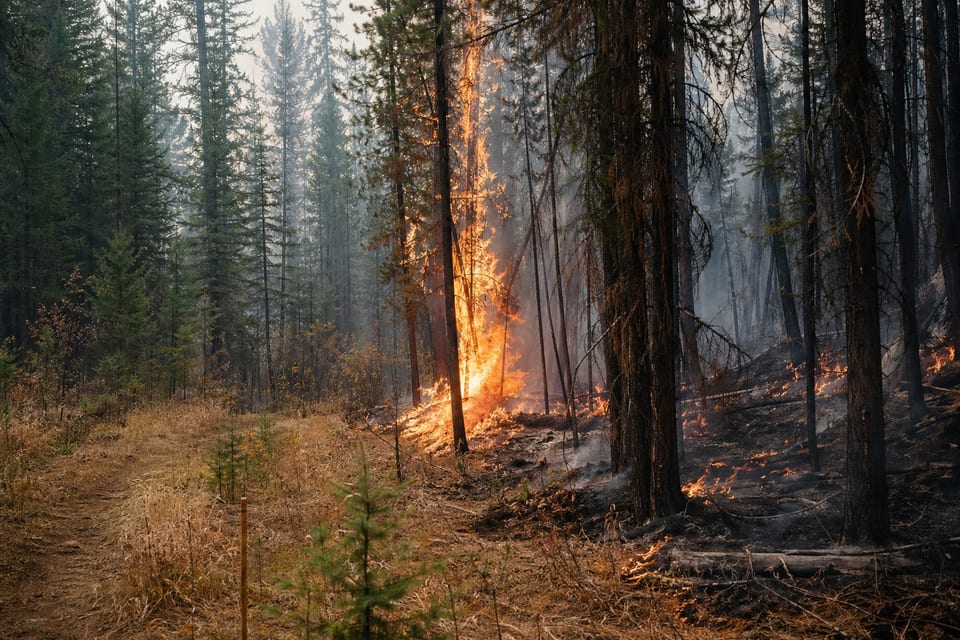
Man vs Nature: Understanding What Causes Wildfires and How We Contribute
Explore wildfire causes, the fire triangle's fuel-oxygen-heat formula, the 5-level danger scale, and how weather, topography, and fuel drive spread.
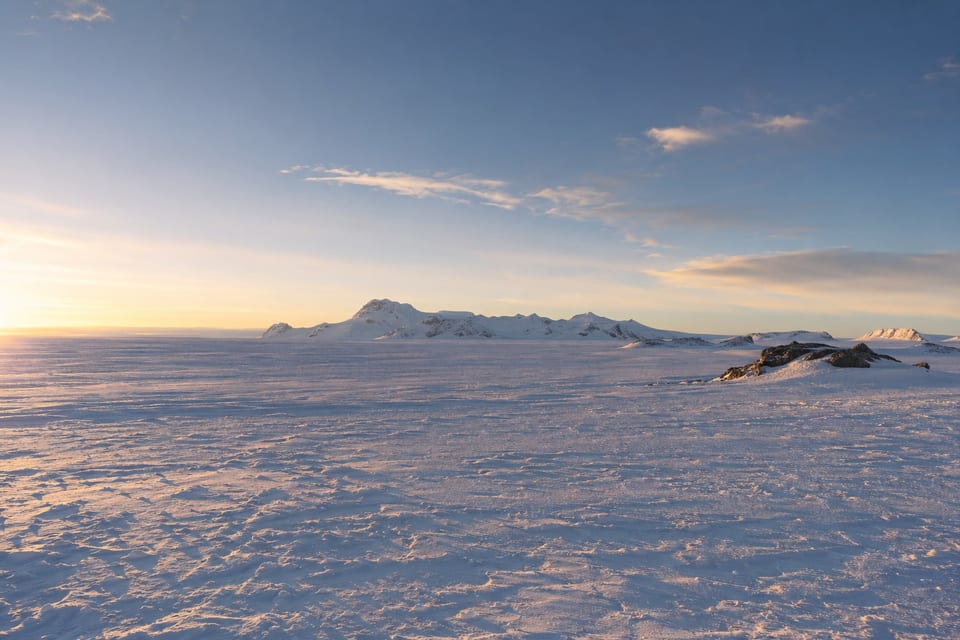
What is the Largest Desert in the World? Discover the Surprising Answer
The Antarctic Desert covers 5.4 million square miles, making it the world's largest desert, despite popular assumptions about the Sahara.

Unveiling the Ocean’s Deepest Secrets: How Much of the Ocean Have We Explored?
Humans have explored just five percent of the ocean despite water covering seventy-one percent of Earth's surface.

25 Enchanting Types of Opals From Around The World: Uncovering Their Dazzling Wonders
25 enchanting opal types from Australia, Mexico, and Ethiopia with unique colors, play of color, and formation histories.
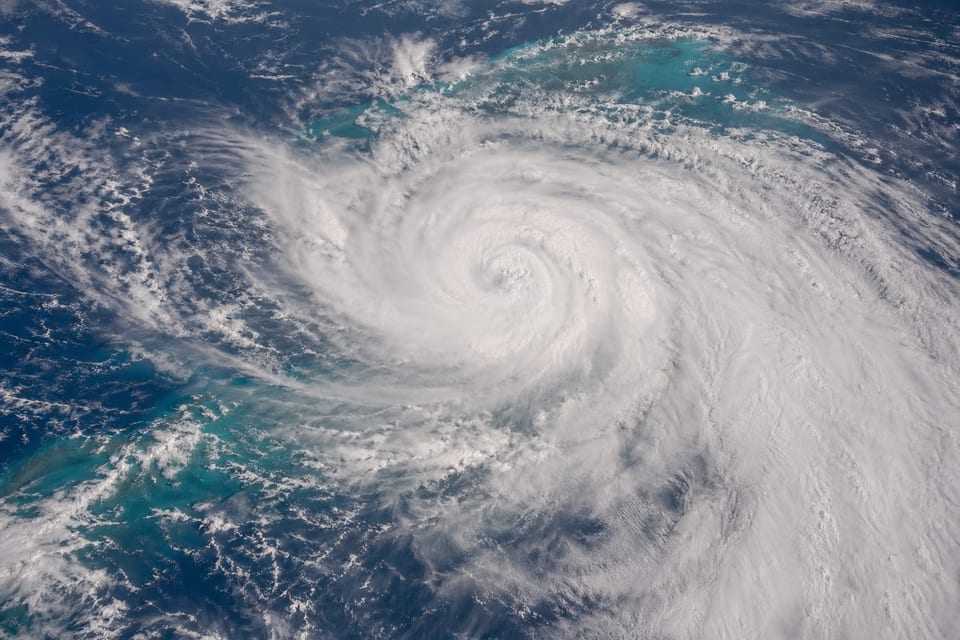
Nature’s Fury Unleashed: Exploring The Key Differences Between Cyclones, Typhoons, and Hurricanes
Cyclones, typhoons, and hurricanes are identical rotating tropical storms named by geography: South Pacific/Indian Ocean = cyclone, West Pacific = typhoon, Atlantic = hurricane. All form over 27°C water and spin opposite hemispheres.
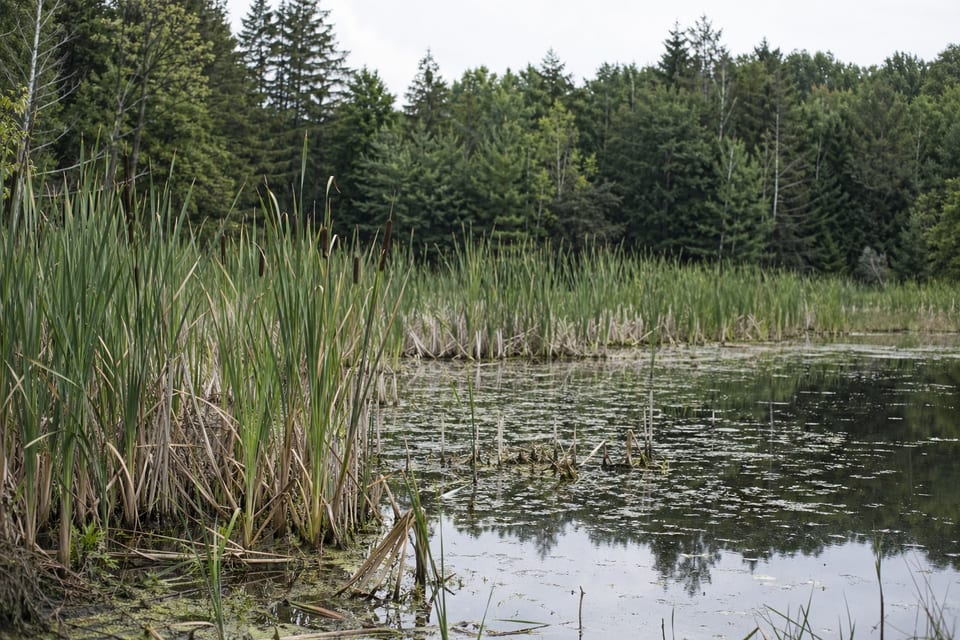
Exploring 13 Types of Wetlands: A Deep Dive into Nature’s Remarkable Ecosystems
Discover 13 wetland types including marshes, swamps, bogs, and fens. Highly productive ecosystems vital for wildlife and flood control.