Natural World
The rhythms of the wild: ecosystems, weather, seasons, and the unseen life all around us.
52 stories in Natural World · Page 2 of 5
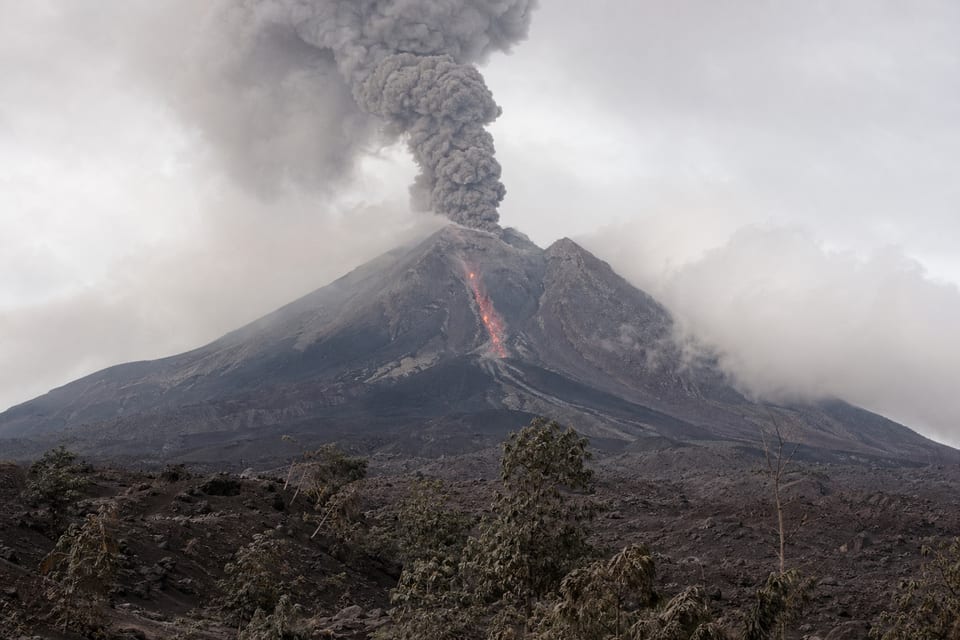
From Dormant to Deadly – What Causes a Volcano to Erupt? Uncovering the Secrets of These Explosive Natural Phenomena
Explore the science of volcanic eruptions, from tectonic plate movement and magma formation to the deadly VEI scale measuring eruption intensity.
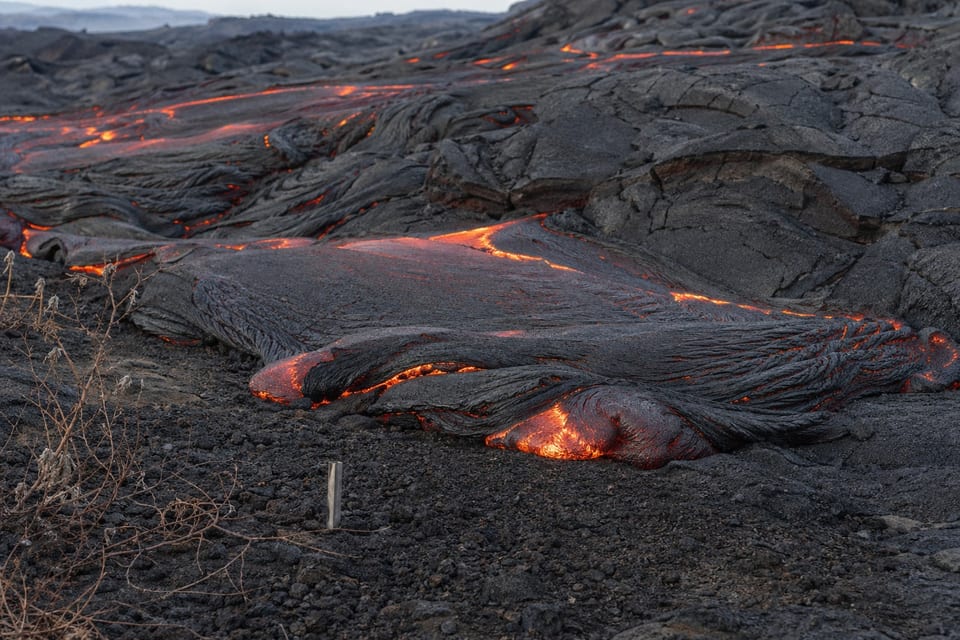
Exploring All the Different Types of Lava: A Fiery Voyage
Lava is classified by silica content into 4 main types, each with distinct properties, temperatures ranging from 700-1200°C, and unique surface formations.
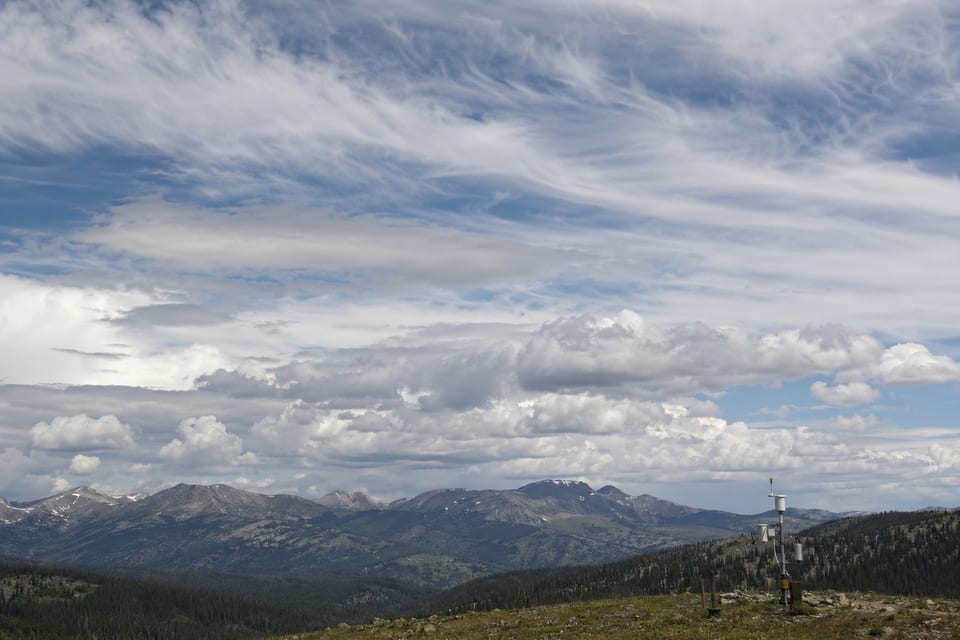
How High Are Clouds? A Fascinating Exploration of the Sky’s Wonders
Cloud heights range from ground level to 65,000 feet in troposphere; cirrus reach 40,000 feet, polar mesospheric 279,000.
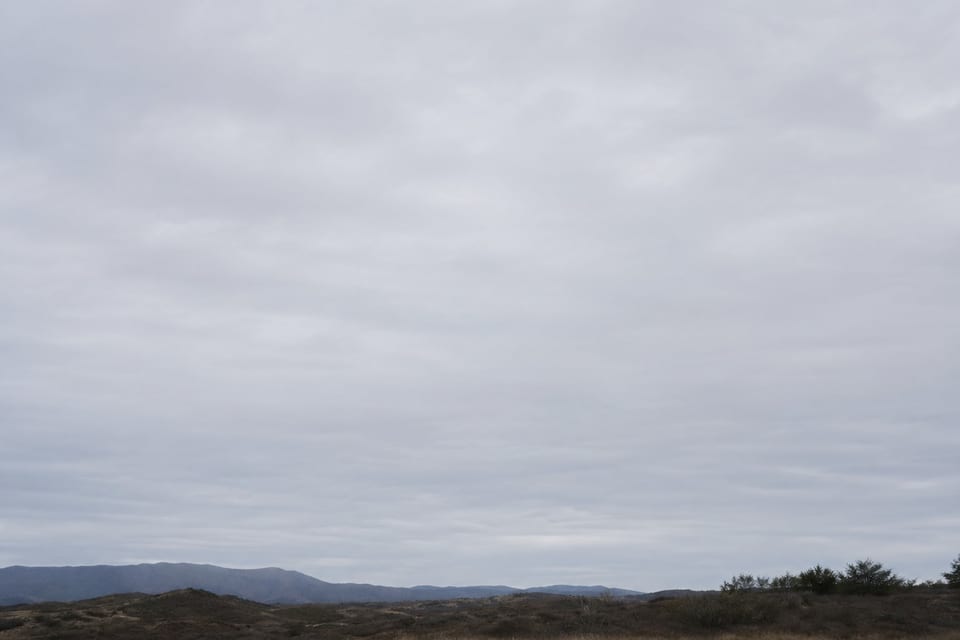
What Are Altostratus Clouds and How Do They Form?
Altostratus clouds are featureless mid-level clouds forming between 6500-20000 feet that allow sunlight to pass through their thin layers.
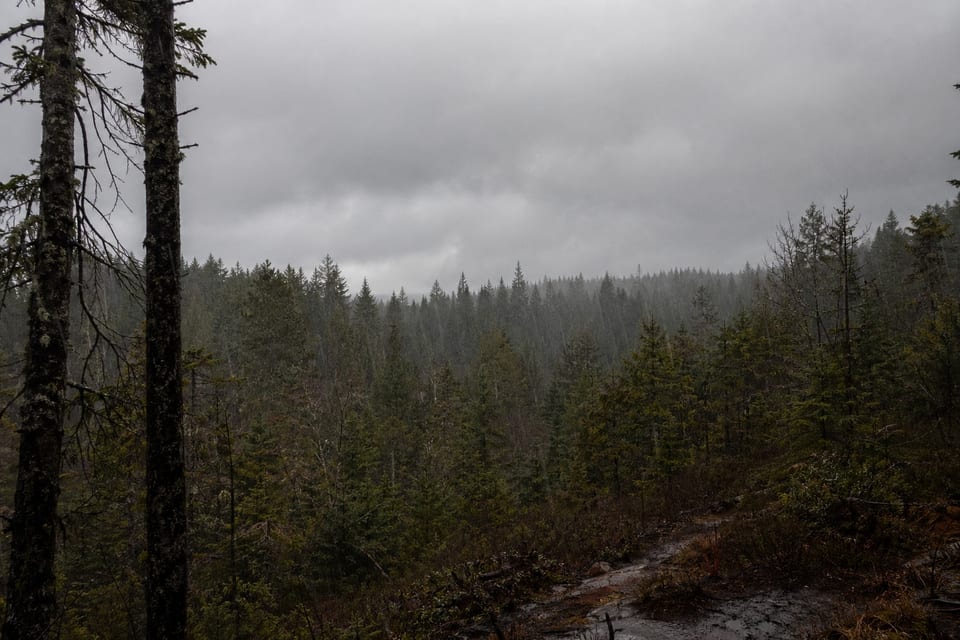
Nimbostratus Clouds Unveiled: Discover the Science Behind Rainy Skies
Nimbostratus clouds are dense, gray sheets that bring continuous rain and block out sunlight without producing lightning.
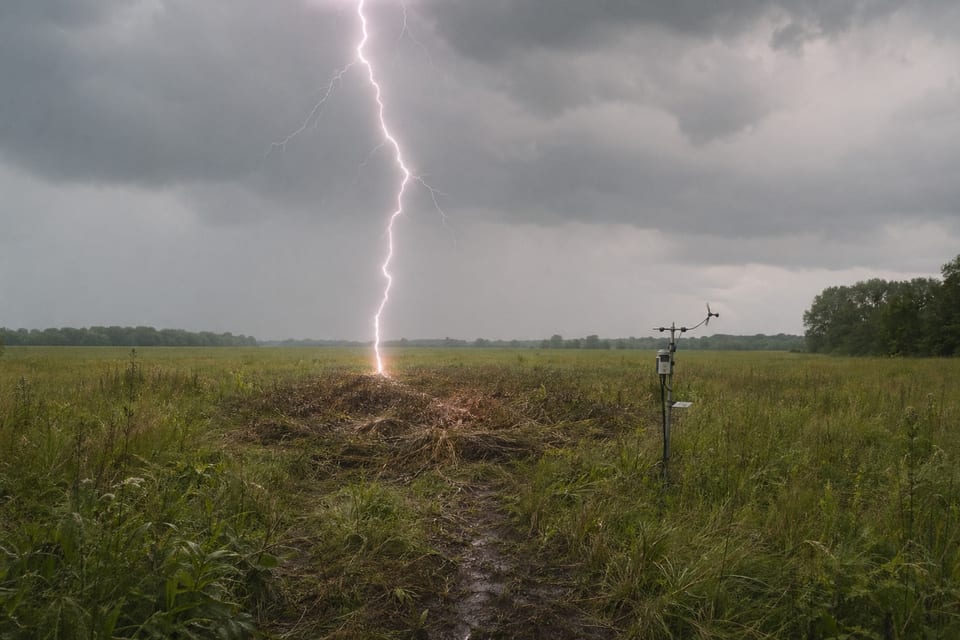
What Are the Chances of Getting Struck by Lightning?
Lightning strikes happen at 1 in 15,300 lifetime odds; positive lightning is 10 times stronger than negative, heating air to 60,000 degrees.
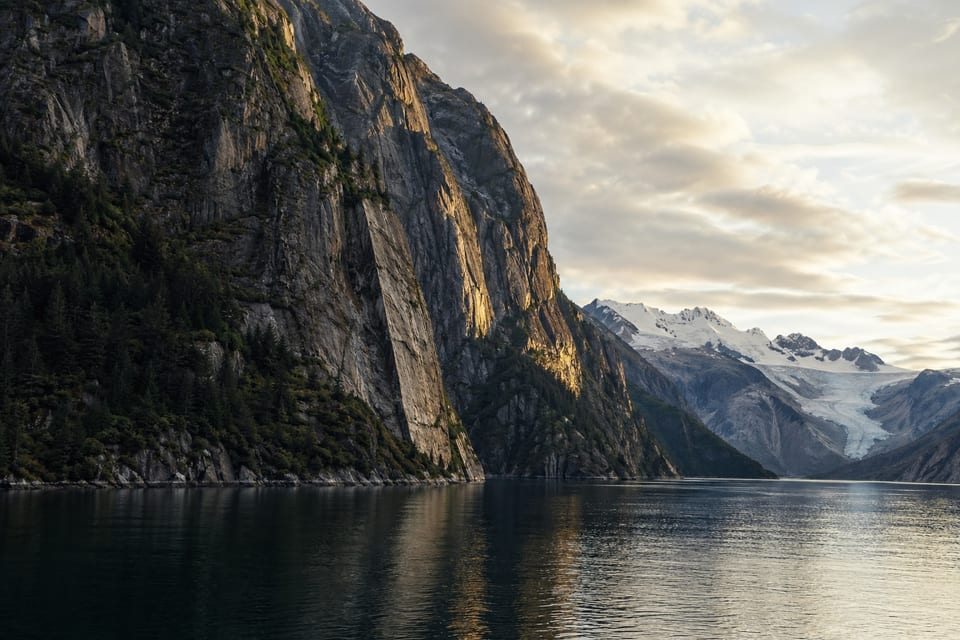
Demystifying Fjords: What is a Fjord and Where to Find Them
Fjords are narrow, deep, glacier-carved inlets found in Norway, Greenland, Alaska, and New Zealand, with steep walls and cold water ecosystems.
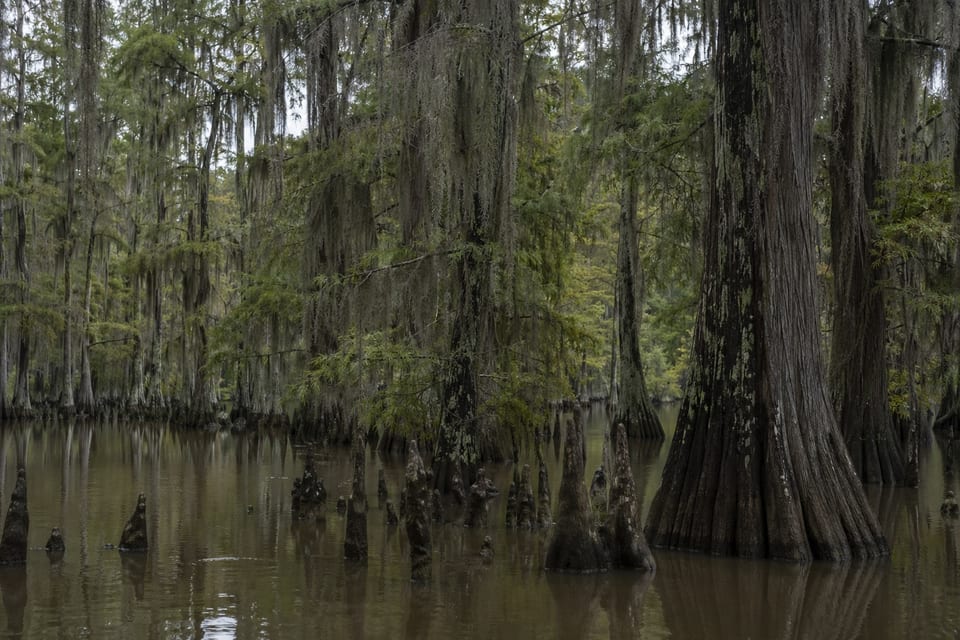
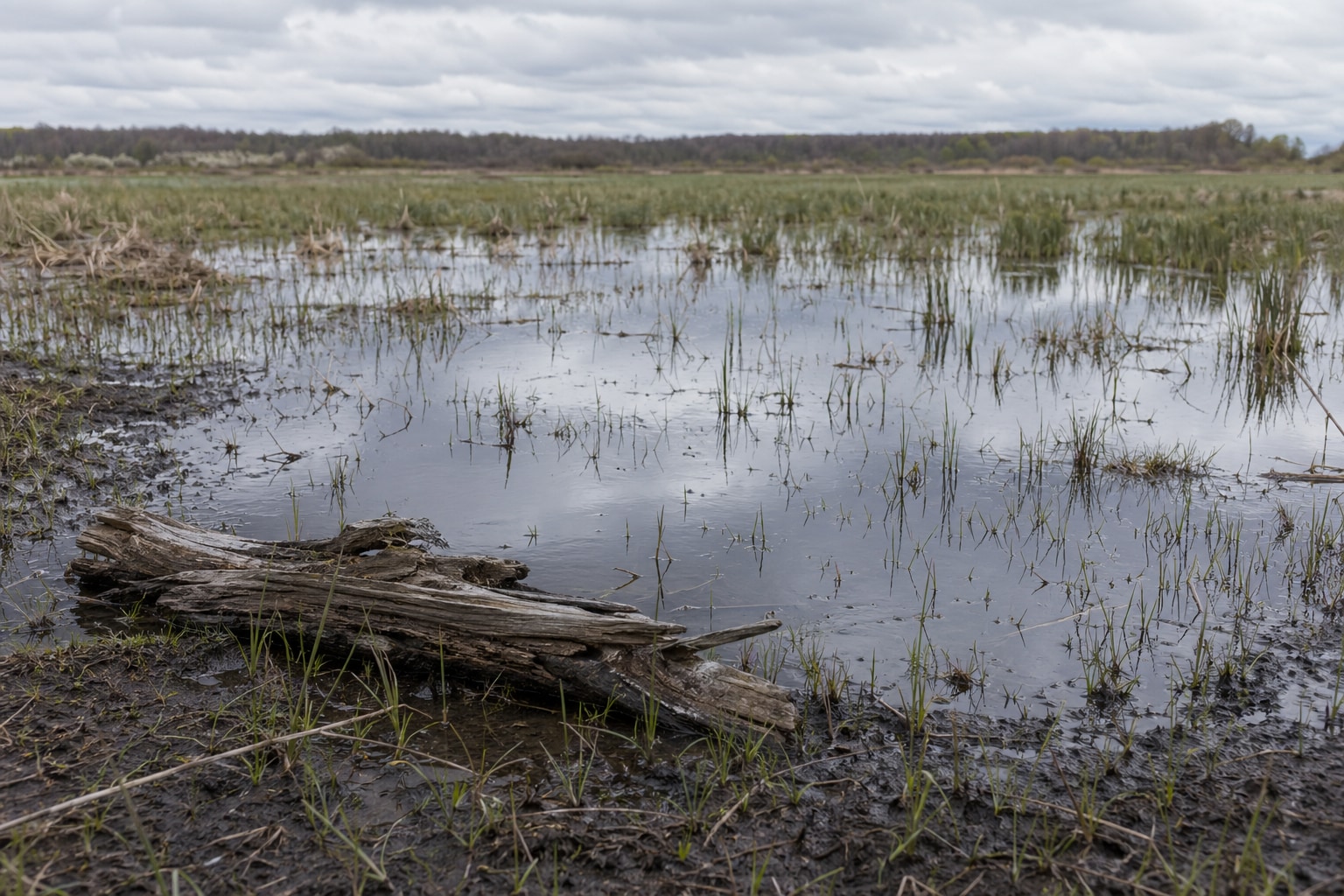
What is a Bayou? Unraveling the Mysteries of America’s Wetlands
Bayous are low-lying, slow-moving southeastern wetlands formed near coastal areas and dominated by Bald Cypress trees and diverse wildlife.
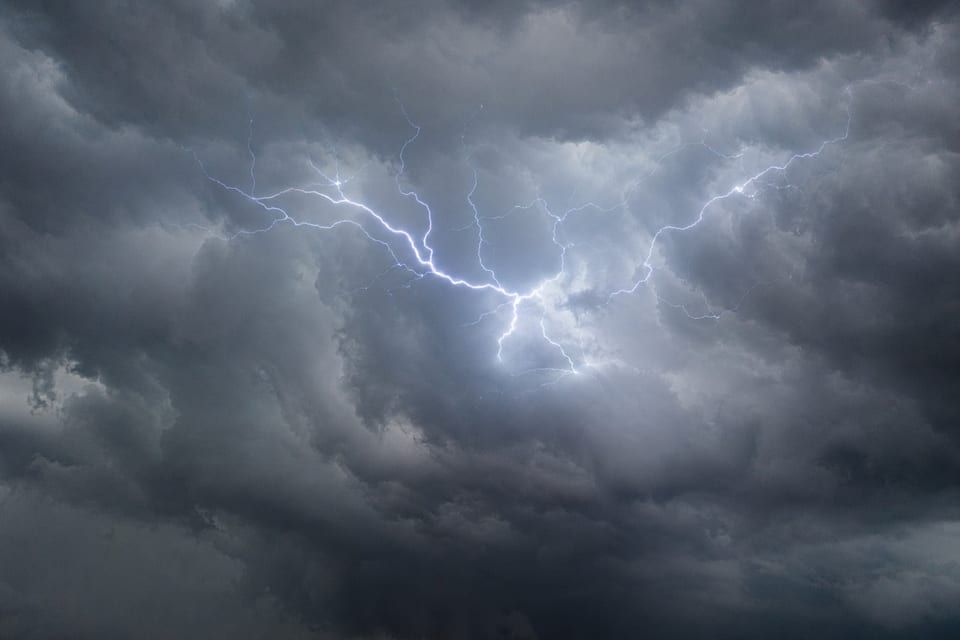
What Color is Lightning? All About Nature’s Colorful Electrical Display and the Factors That Shape It
Lightning ranges from white to red, blue, green, and rare purple hues depending on atmospheric moisture, altitude, and particle composition.
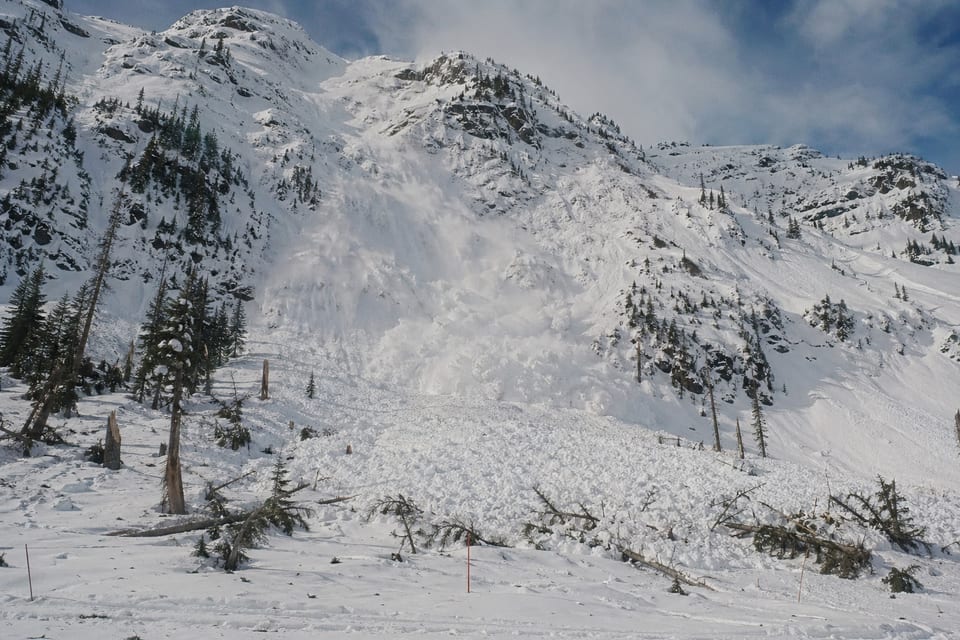
What is an Avalanche? Discover the Types, Causes, and Dangers of These Snowy Disasters
Avalanches are large snow masses that rush downslope at extreme speeds, triggered by slope angle, snowpack instability, and weather. Slab avalanches are deadliest.
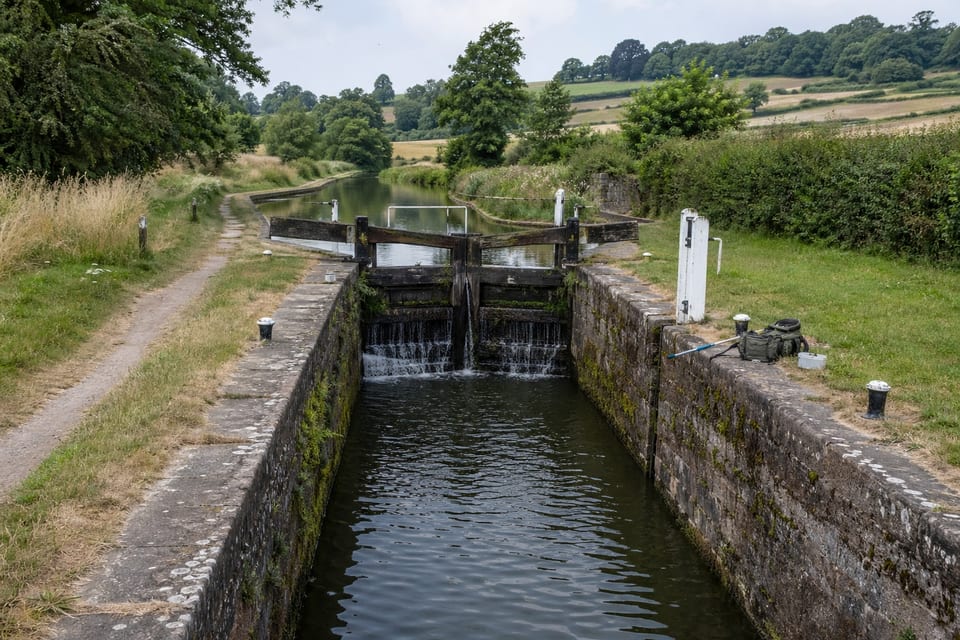
What Is a Canal: Unlocking the Secrets of Ancient Engineering and Modern Marvels
Canals are human-made water channels built for transportation, irrigation, and trade, with examples ranging from ancient Rome to modern shipping routes.
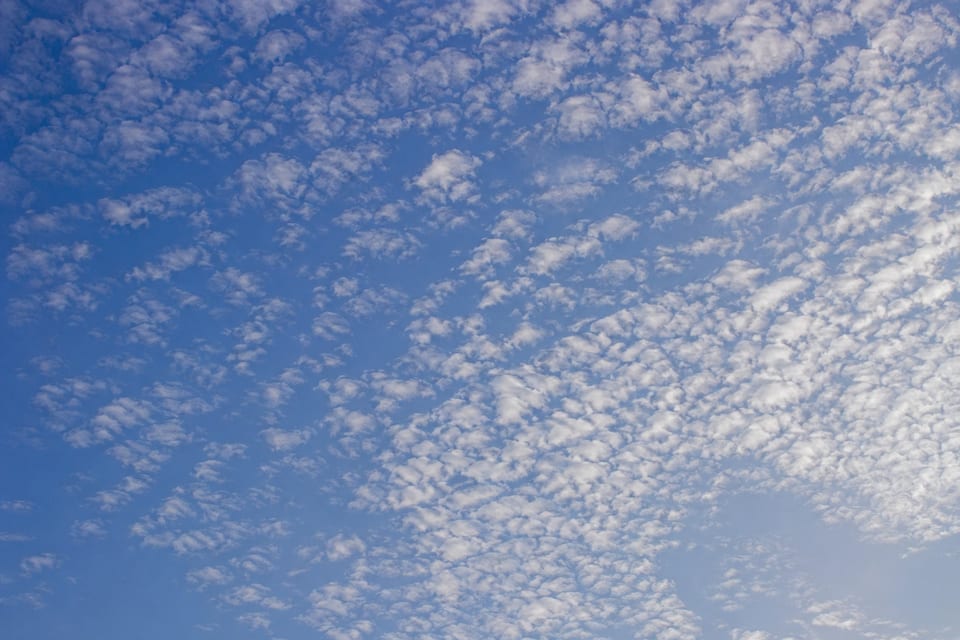
Unravel the Mystery of Cirrocumulus Clouds: Formation, Types, and Impact on Weather
Cirrocumulus clouds form at 20,000-40,000 feet from turbulent vertical currents and contrails, appear as white cotton ball rows, and indicate cold, fair weather.