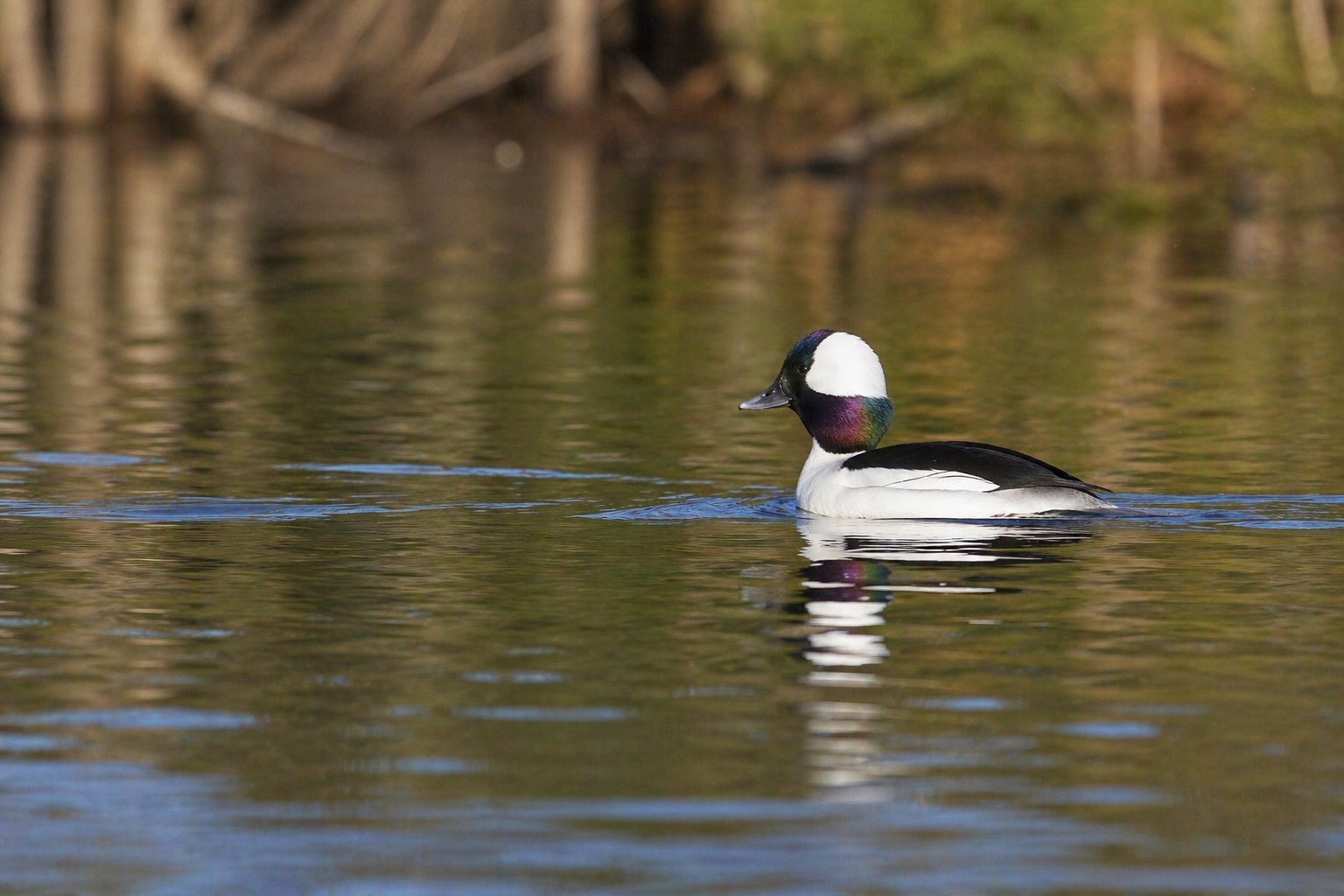
Bufflehead Ducks: Unveiling the Secrets of North America’s Tiniest Divers
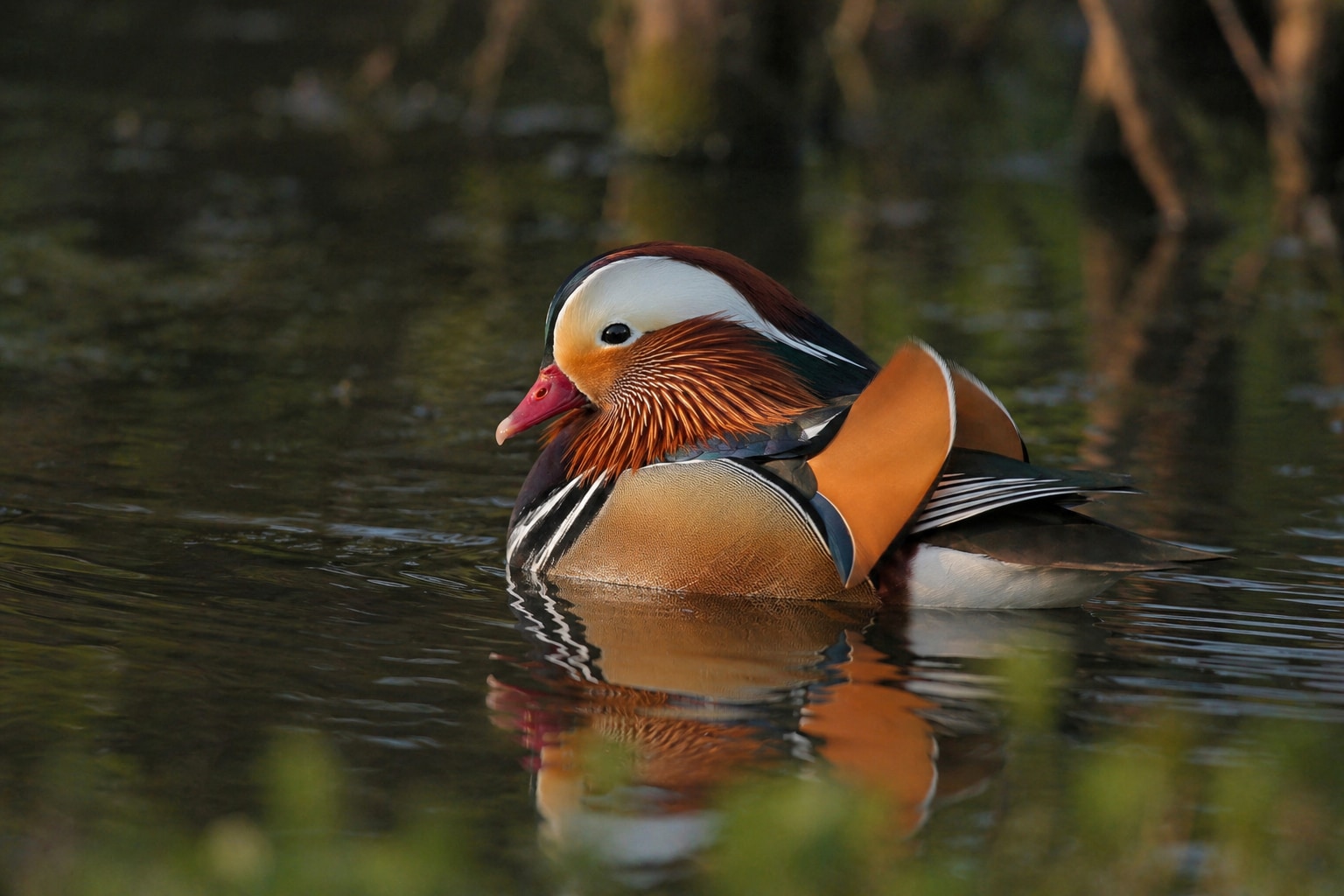
North America's smallest diving duck migrates from Arctic Canada to southern US; monogamous and known for striking male plumage and court displays.
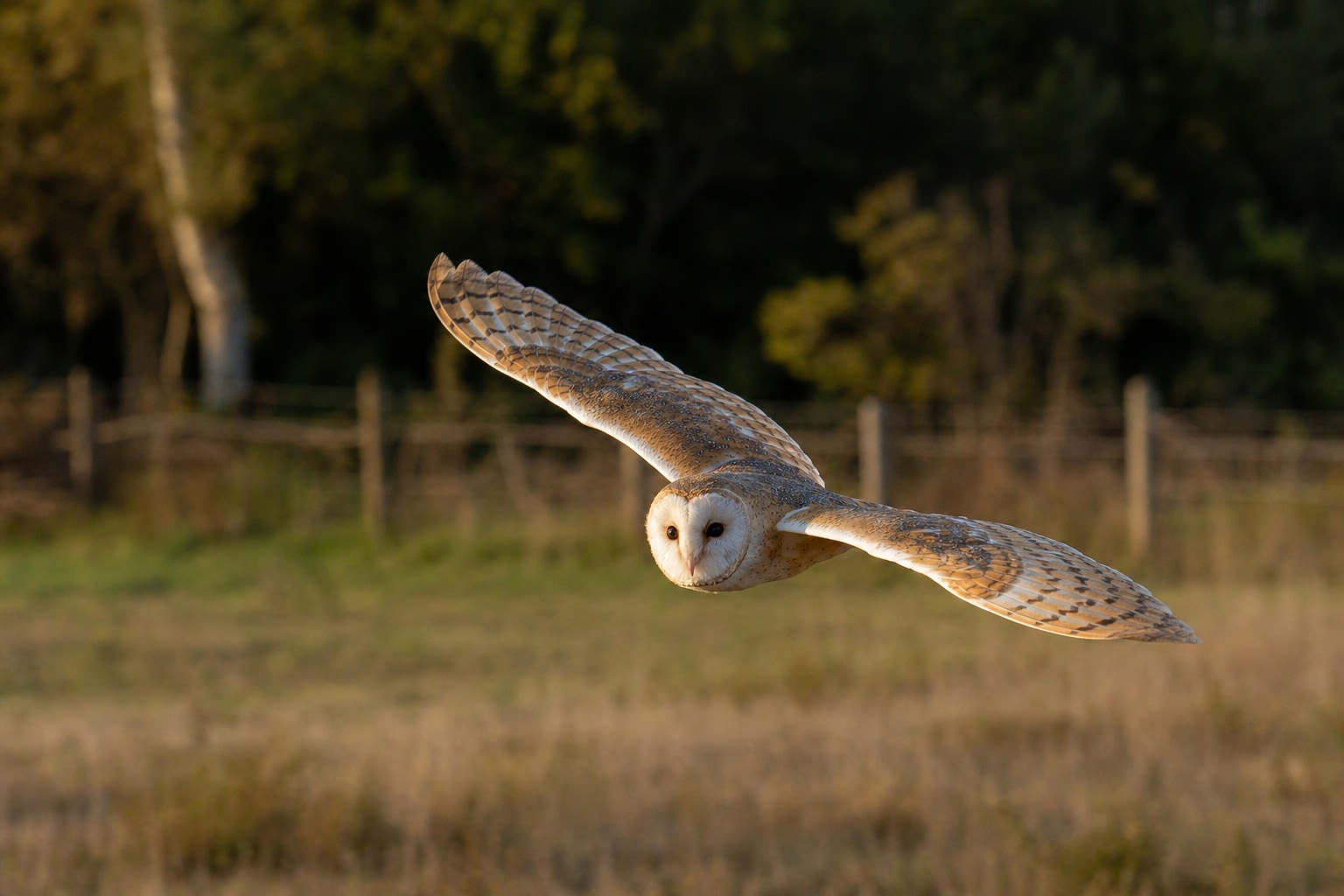
The barn owl is the world's most widespread raptor, with a distinctive heart-shaped face and silent flight that makes it a master nocturnal rodent hunter across every continent except Antarctica.
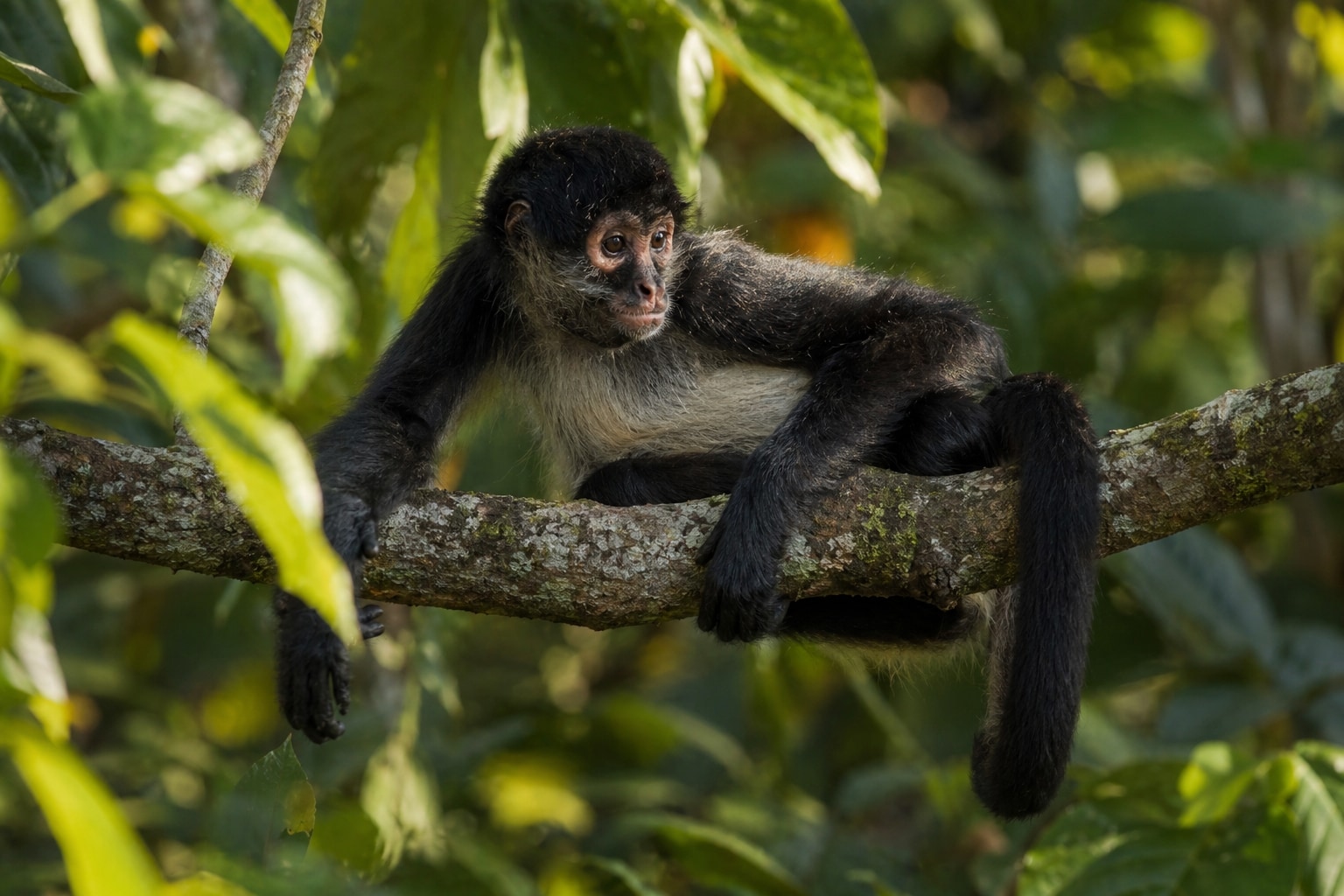
Monkeys live 10 to 30 years depending on species; Prosimians live 10 to 15 years while Old World monkeys live up to 30 years.
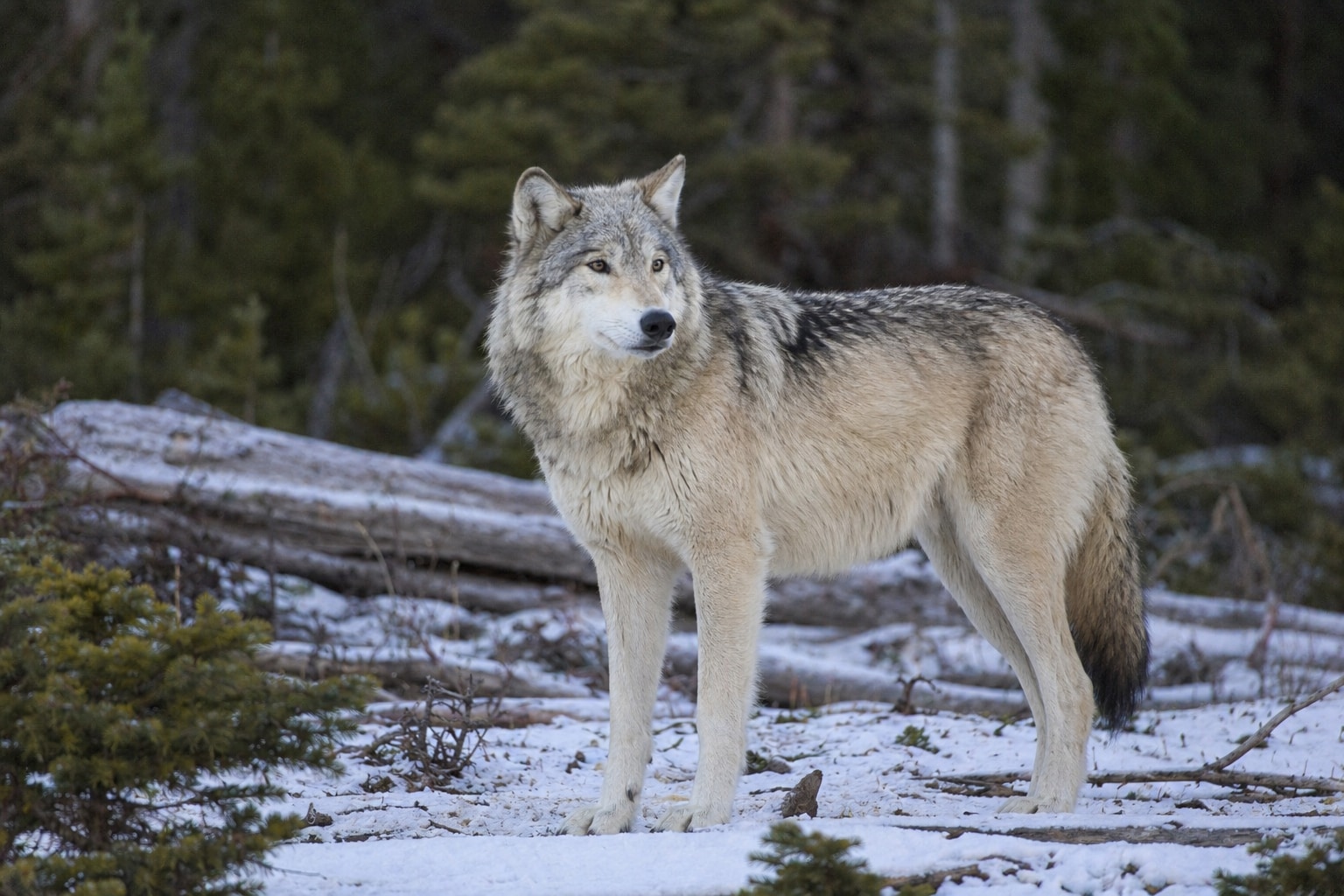
Idaho wolves were listed as endangered for 30 years before reintroduction efforts restored populations to over 1,500 individuals by 2021.
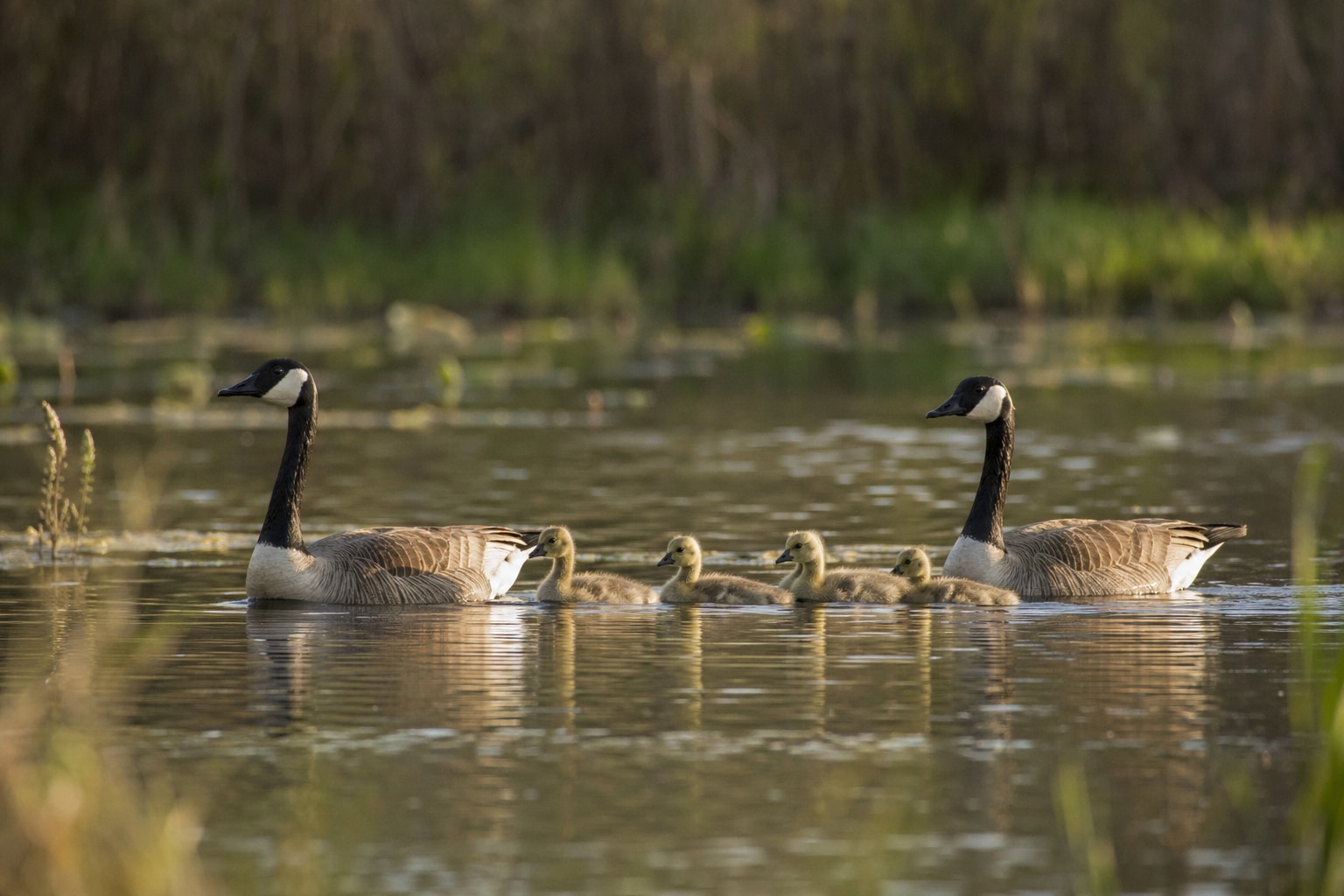
North America has 26 goose species spanning wild and domestic breeds, from iconic Canada geese to striking snow geese, each with unique migration patterns and characteristics.
12 centipede types span from common house dwellers to giant Amazonian predators with odd leg pairs.
Birds mate via cloacal kiss with internal fertilization. Only 3 percent of male birds have penises, mostly water species like ducks and geese.
Nine Arctic animals thrive at the North Pole despite extreme cold, including polar bears, arctic foxes, narwhals, and Greenland sharks living 400+ years.
Lobsters live exceptionally long lives, often reaching 50 to 70 years in the wild and potentially living much longer without apparent age-related decline.
Bee lifespans vary by type: worker bees live five to six weeks, while queen bees live one to three years, with some carpenter bees living up to three years.
Dry ice lasts eighteen to twenty-four hours in a cooler, three to five hours unprotected, and only fifteen to forty-five minutes in liquid.
Texas is home to roughly 1,500 spider species, with orb weavers, jumping spiders, and wolf spiders being the most common families in the state.