Wildlife
Nocturnal Animals List: What Stays Awake At Night?
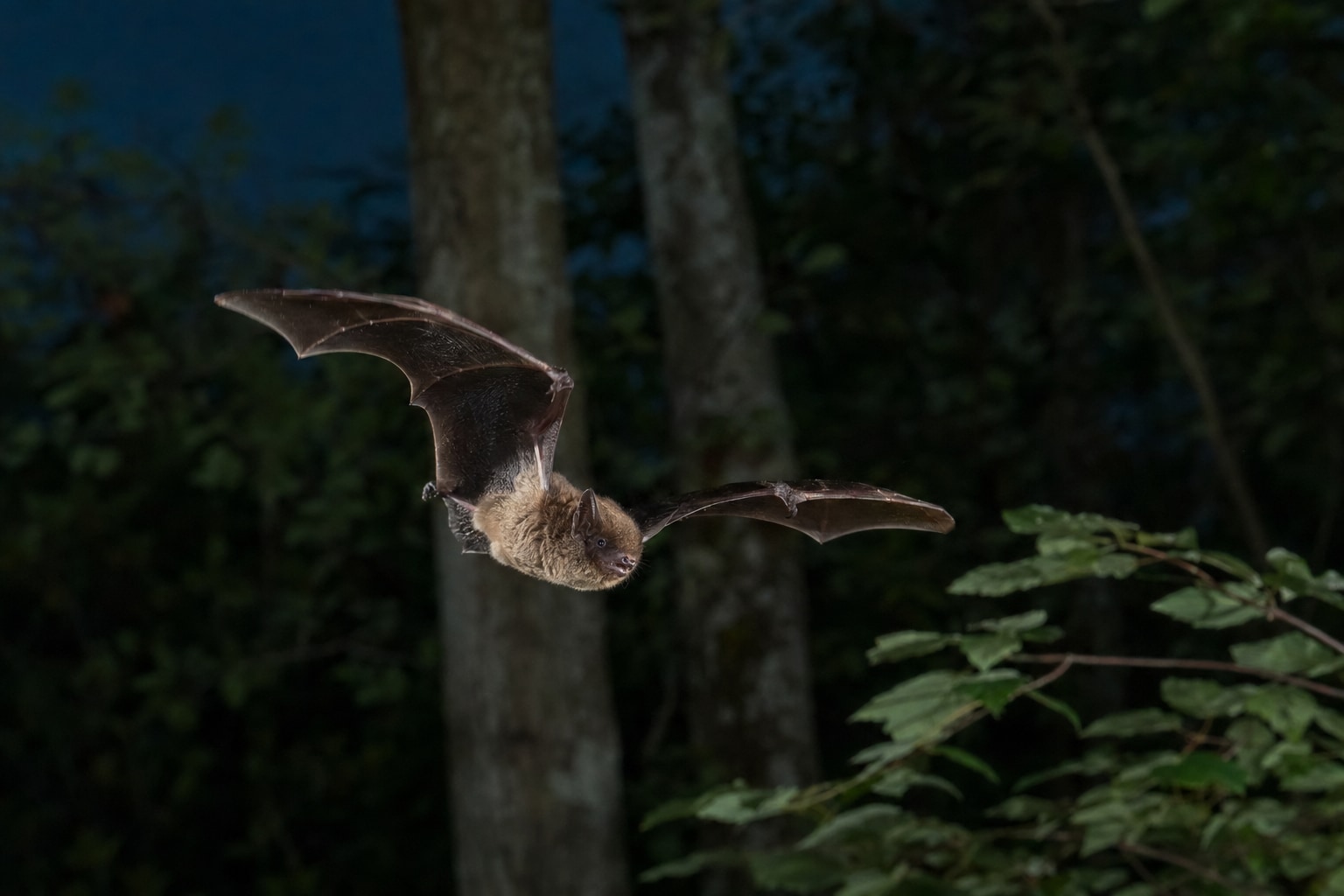
70% of animals are nocturnal with specialized adaptations like echolocation, enhanced eyes, and superior hearing.
70% of animals are nocturnal with specialized adaptations like echolocation, enhanced eyes, and superior hearing.
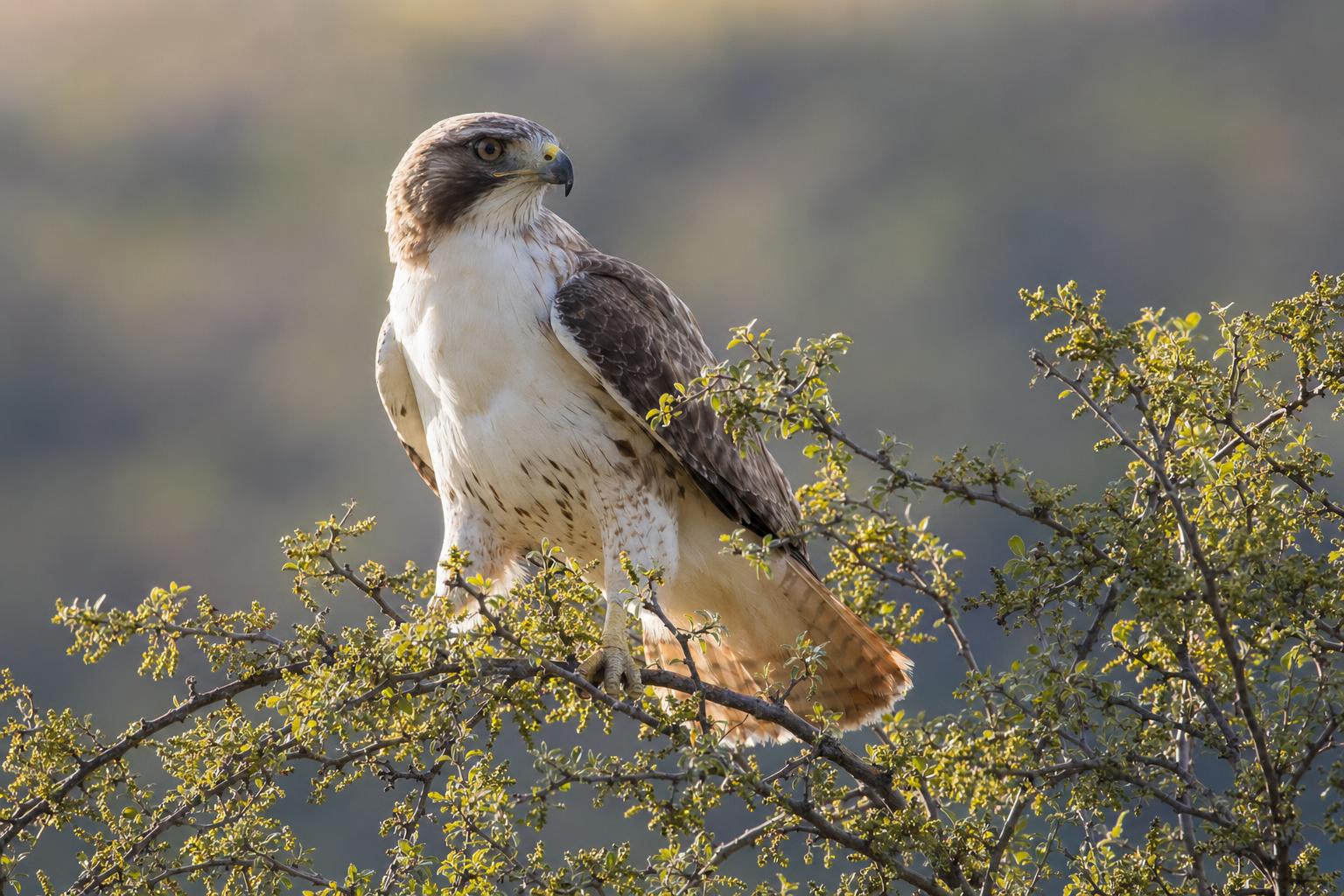
Texas is home to 14 hawk species, ranging from the common red-tailed hawk to rare zone-tailed and gray hawk species found in specialized habitats.
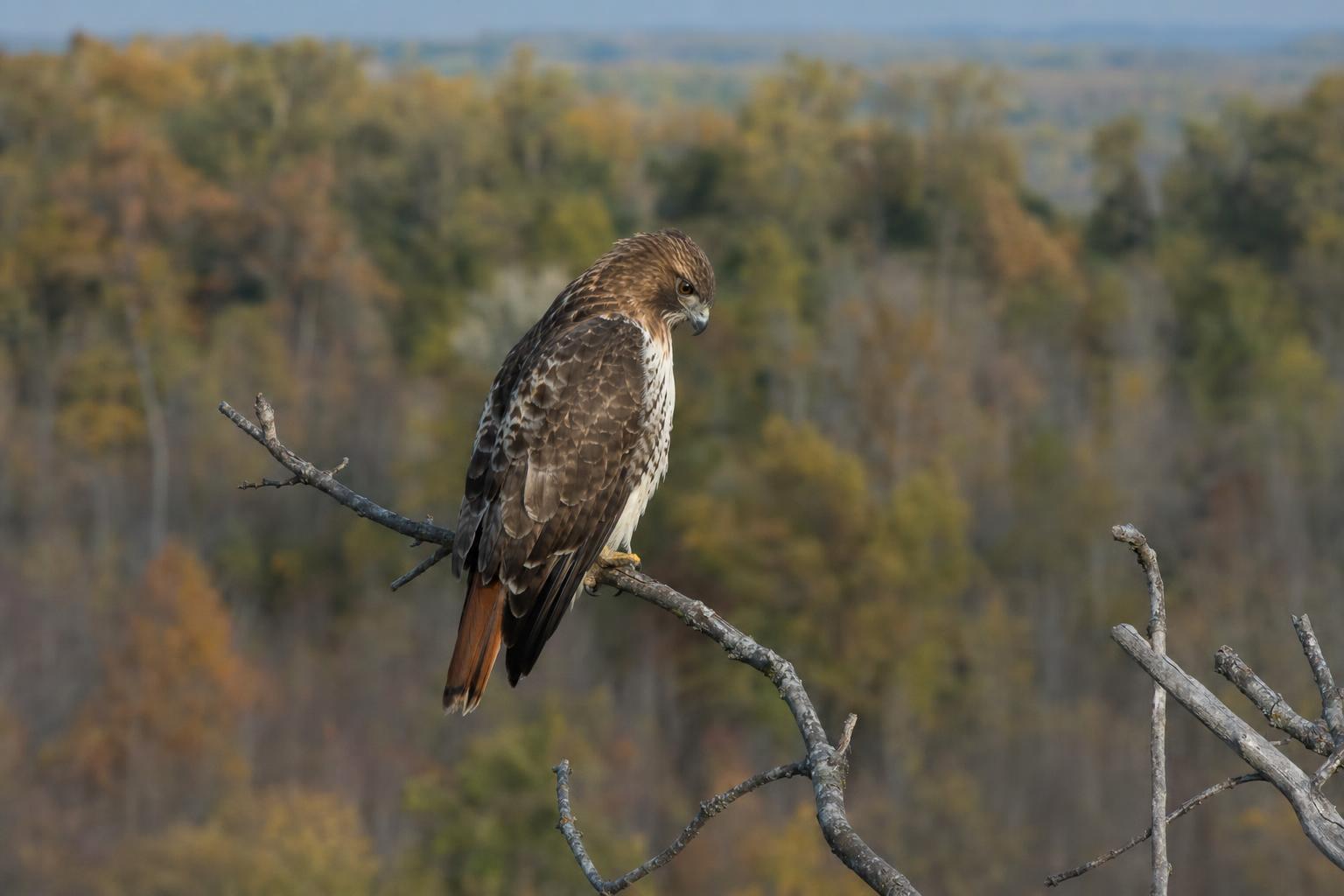
Michigan boasts 9 hawk species across its rich Lake Michigan coastlines and 35+ nature reserves, offering exceptional bird-watching opportunities year-round.
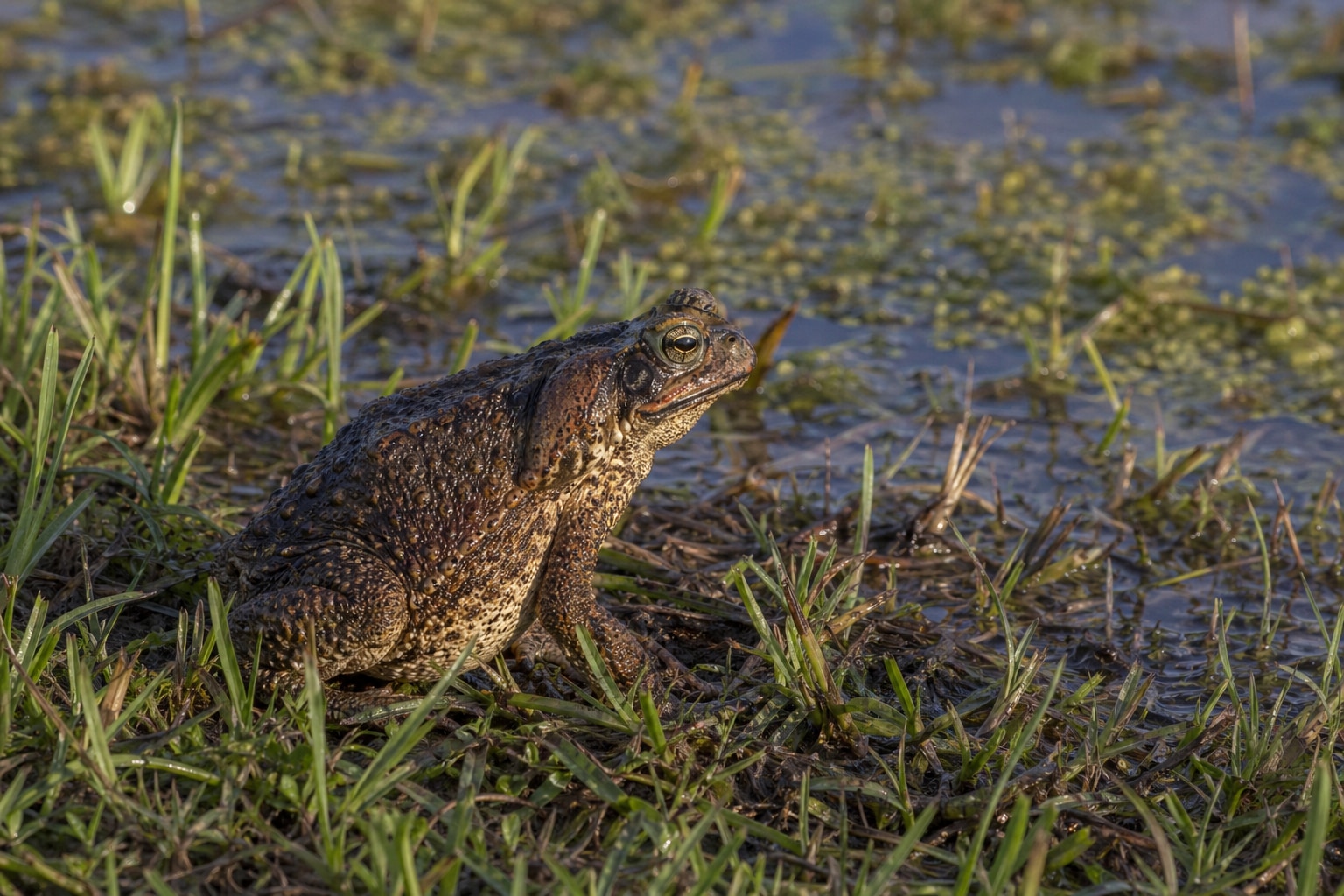
Florida has three poisonous frog species: cane toads deadly to dogs, Cuban treefrogs with mild toxins, and gray treefrogs with skin irritants.
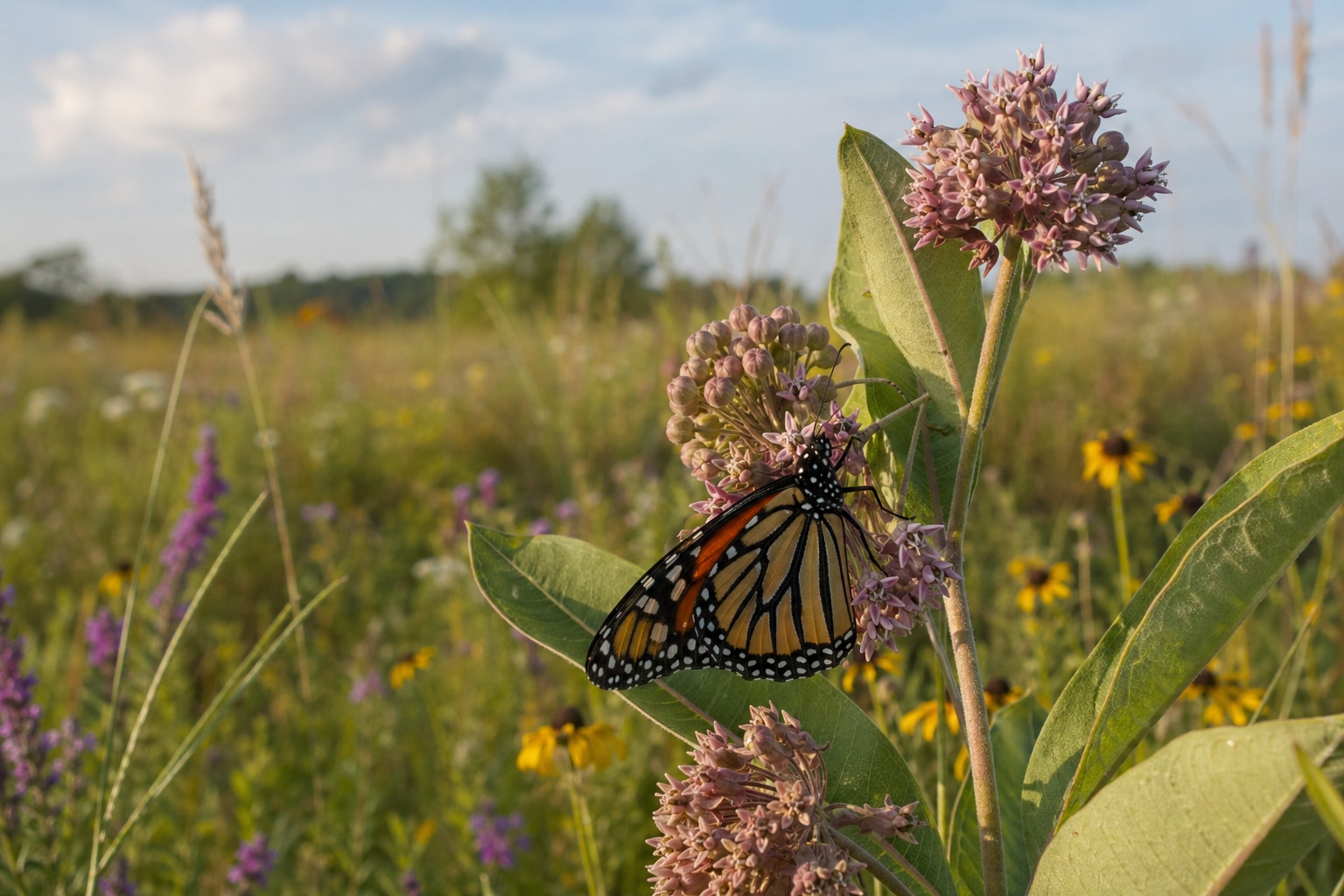
Most butterflies live two to four weeks as adults, though some species survive longer depending on size, climate, and environmental conditions.
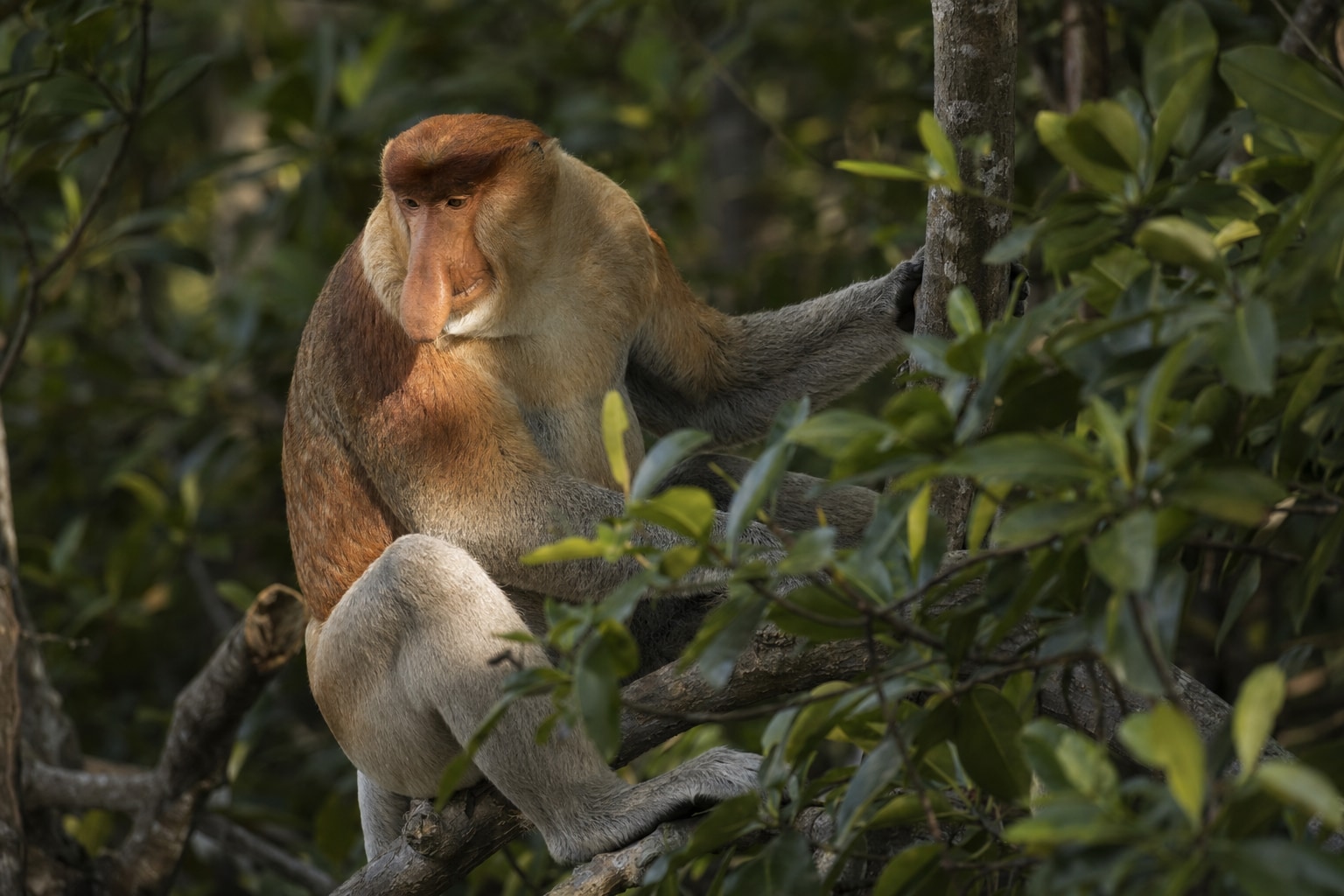
Proboscis monkeys are large-nosed primates from Borneo with specialized chambered stomachs and complex diets. Deforestation has pushed them toward endangered status.
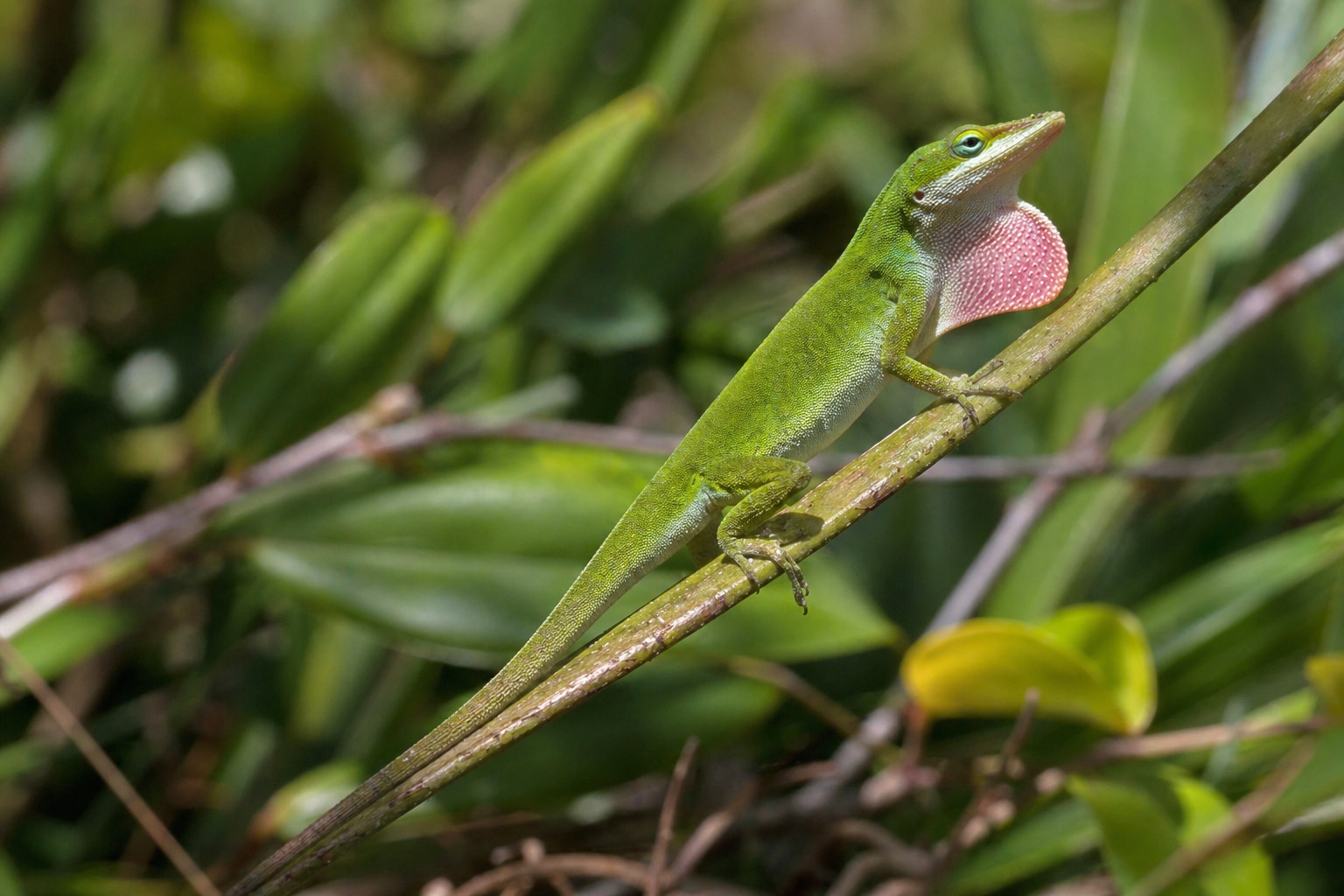
Florida hosts 8 anole species, 7 invasive; only the green anole is native. These tree-dwelling lizards display colorful dewlaps and can drop their tails when threatened.
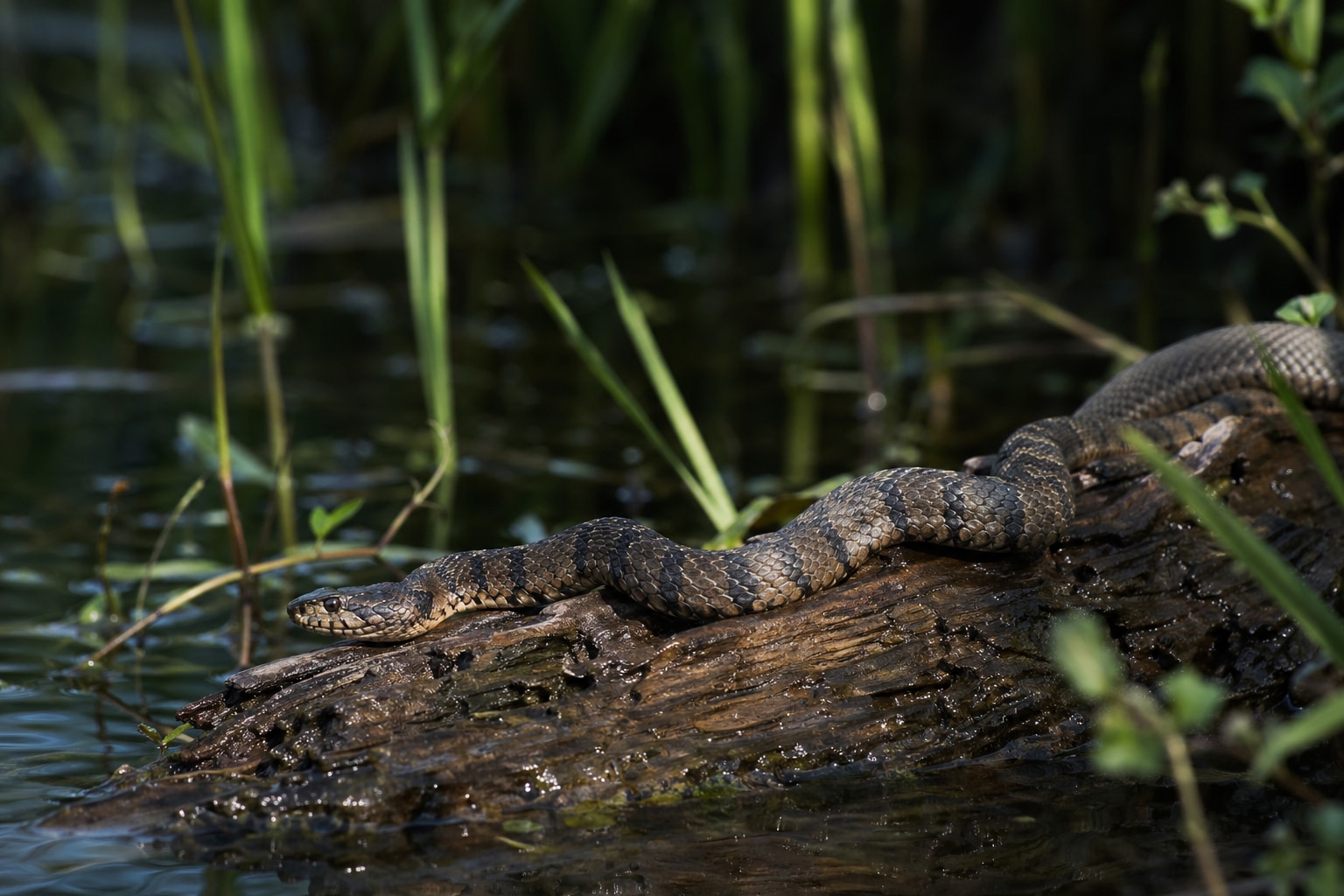
Michigan's three water snake species are non-venomous aquatic hunters with distinctive features: northern water snakes, plain-bellied water snakes, and queen snakes.
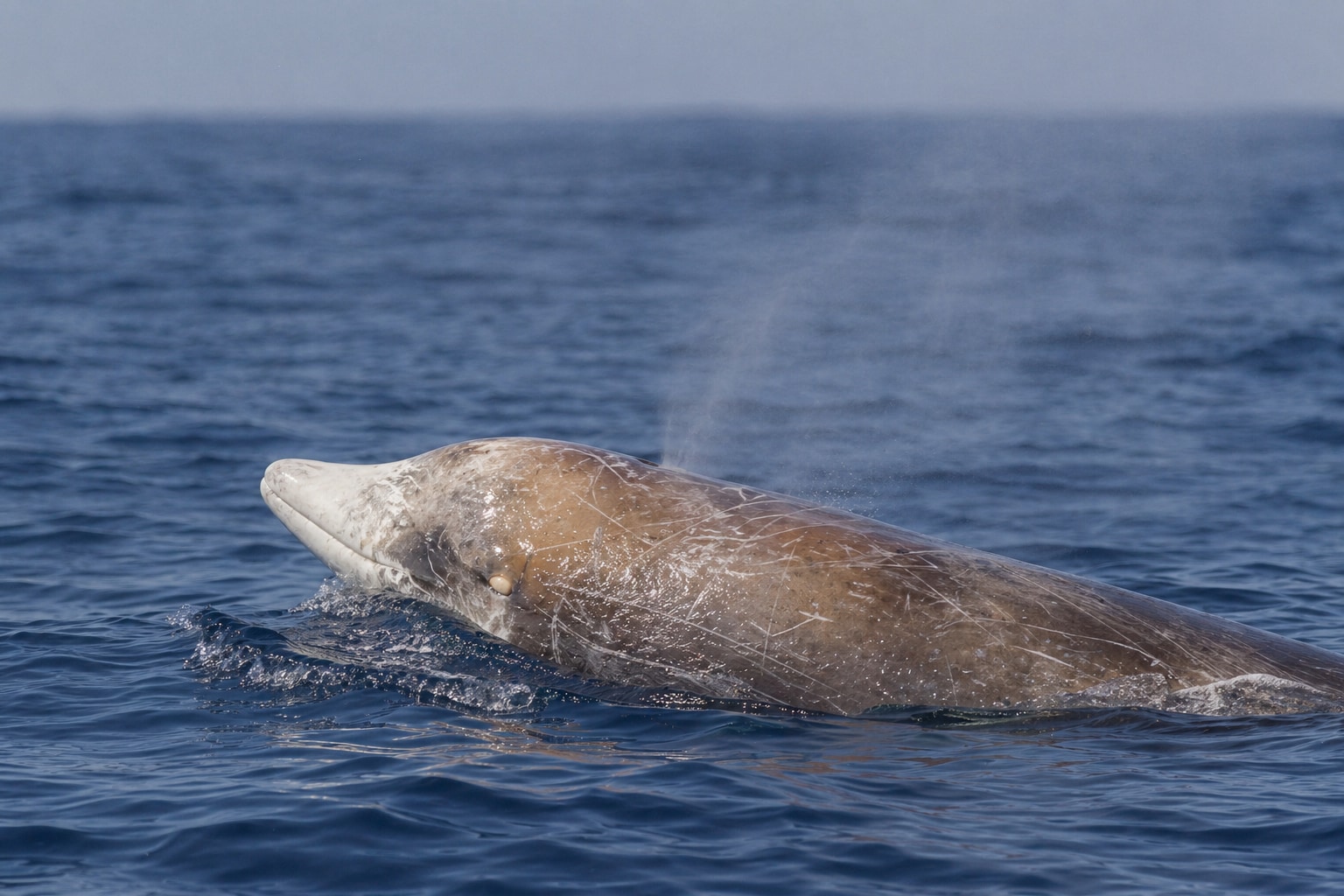
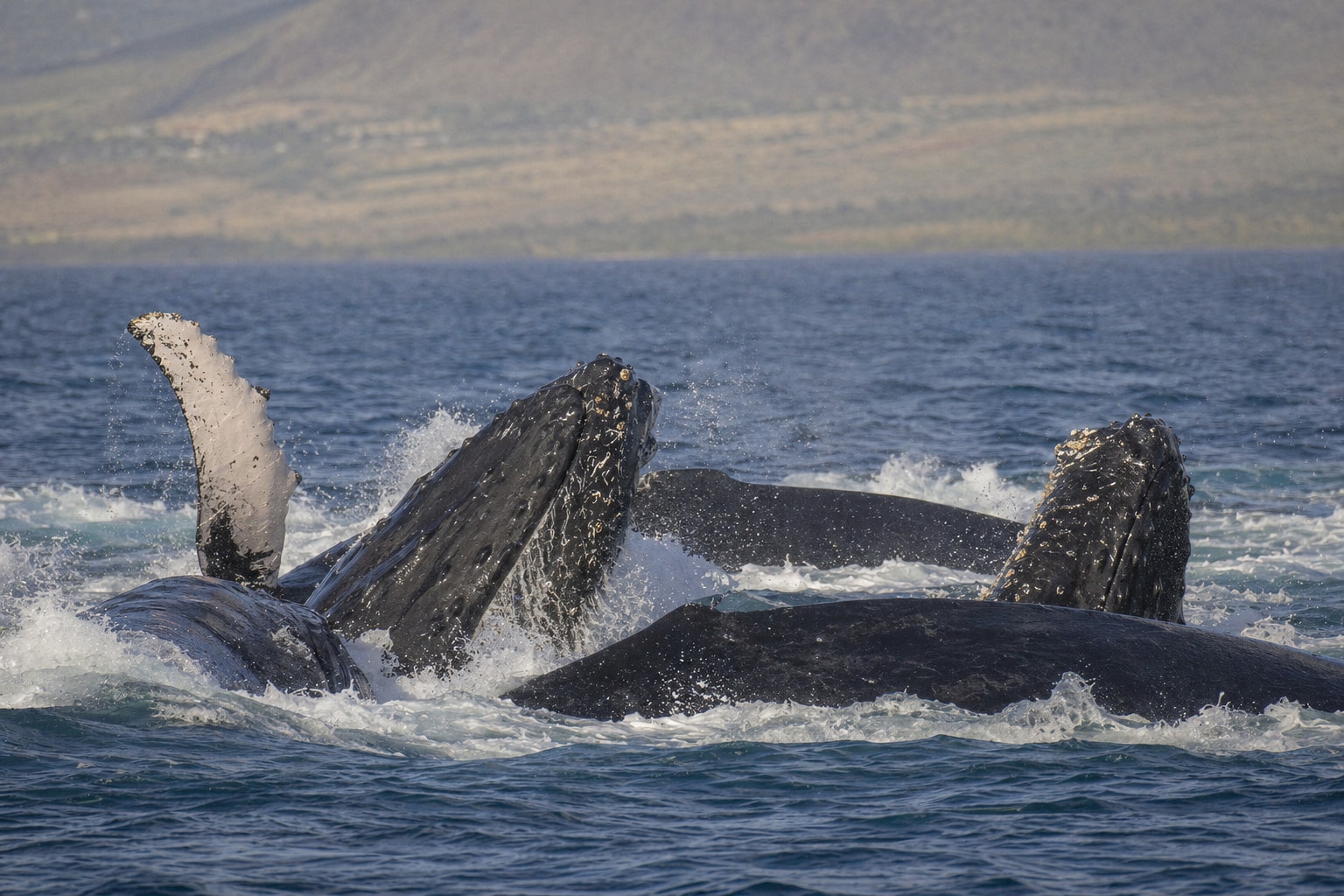
Most whales hold breath 5-30 minutes; some species exceed 90 minutes through oxygen storage in blood.
Male whales court females through fighting, breaching, singing, and penis displays before successful mating underwater.
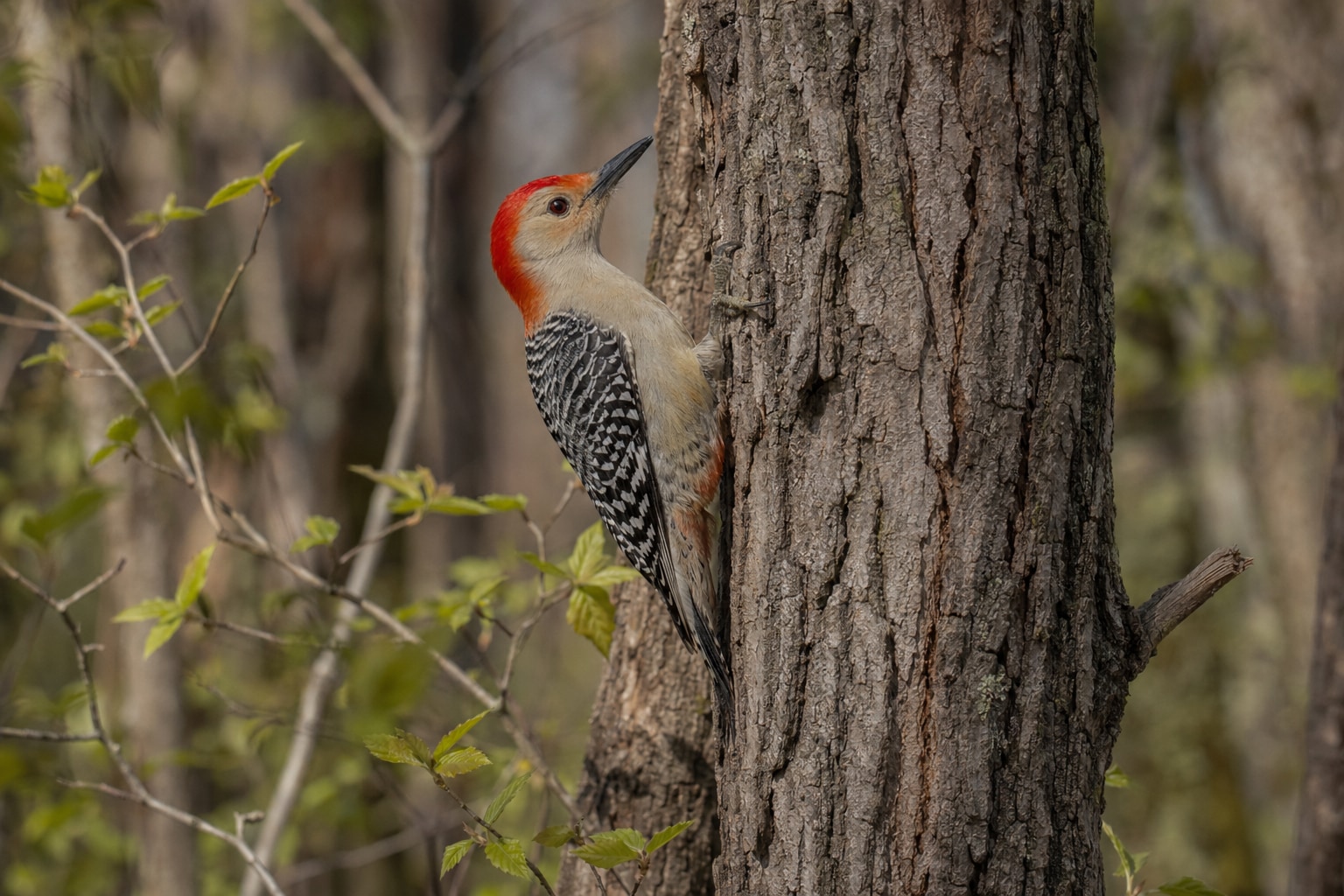
Seven woodpecker species inhabit Tennessee's forests, with reinforced three-layer skulls and zygodactyl feet adapted for gripping trees at any angle while drumming.
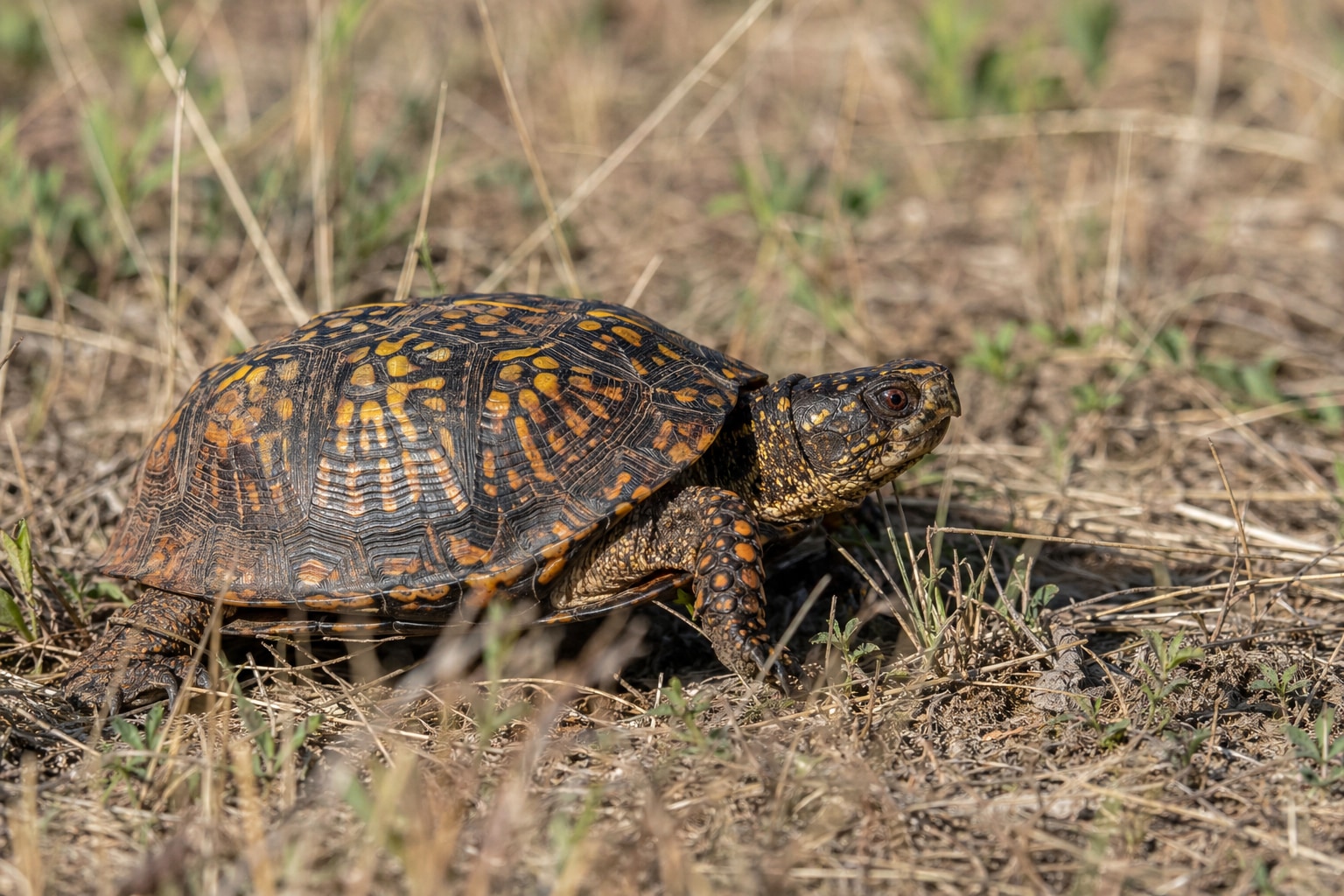
Texas is home to 26 turtle species ranging from box turtles in deserts to softshells in rivers.