Wildlife
How Long Do Cicadas Live? It Might Surprise You
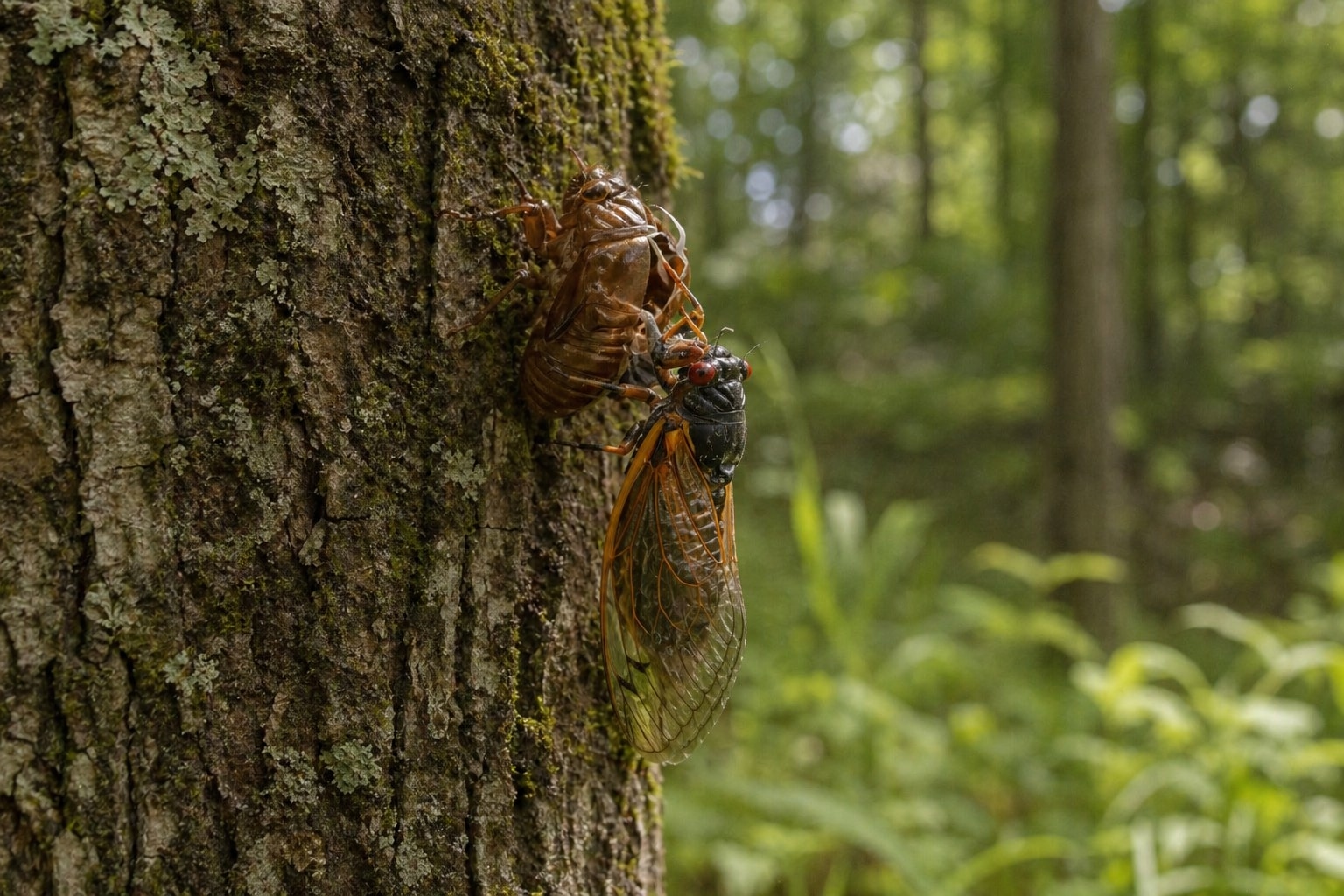
Cicadas live two to 17 years total, spending most of their life as nymphs underground and only one month above ground as adults.
Cicadas live two to 17 years total, spending most of their life as nymphs underground and only one month above ground as adults.
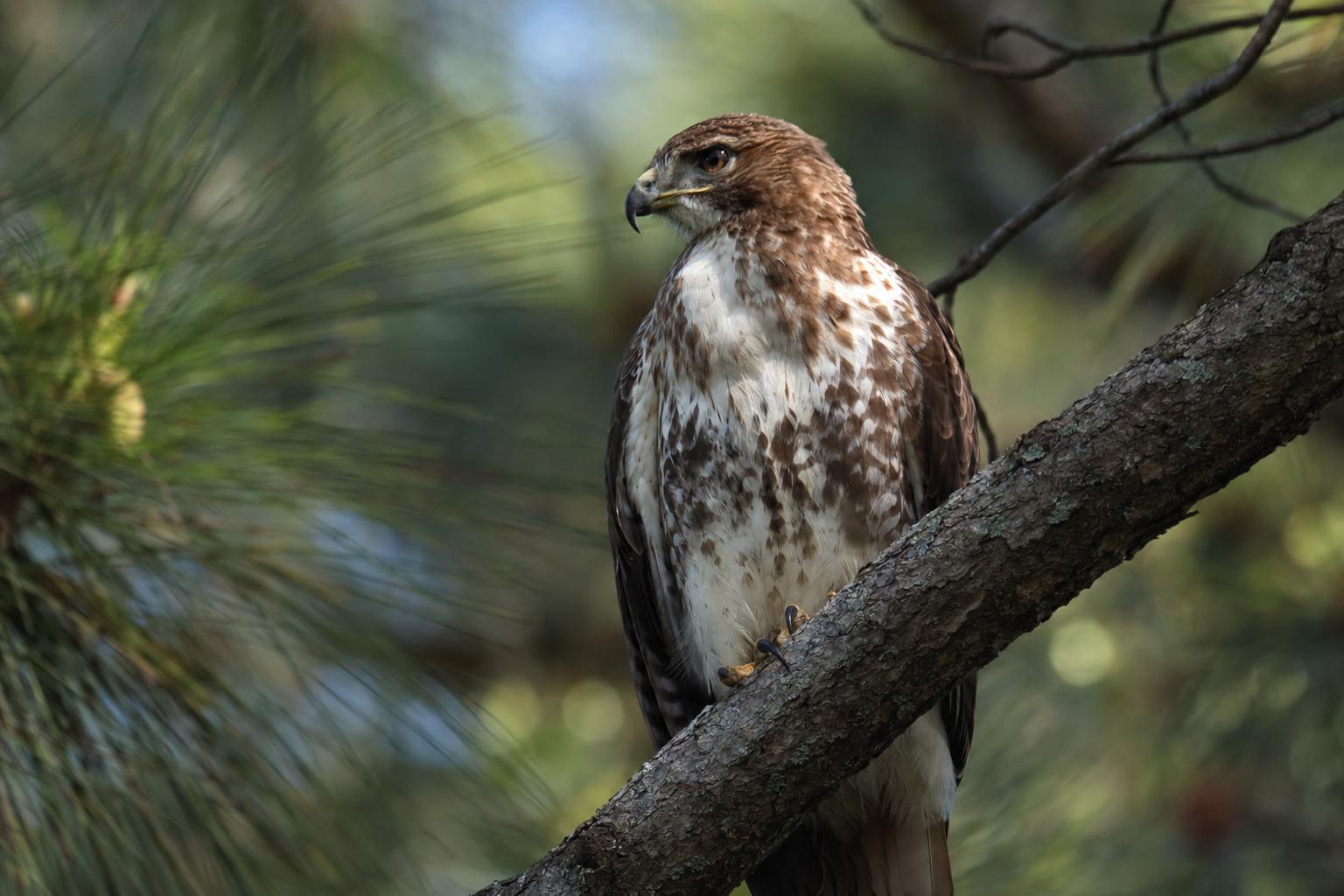
Florida is home to 13 hawk species ranging from rare short-tailed hawks to common red-tailed hawks; each has distinct identifying features and habits.
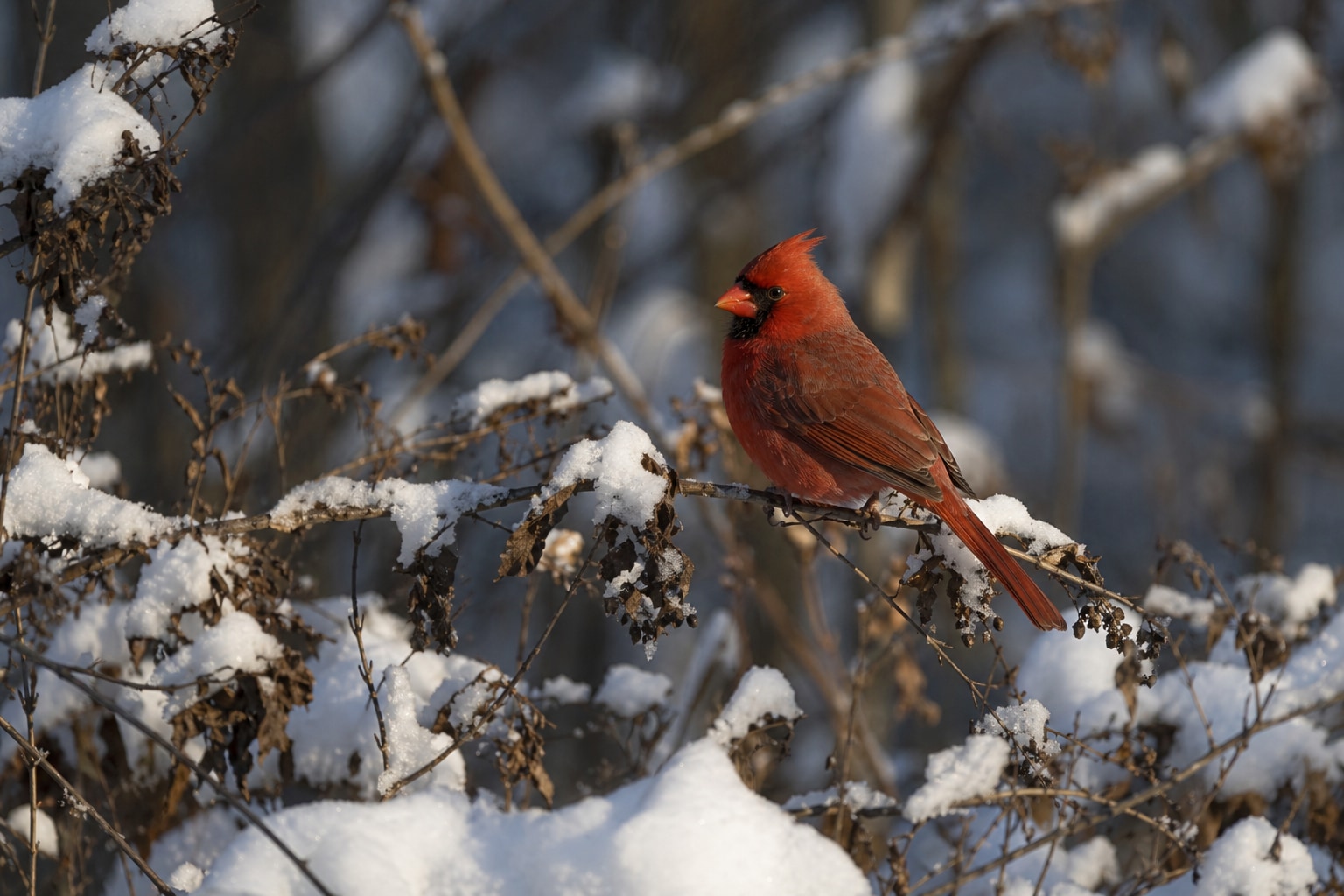
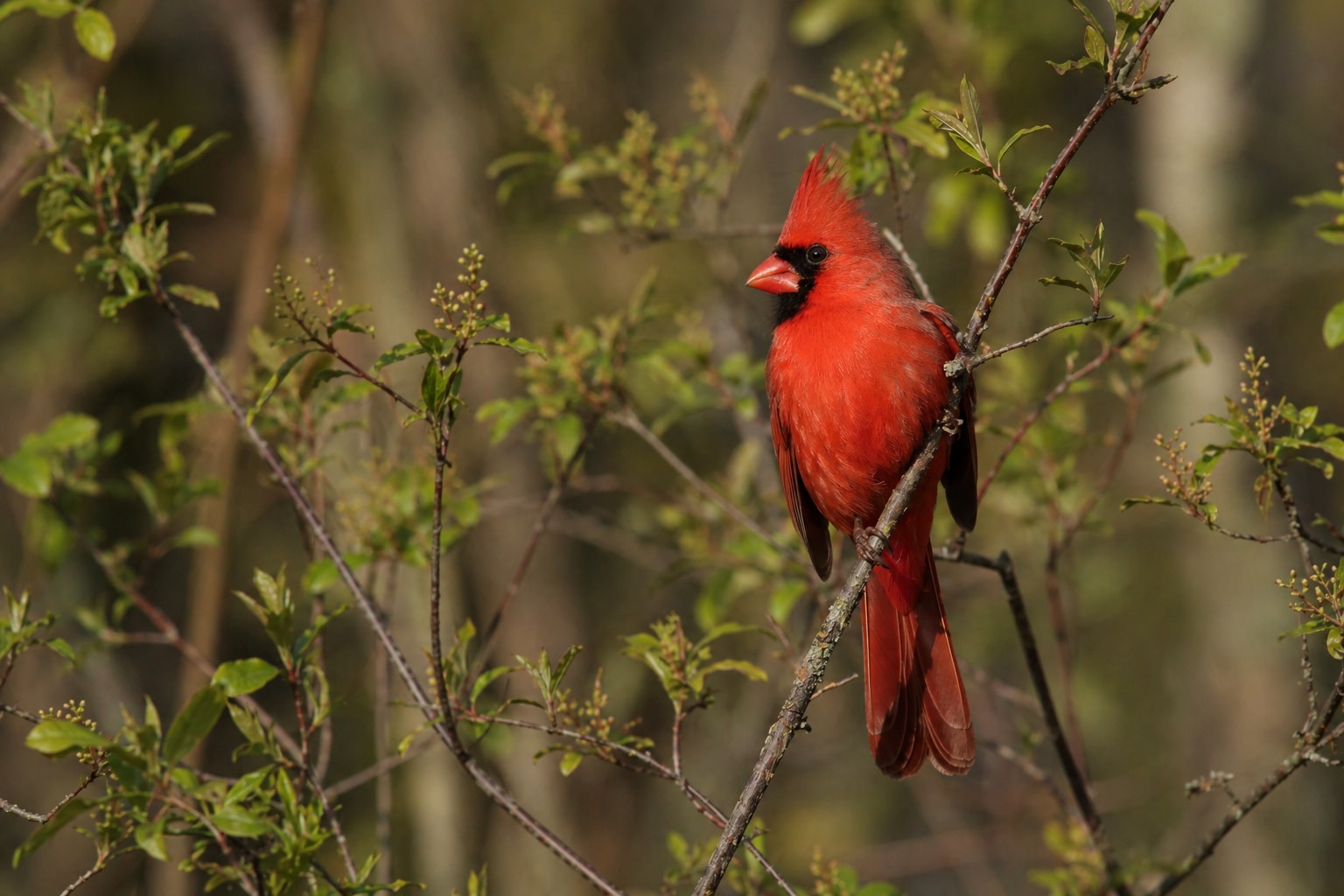
Explore 18 Virginia birds including state bird cardinal, eastern bluebird, and peregrine falcon diving at 200 mph with identification tips.
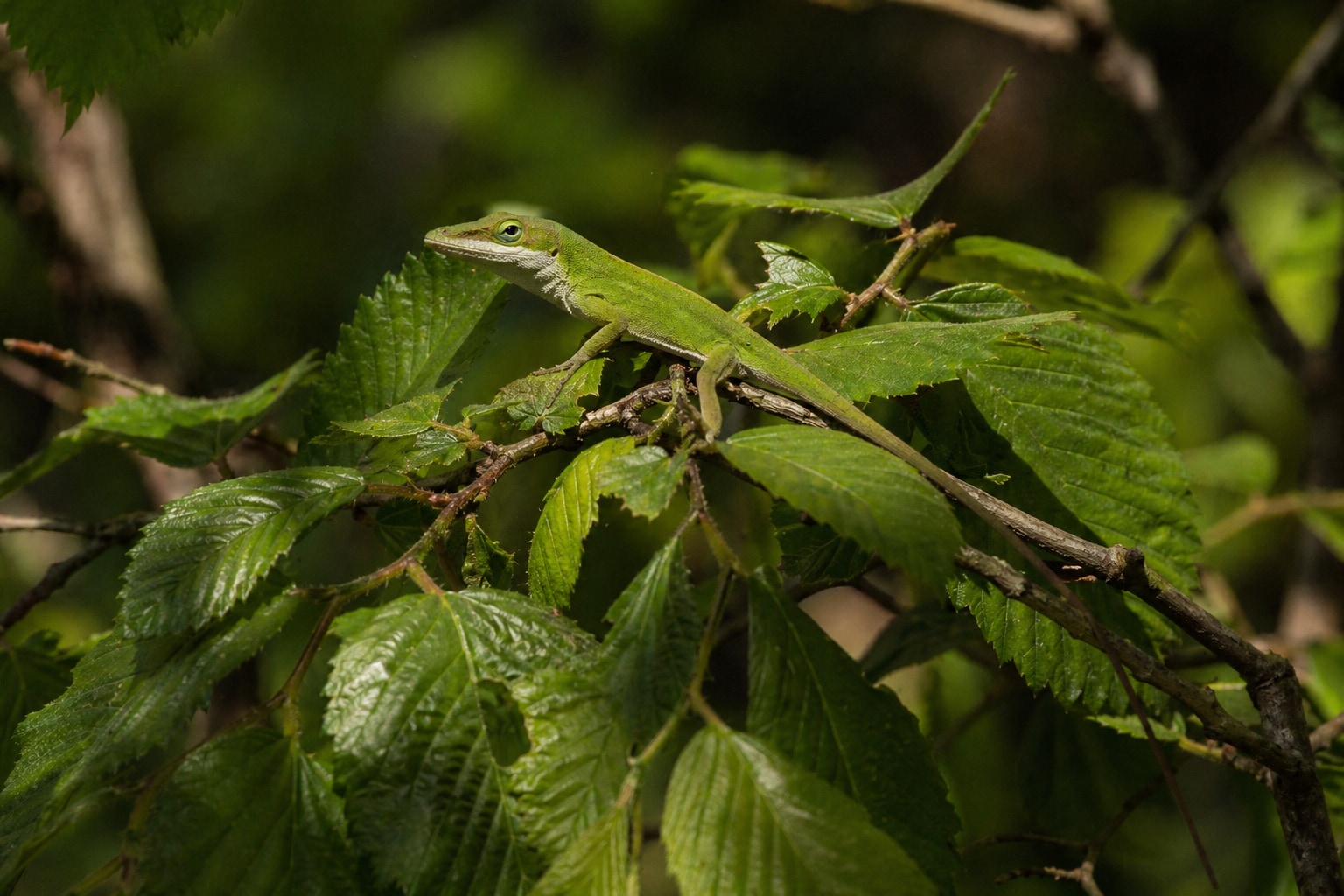
North Carolina harbors 13 lizard species including green anoles and five-lined skinks, all completely harmless despite their diverse sizes and colors.
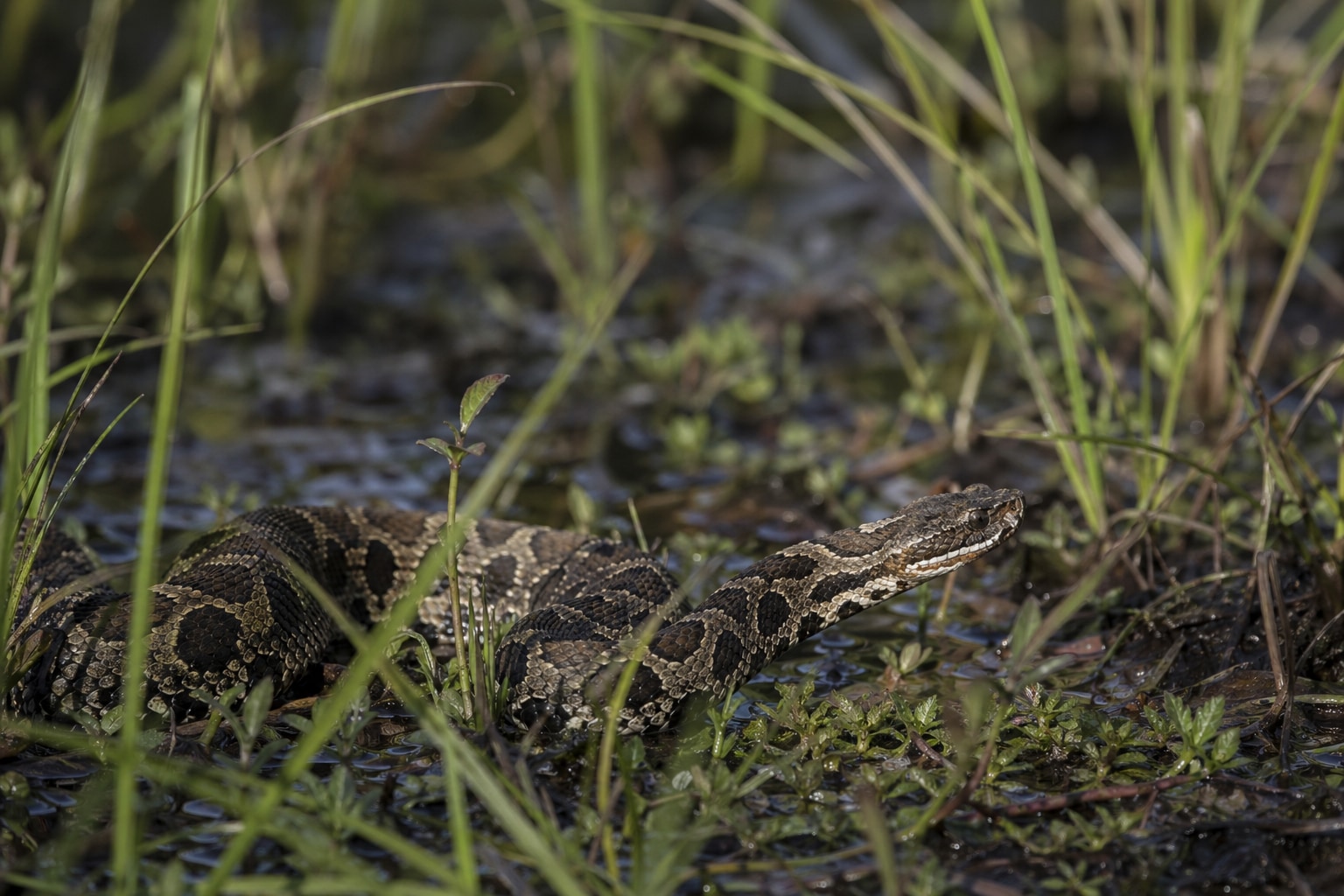
Michigan has 18 snake species with only one venomous; gray rat snakes are Michigan's largest, reaching 72 inches long.
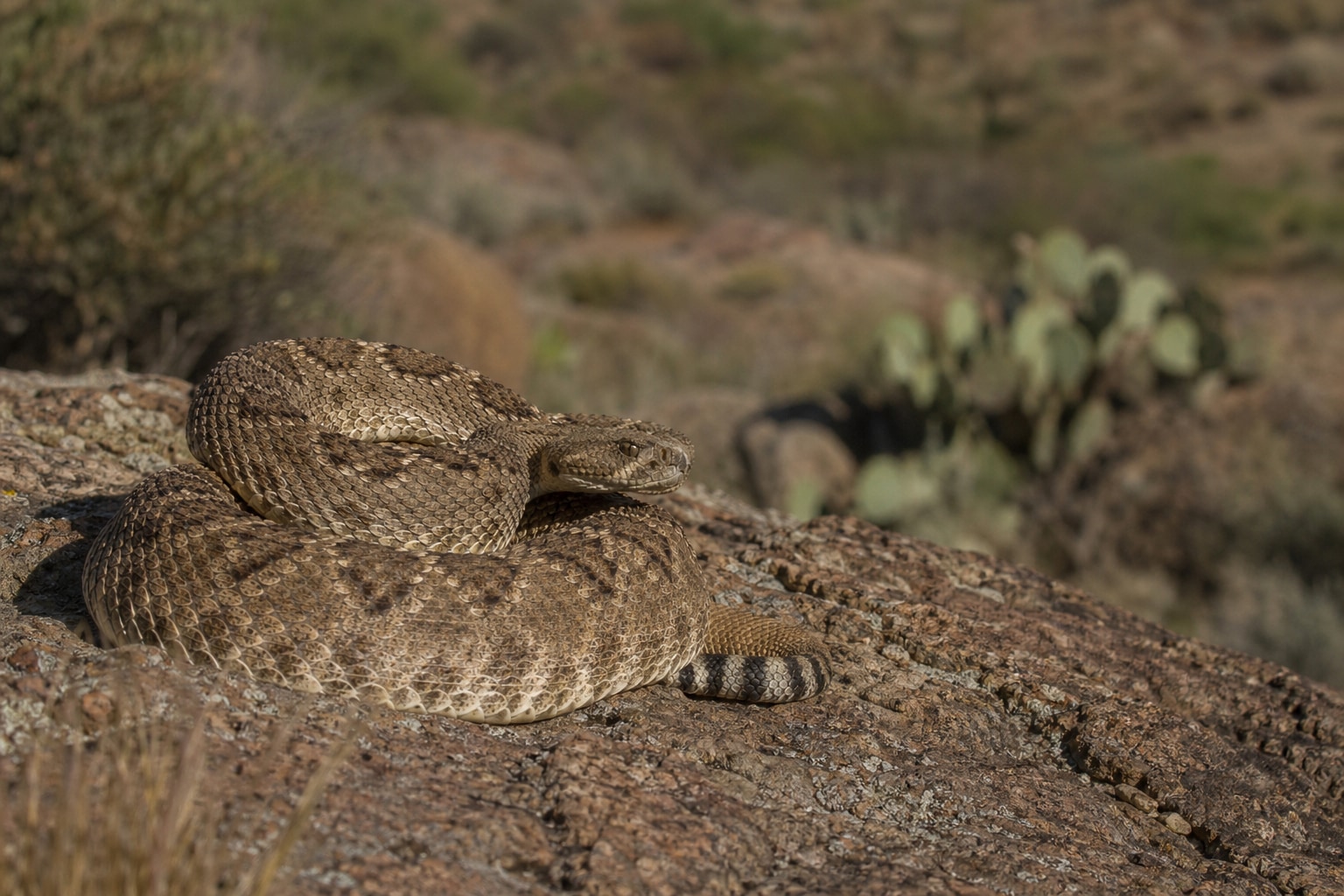
Arizona is home to 13 species of rattlesnakes, more than any other single location in North America, ranging from the tiny ridge-nosed to the deadly western diamondback.
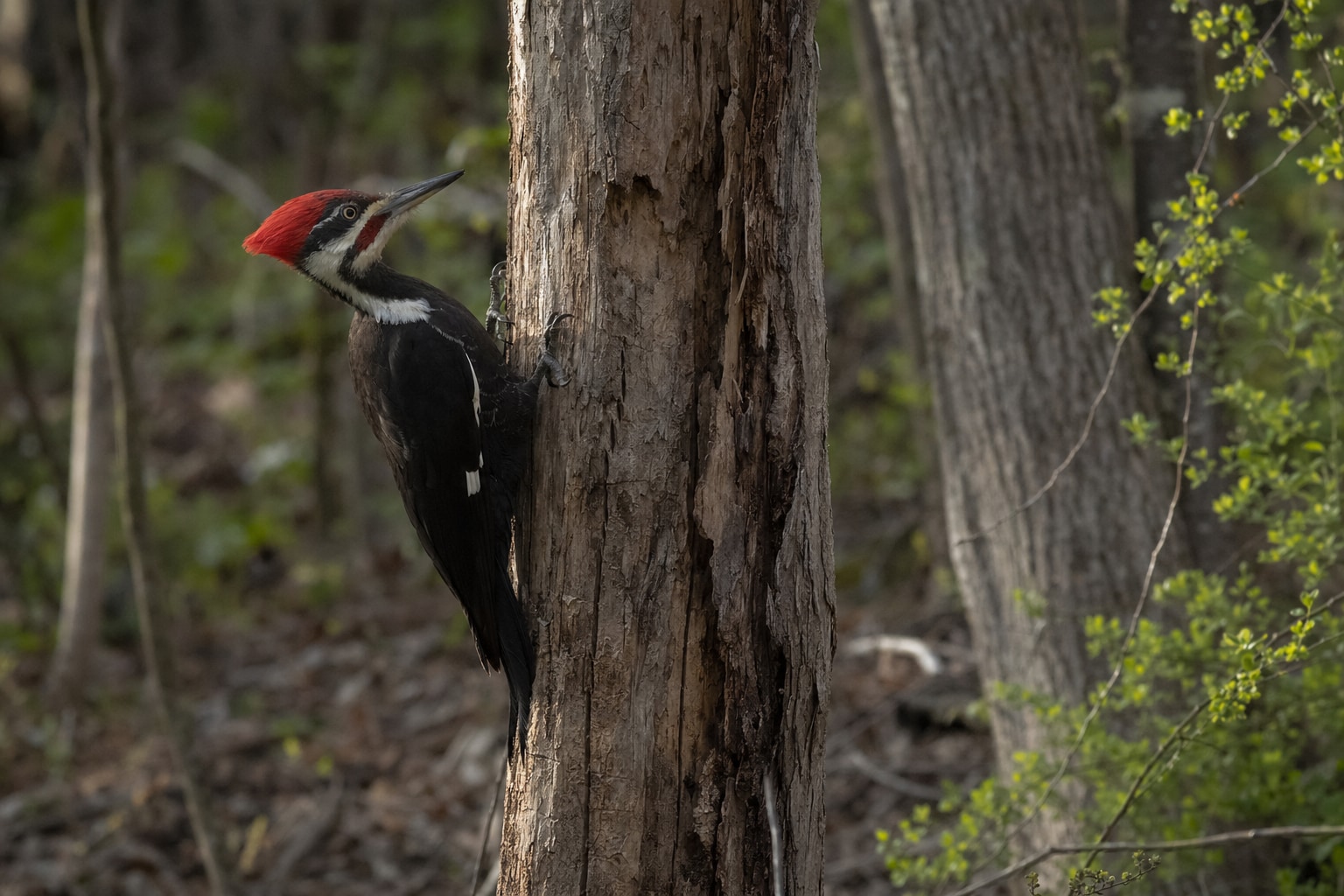
Seven woodpecker species call Ohio home, with field marks, drumming patterns, and habitat notes for each.
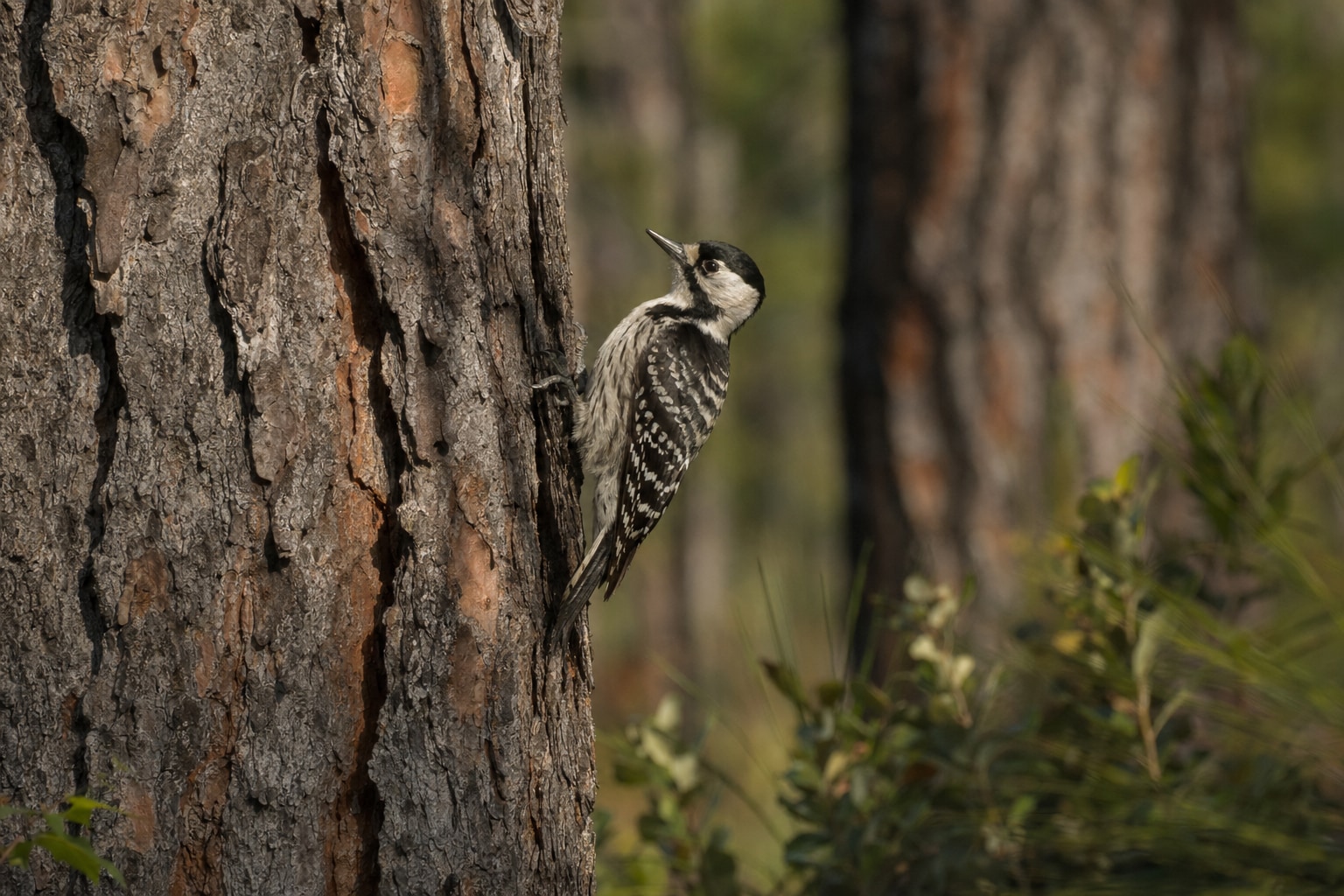
Nine woodpecker species thrive in Florida's warm climate, from the common Downy to the rare Red-Cockaded, offering year-round birding in forests and at feeders.
Spot 29 North Carolina backyard birds including state bird cardinal, eastern bluebird, and ruby-throated hummingbird with identification and feeders.
Tennessee harbors 15 common snake species with diverse habitats from hardwood forests to wetlands; only a few are venomous.
Peregrine falcons exceed 242 mph in dives, making them Earth's fastest animals; 18 bird species showcase extreme aerial performance.
Michigan offers world-class trout fishing with 5 species in Great Lakes and inland lakes. Target all species on Lake Superior, Huron, Michigan, or Erie.