Wildlife
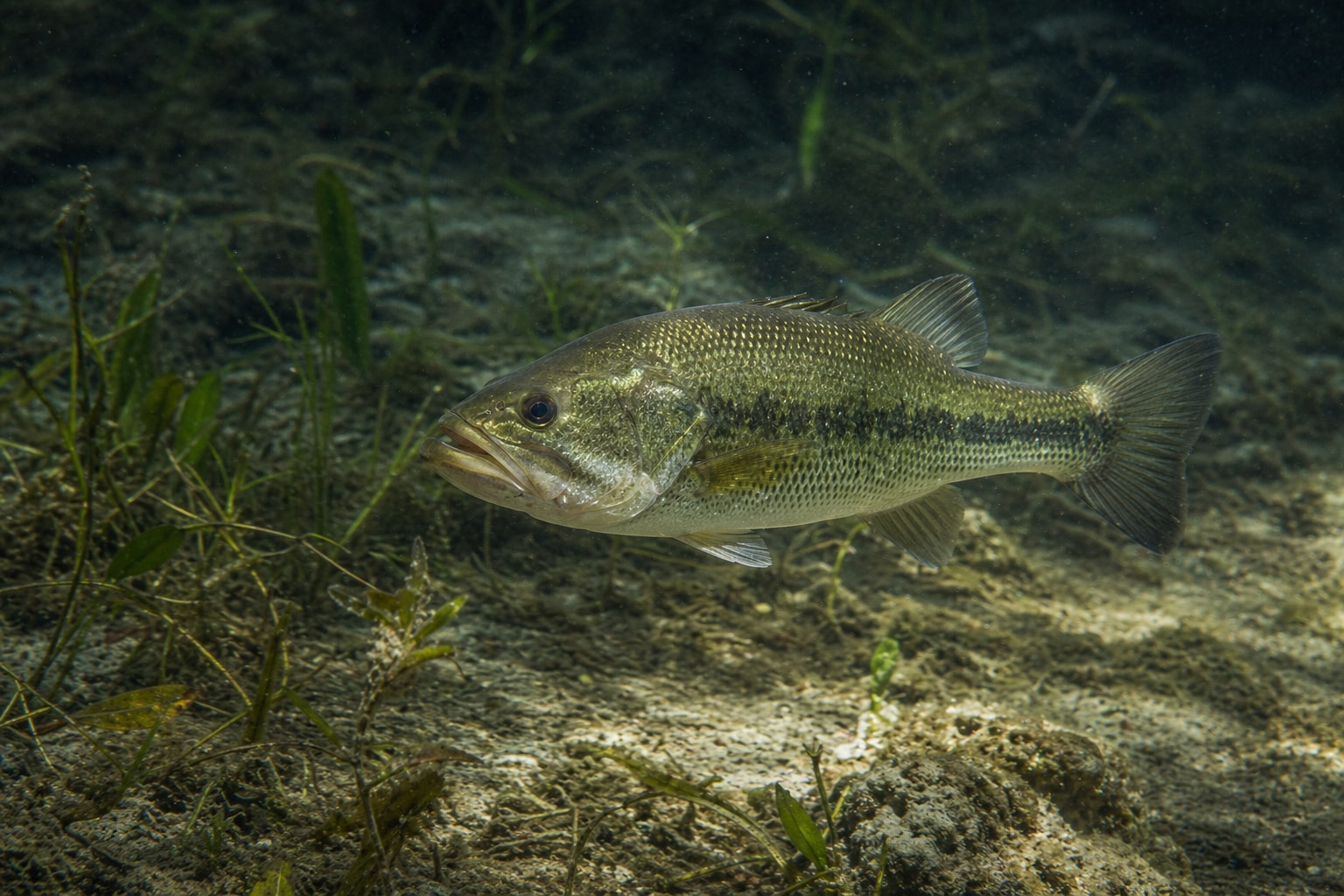
15 Florida Freshwater Fish: Photos and Facts
Florida's 1,350 miles of freshwater lakes and rivers host 15 fish species ranging from native American eels to introduced salmon, restoring collapsed ecosystems.
Florida's 1,350 miles of freshwater lakes and rivers host 15 fish species ranging from native American eels to introduced salmon, restoring collapsed ecosystems.
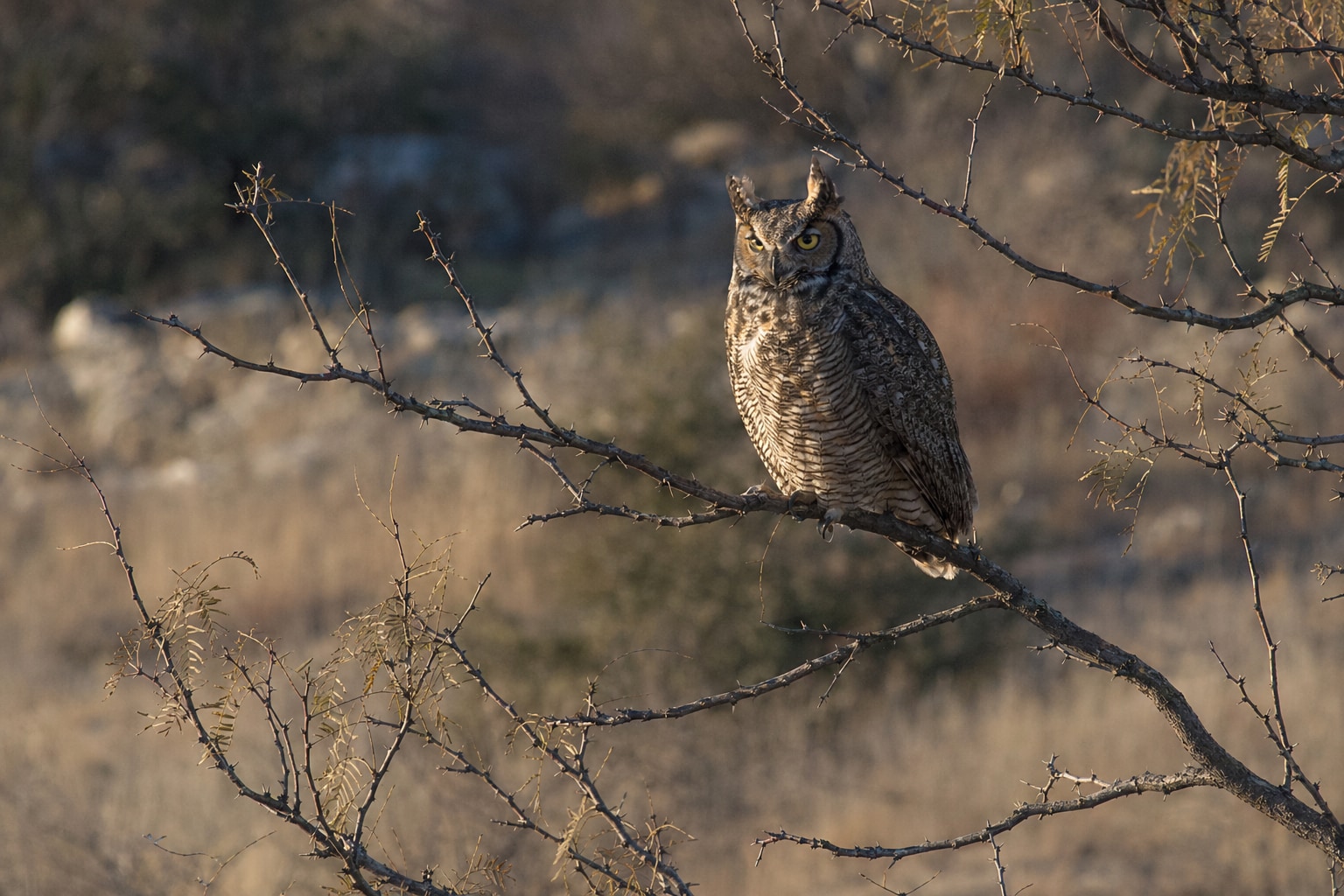
Twelve owl species inhabit Texas, ranging from the tiny elf owl to the massive great-horned owl with nearly 5-foot wingspans.
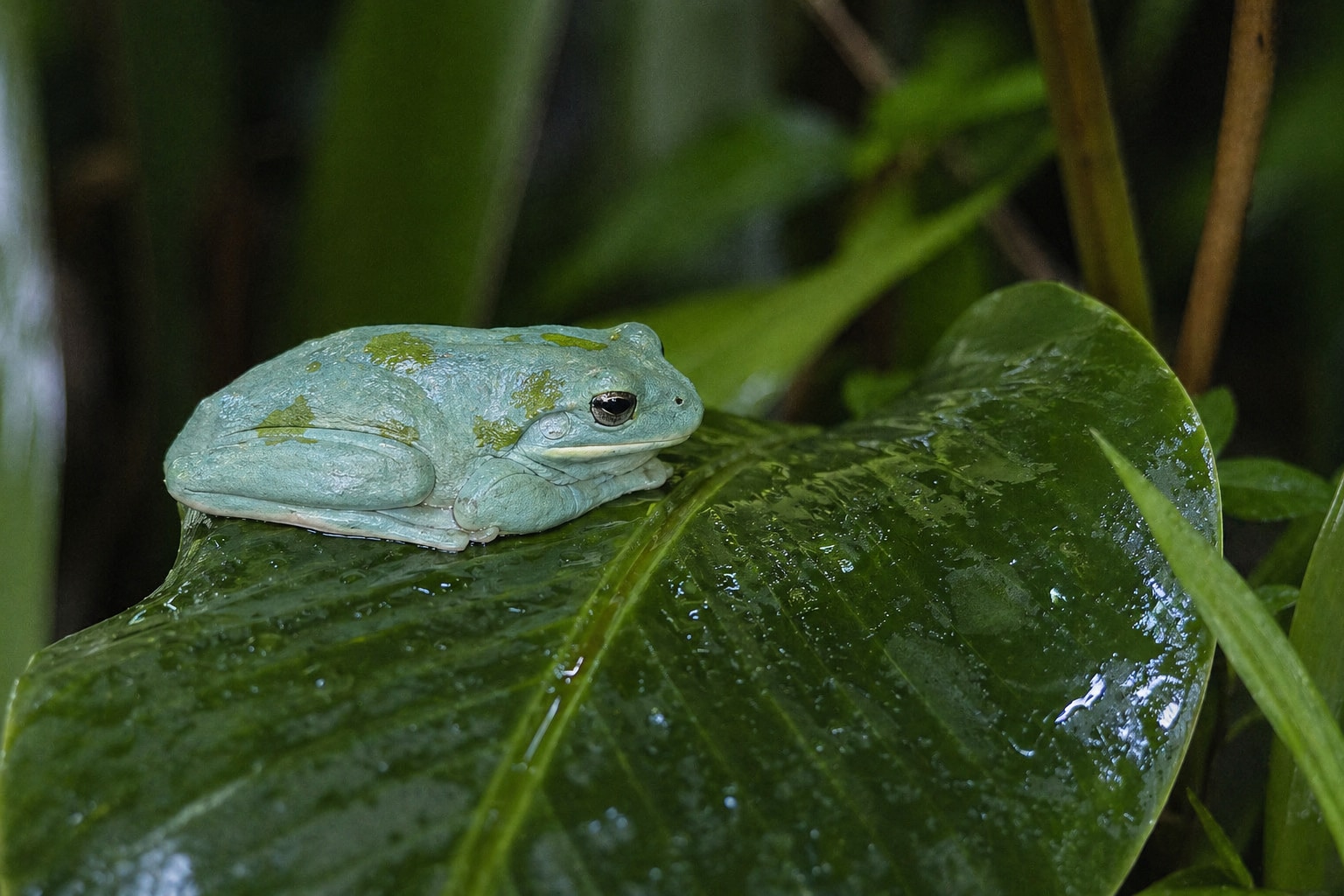
Florida hosts 20 native and invasive frog and toad species in marshes, swamps, and lakes; one frog consumes 100 insects nightly, including mosquitoes.
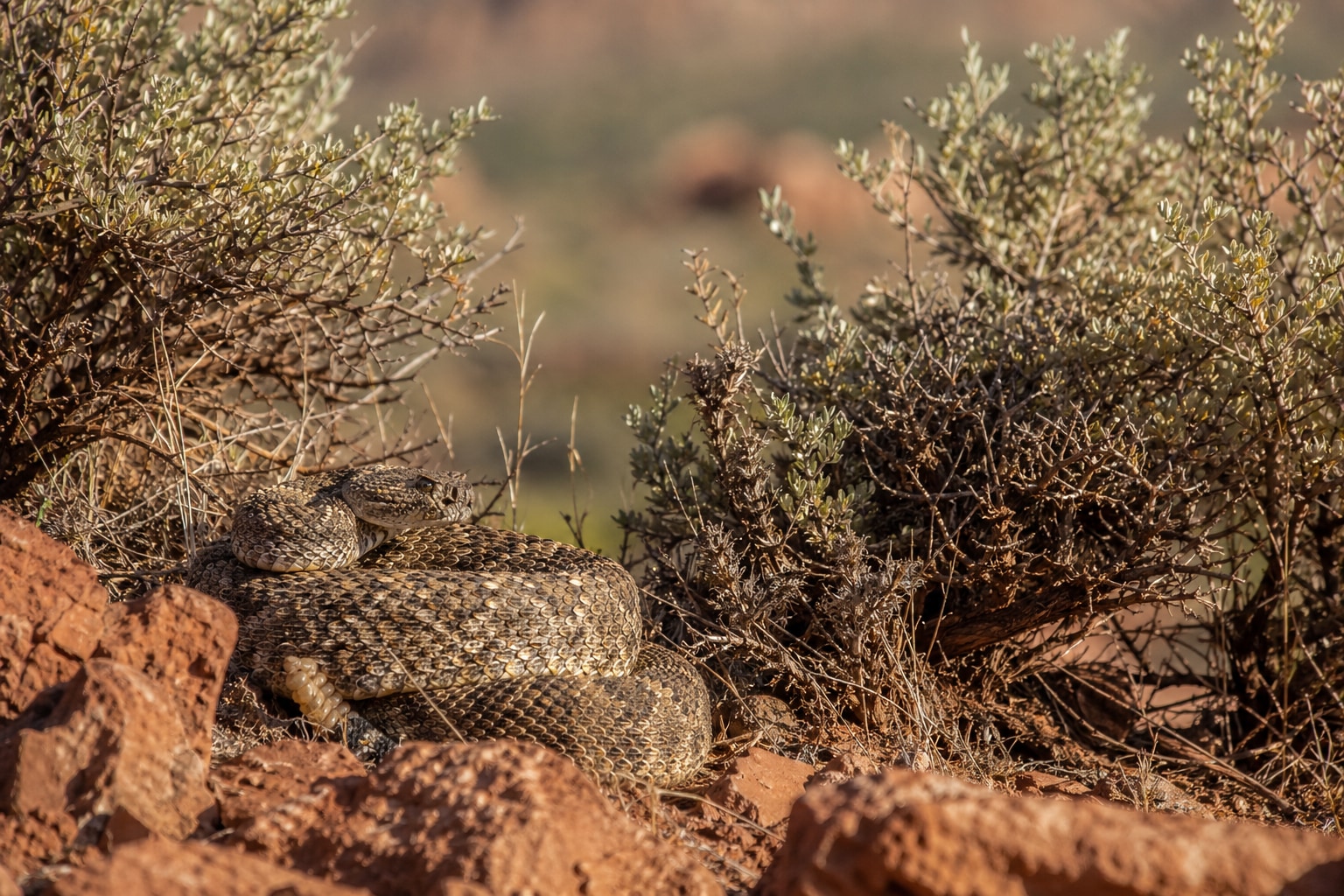
Utah's 31 snake species earned it the nickname Snake Country; 7 are venomous while 24 harmless, nocturnal species often scare easily.
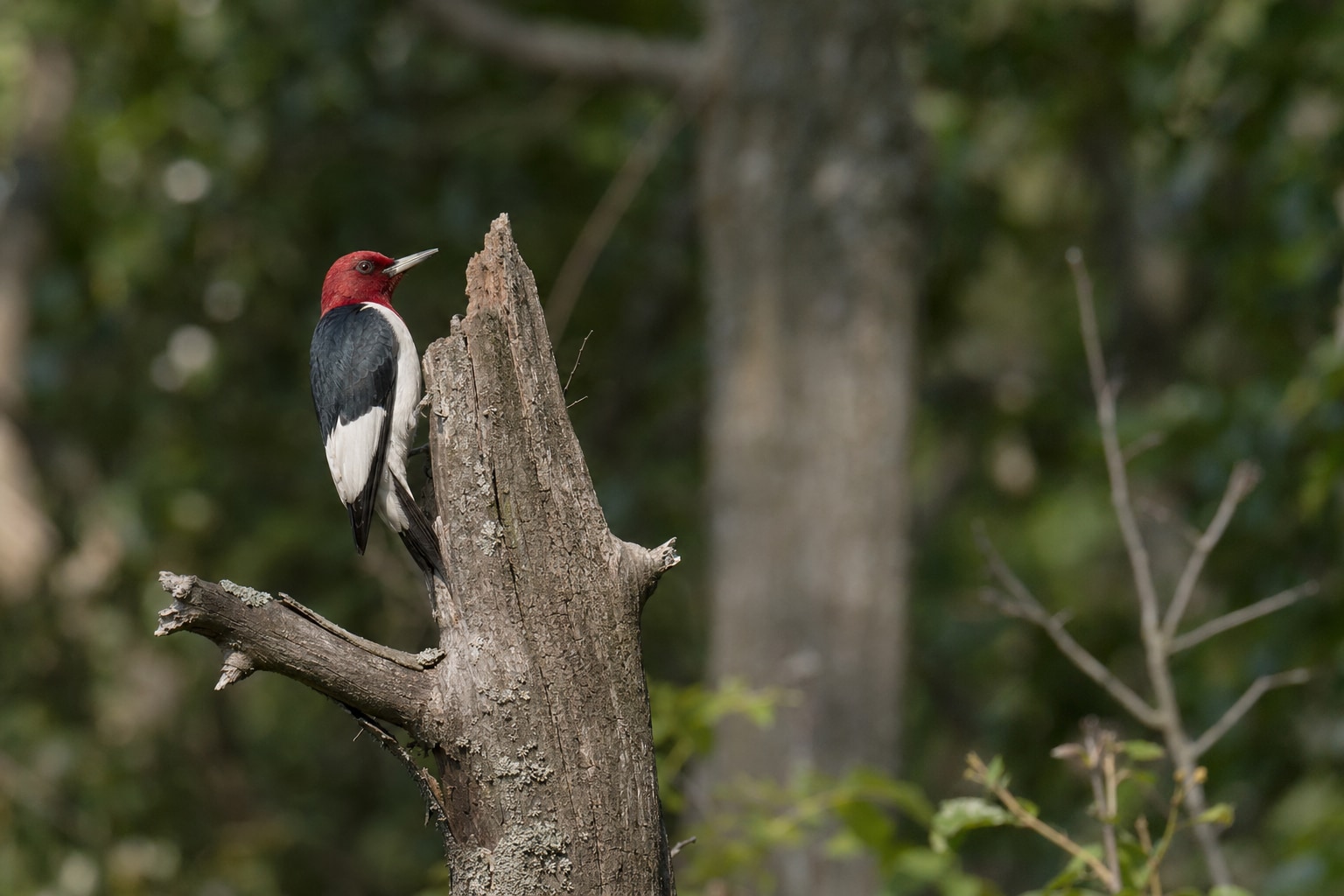
Seven woodpecker species inhabit Illinois, from the smallest Downy to the largest Pileated, each with distinct drumming patterns and forest habitats.
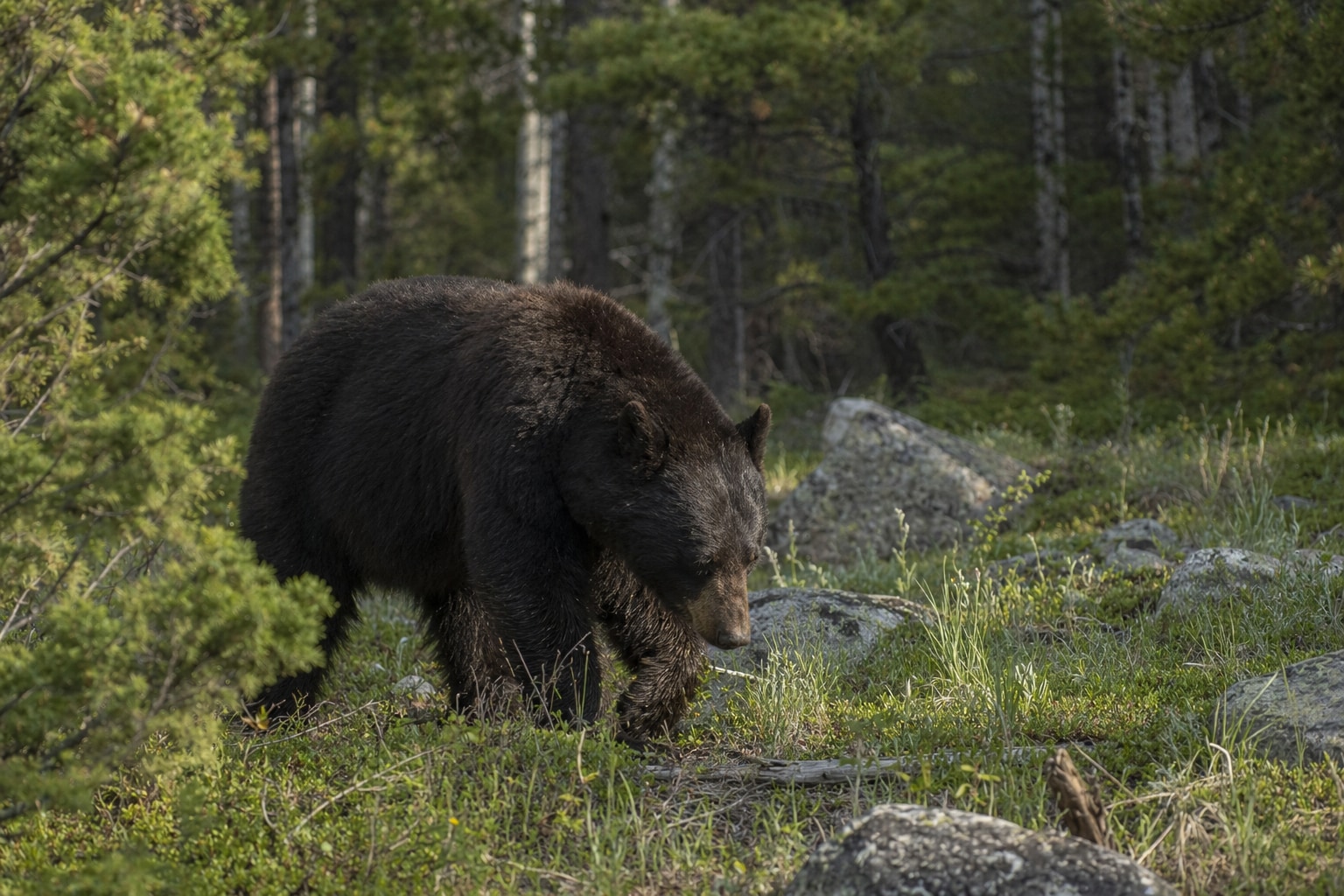
Colorado's 8,000 to 12,000 black bears range from brown to blonde in color and weigh up to 600 pounds, thriving in Rocky Mountain forests at mid and lower altitudes.
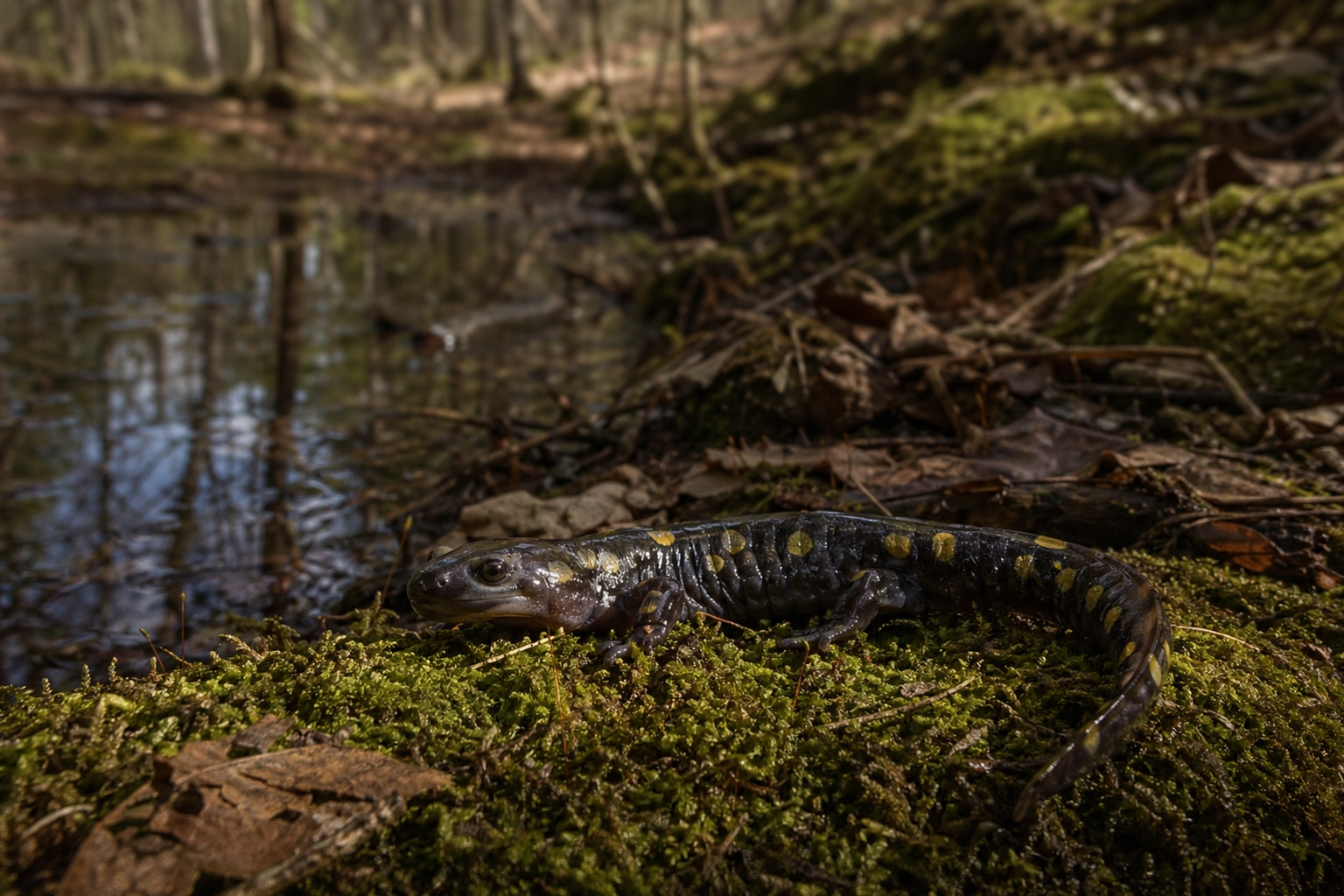
Amphibians are cold-blooded vertebrates with bare, moist skin that spend youth in water and adulthood on land. Over 8,000 species exist worldwide.
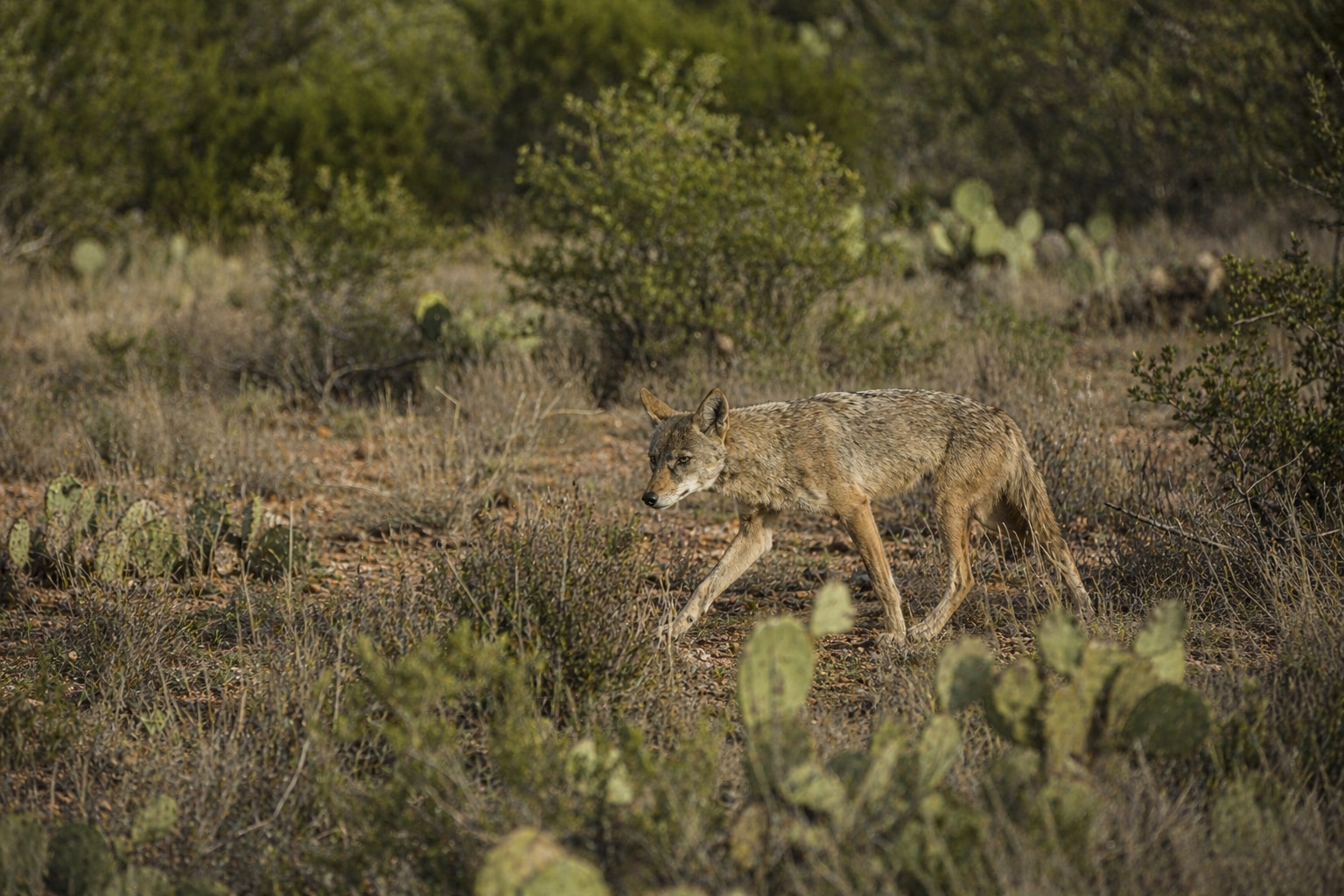
Coyotes dominate North America from Canada to Central America, thriving in deserts, forests, and cities. These opportunistic 9-23 kg carnivores run 64 kph, hunt in packs for large prey, and live 10-15 years in the wild.
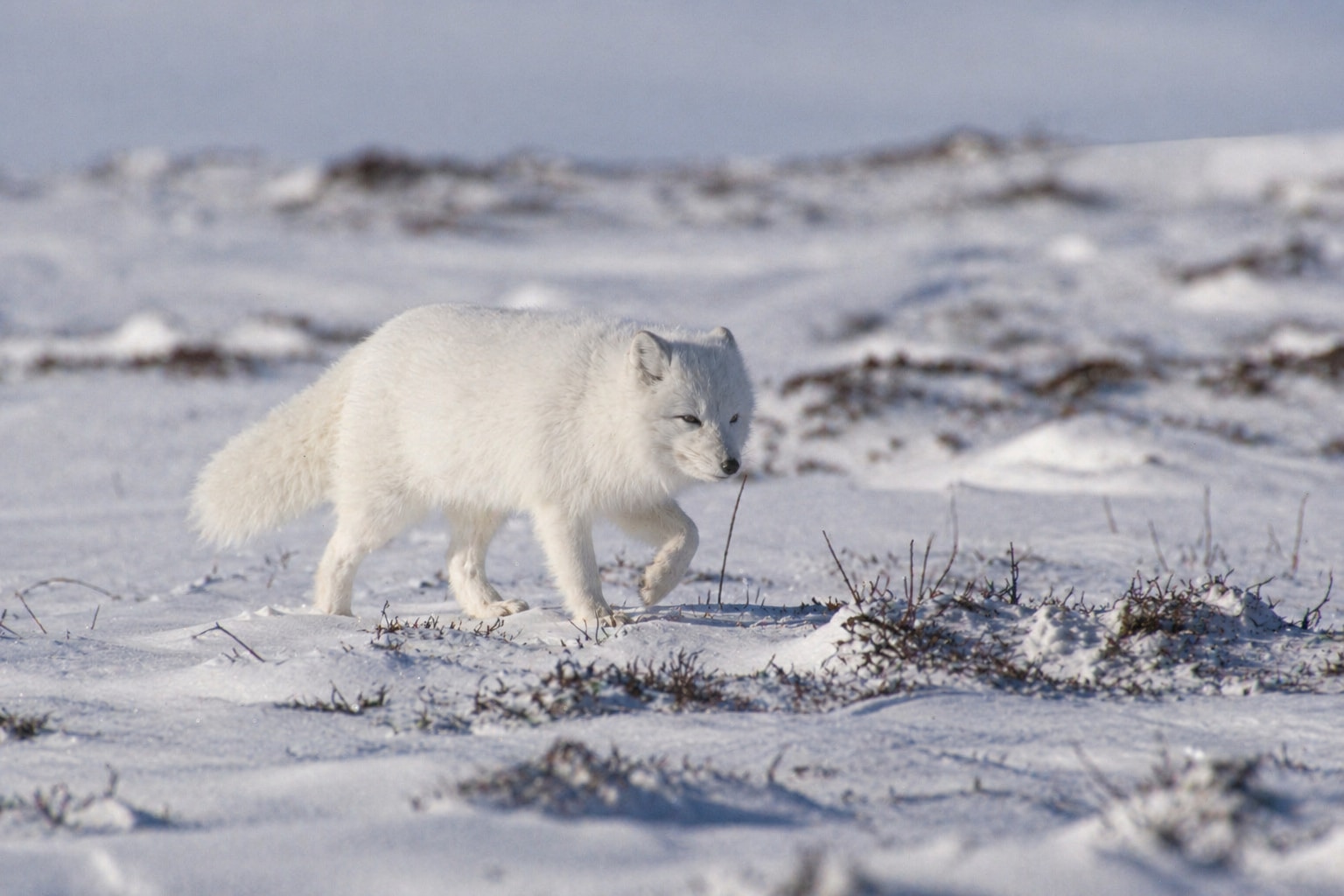
20 tundra animals including arctic wolves, polar bears, caribou, and emperor penguins survive freezing temperatures below minus 30 degrees Fahrenheit.
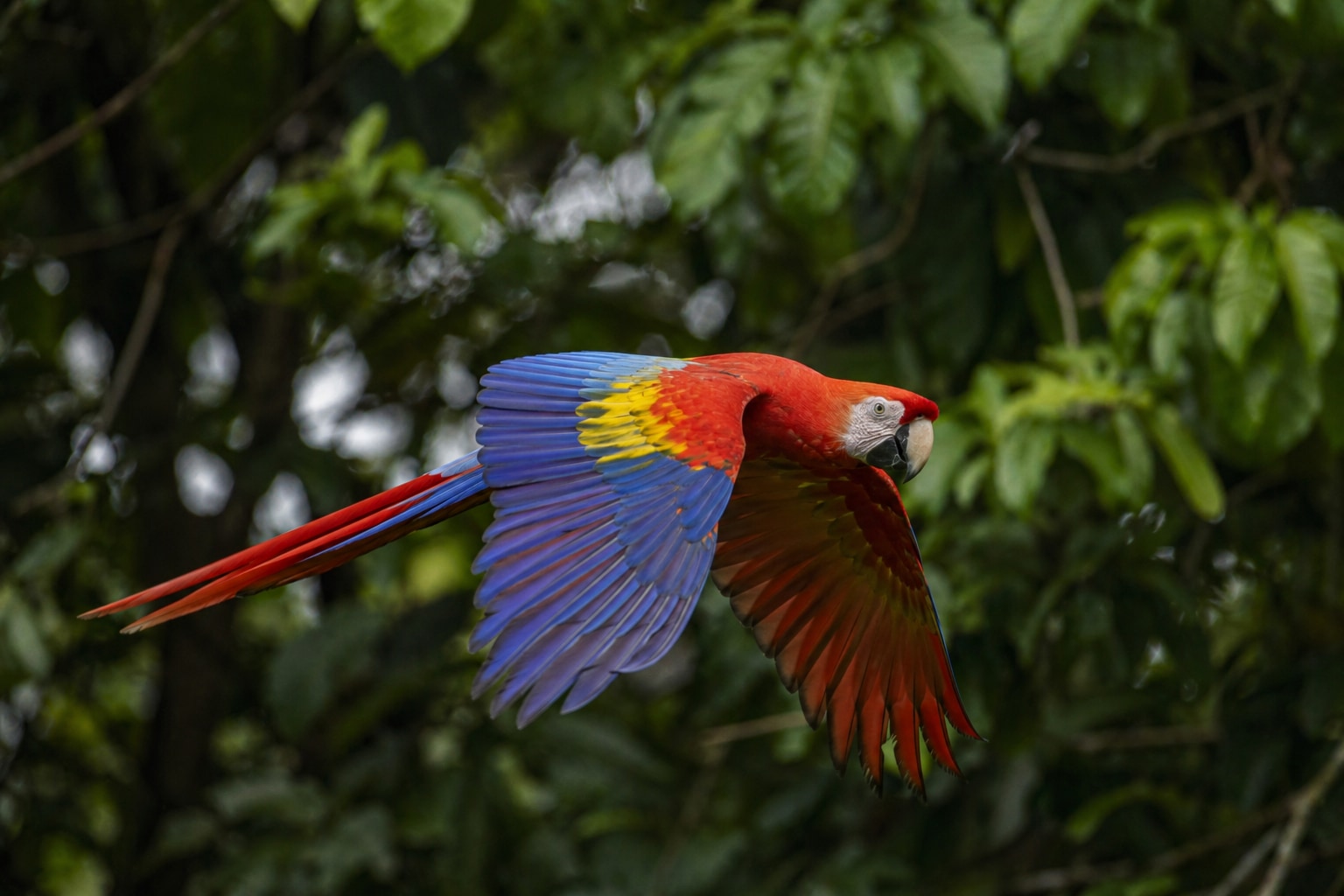
39 Amazon rainforest animals including jaguars, anacondas, pink river dolphins, and countless insect species inhabit this 2.3-million-square-mile ecosystem.
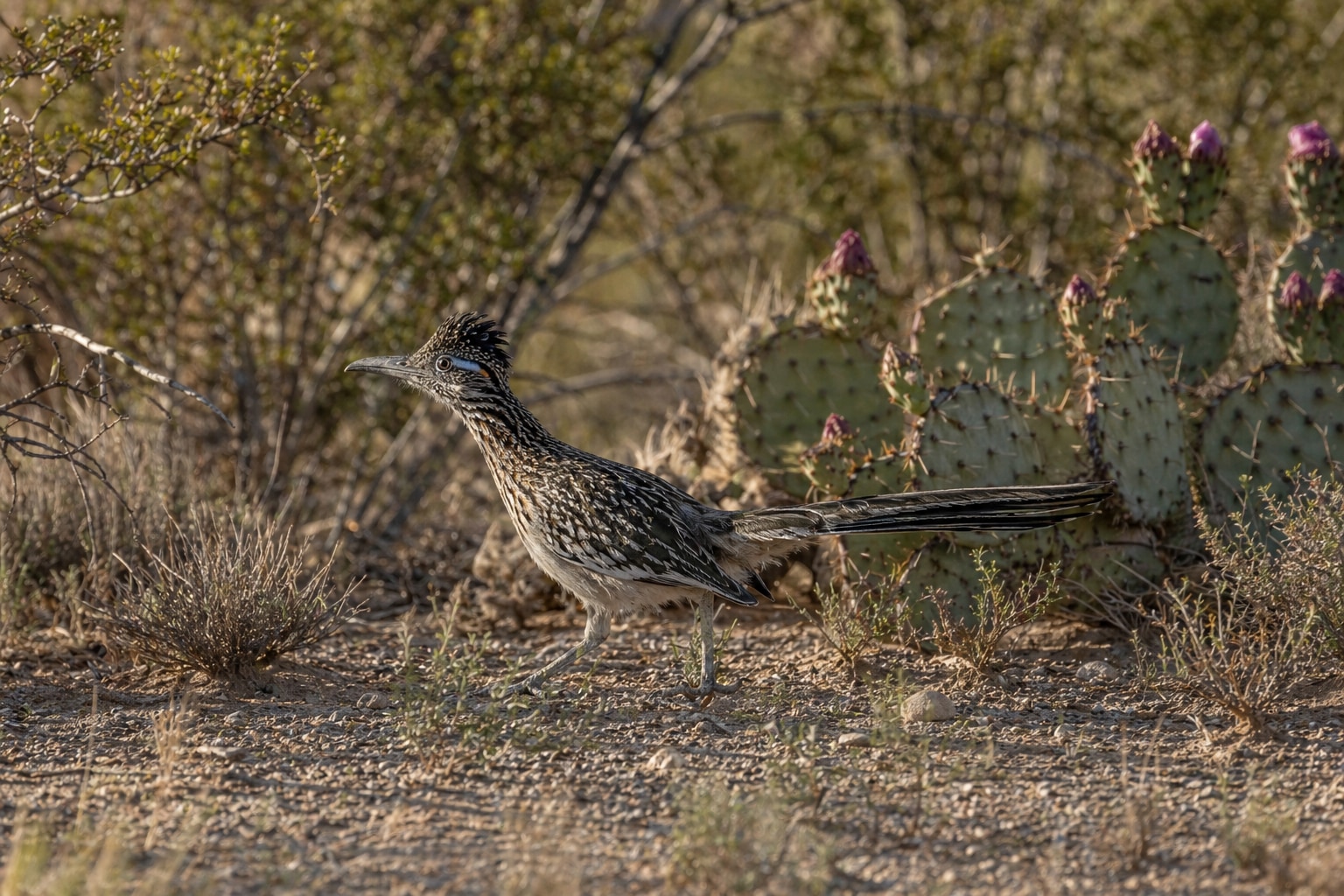
Ten desert bird species and the adaptations that let them survive the planet's harshest landscapes.
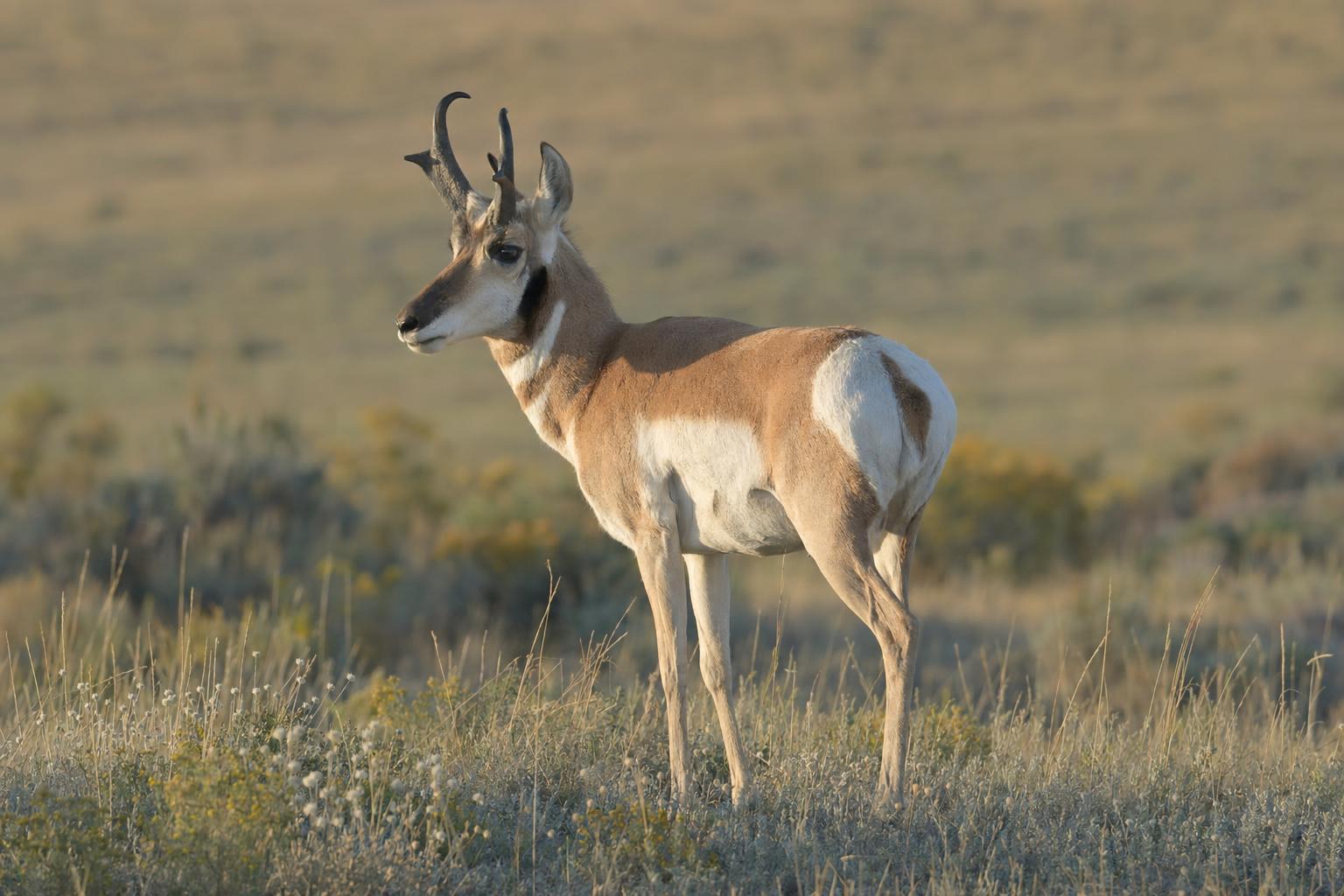
Approximately 80 antelope species roam Africa, India, and Asia. These hoofed ungulates evolved diverse body sizes and horn structures for survival.