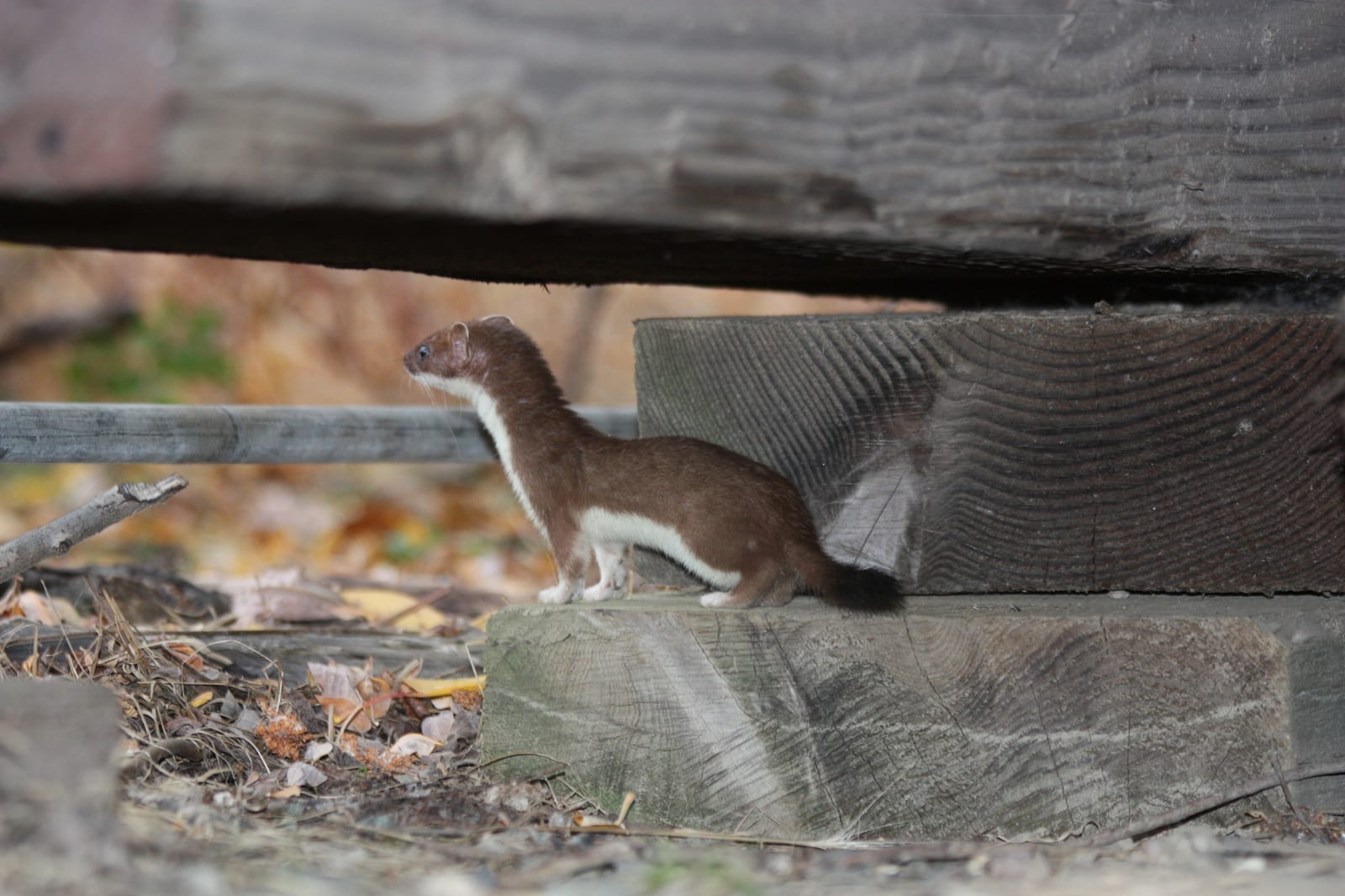
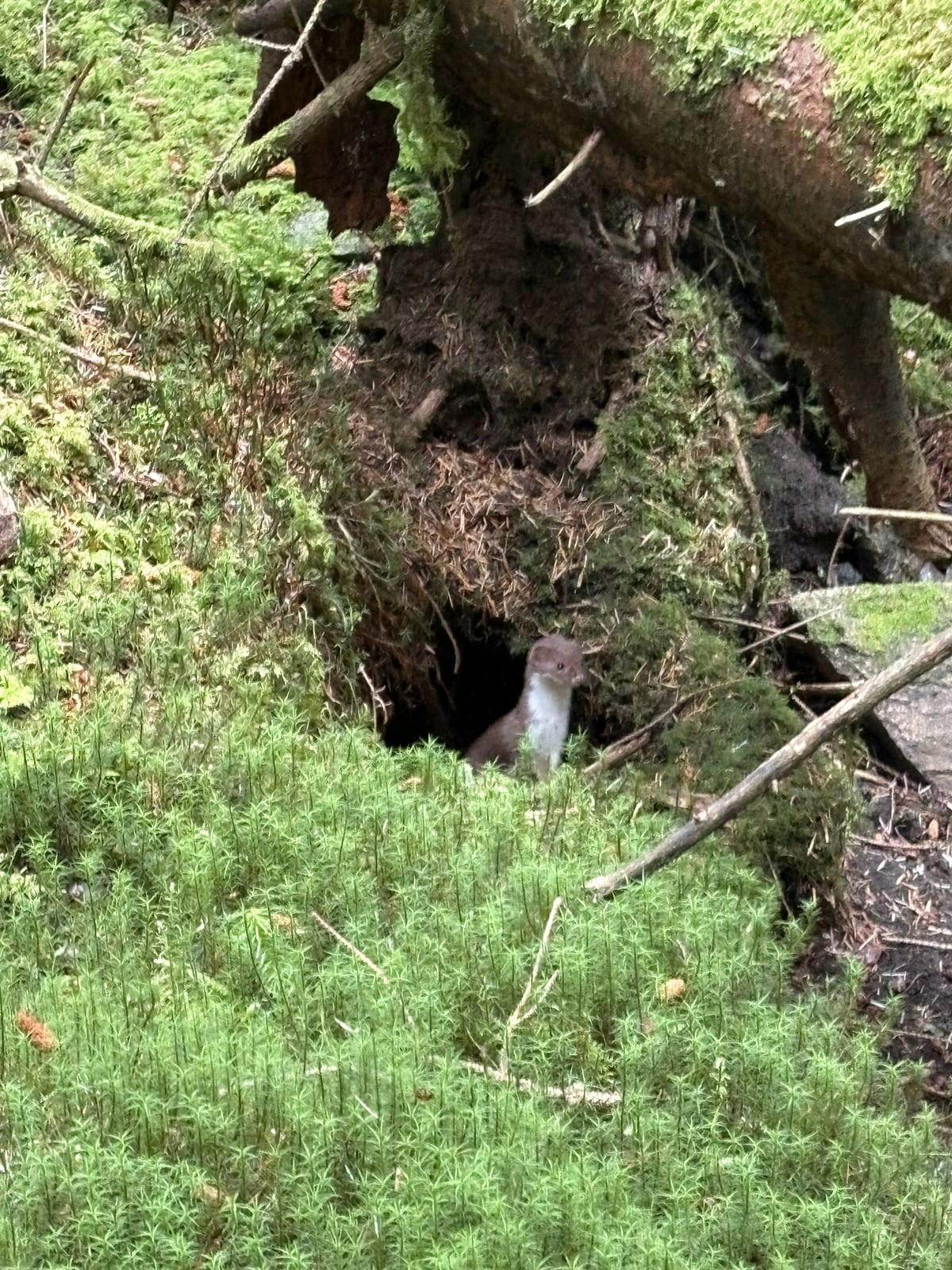
Records are spread widely, led by Anchorage, Petersburg in Southeast, and the Kenai Peninsula, with more from the Yukon-Koyukuk interior, Prince of Wales Island, the Matanuska-Susitna Valley, and the Tongass National Forest. Alaska holds the heaviest concentration of American ermine records anywhere in the country, tracking the boreal forest, wetland margins, and subarctic tundra this small weasel favors.
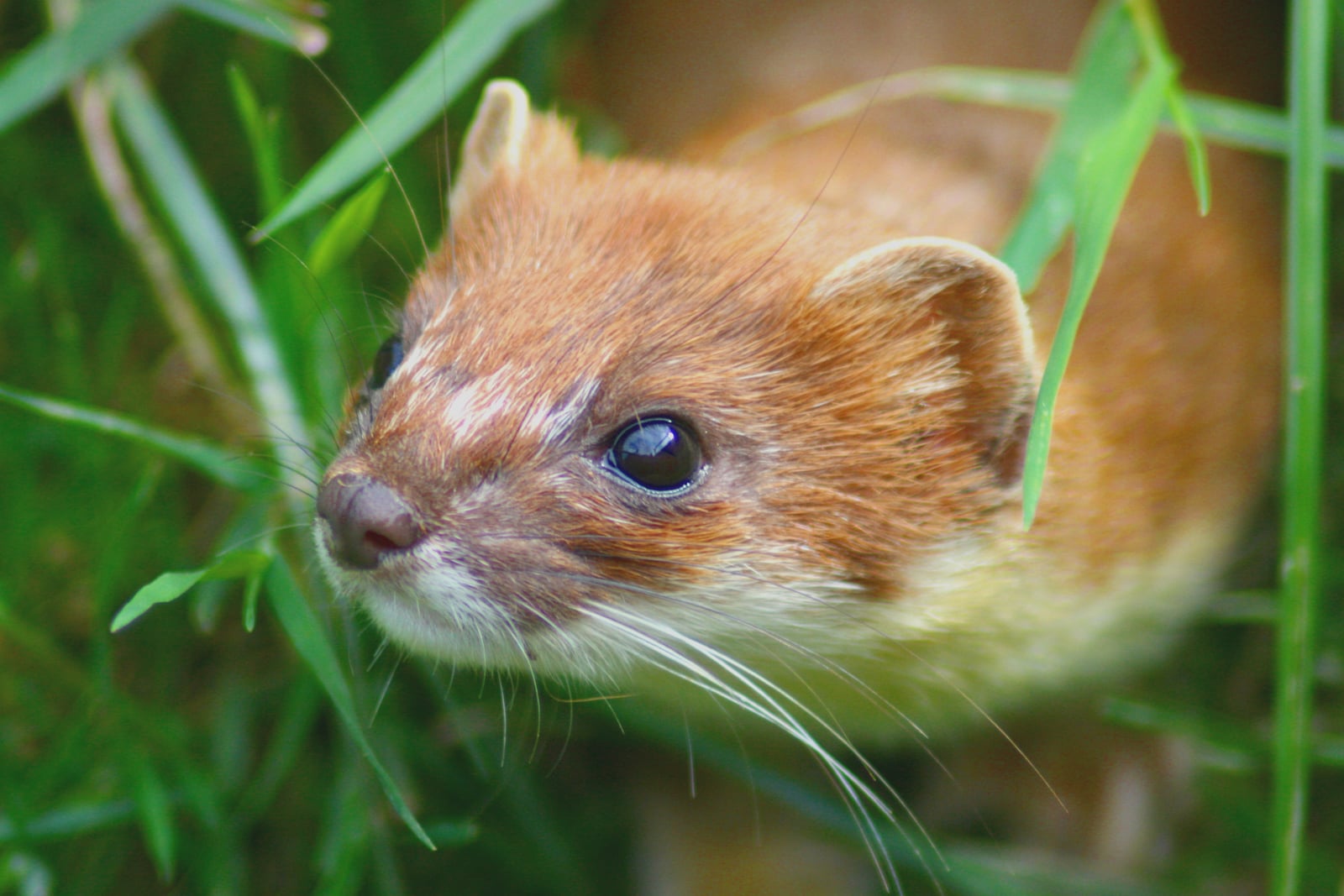
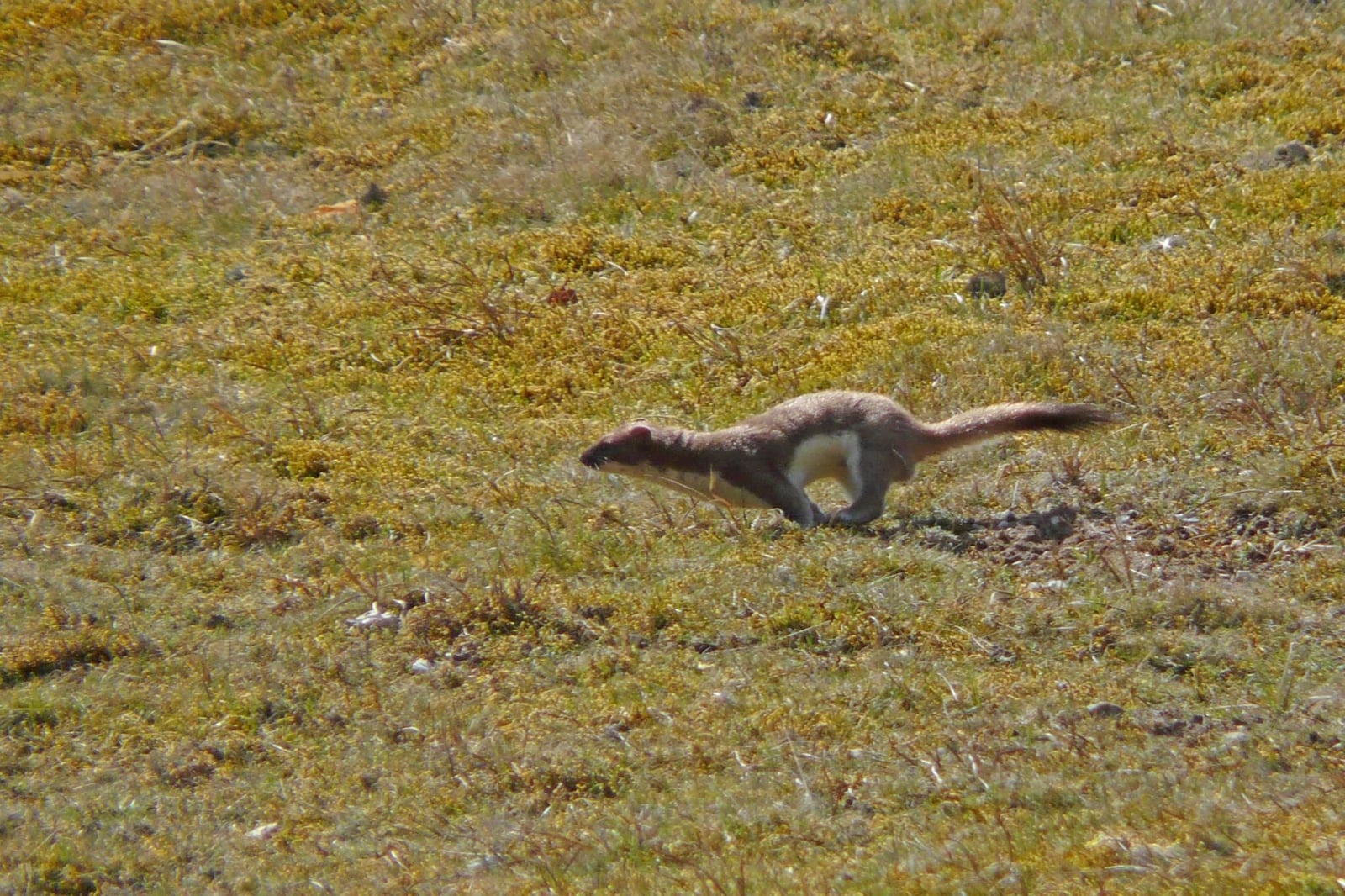
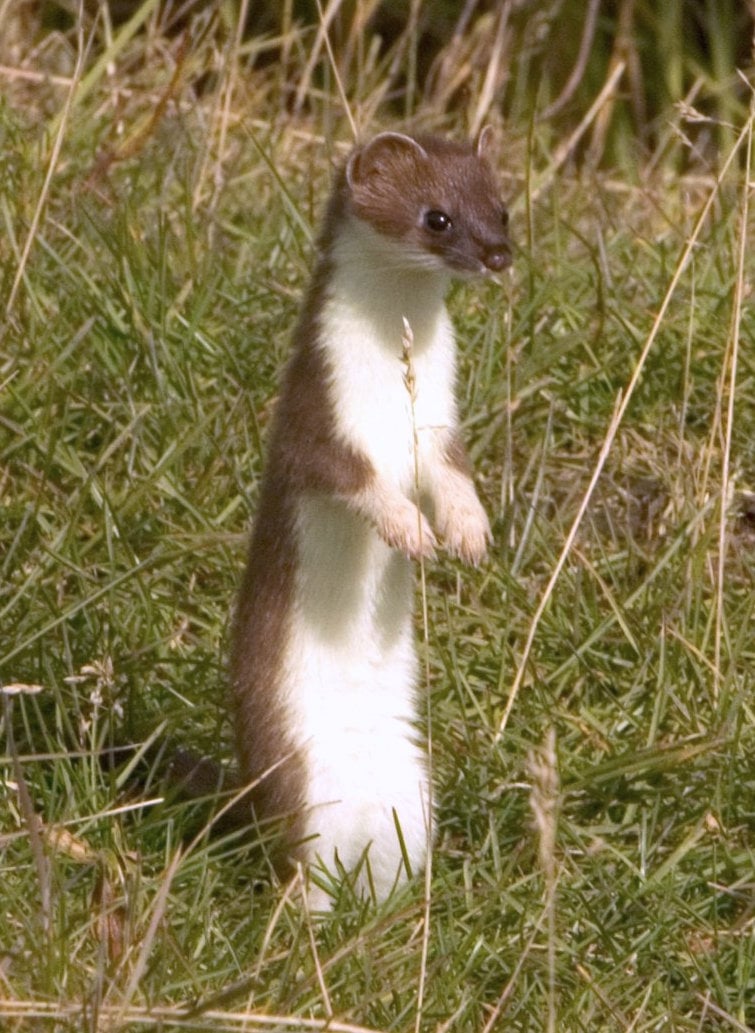
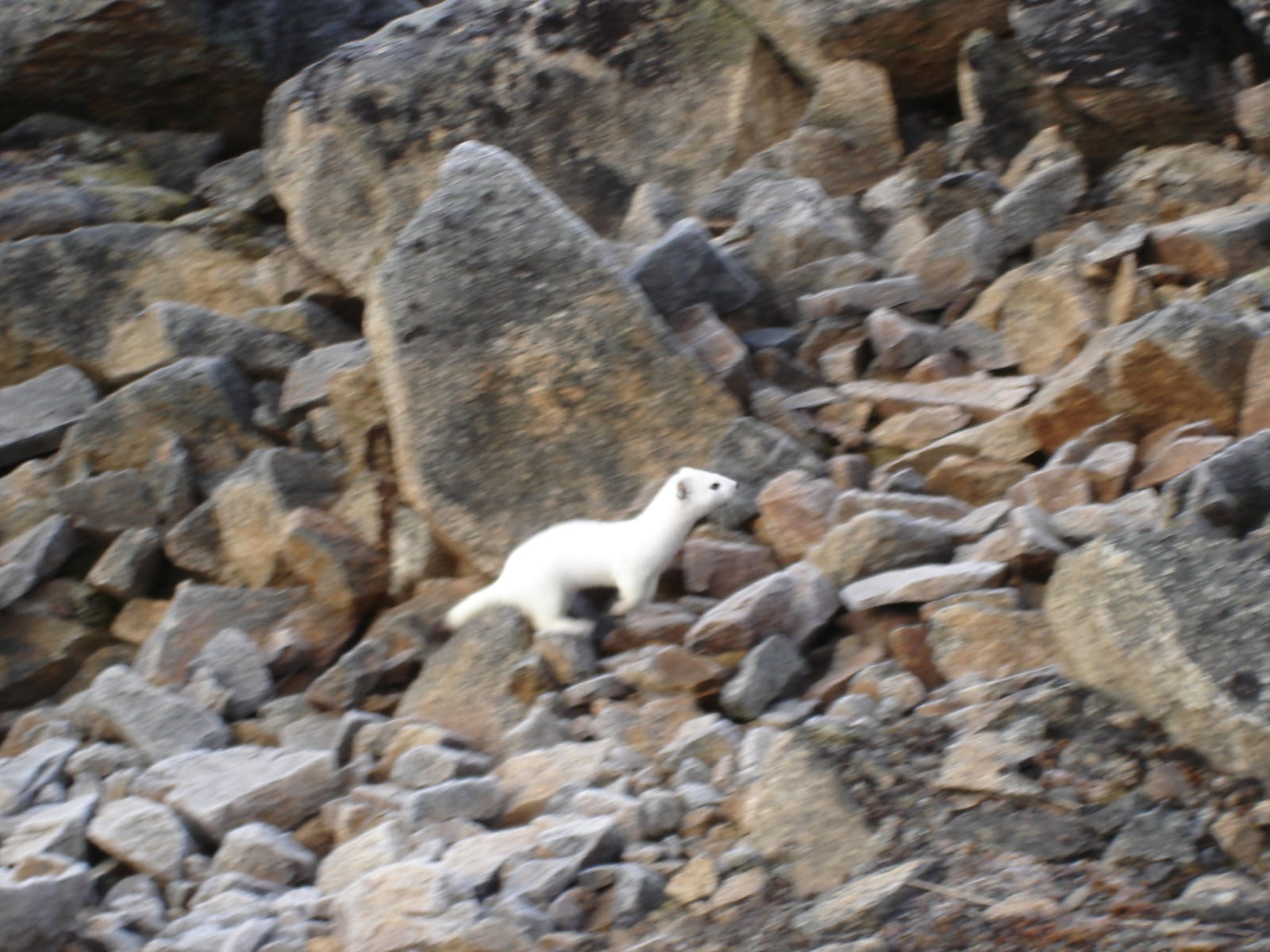
Ermine here don’t dig their own dens. They take over rock piles, hollow logs, and the burrows of the voles and squirrels they hunt, then kill prey many times their own weight with a fast rush and a bite at the base of the skull. Twice a year they molt: chestnut brown with a cream throat in summer, pure white for winter, except for the last inch or two of the tail, which stays black in every season and every coat.
Records run year-round, heaviest from June through September with a second rise in December and January. That pattern says more about a secretive, mostly solitary animal that’s easy to overlook than about any real shift in numbers through the seasons.
 Full species profile