
Ohio mammals

American pygmy shrew in Ohio

Sorex hoyi

Native to Ohio S1 Critically Imperiled in Ohio

Not listed as nonindigenous in Ohio by USGS NAS; native to its Ohio range.

IUCN Red List status

  1. LC
  2. NT
  3. VU
  4. EN
  5. CR
  6. EW
  7. EX

LC – Least Concern

Widespread and abundant; not at risk.

American pygmy shrew in Ohio, by the numbers

Occasional in Ohio 49th most recorded of 75 mammals logged in Ohio

11 occurrence records
2 with iNaturalist photos
Nov 6, 2022 Last seen in Ohio

11 total records count every Ohio occurrence from GBIF and iNaturalist; the monthly chart covers the 10 records with a full observation date.

When to look for the American pygmy shrew in Ohio

Most sightings fall in July.

10 Ohio occurrence records (iNaturalist and GBIF) by month of year. Shows when the species is recorded, not a guarantee of presence. Based on a small number of dated records; the seasonal pattern may not be representative.

Monthly Ohio records (table)
MonthRecords
January0
February1
March0
April0
May1
June1
July5
August0
September1
October0
November1
December0

Monthly american pygmy shrew occurrence records (iNaturalist and GBIF) in Ohio.

Seasonality

Sparse observation record in Ohio; presence confirmed but timing of activity not well documented.

Occurrence map

Where American pygmy shrew has been recorded in Ohio

11 records mapped · zoom and drag to explore

11 Ohio records mapped

Where it's recorded in Ohio

CountyRecords
Vinton County 3
Delaware County 2
Hocking County 2
Medina County 1
Athens County 1
Licking County 1
Hancock County 1

The complete county distribution, spread across 7 Ohio counties. Every occurrence record falls in one county, so these sum to the total. Counties from GBIF and US Census boundaries.

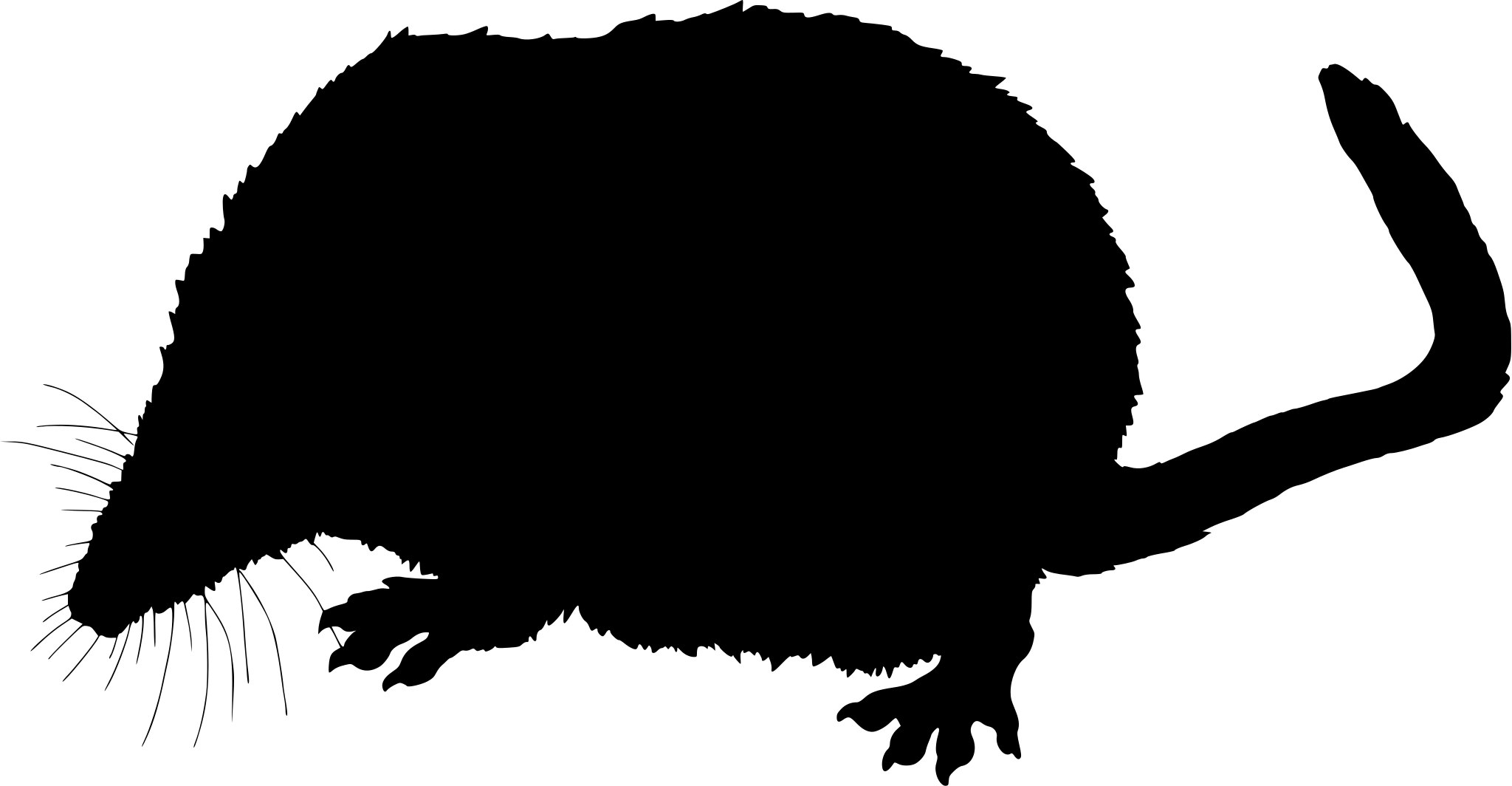
At around two grams, the American pygmy shrew is the lightest mammal in North America, weighing roughly as much as a dime. Ohio has only 11 confirmed records since 2000, the lowest count of any species on this list, which is as much a reflection of how genuinely hard an animal this size and this secretive is to detect as it is a measure of scarcity.

NatureServe ranks it S1, critically imperiled, in Ohio. Its metabolism runs so fast it must eat almost constantly, spending its brief life tunneling through leaf litter at forested sites like Cuyahoga Valley National Park and Wayne National Forest, rarely surfacing where a person would ever see it.
Occurrence data from iNaturalist and GBIF.

More mammals in Ohio in the atlas

Data & sources

The data and visualizations on this page draw on these open sources:

  • GBIFCC-BY 4.0occurrence records behind the range map, elevation, and record counts
  • iNaturalistCC0 / CC-BY / CC-BY-SAobservations, photos, and audio recordings
  • NatureServe ExplorerCC-BYthe state conservation rank
  • IUCN Red Listattributed factthe global conservation status
  • USGS NASpublic domainnative / introduced status
  • Natural Earthpublic domainthe relief basemap
  • USFSpublic domainnational-forest boundaries




