Arizona mammals

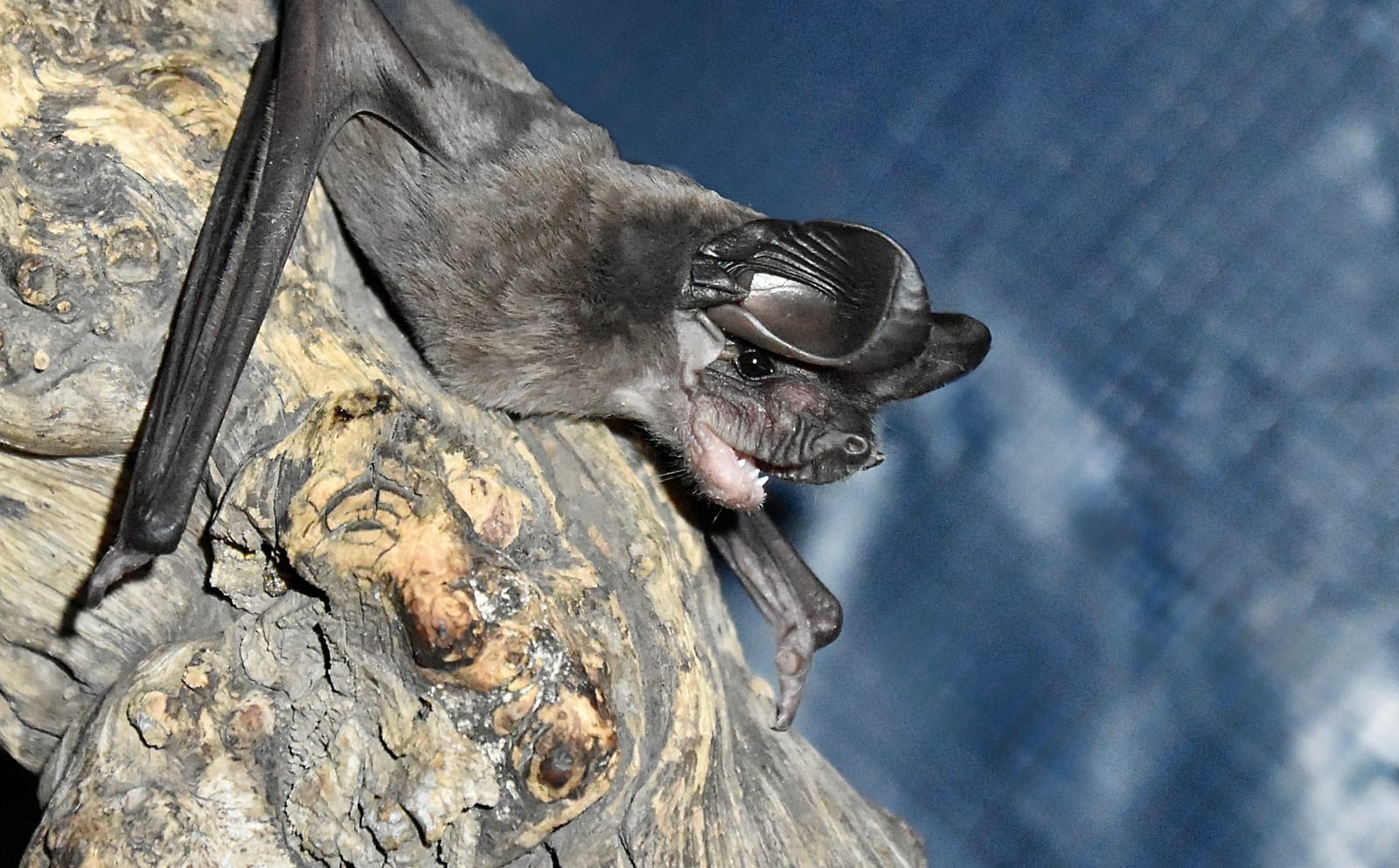
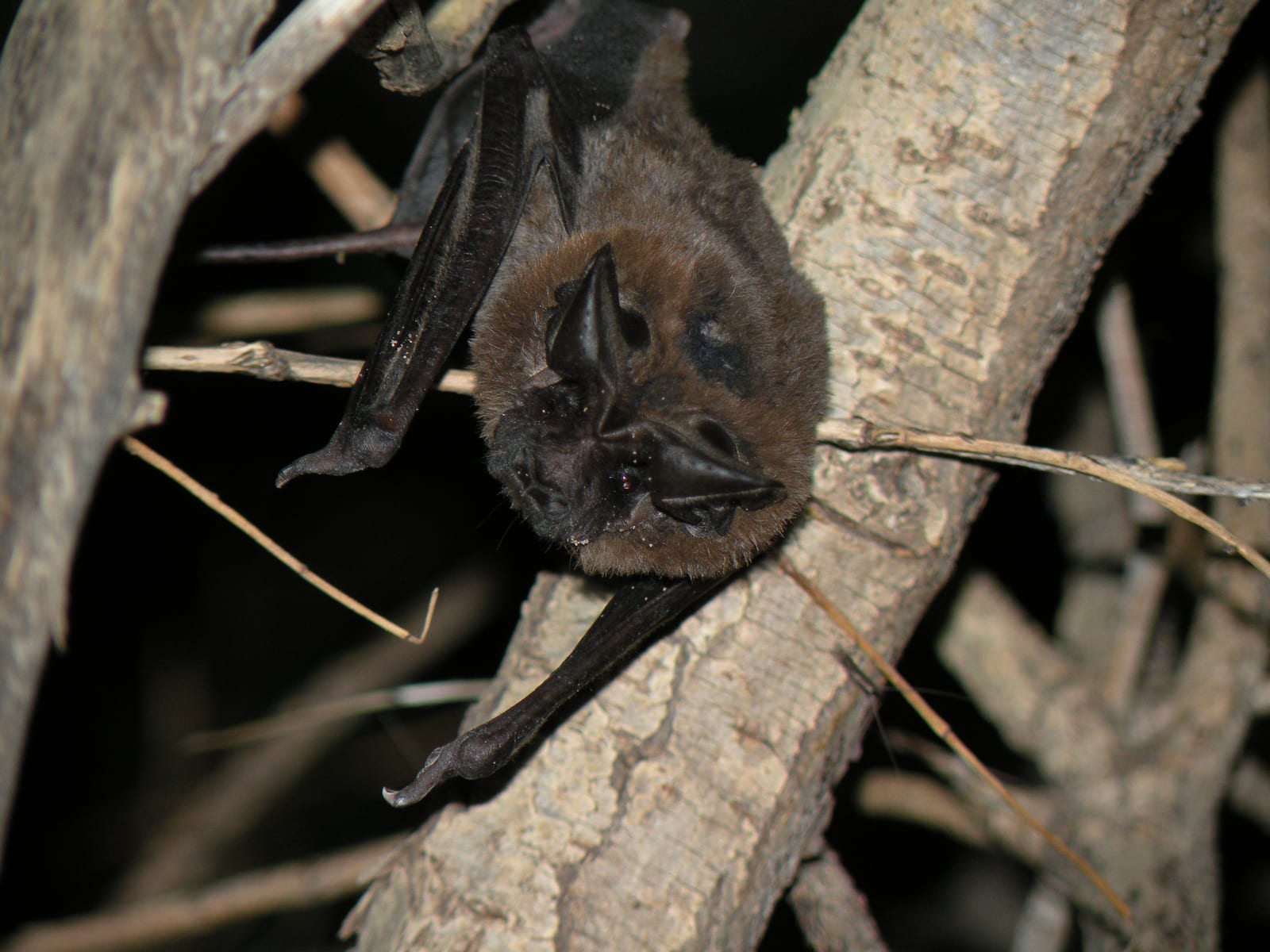
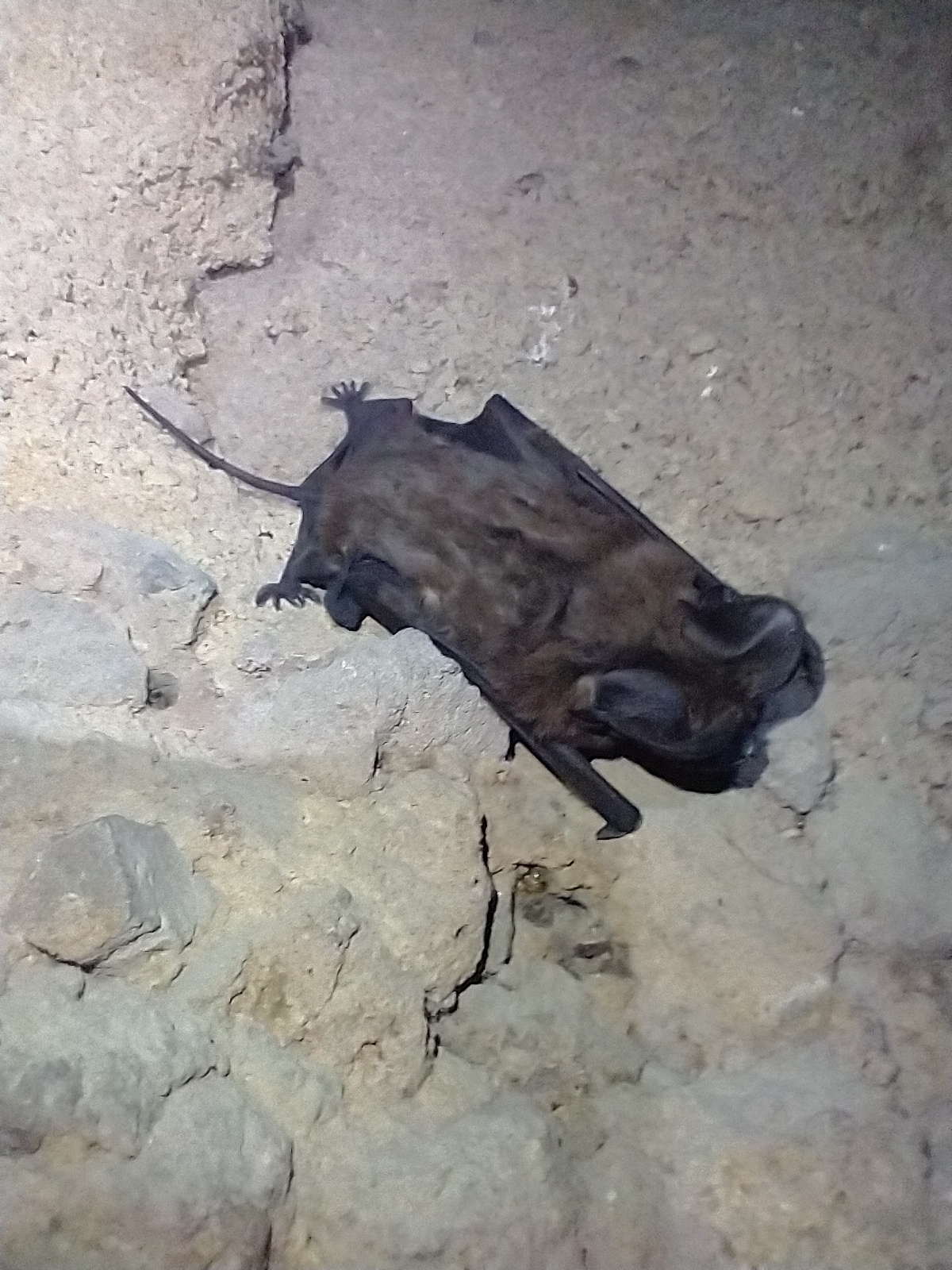
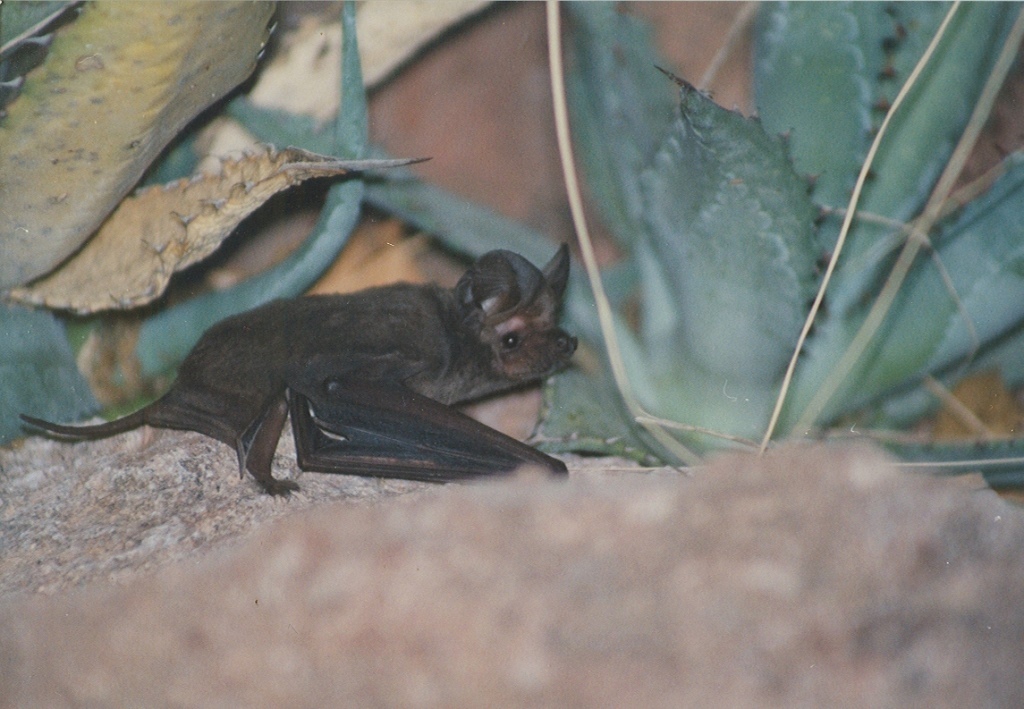
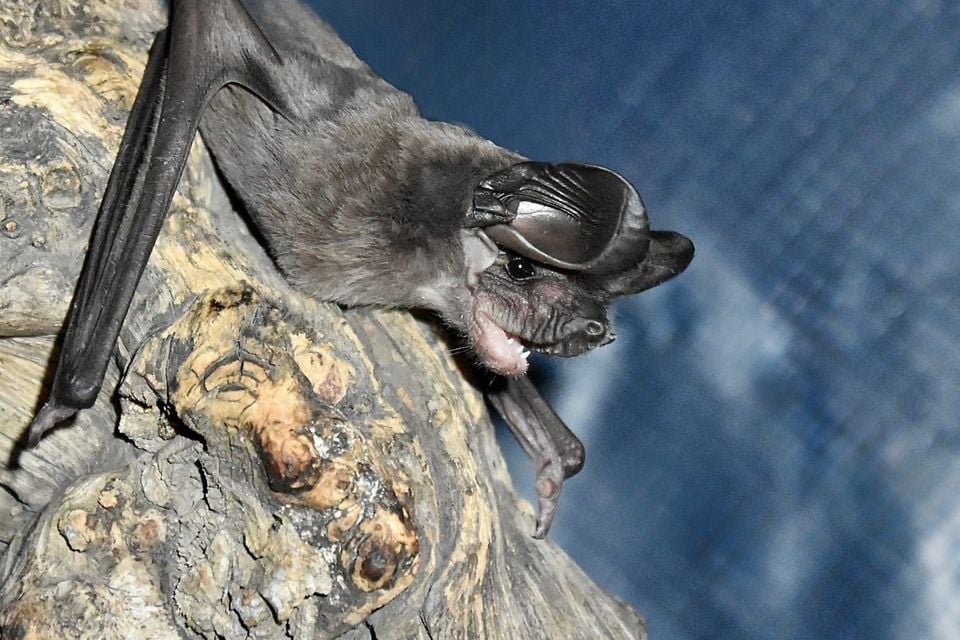
Big Free-tailed Bat in Arizona

Nyctinomops macrotis

Native to Arizona S3 Vulnerable in Arizona

Not listed as nonindigenous in Arizona by USGS NAS; native to its Arizona range.

IUCN Red List status

  1. LC
  2. NT
  3. VU
  4. EN
  5. CR
  6. EW
  7. EX

LC – Least Concern

Widespread and abundant; not at risk.

Big Free-tailed Bat in Arizona, by the numbers

Rare in Arizona 136th most recorded of 158 mammals logged in Arizona

5 occurrence records
4 with iNaturalist photos

Records from 2000–2026.

When to look for the Big Free-tailed Bat in Arizona

Most sightings fall in June.

5 Arizona occurrence records (iNaturalist and GBIF) by month of year, 2000–2026. Shows when the species is recorded, not a guarantee of presence. Based on a small number of dated records; the seasonal pattern may not be representative.

Monthly Arizona records (table)
MonthRecords
January0
February0
March0
April1
May0
June2
July1
August0
September0
October1
November0
December0

Monthly big free-tailed bat occurrence records (iNaturalist and GBIF) in Arizona, 2000–2026.

Seasonality

Sparse observation record in Arizona; presence confirmed but timing of activity not well documented.

Occurrence map

Where Big Free-tailed Bat has been recorded in Arizona

5 records mapped · zoom and drag to explore

5 Arizona records mapped

Where it's recorded in Arizona

CountyRecords
Cochise County 2
Maricopa County 1
Coconino County 1
Pima County 1

The complete county distribution, spread across 4 Arizona counties. Every occurrence record falls in one county, so these sum to the total. Counties from GBIF and US Census boundaries.

Big free-tailed bat is a wide-ranging but rarely encountered desert bat in Arizona, roosting deep in rock crevices and cliff faces rather than caves or buildings, which keeps it out of most roost surveys. Its record sits in the bottom fifth of the state’s mammal count.

The scattered counts from April through October are too thin and too spread out to describe a real seasonal pattern; this is a bat that travels long distances and turns up unpredictably, so a handful of records across half the year says more about how hard it is to detect than about when it’s actually present.

More mammals in Arizona in the atlas

Data & sources

The data and visualizations on this page draw on these open sources:

  • GBIFCC-BY 4.0occurrence records behind the range map, elevation, and record counts
  • iNaturalistCC0 / CC-BY / CC-BY-SAobservations, photos, and audio recordings
  • NatureServe ExplorerCC-BYthe state conservation rank
  • IUCN Red Listattributed factthe global conservation status
  • USGS NASpublic domainnative / introduced status
  • Natural Earthpublic domainthe relief basemap
  • USFSpublic domainnational-forest boundaries




