
Hawaii mammals

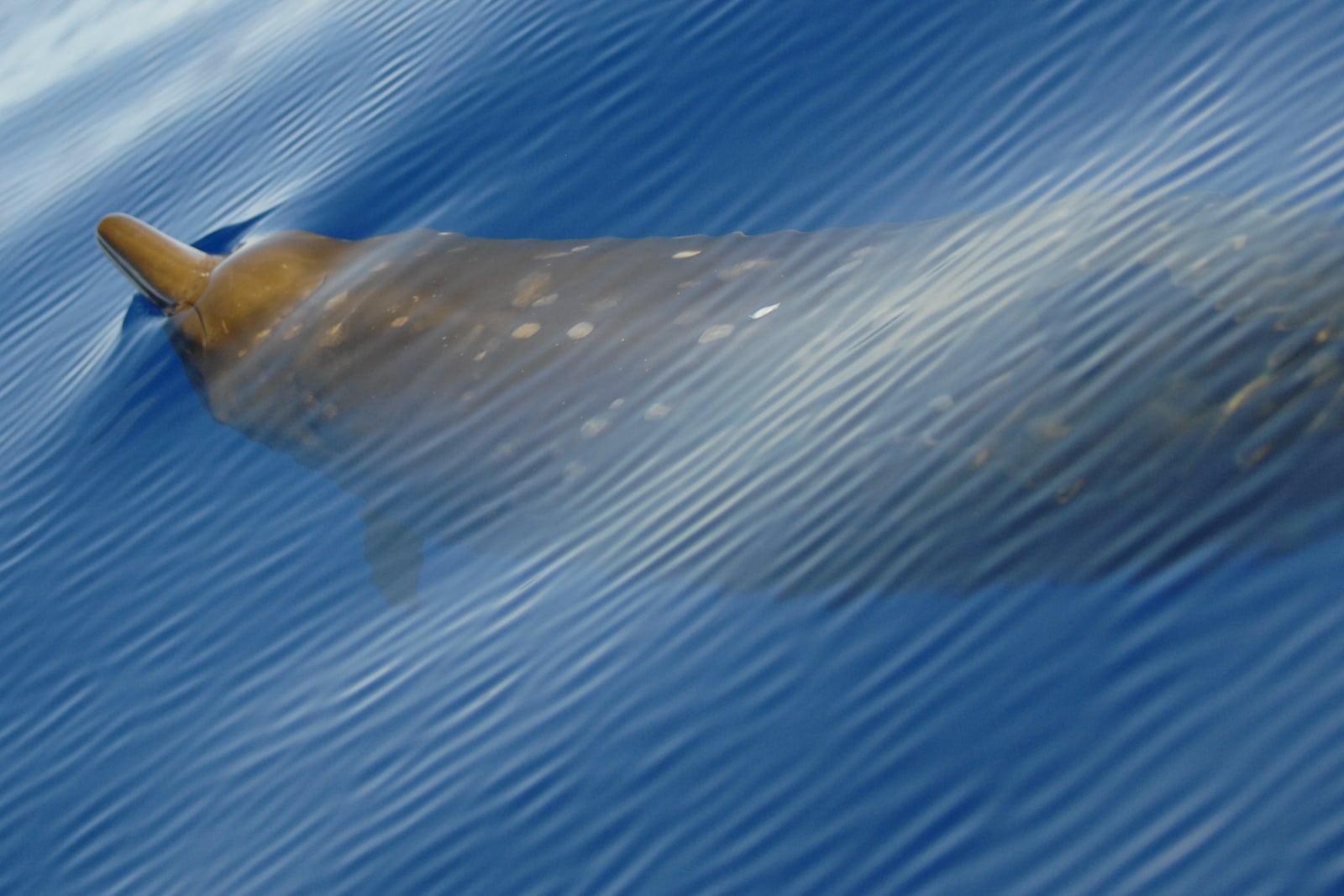
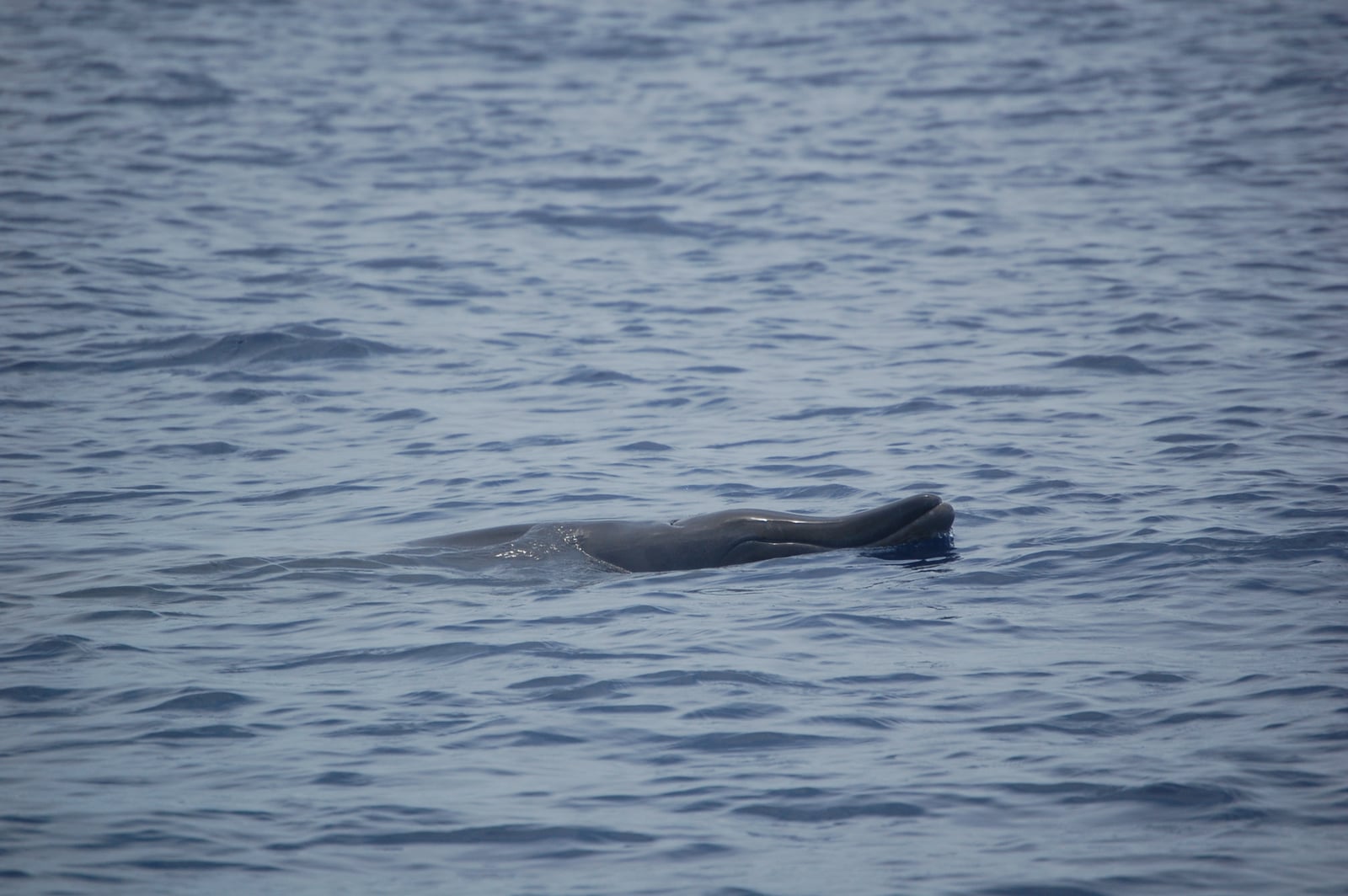
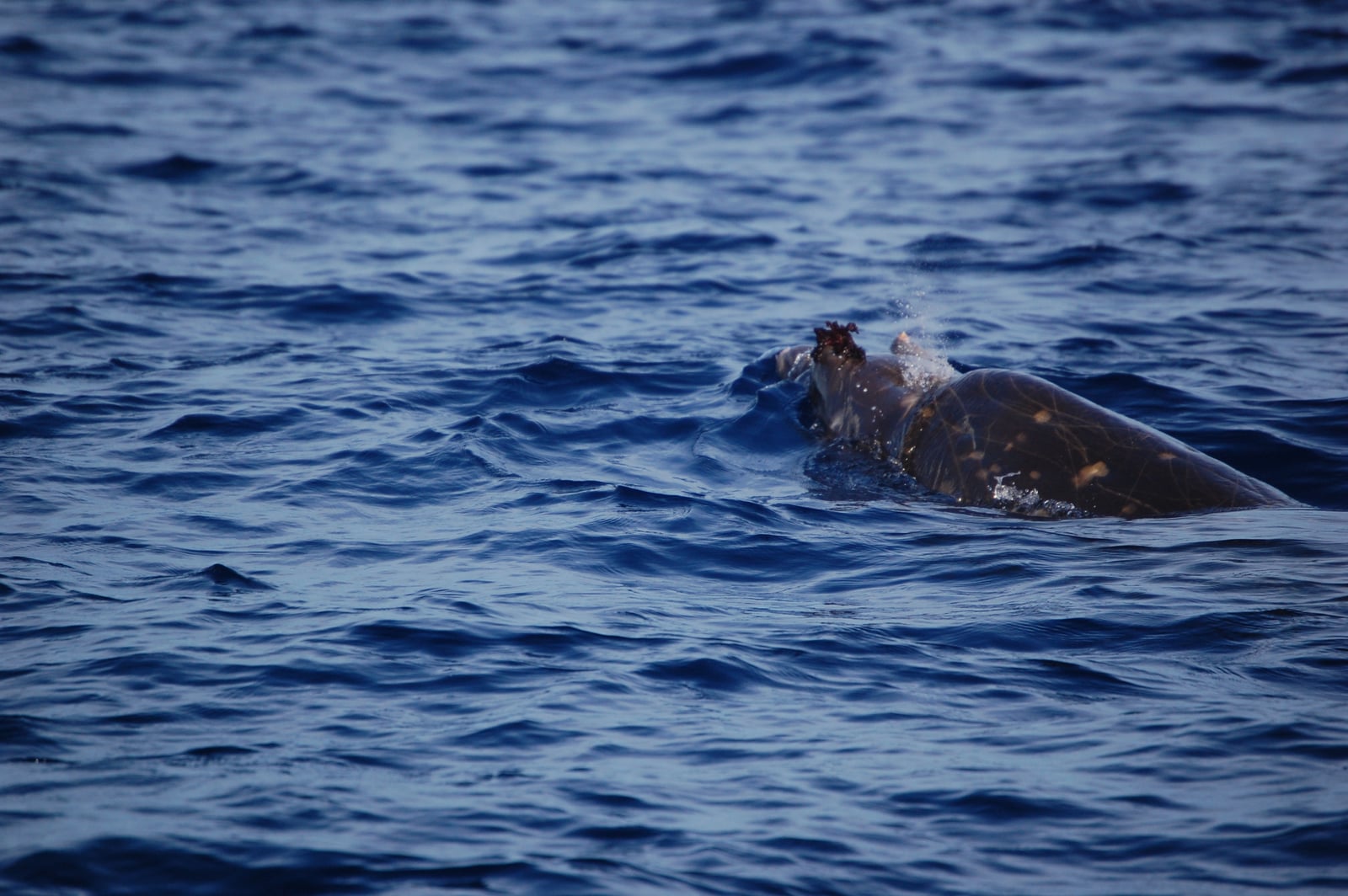
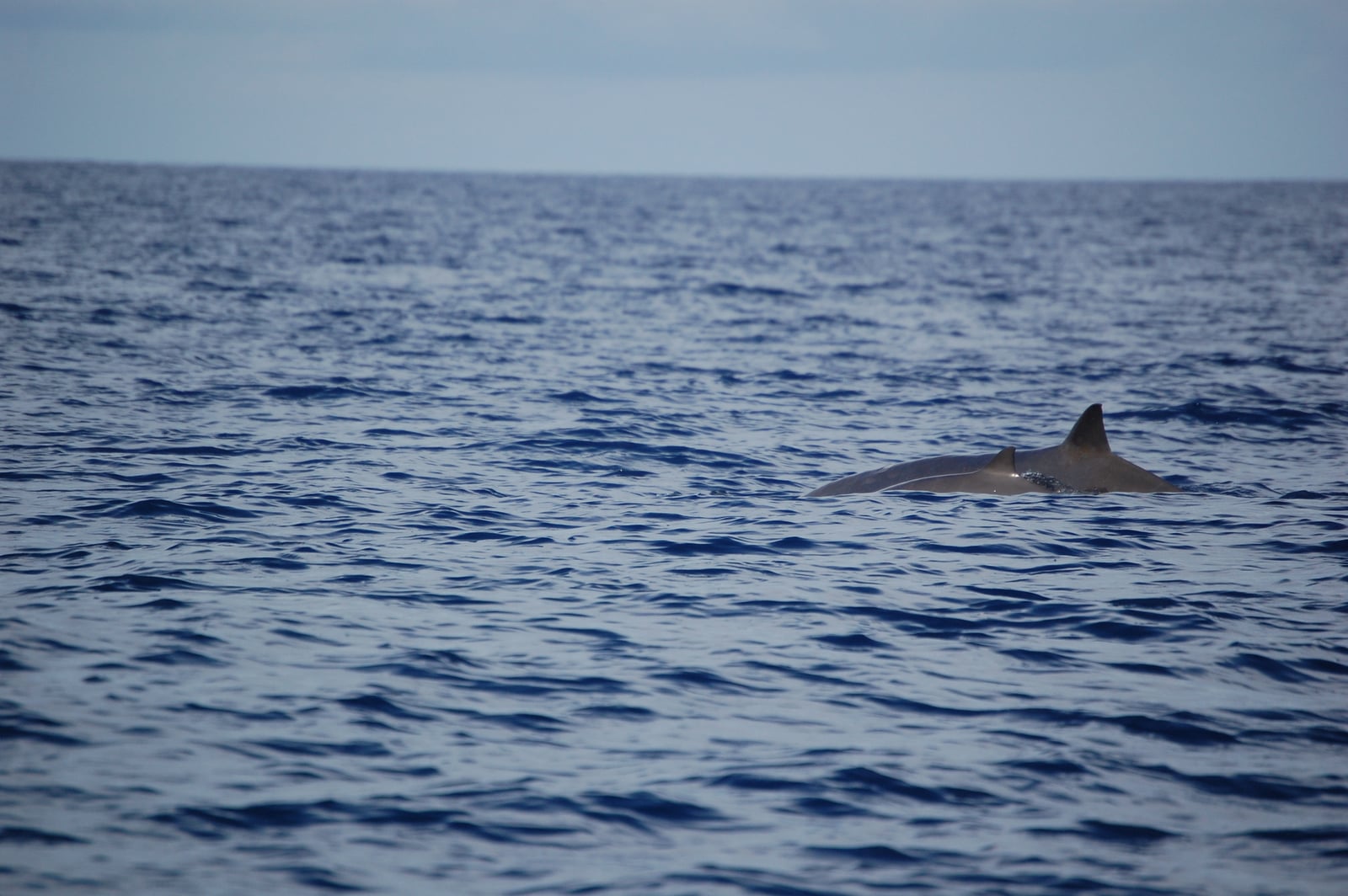
Blainville's beaked whale in Hawaii

Mesoplodon densirostris

Native to Hawaii SNR Unranked in Hawaii

Not listed as nonindigenous in Hawaii by USGS NAS; native to its Hawaii range.

IUCN Red List status

  1. LC
  2. NT
  3. VU
  4. EN
  5. CR
  6. EW
  7. EX

LC – Least Concern

Widespread and abundant; not at risk.

Blainville's beaked whale in Hawaii, by the numbers

Occasional in Hawaii 14th most recorded of 34 mammals logged in Hawaii

22 occurrence records
18 with iNaturalist photos
May 7, 2026 Last seen in Hawaii

Records from 2000–2026.

22 total records count every Hawaii occurrence from GBIF and iNaturalist; the monthly chart covers the 21 records with a full observation date.

When to look for the Blainville's beaked whale in Hawaii

Most sightings fall in February.

21 Hawaii occurrence records (iNaturalist and GBIF) by month of year, 2000–2026. Shows when the species is recorded, not a guarantee of presence. Based on a small number of dated records; the seasonal pattern may not be representative.

Monthly Hawaii records (table)
MonthRecords
January0
February14
March0
April2
May1
June1
July1
August0
September0
October0
November1
December1

Monthly blainville's beaked whale occurrence records (iNaturalist and GBIF) in Hawaii, 2000–2026.

Seasonality

Year-round in Hawaii, with recorded sightings peaking in February.

Occurrence map

Where Blainville's beaked whale has been recorded in Hawaii

22 records mapped · zoom and drag to explore

21 Hawaii records mapped

Where it's recorded in Hawaii

CountyRecords
Maui County 2
Other localities 20

The complete county distribution, spread across 1 Hawaii counties. Every occurrence record falls in one county, so these sum to the total. Counties from GBIF and US Census boundaries.

Hawaii’s confirmed sightings of Blainville’s beaked whale come from far offshore, in the deep water beyond the main Hawaiian Islands’ fringing reefs, including the channels between Maui, Lānaʻi, and the Big Island where the seafloor drops away fast. It’s a species built for open, deep water, not the shallow leeward coasts where most whale-watching happens.

Males carry two tusk-like teeth erupting from an arched lower jaw so dense the species is named for it, densirostris, Latin for dense beak. It dives deep and stays down a long time hunting squid, surfacing only briefly, which is exactly why a live sighting anywhere, including Hawaii, stays rare even where the whale is reliably recorded.

Nearly all of Hawaii’s reports land in February, with only a handful scattered across the rest of the year. That sharp seasonal spike likely reflects when surveys and boaters are out looking, not a real migration into state waters.
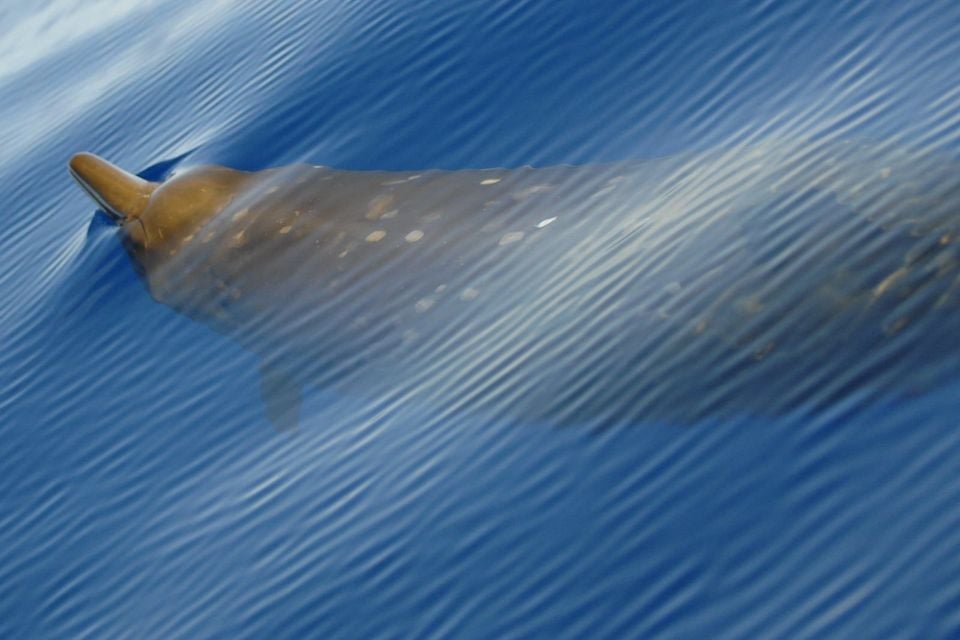

Occurrence data from iNaturalist and GBIF.

More mammals in Hawaii in the atlas

Data & sources

The data and visualizations on this page draw on these open sources:

  • GBIFCC-BY 4.0occurrence records behind the range map, elevation, and record counts
  • iNaturalistCC0 / CC-BY / CC-BY-SAobservations, photos, and audio recordings
  • NatureServe ExplorerCC-BYthe state conservation rank
  • IUCN Red Listattributed factthe global conservation status
  • USGS NASpublic domainnative / introduced status
  • Natural Earthpublic domainthe relief basemap




