


Every North Carolina record for this deep-diving whale comes from well offshore, in the deep water beyond the continental shelf where the Gulf Stream passes Cape Hatteras. This isn’t a shoreline or sound species; it needs the kind of deep, open ocean that only starts a considerable distance past the Outer Banks.
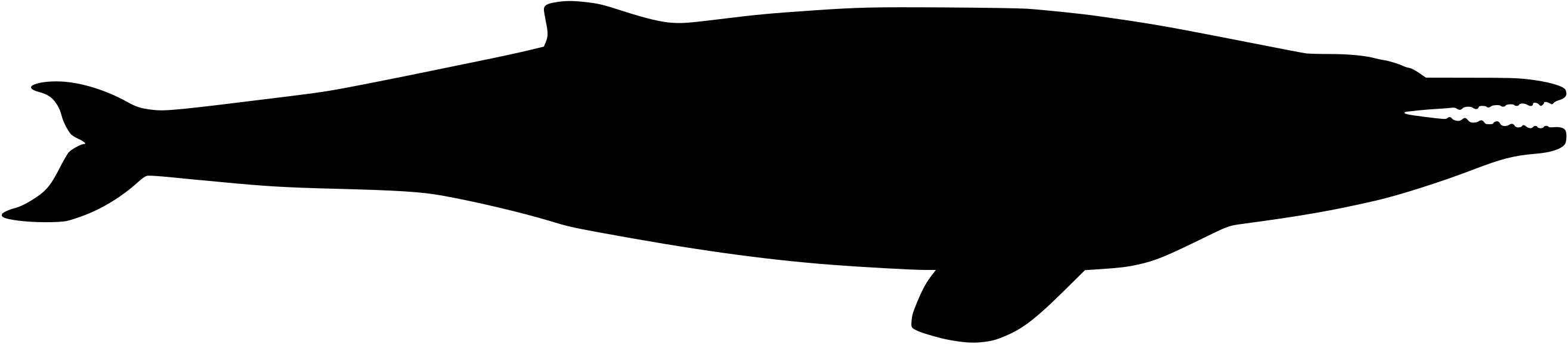
Males carry raised jaws used in disputes with other males, a feature that shows up even from a distance when the whale surfaces. It dives deep to hunt squid and small fish, so most of its life plays out far below the surface, well out of sight of shore-based observers.
Records spike sharply in September, likely tied to survey timing and sea conditions rather than a true seasonal shift in the whale’s presence off North Carolina. Because sightings depend on calm seas and offshore research effort, a quiet month here says more about survey conditions than about the whale’s actual movements in Gulf Stream waters.
 Full species profile




