Arizona mammals

Botta's Pocket Gopher in Arizona

Thomomys bottae

Native to Arizona S5 Secure in Arizona

Not listed as nonindigenous in Arizona by USGS NAS; native to its Arizona range.

IUCN Red List status

  1. LC
  2. NT
  3. VU
  4. EN
  5. CR
  6. EW
  7. EX

LC – Least Concern

Widespread and abundant; not at risk.

Botta's Pocket Gopher in Arizona, by the numbers

Occasional in Arizona 93rd most recorded of 158 mammals logged in Arizona

50 occurrence records

Records from 2000–2026.

50 total records count every Arizona occurrence from GBIF and iNaturalist; the monthly chart covers the 48 records with a full observation date.

When to look for the Botta's Pocket Gopher in Arizona

Most sightings fall in March.

48 Arizona occurrence records (iNaturalist and GBIF) by month of year, 2000–2026. Shows when the species is recorded, not a guarantee of presence.

Monthly Arizona records (table)
MonthRecords
January2
February5
March14
April2
May0
June0
July3
August1
September1
October7
November13
December0

Monthly botta's pocket gopher occurrence records (iNaturalist and GBIF) in Arizona, 2000–2026.

Seasonality

Year-round in Arizona, with recorded sightings peaking in March, with a smaller rise in November.

Occurrence map

Where Botta's Pocket Gopher has been recorded in Arizona

50 records mapped · zoom and drag to explore

50 Arizona records mapped

Where it's recorded in Arizona

CountyRecords
Yavapai County 26
Yuma County 7
La Paz County 6
Mohave County 3
Cochise County 3
Apache County 2
Pima County 2
Santa Cruz County 1

The complete county distribution, spread across 8 Arizona counties. Every occurrence record falls in one county, so these sum to the total. Counties from GBIF and US Census boundaries.

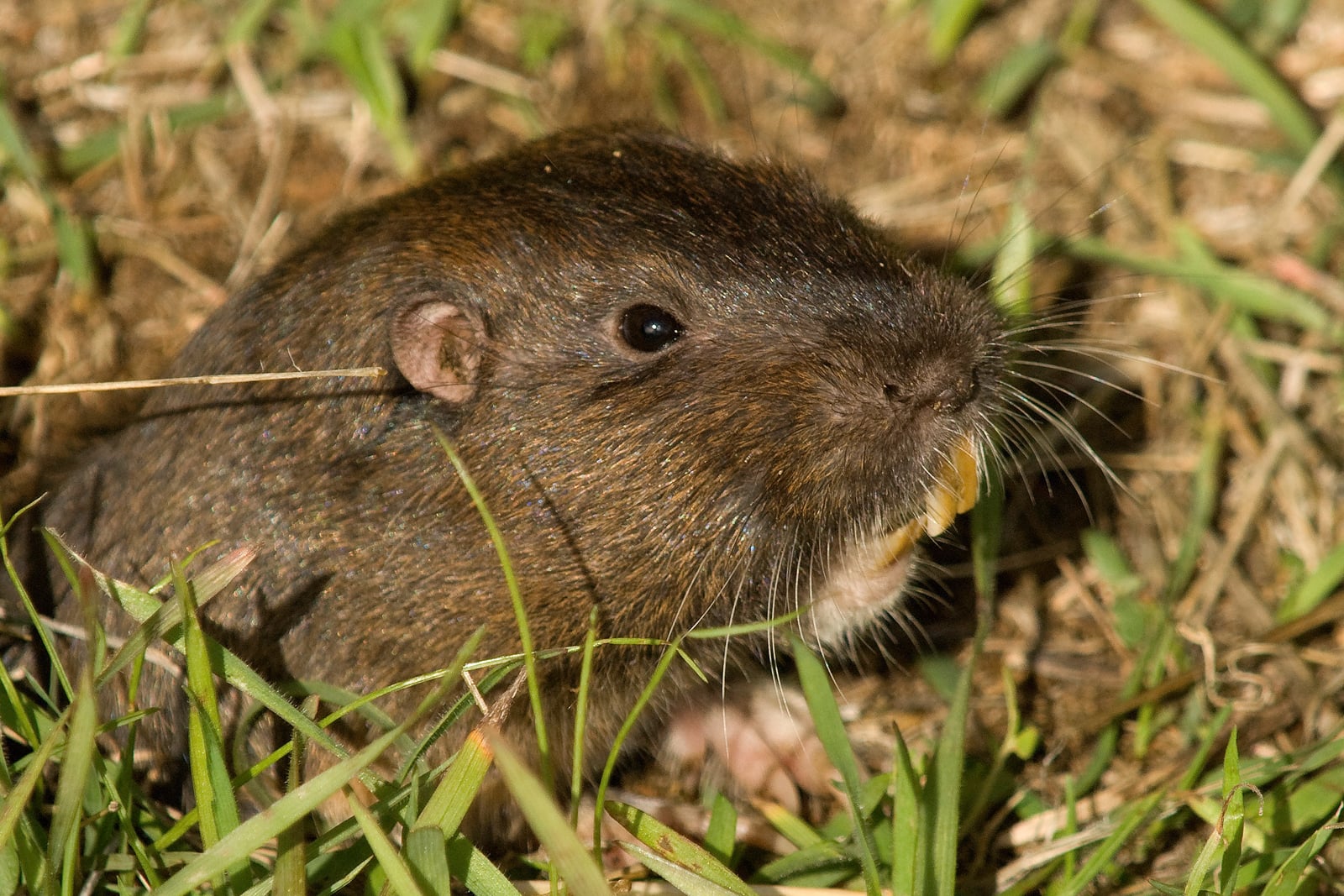
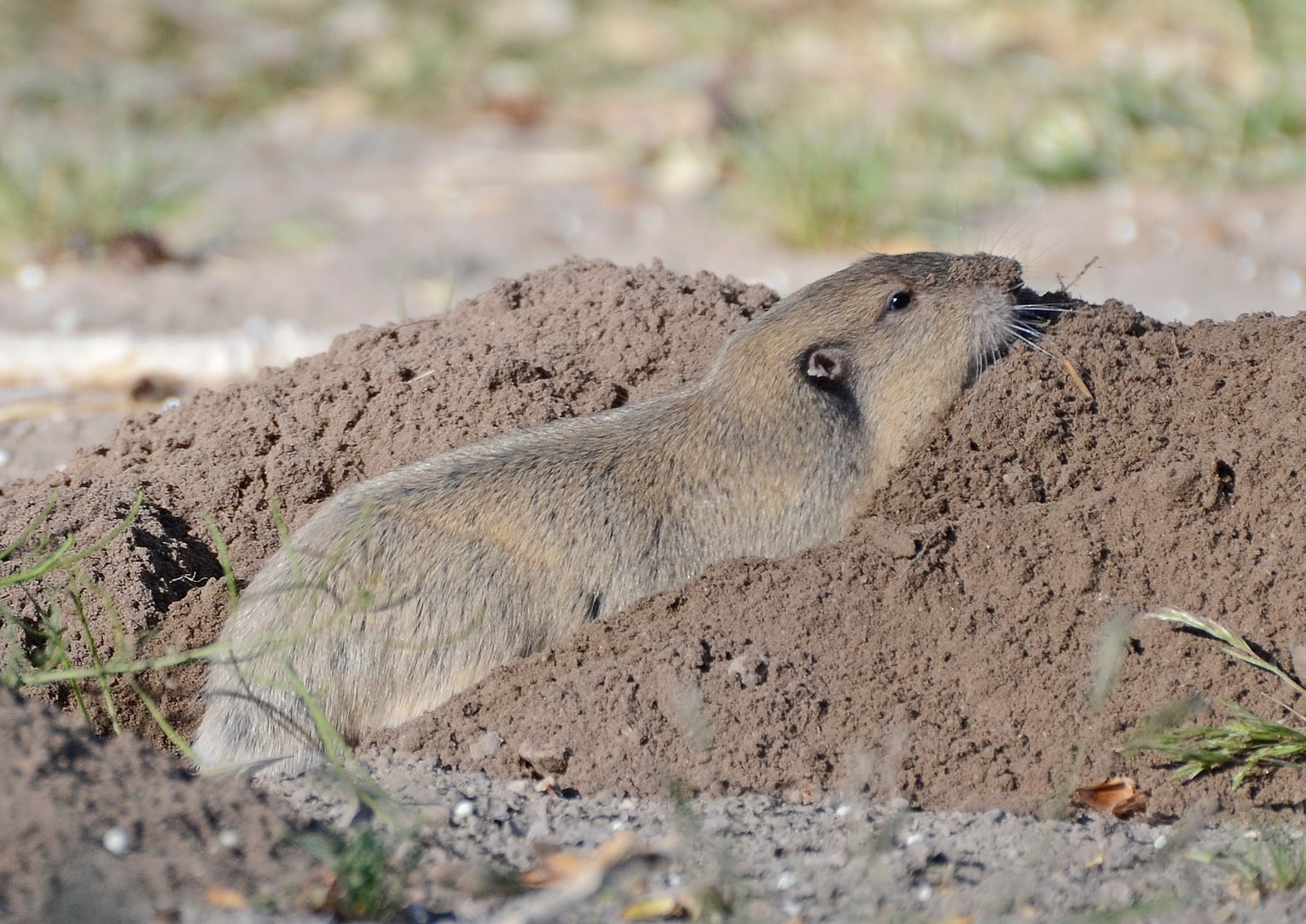
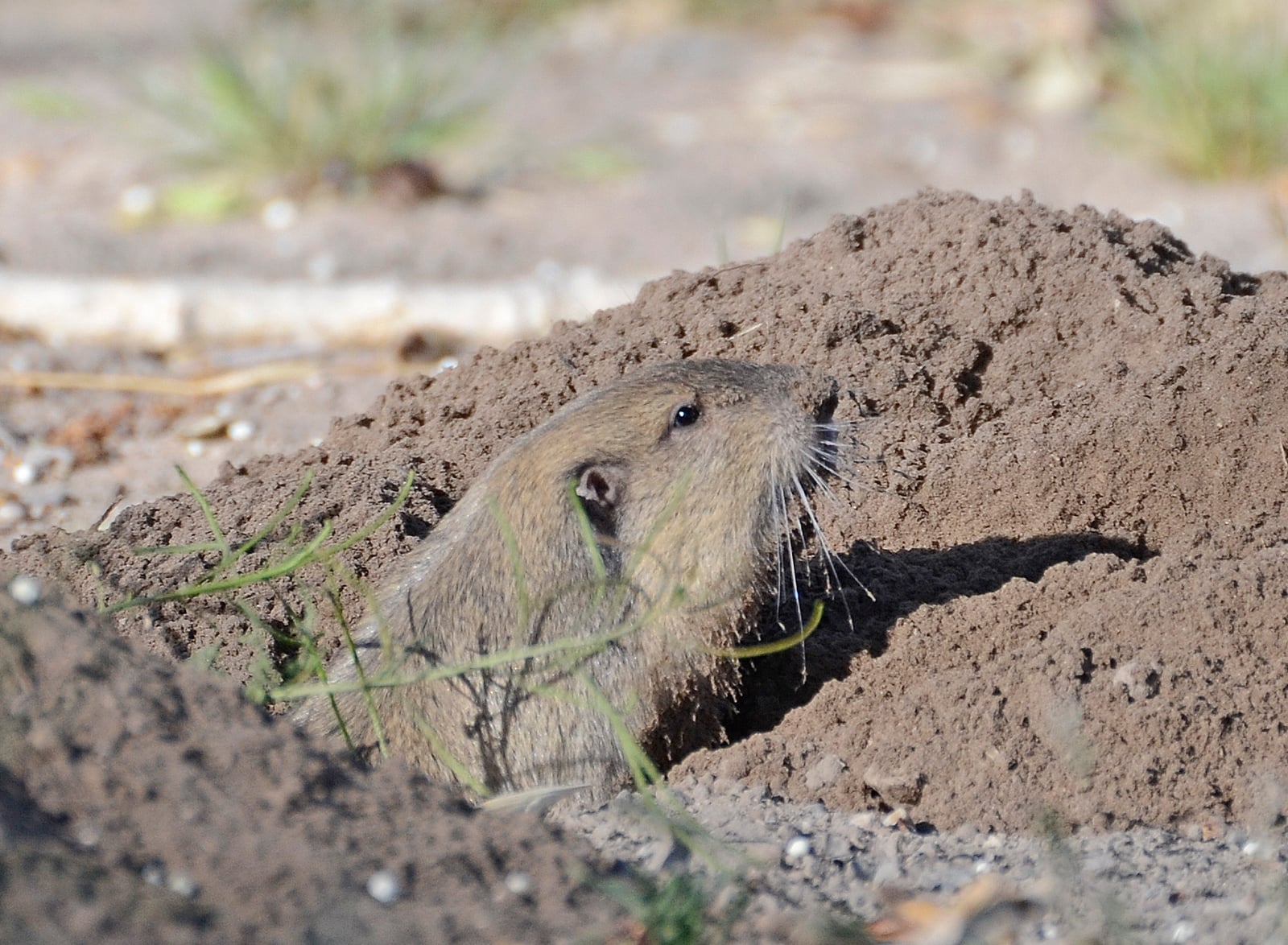
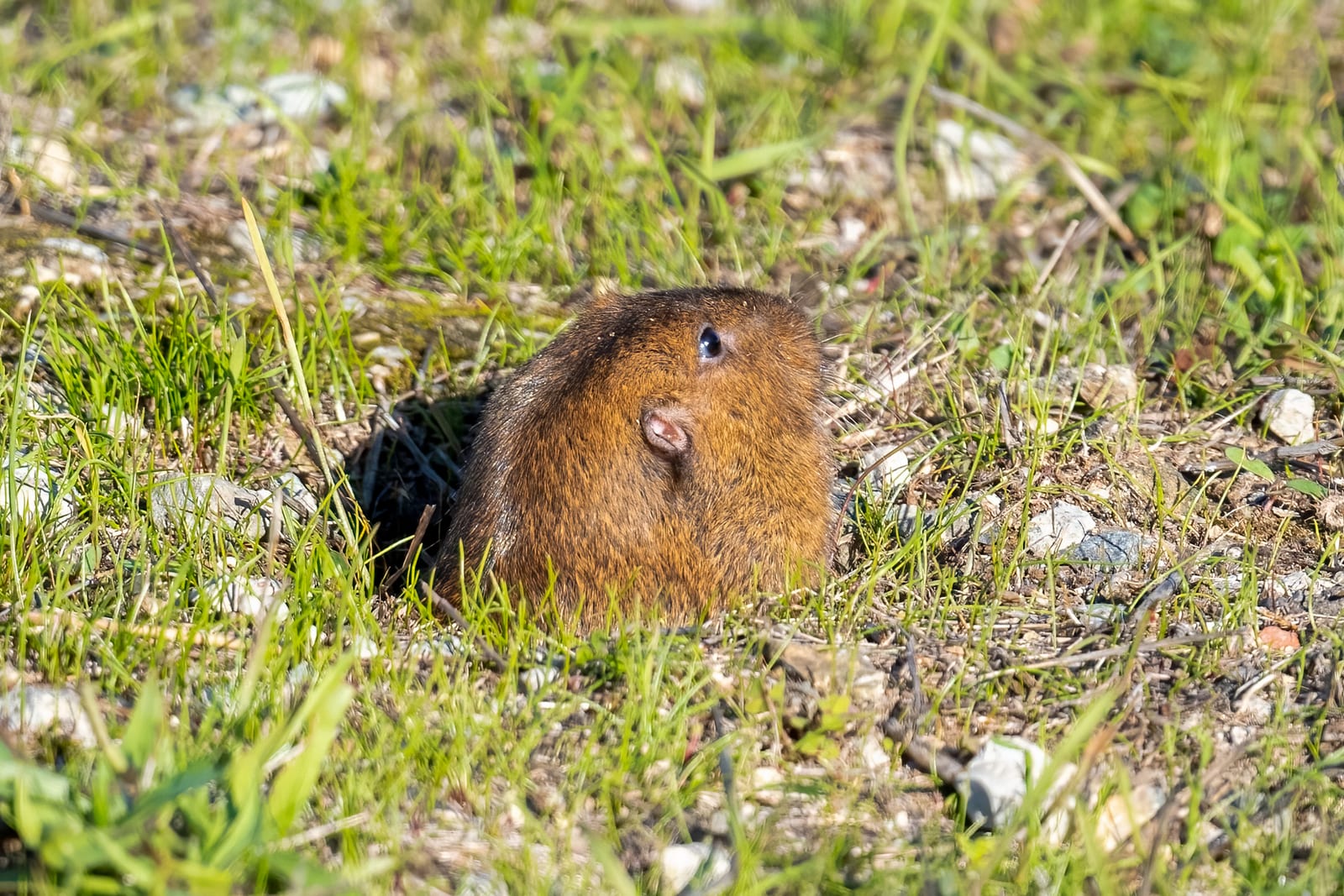
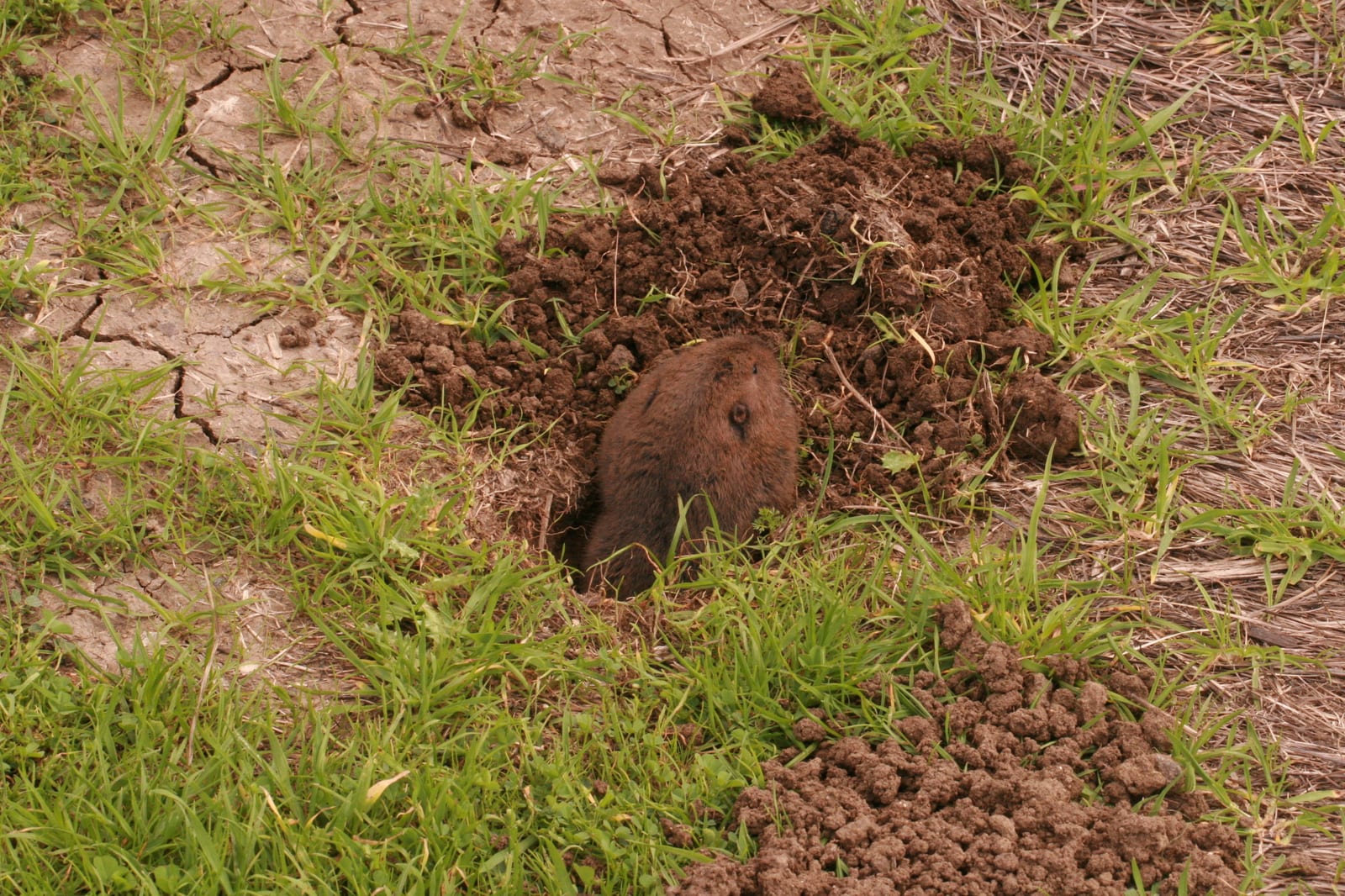
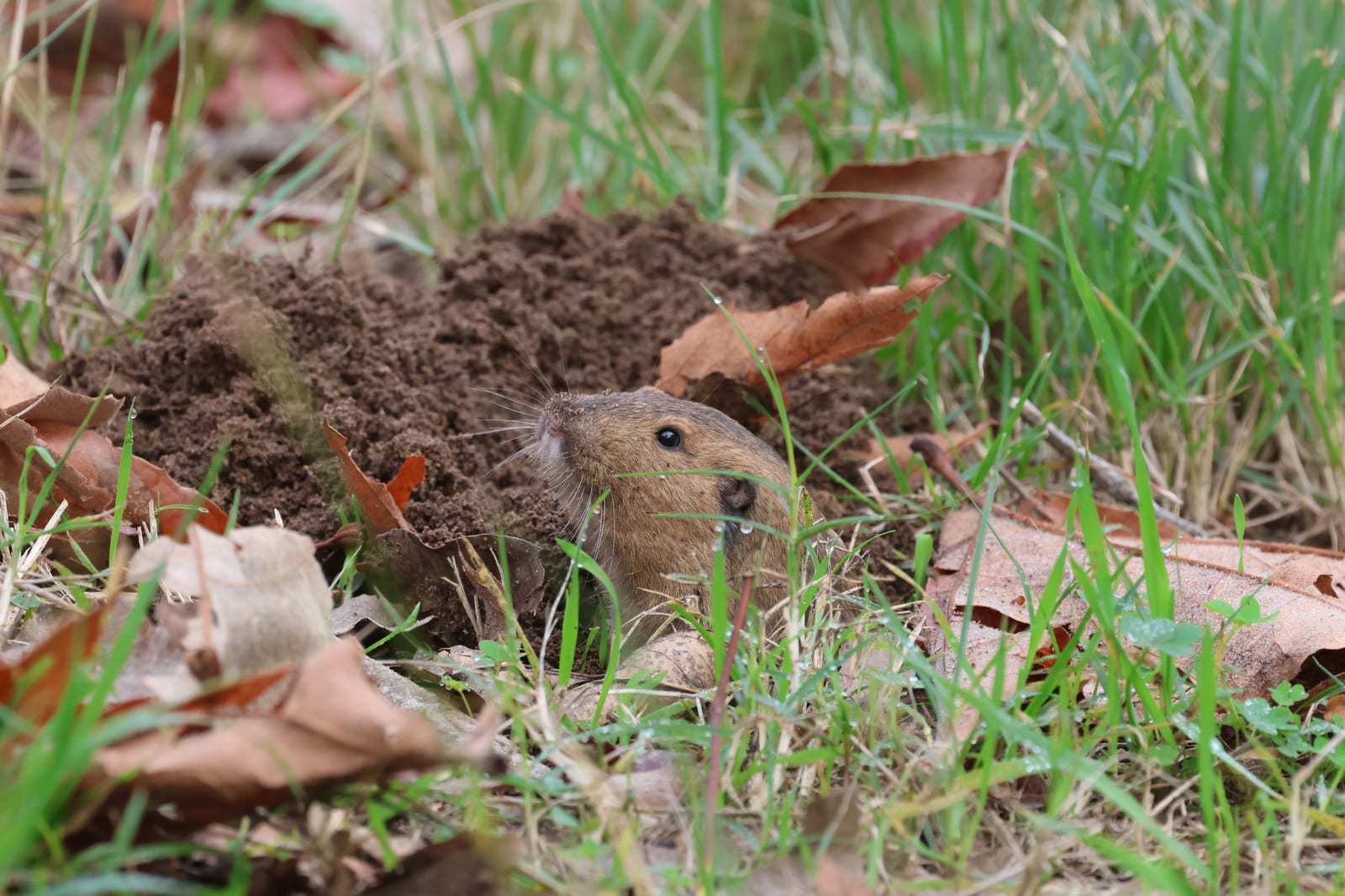
Botta’s pocket gopher is one of the most widespread mammals in Arizona by range, found in diggable soil from low desert to mountain meadow, yet its occasional-tier record here reflects a fossorial animal that spends nearly its entire life underground. Records depend on someone noticing a fresh mound, not spotting the gopher itself.

Reports cluster in March and again in October–November, months when fresh digging after rain is easiest to notice on open ground; the summer gap almost certainly reflects harder detection in dry, hard-packed soil rather than the gopher going anywhere.

More mammals in Arizona in the atlas

Data & sources

The data and visualizations on this page draw on these open sources:

  • GBIFCC-BY 4.0occurrence records behind the range map, elevation, and record counts
  • iNaturalistCC0 / CC-BY / CC-BY-SAobservations, photos, and audio recordings
  • NatureServe ExplorerCC-BYthe state conservation rank
  • IUCN Red Listattributed factthe global conservation status
  • USGS NASpublic domainnative / introduced status
  • Natural Earthpublic domainthe relief basemap
  • USFSpublic domainnational-forest boundaries




