
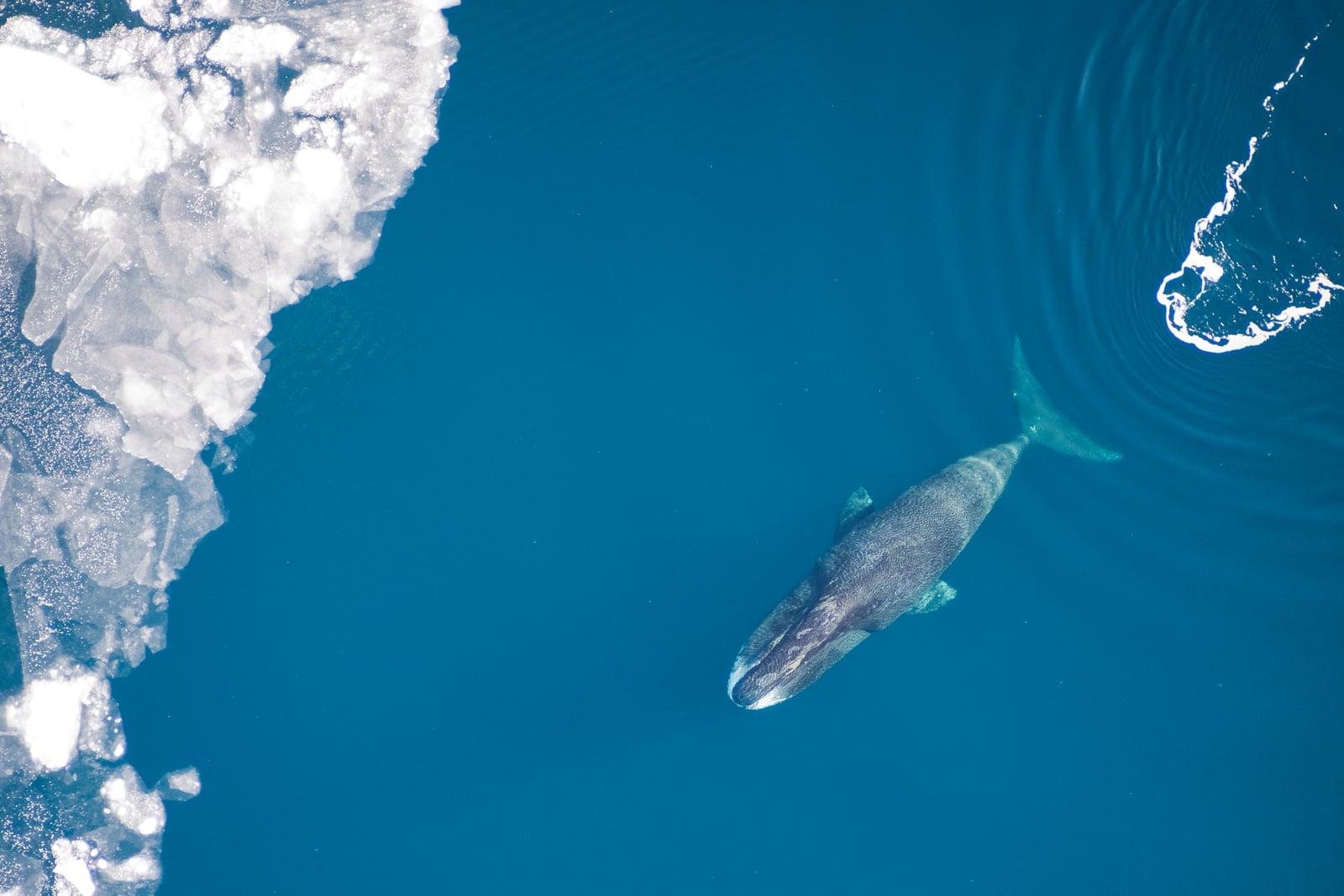
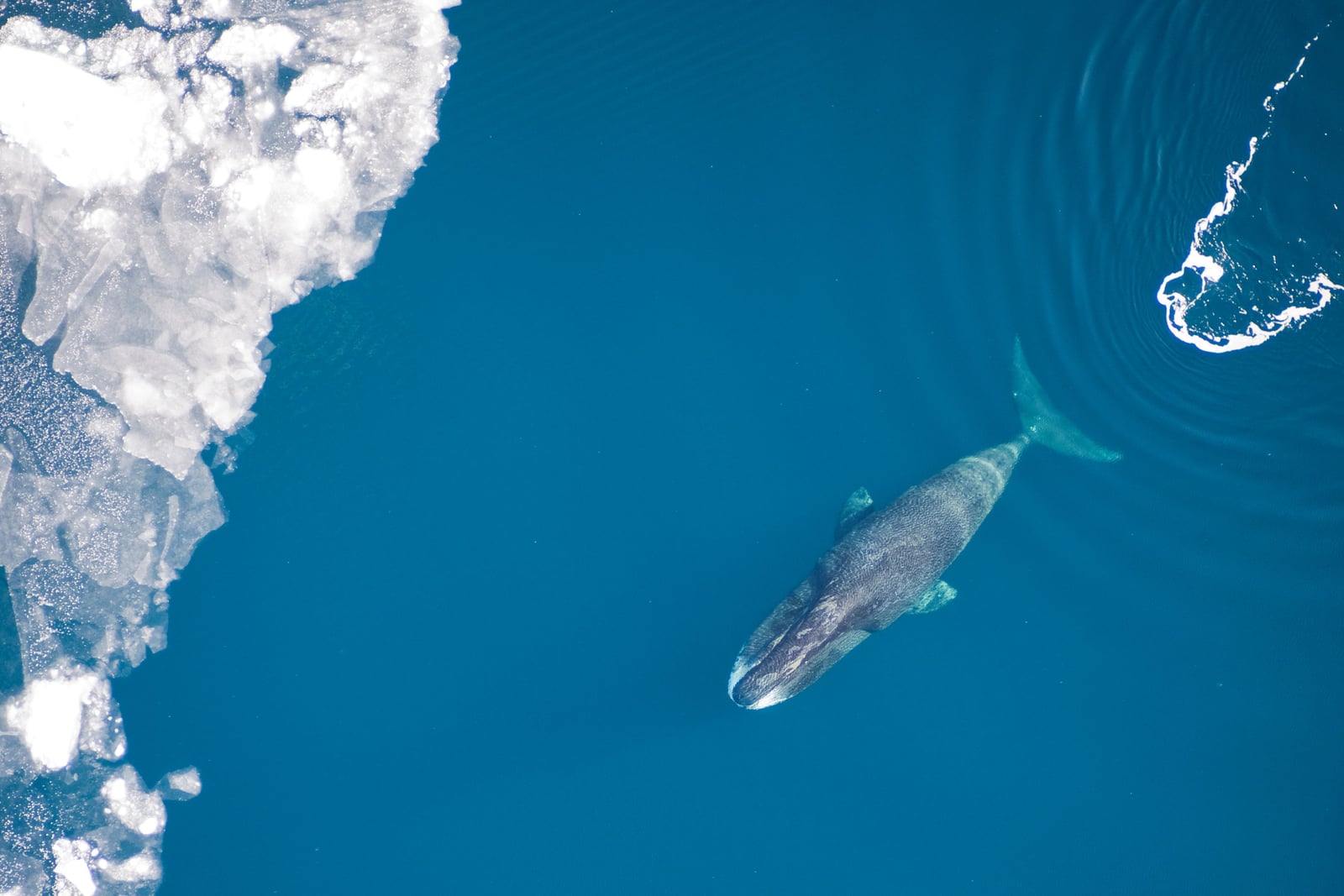
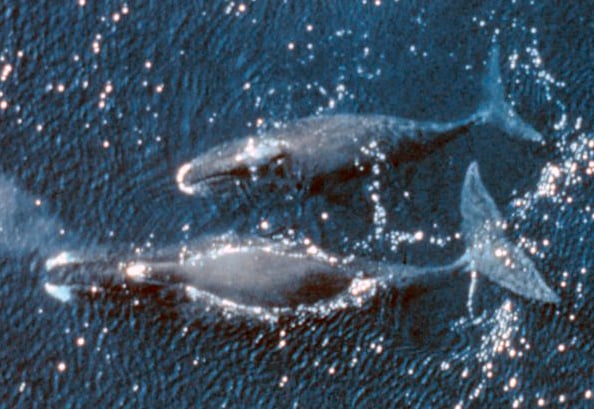
Bowhead whales live year-round in Alaska’s Arctic waters, and nearly every US record for the species comes from here. Reports concentrate along the North Slope, especially near the Beaufort and Chukchi Sea coastlines, where the whales pass close to shore during their spring and fall migrations along the edge of the pack ice.
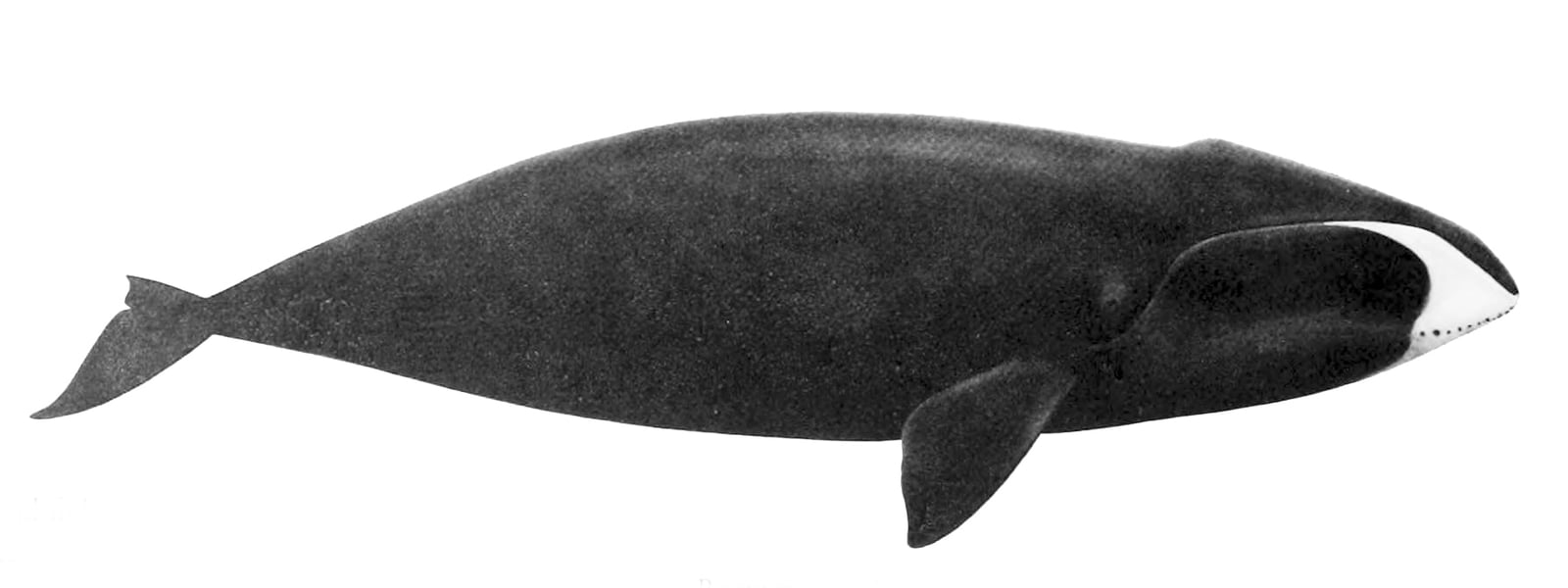
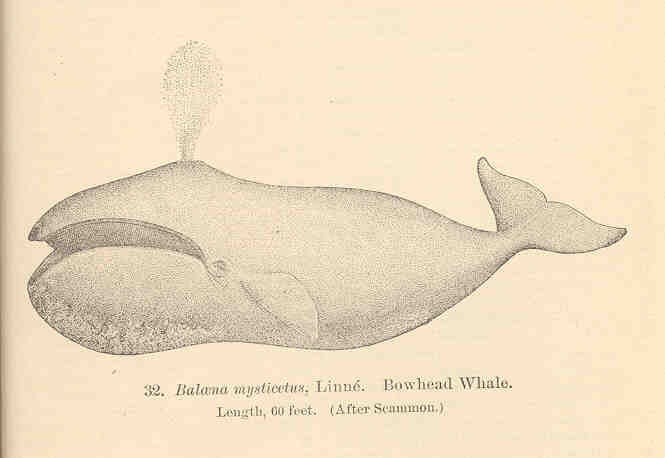
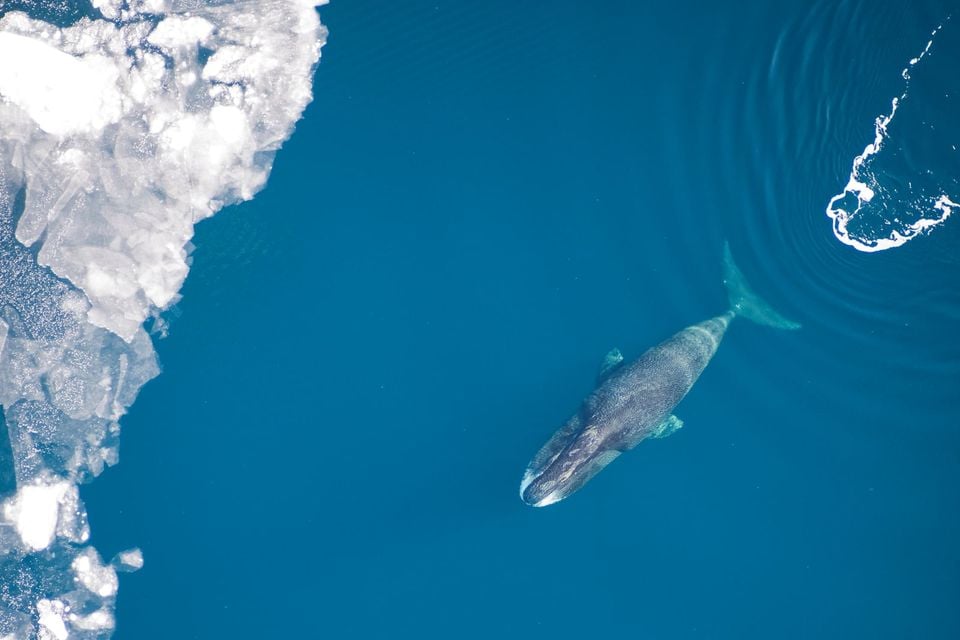
Its skull is unusually thick and reinforced, built to punch upward through sea ice several feet deep to open a breathing hole. That habit ties its whole life to the ice edge in a way no other whale in Alaska shares. It feeds by swimming slowly through dense swarms of copepods and small crustaceans, filtering them out with the longest baleen plates of any whale rather than lunging after fish.
Records here peak in September and October, when the fall westward migration carries whales past Utqiagvik and other North Slope points while open water still allows it. That doesn’t mean the species disappears the rest of the year. It just tracks the retreating and advancing ice, and the open-water windows for counting it stay narrow and seasonal.
 Full species profile




