New Mexico mammals

Bushy-tailed Woodrat in New Mexico

Neotoma cinerea

Native to New Mexico S4 Apparently Secure in New Mexico

Not listed as nonindigenous in New Mexico by USGS NAS; native to its New Mexico range.

IUCN Red List status

  1. LC
  2. NT
  3. VU
  4. EN
  5. CR
  6. EW
  7. EX

LC – Least Concern

Widespread and abundant; not at risk.

Bushy-tailed Woodrat in New Mexico, by the numbers

Occasional in New Mexico 101st most recorded of 176 mammals logged in New Mexico

45 occurrence records
4 with iNaturalist photos
Sep 16, 2021 Last seen in New Mexico

Records from 2000–2026.

When to look for the Bushy-tailed Woodrat in New Mexico

Most sightings fall in September.

45 New Mexico occurrence records (iNaturalist and GBIF) by month of year, 2000–2026. Shows when the species is recorded, not a guarantee of presence.

Monthly New Mexico records (table)
MonthRecords
January0
February0
March0
April0
May4
June5
July4
August7
September18
October5
November1
December1

Monthly bushy-tailed woodrat occurrence records (iNaturalist and GBIF) in New Mexico, 2000–2026.

Seasonality

Year-round in New Mexico, with recorded sightings peaking in September.

Occurrence map

Where Bushy-tailed Woodrat has been recorded in New Mexico

45 records mapped · zoom and drag to explore

45 New Mexico records mapped

Notable places to look

Park, forest, or monumentiNaturalist records
Chaco Culture National Historical Park 4
Pecos Wilderness 2
Bandelier National Monument 2
Carson Other 1

Protected places with the most bushy-tailed woodrat sightings, from the USGS Protected Areas Database plus named mountain ranges, good spots to look, not a full breakdown, so they don't sum to the total.

Where it's recorded in New Mexico

CountyRecords
Rio Arriba County 20
San Miguel County 9
Sandoval County 5
San Juan County 4
Taos County 3
Colfax County 2
Bernalillo County 2

The complete county distribution, spread across 7 New Mexico counties. Every occurrence record falls in one county, so these sum to the total. Counties from GBIF and US Census boundaries.

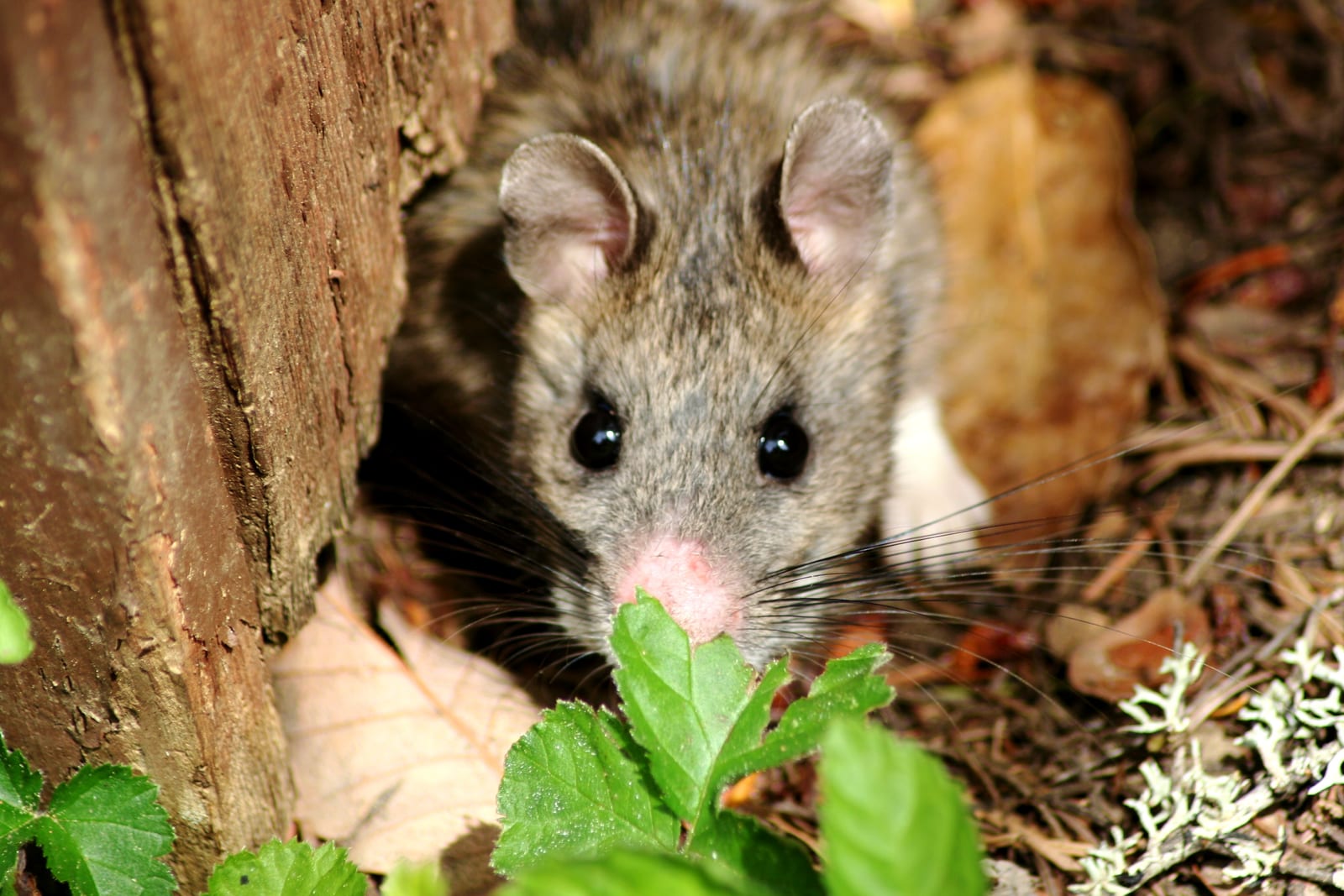
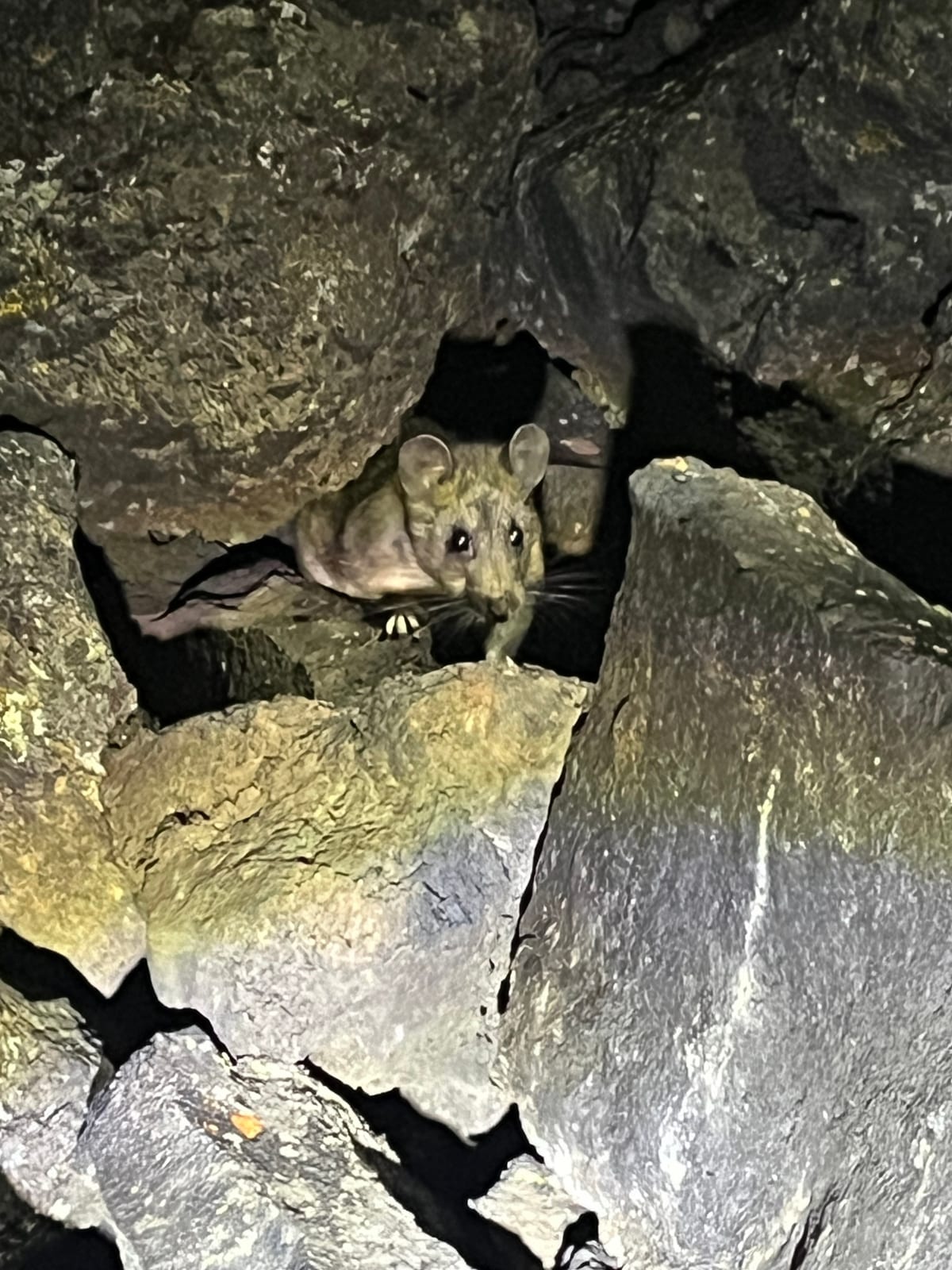
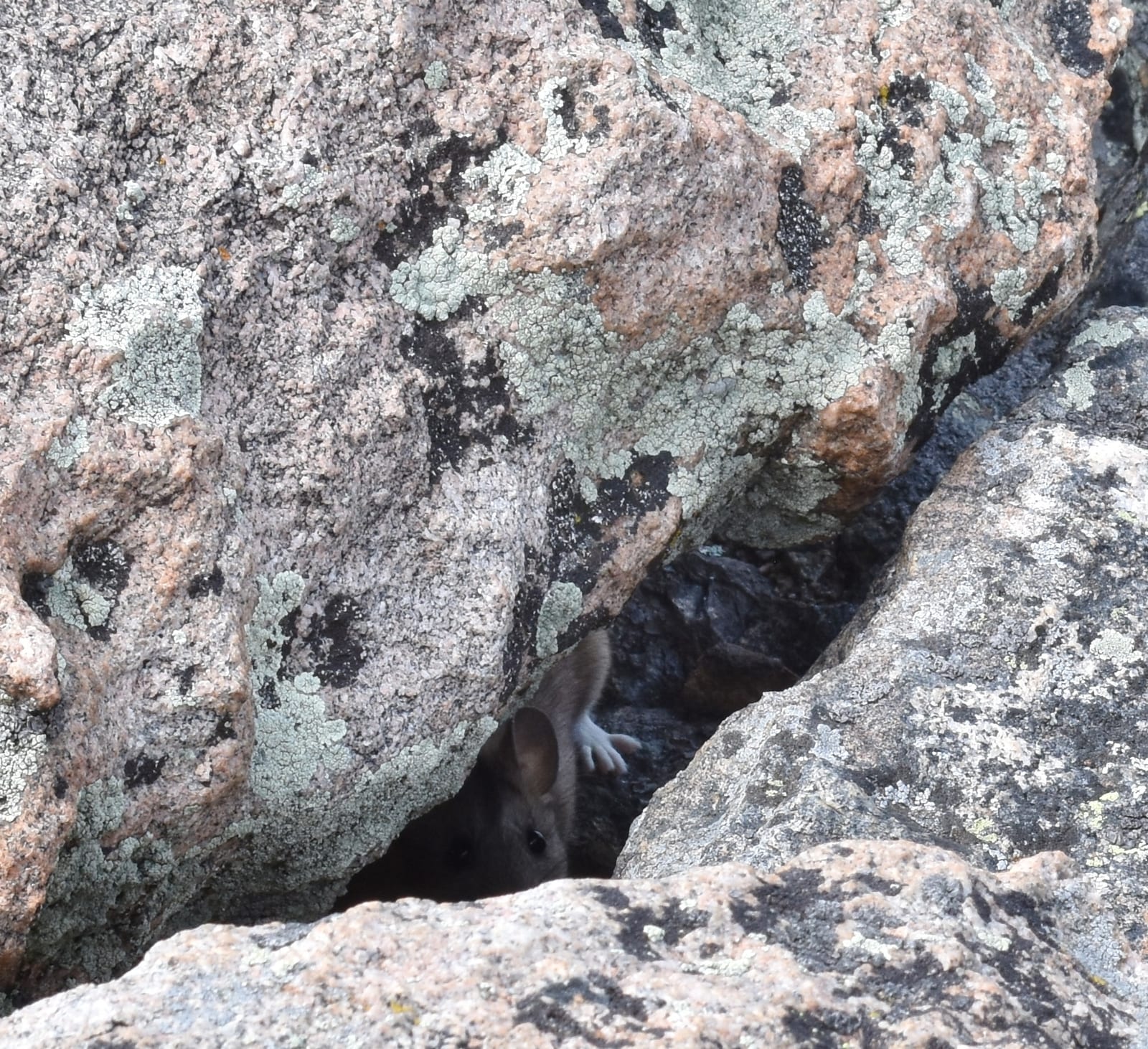
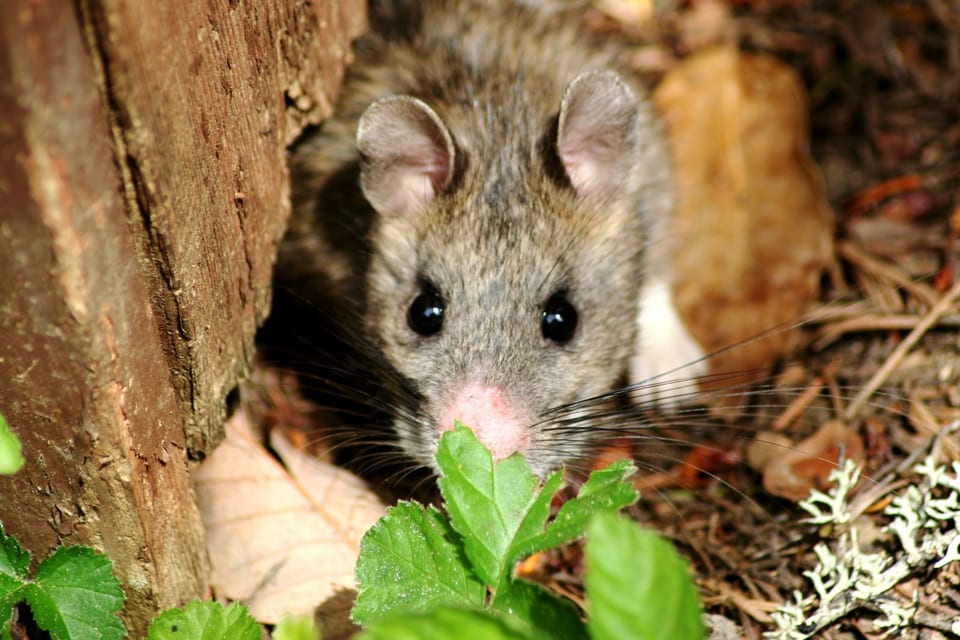
Nearly all of this woodrat’s 45 New Mexico records come from GBIF specimen data. Only 4 trace to iNaturalist, which fits a nocturnal rock-crevice dweller that’s rarely seen alive, let alone photographed. Among the state’s mammals it sits in the “rare” band by record count, though that’s likely as much about detectability as true scarcity.

Rio Arriba County, in New Mexico’s far north, holds 20 of the 45 records, with smaller numbers from San Miguel and Sandoval counties and sites such as Chaco Culture National Historical Park and the Pecos Wilderness. That fits the species’ hold on rocky uplands and canyon country, where it wedges bulky stick-and-bone nests into cliff crevices, the original “packrat” hoarding behavior.

Reports run from May into October and peak in September, but with a record this thin the pattern likely tracks fieldwork timing more than the woodrat’s own activity. NatureServe lists it as S4, Apparently Secure, statewide.

Occurrence data from iNaturalist and GBIF.

More mammals in New Mexico in the atlas

Data & sources

The data and visualizations on this page draw on these open sources:

  • GBIFCC-BY 4.0occurrence records behind the range map, elevation, and record counts
  • iNaturalistCC0 / CC-BY / CC-BY-SAobservations, photos, and audio recordings
  • NatureServe ExplorerCC-BYthe state conservation rank
  • IUCN Red Listattributed factthe global conservation status
  • USGS NASpublic domainnative / introduced status
  • Natural Earthpublic domainthe relief basemap
  • USFSpublic domainnational-forest boundaries
  • USGS Protected Areas Databasepublic domainthe named parks, forests, and refuges behind "notable places to look"




