Washington mammals

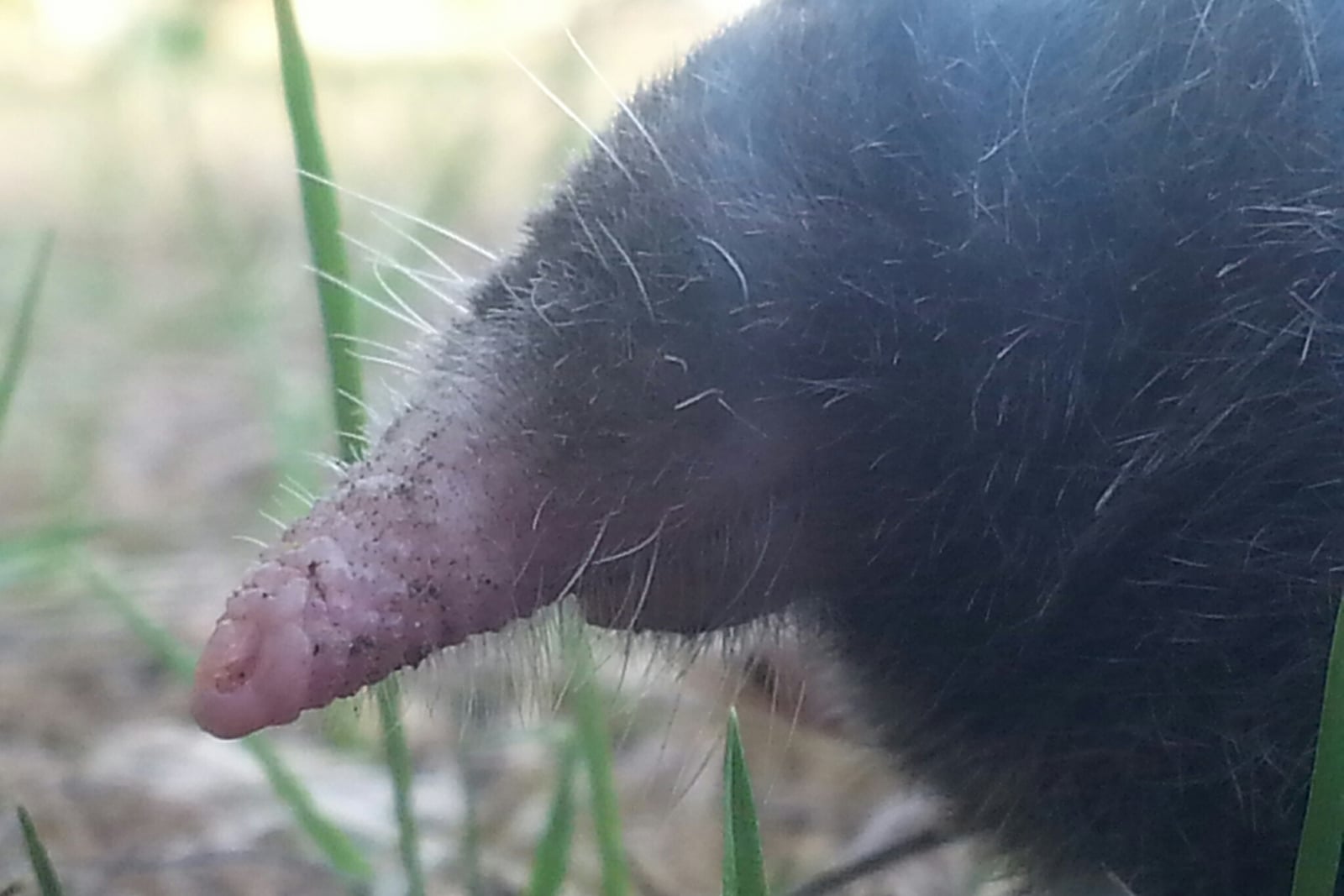
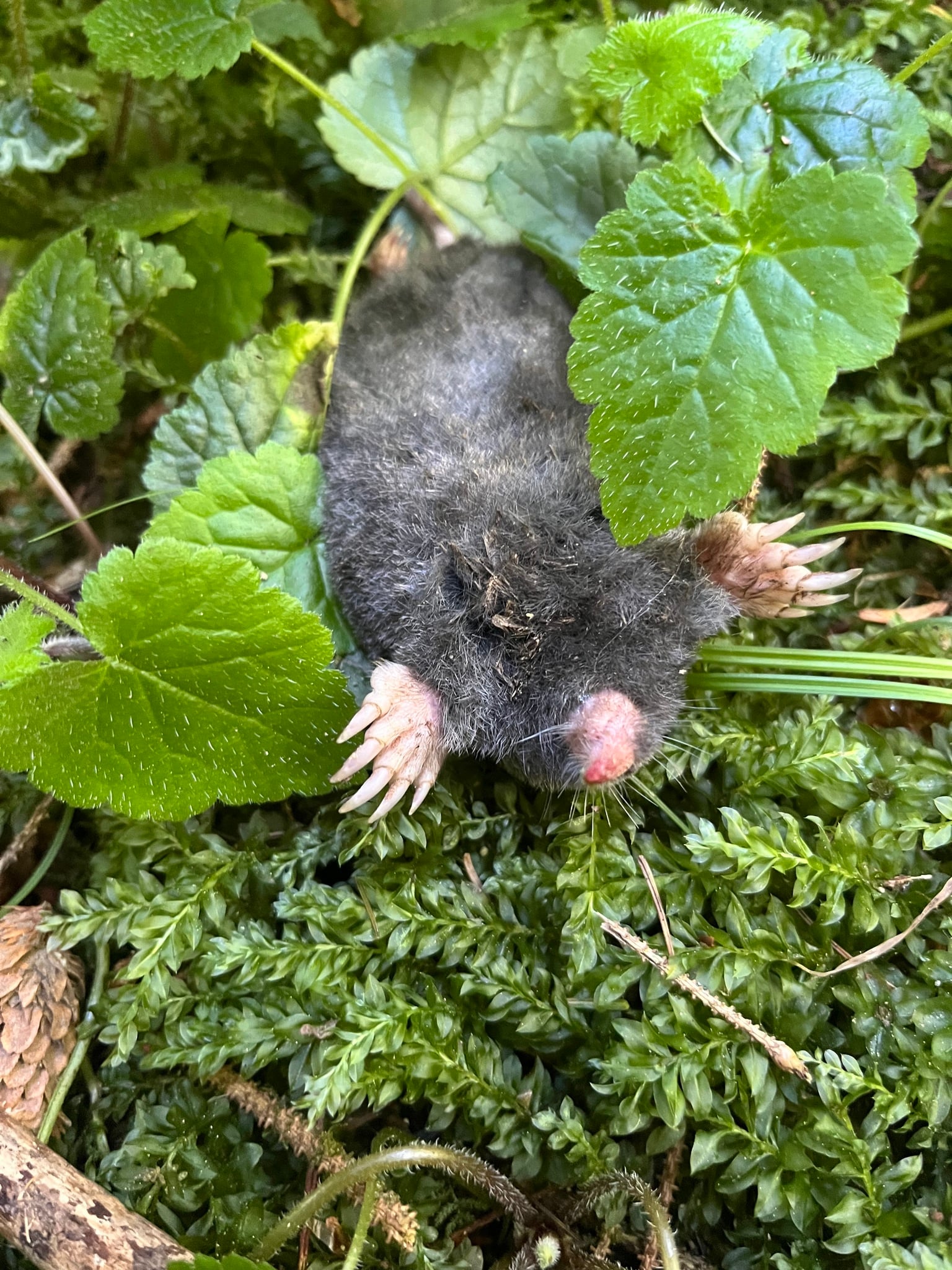
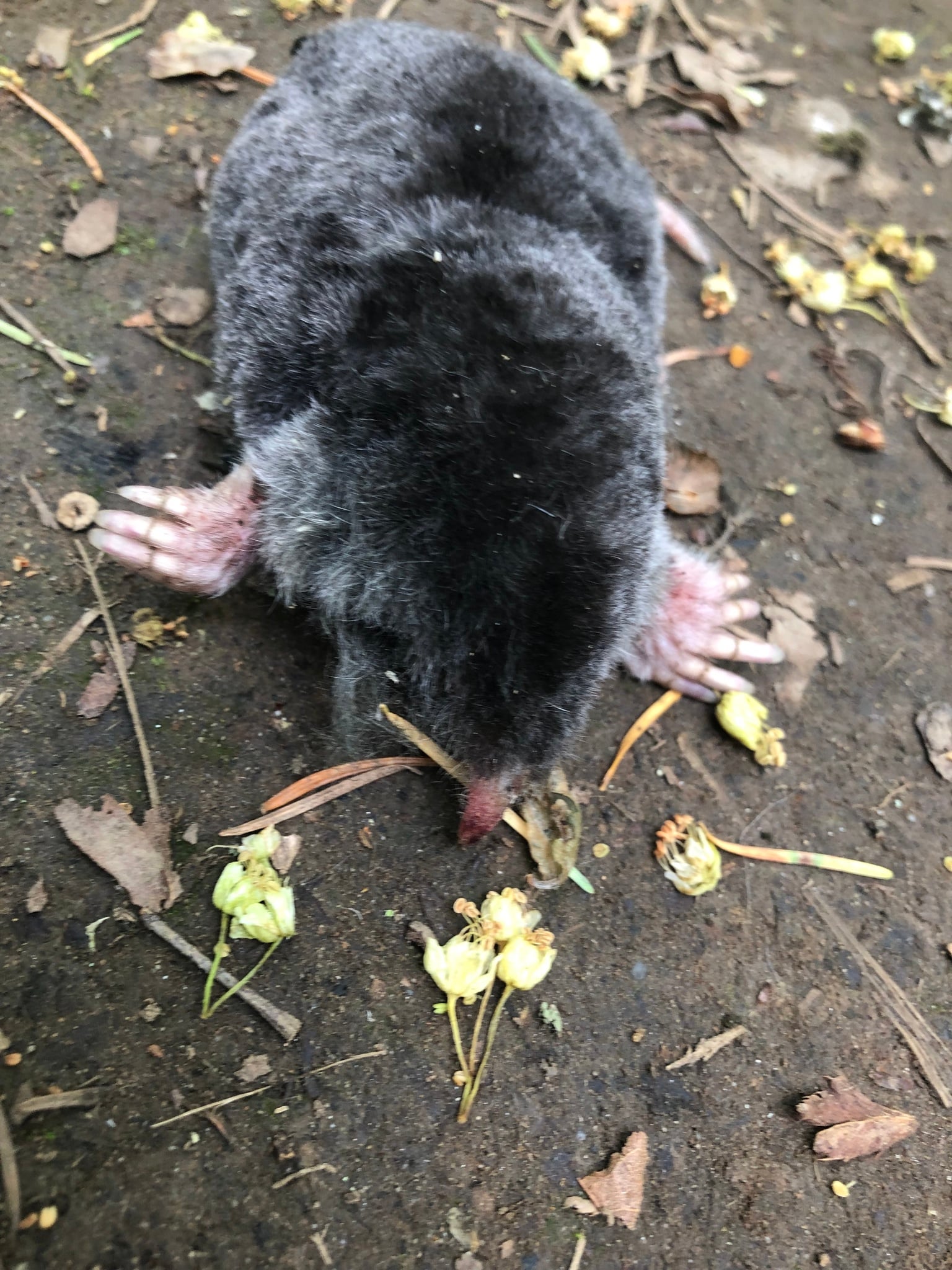
Coast Mole in Washington

Scapanus orarius

Native to Washington S5 Secure in Washington

Not listed as nonindigenous in Washington by USGS NAS; native to its Washington range.

IUCN Red List status

  1. LC
  2. NT
  3. VU
  4. EN
  5. CR
  6. EW
  7. EX

LC – Least Concern

Widespread and abundant; not at risk.

Coast Mole in Washington, by the numbers

Occasional in Washington 61st most recorded of 145 mammals logged in Washington

125 occurrence records
104 with iNaturalist photos
May 19, 2026 Last seen in Washington

Records from 2000–2026.

125 total records count every Washington occurrence from GBIF and iNaturalist; the map plots a georeferenced sample of 117; the monthly chart covers the 116 records with a full observation date.

When to look for the Coast Mole in Washington

Most sightings fall in May to June.

116 Washington occurrence records (iNaturalist and GBIF) by month of year, 2000–2026. Shows when the species is recorded, not a guarantee of presence.

Monthly Washington records (table)
MonthRecords
January5
February6
March6
April9
May21
June30
July12
August5
September8
October5
November4
December5

Monthly coast mole occurrence records (iNaturalist and GBIF) in Washington, 2000–2026.

Seasonality

Year-round in Washington, with recorded sightings peaking in May–June.

Occurrence map

Where Coast Mole has been recorded in Washington

117 records mapped · zoom and drag to explore

117 Washington records mapped

Notable places to look

Park, forest, or monumentiNaturalist records
Cape Disappointment 2
Washington State Department of Natural Resources (WADNR) State Resource Management Area 2
Daniel J. Evans Wilderness Area 2
Gifford Pinchot National Forest 1
Anderson Lake 1
Millersylvania Memorial 1
Lake Louise Natural Resources Conservation Area 1
West Tiger Mountain Natural Resources Conservation Area 1

Protected places with the most coast mole sightings, from the USGS Protected Areas Database plus named mountain ranges, good spots to look, not a full breakdown, so they don't sum to the total.

Where it's recorded in Washington

CountyRecords
King County 43
Whatcom County 20
Jefferson County 16
Kitsap County 7
Snohomish County 5
Mason County 4
Thurston County 4
Clark County 3
Skagit County 3
Pacific County 2
Skamania County 2
Clallam County 2
5 other counties 14

The complete county distribution, spread across 17 Washington counties. Every occurrence record falls in one county, so these sum to the total. Counties from GBIF and US Census boundaries.

In this state overlay, coast mole appears in 125 combined occurrence records. iNaturalist supplies 104 records and GBIF 91, a contrast explaining why the combined total is not a simple sum. That evidence yields a Washington atlas rank of 65 out of 145.

Records crest in June at 30 and reach their floor in November (4). The most concrete location details are Cape Disappointment and the Daniel J. Evans Wilderness Area, each associated with 2 records. Those signals belong to reporting history and should not be treated as relative population size.

Occurrence data from iNaturalist and GBIF.

More mammals in Washington in the atlas

Data & sources

The data and visualizations on this page draw on these open sources:

  • GBIFCC-BY 4.0occurrence records behind the range map, elevation, and record counts
  • iNaturalistCC0 / CC-BY / CC-BY-SAobservations, photos, and audio recordings
  • NatureServe ExplorerCC-BYthe state conservation rank
  • IUCN Red Listattributed factthe global conservation status
  • USGS NASpublic domainnative / introduced status
  • Natural Earthpublic domainthe relief basemap
  • USFSpublic domainnational-forest boundaries
  • USGS Protected Areas Databasepublic domainthe named parks, forests, and refuges behind "notable places to look"