Colorado mammals

Colorado Chipmunk in Colorado

Neotamias quadrivittatus

Native to Colorado S5 Secure in Colorado

Not listed as nonindigenous in Colorado by USGS NAS; native to its Colorado range.

IUCN Red List status

  1. LC
  2. NT
  3. VU
  4. EN
  5. CR
  6. EW
  7. EX

LC – Least Concern

Widespread and abundant; not at risk.

Colorado Chipmunk in Colorado, by the numbers

Common in Colorado 48th most recorded of 154 mammals logged in Colorado

413 occurrence records
354 with iNaturalist photos
Jul 7, 2026 Last seen in Colorado

Records from 2000–2026.

413 total records count every Colorado occurrence from GBIF and iNaturalist; the map plots a georeferenced sample of 300; the monthly chart covers the 376 records with a full observation date.

When to look for the Colorado Chipmunk in Colorado

Most sightings fall in June to September.

376 Colorado occurrence records (iNaturalist and GBIF) by month of year, 2000–2026. Shows when the species is recorded, not a guarantee of presence.

Monthly Colorado records (table)
MonthRecords
January0
February0
March6
April26
May23
June60
July74
August68
September81
October33
November4
December1

Monthly colorado chipmunk occurrence records (iNaturalist and GBIF) in Colorado, 2000–2026.

Seasonality

Year-round in Colorado, with recorded sightings peaking in June–September.

Occurrence map

Where Colorado Chipmunk has been recorded in Colorado

300 records mapped · zoom and drag to explore

300 Colorado records mapped

Notable places to look

Park, forest, or monumentiNaturalist records
Rocky Mountain National Park 59
Mount Evans Wilderness 7
Uncompahgre National Forest 7
Roosevelt National Forest 6
Castlewood Canyon 5
Great Sand Dunes National Park 4
White River National Forest 4
Florissant Fossil Beds National Monument 3

Protected places with the most colorado chipmunk sightings, from the USGS Protected Areas Database plus named mountain ranges, good spots to look, not a full breakdown, so they don't sum to the total.

Where it's recorded in Colorado

CountyRecords
Boulder County 89
Larimer County 80
El Paso County 21
Jefferson County 15
Teller County 14
Douglas County 13
Clear Creek County 12
Chaffee County 12
La Plata County 10
Park County 10
Alamosa County 9
Ouray County 9
28 other counties 119

The complete county distribution, spread across 40 Colorado counties. Every occurrence record falls in one county, so these sum to the total. Counties from GBIF and US Census boundaries.

The Colorado chipmunk is an occasional find in the state’s rocky uplands in Colorado. Open occurrence databases hold 413 records for it, 354 of them iNaturalist photos.

Rock, seed, and sun

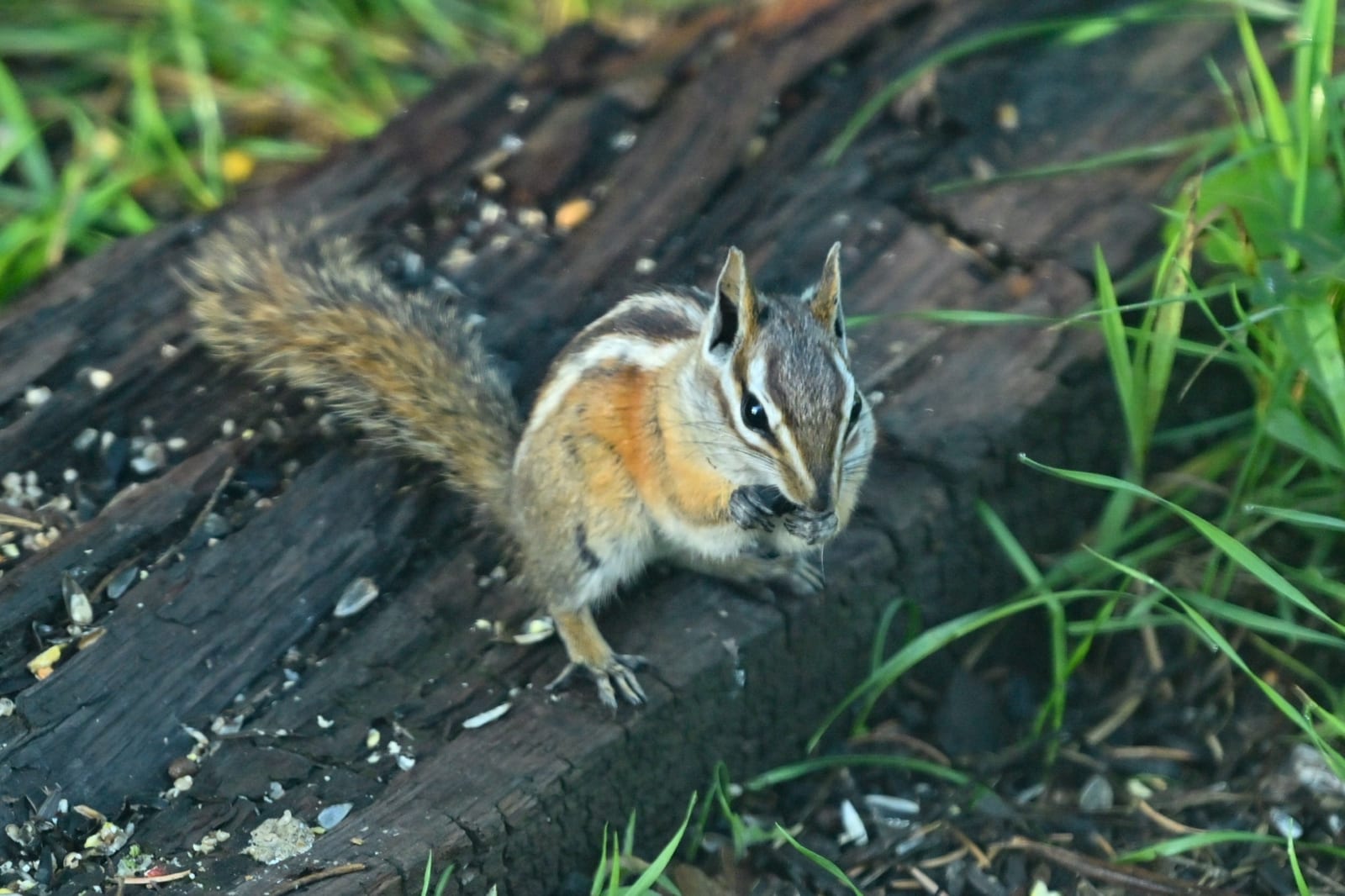
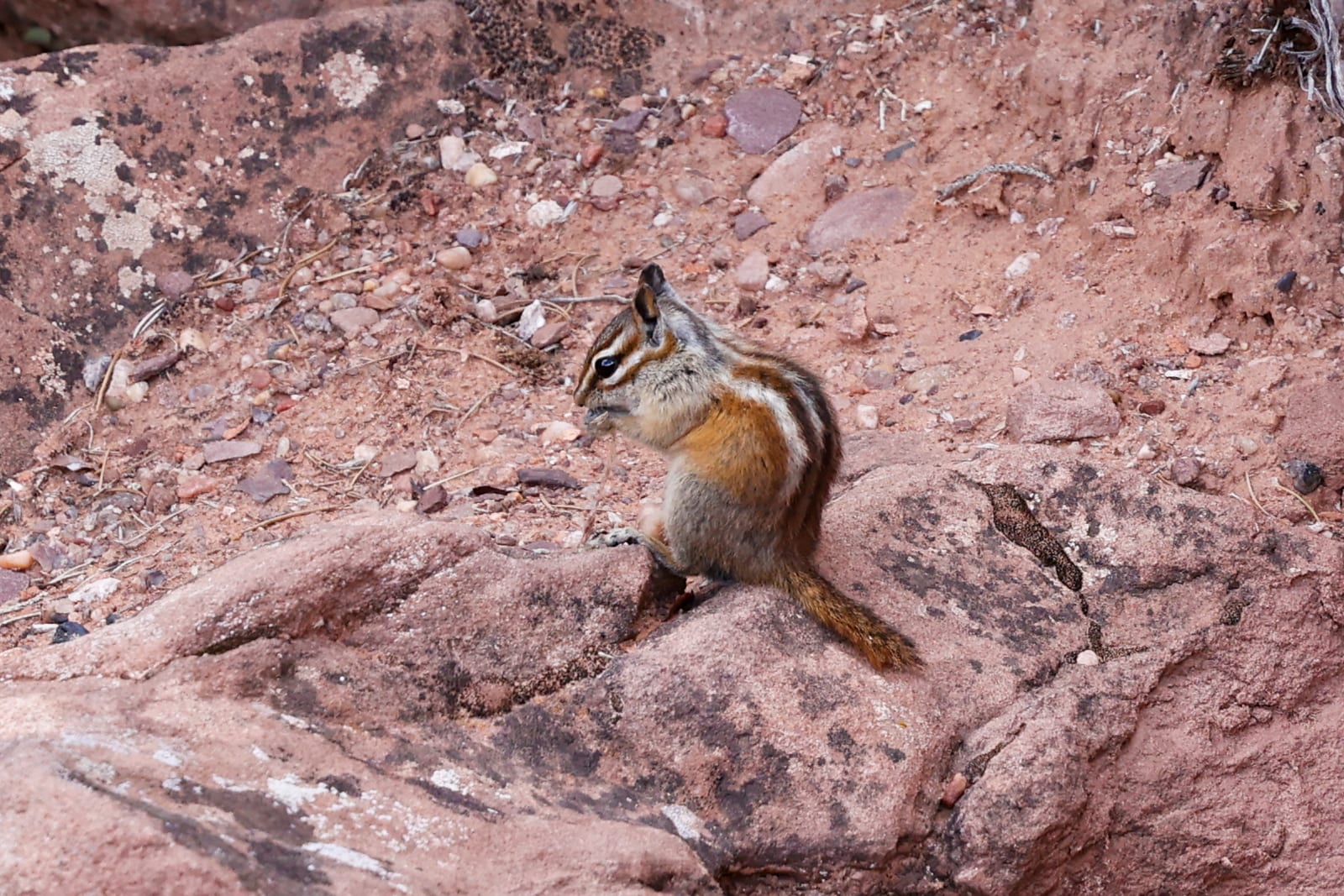
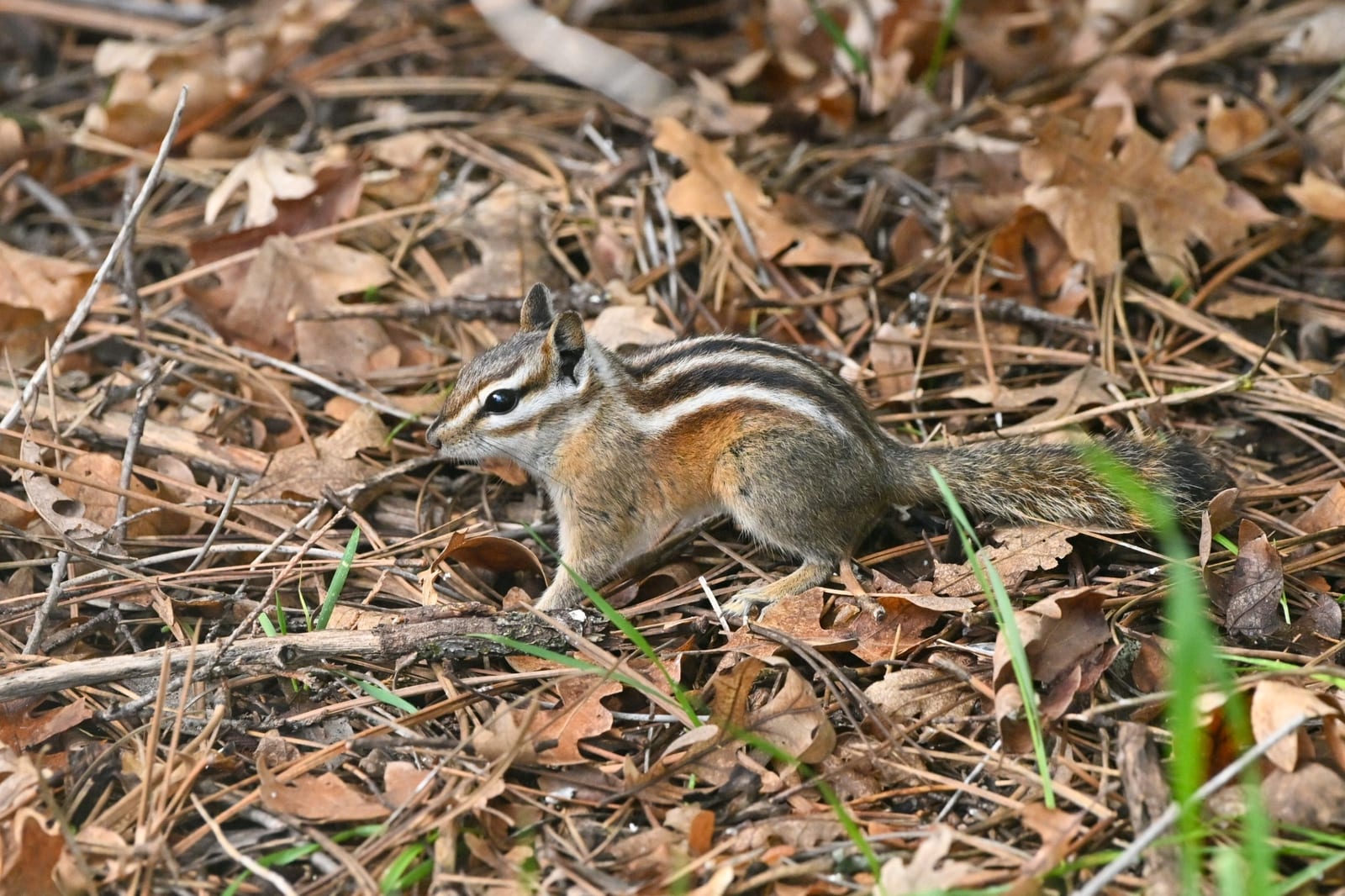
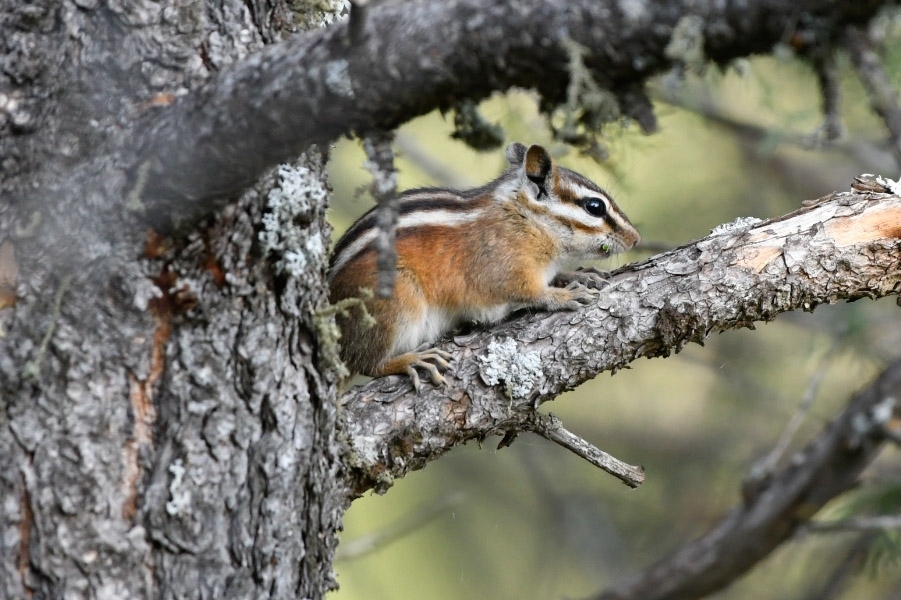
This is a chipmunk of broken country: pinyon and juniper benchlands, ponderosa slopes, and montane forest wherever boulders and crevices offer quick escape cover. The reporting concentrates in the foothills of Boulder and Larimer counties with smaller numbers along the rest of the Front Range and in the south, from the San Juans of La Plata and Ouray counties to Alamosa County in the San Luis Valley. It shares that ground with other small rodents, so a clean look at the four dark dorsal stripes and the crisp facial lines is what separates it from a least chipmunk or a golden-mantled ground squirrel.

A short, busy season above ground

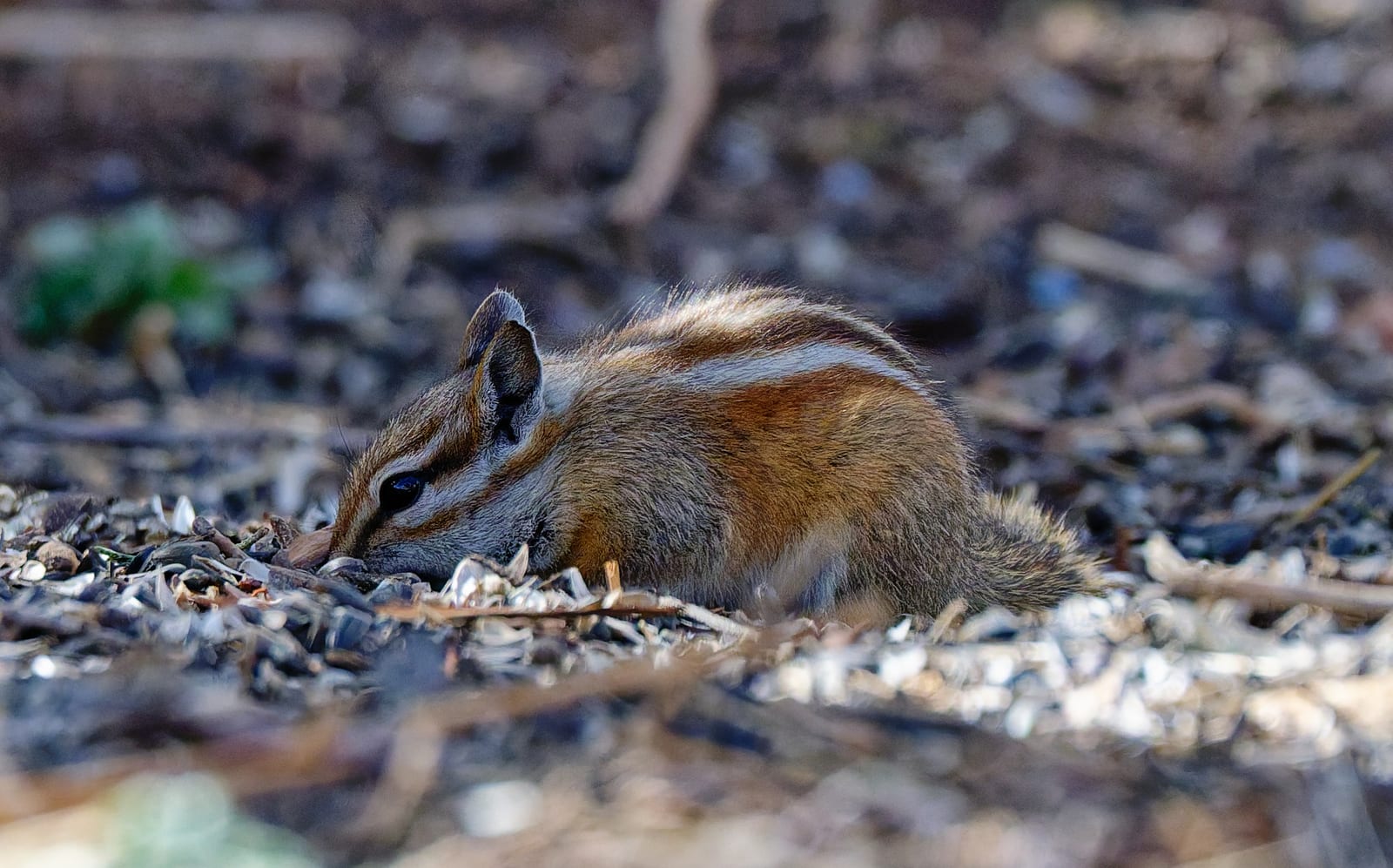
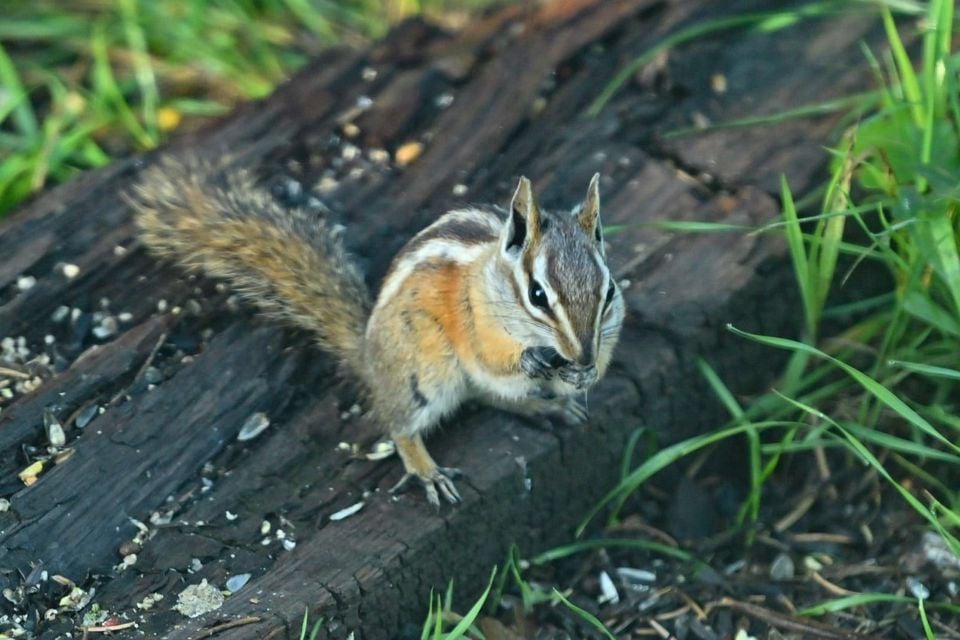
Reports increase from midsummer into fall for a reason rooted in the animal’s calendar. Colorado chipmunks pass the cold months in a den, dropping into long bouts of torpor and waking to feed from a hoard of cached seeds. They forage strictly by day, and the late-season surge in sightings is the frantic caching window, when a chipmunk crosses trail and rock again and again with cheek pouches full. The near-silence of winter is a sleeping animal, not an absent one.

Status in Colorado

The Colorado chipmunk is native and ranked Secure by NatureServe, common enough within its rocky habitat even though its statewide record total stays modest next to the showier mountain mammals.

More mammals in Colorado in the atlas

Data & sources

The data and visualizations on this page draw on these open sources:

  • GBIFCC-BY 4.0occurrence records behind the range map, elevation, and record counts
  • iNaturalistCC0 / CC-BY / CC-BY-SAobservations, photos, and audio recordings
  • NatureServe ExplorerCC-BYthe state conservation rank
  • IUCN Red Listattributed factthe global conservation status
  • USGS NASpublic domainnative / introduced status
  • Natural Earthpublic domainthe relief basemap
  • USFSpublic domainnational-forest boundaries
  • USGS Protected Areas Databasepublic domainthe named parks, forests, and refuges behind "notable places to look"




