Georgia mammals

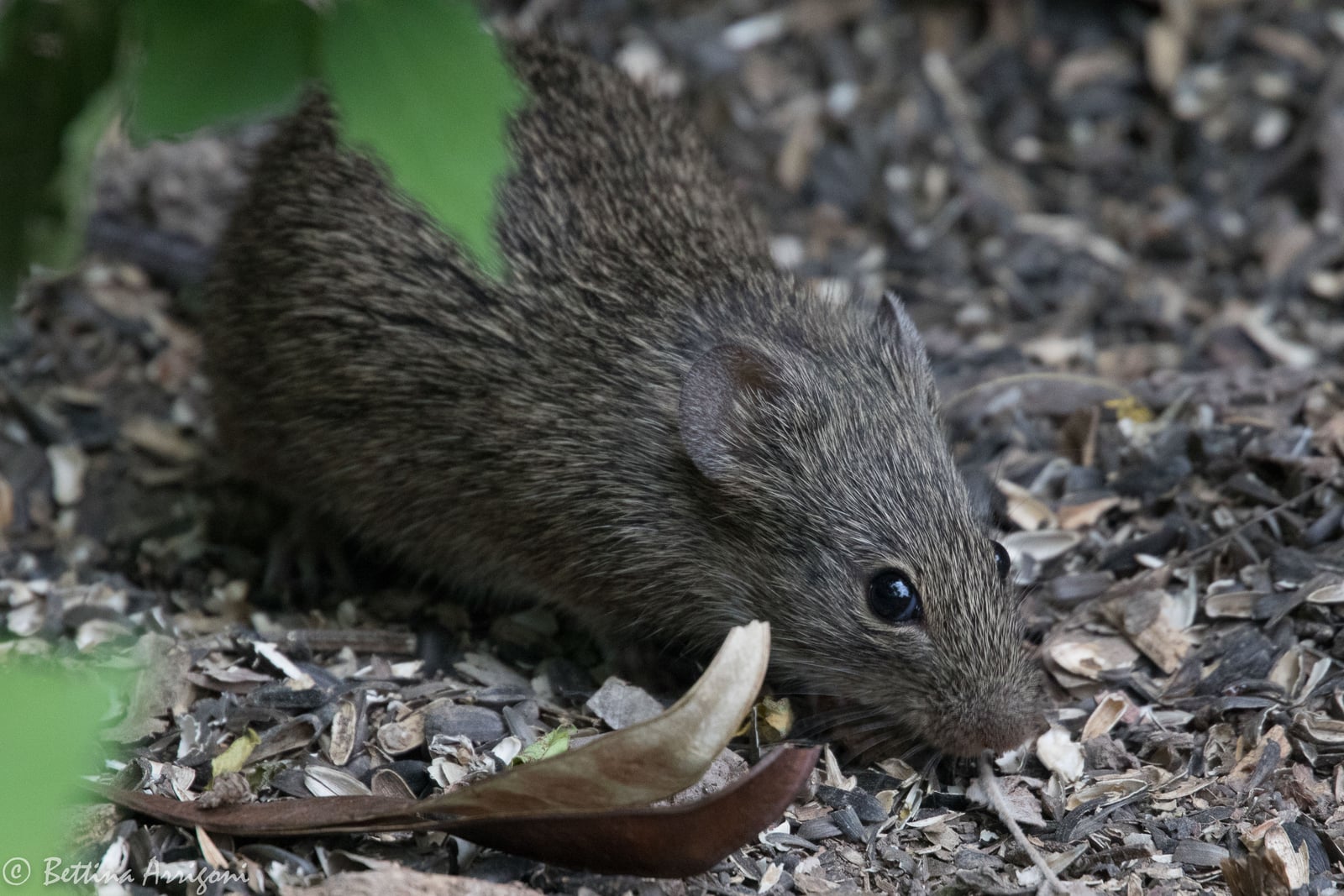
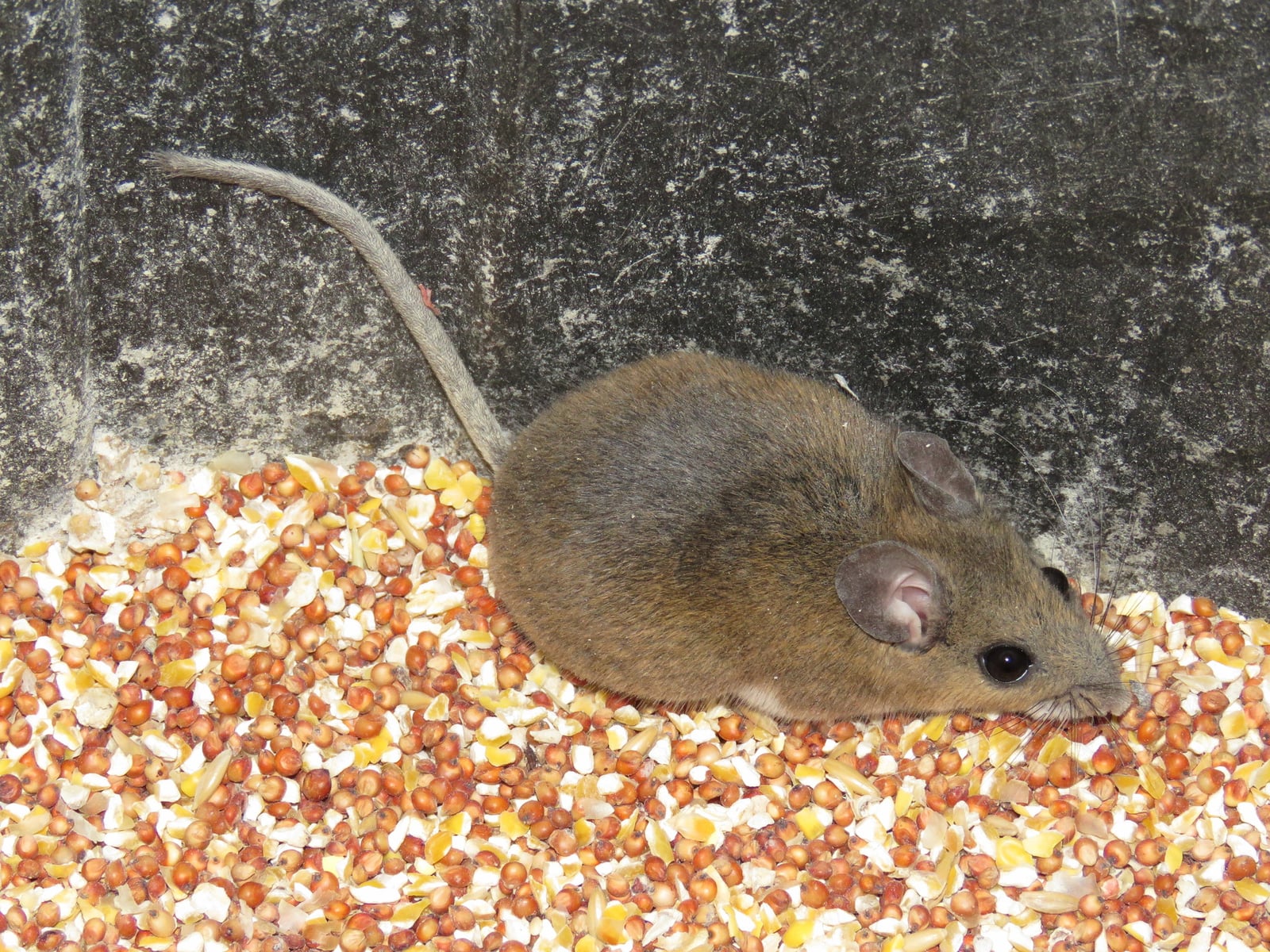
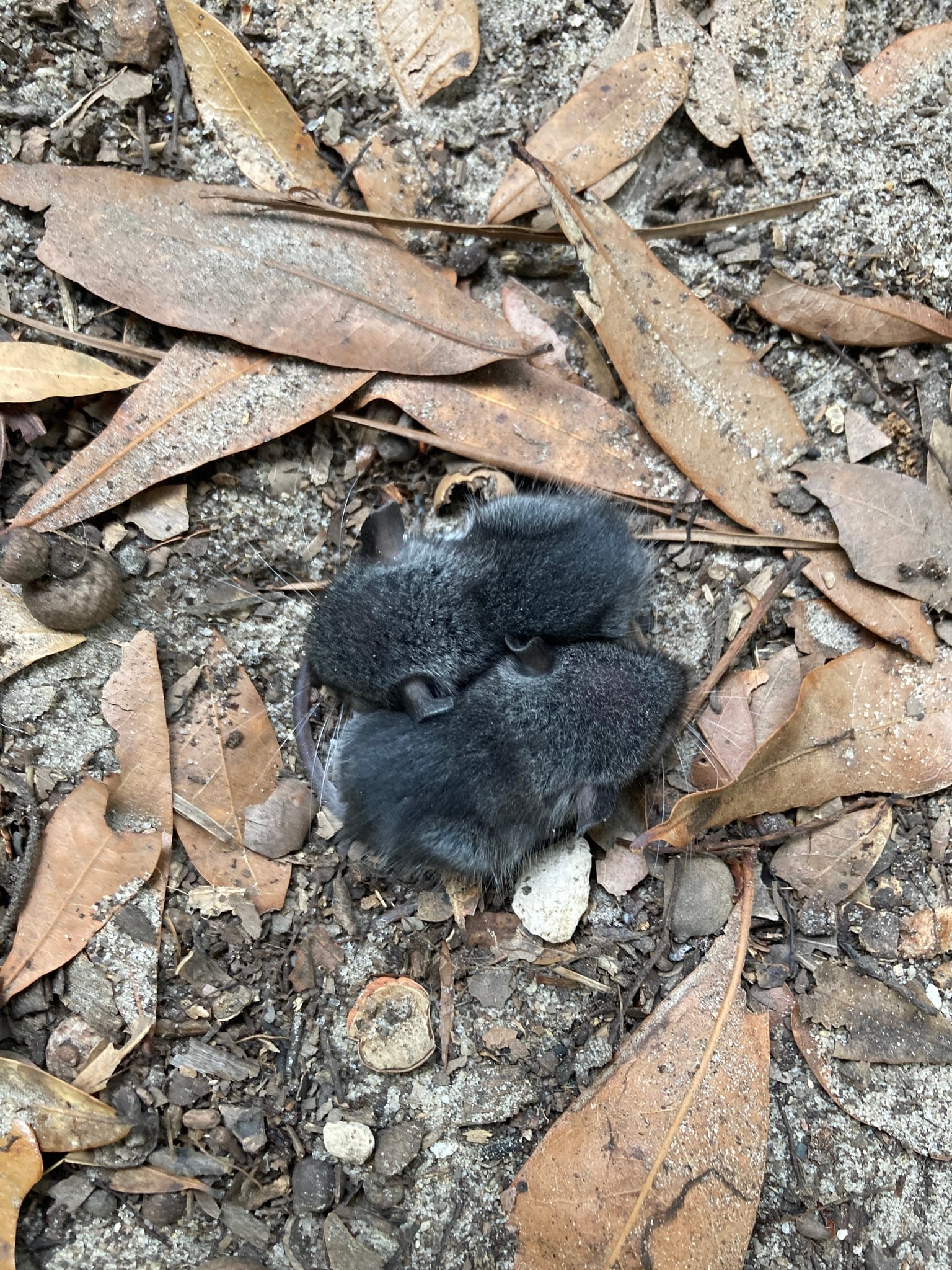
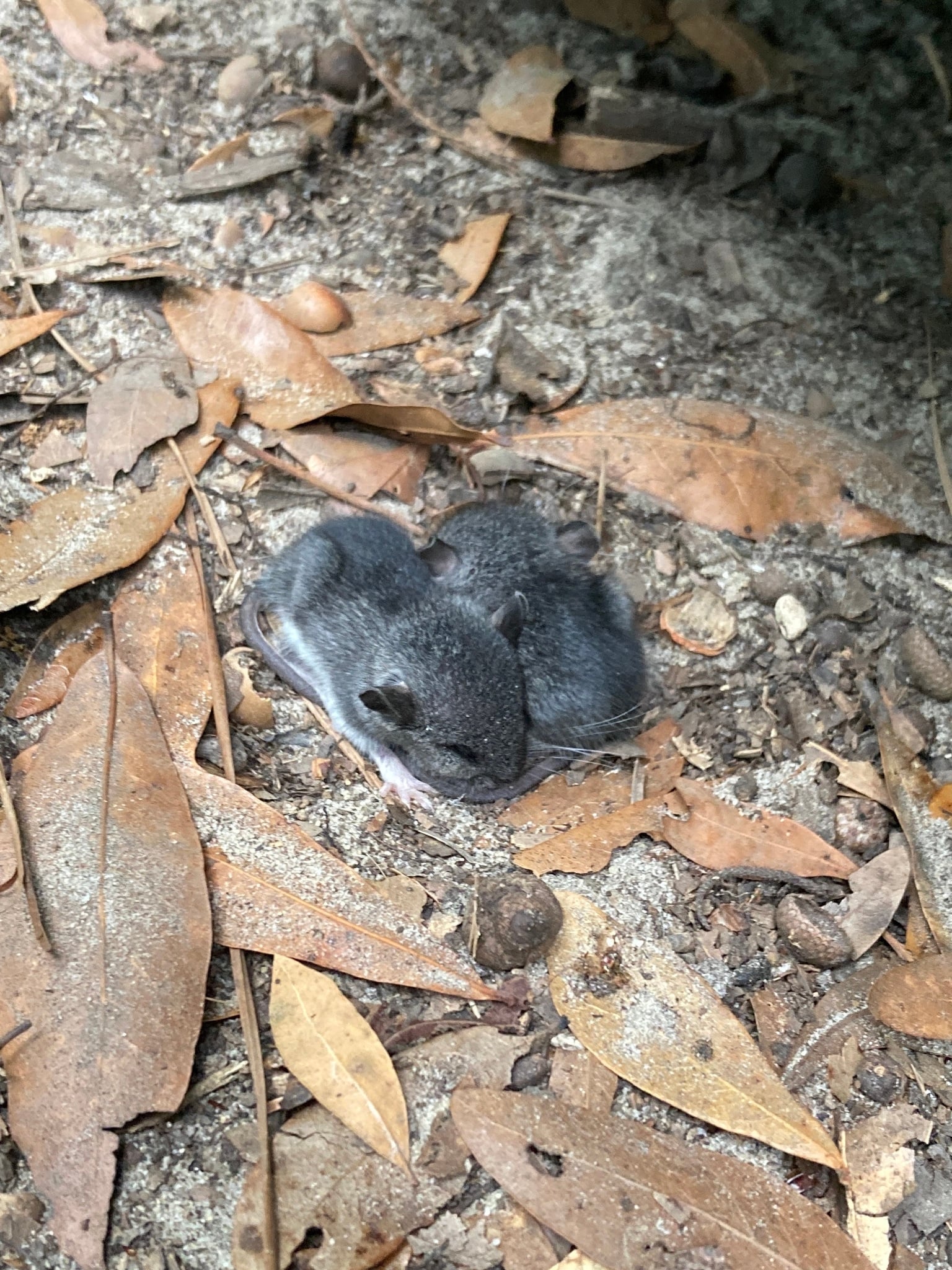
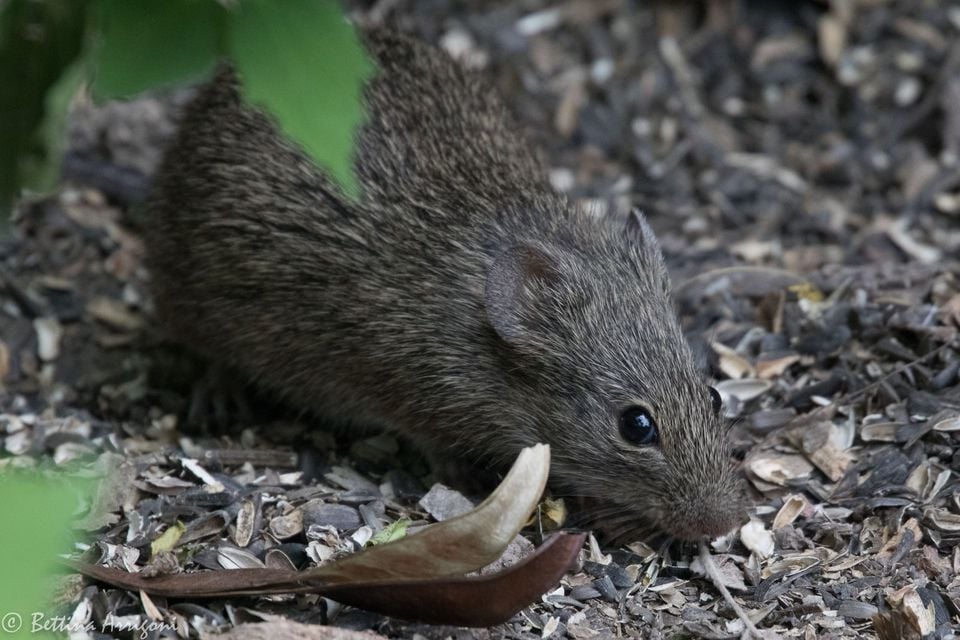
Cotton Mouse in Georgia

Peromyscus gossypinus

Native to Georgia S5 Secure in Georgia

Not listed as nonindigenous in Georgia by USGS NAS; native to its Georgia range.

IUCN Red List status

  1. LC
  2. NT
  3. VU
  4. EN
  5. CR
  6. EW
  7. EX

LC – Least Concern

Widespread and abundant; not at risk.

Cotton Mouse in Georgia, by the numbers

Common in Georgia 3rd most recorded of 102 mammals logged in Georgia

2,231 occurrence records
8 with iNaturalist photos

Records from 2000–2026.

2,231 total records count every Georgia occurrence from GBIF and iNaturalist; the map plots a georeferenced sample of 300.

When to look for the Cotton Mouse in Georgia

Most sightings fall in May to June.

2,231 Georgia occurrence records (iNaturalist and GBIF) by month of year, 2000–2026. Shows when the species is recorded, not a guarantee of presence.

Monthly Georgia records (table)
MonthRecords
January0
February1
March2
April330
May644
June492
July42
August357
September260
October61
November42
December0

Monthly cotton mouse occurrence records (iNaturalist and GBIF) in Georgia, 2000–2026.

Seasonality

Year-round in Georgia, with recorded sightings peaking in May–June.

Occurrence map

Where Cotton Mouse has been recorded in Georgia

300 records mapped · zoom and drag to explore

300 Georgia records mapped

Notable places to look

Park, forest, or monumentiNaturalist records
Jekyll Island State Park 3
Jekyll Island 1

Protected places with the most cotton mouse sightings, from the USGS Protected Areas Database plus named mountain ranges, good spots to look, not a full breakdown, so they don't sum to the total.

Where it's recorded in Georgia

CountyRecords
Baker County 2,217
Catoosa County 6
Glynn County 3
Walker County 2
Grady County 1
Twiggs County 1
Wayne County 1

The complete county distribution, spread across 7 Georgia counties. Every occurrence record falls in one county, so these sum to the total. Counties from GBIF and US Census boundaries.

Cotton mouse records gather along Georgia’s coast, especially in Cumberland and Sapelo Island maritime forest and around Savannah National Wildlife Refuge. Live oak hammocks there offer thick leaf litter, fallen trunks, and cavities above wet ground. The mice can climb low branches, but most encounters come from the tangled forest floor and swamp edge.

May produces the strongest reporting peak, followed by another pulse in August and September. That uneven pattern likely reflects warm-season trapping and survey schedules as much as mouse activity. Winter’s thinner record trail doesn’t show absence. It shows how difficult a small, night-active mouse is to detect beneath palmetto, roots, and damp leaves when fewer surveys are running.

Occurrence data from iNaturalist and GBIF.

More mammals in Georgia in the atlas

Data & sources

The data and visualizations on this page draw on these open sources:

  • GBIFCC-BY 4.0occurrence records behind the range map, elevation, and record counts
  • iNaturalistCC0 / CC-BY / CC-BY-SAobservations, photos, and audio recordings
  • NatureServe ExplorerCC-BYthe state conservation rank
  • IUCN Red Listattributed factthe global conservation status
  • USGS NASpublic domainnative / introduced status
  • Natural Earthpublic domainthe relief basemap
  • USFSpublic domainnational-forest boundaries
  • USGS Protected Areas Databasepublic domainthe named parks, forests, and refuges behind "notable places to look"




