


Washington’s 503 coypu records map an invader, not a native. Better known as the nutria, this big South American rodent was brought to North America for fur farming in the twentieth century, and the animals recorded here descend from escapes and releases that took hold in Pacific Northwest wetlands. Clark County’s 345 records from the Columbia River lowlands and their sloughs make southwest Washington the clear center of the state’s nutria presence, with Thurston and King counties trailing well behind.
A muskrat-sized herbivore with a bigger appetite
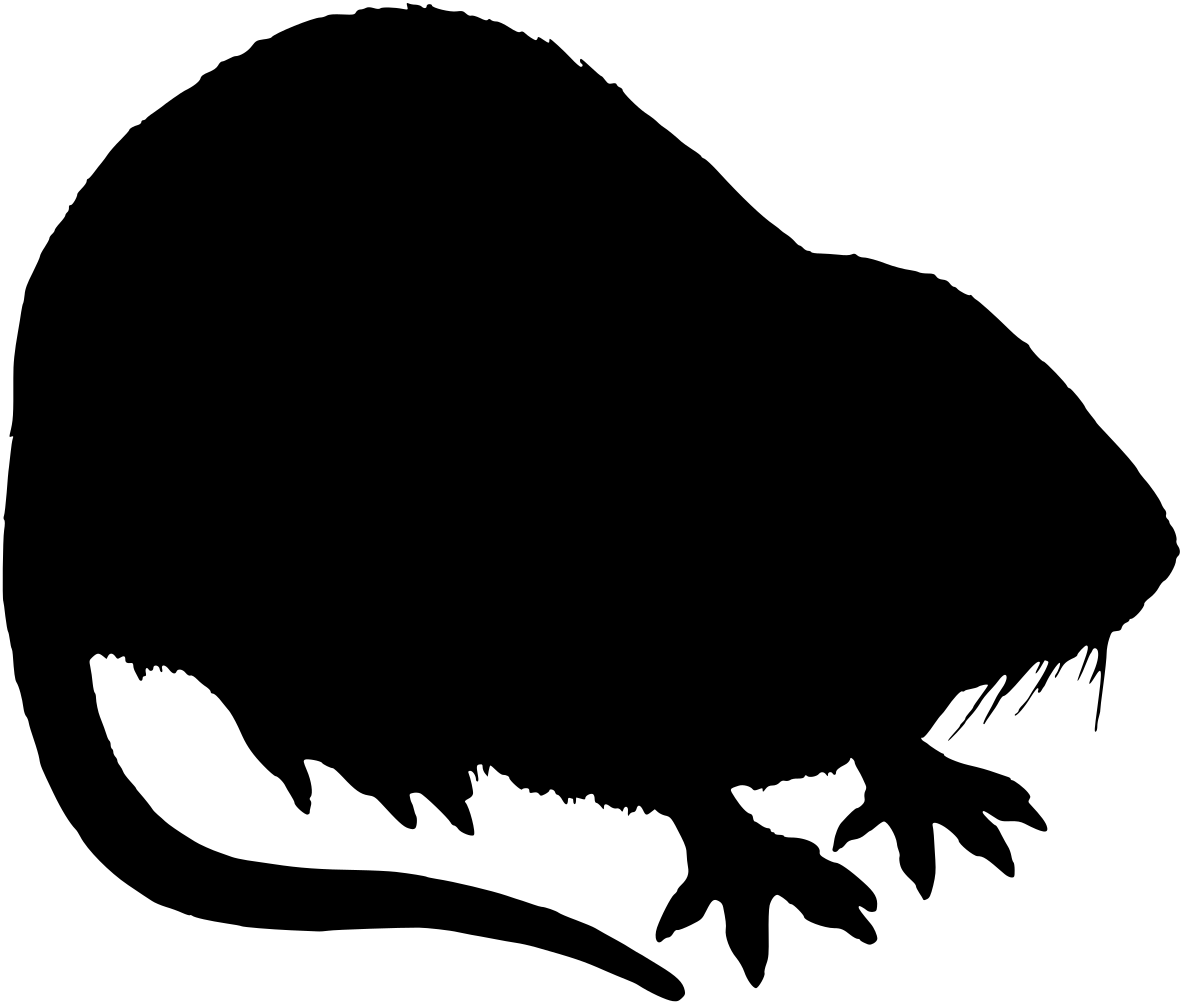
Nutria are semi-aquatic and web-footed, built like an oversized muskrat but far more destructive where they feed. They eat the roots and stems of cattail, bulrush, and other marsh plants, often cutting entire patches down to bare mud, and their burrows riddle stream banks and dikes. They breed in every season where winters stay mild, which is exactly what the lowlands west of the Cascades offer.
No quiet season
Nutria do not hibernate, and Washington’s record never rests. Counts run in every month, with January among the busiest. Orange front teeth, a long round tail, and a habit of swimming in broad daylight make an established animal easy to recognize once you know the signs.
Status in Washington
The coypu is an introduced species in Washington, established and tracked by USGS NAS as nonindigenous. NatureServe assigns it SNA, Not Applicable, a rank reserved for species occurring outside their native range.
 Full species profile




