


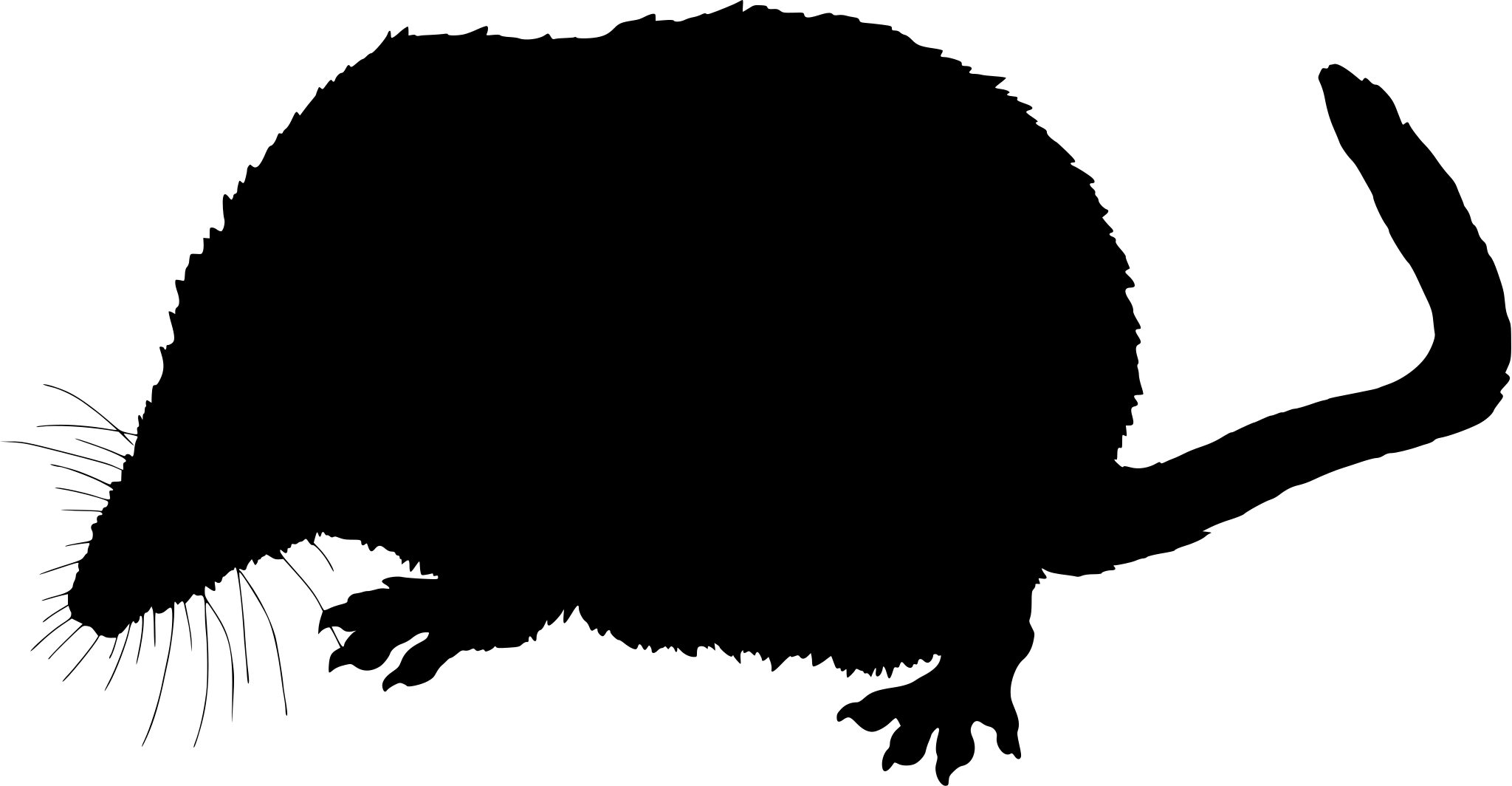
Crawford’s gray shrew, better known as the desert shrew, is a mammal in Colorado. Open occurrence databases hold 82 Colorado records, almost all of them museum specimens and survey captures. This is a species known to be here more than a species anyone watches.
A desert shrew at its northern edge
Unlike the water-loving shrews of the high mountains, this is North America’s arid-land shrew, and Colorado sits at the cold northern rim of its range. The records fall in the warm, dry southeast: Fremont County, in the Arkansas River canyon country, holds most of them, with scattered captures reaching into Las Animas, Baca, and Otero counties on the shortgrass plains and along the Purgatoire. It lives in dry shrubland, semi-desert grassland, and rocky canyon slopes, often in the debris of woodrat nests and the litter beneath yucca and cactus.
Built for going without water
The desert shrew is a small physiological marvel. It can survive on the moisture in its insect prey alone, tolerating heat and drought that would kill the moist-ground shrews entirely, which is exactly why it, and no other Colorado shrew, holds on in this parched corner of the state. NatureServe ranks it S3, Vulnerable, reflecting both its narrow Colorado foothold and how little is known about it.
A record too thin to read
The Colorado tally comes from scattered trapping and specimen work rather than any systematic monitoring, so the apparent late-summer clustering says more about when surveys happened than about the shrew’s real rhythm. Its actual seasonal pattern in the state remains poorly documented. What the record does confirm is presence: a drought-hardy insect hunter quietly persisting on the southeastern plains, well off the radar of casual observers.
 Full species profile




