


North Carolina’s dwarf sperm whale records concentrate off the Outer Banks, where the continental shelf drops away into the deep, warm water of the Gulf Stream near Cape Hatteras. That’s where the species actually lives, far past sight of land, so almost every confirmed record here traces back to a stranding rather than a sighting at sea.
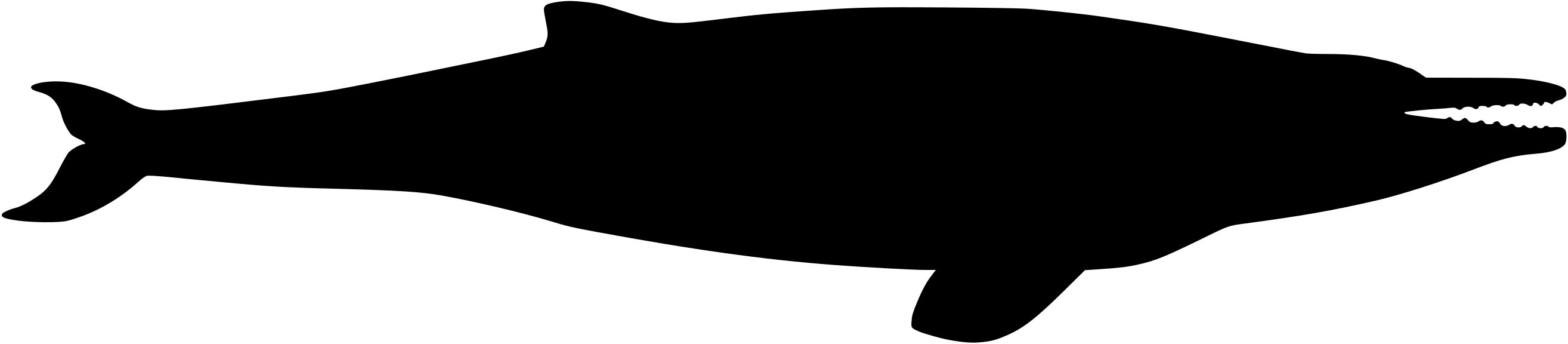
That offshore life shapes how the whale feeds. Dwarf sperm whales dive deep to hunt squid, including species like the purpleback squid and comb-finned squid that live well below the surface, and they can hold a dive for a long stretch before surfacing to breathe. It’s a small whale with a shark-like profile, built for a slow, quiet life in open water rather than the visible surface activity of dolphins working closer to shore.
Records here are thin and clustered by season, with a small run of reports in January and February and another in September. A quiet month in the record doesn’t mean the whale has moved on. It usually means no stranding happened to occur or no research vessel happened to be in the right stretch of Gulf Stream water that month.
 Full species profile




