
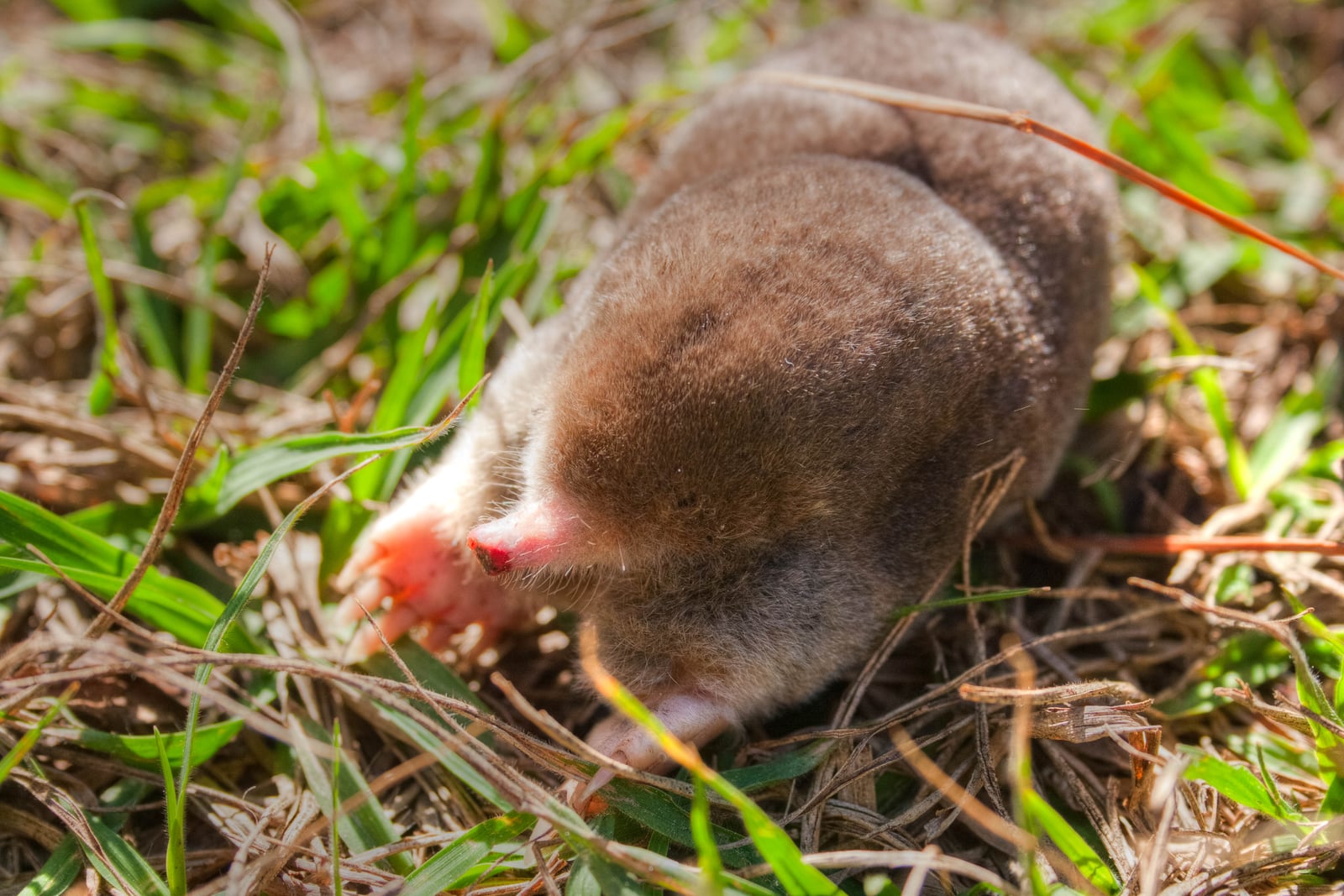
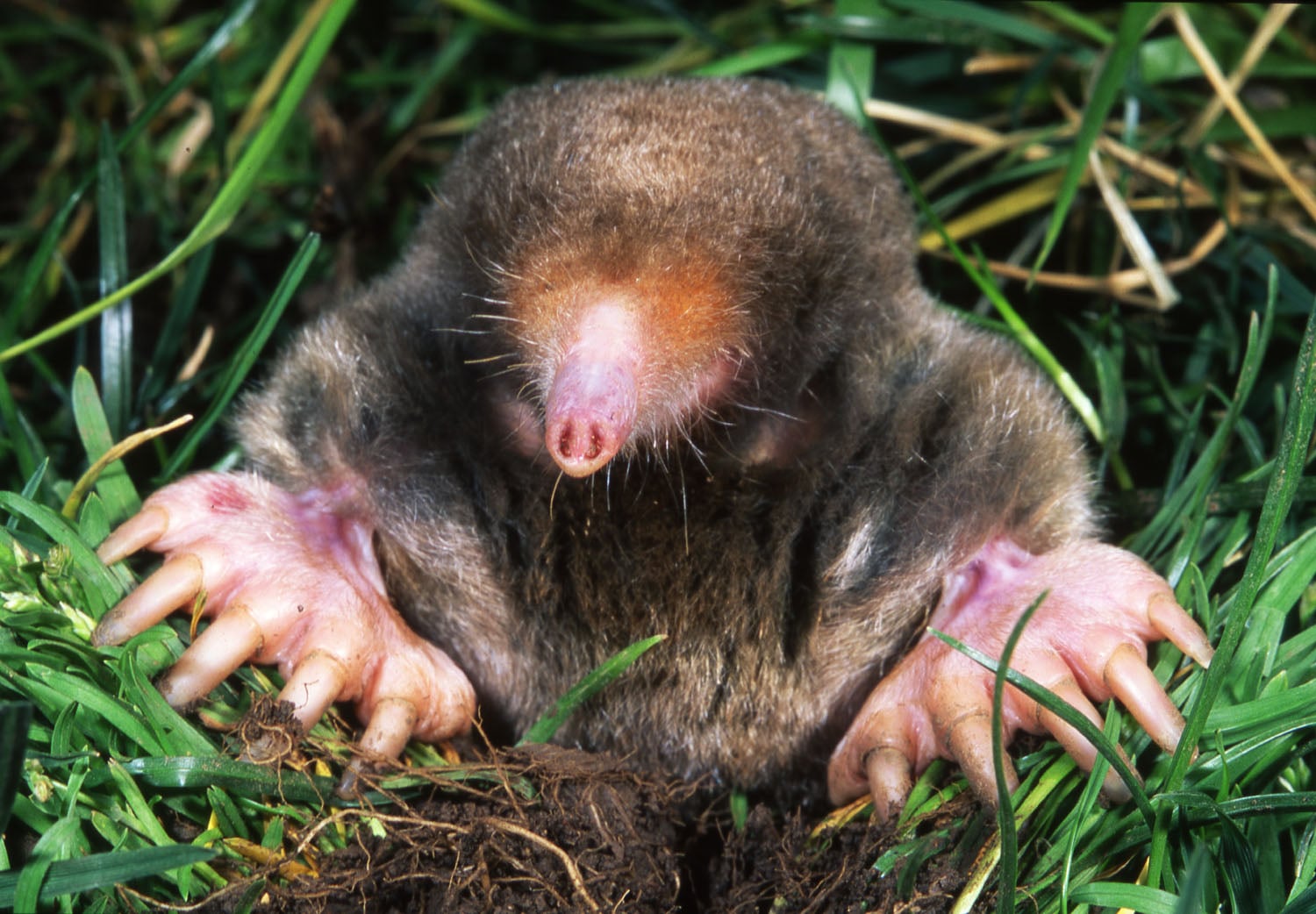
Eastern moles spend nearly all their lives below Alabama’s lawns, fields, and open woodlands, tunneling through moist soil in search of earthworms and other invertebrates. Records from Bankhead National Forest, the Wehle Nature Preserve, and coastal Mobile and Baldwin counties span very different landscapes, united by diggable ground rather than a particular forest type.
February produces the most records, with March, May, and June close behind, often after rain makes fresh surface ridges conspicuous. Raised tunnels and conical soil piles are the best clues; a mole seen above ground is an unusual encounter, not the normal way to find one.
 Full species profile




