
Kentucky mammals

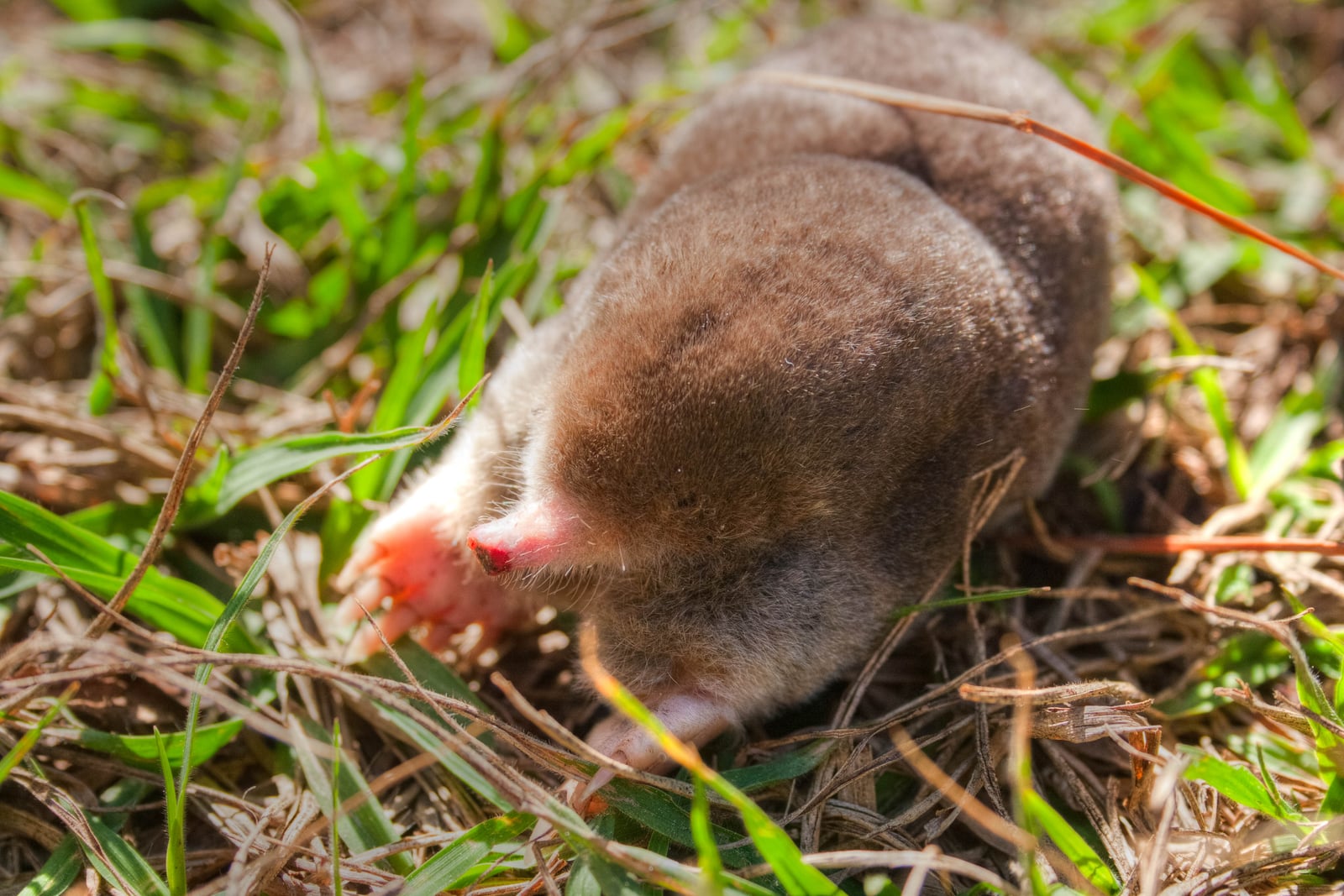
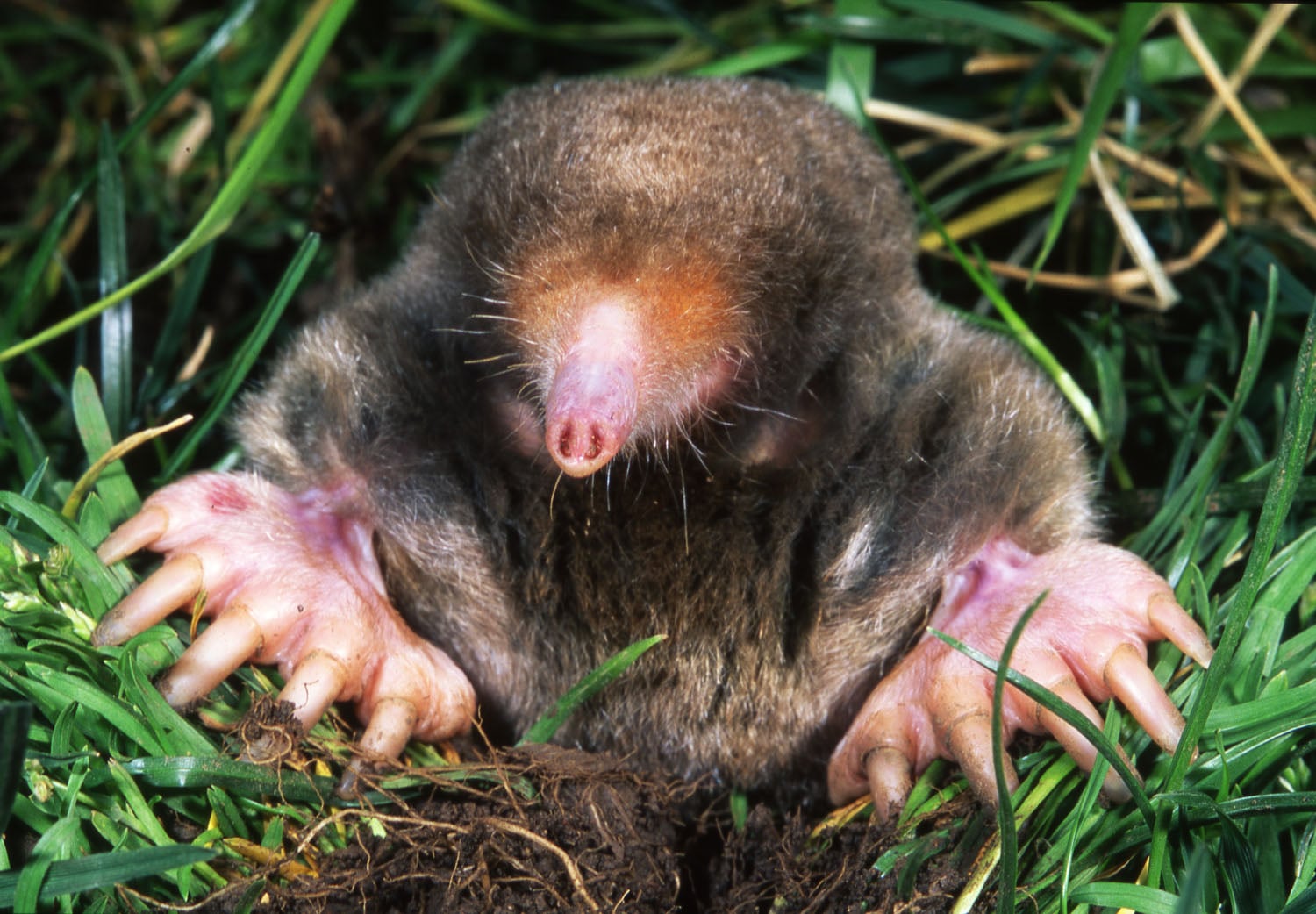
Eastern Mole in Kentucky

Scalopus aquaticus

Native to Kentucky S5 Secure in Kentucky

Not listed as nonindigenous in Kentucky by USGS NAS; native to its Kentucky range.

IUCN Red List status

  1. LC
  2. NT
  3. VU
  4. EN
  5. CR
  6. EW
  7. EX

LC – Least Concern

Widespread and abundant; not at risk.

Eastern Mole in Kentucky, by the numbers

Common in Kentucky 25th most recorded of 77 mammals logged in Kentucky

142 occurrence records
121 with iNaturalist photos

Records from 2000–2026.

When to look for the Eastern Mole in Kentucky

Most sightings fall in April to May.

142 Kentucky occurrence records (iNaturalist and GBIF) by month of year, 2000–2026. Shows when the species is recorded, not a guarantee of presence.

Monthly Kentucky records (table)
MonthRecords
January7
February6
March11
April22
May19
June11
July10
August9
September14
October11
November13
December9

Monthly eastern mole occurrence records (iNaturalist and GBIF) in Kentucky, 2000–2026.

Seasonality

Year-round in Kentucky, with recorded sightings peaking in April–May, with a smaller rise in September.

Occurrence map

Where Eastern Mole has been recorded in Kentucky

142 records mapped · zoom and drag to explore

142 Kentucky records mapped

Notable places to look

Park, forest, or monumentiNaturalist records
Daniel Boone National Forest 4
Camp Nelson National Monument 1
Fort Boonesborough State Park 1
Higginson-Henry Wildlife Management Area 1
Mammoth Cave National Park 1
Dale Hollow State Resort Park 1
My Old Kentucky Home State Park 1

Protected places with the most eastern mole sightings, from the USGS Protected Areas Database plus named mountain ranges, good spots to look, not a full breakdown, so they don't sum to the total.

Where it's recorded in Kentucky

CountyRecords
Jefferson County 25
Fayette County 12
McCracken County 10
Madison County 9
Franklin County 8
Calloway County 7
Daviess County 4
Nelson County 4
Warren County 4
Rockcastle County 4
Boyle County 4
Mercer County 3
34 other counties 48

The complete county distribution, spread across 46 Kentucky counties. Every occurrence record falls in one county, so these sum to the total. Counties from GBIF and US Census boundaries.

Eastern moles appear in 97 Kentucky records, with April producing the highest monthly total. Records from Daniel Boone National Forest, Mammoth Cave, and Land Between the Lakes span eastern forest, karst country, and western Kentucky, yet surface finds and observer access still govern what reaches the map.

Kentucky treats the mole as native, and documentation continues in every month. Because most of its life is underground, the twenty-fourth-place record rank is better read as detectability and reporting effort than as evidence of low abundance.

Occurrence data from GBIF.

More mammals in Kentucky in the atlas

Data & sources

The data and visualizations on this page draw on these open sources:

  • GBIFCC-BY 4.0occurrence records behind the range map, elevation, and record counts
  • iNaturalistCC0 / CC-BY / CC-BY-SAobservations, photos, and audio recordings
  • NatureServe ExplorerCC-BYthe state conservation rank
  • IUCN Red Listattributed factthe global conservation status
  • USGS NASpublic domainnative / introduced status
  • Natural Earthpublic domainthe relief basemap
  • USFSpublic domainnational-forest boundaries
  • USGS Protected Areas Databasepublic domainthe named parks, forests, and refuges behind "notable places to look"




