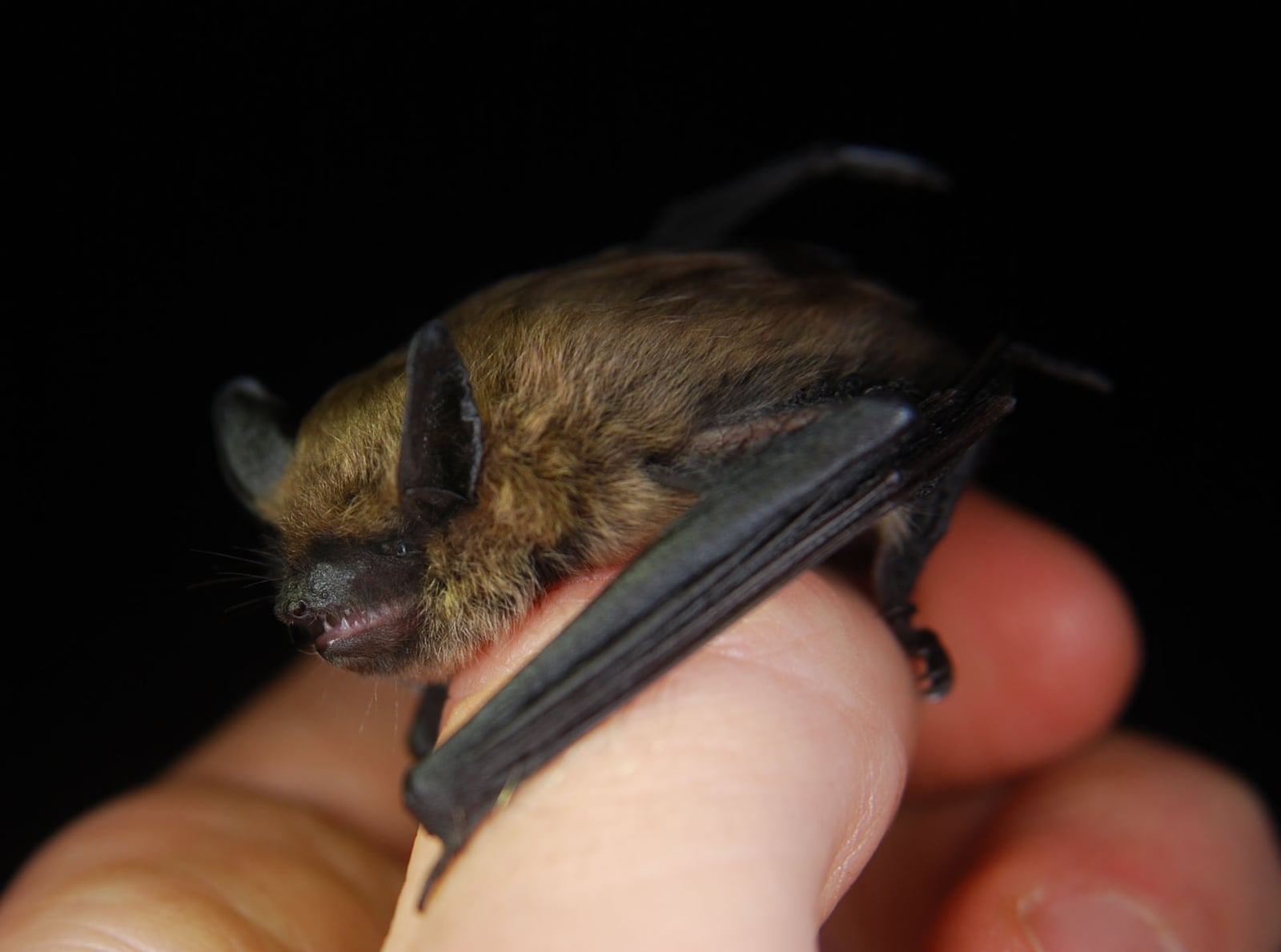
New York mammals

Eastern Small-footed Myotis in New York

Myotis leibii

Native to New York S2 Imperiled in New York

Not listed as nonindigenous in New York by USGS NAS; native to its New York range.

IUCN Red List status

  1. LC
  2. NT
  3. VU
  4. EN
  5. CR
  6. EW
  7. EX

EN – Endangered

Very high risk of extinction in the wild.

Eastern Small-footed Myotis in New York, by the numbers

Occasional in New York 65th most recorded of 102 mammals logged in New York

9 occurrence records
9 with iNaturalist photos
Mar 30, 2026 Last seen in New York

Records from 2000–2026.

When to look for the Eastern Small-footed Myotis in New York

Most sightings fall in July.

9 New York occurrence records (iNaturalist and GBIF) by month of year, 2000–2026. Shows when the species is recorded, not a guarantee of presence. Based on a small number of dated records; the seasonal pattern may not be representative.

Monthly New York records (table)
MonthRecords
January0
February1
March1
April0
May1
June0
July2
August1
September1
October2
November0
December0

Monthly eastern small-footed myotis occurrence records (iNaturalist and GBIF) in New York, 2000–2026.

Seasonality

Sparse observation record in New York; presence confirmed but timing of activity not well documented.

Occurrence map

Where Eastern Small-footed Myotis has been recorded in New York

9 records mapped · zoom and drag to explore

9 New York records mapped

Where it's recorded in New York

CountyRecords
Orange County 1
Warren County 1
Clinton County 1
Ulster County 1
Rockland County 1
Columbia County 1
Hamilton County 1
Westchester County 1
Other localities 1

The complete county distribution, spread across 8 New York counties. Every occurrence record falls in one county, so these sum to the total. Counties from GBIF and US Census boundaries.

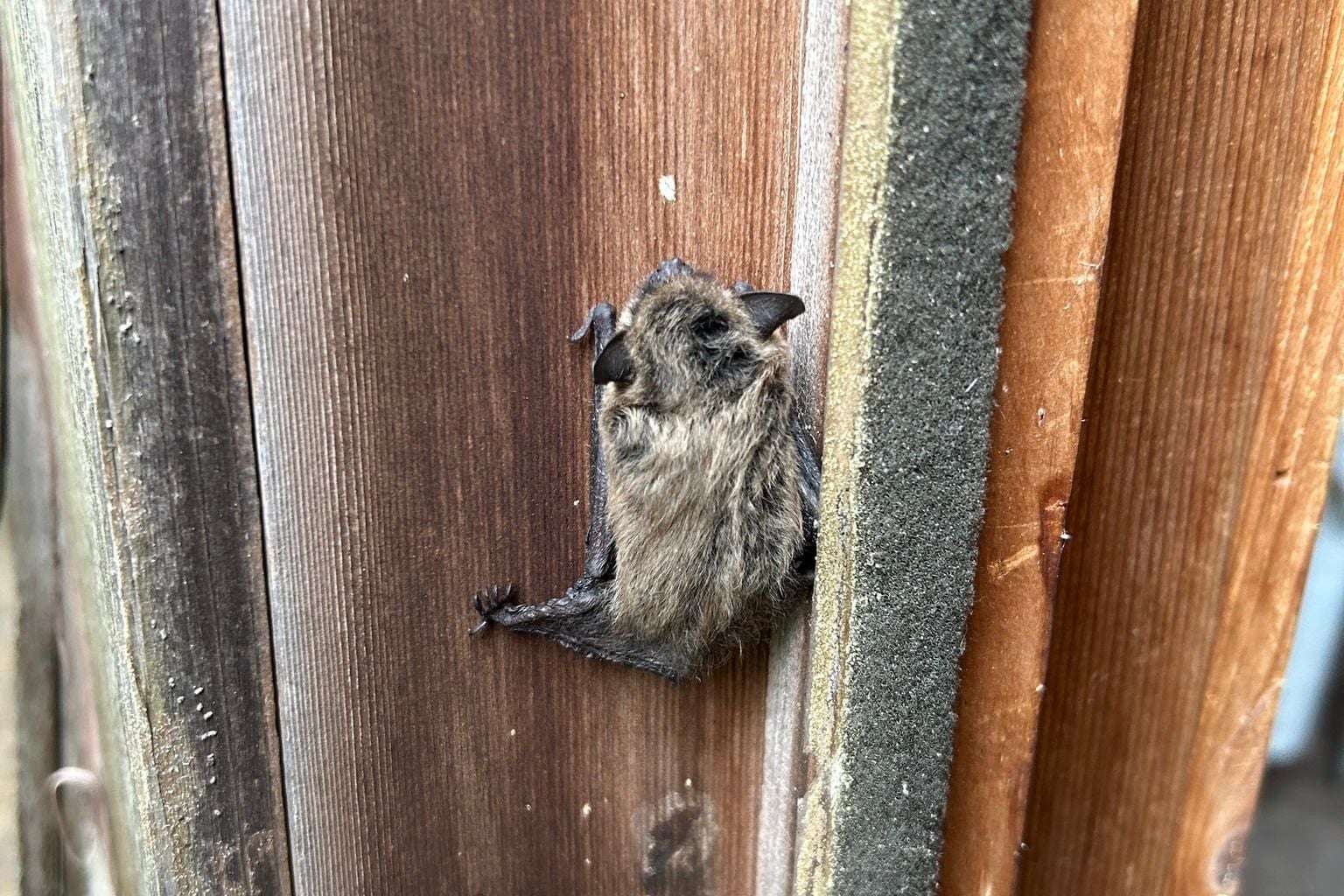
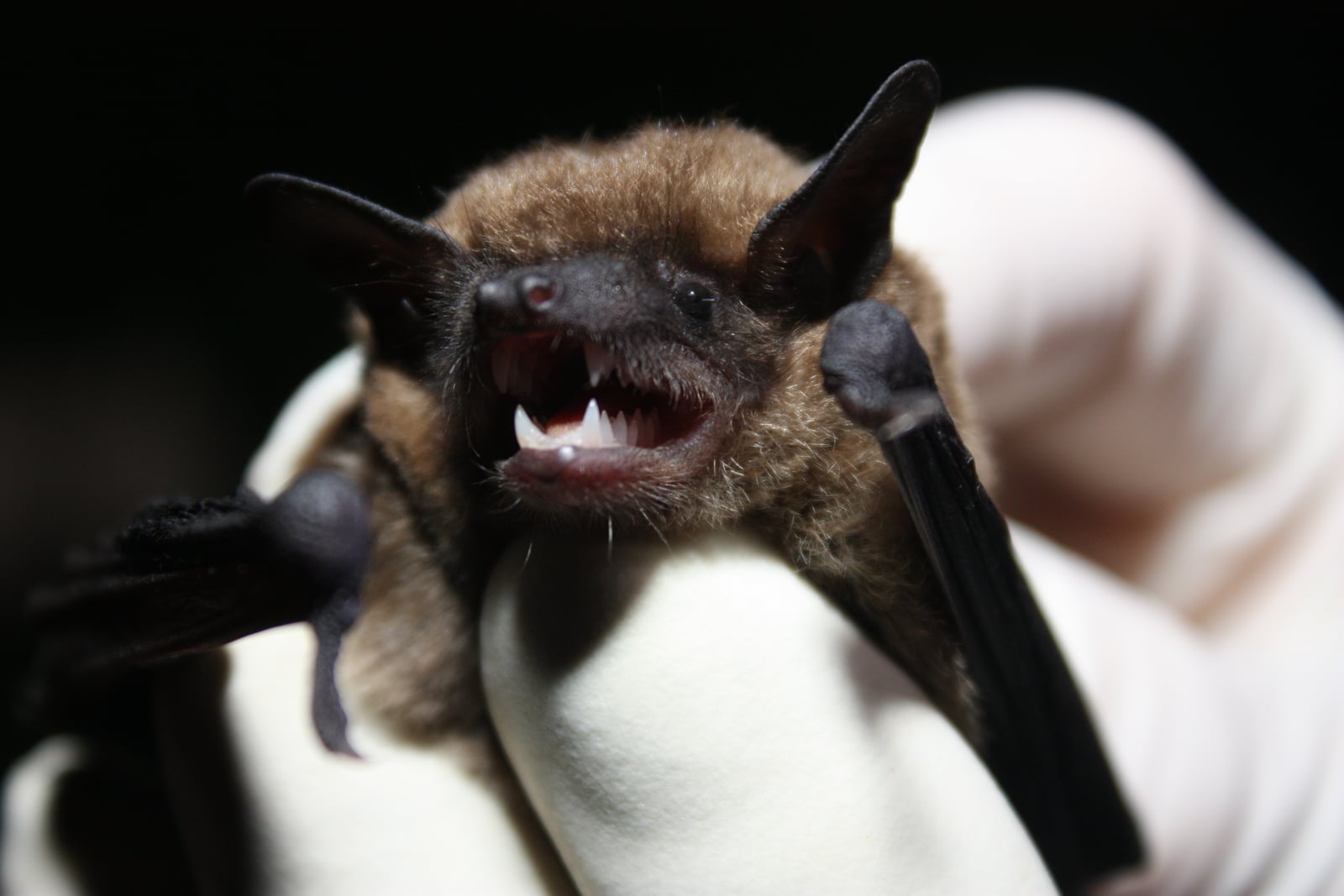
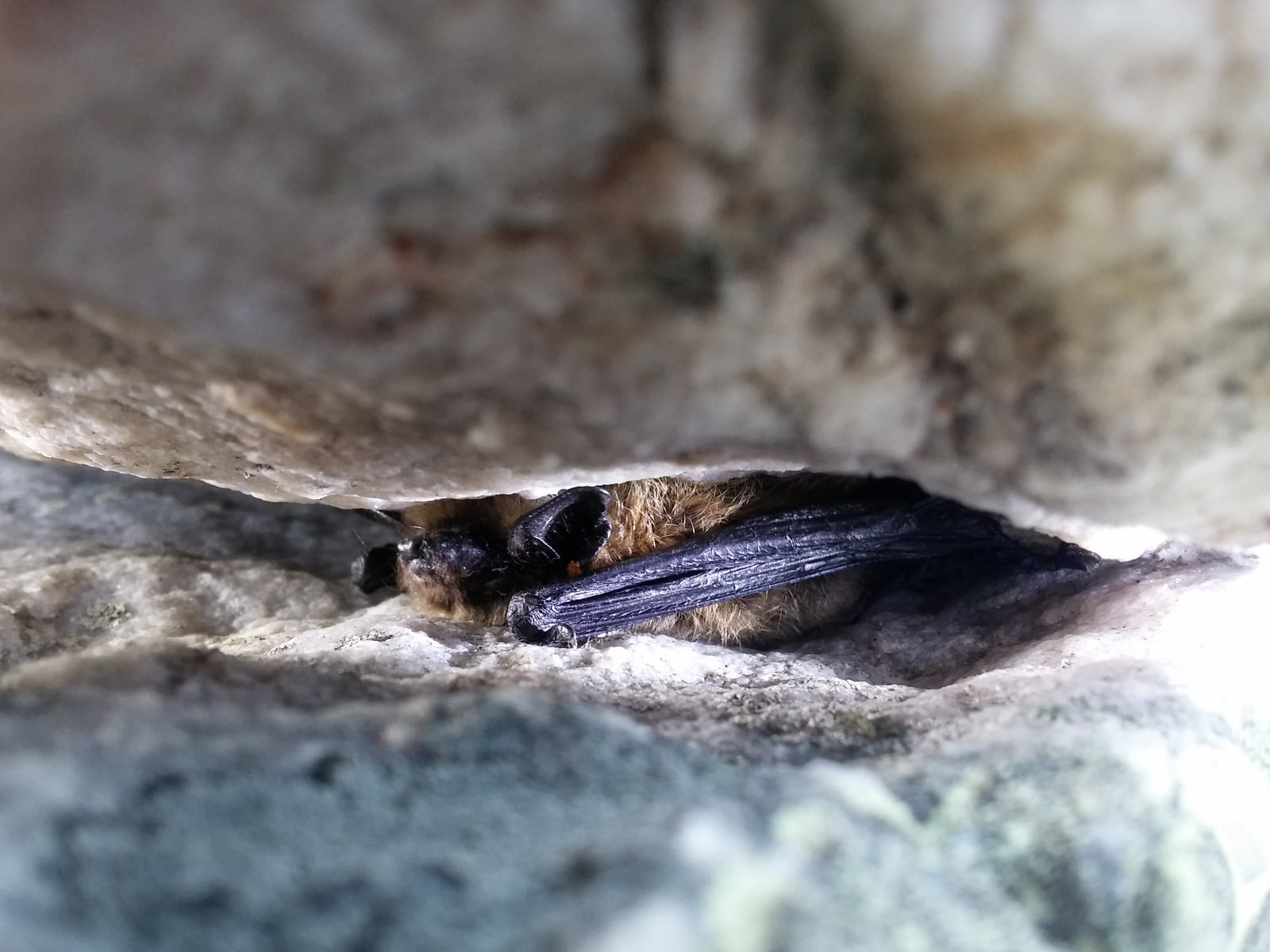
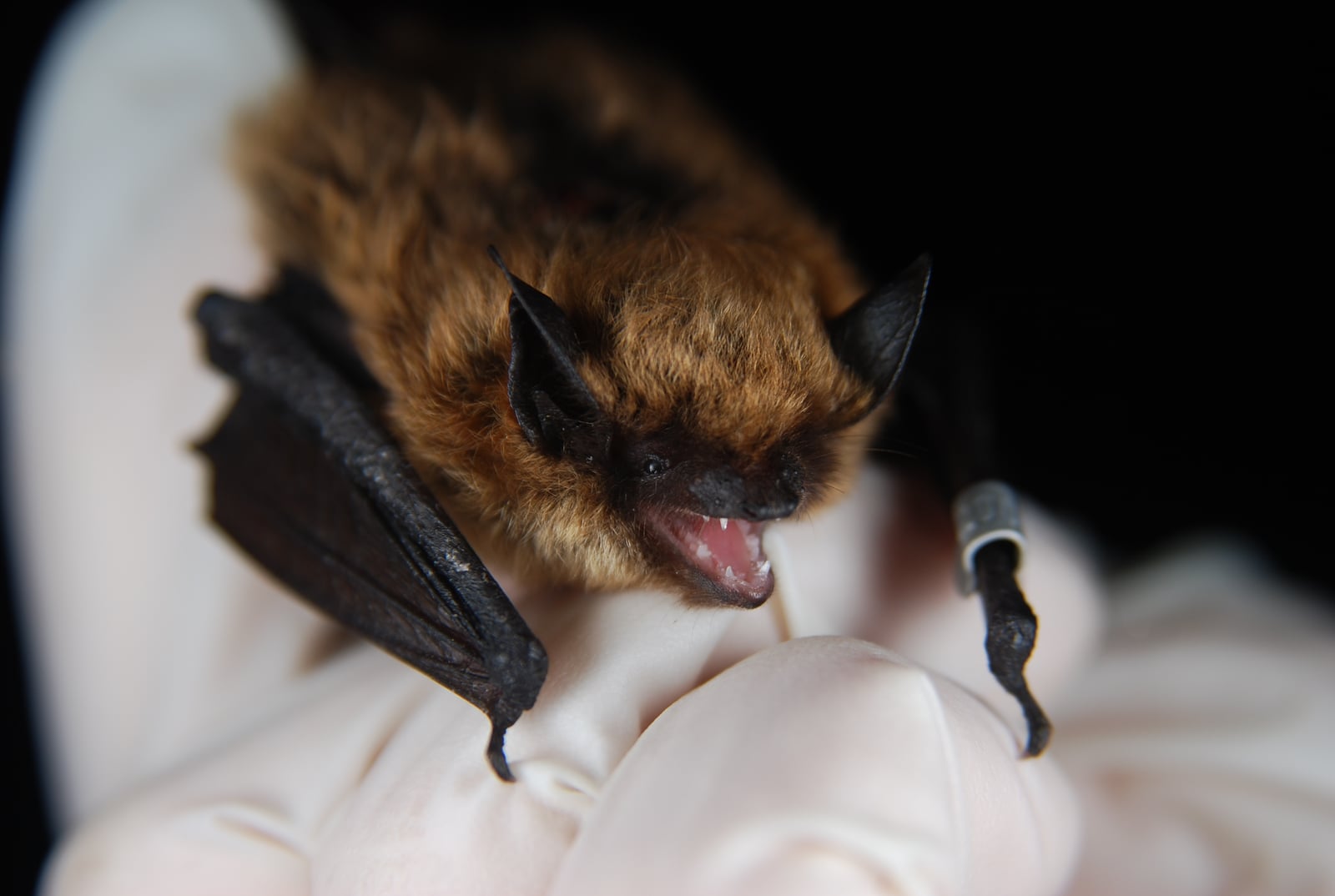
Eastern small-footed myotis carry a NatureServe S2 imperiled rank in New York, and the IUCN lists the species globally Endangered, both reflecting the severe toll white-nose syndrome has taken on this already naturally scarce bat since the disease first emerged at a New York hibernaculum in 2006. The state holds just 9 records from 2000 to 2026, all of them iNaturalist observations, one apiece from eight counties that run from Clinton and Warren in the north to Westchester and Rockland near New York City, plus one with no county attached.

Nine records spread across seven months can’t show a seasonal pattern; each one marks a single bat that someone found and documented, not a survey count.
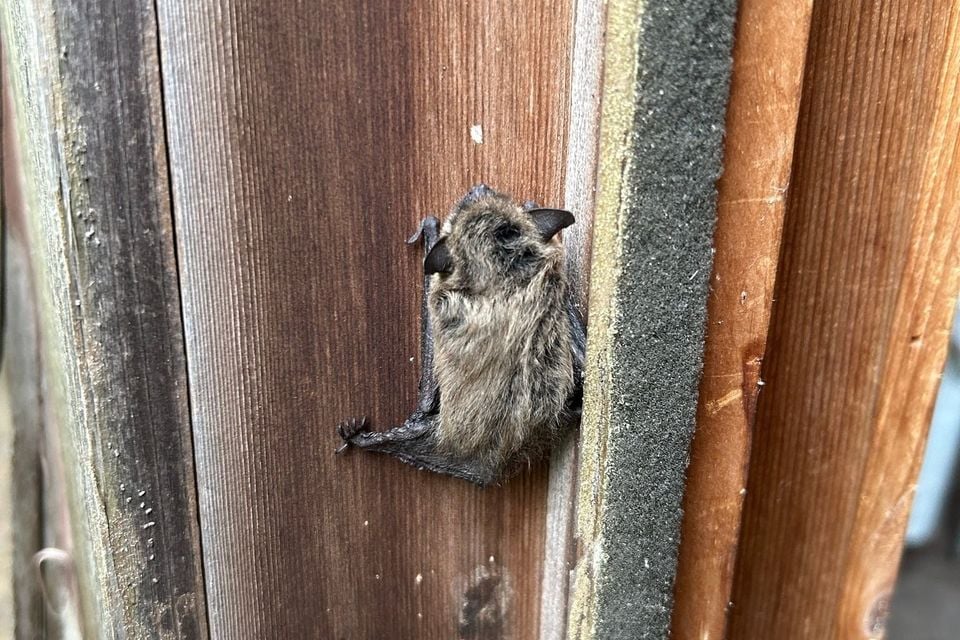

Occurrence data from iNaturalist and GBIF.

More mammals in New York in the atlas

Data & sources

The data and visualizations on this page draw on these open sources:

  • GBIFCC-BY 4.0occurrence records behind the range map, elevation, and record counts
  • iNaturalistCC0 / CC-BY / CC-BY-SAobservations, photos, and audio recordings
  • NatureServe ExplorerCC-BYthe state conservation rank
  • IUCN Red Listattributed factthe global conservation status
  • USGS NASpublic domainnative / introduced status
  • Natural Earthpublic domainthe relief basemap
  • USFSpublic domainnational-forest boundaries



