


The gray fox is Louisiana’s widespread but seldom-seen fox. Its 139 records scatter across 33 parishes, from Kisatchie National Forest and Lake Bistineau State Park in the pine country to the wooded Florida parishes around St. Tammany, West Feliciana, and Livingston.
A fox that can climb
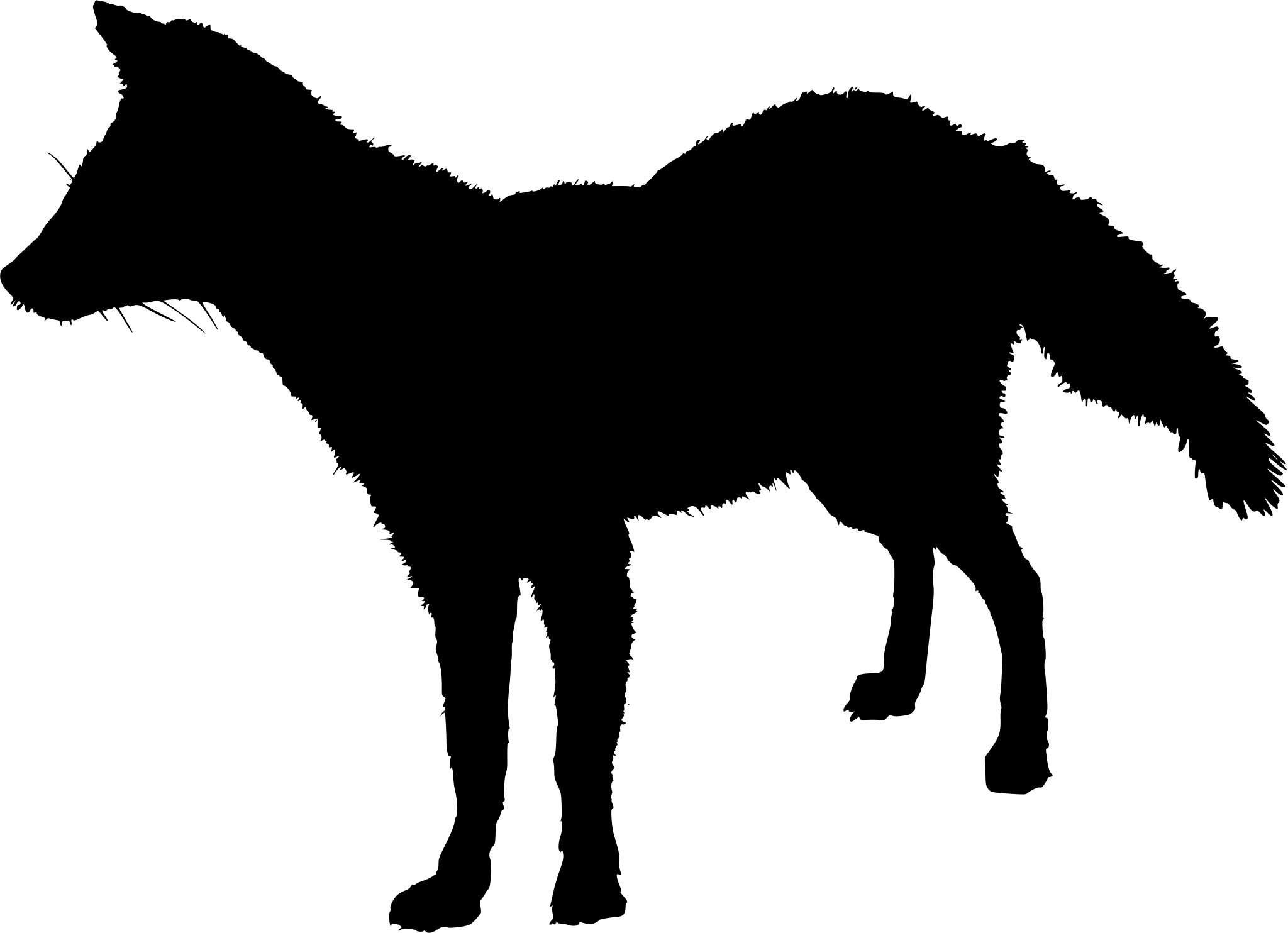
The gray fox keeps to brushy woodland, overgrown edges, and streamside tangles rather than open fields, and it has a trick no other North American canid shares: with short, hooked claws it scrambles up leaning trunks and along limbs to rest, hunt, or escape a dog. Hollow trees, brush piles, and dense thickets serve as dens. The grizzled gray back, rusty flanks, and black-tipped tail separate it at a glance from the red fox.
Midwinter movement
Mostly nocturnal and a year-round resident, the gray fox neither migrates nor hibernates. Louisiana records bunch from December into January, the heart of the breeding season, when pairs travel together and both sexes range farther than usual between patches of cover.
Status in Louisiana
NatureServe ranks the gray fox S4, Apparently Secure, in Louisiana, and the species is native to the state. USGS NAS does not list it as nonindigenous here.
 Full species profile




