Missouri mammals

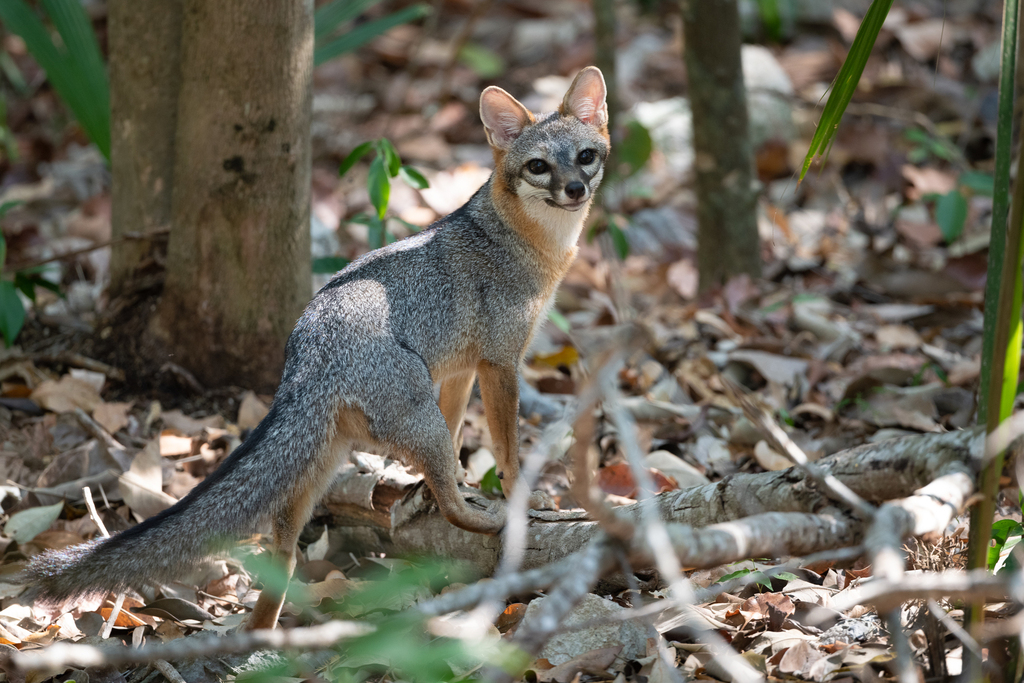
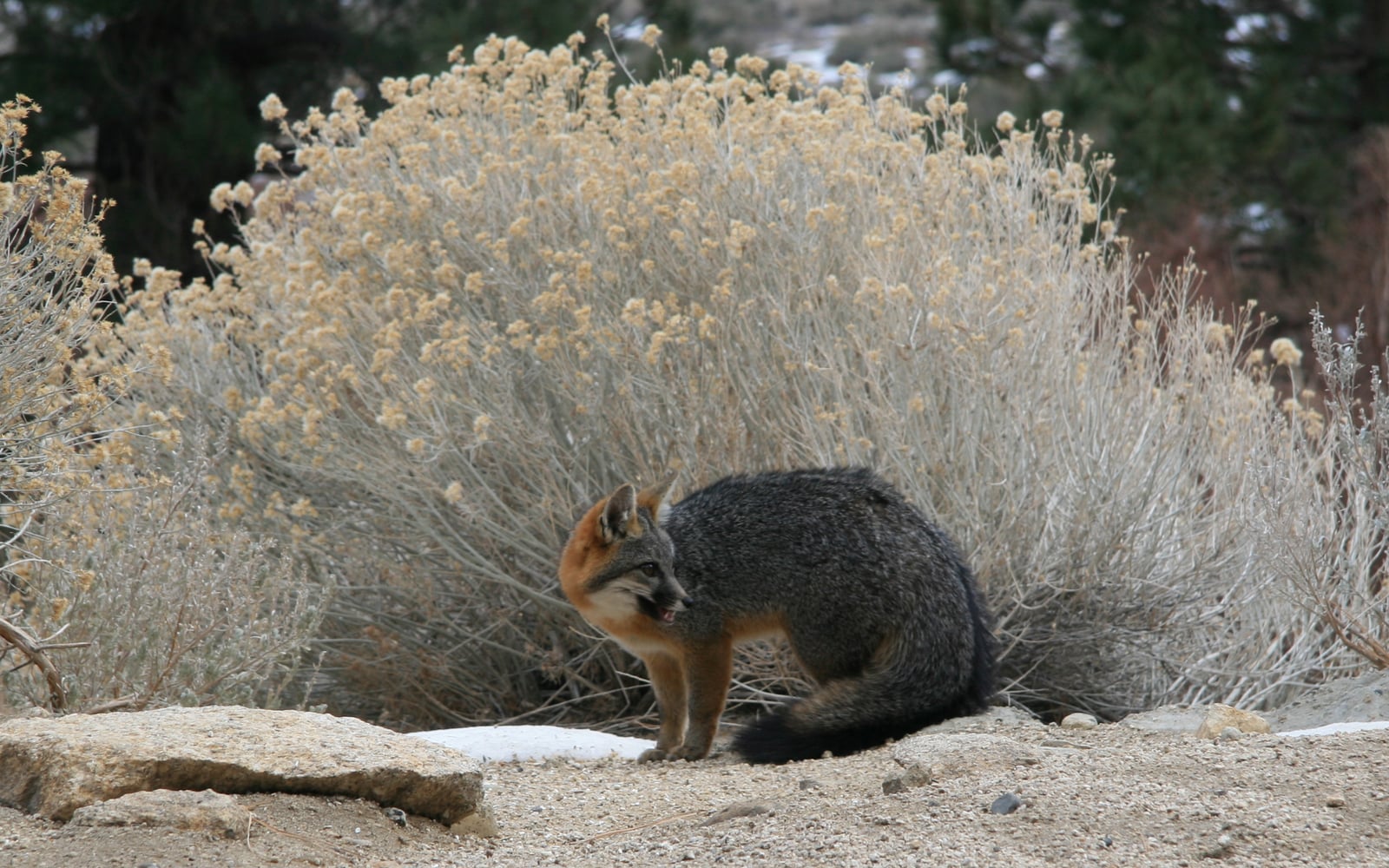
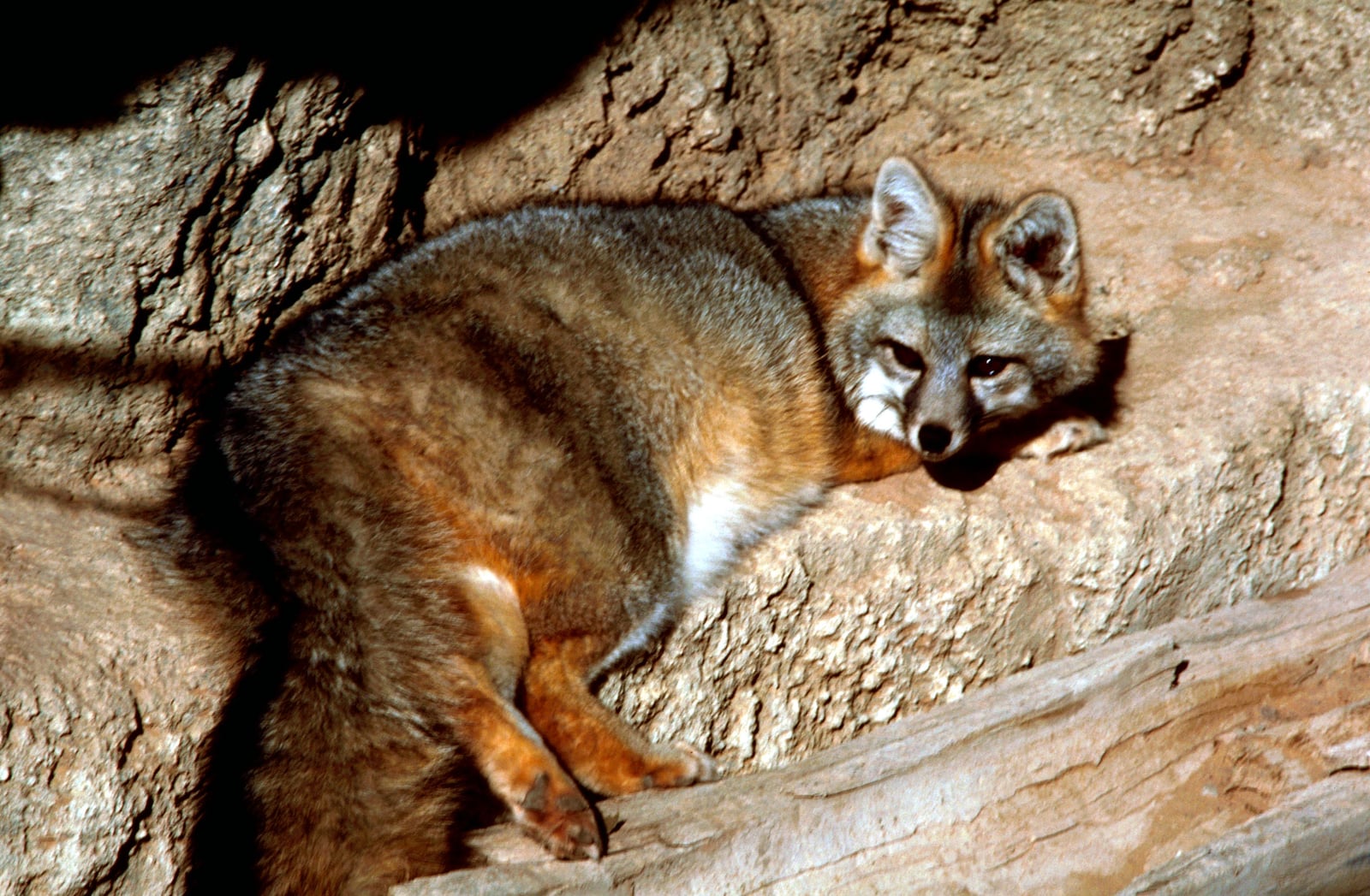
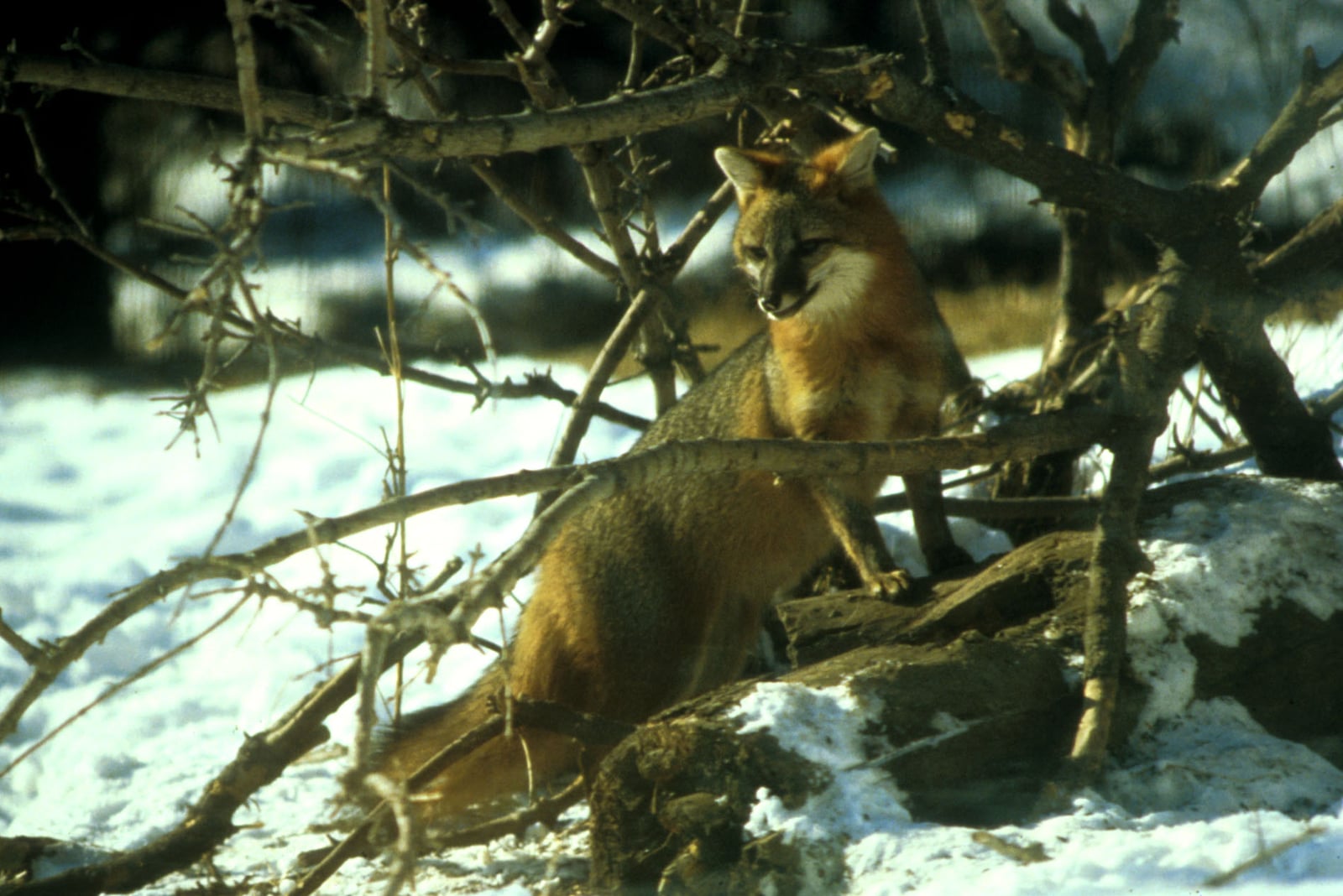
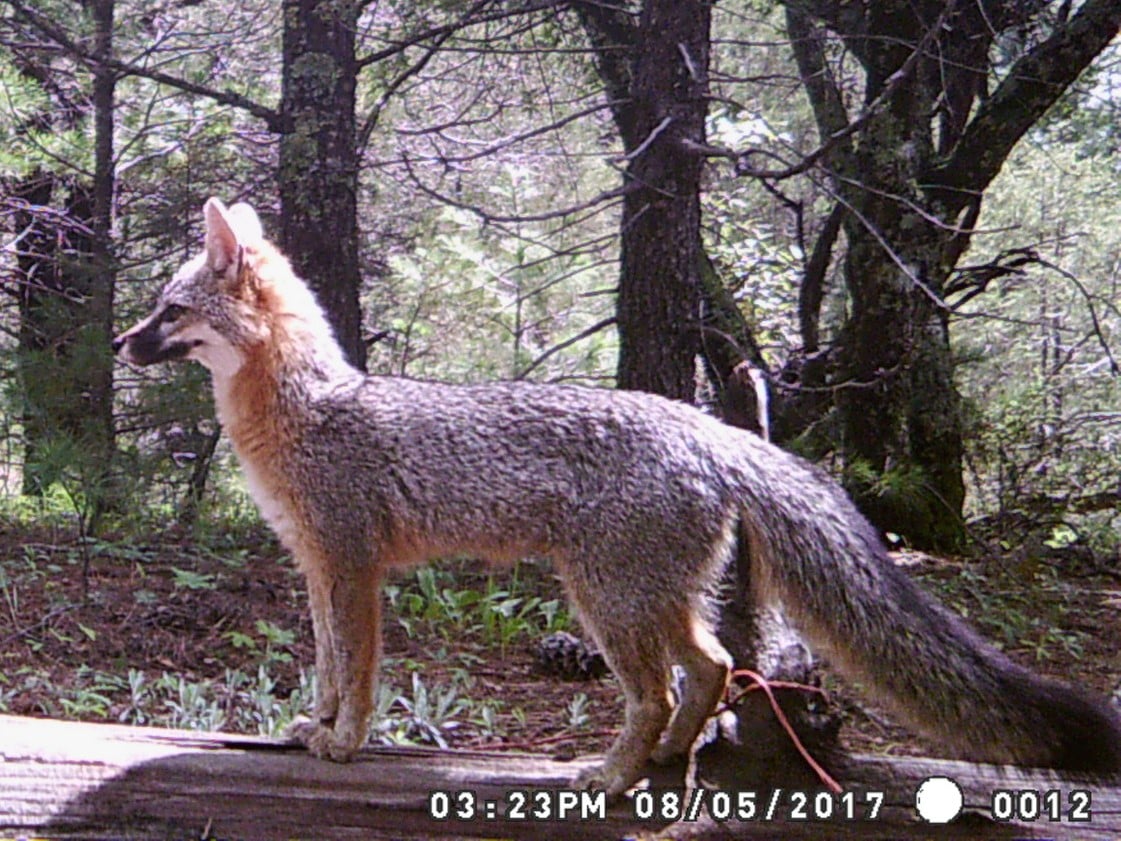
Gray Fox in Missouri

Urocyon cinereoargenteus

Native to Missouri S4 Apparently Secure in Missouri

Not listed as nonindigenous in Missouri by USGS NAS; native to its Missouri range.

IUCN Red List status

  1. LC
  2. NT
  3. VU
  4. EN
  5. CR
  6. EW
  7. EX

LC – Least Concern

Widespread and abundant; not at risk.

Gray Fox in Missouri, by the numbers

Common in Missouri 12th most recorded of 82 mammals logged in Missouri

419 occurrence records
417 with iNaturalist photos

Records from 2000–2026.

419 total records count every Missouri occurrence from GBIF and iNaturalist; the map plots a georeferenced sample of 300; the monthly chart covers the 405 records with a full observation date.

When to look for the Gray Fox in Missouri

Most sightings fall in January to April.

405 Missouri occurrence records (iNaturalist and GBIF) by month of year, 2000–2026. Shows when the species is recorded, not a guarantee of presence.

Monthly Missouri records (table)
MonthRecords
January52
February63
March49
April42
May20
June31
July28
August33
September20
October20
November15
December32

Monthly gray fox occurrence records (iNaturalist and GBIF) in Missouri, 2000–2026.

Seasonality

Year-round in Missouri, with recorded sightings peaking in January–April.

Occurrence map

Where Gray Fox has been recorded in Missouri

300 records mapped · zoom and drag to explore

300 Missouri records mapped

Notable places to look

Park, forest, or monumentiNaturalist records
Mark Twain National Forest 4
Irish Wilderness 1

Protected places with the most gray fox sightings, from the USGS Protected Areas Database plus named mountain ranges, good spots to look, not a full breakdown, so they don't sum to the total.

Where it's recorded in Missouri

CountyRecords
Boone County 367
St. Charles County 3
Franklin County 3
Iron County 3
Cole County 3
Christian County 2
Adair County 2
Carter County 2
McDonald County 1
Platte County 1
Oregon County 1
Howell County 1
16 other counties 30

The complete county distribution, spread across 28 Missouri counties. Every occurrence record falls in one county, so these sum to the total. Counties from GBIF and US Census boundaries.

Gray fox ranks twelfth in Missouri’s record count and shares red fox’s S4 NatureServe status, apparently secure across the state. Unlike red fox, gray fox climbs trees, using hooked claws to escape danger or den in a hollow limb, a trait that makes it a distinct search target around the wooded, rocky terrain at Mark Twain National Forest and the granite outcrops of Elephant Rocks State Park.

Records peak from January through March, the opposite season from red fox’s spring high, with reduced leaf cover likely making a rocky-country animal easier to spot in winter. Research-grade iNaturalist observations account for 417 of the 419 records, and Boone County alone holds 367, so one county’s observers shape the monthly curve; treat the winter peak as a hint worth testing, not a fixed pattern.
Occurrence data from iNaturalist and GBIF.

Gray Fox in other states

Gray Fox range map (all states)

More mammals in Missouri in the atlas

Data & sources

The data and visualizations on this page draw on these open sources:

  • GBIFCC-BY 4.0occurrence records behind the range map, elevation, and record counts
  • iNaturalistCC0 / CC-BY / CC-BY-SAobservations, photos, and audio recordings
  • NatureServe ExplorerCC-BYthe state conservation rank
  • IUCN Red Listattributed factthe global conservation status
  • USGS NASpublic domainnative / introduced status
  • Natural Earthpublic domainthe relief basemap
  • USFSpublic domainnational-forest boundaries
  • USGS Protected Areas Databasepublic domainthe named parks, forests, and refuges behind "notable places to look"




