Utah mammals

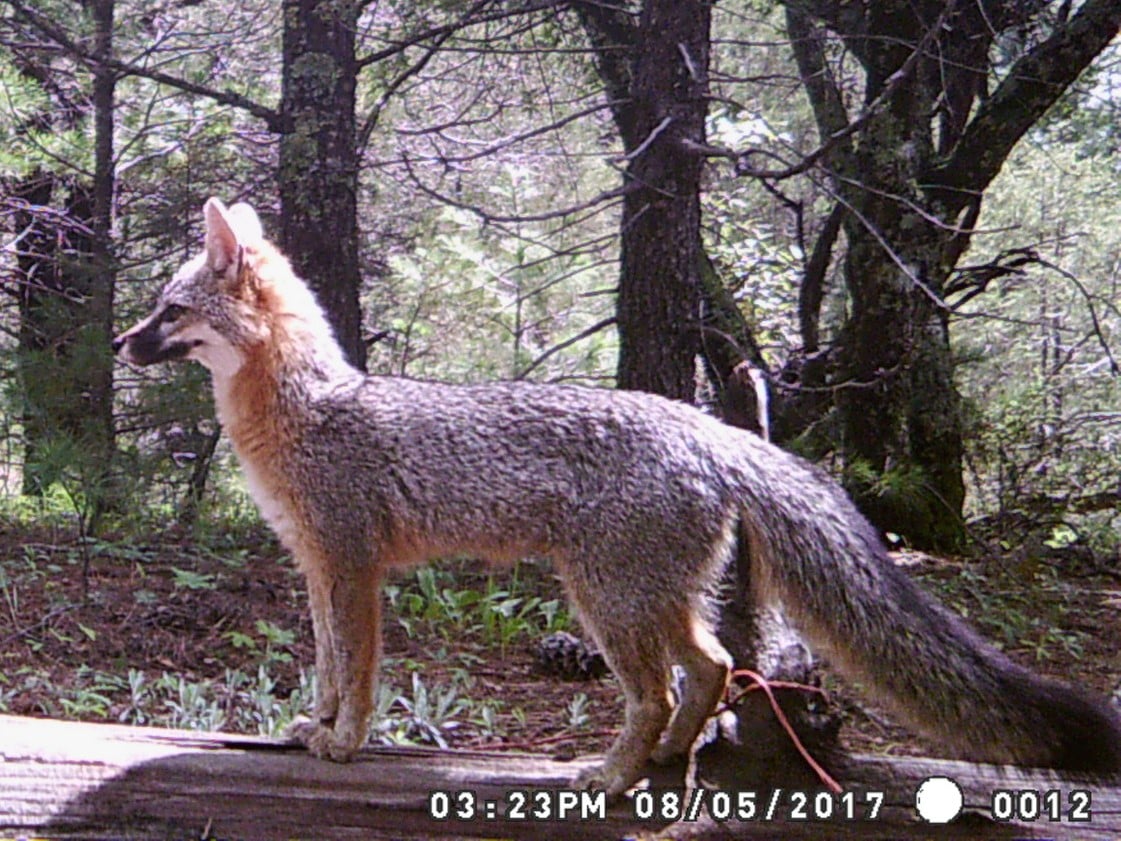
Gray Fox in Utah

Urocyon cinereoargenteus

Native to Utah S3 Vulnerable in Utah

Not listed as nonindigenous in Utah by USGS NAS; native to its Utah range.

IUCN Red List status

  1. LC
  2. NT
  3. VU
  4. EN
  5. CR
  6. EW
  7. EX

LC – Least Concern

Widespread and abundant; not at risk.

Gray Fox in Utah, by the numbers

Occasional in Utah 54th most recorded of 141 mammals logged in Utah

213 occurrence records
210 with iNaturalist photos
Jul 8, 2026 Last seen in Utah

Records from 2000–2026.

213 total records count every Utah occurrence from GBIF and iNaturalist; the map plots a georeferenced sample of 208; the monthly chart covers the 208 records with a full observation date.

When to look for the Gray Fox in Utah

Most sightings fall in October to November.

208 Utah occurrence records (iNaturalist and GBIF) by month of year, 2000–2026. Shows when the species is recorded, not a guarantee of presence.

Monthly Utah records (table)
MonthRecords
January4
February6
March14
April6
May13
June21
July20
August27
September22
October38
November28
December9

Monthly gray fox occurrence records (iNaturalist and GBIF) in Utah, 2000–2026.

Seasonality

Year-round in Utah, with recorded sightings peaking in October–November, with a smaller rise in August.

Occurrence map

Where Gray Fox has been recorded in Utah

208 records mapped · zoom and drag to explore

206 Utah records mapped

Where it's recorded in Utah

CountyRecords
Iron County 64
Washington County 52
San Juan County 32
Grand County 24
Kane County 22
Wayne County 5
Garfield County 4
Carbon County 1
Juab County 1
Emery County 1
Other localities 7

The complete county distribution, spread across 10 Utah counties. Every occurrence record falls in one county, so these sum to the total. Counties from GBIF and US Census boundaries.

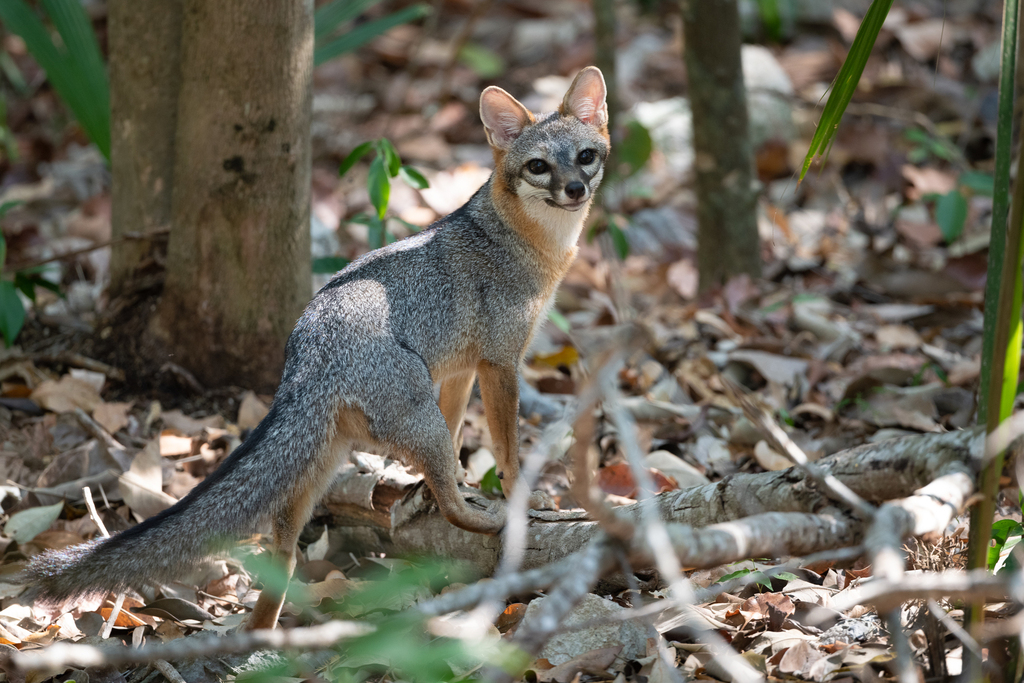
Utah’s gray fox records cluster in the state’s southwest corner, around Zion National Park, Snow Canyon State Park, and Red Cliffs National Conservation Area, red-rock canyon country with brushy slopes and pinyon-juniper cover that suits this fox’s unusual habit of climbing trees to escape danger or raid fruit. Unlike most North American canids, it has curved claws and forelegs that rotate at the wrist, letting it shinny up a trunk.

October brings the year’s sharpest pulse, 38 of 213 records, likely tied to cooler weather bringing foxes into the open at dusk and dawn just as fall trail traffic peaks in the parks. Reports run fairly evenly across the rest of the year. NatureServe ranks the gray fox S3, vulnerable, in Utah, a more cautious rating than its secure global status, worth noting for a species whose southern Utah population sits at the edge of good habitat.
Occurrence data from iNaturalist and GBIF.

Gray Fox in other states

Gray Fox range map (all states)

More mammals in Utah in the atlas

Data & sources

The data and visualizations on this page draw on these open sources:

  • GBIFCC-BY 4.0occurrence records behind the range map, elevation, and record counts
  • iNaturalistCC0 / CC-BY / CC-BY-SAobservations, photos, and audio recordings
  • NatureServe ExplorerCC-BYthe state conservation rank
  • IUCN Red Listattributed factthe global conservation status
  • USGS NASpublic domainnative / introduced status
  • Natural Earthpublic domainthe relief basemap
  • USFSpublic domainnational-forest boundaries




