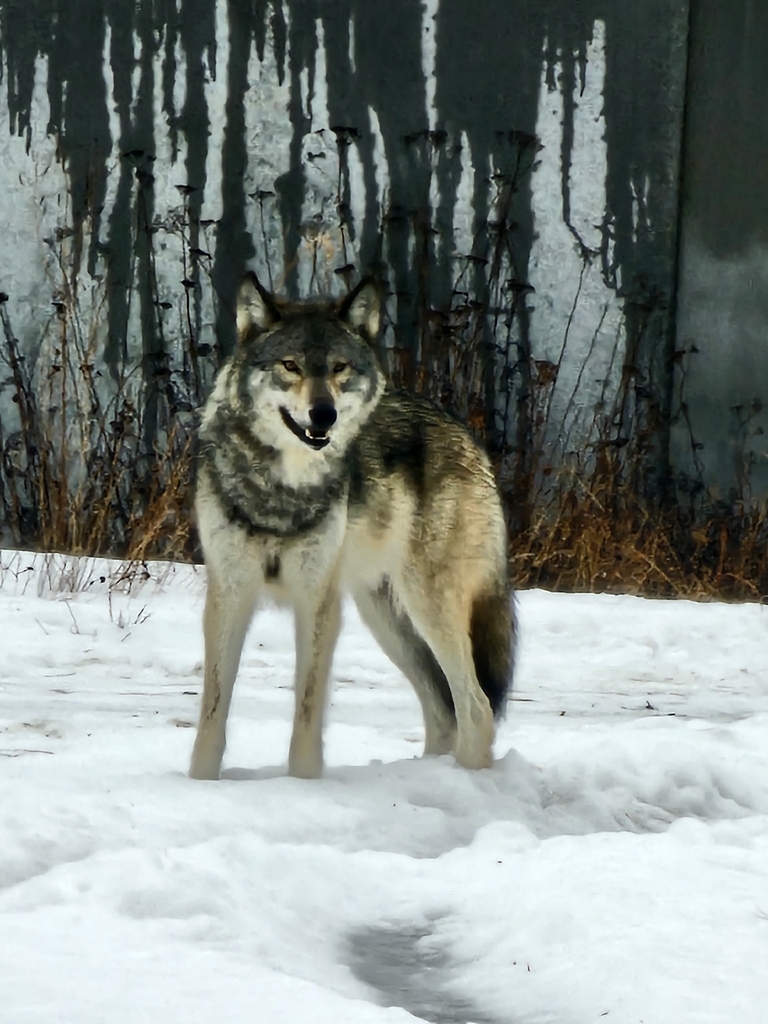
Massachusetts mammals

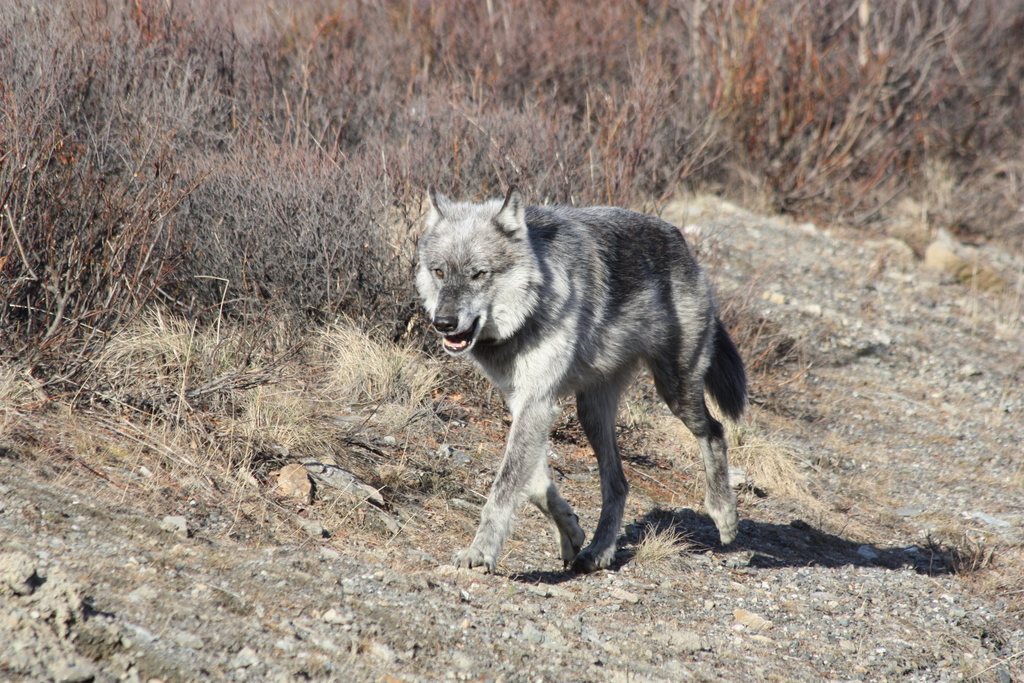
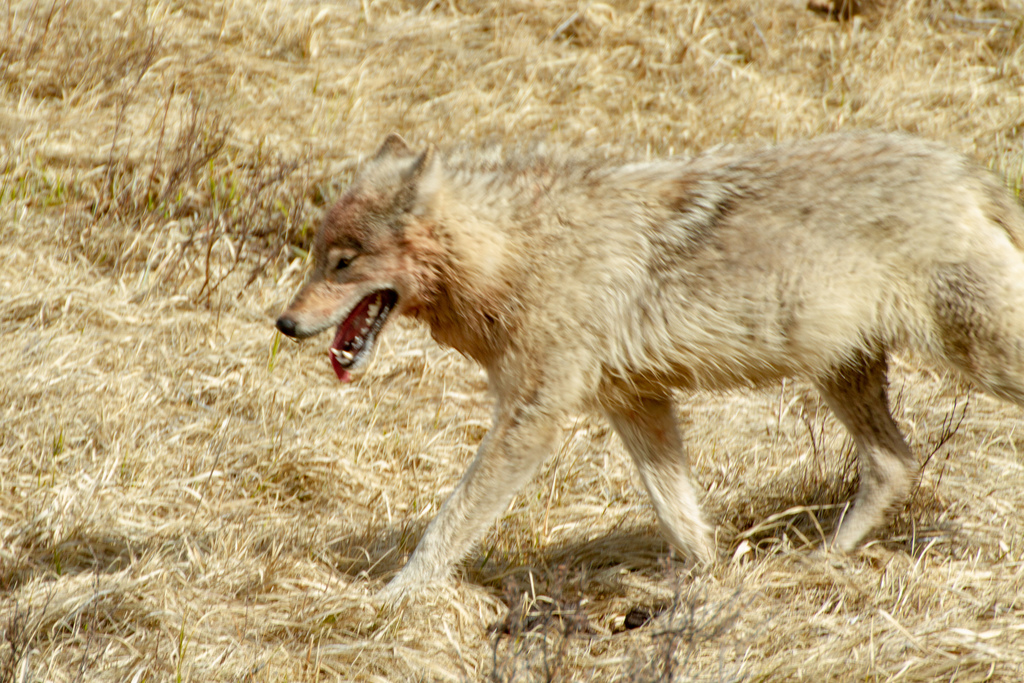
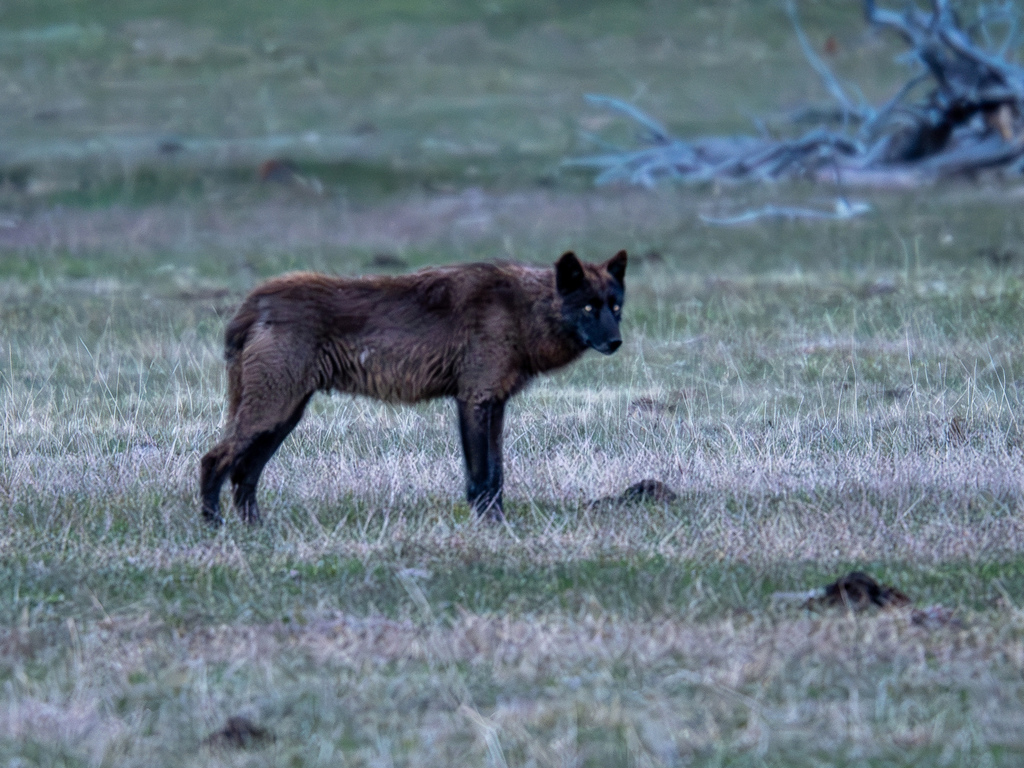
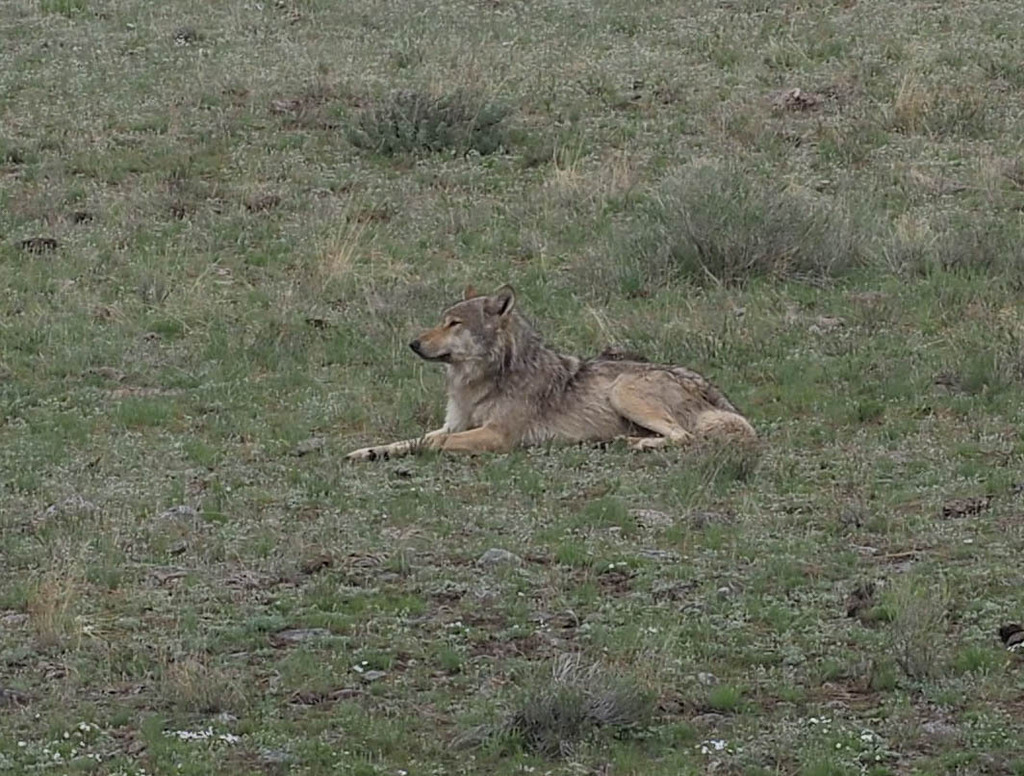
Gray Wolf in Massachusetts

Canis lupus

Native to Massachusetts SX Presumed Extirpated in Massachusetts

Not listed as nonindigenous in Massachusetts by USGS NAS; native to its Massachusetts range.

IUCN Red List status

  1. LC
  2. NT
  3. VU
  4. EN
  5. CR
  6. EW
  7. EX

LC – Least Concern

Widespread and abundant; not at risk.

Gray Wolf in Massachusetts, by the numbers

Presumed Extirpated in Massachusetts 52nd most recorded of 93 mammals logged in Massachusetts

22 occurrence records

Records from 2000–2026.

When the gray wolf was recorded in Massachusetts

Most historical records fall in February to March.

22 Massachusetts occurrence records (iNaturalist and GBIF) by month of year, 2000–2026. Shows when the species is recorded, not a guarantee of presence. Based on a small number of dated records; the seasonal pattern may not be representative.

Monthly Massachusetts records (table)
MonthRecords
January0
February8
March5
April0
May1
June1
July0
August1
September0
October3
November3
December0

Monthly gray wolf occurrence records (iNaturalist and GBIF) in Massachusetts, 2000–2026.

Seasonality

Historical records in Massachusetts peak in February–March.

Occurrence map

Where Gray Wolf has been recorded in Massachusetts

22 records mapped · zoom and drag to explore

22 Massachusetts records mapped

Where gray wolf encounters are recorded

Park, forest, or monumentiNaturalist records
Franklin Park Zoo 5

Protected places with the most gray wolf records, from the USGS Protected Areas Database plus named mountain ranges, where encounters are most often recorded, not a full breakdown, so they don't sum to the total. Keep your distance and never approach one.

Where it's recorded in Massachusetts

CountyRecords
Middlesex County 16
Suffolk County 5
Franklin County 1

The complete county distribution, spread across 3 Massachusetts counties. Every occurrence record falls in one county, so these sum to the total. Counties from GBIF and US Census boundaries.

Gray wolves are gone from Massachusetts today. NatureServe lists the species SX, presumed extirpated, in the state, and unregulated hunting and land clearing eliminated wolves from southern New England well before most of the region’s other large predators disappeared. The 22 records from 2000 to 2026 don’t point to a wild population either: five are tied to Franklin Park Zoo in Boston, and the rest most likely reflect captive animals or uncertain identifications.

Those records cluster loosely in February and March and again across October and November, too few and too scattered to describe any real seasonal pattern. Coyotes have since filled much of the ecological role wolves once played in Massachusetts, and the state has no active reintroduction effort underway.
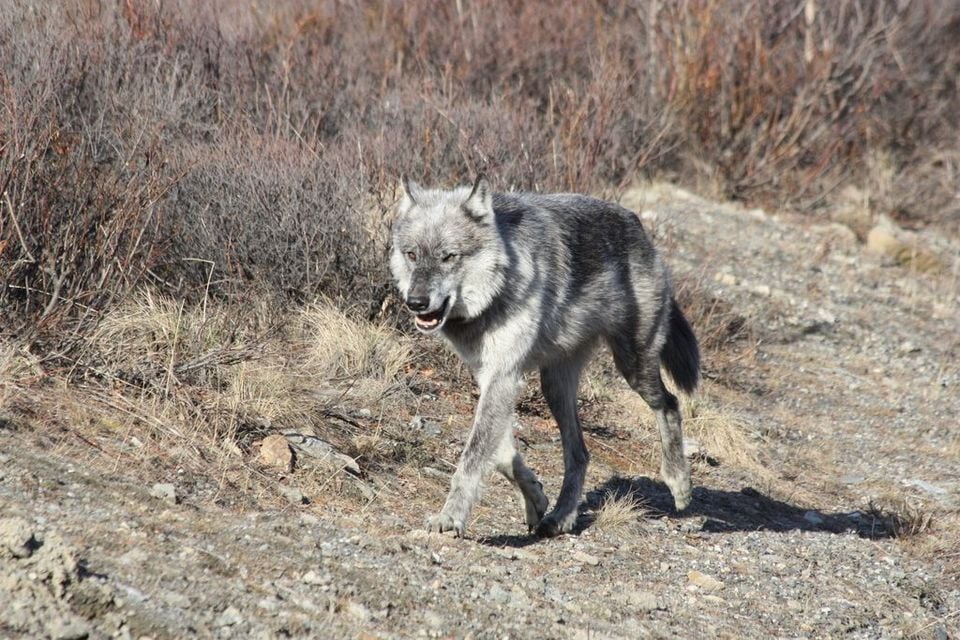

Occurrence data from GBIF.

Gray Wolf in other states

Gray Wolf range map (all states)

More mammals in Massachusetts in the atlas

Data & sources

The data and visualizations on this page draw on these open sources:

  • GBIFCC-BY 4.0occurrence records behind the range map, elevation, and record counts
  • iNaturalistCC0 / CC-BY / CC-BY-SAobservations, photos, and audio recordings
  • NatureServe ExplorerCC-BYthe state conservation rank
  • IUCN Red Listattributed factthe global conservation status
  • USGS NASpublic domainnative / introduced status
  • Natural Earthpublic domainthe relief basemap
  • USFSpublic domainnational-forest boundaries
  • USGS Protected Areas Databasepublic domainthe named parks, forests, and refuges behind "notable places to look"




