
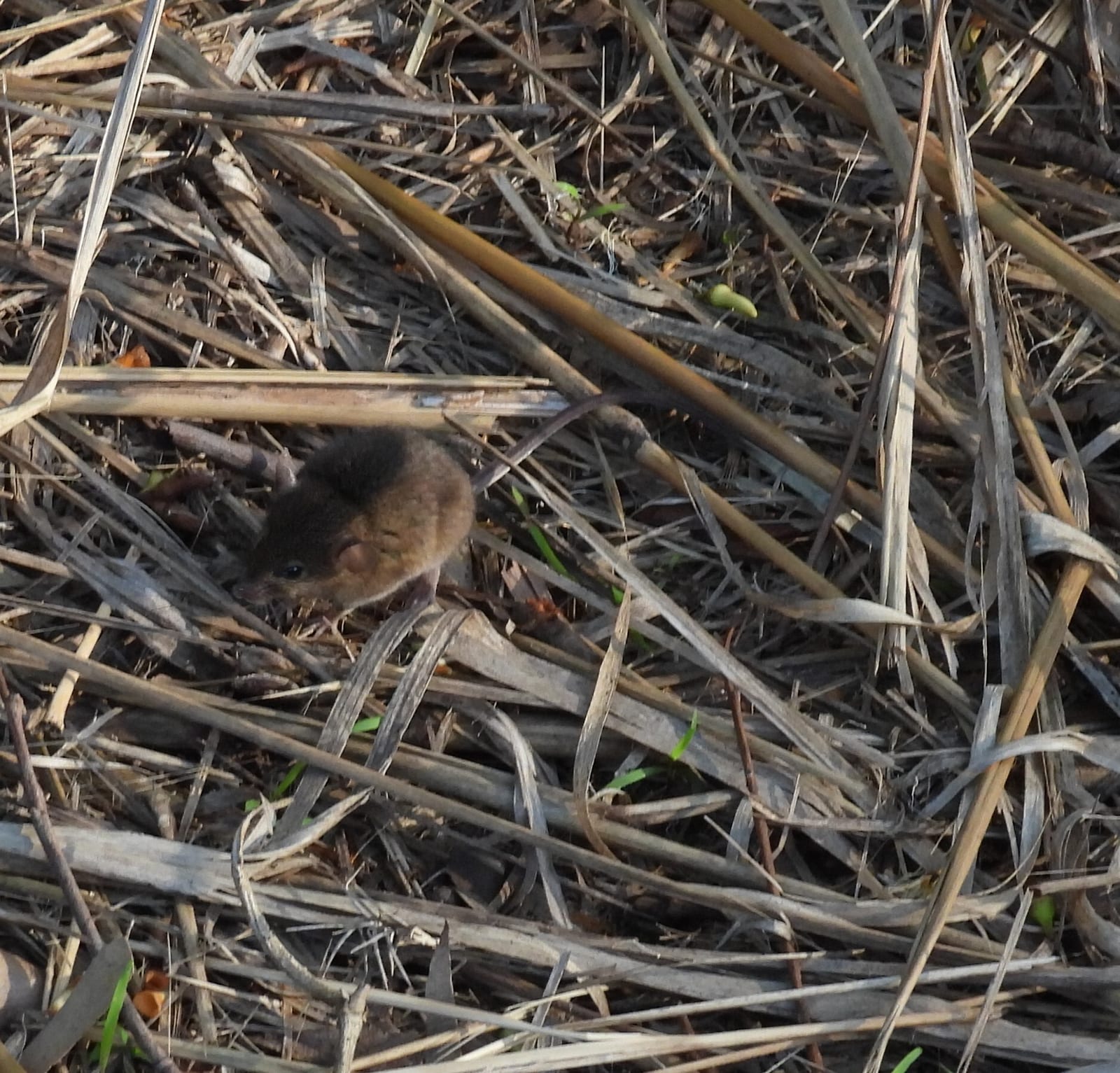
Arizona mammals

House Mouse in Arizona

Mus musculus

Introduced to Arizona

Arizona's Mus musculus records are of an introduced species; it does not occur here as a wild native population.

IUCN Red List status

  1. LC
  2. NT
  3. VU
  4. EN
  5. CR
  6. EW
  7. EX

LC – Least Concern

Widespread and abundant; not at risk.

House Mouse in Arizona, by the numbers

Occasional in Arizona 65th most recorded of 158 mammals logged in Arizona

539 occurrence records
60 with iNaturalist photos

539 total records count every Arizona occurrence from GBIF and iNaturalist; the map plots a georeferenced sample of 300; the monthly chart covers the 535 records with a full observation date.

When to look for the House Mouse in Arizona

Most sightings fall in February.

535 Arizona occurrence records (iNaturalist and GBIF) by month of year. Shows when the species is recorded, not a guarantee of presence.

Monthly Arizona records (table)
MonthRecords
January48
February109
March47
April30
May42
June30
July27
August26
September31
October56
November64
December25

Monthly house mouse occurrence records (iNaturalist and GBIF) in Arizona.

Seasonality

Year-round in Arizona, with recorded sightings peaking in February.

Occurrence map

Where House Mouse has been recorded in Arizona

300 records mapped · zoom and drag to explore

300 Arizona records mapped

Notable places to look

Park, forest, or monumentiNaturalist records
Grand Canyon National Park 9
Coconino National Forest 5
State Trust Land 4
Miller Peak Wilderness 3
Coronado National Forest 2
Chiricahua Wilderness 2
Saguaro National Park 1
Sitgreaves National Forest 1

Protected places with the most house mouse sightings, from the USGS Protected Areas Database plus named mountain ranges, good spots to look, not a full breakdown, so they don't sum to the total.

Where it's recorded in Arizona

CountyRecords
Pima County 192
Maricopa County 170
Pinal County 36
Cochise County 32
Coconino County 22
Santa Cruz County 20
Yavapai County 19
Navajo County 10
Mohave County 9
Graham County 8
Apache County 6
La Paz County 5
3 other counties 10

The complete county distribution, spread across 15 Arizona counties. Every occurrence record falls in one county, so these sum to the total. Counties from GBIF and US Census boundaries.

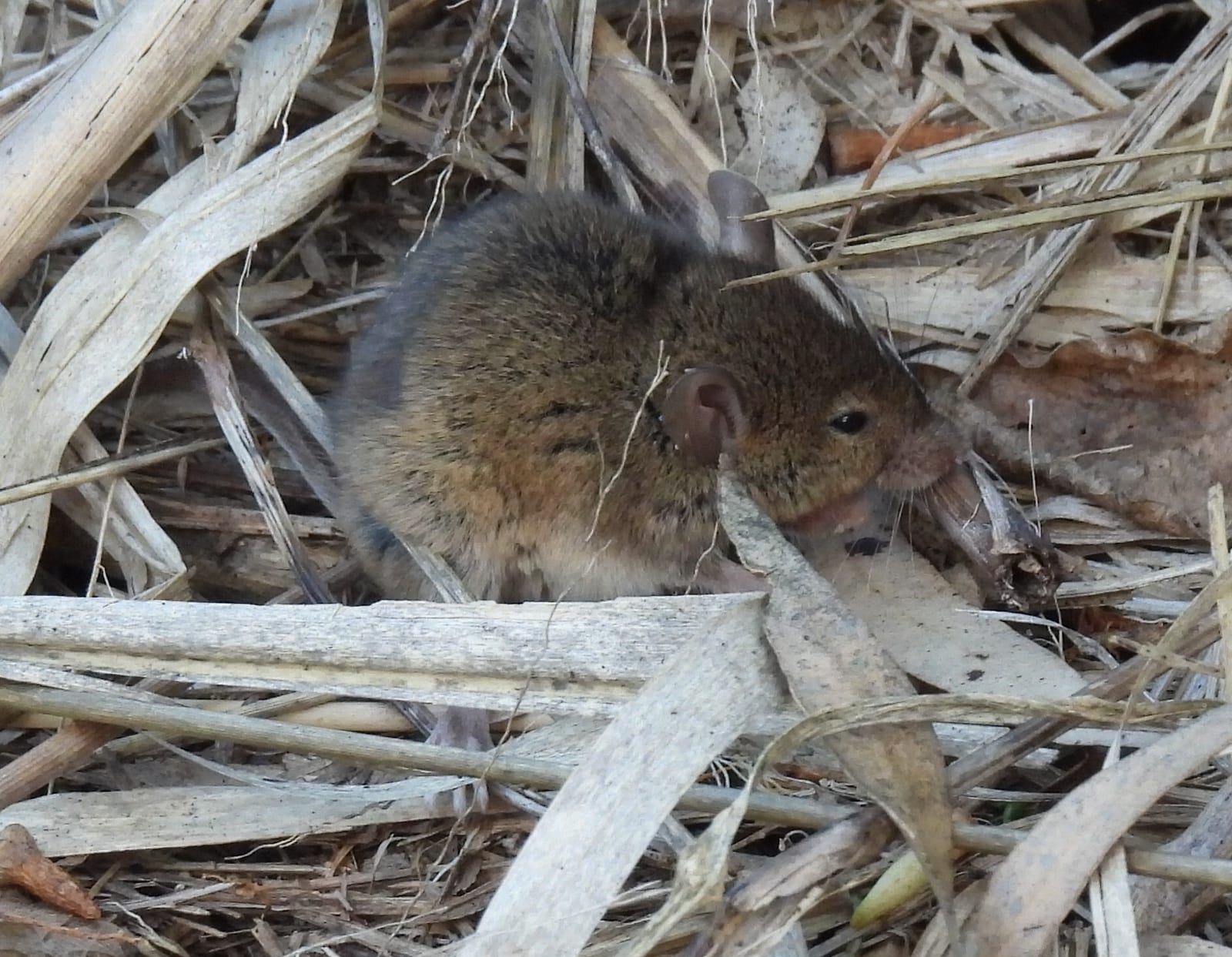
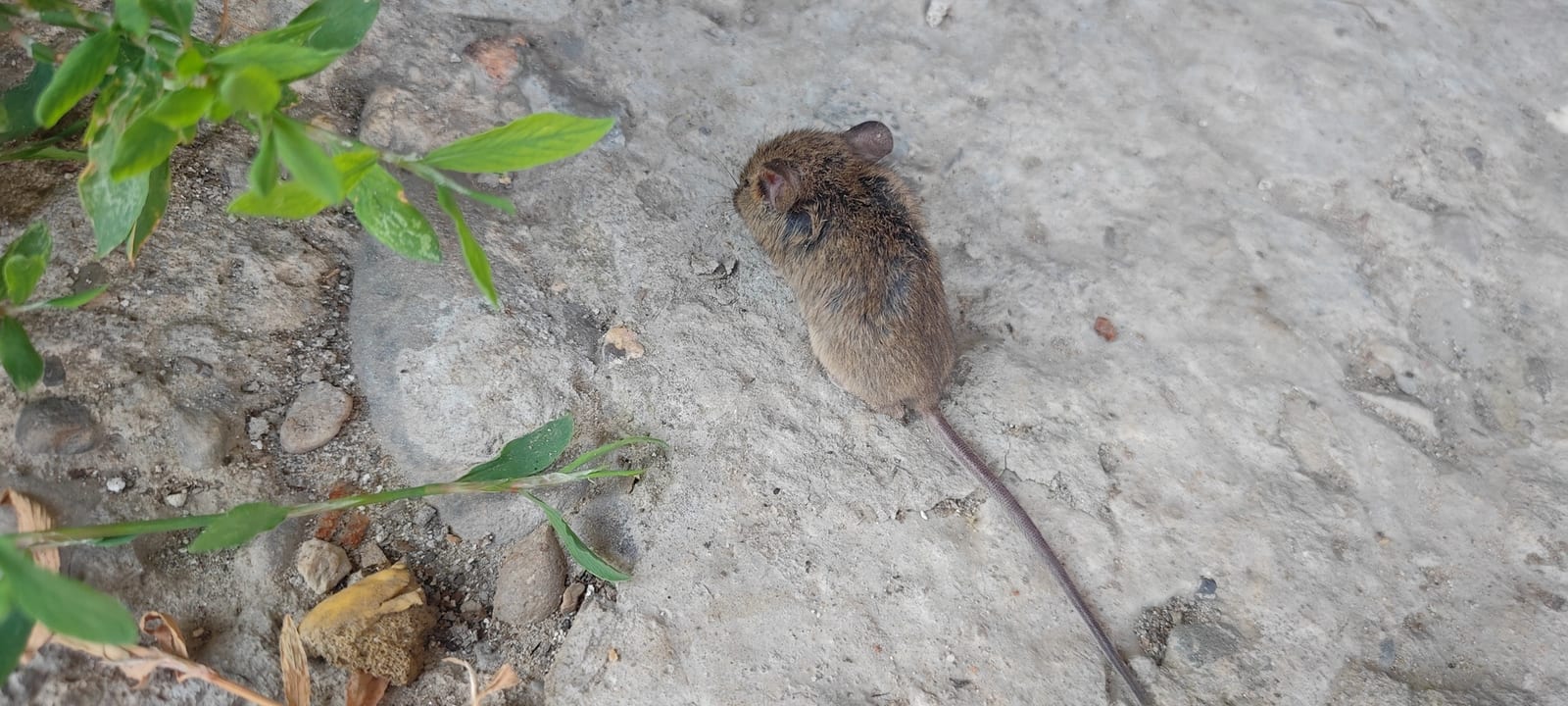
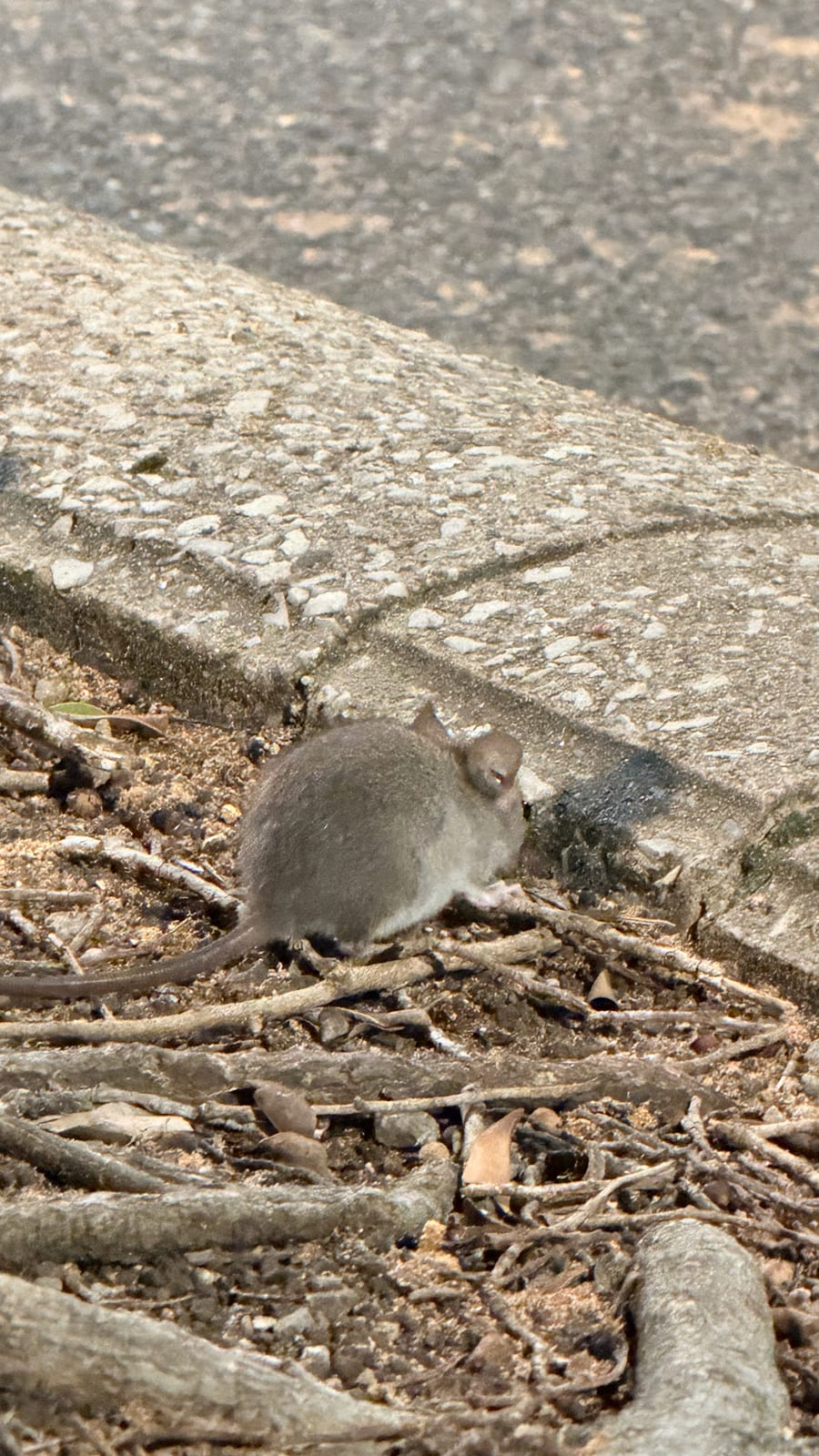
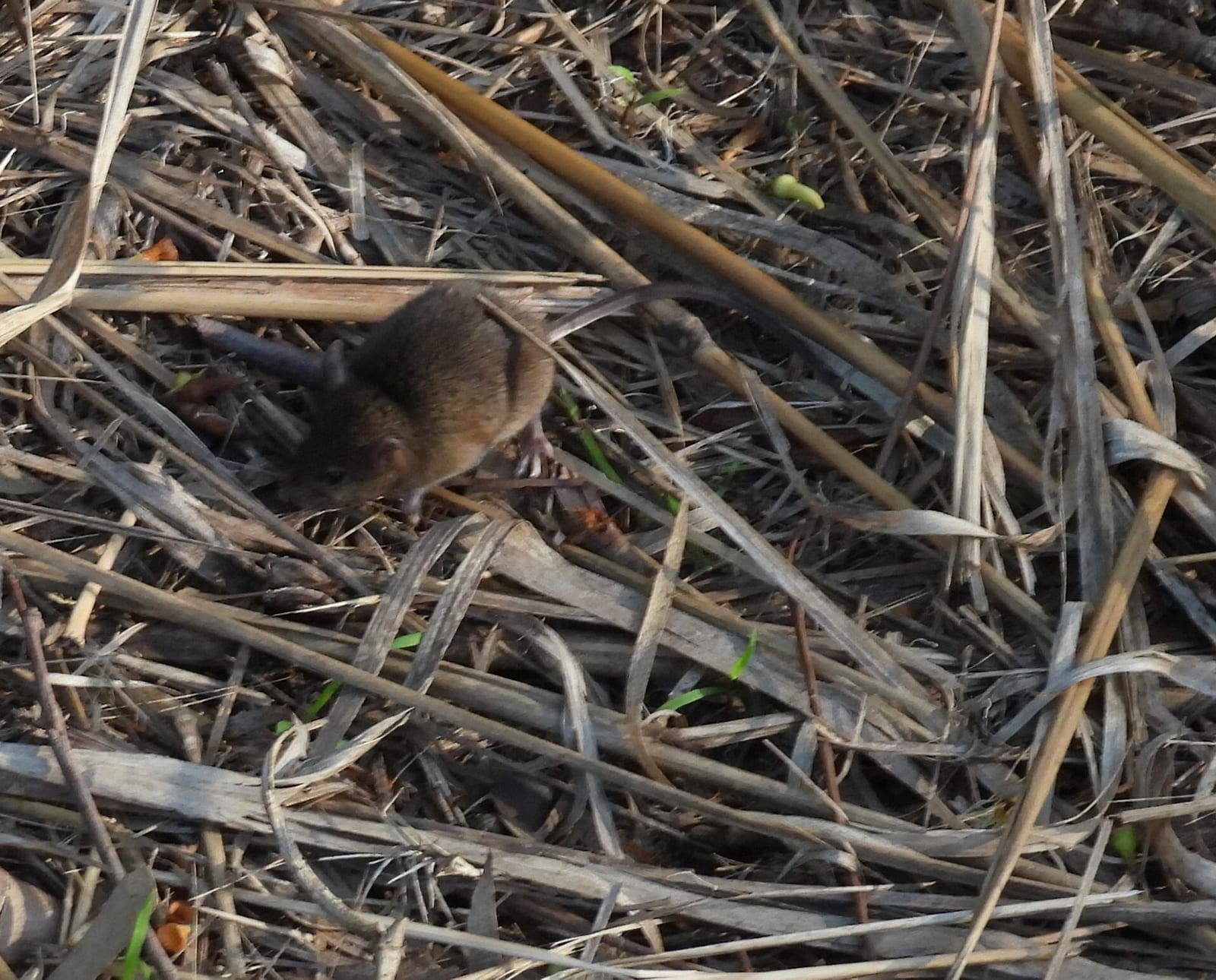
The house mouse isn’t a native part of Arizona’s fauna. It arrived with people and lives alongside people now, and the occurrence record carries that split personality. Open databases hold 539 records for it statewide, but only 60 are iNaturalist photos; the rest are museum and survey specimens. A small gray-brown rodent glimpsed in a pantry rarely gets photographed as wildlife, so the casual-sighting count stays low even in the buildings and barns where it’s well established.

An introduced commensal, not a desert native

NatureServe flags the house mouse as exotic in Arizona, which is why it carries no state conservation rank: it’s an introduced species, spread from the Old World across the globe alongside grain, ships, and settlement. The records cluster hard in Pima and Maricopa counties, the Tucson and Phoenix metro areas, exactly where human structures and stored food concentrate. It’s a creature of barns, warehouses, homes, and irrigated field edges far more than of open Sonoran Desert, and away from that human footprint the native pocket mice and deer mice hold the ground instead.

What its records really track

Because few people log a house mouse to a nature database, the monthly pattern reflects trapping and survey activity as much as mouse behavior. Records rise in the cool season as mice move indoors and turn up in winter collections. The species can breed year-round wherever shelter and food allow it, but occurrence records here track documentation effort rather than how many mice actually share any given building or field.

Status in Arizona

House mouse is introduced to Arizona rather than native, and NatureServe carries no positive rank for it beyond the exotic flag, SNA, Not Applicable, a designation reserved for species outside the state’s native conservation framework. Away from buildings and farmland it competes little with Arizona’s desert-adapted rodents, but it’s a documented crop and stored-food pest and can carry disease, which is why it’s tracked as introduced rather than counted among the native fauna.
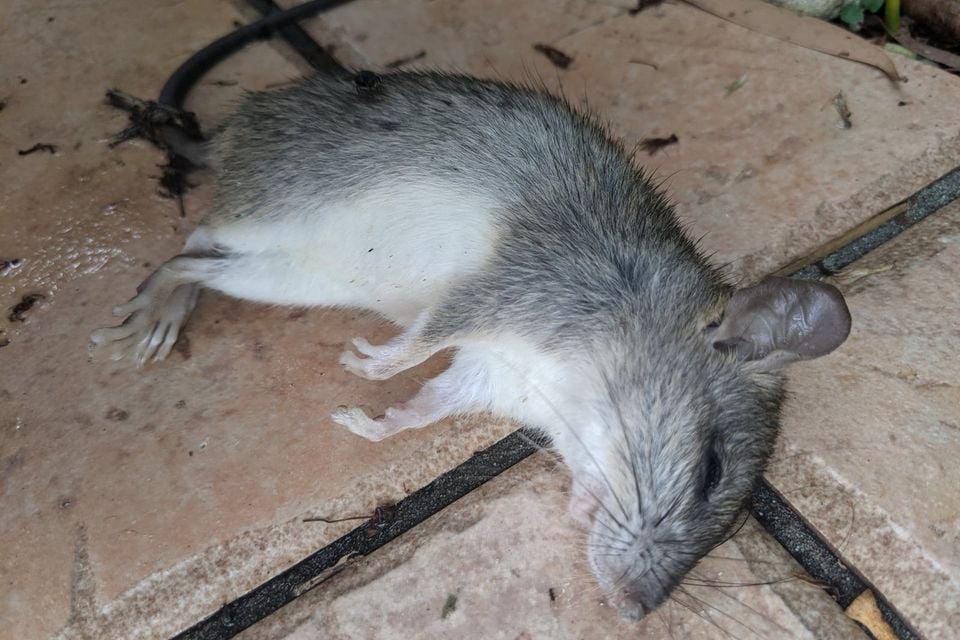

House Mouse in other states

More mammals in Arizona in the atlas

Data & sources

The data and visualizations on this page draw on these open sources:

  • GBIFCC-BY 4.0occurrence records behind the range map, elevation, and record counts
  • iNaturalistCC0 / CC-BY / CC-BY-SAobservations, photos, and audio recordings
  • NatureServe ExplorerCC-BYthe state conservation rank
  • IUCN Red Listattributed factthe global conservation status
  • USGS NASpublic domainnative / introduced status
  • Natural Earthpublic domainthe relief basemap
  • USFSpublic domainnational-forest boundaries
  • USGS Protected Areas Databasepublic domainthe named parks, forests, and refuges behind "notable places to look"




