Massachusetts mammals

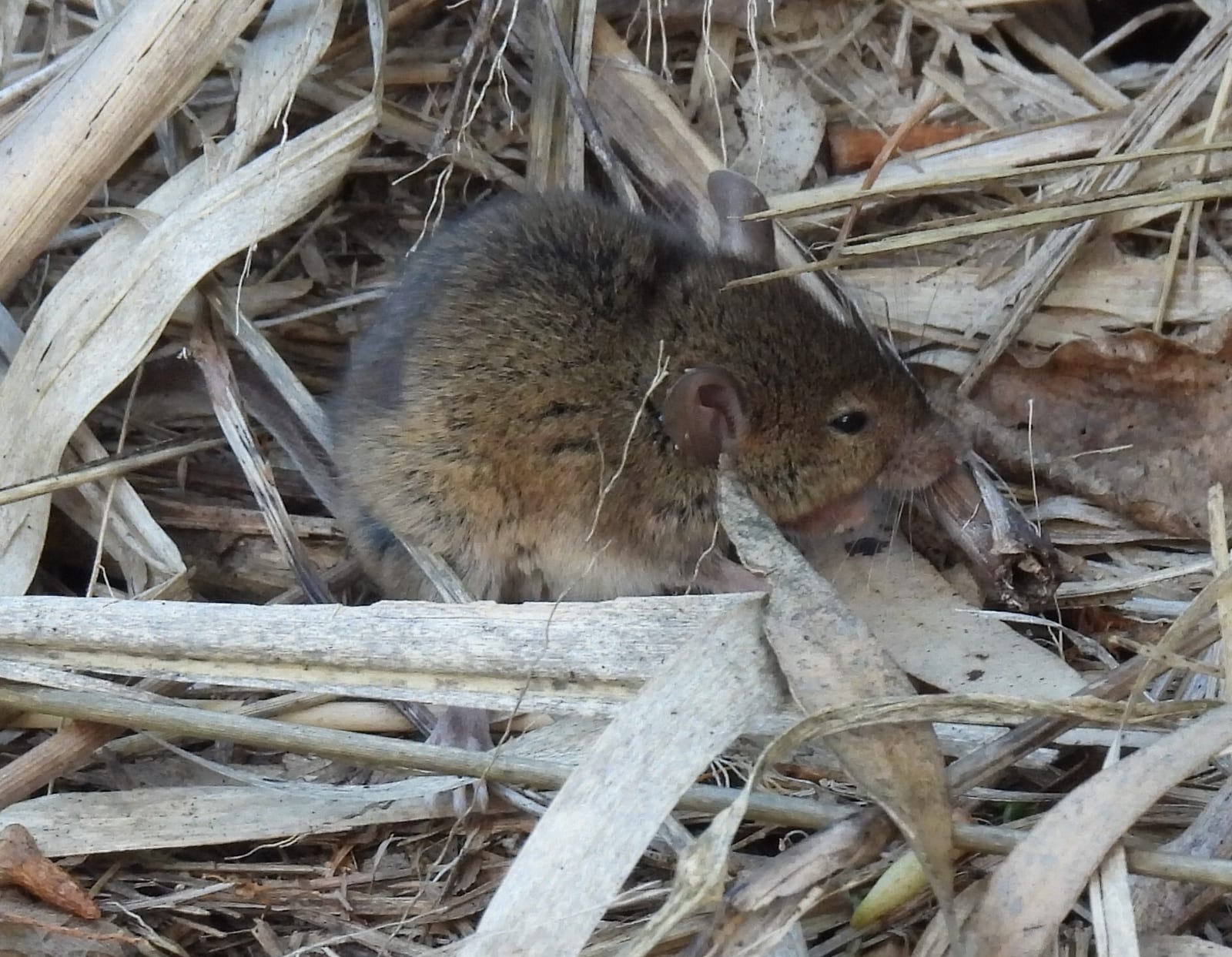
House Mouse in Massachusetts

Mus musculus

Introduced to Massachusetts

Massachusetts's Mus musculus records are of an introduced species; it does not occur here as a wild native population.

IUCN Red List status

  1. LC
  2. NT
  3. VU
  4. EN
  5. CR
  6. EW
  7. EX

LC – Least Concern

Widespread and abundant; not at risk.

House Mouse in Massachusetts, by the numbers

Occasional in Massachusetts 39th most recorded of 93 mammals logged in Massachusetts

168 occurrence records
165 with iNaturalist photos
Jun 16, 2026 Last seen in Massachusetts

Records from 2000–2026.

168 total records count every Massachusetts occurrence from GBIF and iNaturalist; the map plots a georeferenced sample of 157; the monthly chart covers the 157 records with a full observation date.

When to look for the House Mouse in Massachusetts

Most sightings fall in March.

157 Massachusetts occurrence records (iNaturalist and GBIF) by month of year, 2000–2026. Shows when the species is recorded, not a guarantee of presence.

Monthly Massachusetts records (table)
MonthRecords
January17
February12
March26
April11
May6
June9
July16
August18
September14
October12
November7
December9

Monthly house mouse occurrence records (iNaturalist and GBIF) in Massachusetts, 2000–2026.

Seasonality

Year-round in Massachusetts, with recorded sightings peaking in March, with a smaller rise in July–August and January.

Occurrence map

Where House Mouse has been recorded in Massachusetts

157 records mapped · zoom and drag to explore

157 Massachusetts records mapped

Notable places to look

Park, forest, or monumentiNaturalist records
Franklin Park Zoo 7
Breakheart Reservation 1
Hemlock Gorge Reservation 1

Protected places with the most house mouse sightings, from the USGS Protected Areas Database plus named mountain ranges, good spots to look, not a full breakdown, so they don't sum to the total.

Where it's recorded in Massachusetts

CountyRecords
Middlesex County 67
Suffolk County 61
Norfolk County 12
Essex County 7
Bristol County 3
Hampden County 2
Plymouth County 2
Worcester County 1
Franklin County 1
Other localities 12

The complete county distribution, spread across 9 Massachusetts counties. Every occurrence record falls in one county, so these sum to the total. Counties from GBIF and US Census boundaries.

House mice arrived in Massachusetts with European colonists and NatureServe still classifies them as exotic rather than assigning any conservation status. They thrive around buildings, farms, and disturbed ground, so records near Great Meadows National Wildlife Refuge and Walden Pond State Reservation more likely trace back to nearby structures and field edges than to the wetlands and woods those sites are named for.

Records peak in March, roughly four times the low months of late fall, a pattern that probably reflects breeding activity picking up as winter eases rather than a true summer or fall high. House mice breed year-round indoors, so outdoor sightings depend heavily on when populations spill out of buildings into open ground.
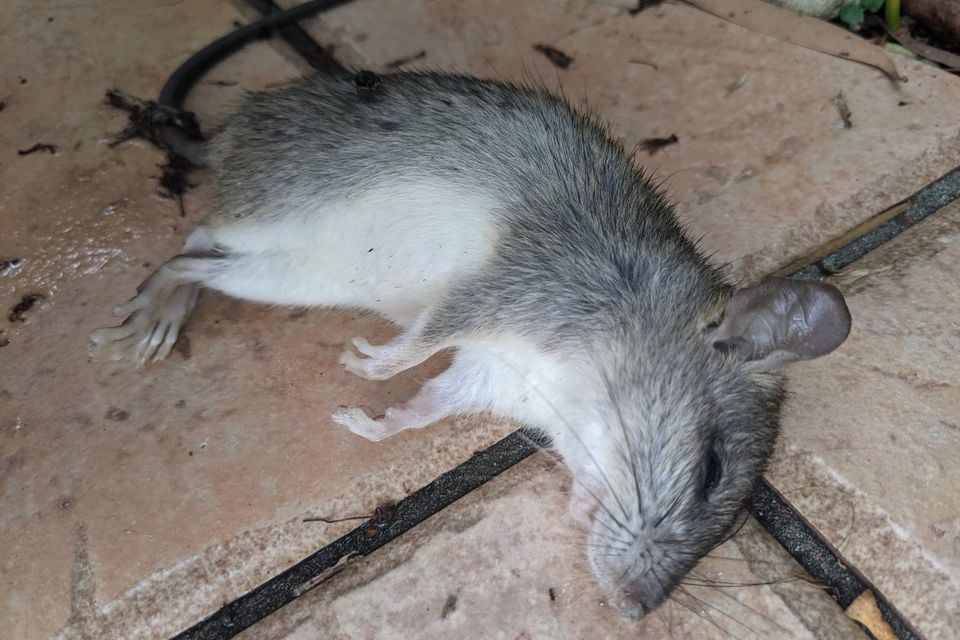

Occurrence data from iNaturalist and GBIF.

House Mouse in other states

More mammals in Massachusetts in the atlas

Data & sources

The data and visualizations on this page draw on these open sources:

  • GBIFCC-BY 4.0occurrence records behind the range map, elevation, and record counts
  • iNaturalistCC0 / CC-BY / CC-BY-SAobservations, photos, and audio recordings
  • NatureServe ExplorerCC-BYthe state conservation rank
  • IUCN Red Listattributed factthe global conservation status
  • USGS NASpublic domainnative / introduced status
  • Natural Earthpublic domainthe relief basemap
  • USFSpublic domainnational-forest boundaries
  • USGS Protected Areas Databasepublic domainthe named parks, forests, and refuges behind "notable places to look"