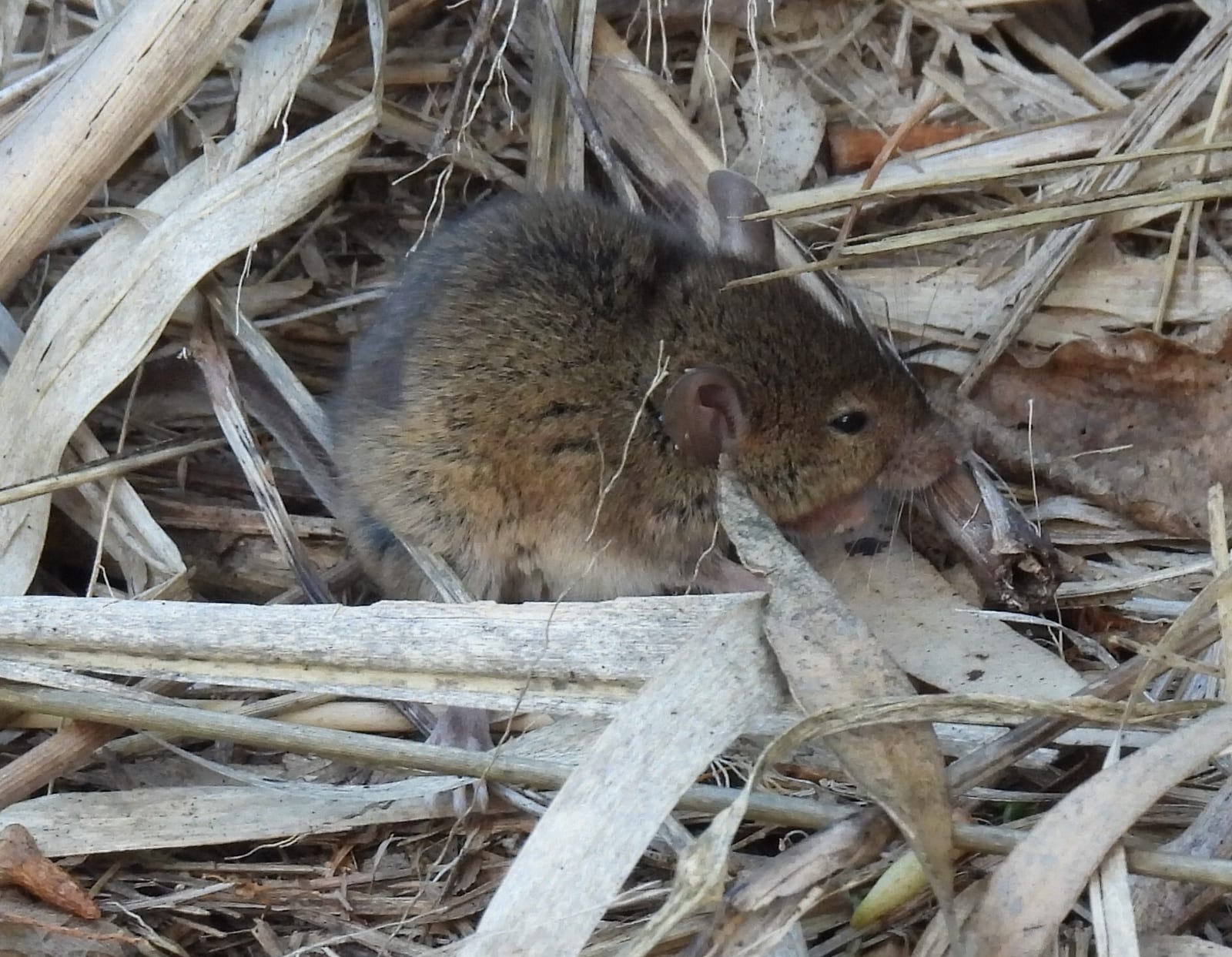
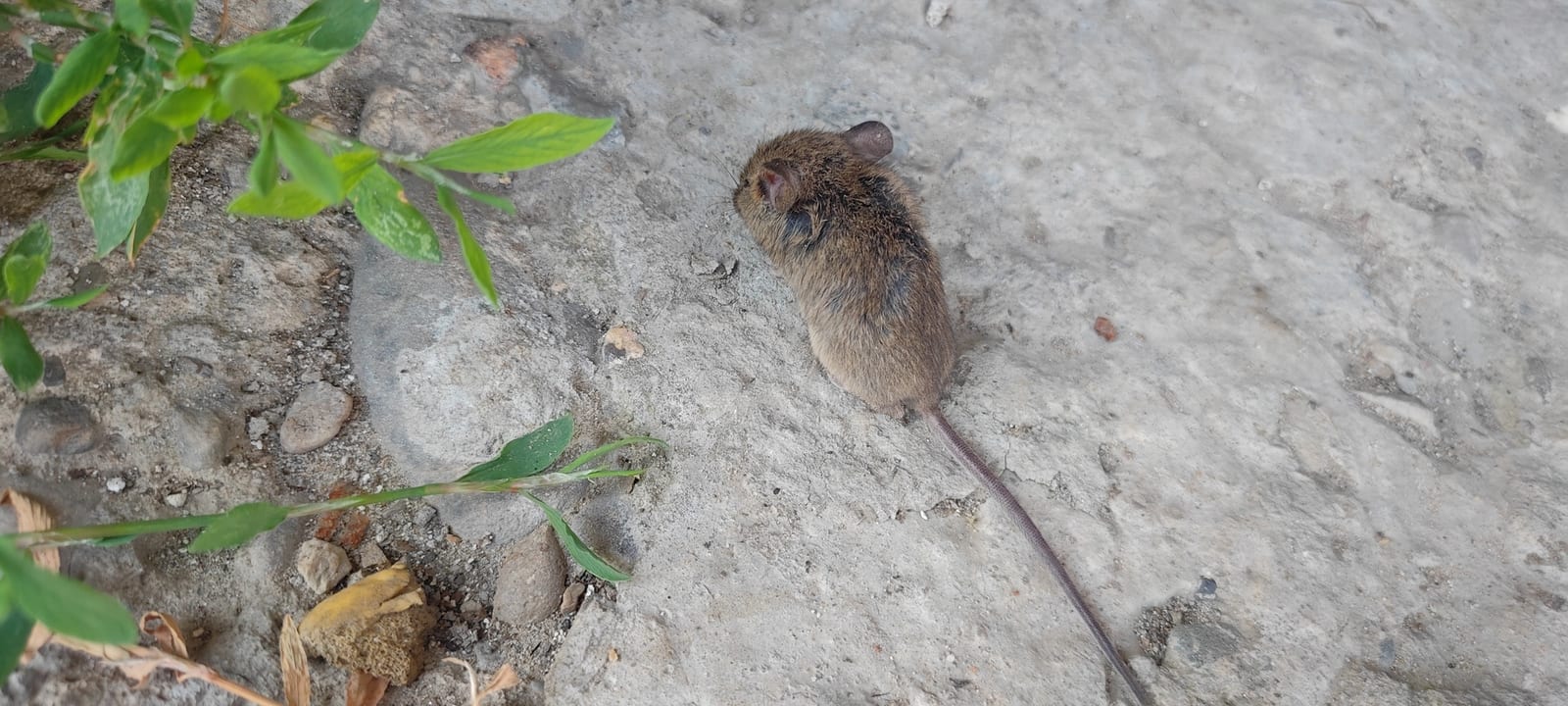
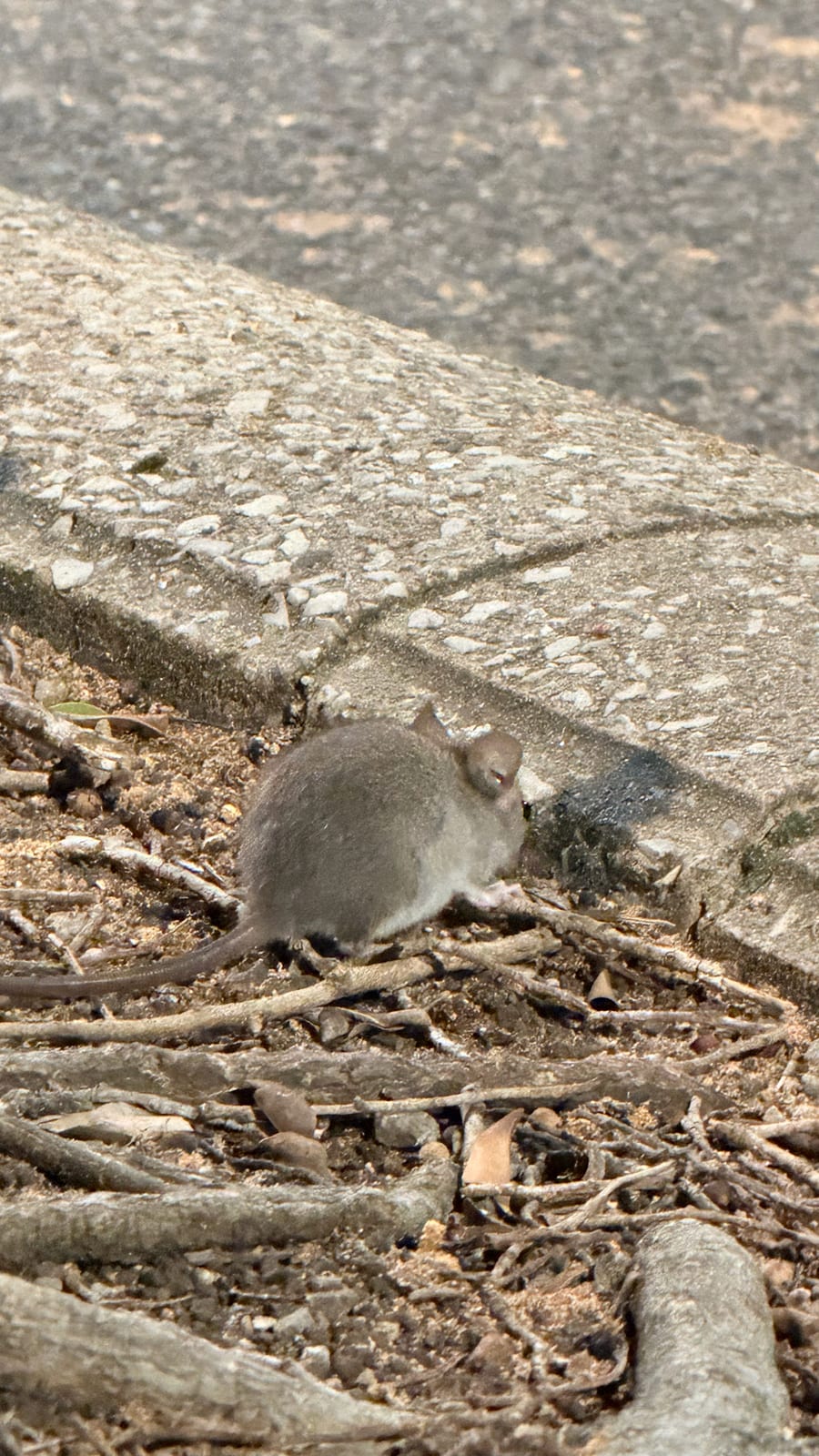
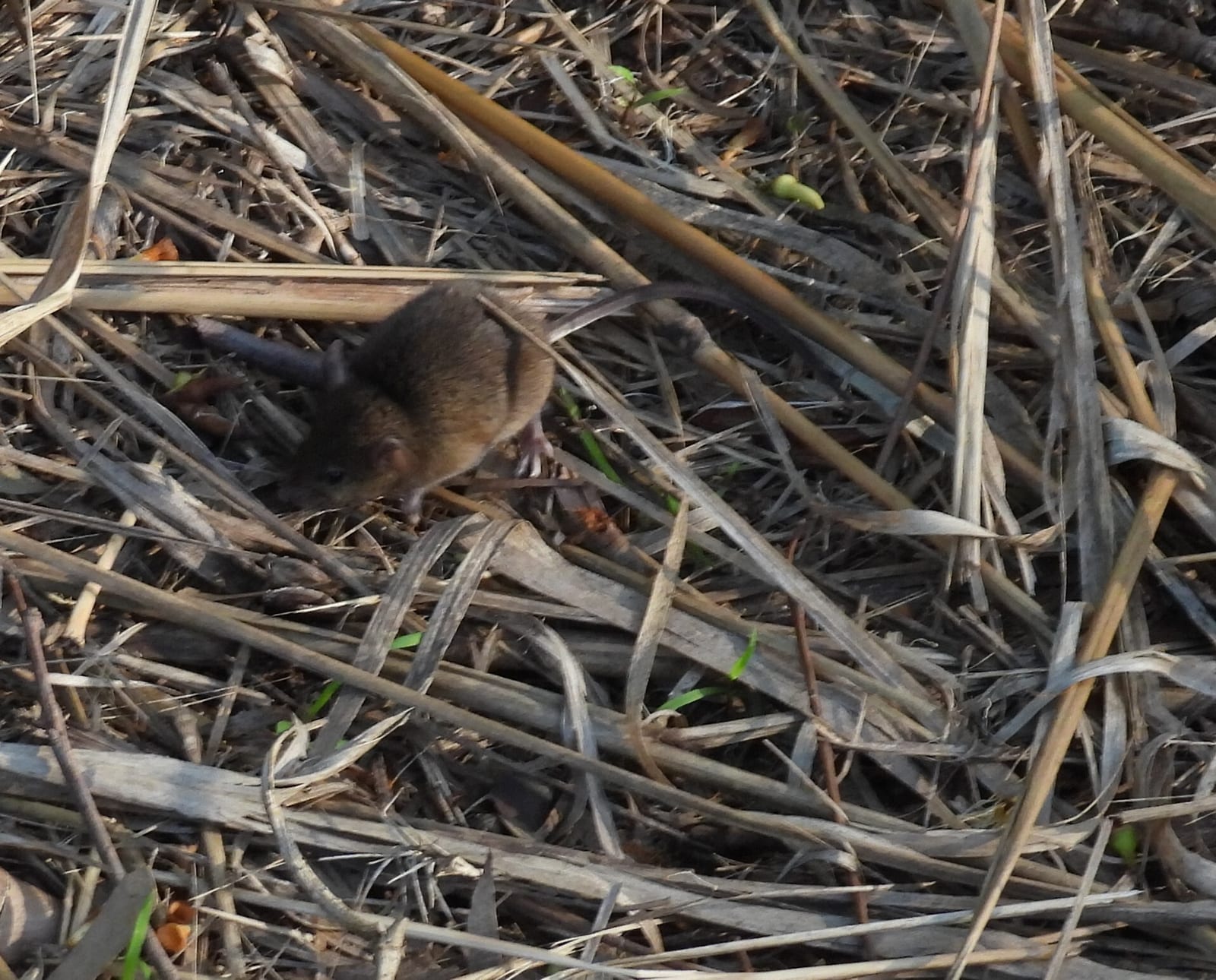
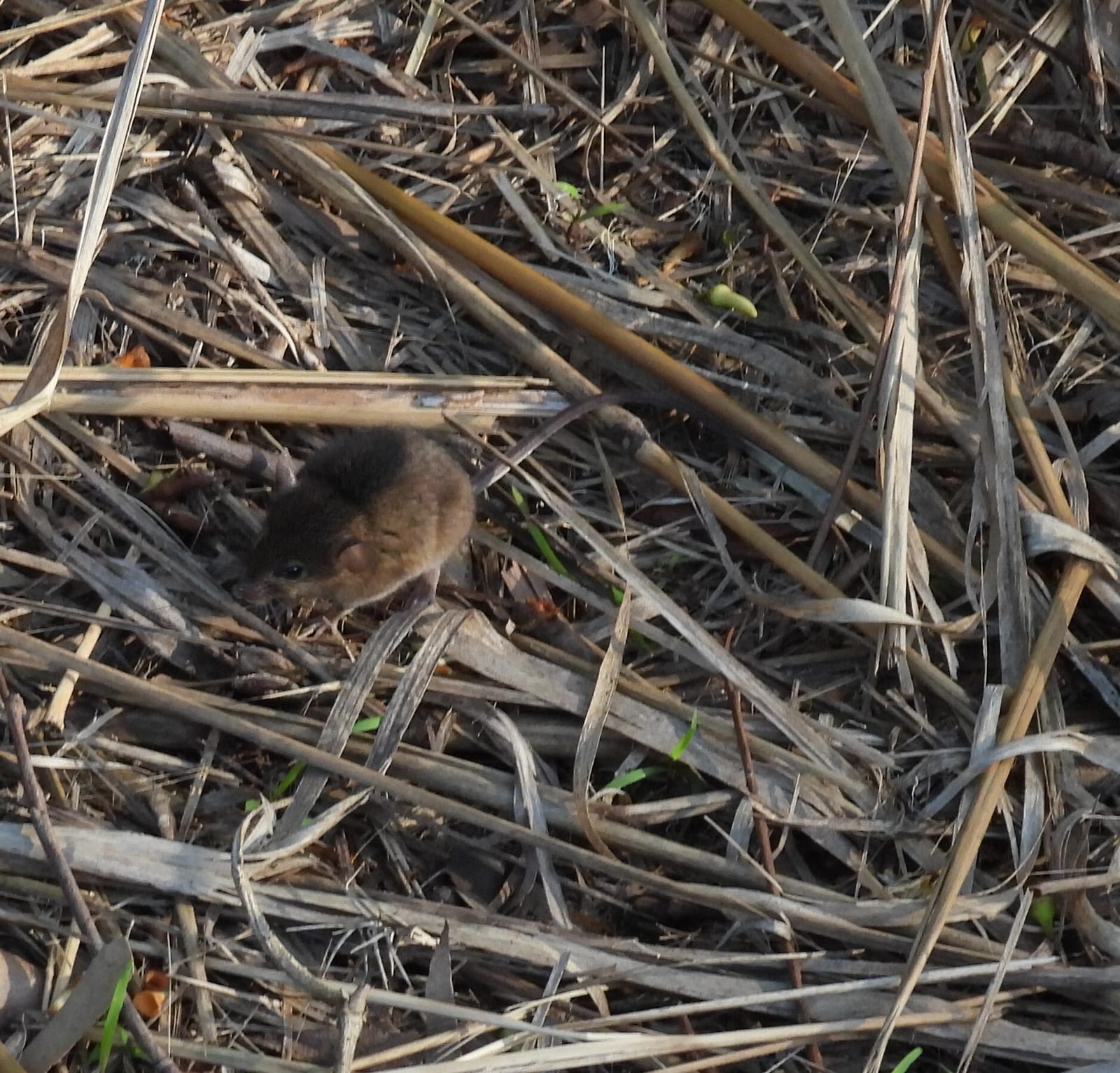
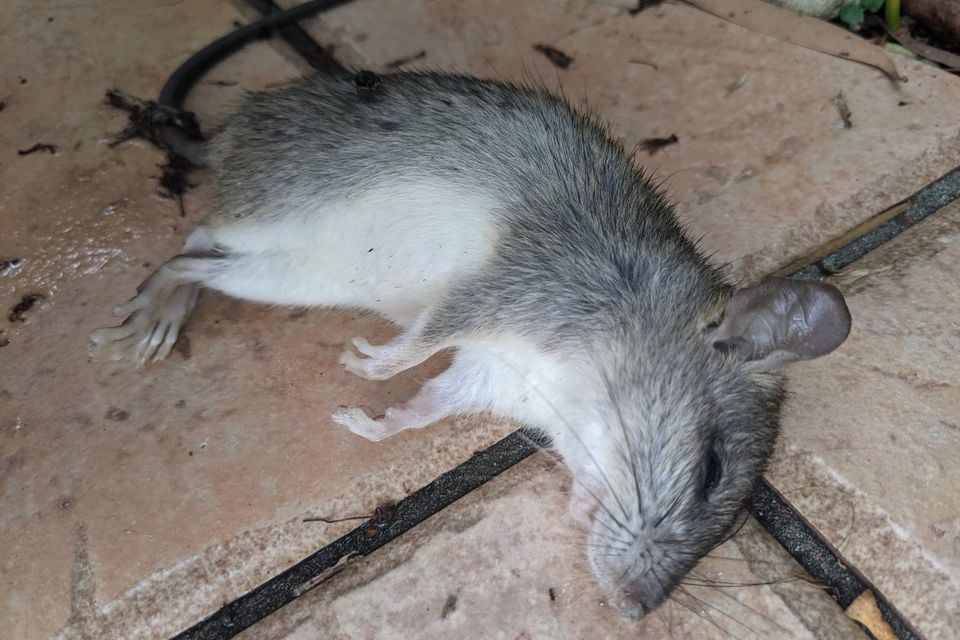
House mouse records in Michigan follow human development. Ingham and Wayne counties, home to Lansing and Detroit, lead with five apiece, and the only named sites are the Kellogg Biological Station and the University of Michigan Biological Station, field stations where buildings sit inside otherwise natural land. NatureServe flags the species as exotic; it arrived with European settlement rather than being part of Michigan’s native fauna.
All 34 records come from iNaturalist, a thin file for an animal most people encounter indoors, not outdoors, where few think to photograph it. Reports peak in July, with a smaller rise in October, when mice commonly move toward buildings as outdoor food and cover decline.
 Full species profile