
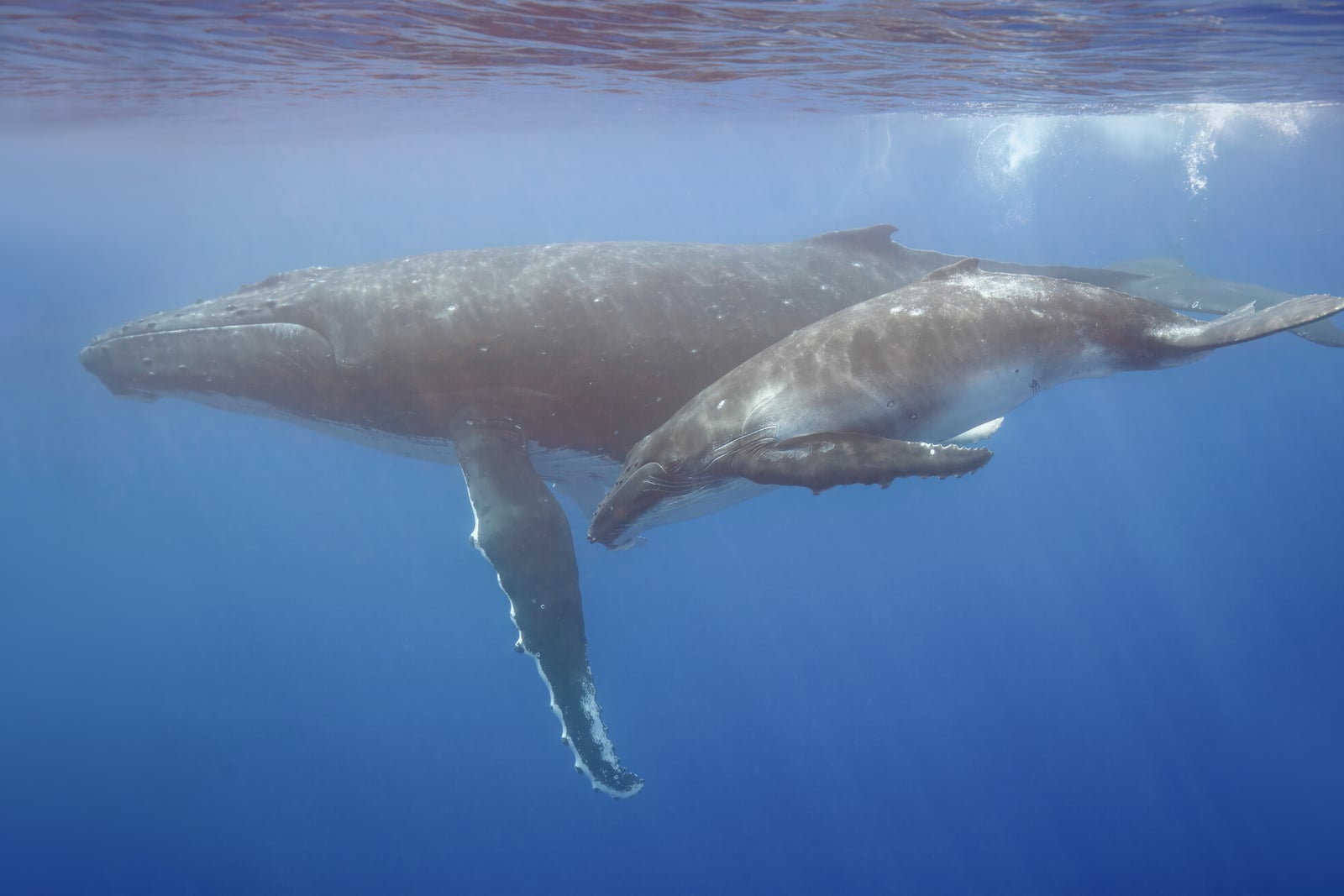
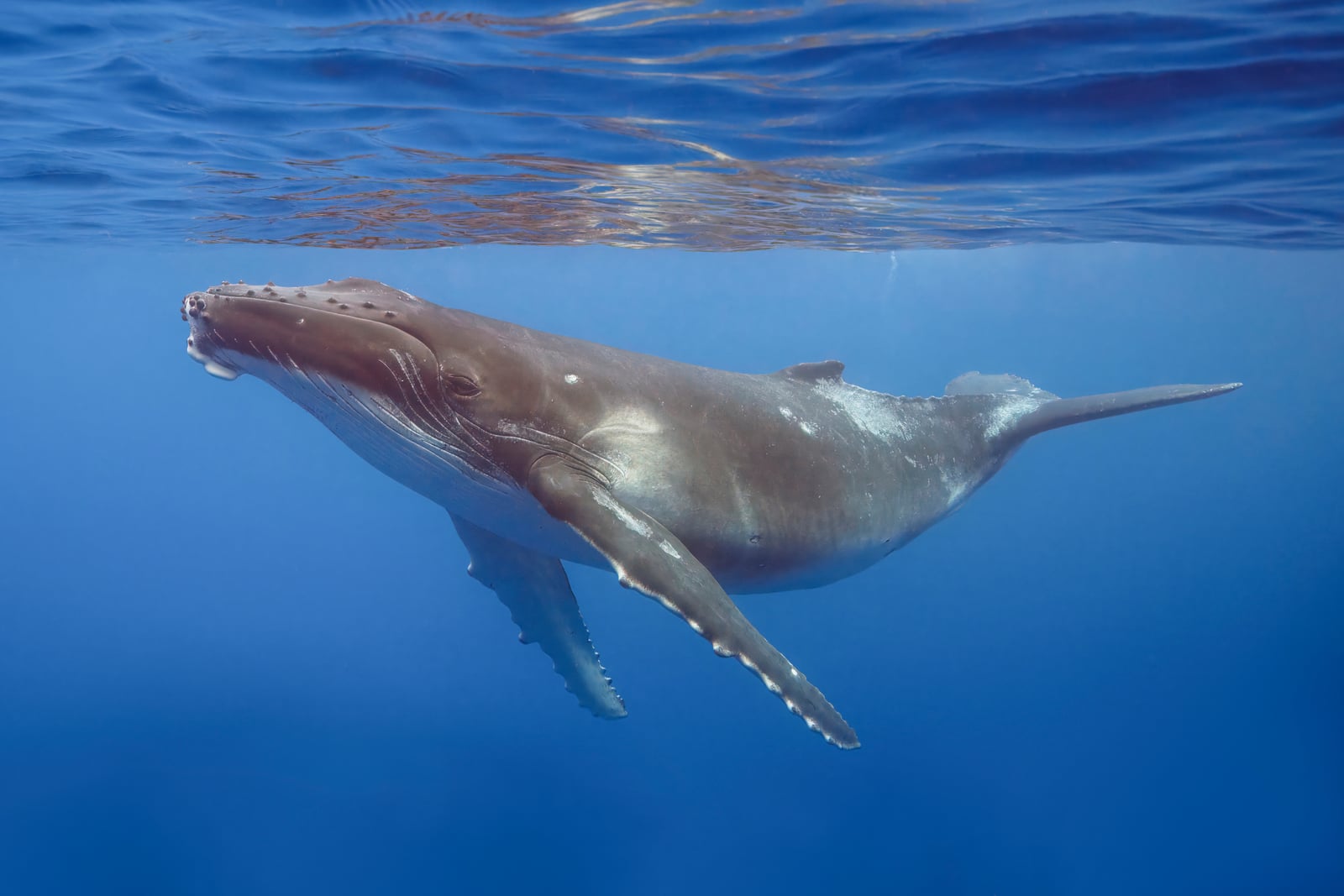
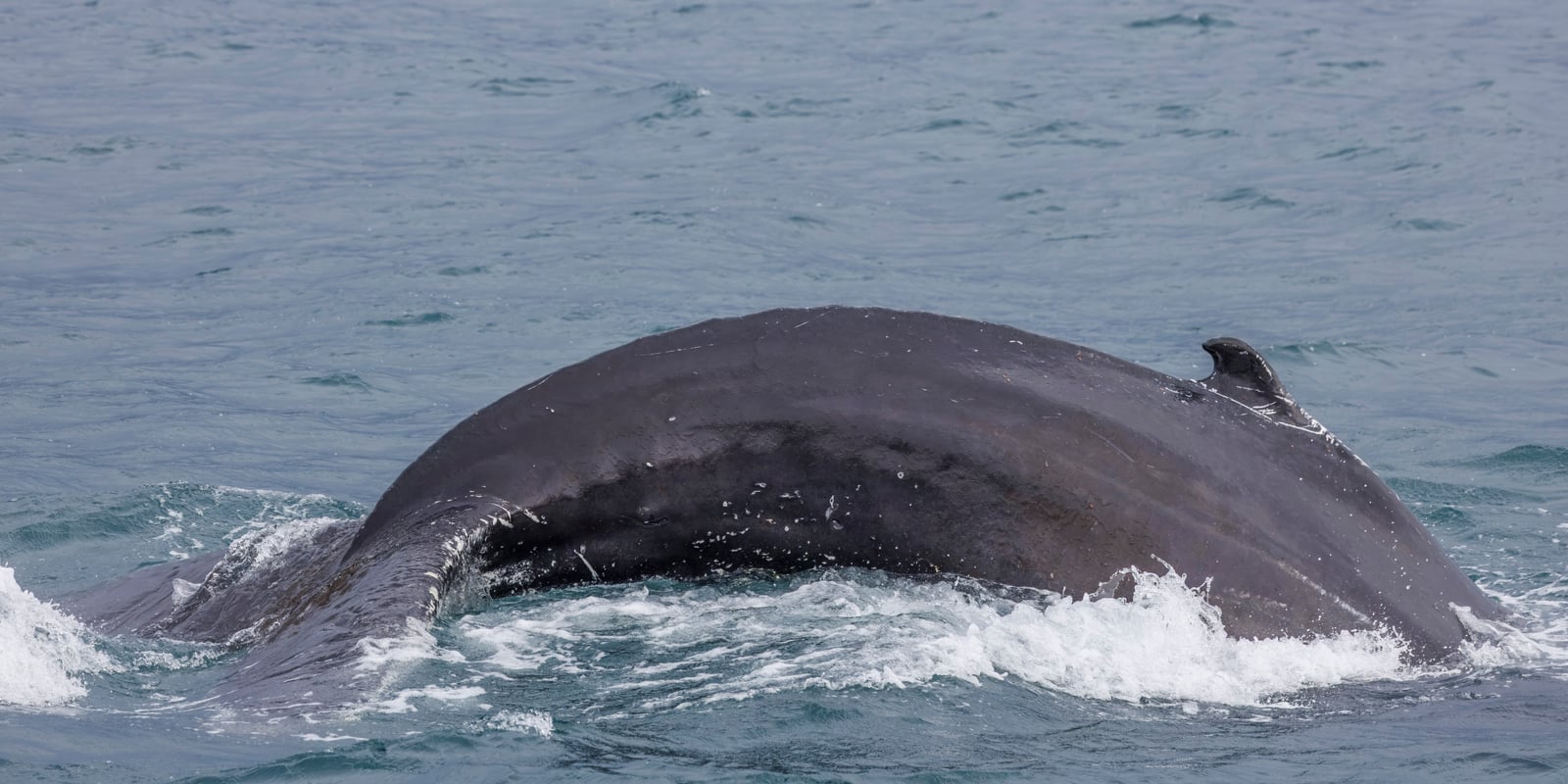
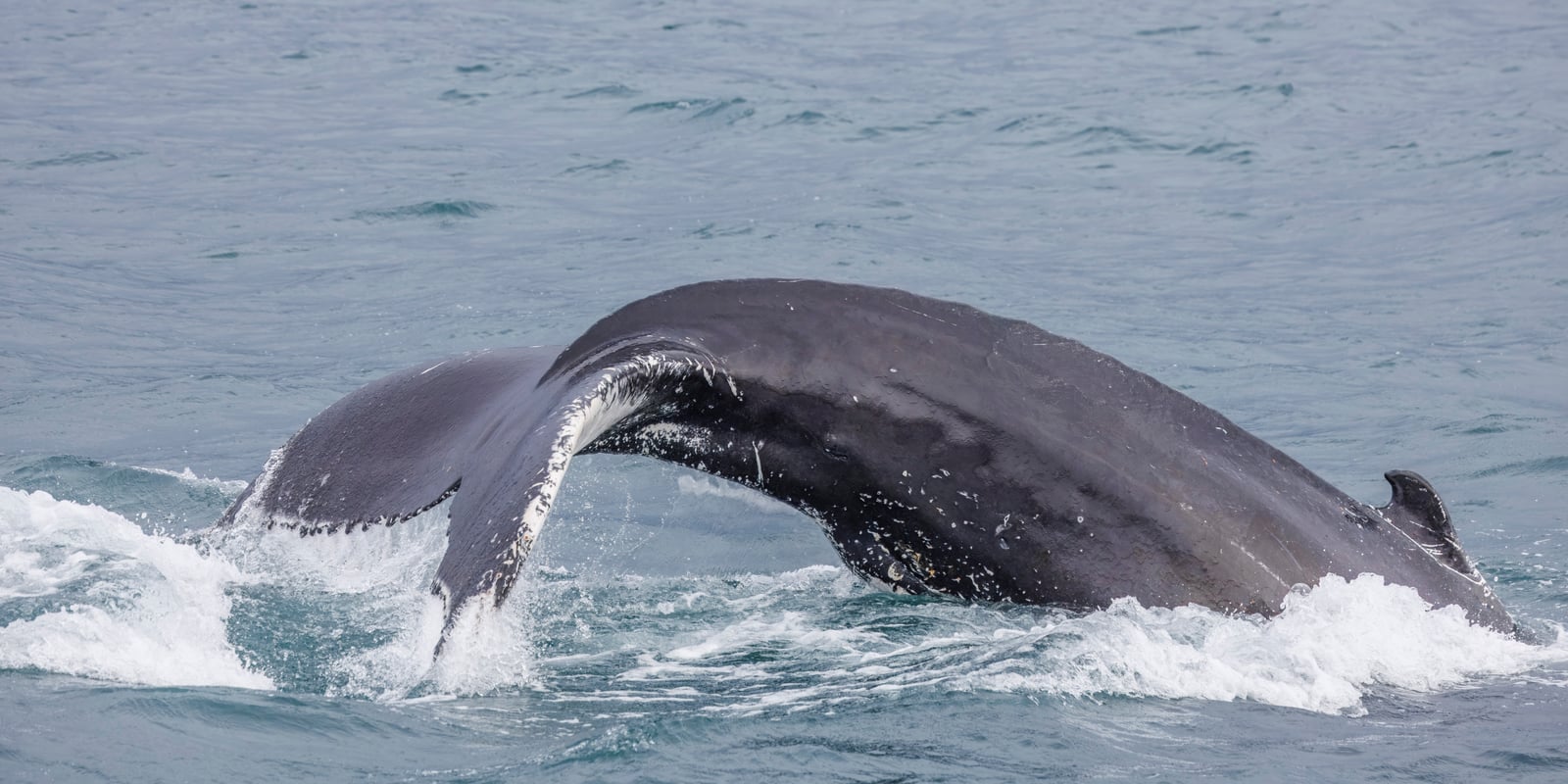
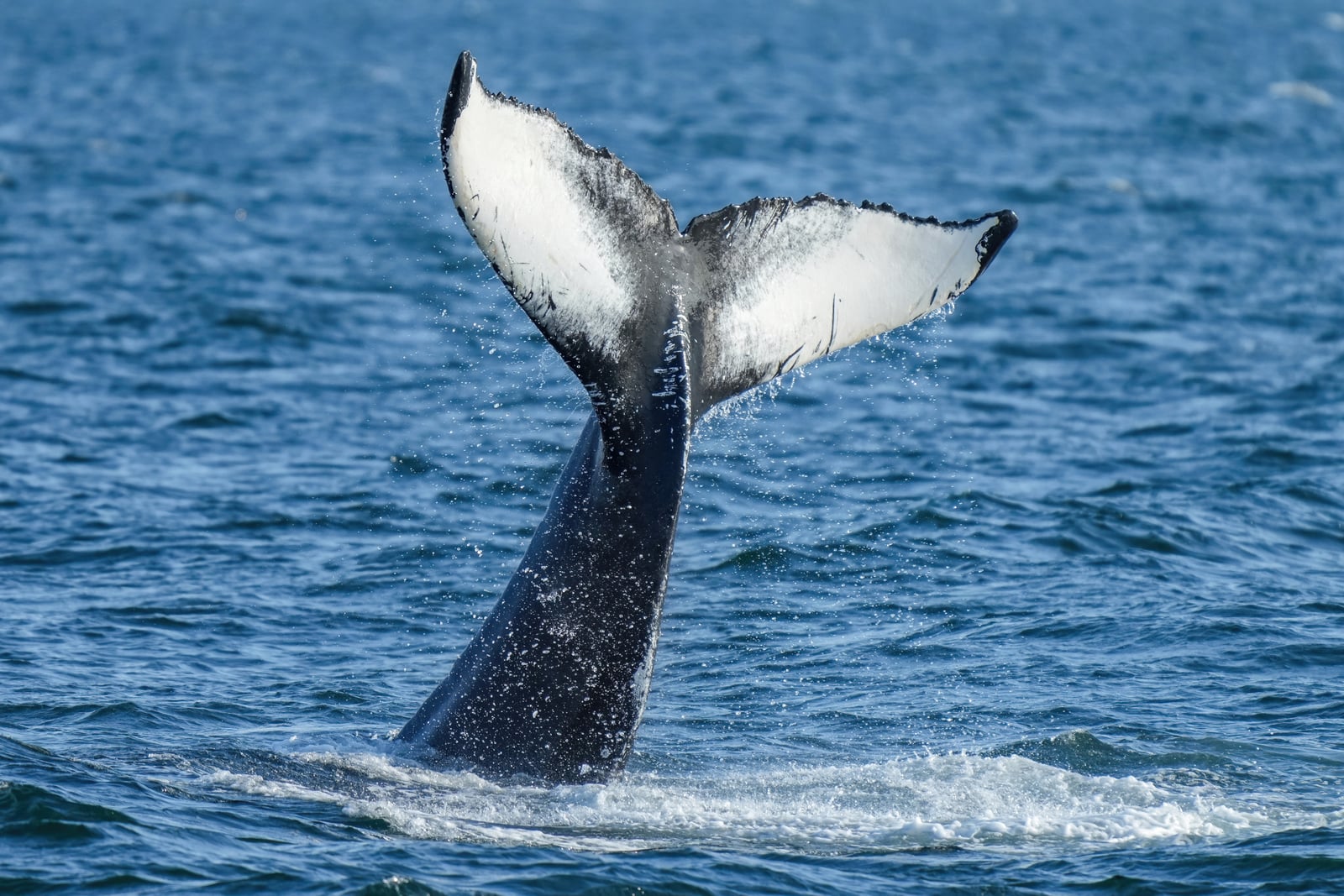
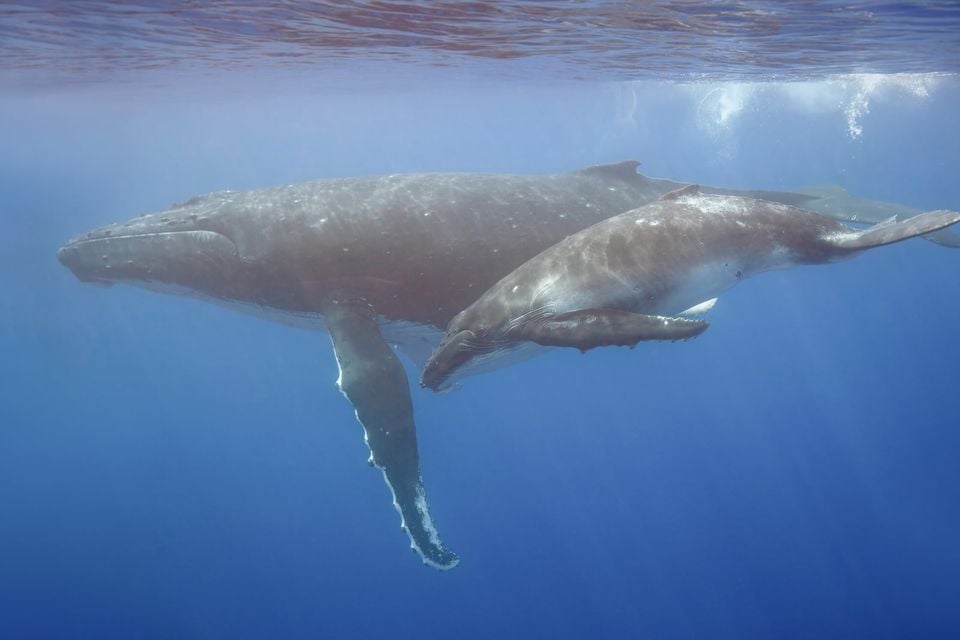
Alaska carries some of the densest humpback whale records anywhere in the country, concentrated around Kenai Fjords National Park, Glacier Bay National Park and Preserve, and the Inside Passage waters of Tongass National Forest. These fjords and channels are prime summer feeding ground, not breeding habitat. The whales have already calved far south, mostly around Hawaii, months before they arrive.
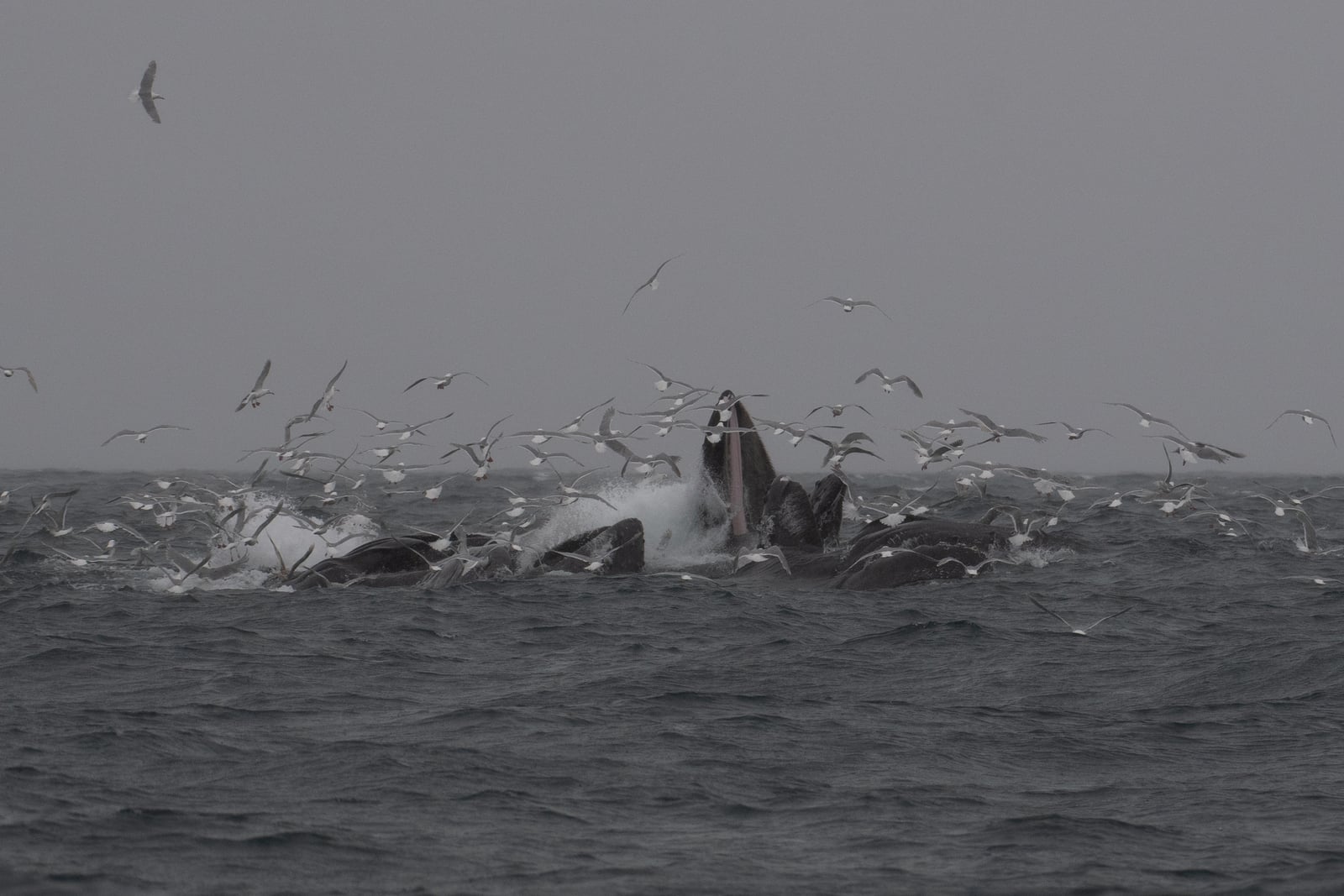
Humpbacks feeding in Alaska waters hunt krill and small schooling fish like herring, capelin, and pollock, often working in groups to drive fish into tight balls near the surface before lunging through them. It’s a very different hunting style from the tooth-based approach orcas use along the same coast.
Records climb through spring and peak from June through August, tracking the whales’ arrival to feed after the winter breeding season, then thin out as animals head back south in fall. Records this dense mostly reflect heavy boat traffic and research effort in these waters, alongside a genuinely large recovered population along the whole US coast.
 Full species profile




