
Delaware mammals

Humpback Whale in Delaware

Megaptera novaeangliae

Native to Delaware

Not listed as nonindigenous in Delaware by USGS NAS; native to its Delaware range.

IUCN Red List status

  1. LC
  2. NT
  3. VU
  4. EN
  5. CR
  6. EW
  7. EX

LC – Least Concern

Widespread and abundant; not at risk.

Humpback Whale in Delaware, by the numbers

Occasional in Delaware 33rd most recorded of 62 mammals logged in Delaware

24 occurrence records
12 with iNaturalist photos
Jan 9, 2026 Last seen in Delaware

Records from 2000–2026.

When to look for the Humpback Whale in Delaware

Most sightings fall in September.

24 Delaware occurrence records (iNaturalist and GBIF) by month of year, 2000–2026. Shows when the species is recorded, not a guarantee of presence. Based on a small number of dated records; the seasonal pattern may not be representative.

Monthly Delaware records (table)
MonthRecords
January1
February1
March2
April2
May4
June1
July0
August1
September7
October1
November0
December4

Monthly humpback whale occurrence records (iNaturalist and GBIF) in Delaware, 2000–2026.

Seasonality

Year-round in Delaware, with recorded sightings peaking in September.

Occurrence map

Where Humpback Whale has been recorded in Delaware

24 records mapped · zoom and drag to explore

23 Delaware records mapped

Notable places to look

Park, forest, or monumentiNaturalist records
Delaware Seashore State Park 1

Protected places with the most humpback whale sightings, from the USGS Protected Areas Database plus named mountain ranges, good spots to look, not a full breakdown, so they don't sum to the total.

Where it's recorded in Delaware

CountyRecords
Sussex County 5
Kent County 1
Other localities 18

The complete county distribution, spread across 2 Delaware counties. Every occurrence record falls in one county, so these sum to the total. Counties from GBIF and US Census boundaries.

Humpback Whales pass through Atlantic waters off Delaware and occasionally feed close enough to be seen from shore. Scan from oceanfront viewpoints at Cape Henlopen or Delaware Seashore State Park for repeated blows, a long dark back, or raised tail flukes; seabird feeding flocks can focus the search.

The modest record set peaks in May and December, so it does not support a precise local season. Use binoculars from land or a responsible vessel and keep the legally required distance.
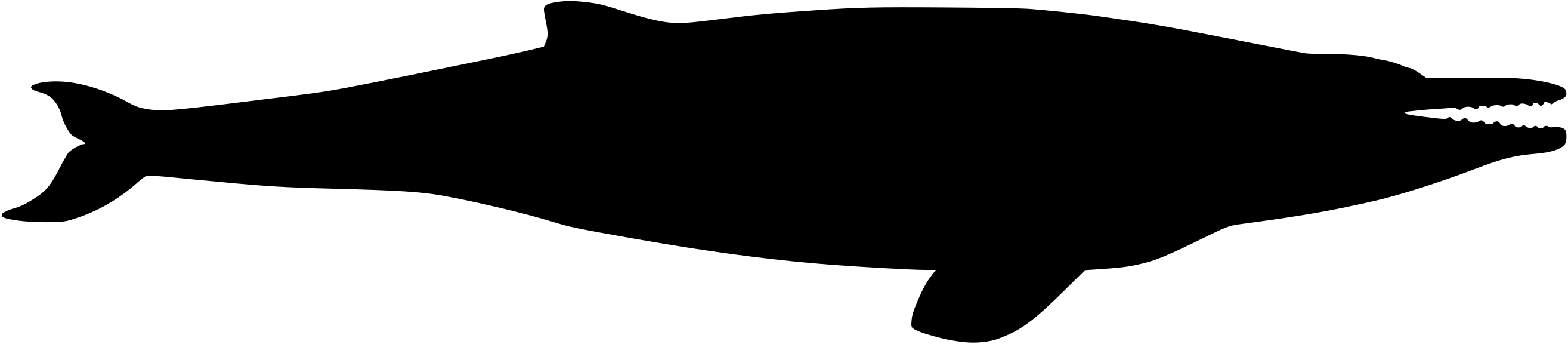
Occurrence data from iNaturalist and GBIF.

More mammals in Delaware in the atlas

Data & sources

The data and visualizations on this page draw on these open sources:




